14-Day Anti-Inflammatory Meal Plan with Quick 30-Minute Recipes
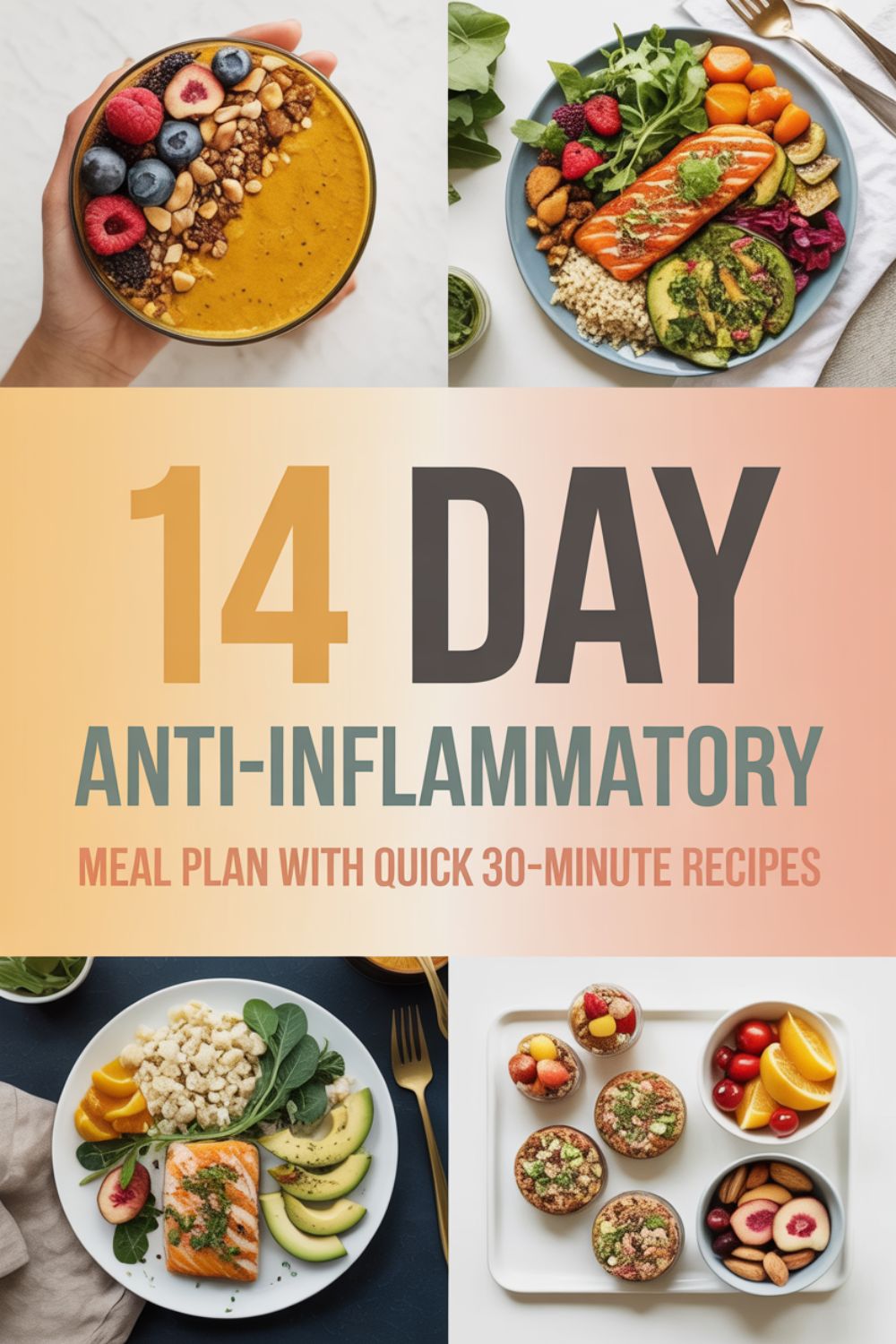
14-Day Anti-Inflammatory Meal Plan with Quick 30-Minute Recipes
Look, I’m going to be straight with you. When my doctor mentioned that chronic inflammation was behind my constant joint pain and brain fog, I honestly thought I’d have to give up everything delicious and spend hours in the kitchen making complicated meals. Turns out, I was completely wrong on both counts.
What really surprised me was how simple anti-inflammatory eating actually is once you get past all the confusing information out there. And here’s the kicker: most of these meals take 30 minutes or less. Yeah, you read that right. No marathon cooking sessions, no obscure ingredients you can only find at some specialty store three towns over.
Why This Plan Actually Works
Before we jump into the meal plan, let me tell you why this approach is different. Most anti-inflammatory guides either overwhelm you with science jargon or give you vague advice like “eat more vegetables.” Neither of these approaches helped me when I was standing in my kitchen at 6 PM wondering what the heck to make for dinner.
This 14-day plan is built around real-life constraints. You’ve got work, maybe kids, probably a million other things demanding your attention. The recipes are genuinely quick, the ingredients are stuff you can find at any decent grocery store, and nothing requires you to be a culinary genius.
Research shows that anti-inflammatory diets provide significant risk reduction for chronic diseases by focusing on whole foods rather than isolated supplements. The key is consistency, not perfection. When you regularly consume foods rich in omega-3 fatty acids, antioxidants, and fiber while cutting back on processed junk, your body starts responding pretty quickly.
What Makes Food Anti-Inflammatory Anyway?
Here’s the deal. Inflammation is your body’s natural response to injury or infection, but when it becomes chronic, that’s when problems start. Think of it like an alarm system that won’t shut off. Certain foods keep hitting that alarm button, while others help calm everything down.
The inflammation-triggering culprits are pretty predictable: refined sugars, processed meats, trans fats, and excessive refined carbs. These foods spike your blood sugar, mess with your gut bacteria, and basically create chaos in your system.
On the flip side, anti-inflammatory foods work through multiple pathways. Harvard’s Nutrition Source explains that foods rich in omega-3 fatty acids reduce the production of inflammatory compounds, while antioxidants in colorful fruits and vegetables neutralize free radicals that trigger inflammation. Fiber feeds your beneficial gut bacteria, which produce compounds that actively fight inflammation.
The Core Principles
Every meal in this plan follows a few simple rules. First, we’re building plates around plants. Vegetables, fruits, whole grains, legumes, nuts, and seeds form the foundation. These foods are packed with phytonutrients that your body uses to regulate inflammation.
Second, we’re including quality fats. Extra virgin olive oil, avocados, fatty fish, and nuts provide the omega-3s and monounsaturated fats your body needs. Don’t buy into the low-fat nonsense from the 90s. Your brain is literally made of fat, and you need healthy fats to function.
Third, we’re choosing lean proteins and mixing in plenty of plant-based options. Wild-caught fish, organic poultry when you can swing it, and legumes give you protein without the inflammatory baggage that comes with processed meats and factory-farmed options.
Speaking of quick protein options, if you’re looking for breakfast ideas that don’t involve standing over a stove, overnight oats are genuinely brilliant. Throw everything in a jar the night before, and you’ve got breakfast ready when you stumble into the kitchen half-awake. Or try these high-protein breakfast bowls that you can meal prep on Sunday.
The 14-Day Meal Plan Breakdown
Alright, let’s get into the actual plan. I’ve organized this by week because that’s how I actually shop and plan meals. Each day includes breakfast, lunch, dinner, and a snack option. Mix and match as needed—this isn’t boot camp.
Week One: Getting Started
Day 1
Start your morning with a turmeric-ginger smoothie bowl. Blend frozen mango, banana, coconut milk, fresh ginger, and a teaspoon of turmeric. Top with chia seeds, sliced almonds, and fresh berries. The turmeric and ginger are powerful anti-inflammatory compounds, and Johns Hopkins Medicine notes that these spices have been used medicinally for centuries. Takes about 10 minutes total.
For lunch, make a Mediterranean chickpea salad. Toss chickpeas with diced cucumber, cherry tomatoes, red onion, Kalamata olives, and feta cheese. Dress it with olive oil, lemon juice, and oregano. I usually make a double batch in this large mixing bowl because it keeps well for three days. Get Full Recipe
Dinner is where you’ll appreciate the simplicity: Sheet pan salmon with roasted vegetables. Season salmon fillets with lemon, garlic, and dill. Arrange on a rimmed baking sheet with broccoli, bell peppers, and red onion. Drizzle everything with olive oil and roast at 425°F for 15-18 minutes. Done. Clean-up is minimal, and you’ve got a complete meal.
Snack on apple slices with almond butter. Simple, satisfying, and keeps your energy stable.
Day 2
Breakfast: Avocado toast on whole grain bread topped with poached eggs and microgreens. The healthy fats from avocado combined with the protein from eggs keep you full until lunch. If you’re tired of wrestling with perfectly poached eggs, I swear by this silicone egg poacher—drops right into simmering water, no fuss.
Lunch brings a ginger-miso soup with tofu and vegetables. Simmer miso paste with fresh ginger, garlic, bok choy, shiitake mushrooms, and cubed tofu. The fermented miso adds beneficial probiotics that support gut health, which is directly connected to systemic inflammation.
For dinner, prepare lemon herb chicken with quinoa and roasted Brussels sprouts. Marinate chicken breasts in lemon juice, olive oil, garlic, and fresh herbs for 15 minutes while you prep the quinoa and Brussels. Roast the Brussels in a hot oven until they’re crispy and caramelized. The whole meal comes together in about 30 minutes. Get Full Recipe
Evening snack: A handful of walnuts and dark chocolate. The omega-3s in walnuts are particularly potent anti-inflammatory agents.
“I was skeptical about dietary changes helping my arthritis pain, but after following this plan for three weeks, I noticed a real difference. The swelling in my hands decreased noticeably. The best part? I didn’t feel like I was on a restrictive diet at all.” – Sarah M., community member
Day 3
Start with Greek yogurt parfait layered with berries, ground flaxseed, and a drizzle of honey. Berries are among the most antioxidant-rich foods you can eat, and the flaxseed adds omega-3s and fiber.
Lunch is a quick lentil soup. Sauté onions, carrots, and celery in olive oil, add red lentils, vegetable broth, canned tomatoes, and spices. Simmer for 20 minutes. This makes great leftovers and freezes beautifully if you want to batch cook.
Dinner features baked cod with herb crust and roasted sweet potato wedges. Mix whole grain breadcrumbs with fresh parsley, lemon zest, and garlic. Press onto cod fillets and bake alongside sweet potato wedges tossed in olive oil. The sweet potatoes provide beta-carotene, a powerful antioxidant your body converts to vitamin A.
Snack option: Hummus with colorful veggie sticks. I prep these in glass meal prep containers so I can just grab them from the fridge.
Day 4
Breakfast brings a savory option: scrambled eggs with spinach, mushrooms, and tomatoes. Sauté the vegetables first, then add beaten eggs. The dark leafy greens provide lutein and other compounds that combat oxidative stress.
Lunch is a quinoa Buddha bowl loaded with roasted vegetables, chickpeas, and tahini dressing. Roast whatever vegetables you have on hand—this is where that Sunday veggie prep pays off. Top with a simple tahini dressing made from tahini, lemon juice, garlic, and water. Get Full Recipe
For dinner, make turkey and vegetable stir-fry with brown rice. Use lean ground turkey, lots of colorful vegetables, fresh ginger, and garlic. Season with coconut aminos or low-sodium soy sauce. The ginger in stir-fries isn’t just for flavor—it contains gingerol, which has significant anti-inflammatory effects.
Snack: A small bowl of mixed berries with a sprinkle of unsweetened coconut flakes.
Day 5
Breakfast is a green smoothie packed with spinach, banana, pineapple, chia seeds, and coconut water. I use this high-speed blender because it actually pulverizes the greens instead of leaving weird chunks.
Lunch features a Mediterranean tuna salad served over mixed greens. Combine canned wild-caught tuna with white beans, cherry tomatoes, red onion, and olives. Dress with olive oil and red wine vinegar. The combination of omega-3s from the tuna and fiber from the beans creates a satisfying, inflammation-fighting meal.
Dinner is vegetarian chili loaded with beans, tomatoes, and vegetables. This is one of those recipes that actually gets better the next day, so definitely make extra. Serve with a side of cornbread made with whole grain cornmeal if you’re feeling ambitious.
Evening snack: Celery sticks with cashew butter. The combo might sound weird, but the creamy-crunchy contrast is surprisingly addictive.
If you’re vibing with these vegetarian options, you might want to check out this plant-based meal prep guide or these complete vegetarian dinner ideas. They follow the same anti-inflammatory principles with even more plant-forward recipes.
Day 6
Weekend breakfast: Sweet potato hash with eggs. Cube sweet potatoes and sauté with bell peppers, onions, and your choice of protein. Top with fried or poached eggs. This is the kind of breakfast that feels special without being complicated.
Lunch is leftover chili from last night. See? Planning ahead makes life easier.
For dinner, prepare herb-crusted pork tenderloin with roasted root vegetables. Pork tenderloin is actually quite lean and cooks quickly. Rub it with a mixture of fresh herbs, garlic, and olive oil. Roast alongside carrots, parsnips, and beets. The variety of root vegetables provides different antioxidants—the deeper the color, the more beneficial compounds they contain.
Snack: A small handful of pistachios. These nuts are lower in calories than most but still pack plenty of healthy fats and protein.
Day 7
Sunday breakfast: Whole grain pancakes topped with fresh berries and a drizzle of pure maple syrup. Use whole wheat flour or a blend of oat and almond flour. The key is minimizing refined flour, not eliminating all enjoyment from life.
Lunch is a big green salad with grilled chicken, avocado, and a variety of vegetables. Make your own dressing with olive oil, apple cider vinegar, Dijon mustard, and a touch of honey. Store-bought dressings often contain inflammatory oils and added sugars you don’t need.
Dinner brings a comforting bowl of miso-glazed salmon with steamed broccoli and brown rice. Mix miso paste with a little honey and rice vinegar, brush on salmon fillets, and broil for 8-10 minutes. The fermented miso provides probiotics that support your gut microbiome. Get Full Recipe
Snack: Fresh fruit salad with a squeeze of lime juice and a sprinkle of mint. Simple and refreshing.
Week Two: Building Momentum
By week two, you’ll notice that planning and prepping these meals becomes almost automatic. Your taste buds start adjusting too—foods you thought were bland suddenly have more flavor, and overly processed stuff starts tasting, well, overly processed.
Day 8
Kick off the week with coconut chia pudding made the night before. Combine chia seeds with coconut milk and a touch of vanilla. Top with sliced kiwi, pomegranate seeds, and slivered almonds. The chia seeds expand overnight, creating a pudding-like texture loaded with omega-3s and fiber.
Lunch is a butternut squash and white bean soup. Roast cubed butternut squash with olive oil and sage, then blend with cooked white beans and vegetable broth. This soup is naturally creamy without any dairy, and the combination of fiber and protein keeps you satisfied for hours.
Dinner features grilled shrimp tacos with cabbage slaw and avocado. Use corn tortillas, which are naturally gluten-free and don’t spike blood sugar like flour tortillas. The crunchy cabbage slaw provides sulforaphane, a compound with powerful anti-inflammatory properties. Make the slaw with a simple lime-cilantro dressing. Get Full Recipe
Snack: Roasted chickpeas seasoned with your favorite spices. I make a big batch in my air fryer—way easier than using the oven and they get perfectly crispy.
Day 9
Breakfast is a spinach and feta omelet with whole grain toast. The eggs provide choline, which supports brain health, while the spinach adds lutein and other beneficial compounds.
Lunch brings a warming bowl of split pea soup with carrots and celery. This is another batch-cooking winner that freezes well. Split peas cook faster than other dried legumes and don’t require pre-soaking.
For dinner, make baked chicken thighs with roasted cauliflower and a side of quinoa. Season the chicken with smoked paprika, garlic powder, and olive oil. The cauliflower gets tossed with turmeric and black pepper—the black pepper actually increases the absorption of curcumin from turmeric by up to 2,000%. Wild, right?
Evening snack: A small portion of dried figs and almonds. The natural sweetness satisfies sugar cravings without the inflammatory spike.
Meal Prep Essentials Used in This Plan
Look, I’ve tried cooking without proper tools, and it’s just unnecessarily painful. These items aren’t fancy or expensive, but they make the whole process so much smoother.
Physical Products:
- Glass Meal Prep Containers Set – These are actually leak-proof, unlike every cheap plastic container I’ve ever owned. Microwave-safe, dishwasher-safe, and they don’t absorb odors or stains.
- High-Quality Chef’s Knife – Stop struggling with dull knives. A sharp knife makes veggie prep faster and safer. This one holds an edge forever and fits comfortably in your hand.
- Cast Iron Skillet – Perfect for everything from searing fish to roasting vegetables. Naturally non-stick once seasoned, and it’ll last longer than you will.
Digital Resources:
- Complete Anti-Inflammatory Meal Prep Guide – Weekly meal plans, shopping lists, and batch cooking strategies that actually make sense for busy people.
- Quick 30-Minute Recipe Collection – Over 100 anti-inflammatory recipes that don’t require hours in the kitchen. Includes substitutions for common allergens and dietary preferences.
- Inflammation-Fighting Pantry Essentials Checklist – Know exactly what to stock so you can throw together healthy meals without constant trips to the store.
Join the Community: Connect with others following anti-inflammatory eating. Share recipes, ask questions, get support. WhatsApp Community Link (placeholder)
Day 10
Breakfast features overnight oats with banana, cinnamon, and walnuts. The resistant starch in the cooled oats feeds beneficial gut bacteria, and cinnamon helps regulate blood sugar levels.
Lunch is a colorful grain bowl with farro, roasted vegetables, and lemon-tahini dressing. Farro has a nutty flavor and chewy texture that makes grain bowls actually interesting. Plus, it’s high in fiber and protein compared to white rice.
Dinner brings herb-roasted turkey breast with green beans and wild rice. Turkey breast is lean protein that doesn’t trigger the inflammatory response that processed meats do. Toss the green beans with olive oil and sliced almonds before roasting.
Snack: Fresh pear slices with a handful of pecans. The combination of fiber and healthy fats keeps your blood sugar stable.
Day 11
Start with a protein-packed smoothie made from plant-based protein powder, spinach, frozen berries, banana, and almond milk. I add a tablespoon of ground flaxseed for extra omega-3s. Use these reusable smoothie cups if you’re taking it on the go—much better than disposable cups.
Lunch is a big bowl of vegetable minestrone soup with white beans. Load it up with whatever vegetables you have—zucchini, carrots, celery, tomatoes, green beans. The variety ensures you’re getting a wide spectrum of antioxidants and phytonutrients.
For dinner, prepare baked halibut with roasted asparagus and quinoa pilaf. Halibut is a mild white fish that even fish skeptics usually enjoy. The asparagus contains glutathione, often called the master antioxidant, which helps your body detoxify and reduce inflammation. Get Full Recipe
Evening snack: A small square of dark chocolate (70% cacao or higher) with a few raspberries.
Day 12
Breakfast is scrambled tofu with vegetables and turmeric. Crumble firm tofu and sauté with bell peppers, onions, spinach, and a generous amount of turmeric. Season with black pepper and nutritional yeast for a cheesy flavor without dairy.
Lunch features a Middle Eastern-inspired salad with cucumber, tomatoes, chickpeas, fresh herbs, and a lemon-olive oil dressing. The fresh herbs—parsley, mint, cilantro—contain compounds that actively fight inflammation.
Dinner is slow-cooker chicken with vegetables. Wait, slow cooker in a 30-minute meal plan? Hear me out. You throw everything in the slow cooker in the morning, and dinner is ready when you get home. Chicken breasts, carrots, potatoes, onions, garlic, herbs, and broth. Done. The hands-on time is maybe 10 minutes.
Snack: Edamame sprinkled with sea salt. Pop them straight from the freezer into boiling water for 5 minutes.
For more inspiration using these ingredients, check out this Mediterranean diet weekly plan and these quick seafood dinners. They complement this meal plan perfectly and give you more variety to rotate through.
Day 13
Weekend brunch: Whole grain French toast with berry compote. Use sprouted grain bread if you can find it—the sprouting process makes the nutrients more bioavailable and easier to digest. Top with fresh berries simmered with a touch of maple syrup.
Lunch is the leftover slow-cooker chicken from last night. This is intentional laziness, and I fully support it.
For dinner, prepare garlic-ginger shrimp with sautéed bok choy and brown rice noodles. Shrimp cook in literally 3-4 minutes, making them perfect for quick meals. The bok choy provides calcium and vitamin K, both important for bone health.
Snack: A small bowl of cherries. They’re naturally high in anthocyanins, compounds that reduce inflammation and may help with recovery after exercise.
Day 14
Final day breakfast: Egg muffins loaded with vegetables. These can be made ahead and reheated throughout the week. Beat eggs with milk, add diced bell peppers, spinach, onions, and cheese. Pour into a muffin tin and bake. Grab-and-go breakfast sorted.
Lunch brings a hearty lentil and vegetable stew. This is comfort food that happens to be incredibly healthy. Brown or green lentils hold their shape better than red lentils for stews.
Celebrate finishing two weeks with a special dinner: grilled grass-fed steak with roasted vegetables and sweet potato mash. You don’t have to eat vegetarian all the time—grass-fed beef has a better omega-3 to omega-6 ratio than grain-fed beef. Just make it an occasional choice rather than an everyday staple. Get Full Recipe
Snack: A small serving of full-fat Greek yogurt with a drizzle of honey and a sprinkle of cinnamon.
Shopping Smart and Staying on Budget
Let’s talk money because anti-inflammatory eating doesn’t have to break the bank. Yes, organic produce and wild-caught fish cost more than processed convenience foods, but there are ways to make this work without needing a trust fund.
First, prioritize what you buy organic. The Environmental Working Group publishes the Dirty Dozen list—produce with the highest pesticide residues. These are worth buying organic if you can: strawberries, spinach, kale, apples, grapes. On the flip side, their Clean Fifteen list includes produce with minimal pesticide residue even when conventionally grown: avocados, sweet corn, pineapple, onions.
Buy frozen fish and vegetables. Frozen fish is often fresher than “fresh” fish that’s been sitting on ice for days. Vegetables are frozen at peak ripeness, preserving their nutrients. Plus, nothing goes to waste since you use what you need and the rest stays frozen.
Shop sales and buy in bulk for non-perishables. Quinoa, brown rice, dried beans, nuts, seeds, olive oil—these all keep well. Stock up when prices drop. I store extra olive oil in dark glass bottles away from heat and light to prevent it from going rancid.
Cook larger portions and embrace leftovers. Many of these recipes intentionally make enough for lunch the next day. Your future self will thank you when lunch is already waiting in the fridge.
Tools & Resources That Make Cooking Easier
These are the things that transformed cooking from a chore into something I actually don’t mind doing. Some are physical tools, others are resources that saved me hours of googling and confusion.
Kitchen Tools:
- Instant Pot Multi-Cooker – Pressure cooker, slow cooker, rice cooker, steamer all in one. Cooks dried beans in 30 minutes without soaking. Worth every penny.
- Microplane Zester/Grater – Game changer for garlic, ginger, citrus zest, and hard cheeses. Makes everything taste fresher and more vibrant.
- Salad Spinner – Seems unnecessary until you have one. Perfectly dry greens mean your dressing actually sticks instead of sliding off into a puddle at the bottom of the bowl.
Digital Resources:
- Anti-Inflammatory Spice Guide – Learn which spices fight inflammation most effectively and how to use them. Includes flavor profiles and pairing suggestions.
- Meal Prep Sunday Video Series – Watch actual meal prep sessions in real-time. See how to efficiently prep for the week without spending all day in the kitchen.
- Ingredient Substitution Chart – Allergic to nuts? Don’t eat fish? This chart shows you how to substitute ingredients while maintaining the anti-inflammatory benefits.
Community Support: Join our WhatsApp group for daily tips, recipe swaps, and motivation. Link (placeholder)
Beyond the Kitchen: Lifestyle Factors That Matter
Here’s something they don’t always mention in diet articles: what you eat is important, but it’s not the only factor affecting inflammation. Sleep, stress, and movement all play significant roles.
Poor sleep triggers inflammatory responses in your body. When you’re sleep-deprived, your body produces more inflammatory markers like C-reactive protein and interleukin-6. Aim for 7-9 hours per night. I know that’s easier said than done, but it matters.
Chronic stress is another inflammation trigger. Your body doesn’t differentiate between being chased by a tiger and being stressed about work deadlines. Both trigger the same inflammatory response. Find what helps you decompress—meditation, walking, reading, whatever works for you.
Movement reduces inflammation. You don’t need to become a gym rat, but regular moderate exercise helps regulate your immune system and reduce inflammatory markers. Even a 30-minute walk most days makes a measurable difference.
The Mediterranean lifestyle study referenced in research on anti-inflammatory properties showed that people who combined healthy eating with regular physical activity, adequate sleep, and strong social connections had the best outcomes. It’s all connected.
“I’ve been following anti-inflammatory eating for four months now, and the combination of better food choices and getting serious about sleep has made such a difference. My energy levels are stable throughout the day, and I’m not reaching for coffee every two hours.” – Marcus R., community member
Making This Work Long-Term
The biggest mistake people make with any dietary change is thinking of it as temporary. Two weeks is a great start, but the real benefits come from making this your normal way of eating.
That doesn’t mean perfection. I’m not perfect. Sometimes I eat pizza. Sometimes I have ice cream. The 80/20 rule works well here—aim to eat anti-inflammatory foods 80% of the time, and don’t stress about the other 20%.
Build flexibility into your approach. Traveling? Do your best. Had a rough week and ordered takeout? Move on. One meal, one day, or even one week won’t undo your progress. Consistency over time is what matters, not perfection at every single meal.
Pay attention to how you feel. This is the most important metric. Are you sleeping better? Is your energy more stable? Do your joints feel better? Are you thinking more clearly? These subjective improvements often show up before any changes on a scale or in blood work.
Keep learning and experimenting. Try new vegetables you’ve never cooked before. Test different spices and herbs. Find recipes that excite you. The more variety you have, the less likely you are to get bored and fall back into old patterns.
Common Challenges and Real Solutions
Let’s address the obstacles that trip people up because I’ve dealt with all of them.
Time Pressure
You’ve got 15 minutes to make dinner. What do you do? This is where having a well-stocked pantry matters. Canned beans, frozen vegetables, quick-cooking grains, and pre-made sauces save the day. A can of chickpeas, some canned tomatoes, spinach, and spices become a quick curry over rice. Total time: 20 minutes.
Batch cooking on weekends helps too. Making a big pot of soup, cooking a whole chicken, or roasting several pounds of vegetables gives you building blocks for multiple meals throughout the week.
Family Resistance
Not everyone in your household is going to be thrilled about dietary changes. Instead of forcing the issue, try the stealth approach. Make familiar foods with small swaps—whole wheat pasta instead of white pasta, ground turkey instead of beef, extra vegetables mixed into sauces. Most people don’t notice when the changes are gradual.
Keep kid-friendly options available. Not every meal needs to be a battle. If they’ll eat the protein and vegetables but want white rice instead of quinoa, that’s still a win. Choose your battles wisely.
Social Situations
Eating out or attending social events doesn’t have to derail everything. Most restaurants have options that work—grilled fish, salads with olive oil dressing, vegetable sides. Don’t make it weird. Order what aligns with your goals, eat until you’re satisfied, and enjoy the company.
When someone’s offended that you’re not eating their famous casserole at a potluck, be honest but brief. “I’m focusing on foods that help with inflammation” usually ends the conversation. Most people respect health choices.
Cost Concerns
We covered this earlier, but it’s worth repeating: anti-inflammatory eating can be budget-friendly. Beans, lentils, eggs, frozen vegetables, and seasonal produce are all affordable. You’re cutting out expensive processed foods and sodas, which frees up money for better ingredients.
Calculate what you’re currently spending on convenience foods, coffee shop visits, and takeout. You might be surprised how much room there is in your budget when you redirect those dollars toward groceries.
Common Questions About Anti-Inflammatory Eating
How quickly will I notice results from an anti-inflammatory diet?
Most people start noticing subtle changes within the first week—better energy, improved sleep, less bloating. More significant changes like reduced joint pain or clearer skin typically show up within 2-4 weeks. Keep in mind that everyone’s timeline is different depending on the severity of inflammation and overall health status. Consistency matters more than speed.
Do I need to eliminate all inflammatory foods completely?
No, and that’s actually not sustainable for most people. The goal is to reduce inflammatory foods significantly while increasing anti-inflammatory options. Think of it as a spectrum rather than a binary choice. If 80% of your diet consists of anti-inflammatory foods, occasional indulgences won’t undo your progress. This approach is about building lasting habits, not achieving perfection.
Can I follow this meal plan if I have food allergies or restrictions?
Absolutely. The beauty of anti-inflammatory eating is its flexibility. If you’re allergic to fish, focus on plant-based omega-3 sources like walnuts, flaxseed, and chia seeds. Can’t eat gluten? All these recipes work with gluten-free grains. Vegan? Swap animal proteins for legumes and tofu. The core principles remain the same regardless of restrictions.
Is organic produce necessary for an anti-inflammatory diet?
While organic is ideal for reducing pesticide exposure, it’s not mandatory for an anti-inflammatory diet to work. If budget is a concern, prioritize organic for the Dirty Dozen produce items and buy conventional for the Clean Fifteen. The benefits of eating more fruits and vegetables outweigh concerns about pesticides, so don’t let organic pricing prevent you from eating produce at all.
Can anti-inflammatory eating help with specific health conditions?
Research shows promising results for conditions linked to chronic inflammation, including arthritis, inflammatory bowel disease, heart disease, and even some mental health conditions. However, dietary changes should complement medical treatment, not replace it. Always work with your healthcare provider, especially if you’re managing a specific condition or taking medications.
Moving Forward
You’ve got a solid 14-day foundation now. You understand why these foods work, how to prepare them efficiently, and how to navigate common obstacles. That’s honestly more than most people have when they start making dietary changes.
The next step is just doing it. Don’t wait for the perfect Monday or the start of next month. Start with your next meal. Pick a few recipes from this plan that sound appealing and make them this week. Build from there.
Remember that this is a process, not an event. Some weeks will go smoothly. Others will be chaotic and you’ll eat cereal for dinner. That’s real life, and it’s completely fine. The goal is progress and consistency over time, not perfection at every meal.
Your body has an remarkable ability to heal when you give it the right tools. Reducing inflammation through food choices is one of the most powerful tools you have. You’re not just eating for today—you’re investing in how you’ll feel in six months, a year, ten years from now.
Research continues to reinforce what traditional medicine has known for centuries: food is medicine. The British Journal of Nutrition recently published an overview showing that anti-inflammatory diets show promising effects on non-communicable diseases across multiple studies. This isn’t fringe science or trendy wellness nonsense. It’s backed by solid research and real-world results.
Start where you are. Use what you have. Do what you can. That’s all anyone can ask, including yourself. The fact that you’ve read this far tells me you’re serious about making changes. That intention, combined with consistent action, is what creates lasting transformation.
Here’s to feeling better, having more energy, and actually enjoying the process of getting there. You’ve got this.