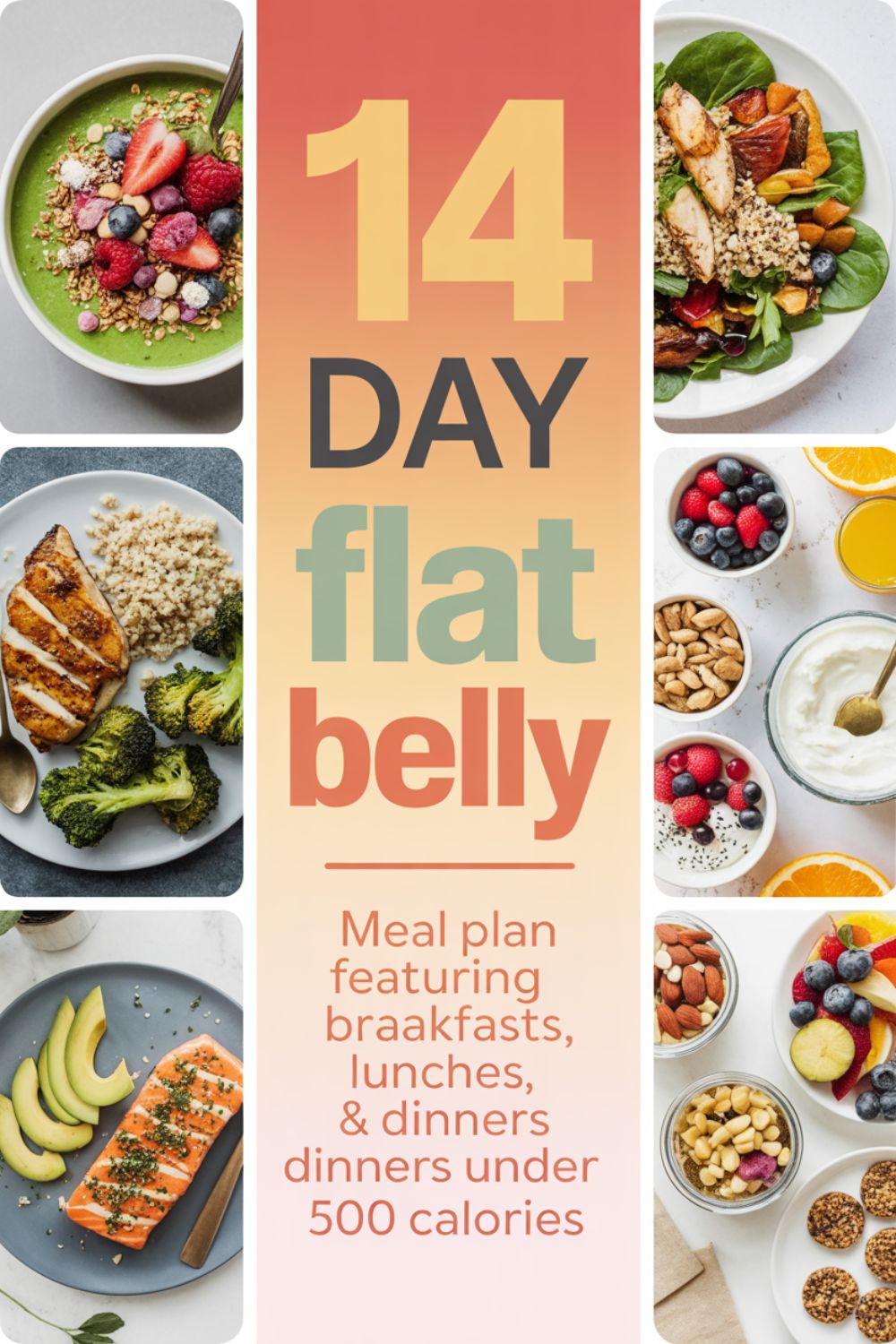
14-Day Flat Belly Meal Plan Featuring Breakfasts, Lunches, and Dinners Under 500 Calories
Look, I’m not going to promise you’ll wake up looking like a fitness magazine cover after two weeks. That’s not how this works. But what I can tell you is that this 14-day meal plan actually works if you’re serious about feeling lighter, less bloated, and more in control of what you’re eating.
I’ve been down the rabbit hole of restrictive diets that leave you hangry and dreaming about pizza at 3 AM. This isn’t that. Every meal in this plan sits comfortably under 500 calories, which means you’re creating a sustainable calorie deficit without feeling like you’re punishing yourself. We’re talking real food here—breakfasts that actually keep you full until lunch, dinners that don’t taste like cardboard, and the kind of meals that won’t make your family side-eye your plate.
The beauty of keeping meals under 500 calories is that it gives you flexibility. You can have three solid meals and still have room for a snack or two without blowing past your daily targets. According to research on calorie management, creating a modest deficit while maintaining nutrient density is the sweet spot for sustainable weight loss.
Why Under 500 Calories Per Meal Actually Makes Sense
Here’s the deal—most people aiming for weight loss are shooting for somewhere between 1,200 to 1,800 calories per day depending on their size and activity level. If you’re eating three meals a day at 500 calories each, that’s 1,500 calories right there, leaving room for strategic snacking or an extra splash of quality olive oil on your salad.
The math works because you’re not starving yourself into submission. You’re just being smart about portions and choosing foods with lower calorie density—think vegetables, lean proteins, and whole grains over processed junk that disappears in three bites but costs you 800 calories. For more breakfast inspiration, try these high-protein breakfasts that keep you satisfied all morning.
I’m not saying it’s always easy. Some mornings you’ll want that giant muffin from the coffee shop instead of your planned egg white scramble. But when you stick with it, your body adjusts. You start recognizing what actual hunger feels like versus boredom or stress eating.
Week One: Building Your Foundation
The first week is about establishing patterns without overthinking it. You’re not trying to be perfect; you’re trying to be consistent. Each day follows a simple structure: protein-forward breakfast, veggie-heavy lunch, and a balanced dinner that won’t leave you prowling the kitchen at 9 PM.
Days 1-3: Getting Started
Day 1 Breakfast (320 calories): Greek yogurt parfait with half a cup of mixed berries, a tablespoon of almond butter, and a sprinkle of chia seeds. It’s creamy, it’s sweet enough to feel like a treat, and it packs about 20 grams of protein. Get Full Recipe.
Day 1 Lunch (410 calories): Mason jar salad with mixed greens, cherry tomatoes, cucumber, grilled chicken breast, and balsamic vinaigrette. Pro move: keep the dressing at the bottom of the jar so everything stays crisp until you’re ready to eat.
Day 1 Dinner (485 calories): Baked lemon herb salmon with roasted asparagus and half a cup of quinoa. The quinoa gives you that satisfied feeling without the carb overload, and salmon is one of those foods that feels fancy even when it’s stupid easy to make. Get Full Recipe.
Day 2 switches things up with veggie-packed egg muffins for breakfast—I make a batch of these in a silicone muffin pan and they last all week. Lunch is a turkey and avocado wrap using a whole wheat tortilla, keeping you right around 390 calories. Dinner brings in a stir-fry with shrimp, bell peppers, snap peas, and cauliflower rice instead of regular rice to save calories without sacrificing volume.
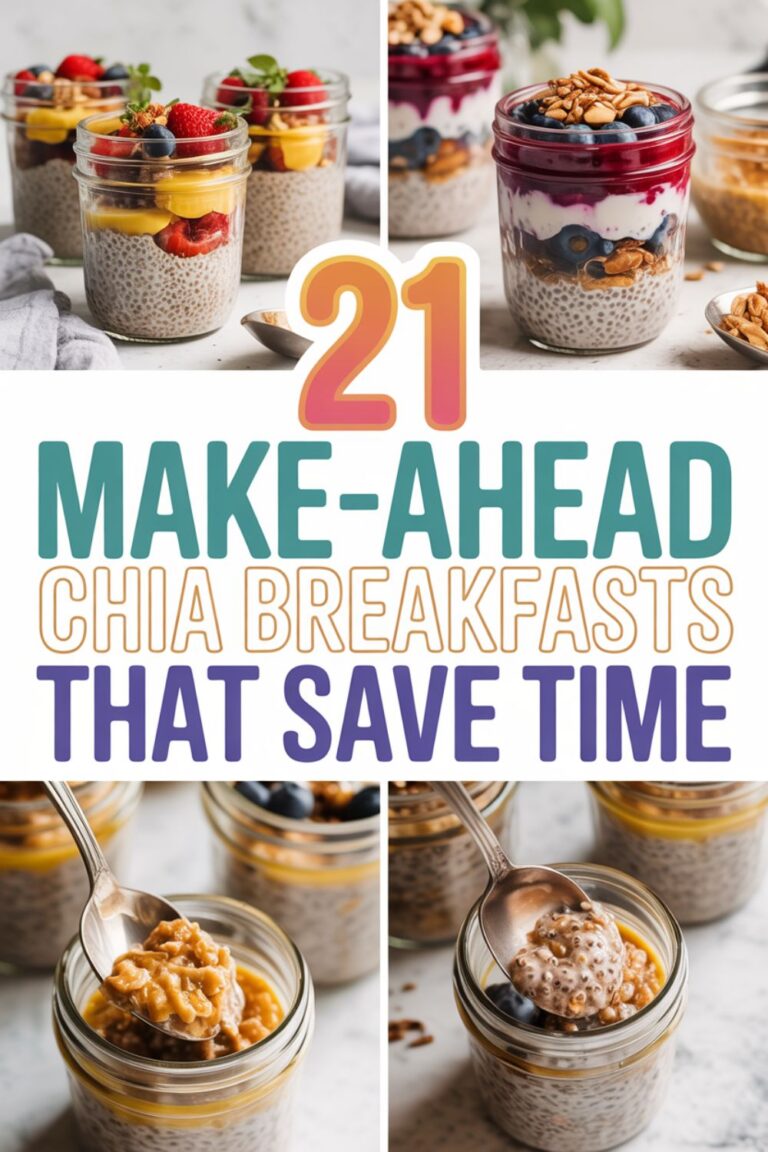
By Day 3, you’re hitting your groove. Overnight oats for breakfast mean zero morning effort—just grab from the fridge and go. If this sounds good, check out these Mediterranean smoothie bowl options for variety. Lunch is a Mediterranean chickpea salad that’s hearty enough to keep you full, and dinner features turkey meatballs with zucchini noodles and marinara sauce. The trick with zucchini noodles is not to overcook them—nobody wants mushy squash pretending to be pasta.
Days 4-7: Finding Your Rhythm
The second half of week one is where most people either fully commit or start making excuses. Don’t be that person. You’ve made it this far, and honestly, the hardest part is behind you.
Day 4 breakfast is a simple two-egg omelet loaded with spinach, mushrooms, and a bit of feta cheese. Keep it interesting by throwing in whatever vegetables you’ve got lying around—it’s like a choose-your-own-adventure situation but with vegetables. For lunch, try a Buddha bowl with roasted sweet potato, chickpeas, kale, and tahini dressing. Dinner is herb-crusted chicken thighs with green beans and a small baked potato.
“I tried this plan after struggling with yo-yo dieting for years. The portions felt normal, not restrictive, and I actually enjoyed the food. Lost 12 pounds in the first month and kept it off.” — Sarah M., Community Member
Days 5 through 7 keep the momentum going with variations on these themes. You’ll have cottage cheese with sliced peaches and walnuts for breakfast one morning, a tuna salad stuffed avocado for lunch, and grilled flank steak with roasted Brussels sprouts for dinner. The key is learning which foods you genuinely enjoy within these calorie parameters so you’re not just white-knuckling through meals.
By the end of week one, you should notice you’re not as hungry between meals. That’s your body adjusting to consistent, protein-rich eating patterns. Protein intake research shows that adequate protein helps maintain satiety and supports muscle mass during weight loss.
Looking for more complete meal strategies? These complete meal plans can help you extend beyond the two-week framework, and these quick dinner ideas keep things interesting when you’re short on time.
Week Two: Mastering the Method
Week two is where you stop counting every grape and start understanding portions intuitively. You’ve got the hang of building balanced plates, and you’re probably noticing that your jeans fit differently. Not dramatically different—we’re not selling magic here—but definitely less uncomfortable after lunch.
Days 8-10: Variety Is Your Friend
Day 8 kicks off with a breakfast scramble featuring eggs, black beans, diced tomatoes, and a sprinkle of cheese. It’s basically breakfast tacos without the tortilla guilt, sitting pretty at 340 calories. Lunch is a Greek-inspired plate with grilled chicken, cucumber tomato salad, hummus, and whole wheat pita. Dinner features baked cod with a lemon caper sauce, roasted carrots, and wild rice.
I swear by this fish spatula for flipping delicate fish without it falling apart into sad little pieces. Makes you look like you know what you’re doing in the kitchen even if you’re totally winging it. Get Full Recipe for the cod preparation.
Day 9 brings steel-cut oats cooked with cinnamon and topped with diced apple and a few pecans for breakfast. The texture is way better than instant oats if you’ve got 10 minutes in the morning, or you can make it in a slow cooker overnight. Lunch is a chicken Caesar salad using Greek yogurt-based dressing to cut calories, and dinner is a vegetarian night with stuffed bell peppers filled with quinoa, black beans, corn, and salsa.
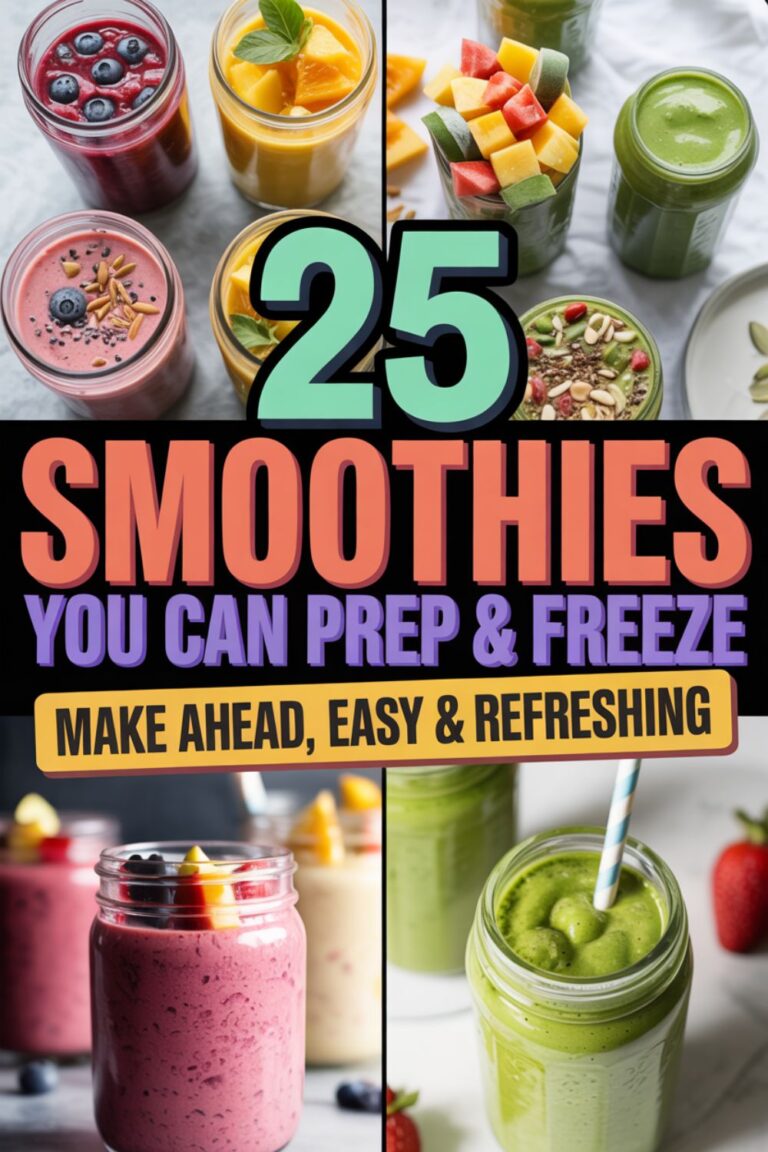
Day 10 features a protein smoothie for breakfast—protein powder, banana, spinach, almond milk, and ice blended until it doesn’t taste like lawn clippings. Lunch is a turkey burger wrapped in lettuce with sweet potato fries you bake in the oven using just a tiny drizzle of oil. Dinner is teriyaki chicken bowls with broccoli, edamame, and brown rice.
Days 11-14: The Home Stretch
You’re almost there, and honestly, by now this should feel pretty normal. These last four days introduce a few new flavor profiles to keep things from getting stale—because if I have to eat another plain grilled chicken breast, I might actually lose it.
Day 11 starts with ricotta toast topped with sliced strawberries and a drizzle of honey on whole grain bread. Lunch is a Thai-inspired peanut noodle salad with shredded chicken and tons of crunchy vegetables. Dinner is sheet pan shrimp fajitas—everything cooks together on one pan, and cleanup is minimal. I use parchment paper for literally every sheet pan meal because scrubbing pans is not how I want to spend my evenings.
Day 12 brings back egg muffins for breakfast because they’re that good and you’ve probably got the hang of making them by now. Lunch is a Cobb salad deconstructed, and dinner features herb-roasted pork tenderloin with cauliflower mash and sautéed green beans. The cauliflower mash trick is simple—steam until soft, blend with a splash of milk and garlic, and nobody will miss the potatoes. Much. Speaking of variety, these vegetarian protein bowls offer plant-based alternatives for any day of the plan.
Days 13 and 14 finish strong. You’ll have avocado toast with a poached egg for breakfast, a Mediterranean tuna salad for lunch, and end with grilled chicken thighs with roasted root vegetables. The final day brings full-circle redemption with Greek yogurt parfait for breakfast, a turkey wrap for lunch, and finish with baked tilapia alongside roasted asparagus and quinoa.
Meal Prep Essentials Used in This Plan
Let’s talk about the tools and products that make this plan actually doable instead of just aspirational Pinterest board material. I’m not saying you need to buy everything at once, but these items legitimately make the process smoother.
First up: glass meal prep containers. I prefer glass over plastic because they don’t get gross and stained after three uses, and you can reheat directly in them without worrying about chemicals leaching into your food. Get a set with different sizes so you’ve got options for different meals.
Second, a decent kitchen scale takes the guesswork out of portions. You think you know what four ounces of chicken looks like, but you probably don’t. I didn’t. We were all wrong about it. A digital scale costs maybe twenty bucks and saves you from accidentally eating twice as much as you planned.
Third item: quality non-stick pan. You don’t need fancy copper-bottomed cookware, but you do need something that lets you cook eggs and fish without them welding themselves to the surface. A good pan means you can use less oil, which saves calories without sacrificing taste.
Now for digital products that legitimately help: A meal planning template you can customize keeps everything organized. I’m talking grocery lists, prep schedules, the works. A calorie tracking guide that breaks down common foods helps you make quick decisions without pulling out your phone calculator every time you want an apple. And finally, a kitchen conversion chart because apparently nobody can agree whether a serving is half a cup or 85 grams or what.
For ongoing support and recipe swaps, there’s a WhatsApp community link where people share their wins, their struggles, and their genius recipe modifications. It’s nice knowing you’re not the only one eating cauliflower rice on a Tuesday night wondering if this is what adulting was supposed to look like.
Tools and Resources That Make Cooking Easier
Beyond the basics, a few specific tools elevate your cooking game from “functional” to “actually kind of enjoying this.” I use a garlic press constantly because mincing garlic with a knife is tedious and somehow I always end up with garlic smell on my hands for three days. A good press costs maybe ten dollars and saves so much time and sanitation.
A salad spinner seems unnecessary until you try eating soggy lettuce with dressing sliding off because you didn’t dry the leaves properly. Trust me on this one. Dry lettuce holds dressing better, tastes better, and doesn’t turn your meal into a sad, watery mess.
For quick protein prep, an instant-read thermometer means never overcooking chicken to the point of jerky consistency because you’re paranoid about food poisoning. Chicken is done at 165°F—know it, trust it, stop cutting into your meat every thirty seconds to check if it’s cooked.
Digital resources round out the toolkit: A grocery shopping template organized by store section cuts shopping time in half. A portion control guide with visual comparisons teaches you what portions actually look like without weighing everything. And a recipe substitution list for when you’re missing one ingredient and don’t want to abandon the entire meal plan over a lack of cilantro.
Another WhatsApp community focuses specifically on meal prep strategies and time-saving kitchen hacks. Because sometimes you need real people telling you it’s fine to use rotisserie chicken instead of cooking your own or that frozen vegetables are just as nutritious as fresh ones.
“The meal prep tips alone were worth it. I used to spend hours in the kitchen every night. Now I batch cook on Sundays and cruise through weeknights. Down 15 pounds in three months without feeling deprived.” — Marcus T., Community Member
When you’re ready to expand your recipe repertoire, check out these 30-minute healthy dinners that follow the same calorie principles, or explore these meal prep bowls that simplify lunch planning even further.
The Real Talk About Calorie Deficits and Weight Loss
Nobody wants to hear this, but sustainable weight loss comes down to consistently burning more calories than you consume. Groundbreaking, I know. The trick is doing it in a way that doesn’t make you miserable or leave you so depleted that you binge-eat an entire pizza on Friday night because willpower finally ran out.
Keeping meals under 500 calories creates a natural deficit for most people without requiring you to eat like a rabbit or survive on juice cleanses. You’re still getting protein for muscle maintenance, fats for hormone production, and carbs for energy—just in amounts that support weight loss rather than maintenance or gain. Research indicates that adequate protein intake is particularly important during calorie restriction to preserve lean muscle mass.
Here’s where people mess up: they slash calories too dramatically, lose weight fast, feel terrible, and then regain everything plus five extra pounds when they inevitably return to normal eating. This plan avoids that trap by keeping deficits moderate and meals satisfying. You should feel energetic enough to work out, not like you’re dragging yourself through each day powered by coffee and determination alone.
The flat belly part? That’s partially fat loss and partially reduced bloating from eating cleaner, more whole foods. You’re probably consuming less sodium than usual, fewer processed carbs that cause water retention, and more fiber that keeps your digestive system running smoothly. It’s not magic—it’s just what happens when you stop eating garbage for every meal.
Common Pitfalls and How to Avoid Them
Let’s address the ways people typically sabotage themselves so you can skip those mistakes entirely. First mistake: not preparing for hunger. You will get hungry between meals sometimes, especially in week one. That’s normal. Keep cut vegetables, Greek yogurt, hard-boiled eggs, or a handful of nuts available for actual hunger—not bored snacking, actual stomach-growling hunger.
Second mistake: drinking your calories. That morning latte with flavored syrup and whole milk? Probably 300-400 calories right there. Save liquid calories for smoothies where you’re also getting protein and nutrients, not for beverages that disappear in eight sips and provide zero satiety. Black coffee, unsweetened tea, and water become your new best friends.
Third mistake: ignoring portions on “healthy” foods. Yes, avocados are nutritious. They’re also about 240 calories each. Nuts are great—and extremely calorie-dense. A handful of almonds is fine; eating straight from the container while watching TV will blow past your calorie budget before you realize what happened. This is where that kitchen scale from earlier actually earns its place on your counter.
Fourth mistake: giving up after one bad meal or one rough day. You’re going to have a birthday party, or a work lunch, or just a day where you don’t hit your targets. That’s life. One meal doesn’t undo a week of good choices any more than one salad makes you healthy. Just get back on track the next meal.
Fifth mistake: not adjusting as you go. If you’re genuinely starving all the time, add a bit more food—maybe an extra 100 calories of protein or vegetables. Better to lose weight slightly slower than to quit entirely because you’re miserable. This isn’t a race; it’s about building sustainable habits.
For additional strategies on maintaining energy while in a deficit, these high-energy breakfast recipes can help, along with these post-workout meals that support recovery without excessive calories.
Making This Plan Work Long-Term
Two weeks is just the beginning. The real question is whether you can take the principles you’ve learned here and apply them beyond day 14. IMO, the best diet is the one you can actually maintain without wanting to throw your meal prep containers out a window by week three.
Start by identifying which meals you genuinely enjoyed. Maybe you discovered you actually like zucchini noodles, or that Greek yogurt parfaits are way better than you expected. Build your ongoing meal rotation around foods you found satisfying rather than forcing yourself to eat things you hate just because they’re “healthy.”
Gradually add variety using the same framework: protein + vegetables + moderate carbs + small amount of healthy fat, keeping total calories per meal in check. You don’t need to eat the exact same 14 days on repeat—use them as templates. Swap salmon for cod, chicken for turkey, quinoa for brown rice. The formula stays the same even when the specific ingredients change.
Learn to eyeball portions so you’re not weighing everything forever. A serving of protein is roughly the size of your palm. A serving of carbs is about a cupped handful. Vegetables? Eat as many as you want—nobody got fat from eating too much broccoli. Eventually, this becomes automatic instead of requiring constant calculation.
Allow for flexibility and special occasions. Life includes restaurants, holidays, and social events involving food. The goal isn’t perfection; it’s making better choices most of the time while still enjoying life. If 80% of your meals follow the plan, you’re doing great. Don’t let perfection become the enemy of progress.
Frequently Asked Questions
Can I swap meals between days or repeat favorites?
Absolutely. This plan is a framework, not a rigid prescription. If you find a breakfast you love, eat it every day. If you hate fish, skip the salmon and double up on chicken. The calorie targets and nutrient balance matter more than eating specific foods on specific days. Just make sure you’re still hitting protein goals and eating enough vegetables.
What if I’m still hungry after meals?
First, drink water—sometimes thirst masquerades as hunger. Second, add more non-starchy vegetables to your meals; they add volume and fiber without many calories. Third, evaluate your protein intake—you might need slightly more to stay satisfied. If genuine hunger persists, add 100-150 calories of protein or healthy fats rather than suffering through it.
Do I need to count calories forever?
Hopefully not. The goal is to develop an intuitive sense of portions and meal balance. Track closely for these two weeks to learn what 500 calories actually looks like, then gradually transition to mindful eating. Some people benefit from occasional tracking to stay calibrated, but making it a lifelong requirement usually backfires.
Can I exercise while following this plan?
Yes, and you probably should for best results. The calorie targets assume moderate activity levels. If you’re doing intense workouts, you may need additional calories—especially protein—to support recovery. Listen to your body; if exercise performance drops significantly, add a post-workout snack.
What about eating out or social events?
You’re not going into witness protection for two weeks. When eating out, apply the same principles: choose grilled or baked proteins, load up on vegetables, be mindful of portions, and skip the bread basket. Most restaurants have lighter options if you ask. One meal out won’t derail progress—just don’t use it as an excuse to throw the entire plan away.
Final Thoughts: Making This Stick
You’ve got 14 days of meals planned out, you understand the principles behind the calorie targets, and you know which tools make the process easier. What separates people who succeed from those who give up halfway through? Honestly, it’s usually expectations.
If you’re expecting dramatic overnight transformation, you’ll be disappointed. If you’re expecting to never feel hungry or to fall in love with every single meal, you’re setting yourself up for failure. What you should expect is gradual progress, some trial and error, days that go perfectly and days that absolutely don’t, and an overall trajectory toward feeling better and lighter.
The flat belly thing? That comes from consistency over weeks and months, not from two perfect weeks followed by returning to old habits. Think of this 14-day plan as the foundation—you’re learning skills that compound over time. You’re figuring out which foods work for your body, how to prep efficiently, and how to navigate social situations without completely abandoning your goals.
Most importantly, remember that food isn’t the enemy. Food is fuel, enjoyment, and sometimes celebration. This plan helps you find balance—eating enough to feel satisfied while creating the calorie deficit needed for weight loss. It’s not about deprivation; it’s about making choices that serve your goals without making you miserable in the process.
Start tomorrow, or start Monday, or start right now with your next meal. The timing doesn’t matter nearly as much as actually starting and sticking with it longer than you have before. You’ve got the plan, you’ve got the tools, and now you know exactly what to do. The only question left is whether you’re actually going to do it.