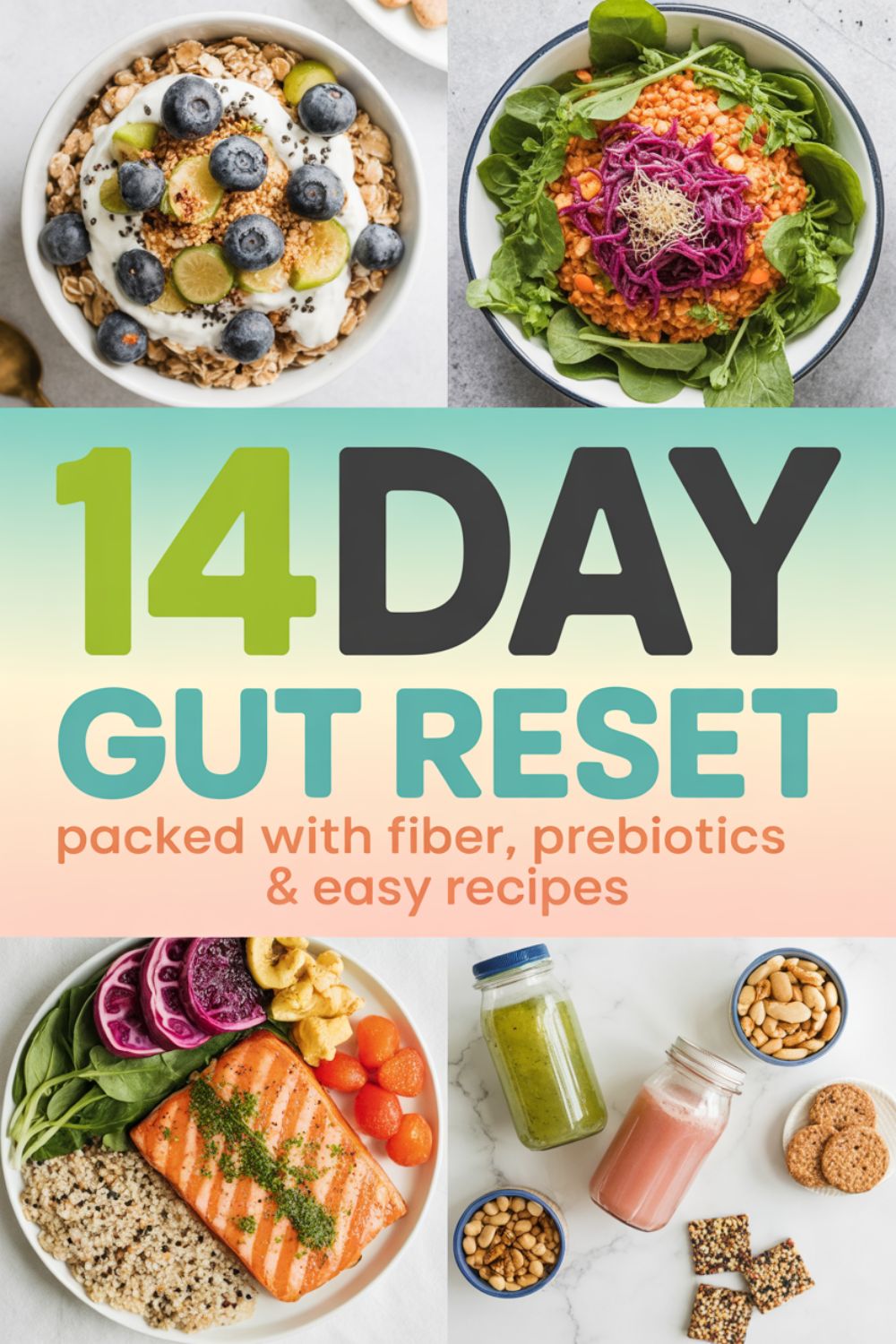
14-Day Gut Reset Plan Packed with Fiber, Prebiotics, and Easy Recipes
Your gut’s been talking to you, hasn’t it? That afternoon bloat, the sluggish mornings, maybe even that brain fog that hits around 2 PM like clockwork. I’ve been there, scrolling through wellness advice at midnight, wondering if I needed some expensive cleanse or if I was just overthinking things. Turns out, resetting your gut doesn’t require juice fasting or spending half your paycheck on supplements.
What worked for me was stupidly simple: fiber, prebiotics, and actual food I wanted to eat. Not the sad, tasteless kind either. I’m talking about meals that made me forget I was supposedly “fixing” anything. Over two weeks, something shifted. My energy leveled out, my stomach stopped staging daily protests, and honestly, I just felt lighter—not in a scale way, but in that “my body isn’t fighting me anymore” way.
This plan isn’t about perfection or deprivation. It’s about feeding the trillions of bacteria in your gut that actually run the show. And before you roll your eyes at another gut health sermon, stick with me. This approach is different because it’s built around food that tastes good and doesn’t require you to meal prep like your life depends on it.
Why Your Gut Actually Needs This Reset
Let’s get real about what’s happening inside you right now. Your gut microbiome—that’s the fancy term for the bacterial ecosystem living in your intestines—has probably taken a beating. Processed foods, stress, antibiotics, irregular eating patterns… they all mess with the delicate balance your gut needs to function properly.
Here’s what most people don’t realize: your gut bacteria literally communicate with your brain, influence your immune system, and even affect your mood. When your gut microbiome gets out of whack, everything else follows. That’s not wellness talk—that’s science.
The problem is, we’ve been treating our gut like a garbage disposal instead of the sophisticated biological system it actually is. Those beneficial bacteria need specific fuel to thrive, and that’s where fiber and prebiotics come in. Think of prebiotics as fertilizer for your gut garden. Research shows that prebiotic fibers selectively feed the good bacteria while starving out the problematic ones.
Start your gut reset on a weekend. Those first few days can involve some digestive adjustment as your system recalibrates. You don’t want to be in back-to-back meetings when your gut decides to have opinions about this new arrangement.
The Science Behind Fiber and Prebiotics (Without the Jargon)
Okay, quick science lesson that won’t make your eyes glaze over. Fiber comes in two types: soluble and insoluble. Soluble fiber dissolves in water and turns into a gel-like substance that slows digestion and helps you feel full. Insoluble fiber doesn’t dissolve—it just passes through your system, keeping things moving if you catch my drift.
Prebiotics are a special type of fiber that your body can’t digest, but your gut bacteria absolutely love. When these bacteria munch on prebiotics, they produce short-chain fatty acids like butyrate, which basically act as premium fuel for your intestinal cells. According to recent studies on gut microbiota, this fermentation process doesn’t just help digestion—it reduces inflammation, strengthens your gut barrier, and even influences how your body stores fat.
The best prebiotic foods include things you probably already eat: onions, garlic, bananas, oats, and legumes. Jerusalem artichokes are prebiotic powerhouses if you can find them at your farmers market. I stumbled onto these weird knobby vegetables last spring, roasted them with olive oil, and now I’m borderline obsessed.
What makes this reset work is the combination. You’re not just adding fiber or just adding prebiotics—you’re creating an environment where beneficial bacteria can flourish while getting enough fiber to keep everything running smoothly. It’s less about restriction and more about addition.
“I was skeptical about another ‘gut reset’ thing, but after two weeks of actually following this plan, my chronic bloating basically disappeared. I didn’t even realize how uncomfortable I’d been until I wasn’t anymore.” — Sarah M., from our community
What You’ll Eat During This 14-Day Reset
Forget those cleanse plans that leave you hangry and dreaming about pizza. This reset focuses on adding the good stuff rather than obsessing over what you can’t have. You’ll build meals around whole grains, legumes, vegetables, fruits, nuts, and seeds—basically, foods that come with their fiber intact.
Breakfast Options That Actually Fill You Up
Mornings set the tone, so we’re starting strong. Overnight oats are your best friend here because you can prep them in these glass mason jars Sunday night and grab one each morning. I add chia seeds, sliced banana, and a handful of walnuts. The chia seeds gelatinize overnight and create this pudding-like texture that’s oddly satisfying.
Another winner: whole grain toast with mashed avocado and a sprinkle of hemp seeds. Sounds basic, but use good bread—the kind with visible seeds and grains. I found this German-style sprouted grain loaf at my local bakery that’s actually delicious. Toast it properly in a decent toaster, and suddenly you’re not just eating fiber—you’re enjoying breakfast.
If you need something faster, blend up a smoothie with frozen berries, a tablespoon of ground flaxseed, a handful of spinach (you won’t taste it, I promise), and your milk of choice. Throw it in a portable blender bottle and you’re set. Get Full Recipe for my go-to morning smoothie that keeps me full until lunch.
Prep your breakfast grains Sunday night—thank yourself all week. Cook a big batch of steel-cut oats or quinoa, portion it out, and just reheat with different toppings each morning. Game changer for weekday mornings when you’re half-awake.
Lunch and Dinner: Simple but Satisfying
Lunch during this reset revolves around big-ass salads (the technical term) and grain bowls. But we’re not talking sad desk salads with iceberg lettuce. I’m talking about building a meal with mixed greens, roasted chickpeas, quinoa, shredded carrots, cucumbers, red onion, and a proper vinaigrette made with olive oil and lemon juice.
The secret to making this work is batch cooking your grains and legumes. I use my Instant Pot to make a huge batch of brown rice or lentils once, then portion them into these glass meal prep containers. Suddenly, throwing together lunch takes five minutes instead of feeling like a production.
For dinner, think simple combinations: roasted vegetables with white beans and herbs. Vegetable-heavy stir-fry over brown rice. Lentil soup with a side of whole grain bread. None of this requires advanced cooking skills or specialty ingredients. Speaking of easy dinner ideas, you might also love this Mediterranean chickpea bowl or check out these one-pot lentil recipes that make cleanup almost nonexistent.
Here’s what I’ve learned: roasted vegetables make everything better. Toss cauliflower, Brussels sprouts, and sweet potato chunks with olive oil, salt, and whatever spices you’re feeling, then roast them on a large sheet pan at 425°F until they’re caramelized and crispy. You can eat these with basically anything—on top of grains, mixed into salads, or straight from the pan while standing at your kitchen counter at 9 PM.
Meal Prep Essentials Used in This Plan
Your Kitchen Arsenal
These are the tools and products that made this whole reset manageable instead of overwhelming. You don’t need everything, but having the right setup helps.
- Glass Meal Prep Containers (5-pack) — Microwave-safe, dishwasher-friendly, and they don’t stain like plastic. Perfect for portioning out grains and prepped veggies.
- Instant Pot 6-Quart — Cooks dried beans in 30 minutes without soaking. Also handles rice, oats, and basically anything grain-related while you do other things.
- Large Rimmed Baking Sheets (Set of 2) — For roasting vegetables in bulk. Get the ones with raised edges so nothing rolls off when you’re tossing things around.
- 14-Day Gut Reset Meal Plan PDF — Digital download with daily meal suggestions, shopping lists, and prep schedules. Makes the whole thing foolproof.
- Gut Health Recipe eBook Bundle — 50+ fiber-rich recipes organized by meal type. Includes nutritional info and ingredient swaps.
- Prebiotic Foods Guide & Tracker — Downloadable checklist of prebiotic-rich foods plus a simple tracker to monitor how you’re feeling throughout the reset.
- Join Our WhatsApp Gut Health Community — Connect with others doing the reset, swap recipes, ask questions when you’re confused about portion sizes or ingredient swaps.
The Snacks That Actually Matter
Let’s talk about the danger zone: that 3 PM slump when you’d normally raid the vending machine or stress-eat a sleeve of cookies. During this reset, you’re keeping snacks simple and fiber-forward. My top picks: apple slices with almond butter, a handful of raw almonds, carrot sticks with hummus, or a banana with a small square of dark chocolate.
Dark chocolate, by the way, contains polyphenols that feed beneficial gut bacteria. That’s not me justifying my chocolate habit—that’s actual research. Just stick to 70% cacao or higher and keep it to one or two squares. I keep these individually wrapped dark chocolate squares in my desk drawer for emergencies.
Hummus became my unexpected hero during this reset. Making it from scratch is laughably easy if you have a decent food processor. Canned chickpeas, tahini, lemon juice, garlic, olive oil—blend until smooth. It tastes better than store-bought and doesn’t have that weird preservative aftertaste. Plus, chickpeas are prebiotic-rich, so you’re feeding your gut while satisfying that need to crunch on something.
For more snack inspiration that won’t derail your progress, try these high-protein energy bites or this 5-minute avocado toast variation that’s become my afternoon staple.
What About Cravings?
Real talk: you’ll probably crave sugar, especially in the first few days. Your gut bacteria have been trained to demand quick-hit carbs, and they’re not thrilled about this sudden change in management. The cravings pass, usually around day four or five, once your beneficial bacteria population increases and the less helpful ones die off.
When cravings hit hard, I’ve found that having something naturally sweet helps more than trying to white-knuckle through it. Dates stuffed with almond butter scratch that sweet tooth without sending your blood sugar on a rollercoaster. Frozen banana slices taste weirdly like ice cream if you blend them up. Or just eat some fruit—berries are packed with fiber and antioxidants, plus they’re sweet enough to feel like a treat.
“The first three days were rough, not gonna lie. But by day five, I stopped thinking about cookies constantly, and by day ten, I genuinely wanted the healthier options. My body finally got the memo.” — Mike T., community member
Tools & Resources That Make Cooking Easier
The Extras That Help
Beyond the basics, these tools and resources took this from “doable” to “actually enjoyable.” Consider them optional but highly recommended.
- High-Speed Blender — Not essential, but if you’re into smoothies or want to make your own nut butter, this changes the game. Also blends soups into silky perfection.
- Mandoline Slicer — For uniformly thin veggie slices that actually roast evenly. Way faster than knife work, though watch your fingers because these are aggressively sharp.
- Kitchen Scale — Helpful if you’re tracking portions or following recipes that use weight measurements. Not required, but it removes the guessing game.
- Gut Reset Progress Journal (Digital) — Track your symptoms, energy levels, digestion, and mood throughout the 14 days. Helps you see patterns you might otherwise miss.
- Quick Reference Prebiotic Foods Chart — Printable PDF that lists prebiotic content per serving. Stick it on your fridge for easy meal planning.
- Fiber Content Calculator Spreadsheet — Digital tool to calculate your daily fiber intake and ensure you’re hitting targets without overthinking every meal.
The First Week: What to Expect
Week one is an adjustment period, and I’m not going to sugarcoat it—you might feel a bit off. Increasing fiber too quickly can cause bloating and gas as your system adapts. That’s why this plan ramps up gradually rather than jumping straight to massive fiber bombs.
Days 1-3: You’re introducing more whole grains, legumes, and vegetables while reducing processed foods. Some people feel immediately better. Others feel gassy and bloated. Both are normal. Your gut bacteria are recalibrating, and that process isn’t always pretty. Drink plenty of water—like, more than you think you need—because fiber needs liquid to do its job properly.
Days 4-7: This is usually when things start clicking. The initial bloating typically subsides as your gut adjusts to the increased fiber. You might notice more regular bowel movements (sorry, but we’re talking gut health here—it’s relevant). Energy levels often improve because you’re not dealing with the blood sugar spikes and crashes from refined carbs.
I found that keeping a simple journal helped me see patterns I would’ve missed otherwise. I used one of those small pocket notebooks and just jotted down what I ate and how I felt a few hours later. By day six, I could clearly see which foods made me feel energized versus sluggish.
If bloating gets uncomfortable in the first few days, try a short walk after meals. Movement helps stimulate digestion and can ease that stuffed feeling. Even just 10 minutes around the block makes a difference.
Week Two: When Things Get Interesting
Week two is where most people stop thinking about this as a “reset” and start thinking about it as just how they eat now. The cravings for processed junk usually diminish significantly. Your taste buds adjust, and foods that tasted bland before suddenly have more flavor.
This is also when the benefits become obvious. Better sleep, clearer skin, steadier energy throughout the day, and yeah, a flatter stomach as the bloating resolves. Some people drop a few pounds, though that’s not the primary goal here. The weight loss, if it happens, comes from reduced inflammation and your body finally processing food efficiently.
By week two, you’ve probably found your rhythm with meal prep. You know which recipes work for your schedule and which ones aren’t worth the effort. You’ve figured out that this simple Buddha bowl formula can be infinitely varied with whatever vegetables you have on hand. Maybe you’ve discovered that homemade granola is stupidly easy to make and tastes better than anything you can buy.
Dining Out During the Reset
You don’t have to become a hermit for two weeks. Eating out during this reset is completely doable—you just need to navigate menus differently. Look for dishes that emphasize vegetables, whole grains, and legumes. Mediterranean and Middle Eastern restaurants are usually great options with their emphasis on hummus, tabbouleh, roasted vegetables, and whole grains.
Asian restaurants often have brown rice available if you ask. Mexican places can build you a burrito bowl with black beans, brown rice, fajita vegetables, and salsa. Skip the sour cream and cheese, load up on the good stuff, and you’re golden. It’s not about being perfect—it’s about making choices that generally align with feeding your gut well.
What Happens After Day 14?
Here’s the thing about gut resets: they work best when they become a foundation rather than a temporary fix. You don’t go back to eating processed garbage on day 15 and expect to maintain the benefits. But you also don’t have to be rigid forever.
Most people find a middle ground. Maybe 80% of your meals continue following these principles—focused on fiber, whole foods, and prebiotic-rich ingredients—while 20% is whatever you want without guilt. That could mean pizza Friday, weekend brunch with friends, or that amazing bakery croissant that’s calling your name.
The goal is creating sustainable habits, not achieving perfection. Your gut microbiome is resilient once you’ve established a healthy baseline. An occasional indulgence won’t destroy your progress the way you might think. What matters is your overall pattern, not every single meal.
Keep incorporating those prebiotic foods you discovered during the reset. Continue building meals around vegetables and whole grains. And honestly, keep making that roasted vegetable sheet pan situation because it’s delicious and requires minimal effort. If you want to maintain momentum, try these gut-friendly dinner recipes that have become staples for many people after finishing the reset.
Common Mistakes to Avoid
Let me save you from the mistakes I made and the ones I’ve watched others make. First, don’t increase fiber too dramatically all at once. Jumping from 10 grams to 40 grams of fiber overnight will make you miserable. Your gut needs time to adapt. Ramp up gradually over several days.
Second, don’t forget to drink enough water. Fiber without adequate hydration is a recipe for constipation and discomfort. Aim for at least eight glasses daily, more if you’re active or it’s hot outside. I keep a large water bottle at my desk and refill it at least twice during the workday.
Third, don’t eliminate all fat thinking it’ll make this more effective. Your body needs healthy fats to absorb certain vitamins and for overall satiety. Olive oil, avocados, nuts, and seeds should absolutely be part of this reset. Fat doesn’t make you fat—processed foods and lack of fiber do more damage there.
Fourth, don’t ignore your body’s signals. If something consistently makes you feel terrible, stop eating it even if it’s technically “healthy.” Some people don’t tolerate certain high-FODMAP vegetables well, especially if they have IBS or other digestive sensitivities. The reset should make you feel better, not worse.
Supplements: Do You Need Them?
Short answer: probably not if you’re eating enough variety. This plan emphasizes getting fiber and prebiotics from whole foods because that’s how they work best—in their natural form, complete with all the other nutrients and compounds that make them effective.
That said, some people do benefit from a fiber supplement, especially if they’re struggling to hit adequate intake through food alone. Psyllium husk is a decent option that’s been well-studied. Just introduce it slowly and always take it with plenty of water. I tried adding it to smoothies during week one, but honestly, eating actual food was more satisfying.
Probiotic supplements are trickier. The research on their effectiveness is mixed, and they’re expensive. If you’re eating fermented foods like yogurt, kefir, sauerkraut, or kimchi, you’re probably getting enough beneficial bacteria through food. Save your money unless a healthcare provider specifically recommends them for your situation.
Related Recipes You’ll Love
Frequently Asked Questions
Can I drink coffee during this gut reset?
Yes, coffee is fine in moderation. It actually contains compounds that may benefit gut bacteria. Just watch what you add to it—skip the flavored syrups and excess sugar. Black coffee or coffee with a splash of unsweetened milk works perfectly. If coffee upsets your stomach, try switching to green tea, which also has gut health benefits.
What if I’m not seeing results after two weeks?
Everyone’s gut microbiome is different, and some people need more time to see noticeable changes. If you’re following the plan but not feeling different after 14 days, consider extending it another week or two. Also, take a closer look at stress levels and sleep quality—both significantly impact gut health. Sometimes the bottleneck isn’t what you’re eating but how stressed and sleep-deprived you are.
Is this plan safe if I have IBS or other digestive conditions?
The high-fiber approach works well for many people, but if you have IBS, especially the diarrhea-predominant type, you might need modifications. Some high-FODMAP foods that are great for general gut health can trigger IBS symptoms. Consider working with a dietitian who specializes in digestive health to adapt this plan for your specific needs. Never hesitate to consult your healthcare provider before starting any new eating plan.
Can I do this reset if I’m vegetarian or vegan?
Absolutely. In fact, this plan is naturally plant-forward and easily adapts to vegetarian or vegan eating. All the fiber and prebiotic sources are plant-based anyway. Just make sure you’re getting enough protein from legumes, tofu, tempeh, nuts, and seeds. The only adjustment might be ensuring you’re hitting B12 and iron needs, which is a general consideration for plant-based eating regardless of this reset.
Will I lose weight on this gut reset?
Some people do lose weight, typically a few pounds, but that’s not the primary goal here. Any weight loss usually comes from reduced inflammation, better digestion, and cutting out processed foods rather than calorie restriction. If weight loss is your main objective, this reset can be a good foundation, but you’d need to combine it with overall calorie awareness and regular physical activity. Focus on how you feel rather than the number on the scale.
Final Thoughts
Look, I’m not going to tell you this gut reset will change your entire life or solve every health problem you’ve ever had. That would be dishonest, and you deserve better than wellness marketing nonsense. What I will say is that taking two weeks to intentionally feed your gut with fiber-rich, prebiotic-loaded whole foods can shift how you feel in meaningful ways.
The bloating might ease up. Your energy might stabilize. Your bathroom situation might become refreshingly regular and uncomplicated. You might sleep better, think clearer, and generally feel less like you’re dragging through each day. Those are realistic outcomes that many people experience, myself included.
But here’s what matters most: this reset gives you information about your own body. You learn which foods make you feel good and which ones don’t. You discover that cooking from scratch doesn’t have to be complicated or time-consuming. You realize that vegetables, when prepared properly, actually taste good. And maybe you develop some habits that stick around long after these 14 days are over.
Your gut health impacts everything—your immune system, your mental clarity, your energy, even your mood. Taking two weeks to reset and rebuild a healthier gut microbiome isn’t a magic bullet, but it’s a damn good starting point. And honestly, what do you have to lose except maybe some bloating and brain fog?
Start where you are. Use what you have. Make it work for your life and schedule. That’s the whole point.