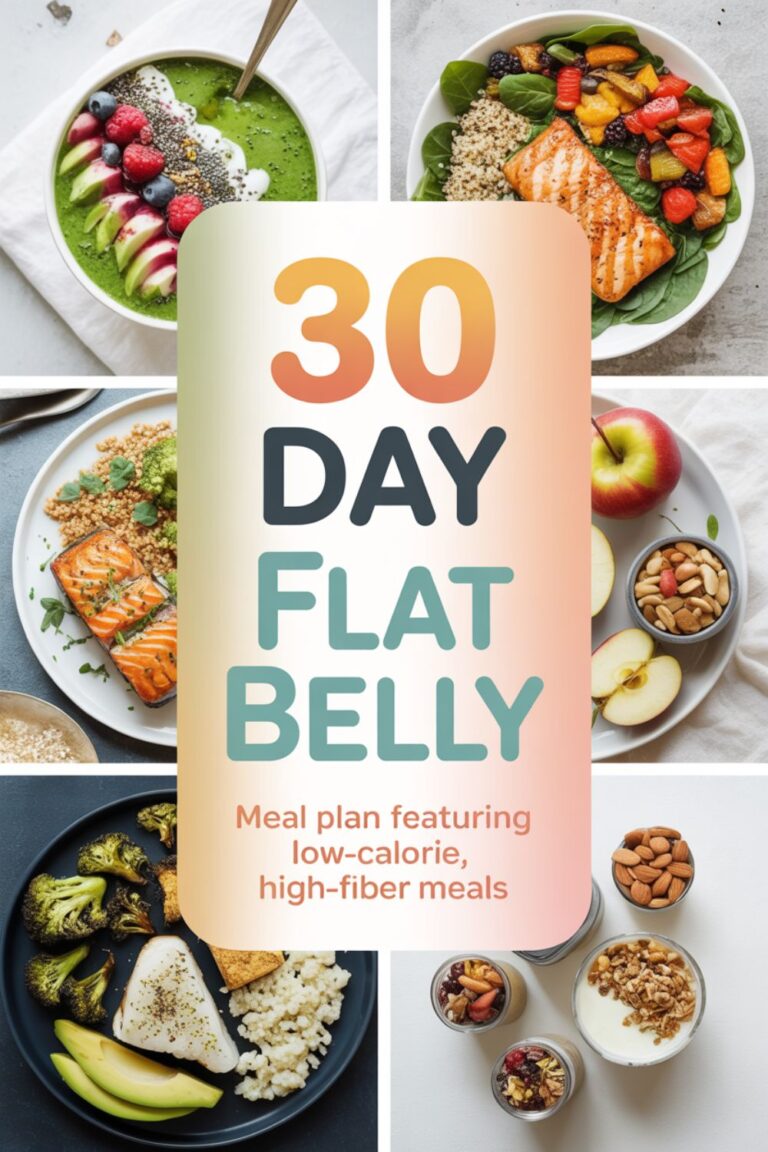
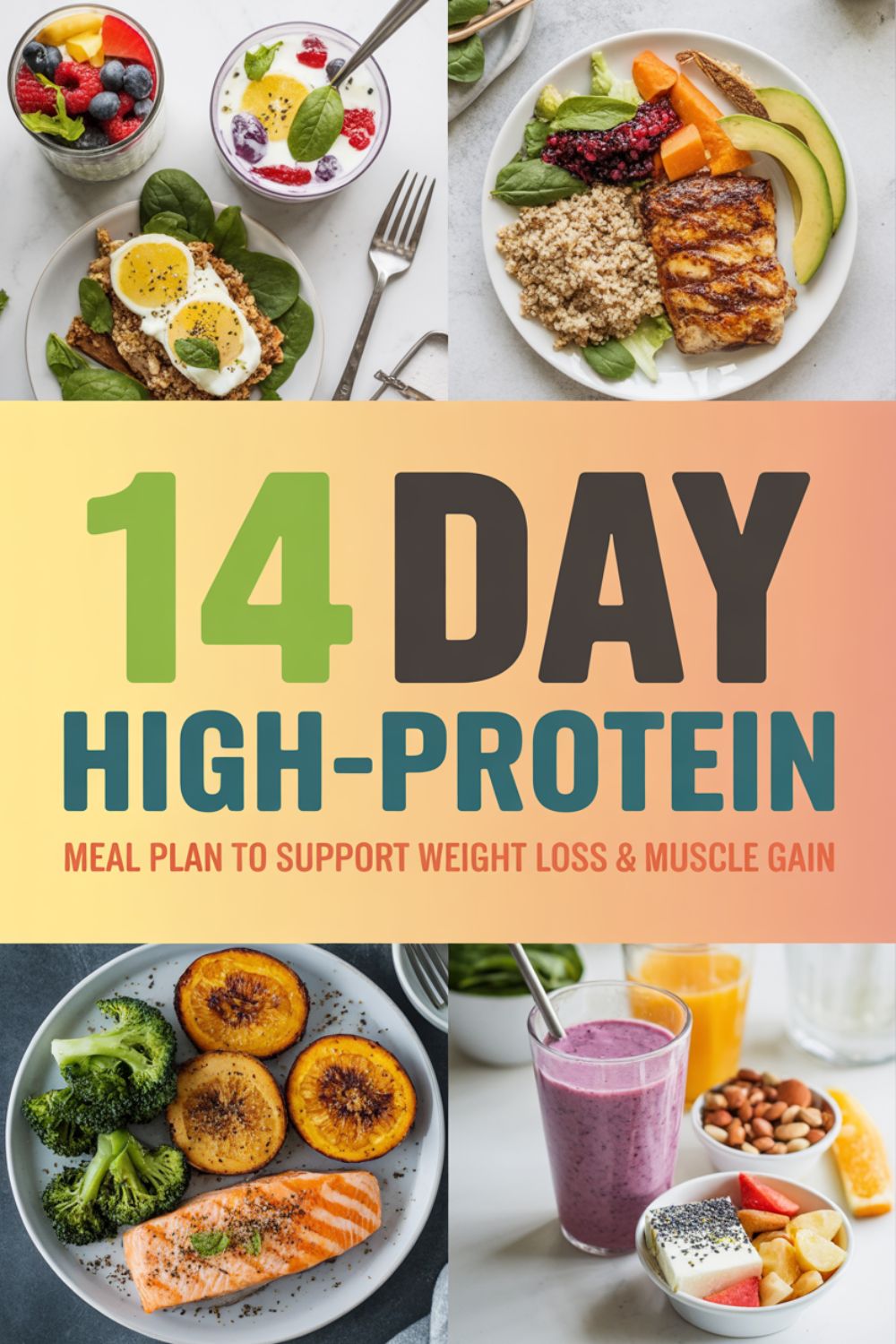
14-Day High-Protein Meal Plan Designed to Support Weight Loss and Muscle Gain
Look, I get it. You want to lose fat, build muscle, and not feel like you’re eating cardboard three times a day. You’ve probably tried a dozen meal plans that left you hungry, bored, or standing in front of your fridge at midnight wondering if celery counts as a real snack.
Here’s the thing about high-protein meal plans that actually work—they’re not about deprivation. They’re about eating smarter, feeling fuller, and giving your body exactly what it needs to torch fat while building lean muscle. I’ve been testing this approach for years, and let me tell you, research consistently shows that higher protein intake preserves muscle mass during weight loss while boosting your metabolism.
This 14-day plan isn’t some restrictive nightmare where you’re counting every almond. It’s a practical blueprint that fits real life—you know, the kind where you actually have a job, maybe some kids, and definitely don’t have time to meal prep like it’s a full-time gig.
Why High-Protein Diets Actually Work for Weight Loss
Ever wonder why protein gets all the hype? It’s not just marketing nonsense from supplement companies. Your body processes protein differently than carbs or fats, and that difference matters more than you’d think.
When you eat protein, something called diet-induced thermogenesis kicks in. Basically, your body has to work harder to break down protein, burning more calories in the process. According to Harvard’s nutrition experts, protein also acts like a dam in your digestive tract, slowing down sugar absorption and keeping you fuller longer.
But here’s what most people miss: it’s not just about eating more protein. It’s about eating enough protein while creating a calorie deficit. That’s the sweet spot where fat melts off but your hard-earned muscle stays put.
Aim for 0.7 to 1 gram of protein per pound of body weight if you’re actively trying to build muscle. For a 150-pound person, that’s roughly 105-150 grams daily.
The beauty of high-protein eating is that it tackles hunger from multiple angles. Protein triggers the release of satiety hormones like GLP-1 while suppressing ghrelin, the hormone that makes you feel like you could eat a whole pizza at 3 PM. Less hunger means fewer chances to derail your progress with mindless snacking.
The 14-Day Blueprint: What to Expect
This isn’t one of those plans where Day 1 looks amazing and by Day 5 you’re eating the same grilled chicken for the third time that week. I’ve structured these two weeks to keep things interesting while hitting your protein targets consistently.
Week 1 focuses on establishing your rhythm. You’ll learn which protein sources work best for your schedule and taste preferences. Breakfast might be Greek yogurt parfaits one day and scrambled eggs with turkey sausage the next. Get Full Recipe for those protein-packed morning options.
Week 2 builds on that foundation with slightly more adventurous recipes. Think salmon with lemon-herb quinoa, beef stir-fry with loads of vegetables, or white bean and chicken chili that makes you forget you’re on a plan.
Daily Protein Targets by Meal
- Breakfast: 25-30 grams (eggs, Greek yogurt, protein smoothies)
- Lunch: 35-40 grams (chicken breast, fish, lean beef)
- Dinner: 35-40 grams (similar to lunch, but switch up your proteins)
- Snacks: 15-20 grams total (cottage cheese, turkey roll-ups, protein bars)
That gets you somewhere between 110-130 grams daily, which is perfect for most people trying to lose fat and build muscle simultaneously.
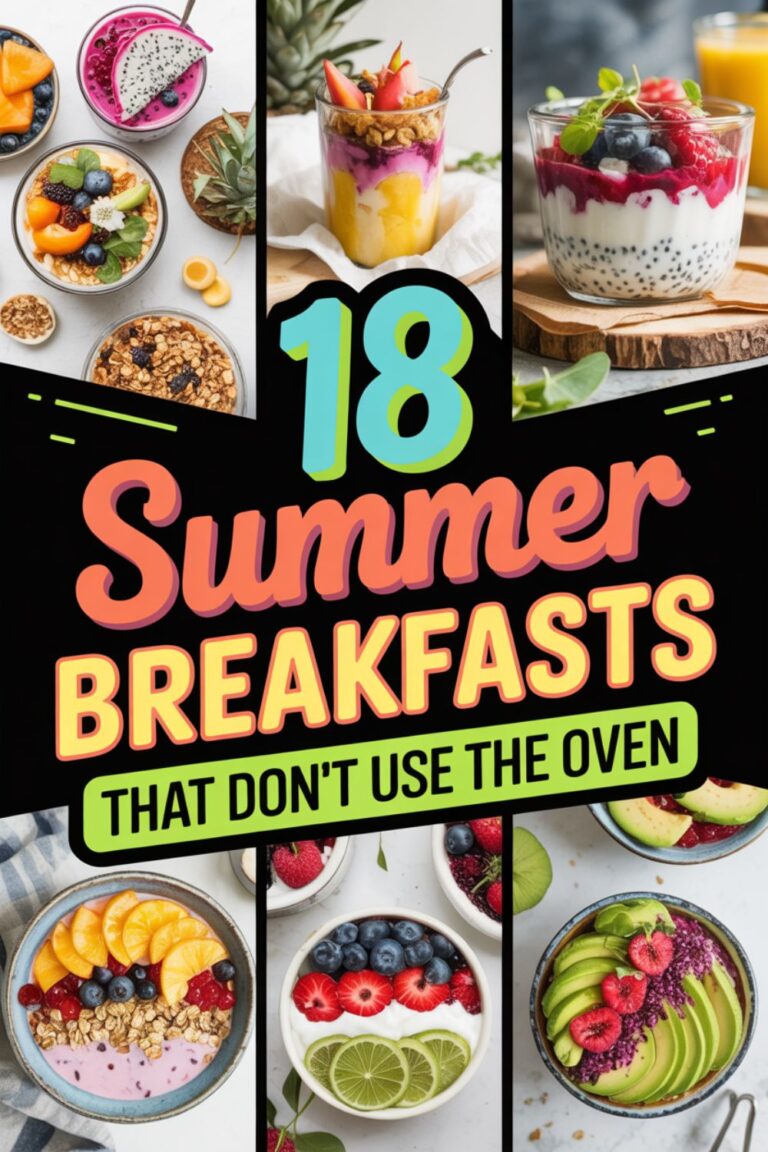
Looking for breakfast inspiration that doesn’t get boring? Try these high-protein breakfast ideas or this Mediterranean egg scramble that’s become my go-to.
Week 1 Sample Menu
Monday
Breakfast: Scrambled eggs with spinach and feta, whole-grain toast, and a small orange. The eggs give you about 18 grams right off the bat, and adding cheese bumps it up nicely.
Lunch: Grilled chicken salad with mixed greens, cherry tomatoes, cucumber, and chickpeas. Dress it with olive oil and lemon juice. I usually prep my chicken on Sunday using this cast iron skillet that distributes heat perfectly—no dry, sad chicken breast here.
Dinner: Baked salmon with roasted asparagus and sweet potato. Salmon’s not just protein-packed; it’s loaded with omega-3s that support recovery and reduce inflammation.
Snack: Greek yogurt with a handful of almonds.
Tuesday
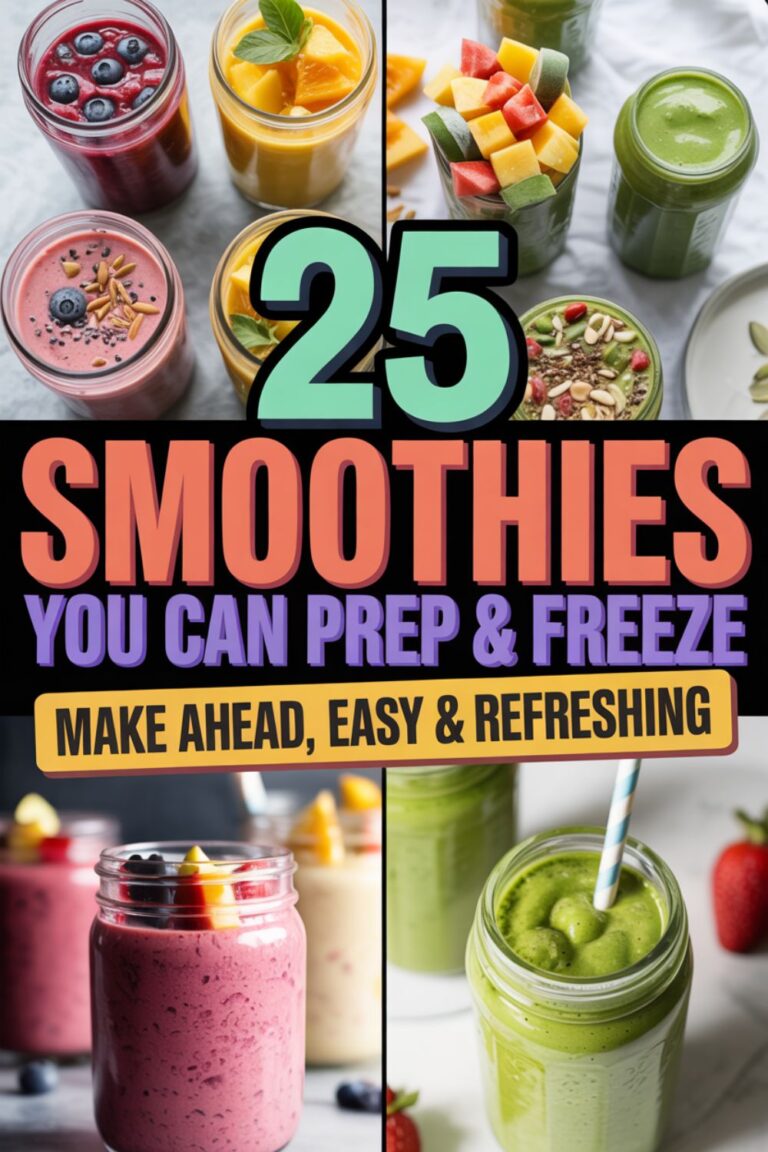
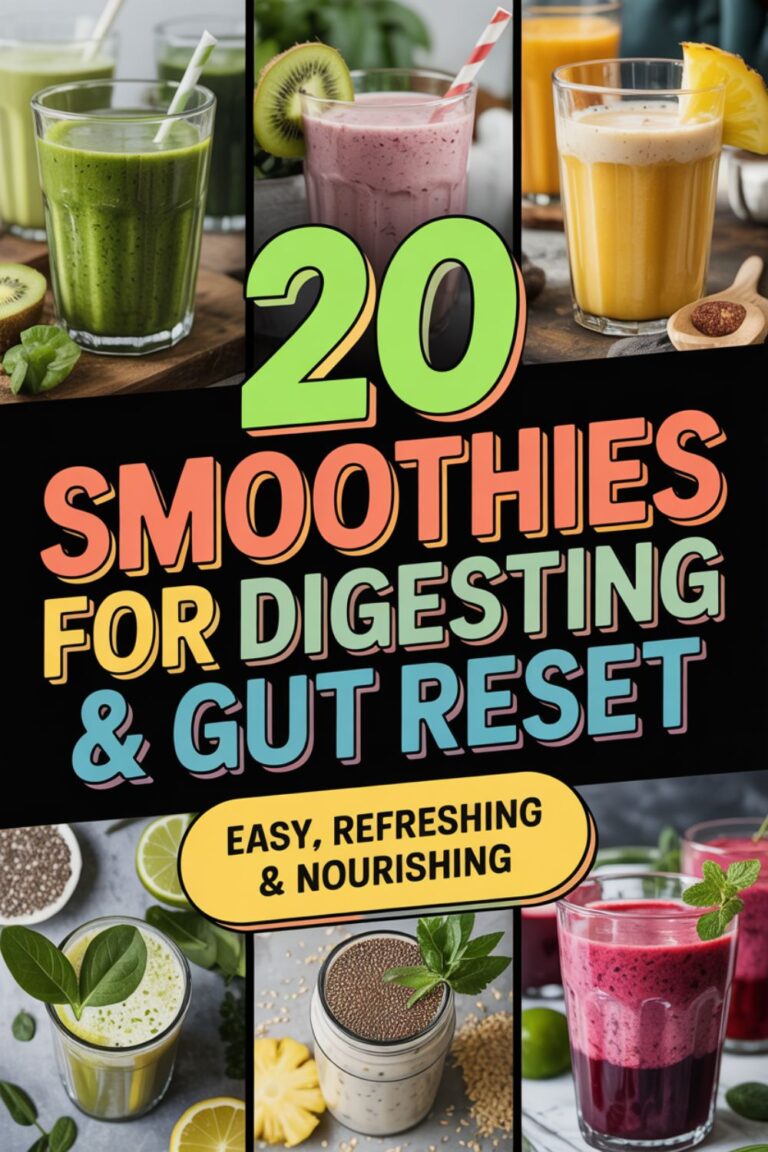
Breakfast: Protein smoothie with whey protein, banana, spinach, and almond butter. Blend it in a quality blender that actually pulverizes everything—no chunky spinach surprises.
Lunch: Turkey and avocado wrap with whole wheat tortilla, loaded with lettuce and tomatoes. Turkey breast is criminally underrated as a protein source.
Dinner: Lean beef stir-fry with broccoli, bell peppers, and brown rice. Use coconut aminos instead of regular soy sauce for less sodium. Get Full Recipe for this stir-fry that’s better than takeout.
Snack: Cottage cheese with cucumber slices.
“I followed this meal plan for three months and lost 18 pounds while actually gaining muscle definition in my arms and shoulders. The variety kept me from getting bored, and I never felt like I was starving.”
Wednesday Through Sunday
The pattern continues with smart protein choices rotated throughout the week. You’ll cycle through different fish options (tilapia, cod, tuna), various poultry preparations (chicken thighs, turkey meatballs, grilled chicken kebabs), and plant-based proteins like lentils and black beans.
One thing I learned the hard way: prep your proteins in advance. Sunday afternoon, cook a big batch of chicken breasts, grill some salmon, and portion everything into these glass meal prep containers that don’t get gross after a week of microwaving.
Prep your vegetables Sunday night, thank yourself all week. Chopped bell peppers, washed lettuce, and pre-cut carrots make assembling meals ridiculously fast.
Week 2: Stepping It Up
By Week 2, your body’s adjusted to the higher protein intake. You might notice you’re less hungry between meals, your energy’s more stable, and you’re not thinking about food every hour.
This week introduces recipes with more complex flavors and slightly different macronutrient distributions. Think shrimp and zucchini noodles, bison burgers (yes, really), and that white bean chicken chili I mentioned earlier.
Sample Days from Week 2
Thursday Lunch: Shrimp and quinoa bowl with roasted vegetables. Shrimp cooks in literally five minutes, making it perfect for busy weekdays. Season with this spice blend that makes everything taste like you actually know what you’re doing in the kitchen.
Friday Dinner: Bison burger (no bun, or use lettuce wraps) with a massive side salad. Bison is leaner than beef but packs the same protein punch. Get Full Recipe for these incredibly juicy burgers.
Saturday Breakfast: Protein pancakes made with oat flour, eggs, and protein powder. Top with Greek yogurt and berries. These actually taste good, not like hockey pucks.
If you’re craving something sweet mid-week, check out these protein dessert recipes that won’t wreck your progress. My favorite is the chocolate peanut butter protein mousse.
The Muscle Building Component
Here’s what nobody tells you: eating protein alone won’t build muscle. You need to actually use those muscles. The protein provides the building blocks, but strength training is what signals your body to construct something with those blocks.
Aim for at least three strength training sessions per week. Focus on compound movements like squats, deadlifts, bench press, and rows. These work multiple muscle groups simultaneously, maximizing the muscle-building response.
Post-workout nutrition matters too. Within an hour after training, consume 20-40 grams of protein. Your muscles are primed to absorb nutrients, and this is when that protein does its best work repairing and building tissue.
Meal Prep Essentials Used in This Plan
Premium Glass Meal Prep Containers (10-Pack)
Microwave-safe, leak-proof, and actually stays sealed. I’ve been using the same set for two years.
Cast Iron Skillet Set
Perfect sear on chicken, fish, and steak every single time. Pre-seasoned and ready to go.
Digital Food Scale
Track your portions accurately without guessing. Small enough to store in a drawer.
14-Day Meal Plan PDF (Digital Download)
Complete shopping lists, prep instructions, and macro breakdowns for every meal. Makes following the plan dummy-proof.
High-Protein Recipe eBook (Digital)
50+ recipes beyond this meal plan. Breakfast, lunch, dinner, snacks, and desserts all optimized for protein.
Join Our Meal Prep Community
WhatsApp group where we share recipe ideas, troubleshoot cooking disasters, and keep each other accountable. Free to join.
Navigating Common Challenges
Challenge 1: Eating Out
Restaurant meals don’t have to derail everything. Order grilled proteins (chicken, fish, steak) and ask for vegetables instead of fries. Skip the bread basket. Request dressings and sauces on the side.
Mexican restaurants? Get fajitas without the tortillas. Italian? Chicken piccata with extra vegetables instead of pasta. Asian? Stir-fries with extra protein and brown rice. It’s not complicated once you know the pattern.
Challenge 2: Snack Attacks
The afternoon slump is real. Keep high-protein snacks ready: hard-boiled eggs, turkey roll-ups, protein bars that don’t taste like sawdust, or beef jerky. I keep these protein bars in my desk drawer and car—emergency backups for when hunger hits.
Challenge 3: Budget Constraints
Quality protein doesn’t have to break the bank. Eggs are dirt cheap. Canned tuna and salmon cost way less than fresh. Chicken thighs are cheaper than breasts and arguably taste better. Greek yogurt on sale? Stock up.
Plant proteins like lentils, chickpeas, and black beans cost pennies per serving. Mix them with rice or quinoa for complete protein profiles. Get Full Recipe for budget-friendly high-protein meals that don’t sacrifice taste.
For more budget-conscious options, check out these cheap high-protein meals and bulk meal prep ideas that make feeding yourself affordable.
Understanding Protein Quality and Sources
Not all protein sources are created equal. Animal proteins (meat, fish, eggs, dairy) contain all nine essential amino acids your body can’t make on its own. Plant proteins often lack one or more, which is why combining different plant sources matters if you’re vegetarian or vegan.
But don’t let that scare you away from plants. Research from Harvard’s Nurses’ Health Study found that people eating protein primarily from beans, nuts, and dairy had significantly lower risks of chronic diseases. Plant proteins bring fiber, phytonutrients, and minerals that animal proteins lack.
Top Protein Sources by Type
Animal Sources:
- Chicken breast: 31g protein per 100g
- Salmon: 25g protein per 100g
- Greek yogurt: 10g protein per 100g
- Eggs: 6g protein per large egg
- Lean beef: 26g protein per 100g
Plant Sources:
- Lentils: 9g protein per 100g cooked
- Chickpeas: 9g protein per 100g cooked
- Quinoa: 8g protein per 100g cooked
- Tofu: 8g protein per 100g
- Peanut butter: 25g protein per 100g
Speaking of peanut butter versus almond butter—there’s this ongoing debate about which is “healthier.” Honestly? Both are great protein sources. Peanut butter has slightly more protein (about 25g per 100g versus 21g for almond butter), while almond butter wins on vitamin E and magnesium. Pick whichever you actually enjoy eating.
“I was skeptical about plant proteins working as well as meat, but after incorporating more lentils and quinoa into my meals, I actually felt better during workouts. Plus, my grocery bill dropped by like 30 bucks a week.”
Meal Timing and Protein Distribution
When you eat matters almost as much as what you eat. Your body can only process so much protein at once—somewhere around 25-40 grams per meal, depending on your size and activity level.
Instead of eating 100 grams at dinner and scraps throughout the day, distribute protein evenly across meals. This keeps your muscle protein synthesis elevated consistently rather than in one big spike.
IMO, eating protein at breakfast makes the biggest difference in how your entire day goes. It stabilizes blood sugar, reduces cravings, and sets you up to make better food choices later. Skip the bagel, grab the eggs.
Tools & Resources That Make Cooking Easier
Instant Pot Duo
Pressure cook chicken breasts in 10 minutes, meal prep soups and stews hands-off. Worth every penny.
Quality Chef’s Knife
Chopping vegetables stops being annoying when your knife actually cuts instead of crushes. Game changer.
Silicone Baking Mats (2-Pack)
Zero sticking, zero scrubbing. Use them for everything short of cereal bowls. Seriously.
Macro Tracking App Guide (Digital)
Step-by-step tutorial for MyFitnessPal and Cronometer. Learn to track macros without going insane.
Meal Prep Video Course (Digital)
Watch over-the-shoulder as I prep an entire week’s worth of meals in 2 hours. Includes time-saving hacks.
WhatsApp Support Group
Connect with others following the plan. Share photos, ask questions, celebrate wins. Accountability makes everything easier.
The Science Behind Protein and Fat Loss
Let’s get into the nerdy stuff for a minute. When you’re in a calorie deficit (eating fewer calories than you burn), your body needs fuel. It’ll pull from fat stores, but it’s also happy to break down muscle tissue for energy—especially if you’re not giving it reasons to keep that muscle around.
High protein intake combined with strength training signals your body: “Hey, we’re using these muscles regularly, better keep them.” Research published in the Journal of Obesity and Metabolic Syndrome found that participants consuming 1.6-2.4 grams of protein per kilogram of body weight lost significantly more fat while preserving muscle compared to those eating standard protein amounts.
The thermic effect of protein means your body burns 20-30% of protein calories just digesting and processing it. Carbs and fats? Only about 5-10%. That’s basically free calorie burn just from eating.
Protein also influences several gut hormones. GLP-1 and CCK (cholecystokinin) increase, making you feel satisfied. Ghrelin decreases, reducing hunger signals. It’s like having an appetite control system that actually works.
Don’t fear carbs or fats. This is a high-protein plan, not a no-carb plan. You need carbs for energy during workouts and fats for hormone production. The goal is adequate protein first, then fill in with reasonable amounts of the other macros.
Adapting the Plan for Different Goals
For Faster Fat Loss
Keep protein high but reduce carbs slightly, especially around dinner. Focus on vegetables and lean proteins in the evening. Save your carb intake for breakfast and around your workout when your body uses them most efficiently.
For More Muscle Gain
Increase overall calories by adding carbs around your training sessions. Think oatmeal before lifting, rice or potatoes after. Keep protein at the same levels but don’t be in as aggressive a calorie deficit—maybe 200-300 calories below maintenance instead of 500.
For Maintenance
Once you’ve hit your goal, maintain the protein levels but adjust total calories to match your energy output. This prevents weight regain while preserving the muscle you’ve built.
Need post-workout meal ideas? Try these recovery meals or this anabolic protein smoothie that actually tastes good.
Supplements: What’s Actually Worth It
Real talk: supplements are called supplements because they supplement an already solid diet. They’re not magic, but a few can help if you’re struggling to hit protein targets through food alone.
Whey Protein Powder: Convenient, fast-digesting, relatively cheap per serving. Mix it in smoothies, oatmeal, or just shake it with water. I keep this unflavored whey protein around because flavored versions get boring fast.
Creatine Monohydrate: Not protein, but worth mentioning. Five grams daily improves strength and muscle recovery. It’s one of the most researched supplements with actual proven benefits.
Casein Protein: Slow-digesting protein good for before bed. Keeps amino acids flowing while you sleep. Not essential, but helpful if you’re serious about muscle building.
Skip the fat burners, testosterone boosters, and other sketchy stuff. Your money’s better spent on quality whole foods and maybe a gym membership.
Staying Consistent Beyond 14 Days
Two weeks gives you the framework, but real transformation happens over months. The goal isn’t to follow this plan perfectly forever—it’s to learn what works for your body, your schedule, and your taste preferences.
After 14 days, you’ll know which meals you actually enjoy making, which proteins you prefer, and how your body responds to different protein amounts. Use that information to create a sustainable approach you can maintain long-term.
Most people find they naturally gravitate toward 6-8 go-to meals they rotate regularly. That’s fine. You don’t need 50 different recipes to succeed. You need a handful of reliable options that taste good and hit your macros.
“After the initial 14 days, I just kept repeating my favorite meals from each week. Six months later, I’m down 28 pounds and my deadlift went from 185 to 275. The consistency mattered more than the variety.”
Common Mistakes to Avoid
Mistake 1: Going Too Low on Calories
More isn’t always better. Eating 1200 calories while trying to build muscle is counterproductive. Your body needs fuel for workouts and recovery. Aim for a modest deficit—300-500 calories below maintenance—not starvation mode.
Mistake 2: Ignoring Vegetables
Protein alone won’t cut it. You need the fiber, vitamins, and minerals from vegetables. Plus, they add volume to your meals without tons of calories, helping you feel full without sabotaging your deficit.
Mistake 3: Skipping Strength Training
Eating high-protein without resistance training just gives you expensive urine. Your body sheds what it doesn’t need. Use those muscles, signal your body to keep them, or all that extra protein is wasted.
Mistake 4: Not Tracking Anything
FYI, eyeballing portions is how people accidentally eat 3000 calories while thinking they’re in a deficit. Track your food for at least two weeks using this food scale and an app like MyFitnessPal. Knowledge is power.
Dairy-Free and Vegan Adaptations
Can’t do dairy? No problem. Swap Greek yogurt for coconut yogurt or soy yogurt (check labels—some have minimal protein). Replace regular milk with soy milk, which has comparable protein to cow’s milk.
Vegan? It’s trickier but totally doable. Focus on combining plant proteins to get complete amino acid profiles. Lentils + rice, chickpeas + quinoa, beans + whole wheat tortillas. Use pea protein powder (tastes better than it sounds) in smoothies. Tofu, tempeh, and seitan become your best friends.
The key is being more intentional about getting enough protein throughout the day. Plant sources typically have fewer grams per serving, so you need larger portions or more frequent meals.
Frequently Asked Questions
Can I drink alcohol while following this meal plan?
Technically yes, but it’ll slow your progress. Alcohol provides empty calories, disrupts sleep (which affects muscle recovery), and often leads to poor food choices. If you’re serious about results for these 14 days, I’d skip it or limit to one drink on weekends. Your call.
What if I’m not hungry enough to eat all this protein?
This actually happens when you first increase protein—it’s so filling that hitting targets feels impossible. Start with your current intake and gradually increase by 10-15 grams every few days. Your appetite will adjust. Protein shakes help bridge the gap when you’re struggling.
How quickly should I expect to see results?
You’ll probably notice increased energy and reduced hunger within the first week. Visual changes? Give it three to four weeks. Scale weight might not change much initially if you’re building muscle while losing fat, which is why progress photos and how your clothes fit matter more than the number on the scale.
Is this plan safe for people with kidney issues?
If you have existing kidney problems, talk to your doctor before increasing protein intake significantly. For healthy individuals, research shows high-protein diets don’t cause kidney damage. But I’m not a doctor, and this isn’t medical advice—always check with a healthcare professional for personal health conditions.
Can I follow this plan while pregnant or breastfeeding?
Pregnant and breastfeeding women need additional protein—about 1.25 times the baseline recommendation. However, weight loss isn’t recommended during pregnancy or while nursing. Focus on adequate nutrition for you and baby, not calorie restriction. Again, consult your OB-GYN or a registered dietitian for personalized guidance.
Final Thoughts
This 14-day high-protein meal plan isn’t a temporary fix. It’s a blueprint for understanding how proper protein intake transforms your body composition, energy levels, and relationship with food.
You’re not going to follow it perfectly. You’ll have days where you eat pizza, skip the gym, or forget to prep your meals. That’s being human, not failing. What matters is consistency over time, not perfection in the moment.
The people who succeed with plans like this are the ones who adapt it to their lives rather than trying to force their lives around a rigid plan. Use what works, modify what doesn’t, and remember that building the body you want is a marathon, not a sprint.
Now stop overthinking it and start cooking. Your future self will thank you.