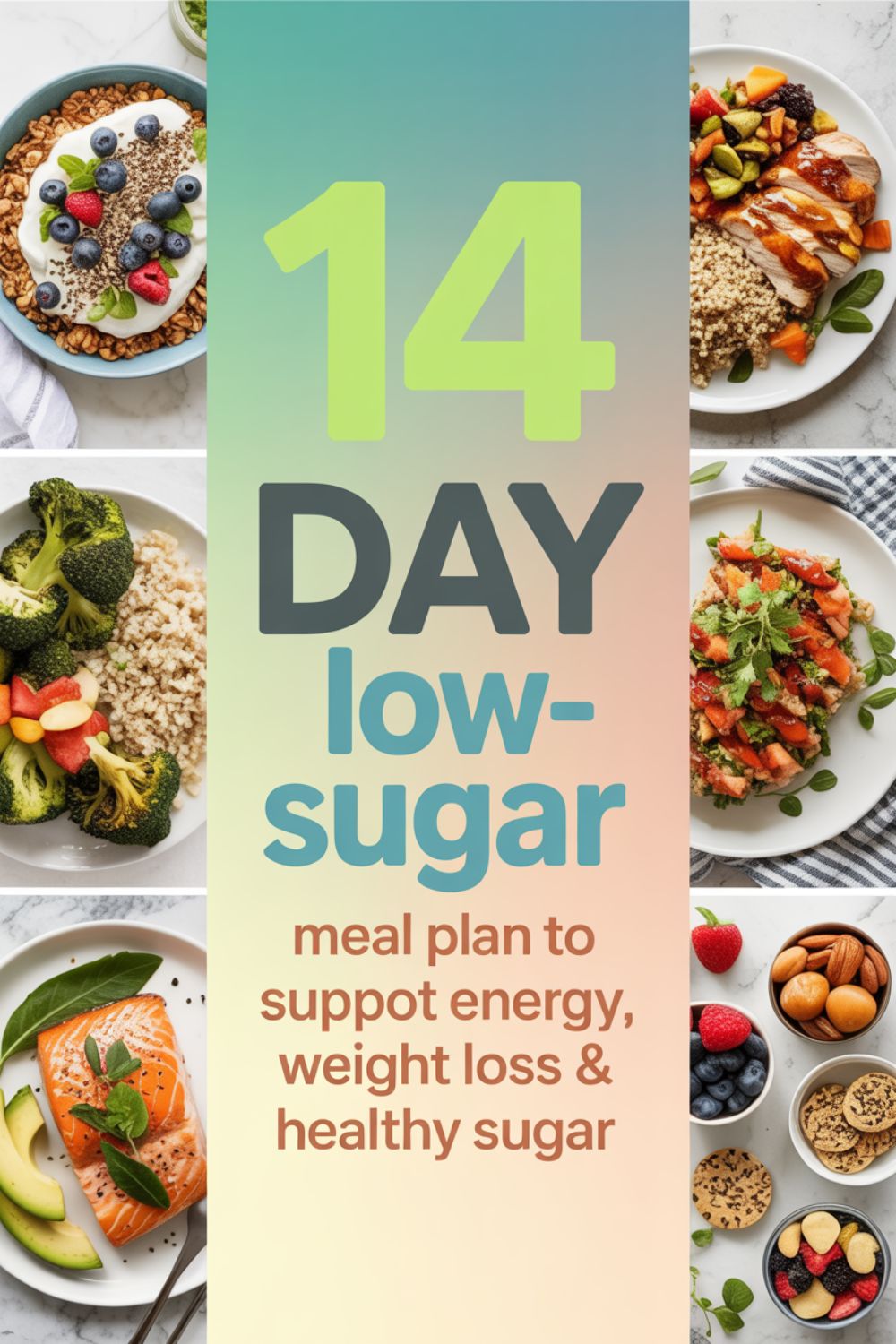
14-Day Low-Sugar Meal Plan to Support Energy, Weight Loss, and Healthy Blood Sugar
Look, I’ll be straight with you—cutting back on sugar doesn’t mean signing up for two weeks of bland chicken and steamed broccoli. Trust me, I’ve been down that miserable road before, and it ends with you face-first in a box of donuts by day three. This 14-day plan? It’s different. It’s about eating real food that actually tastes good while keeping your blood sugar from doing gymnastics and your energy levels from tanking by 3 PM.
Here’s the thing about sugar: it’s everywhere. Your morning yogurt? Packed with it. That “healthy” granola bar? Basically candy in disguise. We’ve been conditioned to accept sugar as a normal part of every meal, and our bodies are paying the price with energy crashes, stubborn weight gain, and blood sugar levels that look like a roller coaster chart.
This meal plan isn’t about perfection or deprivation. It’s about resetting your palate, stabilizing your blood sugar, and giving your body a fighting chance to burn fat instead of constantly storing it. You’ll eat three solid meals plus snacks, and yeah, they’ll actually keep you full. No weird supplements required, no meal replacement shakes that taste like chalk. Just real food, strategic timing, and a game plan that works.
Why Low-Sugar Actually Works (And It’s Not What You Think)
Before we dive into the meal plan, let’s talk about why this approach actually works when so many diets fail. When you eat sugar, your blood glucose spikes. Your pancreas freaks out and dumps insulin into your bloodstream to deal with it. That insulin shoves the sugar into your cells—but it also signals your body to stop burning fat and start storing it instead.
According to research from Mayo Clinic, managing blood sugar levels through diet is one of the most effective ways to control energy, weight, and overall metabolic health. When you keep your blood sugar stable, you avoid those dramatic insulin spikes that tell your body to pack on pounds.
But here’s where it gets interesting. Studies show that reducing added sugar can improve everything from liver function to skin health. We’re not just talking about weight loss here—we’re talking about reducing inflammation, improving mental clarity, and giving your organs a break from constantly processing excess glucose.
The First Week: Breaking the Sugar Habit Without Losing Your Mind
Days 1-3: The Adjustment Phase
The first few days are admittedly rough. Your body is used to running on sugar, and it’s going to protest. You might get headaches. You might feel cranky. This is normal, and it passes faster than you think. The key is eating enough protein and healthy fats to keep you satisfied.
Start each morning with eggs and vegetables. I know, revolutionary advice, right? But seriously—a three-egg omelet with spinach, mushrooms, and a bit of cheese will keep you full until lunch in a way that oatmeal never could. Add half an avocado if you’re still hungry. Get Full Recipe for the perfect veggie-packed omelet that doesn’t turn rubbery.
For lunch, think protein-forward salads. Not the sad desk salad with iceberg lettuce and three cherry tomatoes—I’m talking about a massive bowl of mixed greens topped with grilled chicken, nuts, seeds, olive oil, and enough vegetables to actually constitute a meal. The fat from the olive oil and nuts helps you absorb nutrients and keeps hunger at bay.
Dinner is where you can get creative without getting complicated. A piece of salmon with roasted Brussels sprouts and cauliflower rice takes twenty minutes and tastes incredible if you season it properly. Use this cast iron skillet for perfectly crispy Brussels sprouts that might actually convert the haters.
Meal Prep Essentials Used in This Plan
Having the right tools makes everything easier. Here’s what actually gets used in this plan, not just what looks good on Instagram:
- Physical Products: Glass meal prep containers that don’t stain or smell weird after three uses, a quality chef’s knife because chopping vegetables with a dull blade is how people end up in the ER, and a vegetable spiralizer for when you need noodles but don’t want the carb crash.
- Digital Resources: Macro tracking app that doesn’t require a PhD to understand, meal planning template that you can actually customize without losing your mind, and a sugar content guide that reveals which “health foods” are basically dessert.
- Community Support: Join our WhatsApp group where real people share their struggles, wins, and the occasional meme about sugar cravings at 9 PM.
Days 4-7: Finding Your Rhythm
By day four, something shifts. The headaches fade. Your energy stabilizes. You stop thinking about food every thirty seconds. This is when people usually say things like, “Wait, I think this is actually working?”
Your taste buds start changing too. A bell pepper tastes sweeter than you remember. Berries taste like actual candy. This isn’t some hippie nonsense—when you stop overwhelming your palate with processed sugar, you can actually taste the natural sweetness in whole foods.
Breakfast might be full-fat Greek yogurt with berries and a handful of almonds. Yes, full-fat. The low-fat stuff is loaded with sugar to make up for the taste, and the fat helps you absorb the vitamins in those berries. Get Full Recipe for a protein-packed yogurt bowl that beats any acai bowl.
Speaking of breakfast inspiration, if you’re getting tired of eggs, check out these alternatives that keep protein high and sugar low. The cottage cheese protein pancakes are surprisingly legit, and this sugar-free breakfast hash is what I make when I’m actually hungry enough to eat a small horse.
Lunch options expand as you get comfortable. Lettuce wraps with turkey, avocado, and a ton of vegetables become a go-to. Or try a big bowl of homemade chicken soup—nothing fancy, just chicken, vegetables, and bone broth. Make a huge pot on Sunday and eat it all week. I use this slow cooker so I can throw everything in before work and come home to food that didn’t require me to cook while hangry.
Dinner could be grass-fed beef tacos using lettuce wraps instead of tortillas. Load them up with salsa, guacamole, and cilantro. Nobody said this has to be boring. The homemade guacamole recipe takes five minutes and tastes infinitely better than the brown stuff from the store.
The Second Week: Dialing It In
Days 8-10: The Energy Surge
Week two is when things get interesting. Your body has mostly adapted to running on stable blood sugar instead of sugar spikes and crashes. Most people notice their energy is more consistent throughout the day. No more 2 PM face-plant into your desk.
You might also notice you’re sleeping better. When your blood sugar isn’t doing backflips all day, it doesn’t crash in the middle of the night either. This was honestly one of the most surprising benefits for me—waking up actually refreshed instead of hitting snooze seventeen times.
For breakfast, try a veggie scramble with whatever’s in your fridge. Throw in some leftover roasted vegetables, add eggs, top with salsa or hot sauce. Done. Get Full Recipe for kitchen-sink scrambles that use up everything before it goes bad.
Lunch might be a big salad with canned salmon, olive oil, and lots of different vegetables for variety. The omega-3s in salmon are clutch for brain function and reducing inflammation. Mix it with this quality olive oil that actually tastes like olives instead of cooking oil.
Days 11-14: Making It Sustainable
The final stretch is about figuring out what works for your actual life. Maybe you’ve discovered that having a big breakfast keeps you satisfied all morning. Maybe you prefer a lighter breakfast and a bigger lunch. There’s no one-size-fits-all here.
Some people thrive on three meals a day. Others need a snack between lunch and dinner. Both are fine as long as you’re choosing whole foods and keeping sugar low. A handful of nuts, some vegetables with hummus, or a hard-boiled egg all work great. Get Full Recipe for homemade hummus that puts store-bought to shame.
Dinner options keep building on what you’ve learned. Grilled chicken with roasted vegetables never gets old if you change up your seasoning. Try different spice blends, different cooking methods, different vegetables. Sheet pan dinners are your friend here—everything on one pan, minimal cleanup. Season it all with this salt-free seasoning blend that actually has flavor instead of just being expensive dust.
For complete meal inspiration, don’t miss the 30-day clean eating meal plan that extends these principles beyond two weeks. There’s also a solid keto meal prep guide if you want to go even lower on carbs, though that’s not required for this approach to work.
Snacks That Don’t Sabotage Your Progress
Let’s address the elephant in the room: snacking. The diet industry has convinced us we need snacks every two hours or we’ll somehow waste away. That’s nonsense. But if you are genuinely hungry between meals, choose snacks that won’t spike your blood sugar.
Some solid options: raw vegetables with guacamole, hard-boiled eggs with sea salt, a handful of macadamia nuts or almonds, celery with almond butter, or a small portion of berries with full-fat Greek yogurt. Keep portions reasonable—a handful, not a mixing bowl.
What doesn’t work: protein bars that are basically candy bars with better marketing, dried fruit that’s pure sugar bombs, anything labeled “fat-free” because they replaced the fat with sugar, or juice of any kind even if it’s “fresh-squeezed organic superfruit.” Store your actual snacks in these portion control containers so you’re not accidentally eating half a pound of almonds while watching TV.
Tools & Resources That Make Cooking Easier
Look, you don’t need a kitchen full of gadgets, but these actually earn their counter space:
- Physical Products: A sharp vegetable peeler that doesn’t require the grip strength of a rock climber, nesting mixing bowls that don’t take up your entire cabinet, and a salad spinner because nobody likes soggy greens.
- Digital Products: Blood sugar tracking app to see how different foods affect you personally, a recipe database filtered for low-sugar options, and a shopping list generator that organizes by grocery store section because wandering aimlessly burns time, not calories.
- Support Network: Our members-only group chat where someone’s always available to talk you off the ledge when you’re standing in front of the office donut box.
What About Eating Out and Social Situations?
Here’s where most meal plans completely fall apart: real life. You can’t live in a bubble. You’ll have dinner invitations, work lunches, and family gatherings. The goal isn’t to become that person who brings their own food everywhere or lectures everyone about sugar content.
Restaurant strategy is simple: protein and vegetables, skip the bread basket, ask for dressings and sauces on the side, and order water or unsweetened tea. Most restaurants will substitute extra vegetables for rice or potatoes if you ask. IMO, paying an extra two bucks for double vegetables is way better than spending the meal feeling deprived.
At social events, eat before you go so you’re not starving. Focus on protein options and vegetables from the spread. Skip the chips and pretzels that are just vehicles for mindless eating. And if someone gives you grief about your food choices, a simple “I’m just not that hungry right now” usually shuts down the conversation.
The Science Behind Why This Works
When you reduce sugar intake, several things happen metabolically. First, your insulin levels stabilize. Insulin is essentially a fat storage hormone—when it’s constantly elevated, your body stays in fat storage mode and never switches to fat burning mode.
According to research published in medical journals, diet composition significantly impacts blood sugar control and metabolic health. Reducing refined carbohydrates and added sugars while increasing protein and healthy fats helps improve insulin sensitivity and promotes sustainable weight loss.
Second, your hunger hormones regulate. Leptin (which tells you you’re full) and ghrelin (which tells you you’re hungry) start working properly again instead of being drowned out by blood sugar chaos. This is why people often say they feel more satisfied eating this way even though they’re consuming fewer calories.
Third, inflammation decreases. Sugar is inflammatory, and chronic inflammation is linked to basically every disease we’re trying to avoid. Less sugar means less inflammation, which means everything from joint pain to skin issues often improves.
Troubleshooting Common Issues
The Headaches Are Real
If you’re getting headaches in the first few days, you’re not alone. This is your body detoxing from sugar dependency. Stay hydrated—like, actually hydrated, not just drinking coffee all day. Add a pinch of sea salt to your water to help with electrolyte balance. The headaches usually clear up by day four.
The Cravings Are Intense
Sugar cravings often hit hardest in the evening. This is partly habit and partly blood sugar related. Make sure you’re eating enough at dinner and including healthy fats. If cravings hit, try eating something savory first—sometimes what feels like a sugar craving is actually just general hunger.
A cup of herbal tea or a handful of berries can also take the edge off. And honestly, sometimes distraction works—go for a walk, call a friend, do anything except stand in front of the pantry negotiating with yourself about whether you really need those cookies.
Energy Dips Before Improvement
Some people experience low energy in the first few days as their body adjusts to using fat for fuel instead of sugar. This is temporary. If it persists beyond a week, you might not be eating enough overall, or you might need more healthy fats in your meals. Don’t be afraid to add more olive oil, avocado, or nuts.
Need more variety in your rotation? The meal prep for busy professionals guide has strategies for cooking once and eating all week. Or check out budget-friendly clean eating recipes if you’re trying to keep costs down while eating well.
Beyond the 14 Days: Making This Stick
Here’s the truth: fourteen days is just the beginning. The real challenge is figuring out how to maintain these habits when life gets chaotic, which it inevitably does. The good news is that after two weeks, you’ve laid a solid foundation. Your cravings are reduced, your taste buds have adjusted, and you’ve seen that eating this way doesn’t have to be complicated or miserable.
The key to sustaining this long-term is flexibility within structure. Keep the core principles—prioritize protein and vegetables, limit added sugars, eat real food—but allow for variations based on your schedule, budget, and preferences. Some weeks you’ll meal prep like a champion. Other weeks you’ll rely on rotisserie chicken and bagged salad. Both are fine.
Also, perfection is not the goal. If you eat sugar at a birthday party, you haven’t “ruined everything” or “fallen off the wagon.” You ate cake at a celebration, which is a completely normal human thing to do. Get back to your regular eating pattern at the next meal. The all-or-nothing mentality is what crashes most people, not the occasional cookie.
What About Exercise?
Exercise is great for overall health, but here’s something nobody wants to hear: you can’t out-exercise a bad diet. If you’re eating sugar constantly, no amount of cardio will fix your blood sugar or melt away fat. That said, movement does help with insulin sensitivity and stress management.
Walking after meals is particularly effective for blood sugar control. Even ten minutes helps. Resistance training is also valuable because muscle tissue is more metabolically active than fat tissue. But don’t feel like you need to start running marathons or become a gym rat to see results from better eating.
The Unexpected Benefits Nobody Talks About
Beyond weight loss and energy, people often notice improvements they didn’t expect. Better skin is a big one—sugar contributes to inflammation and glycation, both of which age your skin. Many people report clearer skin within a few weeks.
Mental clarity improves too. The brain fog that comes with blood sugar swings clears up when your glucose levels stabilize. You might find you can concentrate better and don’t need that third cup of coffee just to make it through the afternoon.
Sleep often improves, sometimes dramatically. When your blood sugar isn’t crashing in the middle of the night, you sleep more soundly. And better sleep supports everything else—hormones, appetite regulation, energy levels, mood. It’s all connected.
Some people also notice their mood stabilizes. The link between diet and mental health is real. Research suggests that high sugar consumption is associated with increased risk of depression and anxiety. Reducing sugar intake often correlates with improved mood and emotional regulation.
Frequently Asked Questions
Can I drink coffee on this plan?
Yes, black coffee is fine and can actually help with appetite control. Just skip the sugar and flavored syrups. If you need coffee to be palatable, try adding a splash of unsweetened almond milk or a small amount of heavy cream. Those frothy coffee drinks from coffee shops? Those are basically milkshakes with caffeine, so skip them.
What about fruit? Isn’t that sugar too?
Fruit contains natural sugar, but it also contains fiber, vitamins, and minerals that slow down sugar absorption. Berries are your best bet—they’re lower in sugar and high in antioxidants. Eat fruit in moderation, preferably with some protein or fat to slow absorption even more. A handful of berries with Greek yogurt is great. A whole watermelon by yourself? Maybe not.
Will I lose weight on this plan?
Most people do lose weight because they’re naturally eating fewer calories without the sugar, processed foods, and constant snacking. But weight loss isn’t guaranteed and depends on factors like your starting point, metabolism, and how consistently you follow the plan. The blood sugar benefits and energy improvements happen regardless of whether you lose weight, though.
Is this plan safe for diabetics?
This approach is generally beneficial for blood sugar management, but if you have diabetes or pre-diabetes, talk to your doctor before making major dietary changes. Your medication doses might need adjusting as your blood sugar improves. This is especially important if you’re on insulin or certain diabetes medications.
Can I do this if I’m vegetarian or vegan?
Absolutely. You’ll need to pay extra attention to protein sources—think tofu, tempeh, legumes, nuts, and seeds. The principles stay the same: focus on whole foods, minimize added sugars, and eat plenty of vegetables. Just make sure you’re getting enough protein throughout the day to stay satisfied.
The Bottom Line
This 14-day low-sugar meal plan isn’t magic. It’s not a quick fix or a miracle cure. It’s just a strategic way to eat that supports stable blood sugar, sustained energy, and natural fat burning. It works because it’s based on how your body actually processes food, not on gimmicks or impossible restrictions.
You might not lose twenty pounds in two weeks. You might not transform into a completely different person. But you will probably feel better—more energy, fewer cravings, better sleep, clearer thinking. For most people, that’s motivation enough to keep going.
The hardest part is the first few days when your body is adjusting. Push through that, and it gets significantly easier. By the end of two weeks, you’ll have momentum and proof that this approach works for you. From there, it’s about finding your sustainable version—the one you can maintain without feeling deprived or obsessed with food.
Start tomorrow morning with eggs and vegetables instead of cereal. See how you feel by lunch. Then do it again. That’s all this is—making better choices one meal at a time until those choices become habits. You’ve got this.