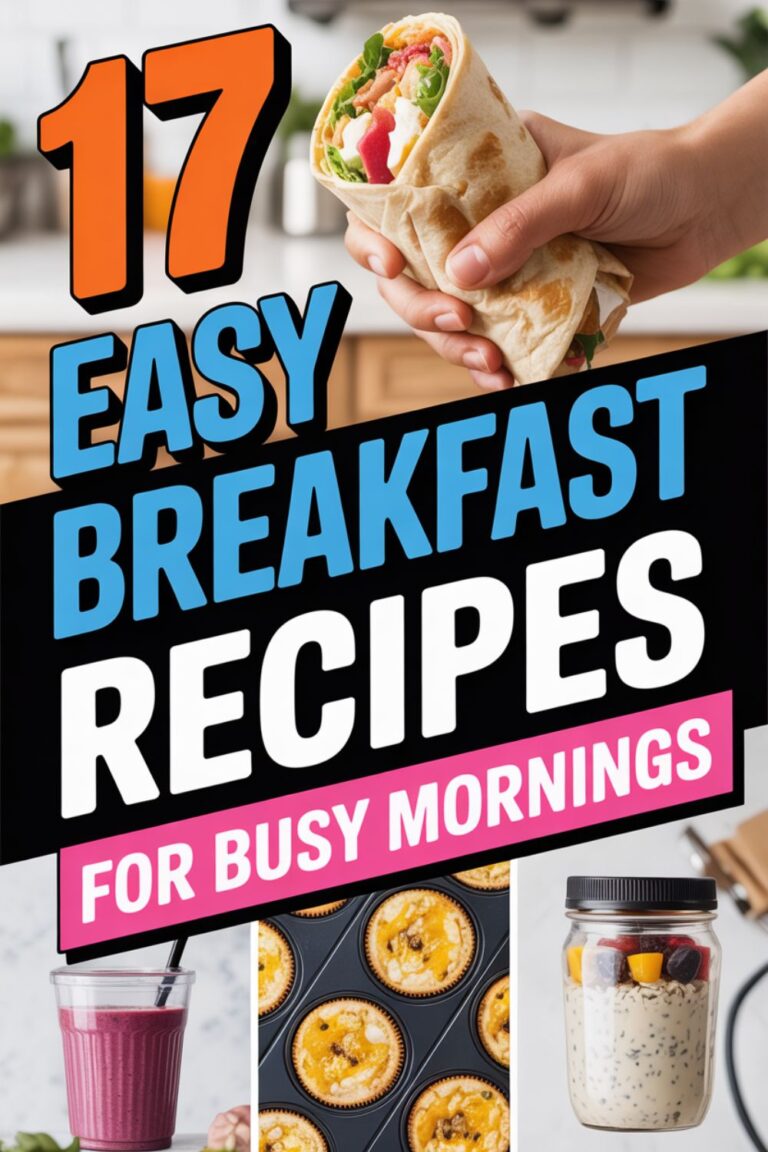
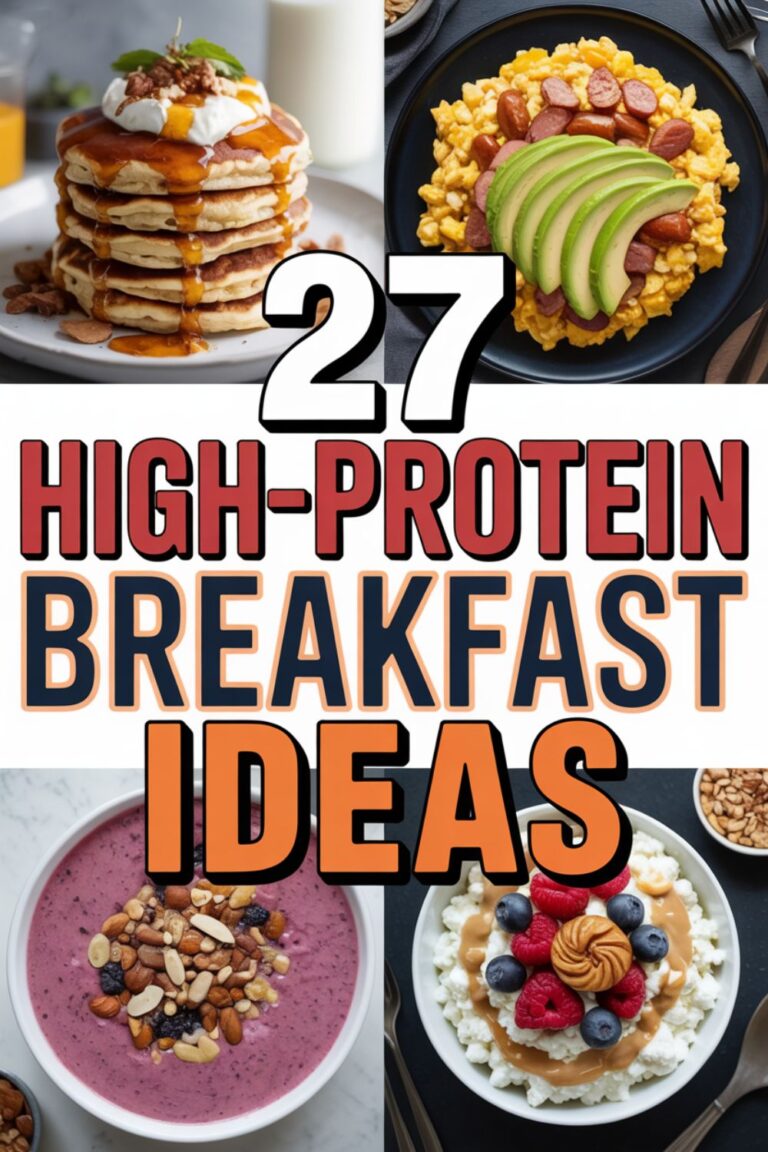
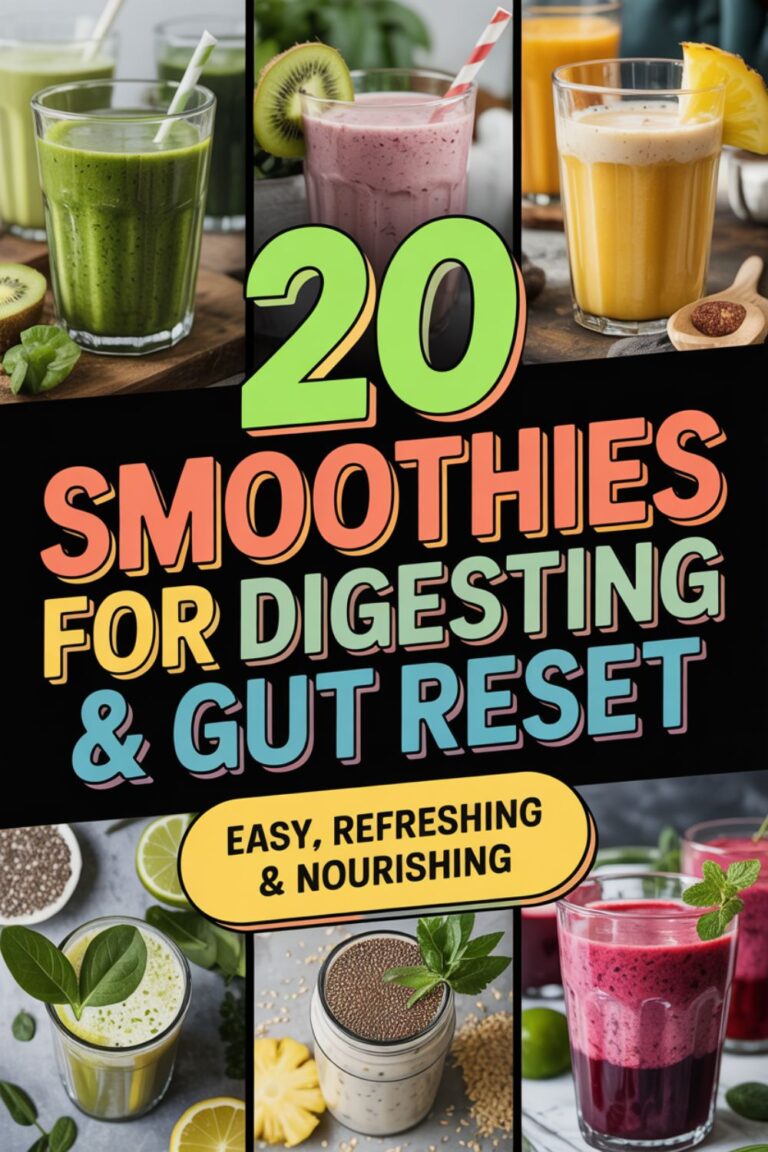
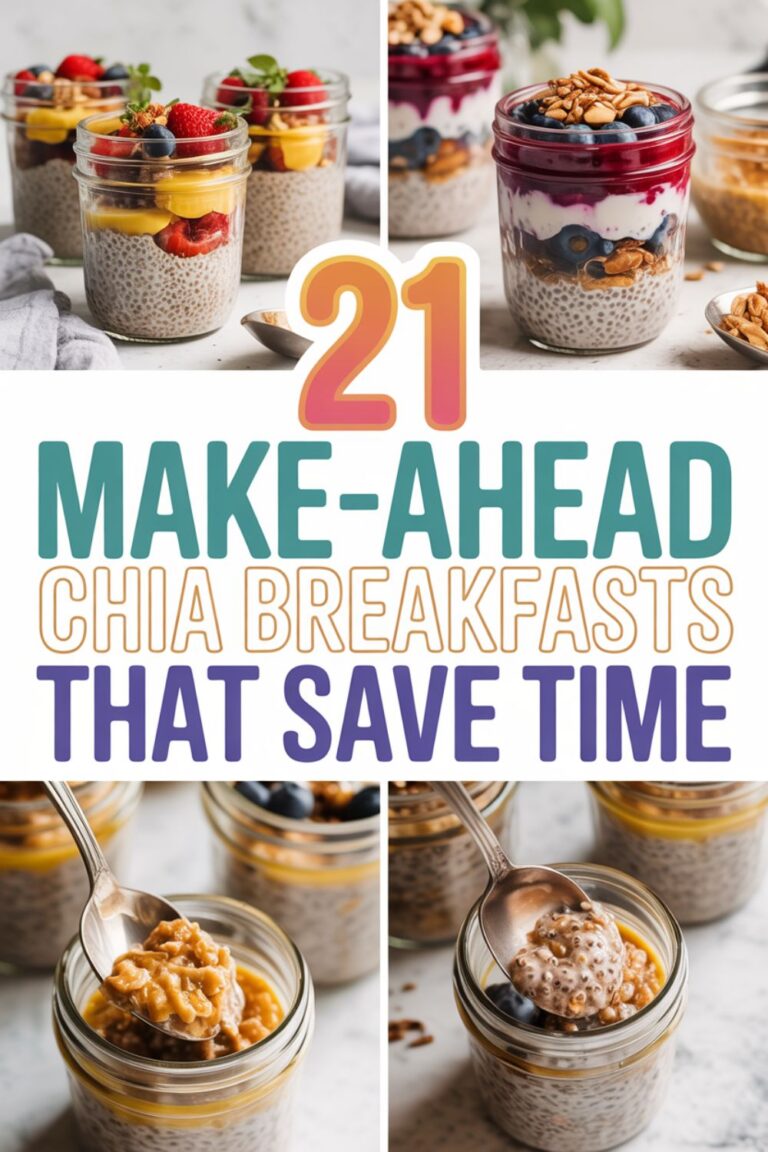
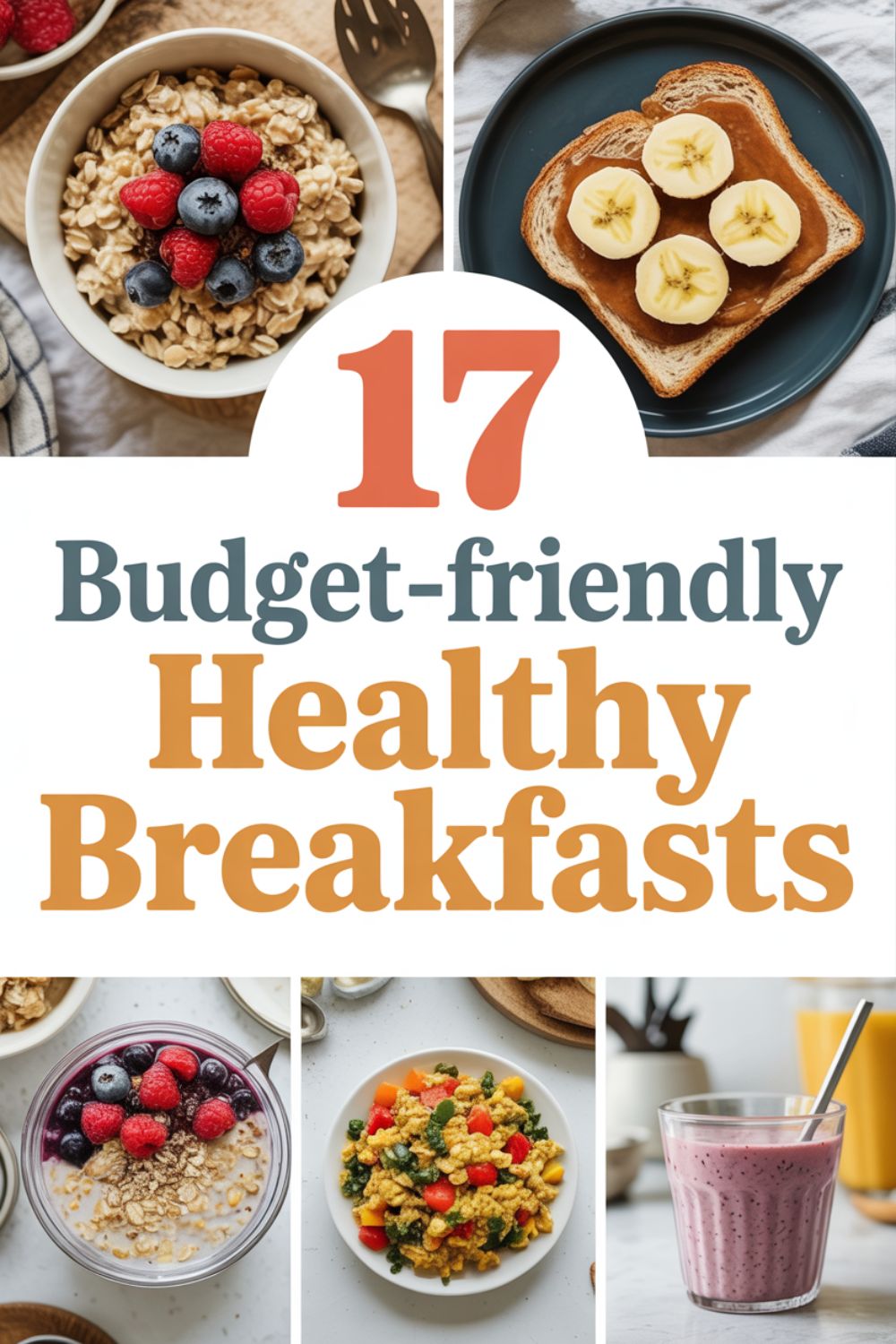
17 Budget-Friendly Healthy Breakfasts That Won’t Break the Bank
Look, I get it. Every time someone starts preaching about healthy eating, your wallet immediately starts sweating. But here’s the thing nobody talks about: eating well doesn’t mean you need to drop half your paycheck at Whole Foods or invest in seventeen different superfood powders that taste like lawn clippings.
I’ve been meal prepping on a tight budget for years, and honestly? Some of my best breakfast discoveries happened when I was flat broke and couldn’t afford the fancy stuff. Turns out, nutritious eating and frugal living make surprisingly good friends. According to Johns Hopkins Medicine, a nutritionally balanced breakfast provides protein, complex carbohydrates, and healthy fats that energize your body and help you start your day without being distracted by hunger.
So grab your coffee (or tea, I don’t judge), and let’s talk about seventeen breakfasts that’ll keep you full, healthy, and financially stable.
Why Breakfast Matters (Even When You’re Pinching Pennies)
Before we jump into the recipes, let’s address the elephant in the room. You’ve probably heard that breakfast is important, but when you’re trying to save money, skipping it might seem like the easier option. Here’s why that’s a terrible idea.
Research from Rush University shows that eating breakfast actually jumpstarts your metabolism and helps you burn more calories throughout the day. When you skip breakfast, your body goes into conservation mode and hangs onto calories instead of burning them. Not exactly what you want when you’re trying to feel good and look good, right?
Plus, people who skip breakfast tend to have higher BMIs and are more likely to overeat later in the day. You know that 3 PM vending machine run? Yeah, that’s partly because you didn’t eat breakfast. And those impulse purchases add up way faster than a planned, budget-friendly morning meal ever would.
Prep your breakfast ingredients on Sunday night. Future you will be grateful when Monday morning rolls around and you’re half-asleep.
The Budget Breakfast Philosophy
Here’s my approach to cheap, healthy breakfasts: buy boring staples in bulk and make them interesting. Oats, eggs, bananas, peanut butter, frozen berries—none of these scream excitement on their own, but combine them right and you’ve got yourself a meal that costs less than two bucks and keeps you satisfied until lunch.
I’m also a big fan of airtight storage containers for keeping bulk ingredients fresh. Nothing kills your budget faster than throwing away food that went bad before you could use it.
17 Budget Breakfasts That Actually Taste Good
1. Classic Overnight Oats (Three Ways)
These are my absolute go-to when I’m too lazy to think in the morning. Toss everything in a jar the night before, grab it from the fridge, and you’re done. Each version costs about $1.50 per serving.
Base recipe: 1/2 cup rolled oats, 1/2 cup milk (dairy or plant-based), pinch of salt, optional sweetener. Mix in a mason jar, refrigerate overnight.
Variation 1 – Berry Bliss: Add frozen mixed berries and a spoonful of chia seeds. The berries thaw overnight and create this amazing purple color that makes you feel fancy.
Variation 2 – Peanut Butter Banana: Mash half a banana into the oats, add a tablespoon of peanut butter. Game changer.
Variation 3 – Apple Cinnamon: Grate an apple into the mixture, add cinnamon and a tiny drizzle of maple syrup if you’re feeling it.
The beauty of overnight oats is that oats are dirt cheap (especially when bought in bulk), and you can customize them with whatever you have lying around. If you’re looking for more inspiration, check out these chia seed overnight oats recipes that take this concept even further.
2. Savory Egg Scramble with Whatever Vegetables Are on Sale
Eggs are protein powerhouses and stupidly cheap per serving. Two eggs with whatever vegetables need to be used up makes a solid breakfast for under a dollar.
I keep a running list of “vegetable graveyard” items in my fridge—things that need to be eaten ASAP. Spinach getting wilty? Goes in the eggs. Half a bell pepper? Eggs. That lone sad tomato? You guessed it.
My favorite combo is spinach, mushrooms, and a sprinkle of cheese if I have it. Cook it all in a non-stick skillet that makes cleanup a breeze. Serve with a slice of whole grain toast if you’re extra hungry.
Buy the “ugly” produce—it’s exactly the same nutritionally but often 30-50% cheaper. Your scrambled eggs don’t care if the pepper was perfectly shaped.
3. Banana Pancakes (Just Two Ingredients)
This one blows people’s minds. One banana + two eggs = pancakes. Mash the banana, beat in the eggs, cook like regular pancakes in a well-seasoned cast iron pan. That’s it.
They’re naturally sweet from the banana, high in protein from the eggs, and cost maybe 40 cents to make. I like to top mine with a smear of peanut butter or some frozen berries that I’ve microwaved into a quick compote.
Fair warning: these aren’t going to be exactly like IHOP pancakes. They’re denser and more eggy. But for something that uses two ingredients you probably already have? They’re pretty incredible.
4. Greek Yogurt Parfait (The Smart Way)
Buying pre-made parfaits is a scam. I said what I said. A large tub of plain Greek yogurt costs the same as two tiny pre-made ones, and you can make it taste however you want.
Layer yogurt with granola (homemade is cheapest, but store-brand is fine), frozen berries, and maybe some ground flaxseed for extra nutrition points. The whole thing comes to about $1.75 per serving if you’re smart about it.
Here’s the move: buy the big tub of plain yogurt, not vanilla. Add your own honey or maple syrup. You’ll save money and control the sugar content. Plus, plain yogurt is way more versatile—you can use it in smoothies, as a sour cream substitute, or just eat it straight with fruit.
Looking for more protein-packed breakfast ideas? These high-protein chia seed breakfast bowls are perfect for keeping you full until lunch without spending a fortune.
5. Peanut Butter Toast (Elevated)
Yeah, I know. Toast. Revolutionary. But hear me out—there’s toast, and then there’s TOAST.
Start with whole grain bread (look for sales and freeze extra loaves). Spread with peanut butter (or any nut butter, but peanut is usually cheapest). Top with sliced banana and a sprinkle of cinnamon. If you’re feeling wild, add some chia seeds on top.
This hits all the marks: complex carbs from the bread, protein and healthy fats from the peanut butter, potassium from the banana, and it costs less than a dollar. It’s also surprisingly filling—I can make it to lunch without snacking when I start my day with this.
6. Egg Muffins (Make a Dozen, Eat All Week)
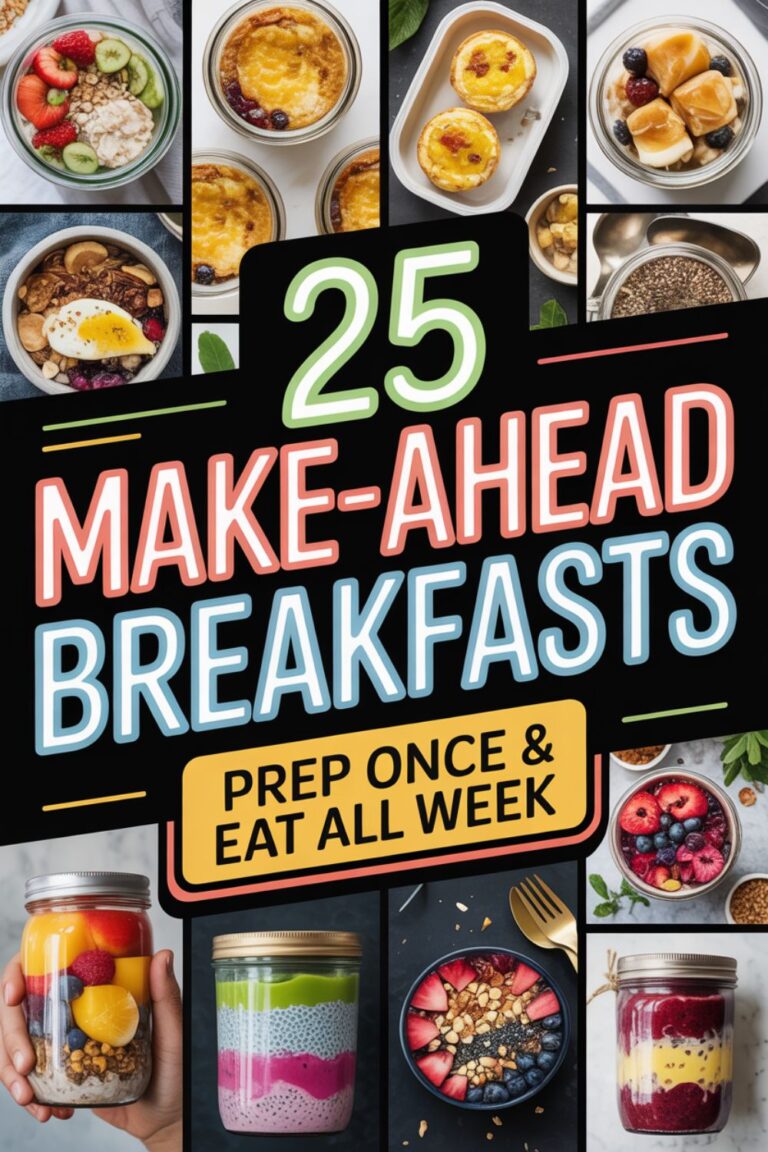
Sunday meal prep champion right here. Whisk a dozen eggs with whatever vegetables and cheese you have, pour into a greased muffin tin, bake at 350°F for 20-25 minutes. Boom—twelve grab-and-go breakfasts.
Each muffin costs about 50 cents, and they reheat perfectly in the microwave. I like to make a batch with spinach, tomatoes, and feta one week, then switch it up with peppers, onions, and cheddar the next week.
Pro move: line your muffin tin with silicone baking cups for the easiest cleanup of your life. Trust me on this one.
7. DIY Breakfast Burritos
Make a big batch of scrambled eggs with beans, cheese, and salsa. Wrap portions in whole wheat tortillas, wrap those in foil, and freeze. In the morning, microwave one for 90 seconds and you’ve got a hot breakfast that cost you maybe $1.50.
The beans are key here—they’re incredibly cheap, loaded with fiber and protein, and they make the burritos way more filling. Black beans or pinto beans both work great. According to research on healthy eating on a budget from MyPlate, adding beans to meals is one of the most cost-effective ways to boost nutrition and fiber content.
I always keep a stash of these in my freezer for mornings when I’m running late or just can’t be bothered to cook. They’re like the adult version of those frozen breakfast sandwiches, except they actually taste good and don’t cost $4 each.
8. Oatmeal (But Make It Interesting)
Plain oatmeal is boring. There, I said it. But oatmeal with the right additions? That’s a different story.
Cook your oats in milk instead of water for extra creaminess. Stir in a mashed banana while it’s cooking. Top with a handful of whatever nuts you can afford (walnuts if you’re feeling fancy, peanuts if you’re on a tighter budget), plus some cinnamon and maybe a tiny drizzle of honey.
This breakfast costs about $0.75 per serving if you buy oats in bulk. Steel-cut oats are great if you have time, but honestly, old-fashioned rolled oats work perfectly fine and cook way faster.
9. Smoothie Bowls Without the Instagram Markup
Smoothie bowls at cafes cost like $12. Making them at home costs about $2. The math isn’t hard.
Blend frozen bananas with a splash of milk and whatever other frozen fruit you have. Pour into a bowl. Top with granola, fresh fruit, and some seeds. The frozen bananas make it thick and creamy without needing expensive protein powder.
My go-to blend: two frozen bananas, handful of frozen berries, splash of milk. That’s it. If you want to add spinach for extra nutrients, go for it—you won’t taste it, I promise. I use my basic blender for this; you don’t need anything fancy.
Want to mix things up? Try these creamy smoothies without banana for when you’re tired of the same old thing.
10. Sweet Potato Toast
This sounds weird until you try it. Slice a sweet potato lengthwise into 1/4-inch planks. Toast them in your regular toaster (might need two cycles). Top like regular toast.
Sweet potatoes are ridiculously cheap, especially when they’re in season, and they’re nutritional powerhouses. My favorite topping is mashed avocado with a fried egg on top. Also great with almond butter and sliced strawberries.
Fair warning: this takes a bit longer than regular toast, so it’s more of a weekend breakfast for me. But it’s a fun way to switch things up and feels weirdly fancy despite costing less than a dollar.
Meal Prep Essentials Used in This Plan
- Glass Meal Prep Containers Set – Because plastic stains and nobody wants orange turmeric containers forever. These babies are microwave-safe, dishwasher-safe, and actually snap shut properly.
- Digital Kitchen Scale – Portion control = budget control. Plus it’s weirdly satisfying to know exactly what you’re eating.
- Quality Chef’s Knife – A sharp knife makes prep work 10x faster. I finally invested in a decent one and honestly wish I’d done it years ago.
- 7-Day High-Protein Meal Plan PDF – Structured plan with shopping lists and macros already calculated. Saves hours of planning time. Get Full Recipe
- Budget Meal Prep Mastery eBook – Every money-saving trick I’ve learned in 5 years of meal prepping, from bulk buying strategies to freezer organization
- Breakfast Batch Cooking Guide – Step-by-step instructions for making 20 breakfasts in 2 hours every Sunday
11. Cottage Cheese Bowl
Cottage cheese has had a massive comeback lately, and for good reason. It’s packed with protein, surprisingly affordable, and way more versatile than people think.
Top a bowl of cottage cheese with fresh or frozen fruit, a drizzle of honey, and some crunchy nuts or granola. The contrast between creamy, sweet, and crunchy is actually pretty amazing.
If you’re not into sweet breakfast, go savory: cottage cheese with cucumber, tomato, everything bagel seasoning, and a crack of black pepper. It’s basically a deconstructed bagel and lox situation without the $15 price tag.
12. Rice Cake Breakfast Stacks
Rice cakes get a bad rap for being boring diet food, but they’re actually a blank canvas. And they’re stupid cheap—like $3 for a pack that lasts two weeks.
Stack one: peanut butter, banana slices, drizzle of honey
Stack two: cottage cheese, everything bagel seasoning, sliced cucumber
Stack three: mashed avocado, cherry tomatoes, squeeze of lime
Each stack costs less than a dollar and is surprisingly filling. I keep rice cakes in my desk at work for emergency breakfast situations. They don’t go bad quickly, they’re portable, and you can top them with basically anything.
13. Chia Seed Pudding
This is like overnight oats’ cooler cousin. Mix 3 tablespoons chia seeds with 1 cup milk, sweetener of choice, and vanilla extract if you have it. Refrigerate overnight.
The chia seeds absorb the liquid and create this pudding-like texture. Top with fruit, nuts, whatever. The whole thing costs about $1.25 per serving, and chia seeds are nutrition bombs—loaded with omega-3s, fiber, and protein.
I make a big batch on Sunday and portion it into small mason jars. Grab one each morning and I’m set. It’s one of those breakfasts that feels like you’re being fancy and healthy without actually trying that hard.
If you’re into this idea, definitely check out these chia seed pudding recipes for tons of flavor variations.
14. Breakfast Quesadilla
Heat a tortilla in a pan, add scrambled eggs and cheese to half of it, fold it over. That’s literally it. Costs about $0.75 and takes three minutes.
You can add beans, leftover vegetables, salsa, whatever needs to be used up. I like to make these when I have random bits of ingredients that aren’t enough for a full meal on their own but combine into something surprisingly good.
The key is getting the tortilla crispy. Don’t be shy with the heat, and press it down with a spatula while it cooks. A crispy quesadilla is exponentially better than a soggy one.
15. Loaded Sweet Potato
Microwave a sweet potato until soft (about 7-8 minutes, flipping halfway). Split it open and load it up with Greek yogurt, granola, berries, and a drizzle of honey. It’s like a breakfast baked potato, and it’s weirdly good.
Sweet potatoes are one of the most nutrient-dense, budget-friendly foods you can buy. They’re loaded with vitamin A, fiber, and complex carbohydrates that keep you full. Plus, they keep forever in your pantry, so you can buy them in bulk when they’re on sale.
For a savory version, try topping with a fried egg, black beans, salsa, and a dollop of Greek yogurt (cheaper than sour cream and way more protein). It’s basically a burrito bowl in potato form.
Speaking of filling breakfasts that won’t spike your blood sugar, these blood sugar-friendly breakfasts are perfect if you’re trying to maintain steady energy throughout the morning.
16. Freezer Breakfast Sandwiches
Make a batch of these on Sunday and you’ve got breakfast sorted for the week. English muffin + egg + cheese + optional meat. Cook everything, assemble, wrap in parchment paper then foil, freeze.
To reheat, unwrap the foil, keep the parchment on, microwave for 90 seconds. The parchment paper keeps the sandwich from getting soggy—game changer.
Each sandwich costs about $1.50 to make versus $4+ for the store-bought versions. And honestly? They taste better. I use a egg ring to cook the eggs so they’re perfectly round and sandwich-sized.
17. Simple Fruit and Nut Bowl
Sometimes simple is best. Slice up whatever fruit you have, add a handful of nuts, maybe some seeds, drizzle with honey if you want. Done.
This is my go-to when I want something light or when I slept through my alarm and have exactly four minutes to eat. It’s not going to keep you full until lunch, so I usually pair it with a hard-boiled egg or some Greek yogurt on the side.
The trick with this one is buying fruit that’s in season—it tastes better and costs way less. In summer I’m all about berries and peaches. Winter is apple and banana season in my kitchen. I buy mixed raw nuts in bulk and portion them into small containers so I’m not tempted to eat the whole bag in one sitting.
Freeze fruit that’s about to go bad. Mushy berries? Perfect for smoothies. Brown bananas? Peel, break into chunks, freeze, and use for nice cream or smoothie bowls later.
The Real Secret to Budget Breakfast Success
Here’s what nobody tells you about eating healthy on a budget: it’s not about finding magical cheap recipes. It’s about developing a few key habits that save you money over time.
First, buy ingredients that do double duty. Eggs work for breakfast burritos, scrambles, muffins, and sandwiches. Greek yogurt goes in parfaits, smoothies, and can replace sour cream. Bananas are for oatmeal, smoothies, pancakes, and toast. See the pattern?
Second, make friends with your freezer. Bread, tortillas, bananas, berries, pre-made breakfast burritos and sandwiches—all freeze beautifully. Buying things on sale and freezing them is basically time-traveling your savings into the future.
Third, prep on a schedule. I do mine Sunday evenings while watching TV. It doesn’t feel like work because I’m only half-paying attention, and Monday morning me is always grateful. Research from Harvard’s Nutrition Source shows that planning meals ahead of time is one of the most effective strategies for maintaining both healthy eating habits and a reasonable food budget.
Fourth, don’t be precious about ingredients. A recipe calls for blueberries but you have strawberries? Use the strawberries. Almond butter instead of peanut butter? Totally fine. The food police aren’t coming for you.
What About Nutrition?
Let’s be real for a second. All the budget hacks in the world don’t matter if you’re just eating garbage. The good news? Most of these breakfasts hit the nutritional sweet spot without trying too hard.
According to research from the International Breakfast Research Initiative, a quality breakfast should provide key nutrients including B vitamins, vitamin A and D, folate, calcium, iron, potassium, and magnesium. The vast majority of these budget-friendly options deliver on that front.
You want protein (keeps you full), complex carbs (energy that lasts), healthy fats (brain food), and ideally some fiber (digestion and fullness). Most of these recipes check multiple boxes without requiring expensive superfood ingredients.
Eggs? Protein and healthy fats. Oats? Complex carbs and fiber. Fruit? Vitamins and natural sugars. Greek yogurt? Protein and probiotics. Nut butter? Healthy fats and protein. See how this works?
You don’t need açai berries or matcha powder or whatever the latest Instagram wellness influencer is pushing. Basic, whole food ingredients that you can buy at any grocery store are nutritionally solid. Don’t let perfect be the enemy of good enough.
Tools & Resources That Make Cooking Easier
- Instant Pot Duo – Make big batches of oatmeal, hard-boiled eggs, and more with zero babysitting. Set it and forget it is my cooking philosophy.
- Immersion Blender – Way easier than dragging out a full blender for smoothies. Also perfect for making your own nut butters when they go on sale.
- Silicone Baking Mat Set – Zero sticking, zero scrubbing. I use these for egg muffins, roasted vegetables, basically everything short of soup.
- Anti-Inflammatory Meal Plan Bundle – 7, 14, and 21-day plans with easy recipes that reduce bloating. Get Full Recipe
- Flat Belly Reset Guide – Science-backed meal timing strategies and recipes designed to reduce bloating. Get Full Recipe
- WhatsApp Meal Prep Community – Join 2,000+ people sharing tips, swaps, and weekly shopping lists. Free accountability and recipe ideas delivered daily.
Common Mistakes That Waste Money
Let’s talk about what NOT to do, because I’ve definitely learned these lessons the expensive way.
Stop buying individual serving containers of yogurt. Just stop. Buy the big tub. It’s always cheaper per ounce, and you’re not paying for fancy packaging.
Don’t buy pre-cut fruit unless you’re literally incapable of using a knife. You’re paying someone else to cut an apple for you. That’s wild when you think about it.
Skip the fancy “superfoods” marketed specifically for breakfast. Goji berries, açai powder, fancy protein powders with seventeen ingredients you can’t pronounce—these are all optional. Basic food works fine.
Don’t shop without a list. I know everyone says this, but seriously. Every time I go to the store without a list, I come home with $40 worth of stuff I didn’t need and then still don’t know what to make for breakfast.
And for the love of everything, don’t buy breakfast at the drive-through every morning just because it’s “only” $5. That’s $150 a month. That’s $1,825 a year. You could literally take a vacation with that money.
If you’re ready to really commit to meal prep and planning, this 14-day high-protein meal plan takes all the guesswork out of the equation and includes complete shopping lists.
Making It Actually Sustainable
The best meal plan is the one you’ll actually stick with. IMO, sustainability trumps perfection every single time.
If making overnight oats every night feels like a chore, don’t do it. If you hate egg muffins, don’t force yourself to eat them just because they’re efficient. Find the two or three breakfasts from this list that actually sound good to you and rotate those.
I personally cycle through about five breakfasts and rarely get bored. Monday and Tuesday might be overnight oats. Wednesday and Thursday are egg scrambles. Friday is pancakes or quesadillas. Weekend is whatever I feel like. This system works because it’s predictable enough that I can shop for it efficiently but varied enough that I’m not eating the exact same thing every day.
Also, give yourself permission to have easy backup options. Some weeks I’m great at meal prep. Other weeks life happens and I barely have time to breathe, let alone make a batch of breakfast burritos. That’s when I fall back on peanut butter toast or Greek yogurt with fruit. It’s still way cheaper and healthier than going through a drive-through.
Frequently Asked Questions
Can I really eat healthy breakfast for less than $2 per serving?
Absolutely. Most of the breakfasts in this list come in between $0.75-$2.00 per serving when you buy ingredients strategically. The key is buying staples in bulk (oats, eggs, peanut butter) and using seasonal or frozen produce instead of expensive fresh fruit year-round. Eating healthy doesn’t require specialty ingredients or expensive superfoods.
How long do meal-prepped breakfasts last in the fridge?
Most of these options stay fresh for 4-5 days in the refrigerator. Overnight oats, chia pudding, and egg muffins all hold up great for weekday meal prep. For longer storage, breakfast burritos and sandwiches can be frozen individually and reheated as needed. Always store in airtight containers to maintain freshness.
What if I don’t have time to prep on weekends?
Focus on the breakfasts that require zero prep—like peanut butter toast, Greek yogurt bowls, or simple fruit and nut combinations. You can also prep during weeknights while making dinner. Washing and chopping vegetables or portioning out oats takes just 10-15 minutes and makes mornings way easier.
Are frozen vegetables and fruits as nutritious as fresh?
Yes. Frozen produce is picked at peak ripeness and flash-frozen, which actually preserves nutrients better than fresh produce that sits in transit and on store shelves for days. Plus, frozen options are typically cheaper, available year-round, and reduce food waste since you only use what you need.
How do I keep breakfast interesting without spending more money?
Rotate between 5-7 different breakfasts and vary the toppings or mix-ins. Overnight oats can taste completely different depending on whether you add berries, banana, or apple cinnamon. Buy a few versatile spices like cinnamon, vanilla extract, and everything bagel seasoning—they make basic ingredients taste way more interesting without adding much cost.
Final Thoughts
Look, I’m not going to pretend that batch-cooking egg muffins on a Sunday night is the most thrilling way to spend your time. And yes, sometimes you’ll still be tempted by the drive-through when you’re running late and didn’t prep anything.
But here’s what I’ve learned after years of trying to eat well without going broke: small, consistent choices add up to major savings. Every homemade breakfast is a tiny win. Every week you manage to meal prep is money staying in your bank account instead of going to some fast food chain.
These seventeen breakfasts aren’t fancy. They’re not going to win any Instagram awards. But they’re solid, nutritious, affordable, and most importantly, they work. They’re the breakfasts that got me through being a broke college student, through living in expensive cities on entry-level salaries, and through every financial tight spot in between.
Start with two or three recipes from this list. See what works for your schedule and your taste buds. Adjust as needed. And remember: eating healthy on a budget isn’t about deprivation or eating boring food forever. It’s about being smart with your resources and making choices that support both your health and your wallet.
Now go eat some breakfast. Your bank account and your body will thank you.