17 Budget-Friendly Healthy Breakfasts That Won’t Break the Bank
Simple, nutritious morning meals under $3 per serving
Your bank account doesn’t need to suffer just because you want to eat healthy. I’ve been there—standing in the grocery store, staring at twelve-dollar artisanal granola, wondering if my morning meal should really cost more than lunch. Spoiler alert: it shouldn’t.
Here’s the thing about budget-friendly breakfasts: they’re not about settling for sad cereal or skipping meals altogether. They’re about getting strategic with pantry staples, embracing simplicity, and realizing that expensive doesn’t always mean nutritious. Most of the breakfasts I’m sharing cost less than three bucks per serving, use ingredients you probably already have, and actually keep you full until lunch.
I’m talking real food here—not weird diet hacks or Instagram-perfect smoothie bowls that require seventeen exotic ingredients. Just solid, tasty breakfasts that fuel your body without emptying your wallet. Whether you’re meal prepping for the week or need something you can throw together half-asleep on a Tuesday morning, I’ve got you covered.
Why Budget Breakfasts Don’t Mean Compromising on Nutrition
Let me clear something up right now: cheap doesn’t equal unhealthy. Some of the most nutrient-dense foods on the planet—eggs, oats, beans, bananas, peanut butter—cost pennies per serving. The expensive stuff? Often it’s just fancy packaging and marketing.
Research from Harvard Medical School emphasizes that a healthy breakfast simply needs fruits and vegetables, whole grains, and healthy proteins and fats. Notice they didn’t mention organic açai bowls or cold-pressed anything. The fundamentals of good nutrition are surprisingly affordable when you know where to look.
The trick is understanding food costs per nutrient, not just per pound. That eighteen-cent egg? It’s packed with high-quality protein, vitamins A, D, and B, plus essential nutrients like choline and selenium. According to Johns Hopkins Medicine, eating two eggs daily can meet ten to thirty percent of your daily vitamin requirements. Hard to beat that value proposition.
When you focus on whole foods instead of processed convenience items, your dollar stretches further and your body gets better fuel. A container of plain oats costs about four dollars and makes twenty servings. That fancy instant oatmeal in individual packets? You’re paying for convenience and sugar, not nutrition.
The Five Ingredients That Anchor Every Budget Breakfast
Before we dive into specific recipes, let’s talk about the MVPs of budget breakfast cooking. Keep these five ingredients stocked, and you’ll never be more than ten minutes away from a solid meal.
Eggs: The Undisputed Champion
At roughly twenty cents per egg, you’re getting six grams of protein and a ton of nutrients. Scrambled, boiled, poached, baked into muffins—eggs are the Swiss Army knife of breakfast. I buy them by the eighteen-pack and never regret it.
Rolled Oats: Not Just for Porridge
Oats are ridiculously cheap and incredibly versatile. Overnight oats, baked oatmeal, blended into smoothies, mixed into pancakes—they’re the base for dozens of meals. Plus, they’re loaded with fiber that keeps you full for hours. One canister lasts me nearly a month.
Bananas: Nature’s Energy Bar
About fifteen cents each, bananas add natural sweetness, potassium, and creaminess to everything from smoothies to pancakes. They’re also perfect for using up when they get spotty—frozen banana chunks make smoothies thick without ice.
Peanut Butter: Protein and Satisfaction
A jar of natural peanut butter runs about six bucks and lasts forever. Two tablespoons give you eight grams of protein plus healthy fats. Spread it, stir it into oats, blend it into smoothies, or just eat it with a spoon when you’re desperate. No judgment.
Greek Yogurt: The Protein Powerhouse
Plain Greek yogurt costs way less than the flavored kind and has double the protein with none of the added sugar. Buy the big tub, not individual cups, and sweeten it yourself with honey or fruit. You’ll save money and control what goes into your body.
These five ingredients form the backbone of countless breakfast combinations. Master working with them, and your grocery bill drops while your morning nutrition skyrockets. Speaking of which, if you’re looking for more high-protein options that won’t drain your wallet, check out this 7-day high-protein meal plan that’s designed around affordable ingredients.
17 Budget-Friendly Healthy Breakfasts Under $3 Per Serving
Alright, let’s get to the good stuff. Each of these breakfasts costs less than three dollars per serving—many are closer to one or two bucks. I’ve tested every single one, and they’re all legitimate meals that’ll keep you satisfied, not sad little snacks masquerading as breakfast.
1. Classic Overnight Oats (About $0.75 per serving)
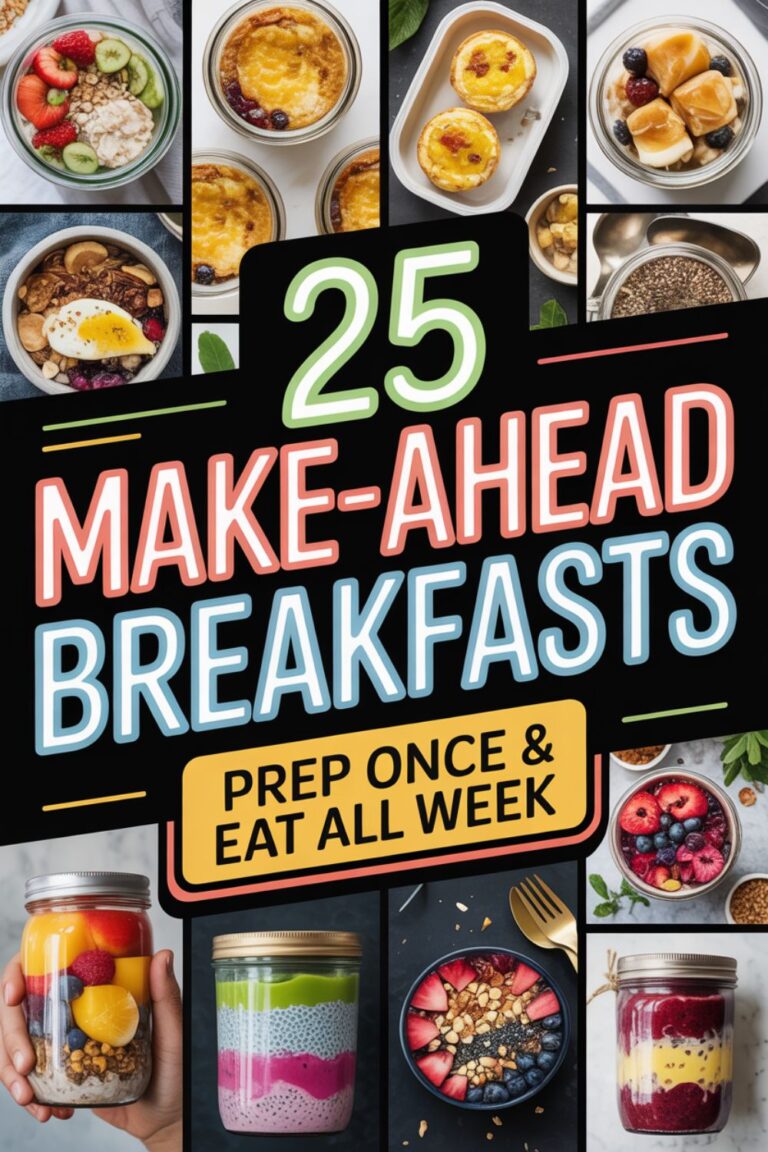
Mix half a cup of oats with half a cup of milk, a spoonful of yogurt, and whatever fruit you have lying around. Let it sit overnight. Wake up to breakfast that’s already made. This is the laziest meal prep ever, and it works like magic.
I use these wide-mouth mason jars because they’re perfect for stirring and easy to grab from the fridge. The beauty of overnight oats is the customization—add chia seeds for extra fiber, a drizzle of honey for sweetness, or cinnamon for flavor without calories.
Want the full breakdown with exact measurements and variations? Get Full Recipe
2. Scrambled Eggs with Veggies (About $1.20 per serving)
Two eggs scrambled with whatever vegetables are cheap that week—bell peppers, onions, spinach, tomatoes. Serve with toast if you want. Takes five minutes, costs next to nothing, keeps you full for hours.
I upgraded to this non-stick skillet last year and my eggs have never stuck since. Game changer. The key is cooking them low and slow—no one likes rubbery eggs. Pull them off the heat while they’re still slightly wet because they keep cooking on the plate.
3. Peanut Butter Banana Toast (About $0.85 per serving)
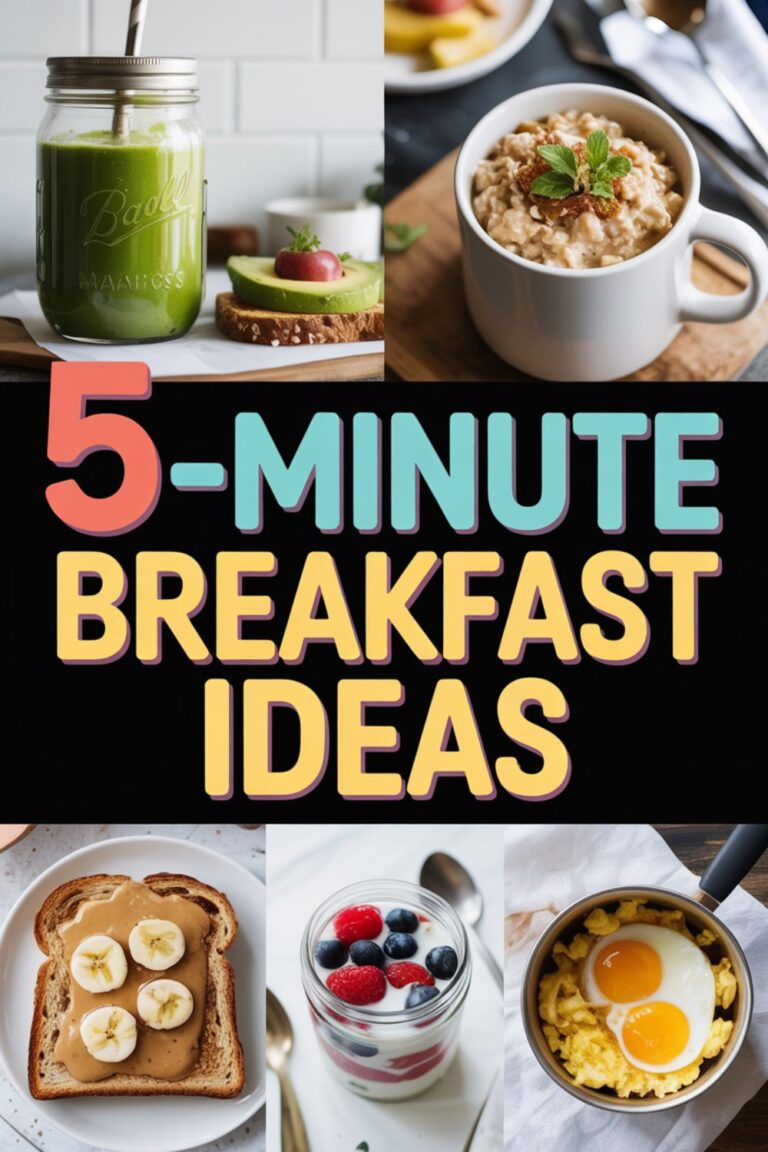
Toast whole wheat bread, slather on peanut butter, top with banana slices. Optional: drizzle of honey or sprinkle of cinnamon. It’s simple, but it hits different when you’re hungry and in a hurry.
The whole wheat bread matters here—it’s got fiber that refined white bread doesn’t. I grab whatever’s on sale, usually around three bucks a loaf. This combo gives you complex carbs, protein, healthy fats, and potassium. Not bad for under a dollar.
“I started making overnight oats and PB banana toast after reading about budget breakfasts, and I’ve saved over $80 a month compared to my old breakfast sandwich habit. Plus I actually have energy now instead of crashing by 10 AM.”
4. Greek Yogurt Parfait (About $1.50 per serving)
Layer Greek yogurt with frozen berries (cheaper than fresh), a handful of granola, and maybe some nuts. You can prep these in jars for the whole week. They look fancy but cost basically nothing.
Pro move: make your own granola. It’s cheaper and you control the sugar. Toss oats with a little honey and oil, bake until crispy. Store in an airtight container and you’ve got granola for weeks at half the cost of store-bought.
5. Savory Oatmeal Bowl (About $1.10 per serving)
Yeah, you read that right—savory oats. Cook oats with broth instead of water, top with a fried egg, some cheese, and hot sauce. It’s weird until you try it, then it’s your new obsession.
This is my go-to when I’m sick of sweet breakfasts. The combination of creamy oats, runny yolk, and spicy kick works better than it has any right to. If you’re into switching up your morning routine with blood sugar-friendly options, this blood sugar balancing meal plan has similar savory ideas that keep your energy stable.
6. Homemade Breakfast Burrito (About $1.80 per serving)
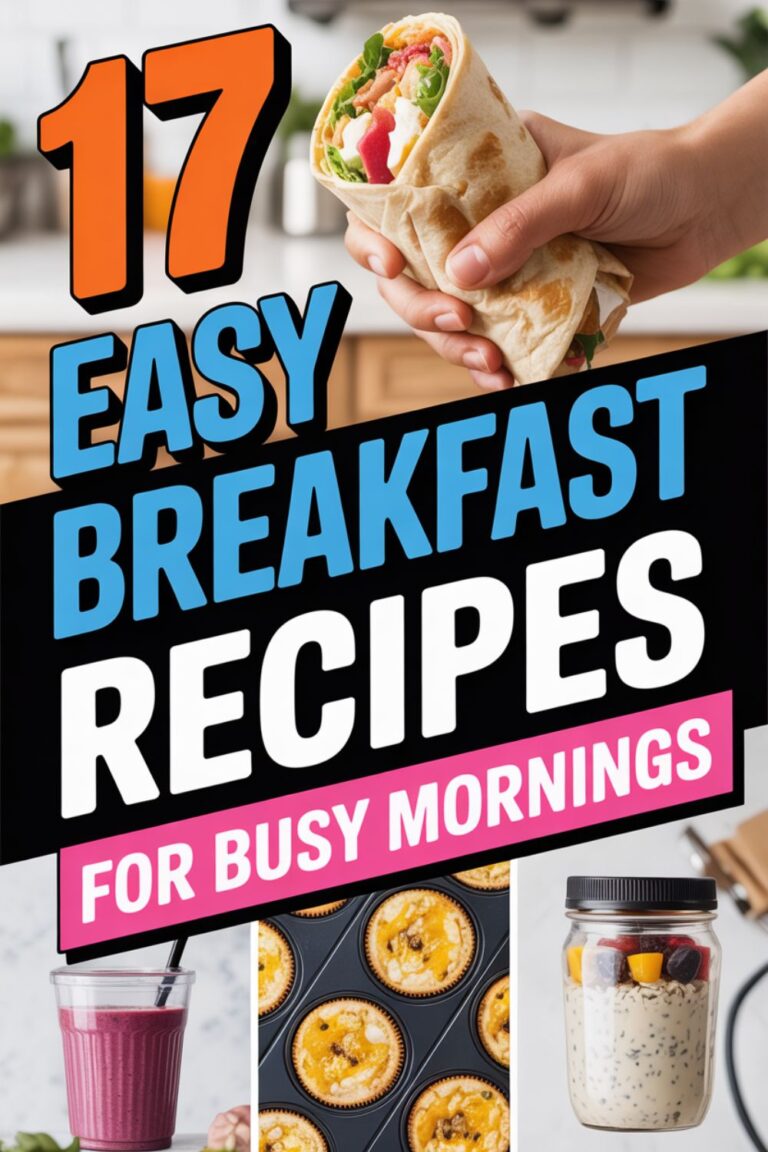
Scramble eggs, add black beans from a can (rinse them first), cheese, and salsa. Wrap in a tortilla. Freeze a batch and microwave as needed. Cheaper and healthier than the drive-thru version.
I wrap these individually in foil and stack them in a freezer bag. Grab one, microwave for ninety seconds, and you’ve got a hot breakfast. Way better than those frozen breakfast burritos that cost four bucks each and taste like cardboard.
7. Banana Pancakes (About $0.90 per serving)
Mash one banana, mix with two eggs, cook like pancakes. That’s it. No flour needed. They’re naturally sweet, high in protein, and stupid easy to make. Top with more banana or berries.
These aren’t quite like regular pancakes—they’re more custardy—but they’re surprisingly good. I cook them in this mini griddle that heats evenly and makes perfect circles. Kids love them, adults love them, your wallet really loves them.
8. Chia Seed Pudding (About $1.25 per serving)
Mix three tablespoons chia seeds with one cup milk, add a touch of vanilla and sweetener, refrigerate overnight. In the morning, you’ve got pudding. Add fruit or nuts on top. Chia seeds are pricey upfront but last forever.
The texture is definitely unique—kind of tapioca-like. Some people are obsessed, others need convincing. I’m in the obsessed camp. The omega-3s and fiber make it worth it, plus it legitimately keeps me full until lunch. For more creative chia combinations, these chia seed pudding recipes go way beyond basic vanilla.
9. Apple Cinnamon Oatmeal (About $0.95 per serving)
Cook oats with diced apple and cinnamon. That’s the whole recipe. The apple cooks down and sweetens everything naturally. No added sugar needed. Tastes like fall in a bowl, costs less than a latte.
I buy whatever apples are on sale—usually around a dollar per pound—and chop a couple at the start of the week. Stored in a container with lemon water, they don’t brown and they’re ready to toss into oatmeal or yogurt all week.
10. Cottage Cheese and Fruit (About $1.40 per serving)
Scoop cottage cheese into a bowl, top with whatever fruit is cheap—canned peaches work great, berries, melon, whatever. High protein, low effort, surprisingly satisfying. Don’t knock it until you try it.
Cottage cheese got a bad rap for being diet food, but it’s actually delicious and packed with protein. A big tub costs around four bucks and has twelve servings. The texture bothers some people, but I’m team cottage cheese all the way.
11. Veggie and Cheese Omelet (About $1.60 per serving)
Beat three eggs, pour into a hot pan, add chopped veggies and shredded cheese. Fold it over when it sets. Fancy breakfast cafe vibes at home for pocket change. Master this and you’ll impress brunch guests forever.
The secret to a good omelet is medium-low heat and patience. Rush it and you get scrambled eggs with stuff in them, which is fine but not an omelet. Let it cook gently and you’ll get that perfect fold. Use a silicone spatula to slide under the edges without tearing.
If you’re looking to pack even more vegetables into your morning routine without much extra cost, the anti-inflammatory meal plan focuses on veggie-heavy meals that reduce bloating and boost energy.
12. Toast with Avocado and Egg (About $2.25 per serving)
This one creeps closer to three bucks depending on avocado prices, but it’s worth it. Mash half an avocado on toast, top with a fried egg. Salt, pepper, maybe some red pepper flakes. Instagram-worthy for a fraction of cafe prices.
Wait for avocados to go on sale and buy a bunch. Keep them on the counter to ripen, then move them to the fridge where they’ll stay perfect for days. This hack has saved me from many mushy avocado disasters.
13. Smoothie with Frozen Fruit (About $1.50 per serving)
Blend frozen fruit, banana, milk or yogurt, maybe some spinach if you’re feeling virtuous. Frozen fruit is cheaper than fresh and makes smoothies thick without ice. A bag lasts for multiple smoothies.
I’ve tried a million blenders and finally splurged on this one that actually pulverizes frozen fruit instead of just pushing it around. Worth every penny. If smoothies are your thing, check out these creamy smoothies without banana for when you’re tired of the same old combinations.
Meal Prep Essentials Used in This Plan
These are the tools and ingredients that make budget breakfast prep actually work. Nothing fancy, just stuff that pays for itself in saved time and money:
- Glass meal prep containers with locking lids – Perfect for overnight oats, chia pudding, and parfaits. I like these because they don’t stain or hold smells like plastic does.
- Silicone muffin cups – Make egg muffins without the cleanup nightmare. Reusable beats disposable every time.
- Quality blender for smoothies – Handles frozen fruit without dying. A decent blender lasts years and pays for itself in skipped coffee shop runs.
- Digital Meal Planning Template – Organize your weekly breakfast prep with shopping lists and portion guides
- Budget-Friendly Breakfast Recipe Ebook – 50+ breakfast ideas under $2 per serving with nutrition info and meal prep tips
- Printable Grocery Cost Tracker – Track your spending per meal and find where you can save even more
Want more budget meal planning tips and exclusive recipes? Join our WhatsApp community where we share weekly deals, meal prep hacks, and cost-saving strategies.
14. Baked Oatmeal Cups (About $0.80 per serving)
Mix oats, mashed banana, egg, milk, and cinnamon. Pour into muffin tins and bake. You’ve got grab-and-go breakfast for the week. They freeze beautifully and reheat in seconds.
I make a double batch every Sunday and keep half in the fridge, half in the freezer. Pop one in the microwave for thirty seconds and you’re done. Way better than those processed breakfast bars that cost a dollar each.
15. Rice and Beans Breakfast Bowl (About $1.30 per serving)
Leftover rice, canned black beans, fried egg, salsa, maybe some cheese. Sounds weird for breakfast, but it’s filling, cheap, and has all the macros you need. Plus, beans for breakfast keeps you satisfied way longer than cereal.
This is budget breakfast meets leftovers genius. That rice you made too much of for dinner? Breakfast. Those beans you opened but only used half the can? Breakfast. Nothing goes to waste, everything costs pennies.
16. English Muffin Breakfast Pizza (About $1.35 per serving)
Split an English muffin, top with marinara, cheese, and whatever—leftover veggies, Canadian bacon, sausage crumbles. Broil until bubbly. It’s pizza for breakfast and no one can tell you otherwise.
Kids go crazy for these, adults pretend they’re too mature for breakfast pizza but secretly love them. Make a bunch and freeze them. Reheat in a toaster oven instead of the microwave to keep them crispy.
17. Sweet Potato and Egg Hash (About $1.70 per serving)
Dice a sweet potato, microwave it for three minutes to soften, then sauté in a pan with onions. Make a well in the center, crack in an egg or two, cover and cook until the eggs set. Filling, nutritious, and costs basically nothing.
Sweet potatoes are cheap, especially when you buy them loose instead of in bags. One large sweet potato makes two servings of this hash. The natural sweetness works surprisingly well with savory eggs.
For more filling, fiber-rich breakfast ideas that keep you satisfied until lunch, these high-fiber breakfasts are all about lasting energy without the price tag.
Smart Shopping Strategies That Actually Save Money
Having good recipes means nothing if you’re still overpaying at the store. Here’s how I cut my breakfast costs by half without eating like I’m broke.
Buy Store Brands for Staples
The oats, flour, eggs, milk—get the store brand. The quality difference is minimal or nonexistent, but you’ll save thirty to fifty percent. Save your money for the stuff where quality matters.
Embrace Frozen Produce
Frozen berries cost a fraction of fresh and they’re picked at peak ripeness. Same with frozen spinach for smoothies. You’re not settling, you’re being smart. Fresh is great when it’s in season and affordable, frozen is your year-round backup.
Plan Around What’s On Sale
Check the weekly ads before meal planning. Bananas cheap this week? Make more banana-based breakfasts. Eggs on sale? Stock up and focus on egg dishes. Let the deals drive your menu, not the other way around.
Skip the Pre-Portioned Convenience Items
Individual yogurt cups, instant oatmeal packets, pre-cut fruit—you’re paying triple for packaging and convenience. Buy the big versions, portion them yourself, save actual money. Five minutes of prep saves twenty dollars a week.
Buy in Bulk (Strategically)
Oats, nuts, chia seeds—these keep for months and cost less per ounce in bulk. But don’t buy bulk fresh produce unless you’ll actually use it. Nothing wastes money faster than rotting food.
These shopping habits completely changed my grocery budget. I used to spend close to sixty dollars a week on breakfast alone. Now? About twenty-five, and I’m eating better quality food. The savings add up faster than you’d think.
Tools & Resources That Make Cooking Easier
You don’t need a ton of gadgets, but these few things genuinely make budget breakfast prep faster and less annoying:
- Large batch slow cooker – Make overnight oats, steel-cut oatmeal, or egg casseroles while you sleep. Set it and forget it actually works.
- Budget-friendly food scale – Portion control means less waste and better cost tracking. Plus you’ll know exactly what you’re eating.
- Reusable freezer bags – Freeze burritos, pancakes, muffins without guilt. They pay for themselves in a month.
- Weekly Meal Prep Planner PDF – Printable weekly template with grocery lists and batch cooking schedules
- Budget Breakfast Swaps Guide – Learn what to substitute when ingredients get expensive without sacrificing nutrition
- Pantry Inventory Spreadsheet – Track what you have, what’s running low, and plan meals around existing stock
Join our free WhatsApp community for weekly budget recipes, shopping tips, and meal prep motivation from people who actually get it.
Making It Work When Life Gets Chaotic
Real talk: some mornings you’ll have time for a leisurely breakfast bowl with perfectly arranged toppings. Other mornings you’ll eat a banana over the sink while looking for your keys. Both are fine.
The key to sticking with budget breakfasts isn’t perfection, it’s preparation. When you’ve got overnight oats in the fridge, frozen burritos in the freezer, and hard-boiled eggs ready to grab, you’re way less likely to hit the drive-thru or skip breakfast entirely.
I prep on Sundays—make a batch of something, boil eggs, portion out smoothie ingredients into bags. Takes maybe forty-five minutes and sets me up for the entire week. Is it glamorous? No. Does it work? Absolutely.
The mornings I don’t feel like cooking, I grab something I prepped earlier. The mornings I have time, I make something fresh. Having options means you’re always covered, and covering yourself with cheap, healthy food is the whole point.
“I used to spend $8-10 every morning on breakfast sandwiches and coffee. Started making egg muffins and overnight oats on Sunday, now I spend maybe $15 for the whole week. That’s over $200 saved monthly that went straight to paying off my credit card.”
The Bigger Picture Beyond Just Saving Money
Yeah, we’re talking about budget breakfasts, but there’s more happening here than just spending less. When you control what goes into your food, you control what goes into your body. No mystery ingredients, no excessive sodium or sugar, just real food you made.
You’ll also notice your energy is different. Those blood sugar spikes and crashes from processed breakfast foods? Gone. That mid-morning hunger that sends you to the vending machine? Doesn’t happen when you’ve had a balanced breakfast with actual protein and fiber.
Plus, there’s something satisfying about not being dependent on restaurants or packaged foods. You become more confident in the kitchen, more creative with ingredients, more aware of what you’re eating. These are skills that serve you way beyond breakfast.
The money you save is great—don’t get me wrong—but the independence and the better nutrition are the real wins. Budget cooking isn’t about deprivation, it’s about intentionality.
Looking for more ways to eat well on a budget beyond just breakfast? This flat belly meal plan has simple recipes you can prep in thirty minutes, covering all meals of the day without breaking the bank.
Common Mistakes That Secretly Drain Your Budget
Even with the best intentions, some habits sabotage your budget breakfast plans. Here’s what to avoid if you actually want to save money.
Buying Ingredients for One Recipe
If a recipe calls for almond flour and you’ll never use it again, maybe skip that recipe. Buy ingredients that work across multiple meals. Versatility saves money, one-hit-wonder ingredients waste it.
Not Using What You Buy
This is the killer. You buy spinach with good intentions, it rots in the crisper drawer, you throw away three dollars. Buy what you’ll actually use within the week, or freeze it immediately if you’re unsure.
Getting Bored and Giving Up
Eating the exact same breakfast for two weeks straight, getting sick of it, then giving up entirely and going back to expensive habits. Rotate through four or five different breakfasts to keep things interesting without complicating your life.
Ignoring Portion Sizes
Making “one serving” that’s actually three means your cheap breakfast isn’t as cheap as you thought. Know what a real portion looks like and stick to it. You can always make more if you’re still hungry.
Chasing Every Sale
Running to three different stores for the best deal on each item wastes time and gas money. Pick one or two stores, learn their sale cycles, shop strategically but don’t make it a second job.
Avoiding these mistakes has made my budget breakfasts sustainable instead of just a temporary experiment. It’s about building habits that actually work long-term, not just trying to be perfect for a week.
Frequently Asked Questions
How much should I realistically expect to spend per breakfast?
Most of these breakfasts cost between $0.75 and $2.50 per serving. If you’re spending more than three dollars per breakfast consistently, you’re either using premium ingredients or not shopping strategically. For reference, the average American spends about seven dollars on breakfast when eating out, so even at $2.50 you’re saving significant money.
Can I really prep breakfasts for the whole week without them going bad?
Absolutely, but it depends on what you’re making. Overnight oats, chia pudding, and hard-boiled eggs last five to seven days in the fridge. Baked goods like muffins or burritos freeze beautifully for months. Fresh-cut fruit only lasts a couple days, so prep that closer to when you’ll eat it or buy frozen.
What if I get bored eating the same breakfasts repeatedly?
Rotate through four to six different breakfast options throughout the week instead of eating identical meals daily. Even simple swaps—like changing your oatmeal toppings from berries to apples and cinnamon—keep things interesting without complicating your prep or budget.
Are budget breakfasts actually filling enough to last until lunch?
When done right, yes. The key is including protein and fiber in every breakfast—that’s what keeps you satisfied. A bowl of sugary cereal won’t last, but eggs with whole grain toast or oatmeal with peanut butter will absolutely hold you over. Focus on whole foods instead of processed carbs and you’ll stay full.
Is it cheaper to make breakfast at home versus buying cheap fast food?
Way cheaper, and healthier too. A fast food breakfast sandwich runs $3-5 and is loaded with sodium and processed ingredients. Making a similar breakfast burrito at home costs about $1.50 with real eggs, beans, and cheese. Over a month, that’s saving $45-105 just on breakfast.
Final Thoughts
Budget-friendly healthy breakfasts aren’t about sacrifice or settling for less—they’re about being smarter with your money and your nutrition. The seventeen breakfasts I’ve shared prove you can eat well without spending a fortune, and honestly, most of them taste better than anything you’d grab at a drive-thru anyway.
Start with two or three recipes that sound good to you. Master those, get comfortable with the ingredients, then branch out. You don’t need to overhaul your entire morning routine overnight. Small changes compound into big savings and better health.
The money you save by making breakfast at home adds up faster than you think. Twenty dollars a week becomes over a thousand dollars a year. That’s a vacation, a chunk of debt paid off, or just breathing room in your budget. All from eating eggs and oats instead of overpriced breakfast sandwiches.
Your mornings don’t have to be expensive to be good. Stock your pantry with the basics, learn a few simple techniques, and suddenly you’re eating better for less money than you thought possible. That’s a win worth waking up for.