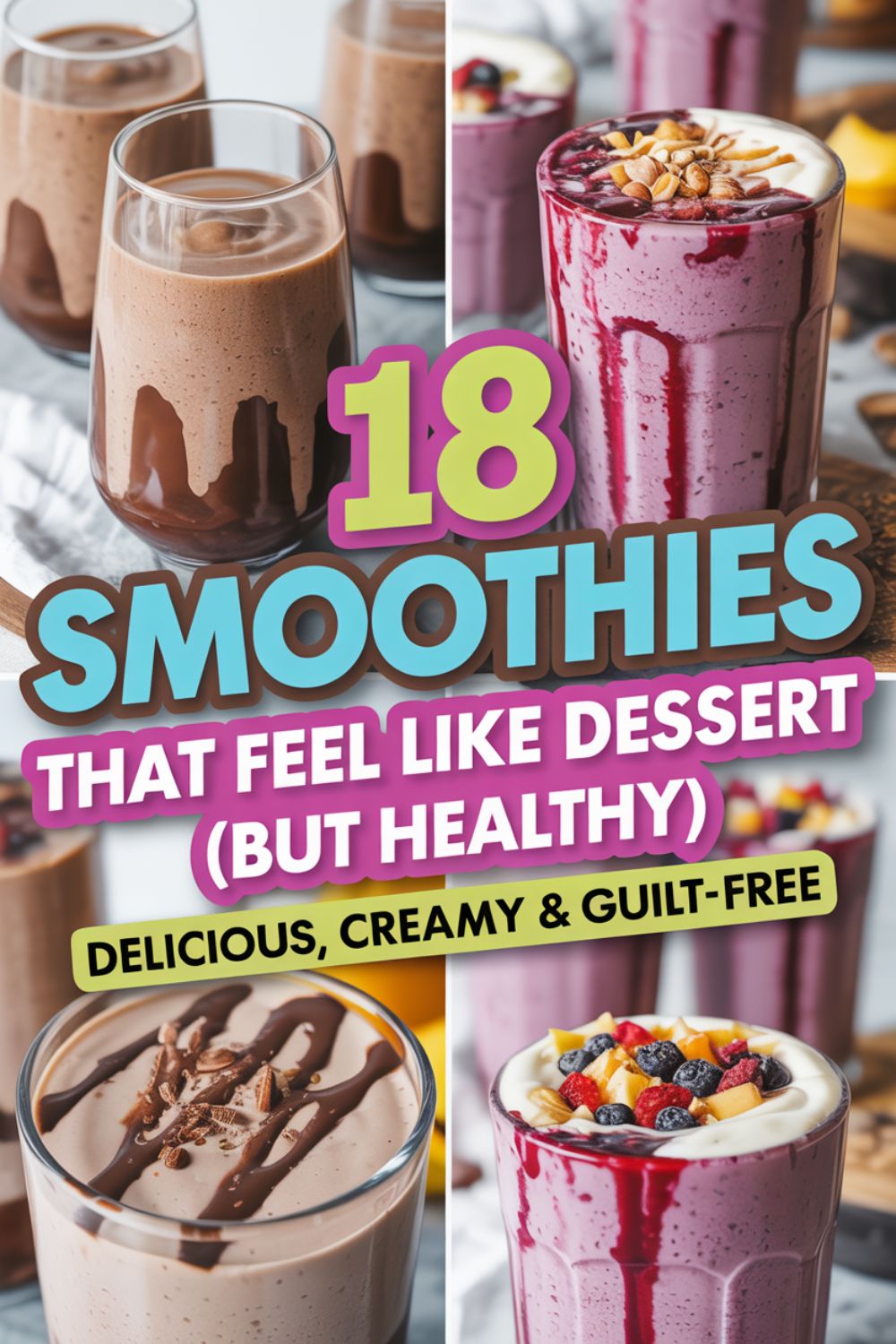
18 Smoothies That Feel Like Dessert (But Healthy)
Let’s be honest here—most of us didn’t start drinking smoothies because we wanted to taste kale at 7 AM. We started because we wanted something that felt indulgent, something that tasted like we were cheating on our diets, but without the guilt trip afterward. You know what I’m talking about. That moment when you sip something that tastes like birthday cake or cookie dough, and your brain does a little happy dance because it thinks you’re being bad, but your body knows you’re actually being good.
I’ve spent years perfecting smoothies that taste like straight-up dessert but are packed with nutrients that actually do something for you. No chalky protein powder aftertaste. No weird green sludge that makes you question your life choices. Just smoothies that make you feel like you’re getting away with something, even though you’re not.
The secret? It’s all about balance. You need the right combo of frozen fruit for that ice cream texture, natural sweeteners that don’t spike your blood sugar, healthy fats that keep you full, and yes, a little protein to make it actually count as a meal. Research shows that when you combine these elements correctly, smoothies can be incredibly nutritious while still tasting amazing.
Why These Smoothies Actually Work
Here’s the thing about most “healthy” smoothie recipes floating around—they’re either loaded with so much fruit that you might as well be drinking juice, or they’re so aggressively virtuous that they taste like punishment. Neither approach works long-term because, let’s face it, life’s too short to drink something that tastes like lawn clippings.
The smoothies I’m about to share hit that sweet spot between delicious and nutritious. They’re designed to satisfy your sweet tooth while delivering actual nutrition—fiber, protein, healthy fats, and micronutrients that support everything from your gut health to your energy levels.
According to Northwestern Medicine, one of the best nutritional benefits of smoothies is the fiber content, which gets preserved when you blend whole fruits and vegetables rather than juicing them. That fiber is crucial for keeping you full, supporting digestion, and preventing those blood sugar crashes that leave you face-first in a bag of chips by 3 PM.
The Foundation: What Makes a Smoothie Taste Like Dessert
Before we dive into specific recipes, you need to understand the basic framework. Every great dessert smoothie has these components:
Frozen fruit as the base. This is non-negotiable. Frozen fruit gives you that thick, creamy texture that makes smoothies feel indulgent. Bananas are the MVP here—they’re naturally sweet, cheap, and blend into this incredibly smooth consistency. But frozen berries, mango, and peaches all bring their own magic.
A creamy element. This is where you get that milkshake vibe. Greek yogurt, coconut milk, almond milk, or even avocado (I know, sounds weird, but it works) all contribute to that rich, dessert-like mouthfeel. The key is finding what works for your dietary preferences and taste buds.
Natural sweetness boosters. Dates, vanilla extract, a drizzle of maple syrup, or a pinch of cinnamon can transform a basic smoothie into something that tastes like it came from a fancy café. You don’t need much—just enough to make your taste buds happy.
Protein and healthy fats. This is what separates a dessert smoothie from an actual dessert. Adding protein powder, nut butter, or chia seeds keeps you satisfied for hours instead of leaving you hungry 20 minutes later. Plus, Johns Hopkins Medicine notes that protein helps build and maintain muscle mass while keeping you feeling full.
When you’re starting your smoothie journey, having the right equipment makes all the difference. I’ve been using a high-powered blender for years, and it’s worth every penny for getting that perfectly smooth consistency. No chunks, no weird grainy texture—just pure creamy goodness.
18 Smoothie Recipes That Taste Like Your Favorite Desserts
1. Chocolate Peanut Butter Cup Smoothie
This one tastes exactly like a Reese’s cup, except it won’t make you feel like garbage afterward. The combination of cacao powder, natural peanut butter, and banana creates this ridiculously rich chocolate flavor that satisfies any chocolate craving.
The secret is using raw cacao powder instead of regular cocoa. It’s less processed and has a deeper, more intense chocolate flavor. Plus, it’s packed with antioxidants and minerals. Mix it with a scoop of chocolate protein powder, a tablespoon of peanut butter, a frozen banana, and some almond milk, and you’ve got yourself a meal replacement that actually tastes good.
2. Strawberry Cheesecake Smoothie
When I first made this, I literally did a double-take because it tasted so much like actual cheesecake. The magic ingredient? Cream cheese. Just a tablespoon mixed with frozen strawberries, vanilla Greek yogurt, and a splash of milk creates this tangy, creamy situation that’s genuinely hard to distinguish from dessert.
A little vanilla extract goes a long way here. I’m talking maybe half a teaspoon, but it amplifies all the flavors and gives you that classic cheesecake vibe. Sometimes I’ll add a few graham cracker crumbs on top, because why not?
3. Mint Chocolate Chip “Ice Cream” Smoothie
This is my summer go-to when it’s too hot to function but I still need to eat something resembling nutrition. Fresh mint leaves (not extract—that stuff tastes like toothpaste) blended with cacao nibs, spinach (you won’t taste it, I promise), banana, and coconut milk.
The cacao nibs give you those little chocolate chip bits without the added sugar, and honestly, they’re addictive. I buy them in bulk from a health food store online because they’re way cheaper that way.
4. Cookies and Cream Protein Shake
I’m not going to pretend this is the healthiest thing on the list, but it’s still way better than actual cookies and cream ice cream, and it delivers a solid protein hit. The trick is using vanilla protein powder, a frozen banana, almond milk, and a couple of actual Oreos (the regular kind work fine, but the vegan ones blend better).
Some people might judge the Oreo inclusion, but honestly, two cookies in a nutrient-dense smoothie is not going to derail anything. It makes the whole thing sustainable because you’re not feeling deprived.
5. Salted Caramel Protein Smoothie
This tastes like a Frappuccino, except it’s not going to cost you seven bucks and won’t leave you in a caffeine crash two hours later. The base is cold brew coffee, vanilla protein powder, a frozen banana, a pitted date for sweetness, and a pinch of sea salt.
The date is crucial—it gives you that caramel flavor without any processed sugar. I keep a container of pitted dates in my fridge specifically for smoothies. They’re also great for sweetening energy-balancing meal plans without spiking your blood sugar.
6. Blueberry Muffin Smoothie
Remember those massive blueberry muffins from coffee shops that are basically just cake disguised as breakfast? This smoothie captures that flavor without the butter and white flour. Frozen blueberries, oats (yes, raw oats—they blend up fine), vanilla yogurt, cinnamon, and a tiny bit of maple syrup.
The oats are key here. They make it thick and satisfying, plus they add fiber that keeps you full. I use a small kitchen scale to measure out portions of oats because eyeballing it usually means I use way too much.
7. Chocolate Cherry “Black Forest” Smoothie
This one’s fancy. Frozen dark cherries, cacao powder, vanilla protein powder, and a splash of almond extract create this sophisticated flavor profile that feels way more elevated than a regular chocolate smoothie. Sometimes I’ll add a little unsweetened coconut cream to make it extra decadent.
Cherries are incredible for recovery after workouts, too. Men’s Health reports that nutrients in deeply colored fruits like cherries can boost athletic performance and help with muscle recovery.
Looking for more ways to support your fitness goals? Check out these high-protein meal plans designed for muscle building that pair perfectly with these recovery smoothies.
8. Cinnamon Roll Smoothie
This is dangerous because it tastes so much like an actual cinnamon roll that I sometimes have it for dessert. Frozen banana, vanilla protein powder, cinnamon (be generous), a tiny pinch of nutmeg, and some cashew butter for richness. The cashew butter is important—it’s milder than peanut butter and won’t overpower the cinnamon flavor.
Sometimes I’ll make a “cream cheese frosting” drizzle by mixing a tablespoon of cream cheese with a tiny bit of milk and a drop of vanilla. Totally optional, completely worth it.
9. Peach Cobbler Smoothie
Summer in a glass. Frozen peaches, vanilla yogurt, a handful of oats, cinnamon, and a little almond milk. The texture reminds me of soft-serve ice cream, and the flavor is pure comfort food without the heavy feeling afterward.
I like to top this with a sprinkle of granola for that cobbler crunch. It turns it into more of a smoothie bowl situation, which feels fancier even though it’s the exact same ingredients.
10. Banana Bread Smoothie
If you love banana bread, you’ll lose your mind over this. Frozen banana (obviously), walnuts, cinnamon, vanilla protein powder, a date or two for sweetness, and almond milk. The walnuts give you those little nutty bits that make it feel like you’re actually eating banana bread.
The key is not going too heavy on the walnuts—maybe a tablespoon is plenty. Any more and it starts tasting like you’re drinking a tree. I learned this the hard way.
Meal Prep Essentials Used in These Smoothies
After making thousands of smoothies (not an exaggeration), these are the tools and ingredients I actually use:
Physical Products:
- High-Powered Blender – Non-negotiable for getting that smooth, creamy texture. The cheap ones leave chunks.
- Glass Storage Jars (32oz) – Perfect for prepping smoothie ingredients ahead or storing finished smoothies.
- Silicone Ice Cube Trays – For freezing leftover coconut milk, almond milk, or coffee for future smoothies.
Digital Resources:
- Complete Smoothie Recipe Collection – Over 100 tested recipes with full nutrition info
- Meal Prep Master Guide – Weekly smoothie prep schedules and shopping lists
- Ingredient Substitution Chart – Never let missing ingredients stop you from making smoothies
Join the Community: Connect with other smoothie enthusiasts in our WhatsApp group for daily recipe ideas, troubleshooting tips, and ingredient swaps.
11. Pumpkin Pie Smoothie
Don’t sleep on this just because it’s not fall. Canned pumpkin puree (the plain kind, not pie filling) is available year-round and it’s ridiculously nutritious. Mix it with frozen banana, pumpkin pie spice, vanilla protein powder, and some almond milk, and you’ve got yourself a nutrient-dense smoothie that tastes like Thanksgiving.
The pumpkin adds thickness without adding much flavor—it’s mostly just carrying the spices. Plus, it’s loaded with vitamin A and fiber. I keep cans of organic pumpkin puree stocked year-round because this smoothie is that good.
12. Raspberry White Chocolate Smoothie
This one feels fancy but it’s actually super simple. Frozen raspberries, white chocolate protein powder (or vanilla protein with a tiny bit of white chocolate chips melted in), Greek yogurt, and almond milk. The tartness of the raspberries cuts through the sweetness perfectly.
If you can’t find white chocolate protein powder, just use vanilla and add a tablespoon of white chocolate chips. They’ll melt into the smoothie and give you that flavor without being overly sweet.
For more nutrient-dense meal ideas that support your health goals, explore these anti-inflammatory recipes designed to reduce bloating and boost energy naturally.
13. Almond Joy Smoothie
Coconut, chocolate, and almonds—basically a candy bar in smoothie form. Frozen banana, cacao powder, almond butter, coconut milk, and some unsweetened shredded coconut. Sometimes I’ll add a scoop of chocolate protein powder to make it more substantial.
The combination of chocolate and coconut is just chef’s kiss. I buy unsweetened coconut flakes in bulk because they last forever and they’re way cheaper than the tiny bags at the grocery store.
14. Lemon Meringue Pie Smoothie
This is my wild card pick because lemon isn’t usually the first flavor people think of for smoothies, but hear me out. Fresh lemon juice, vanilla protein powder, frozen cauliflower (trust the process), vanilla yogurt, and a little honey create this bright, creamy situation that’s shockingly good.
The cauliflower sounds insane, but it’s completely flavorless and just adds creaminess and thickness. You literally cannot taste it. It also adds a good amount of fiber and nutrients without adding sweetness.
15. Chocolate Covered Strawberry Smoothie
Basically Valentine’s Day in a glass, but you can have it any time you want. Frozen strawberries, cacao powder, vanilla protein powder, almond milk, and a little bit of coconut cream for richness. Simple, classic, delicious.
The key is getting the ratio right—too much chocolate and it overpowers the strawberries, too much strawberry and it’s just a regular strawberry smoothie. I do about two-thirds strawberries to one-third chocolate ingredients.
16. Maple Walnut Smoothie
This tastes like fancy maple walnut ice cream from an artisan shop. Frozen banana, walnuts, pure maple syrup (not the fake stuff), cinnamon, vanilla protein powder, and almond milk. The walnuts add healthy fats and omega-3s, which are great for brain health and reducing inflammation.
I use a nut milk bag sometimes if I want it super smooth, but usually I just blend it well and embrace the little walnut bits.
17. Carrot Cake Smoothie
Yes, carrots in a smoothie. It works, I swear. Grated carrot, frozen banana, cinnamon, ginger, nutmeg, vanilla protein powder, crushed pineapple, and almond milk. The pineapple is crucial—it provides natural sweetness and makes the whole thing blend smoothly.
This one is packed with vitamin A from the carrots and feels like you’re eating dessert while actually consuming vegetables. Win-win situation. It pairs well with gut-healing meal plans since the fiber and nutrients support digestive health.
18. Tiramisu Smoothie
Saving the best for last. This is for coffee lovers who also want their smoothie to feel like an Italian vacation. Cold brew coffee, vanilla protein powder, cacao powder, a date, Greek yogurt, and a splash of almond milk. Sometimes I’ll dust the top with a little extra cacao powder, because presentation matters.
The coffee gives you a nice energy boost, and the combination of flavors is complex and satisfying. It’s sophisticated enough to serve to guests but easy enough to make on a random Tuesday morning.
The Science Behind Why These Work
Let’s talk about why these smoothies actually keep you full and satisfied, unlike those sugar-bomb versions that leave you starving an hour later. It all comes down to macronutrient balance and how your body processes different types of food.
When you combine protein, healthy fats, and fiber in the right proportions, you slow down digestion and keep blood sugar levels stable. WebMD explains that smoothies loaded with fruits and vegetables tend to be loaded with fiber, and this can help bridge the gap between your normal fiber intake and the recommended amount.
The protein component is particularly important. Whether you’re using protein powder, Greek yogurt, or nut butter, that protein helps maintain muscle mass and keeps you feeling full. According to LifeMD, protein helps preserve lean muscle mass while promoting fat loss, and it also helps stabilize blood sugar levels to prevent cravings.
The healthy fats from sources like avocado, nut butter, or coconut milk are equally crucial. They’re not just for flavor—they help with the absorption of fat-soluble vitamins and provide sustained energy. Plus, research suggests that fat intake may promote satiety, meaning you’ll feel fuller for longer.
Looking to take your nutrition game to the next level? These smoothies work great alongside structured meal plans designed to support both weight loss and muscle gain.
Common Mistakes to Avoid
I’ve made every smoothie mistake in the book, so let me save you some trouble. The biggest one? Using too much fruit. Yes, fruit is healthy, but if your smoothie has three bananas, a cup of mango, a cup of pineapple, and fruit juice as the liquid, you’re basically drinking a sugar bomb. Stick to one or two servings of fruit max.
Another common mistake is forgetting about protein and healthy fats. A smoothie that’s just fruit and liquid will spike your blood sugar, give you a quick burst of energy, and then leave you crashed and hungry within an hour. Always include a protein source and some healthy fat.
Overdoing the liquid is also a rookie move. Start with less than you think you need and add more gradually. It’s way easier to thin out a thick smoothie than to fix one that’s too watery. I usually start with about half a cup of liquid and go from there.
And please, for the love of all that is holy, taste your smoothie before you add extra sweetener. Frozen bananas and dates are often sweet enough on their own. I can’t tell you how many times I’ve seen people dump honey or maple syrup into smoothies that didn’t need it.
Tools & Resources That Make Smoothie Life Easier
These are the game-changers that transformed my smoothie routine from chaotic to streamlined:
Physical Products:
- Reusable Silicone Straws – Because drinking thick smoothies through paper straws is a special kind of torture
- Portion Control Scoops – For consistent protein powder measurements every time
- Freezer Storage Containers – Square ones stack better than round ones, maximizing freezer space
Digital Resources:
- Weekly Smoothie Prep Planner – Organized shopping lists and prep schedules
- Nutrition Calculator Spreadsheet – Track macros and calories for each smoothie
- Seasonal Smoothie Guide – Make the most of seasonal fruits and save money
Join the Community: Get daily smoothie inspiration, troubleshooting help, and exclusive recipes in our WhatsApp community group.
Customizing These Recipes for Your Needs
The beautiful thing about smoothies is that they’re incredibly adaptable. Need them to be vegan? Swap the Greek yogurt for coconut yogurt or skip it entirely and use extra nut butter for creaminess. Use plant-based protein powder instead of whey.
Dairy-free? Use any non-dairy milk you like. I’m partial to unsweetened almond milk because it’s neutral and low in calories, but oat milk is creamier, coconut milk is richer, and cashew milk is somewhere in between. They all work.
Need more protein? Add an extra scoop of protein powder, throw in some hemp seeds, or use cottage cheese instead of yogurt. Cottage cheese blends surprisingly well and adds a ton of protein without much flavor.
Want fewer carbs? Reduce the fruit and add more vegetables like spinach, cucumber, or frozen cauliflower. Use unsweetened nut milk instead of regular milk. Replace banana with avocado for creaminess without the sugar.
The recipes I’ve shared are starting points, not rigid rules. Feel free to adjust based on what you have, what you like, and what your body needs. That’s the whole point—making this sustainable and enjoyable for you.
If you’re working on balancing your blood sugar levels, pair these smoothies with blood sugar-friendly meal plans that keep your energy stable throughout the day.
Making Smoothies Part of Your Routine
The biggest barrier to drinking smoothies regularly isn’t the recipes—it’s the logistics. Nobody wants to clean a blender at 6:30 in the morning when they’re barely awake. So here’s what actually works:
Prep your ingredients the night before. Put everything except the liquid in your blender container and stick the whole thing in the fridge. In the morning, add your liquid, blend, and you’re done. Cleanup takes 30 seconds.
Or go full meal prep mode and portion out smoothie ingredients into freezer bags. Each bag gets one smoothie’s worth of frozen fruit, protein powder, and any add-ins. In the morning, dump the bag contents into your blender, add liquid, blend. This method is clutch when you’re doing flat belly meal plans and need quick, portion-controlled options.
Clean your blender immediately after using it. I know, I know, nobody wants to hear this. But if you let that smoothie residue dry, you’re creating unnecessary work for yourself. Just fill it with water and a drop of dish soap, blend for 30 seconds, rinse, and you’re done.
I use a bottle brush for getting into the blade area because that’s where things get stuck. Sounds minor, but it makes cleanup so much faster.
Budget-Friendly Smoothie Tips
Smoothies can get expensive fast if you’re not careful. Here’s how to keep costs down without sacrificing quality:
Buy frozen fruit in bulk. It’s cheaper than fresh, lasts forever, and is actually picked at peak ripeness, so the nutrition is often better. I stock up when there’s a sale and keep a rotating selection in my freezer.
Use whatever bananas are on clearance. Those brown-spotted bananas that nobody wants? Perfect for smoothies. Buy them for half price, peel them, chunk them, freeze them. Free money.
Buy protein powder in larger quantities if you use it regularly. The per-serving cost drops significantly. Just make sure it’s a flavor you actually like before you commit to a five-pound tub.
Skip the fancy superfoods unless they actually add something you need. Spirulina, acai powder, maca root—they’re all fine, but they’re not necessary for making a good smoothie. Start with the basics and add extras only if you want them.
Make your own nut butter if you go through a lot of it. All you need is nuts and a food processor. It’s way cheaper and you can control what goes in it.
When to Drink These Smoothies
Timing matters more than you might think. These dessert-style smoothies work best as meal replacements or substantial snacks, not as add-ons to meals. If you drink one of these alongside a full breakfast, you’re probably getting more calories than you need.
I like them best as breakfast or post-workout fuel. The combination of protein and carbs is perfect for recovery, and the natural sugars help replenish glycogen stores. Plus, they’re easy to drink when you’re not super hungry but know you need to eat.
They also work great as afternoon snacks when you’re tempted to hit the vending machine. The protein and fiber keep you satisfied until dinner, and the sweet flavor satisfies any cravings without derailing your day.
Some people swear by drinking them for dinner, and honestly, if that works for you, go for it. I find I prefer something I can chew for dinner, but that’s just personal preference. There’s no wrong answer here.
For women dealing with hormonal fluctuations, these protein-rich smoothies pair well with hormone-balancing meal plans designed to support mood and metabolism.
Frequently Asked Questions
Can I make these smoothies ahead of time?
You can, but they’re best fresh. If you need to prep ahead, store them in an airtight container in the fridge for up to 24 hours. They’ll separate a bit, so give them a good shake before drinking. The texture won’t be quite as creamy, but the taste and nutrition are still there. Freezing works too—just thaw overnight in the fridge and stir well.
Do I really need protein powder, or can I skip it?
You don’t need it if you’re getting protein from other sources like Greek yogurt, nut butter, or cottage cheese. The protein powder just makes it easier to hit your protein goals without adding a ton of extra calories. If you skip it, just make sure you’re getting enough protein elsewhere in your day.
Will these smoothies help me lose weight?
They can support weight loss as part of an overall healthy diet, but they’re not magic. The key is using them to replace less healthy options and making sure you’re not consuming more calories than you need. The protein and fiber help keep you full, which can prevent overeating later. But remember, weight loss comes down to overall calorie balance and lifestyle habits.
What’s the best blender for making smoothies?
Honestly, any blender that can handle frozen fruit will work. High-powered blenders like Vitamix or Blendtec give you the smoothest texture, but they’re expensive. Mid-range blenders work fine for most people. The key features to look for are a strong motor (at least 1000 watts), a good blade design, and a container that’s easy to clean.
Can kids drink these smoothies?
Absolutely. They’re way healthier than most kid-friendly breakfast options and most kids love the dessert-like flavors. You might want to adjust the protein powder amount depending on the child’s age and size, or skip it altogether if they’re getting enough protein from other meals. Just watch out for any allergens and adjust accordingly.
Final Thoughts
The whole point of these smoothies is to make healthy eating easier and more enjoyable. If you feel like you’re constantly forcing yourself to eat things you don’t like, that’s not sustainable. But when your healthy food actually tastes like dessert? That’s a game-changer.
Don’t overcomplicate this. Start with one or two recipes that sound good to you. Get comfortable making those. Then branch out and try others. Build up your freezer stash of prepped ingredients. Figure out what works for your schedule and your taste buds.
And remember, these recipes are guidelines, not rules. If you don’t like peanut butter, use almond butter. If bananas aren’t your thing, try mango or avocado for creaminess. The best smoothie is the one you’ll actually drink.
Nutrition doesn’t have to be boring, and healthy food doesn’t have to taste like punishment. These 18 smoothies prove that you can have something that tastes indulgent while still supporting your health goals. So grab your blender, pick a recipe, and make yourself something that tastes like dessert but makes you feel amazing.