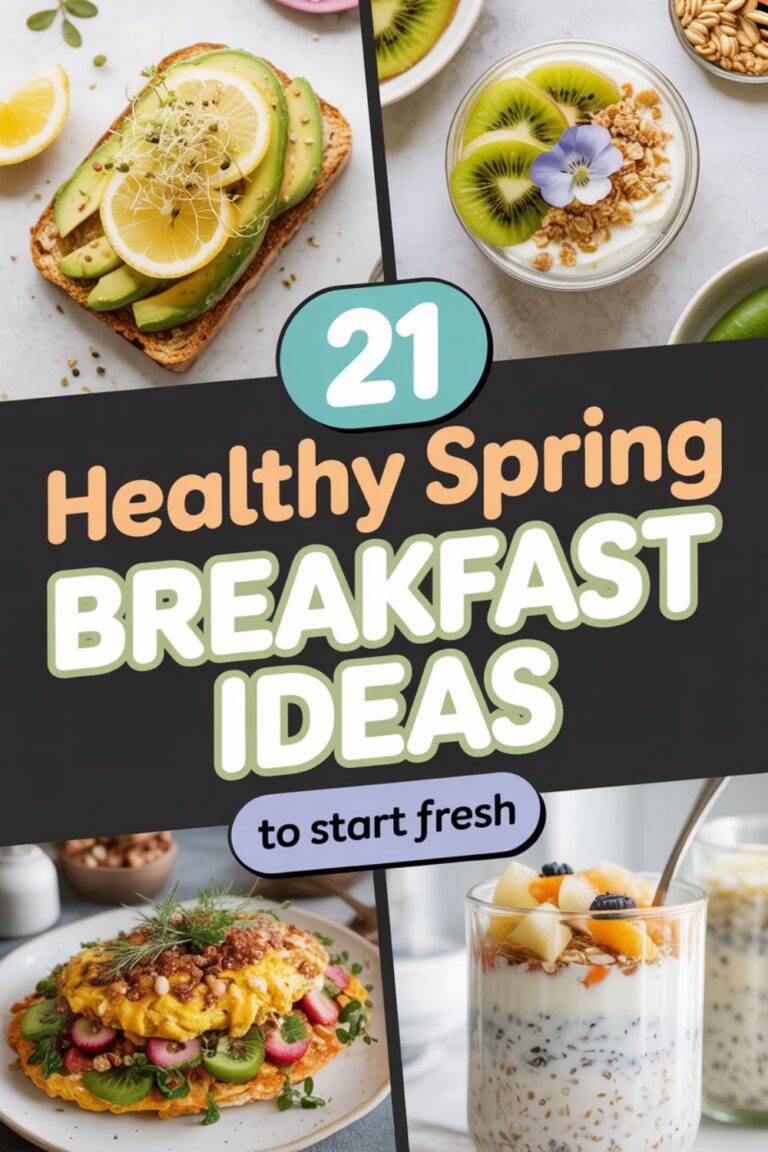
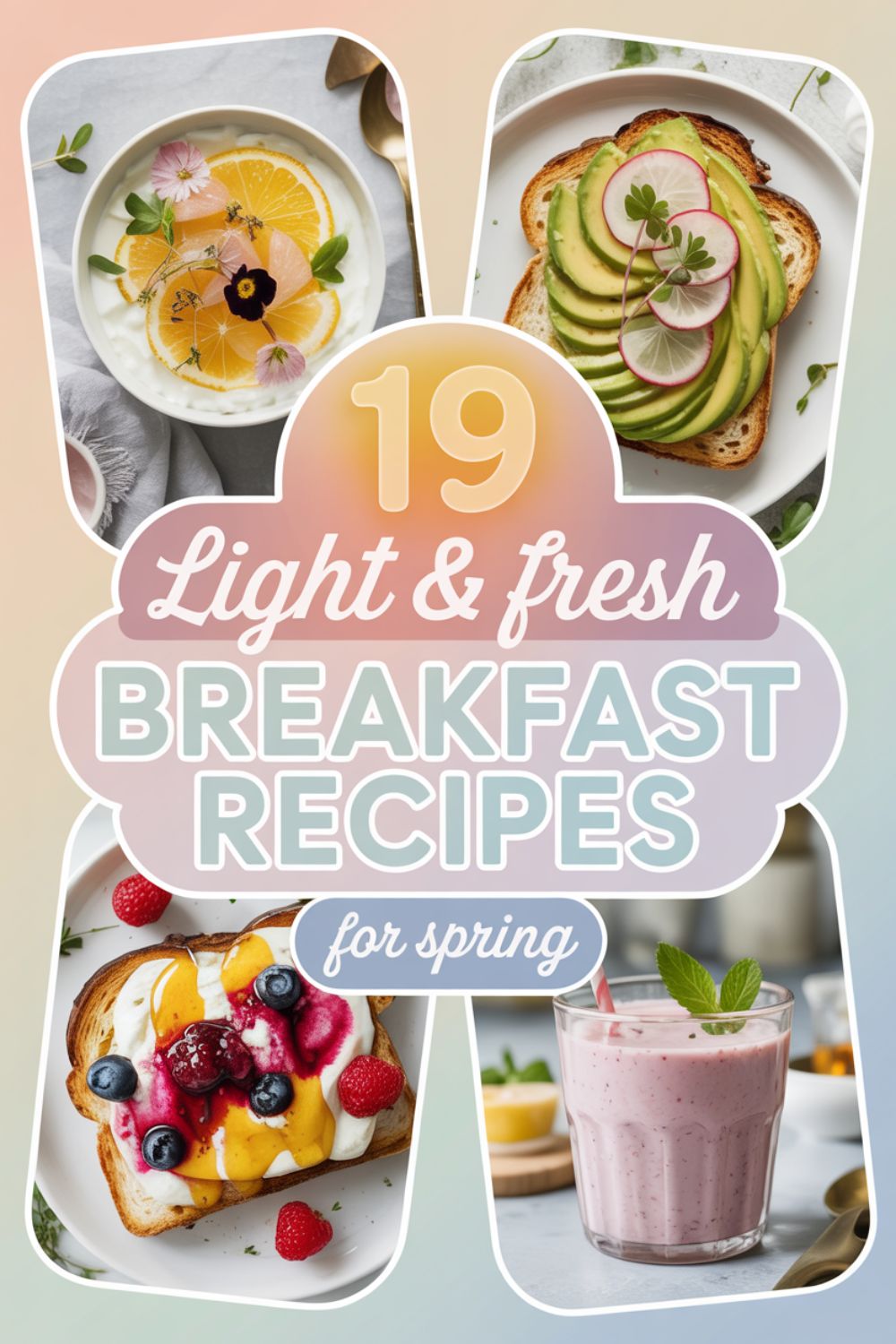
19 Light & Fresh Breakfast Recipes for Spring
Spring mornings hit different—lighter, brighter, and somehow more forgiving than those heavy winter breakfasts that used to feel mandatory. You know what I mean? The sun’s actually up when your alarm goes off, birds are doing their thing, and suddenly scrambled eggs feel way too dense for 7 AM.
I’ve spent the last few weeks testing breakfast ideas that match this vibe. Not the Instagram-perfect kind that requires seventeen ingredients and a pottery degree, but real recipes that work when you’re bleary-eyed and your coffee hasn’t kicked in yet. Light stuff. Fresh stuff. The kind of breakfast that makes you feel like you’ve got your life together even when you definitely don’t.
These 19 recipes lean heavily on seasonal spring produce—strawberries that actually taste like strawberries, asparagus that’s not woody, peas that pop with sweetness. According to nutrition research, eating breakfast helps jumpstart your metabolism and keeps you from grabbing the first processed thing you see at 10 AM. But beyond the science, spring breakfasts just feel better when they’re built around what’s naturally in season.
Why Spring Breakfasts Actually Matter
Look, I’m not going to lecture you about breakfast being the most important meal. You’ve heard that a thousand times. But here’s what I’ve noticed after years of experimenting with morning routines: spring breakfasts set a different tone than their winter counterparts.
Winter mornings beg for oatmeal thick enough to stand a spoon in. Spring? Spring wants something that won’t weigh you down before your 9 AM meeting. The International Breakfast Research Initiative found that breakfast eaters consume lower overall daily levels of added sugar and higher levels of fiber, folate, and vitamin C. Basically, starting light and nutrient-dense in the morning tends to keep you making better choices all day.
Plus, seasonal ingredients just work better. Strawberries in February taste like disappointment wrapped in cardboard. Strawberries in May? That’s a different story entirely. When you’re working with produce at its peak, you don’t need to mask it with tons of sugar or complicated preparation.
The Building Blocks of Spring Morning Meals
Before we dive into specific recipes, let’s talk about what makes a spring breakfast actually feel like spring. IMO, it comes down to three things: fresh produce, lighter proteins, and textures that aren’t dense or heavy.
Fresh Produce That’s Actually in Season
Spring brings asparagus, strawberries, peas, radishes, spinach, and early-season berries. These aren’t just buzzwords—they’re ingredients at their nutritional peak. Research shows that spring produce contains higher vitamin and mineral levels when harvested at the right time.
I keep a collapsible produce basket by my fridge specifically for breakfast ingredients. Sounds extra, but it actually helps—when the good stuff is visible and accessible, you’re way more likely to use it before it goes sad and wilty.
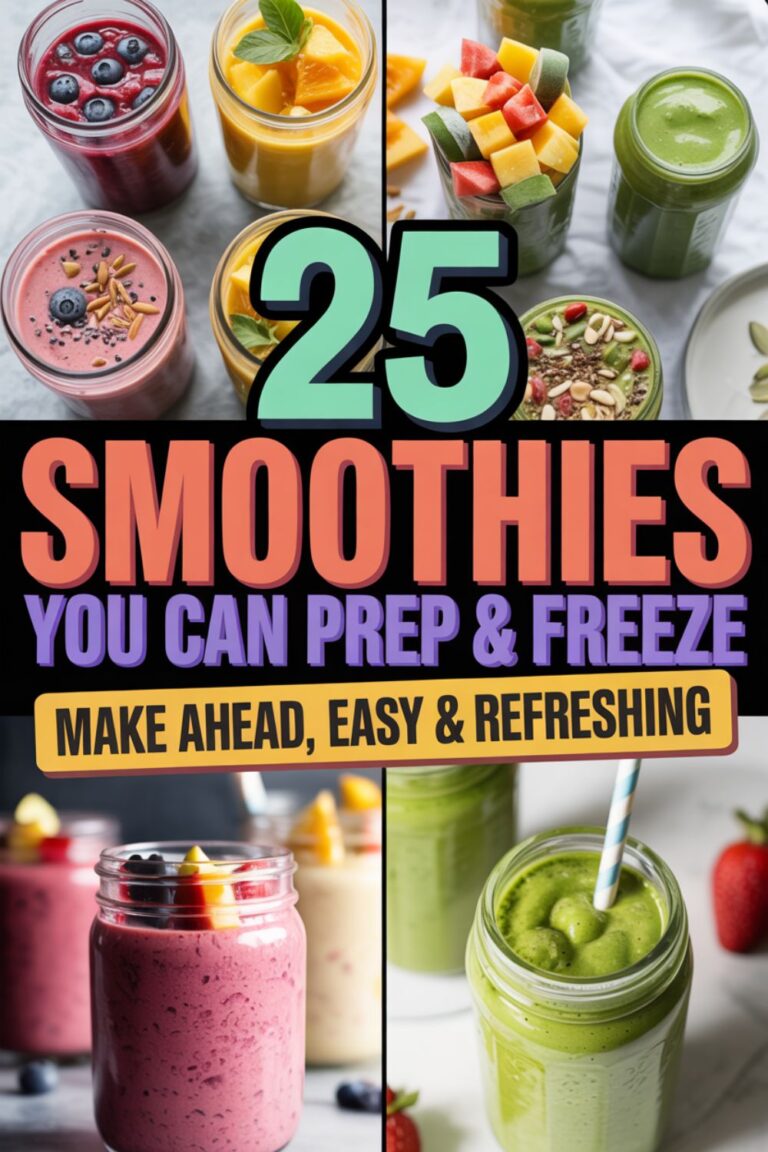
Speaking of keeping things fresh, you might want to check out these high-fiber breakfasts that help you stay full until lunch without feeling stuffed.
Lighter Proteins That Don’t Feel Heavy
Greek yogurt, eggs, cottage cheese, and nut butters work better for spring than heavier options. They provide the protein you need without that post-breakfast food coma. I use a small kitchen scale to portion Greek yogurt into 4-ounce mason jars—takes five minutes on Sunday and eliminates breakfast decisions all week.
FYI, if you’re looking for more protein-packed options, these high-protein smoothies taste like dessert but actually fuel your morning properly.
Textures That Feel Light
Crunchy radishes, creamy chia pudding, juicy berries—spring breakfasts should have variety in texture, not just flavor. That’s what keeps them interesting even when you’re eating similar things all week.
Meal Prep Essentials Used in This Plan
After testing these recipes for weeks, here’s what actually made a difference in my kitchen. No fluff, just the stuff I reached for constantly:
- A decent blender that doesn’t leave chunks in your smoothies (mine finally died after seven years of daily smoothies, and I refuse to go back to a mediocre one)
- Glass meal prep containers with airtight lids—seriously, the tight seal matters when you’re making overnight oats on Sunday for Thursday morning
- A small mandoline slicer for radishes and strawberries (saves stupid amounts of time, though watch your fingertips)
- 7-Day High-Protein Meal Plan (digital guide that breaks down macro timing for morning meals)
- 14-Day Anti-Inflammatory Meal Plan (includes breakfast recipes that reduce bloating)
- 21-Day Gut Healing Meal Plan (fiber-focused breakfast ideas that actually taste good)
19 Spring Breakfast Ideas That Actually Work
Alright, here’s the good stuff. These aren’t technically “recipes” in the traditional step-by-step sense—think of them more as frameworks you can adapt based on what’s in your fridge and how much time you have.
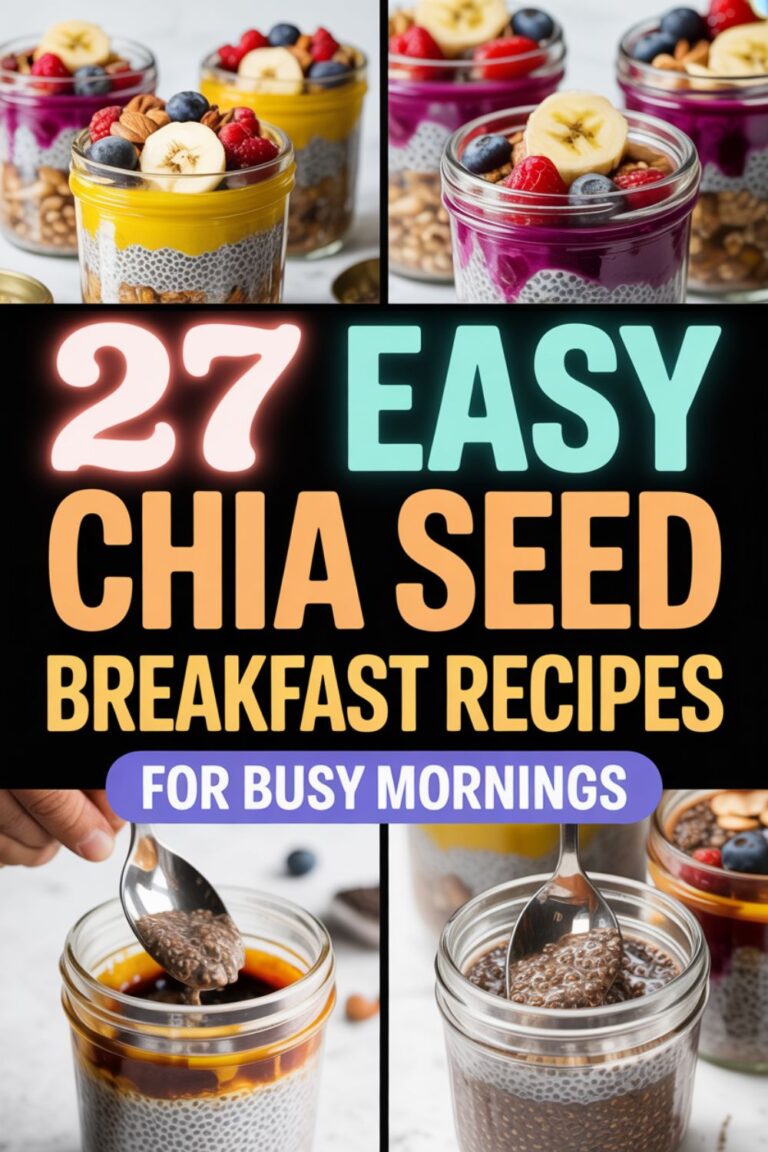
Strawberry Chia Pudding
Mix chia seeds with your choice of milk the night before. In the morning, top with sliced strawberries and a drizzle of honey. The ratio is roughly 3 tablespoons chia seeds to 1 cup liquid, but honestly, I eyeball it. If it’s too thick, add more milk. Too thin? More chia. Life’s too short for precise measurements at 6 AM.
I prep this in small glass jars with screw-top lids because they’re easy to grab. The pudding lasts four days in the fridge, so Sunday night = four breakfasts sorted. Get Full Recipe
Asparagus and Egg Scramble
Chop asparagus into small pieces, sauté quickly in a non-stick pan, then scramble in two eggs. Season with salt and pepper. The whole thing takes maybe six minutes. Sometimes I throw in crumbled feta if I’m feeling fancy, but it’s perfectly good without.
Pro move: cut all your asparagus on Sunday. Store it in a damp paper towel inside a reusable produce bag. Stays crisp way longer than you’d think. Get Full Recipe
Greek Yogurt Bowl with Spring Berries
Plain Greek yogurt, mixed berries, a handful of granola, and maybe some sliced almonds. That’s it. The trick is using full-fat yogurt—the nonfat stuff tastes like disappointment and leaves you hungry by 10 AM.
I buy frozen berries when fresh ones get expensive and let them thaw overnight in the fridge. Same nutritional value, fraction of the cost. Plus, partially thawed berries make the yogurt cold and creamy. Get Full Recipe
If you’re looking for more ways to incorporate berries into breakfast, check out these berry-filled smoothies that capture peak spring flavor.
Overnight Oats with Strawberry Compote
Mash strawberries with a fork, add a tiny bit of maple syrup, and you’ve got compote. Mix oats with milk or plant-based alternative, let sit overnight, top with the strawberry mixture in the morning. Way better than the instant packets that taste like cardboard with sugar sprinkled on top.
The ratio I use: half a cup oats, three-quarters cup liquid. Adjust based on how thick you like it. Some people add chia seeds to make it even thicker, which works if that’s your thing. Get Full Recipe
Quick Win: Make strawberry compote once, use it three ways: on yogurt, in overnight oats, or mixed into cottage cheese. Batch cooking without actually calling it batch cooking.
Spinach and Feta Egg Muffins
Whisk eggs with chopped spinach and crumbled feta. Pour into a muffin tin and bake at 350°F for about 20 minutes. These last all week in the fridge and reheat in 30 seconds. Absolute game-changer if you’re the type who hits snooze four times.
The beauty of these is the flexibility—swap spinach for any green, feta for any cheese, add peppers or mushrooms. They’re basically a template for cleaning out your vegetable drawer. Get Full Recipe
Radish and Avocado Toast
Toast good bread. Smash avocado on it. Top with thinly sliced radishes, sea salt, and cracked pepper. Done. The radishes add a peppery crunch that cuts through the avocado’s richness. Plus, they’re dirt cheap in spring when they’re actually in season.
I use a serrated bread knife for the toast and that mandoline I mentioned earlier for paper-thin radish slices. Makes a huge difference in texture. Get Full Recipe
Pea and Mint Smoothie
Sounds weird, tastes amazing. Blend frozen peas, fresh mint, a banana, Greek yogurt, and milk. The peas add protein and creaminess without that weird protein powder aftertaste. Plus, they’re sweet when they’re fresh in spring—not that mushy canned nonsense.
This one’s great if you want something green without the kale-smoothie stereotype. The mint makes it taste fresh rather than “healthy” in that performative way. Get Full Recipe
For more unconventional smoothie ideas, these hidden veggie smoothies pack nutrition without the grass clippings taste.
Cottage Cheese with Cucumber and Dill
Mix cottage cheese with diced cucumber, fresh dill, salt, and pepper. Eat it plain or scoop it onto whole grain crackers. This is my go-to when I wake up late and need something that qualifies as breakfast but requires zero cooking.
The key is good cottage cheese—the kind with actual curds, not that watery stuff that’s mostly air and regret. Get Full Recipe
Spring Green Frittata
Sauté asparagus, peas, and spinach in an oven-safe skillet. Pour beaten eggs over everything, cook on the stove for a few minutes, then finish in the oven. Cut into wedges. Reheats beautifully, feeds you for days.
This is one of those recipes that looks impressive but is actually pretty foolproof. Even if you overcook it slightly, it’s still edible. Get Full Recipe
Strawberry Almond Butter Toast
Almond butter on toast, sliced strawberries on top, optional drizzle of honey. That’s the whole thing. Takes two minutes, tastes way better than whatever you’d grab from a drive-through.
I use natural almond butter without added sugar or oils. The kind where you have to stir it because the oil separates. Yeah, it’s annoying, but it tastes infinitely better. Get Full Recipe
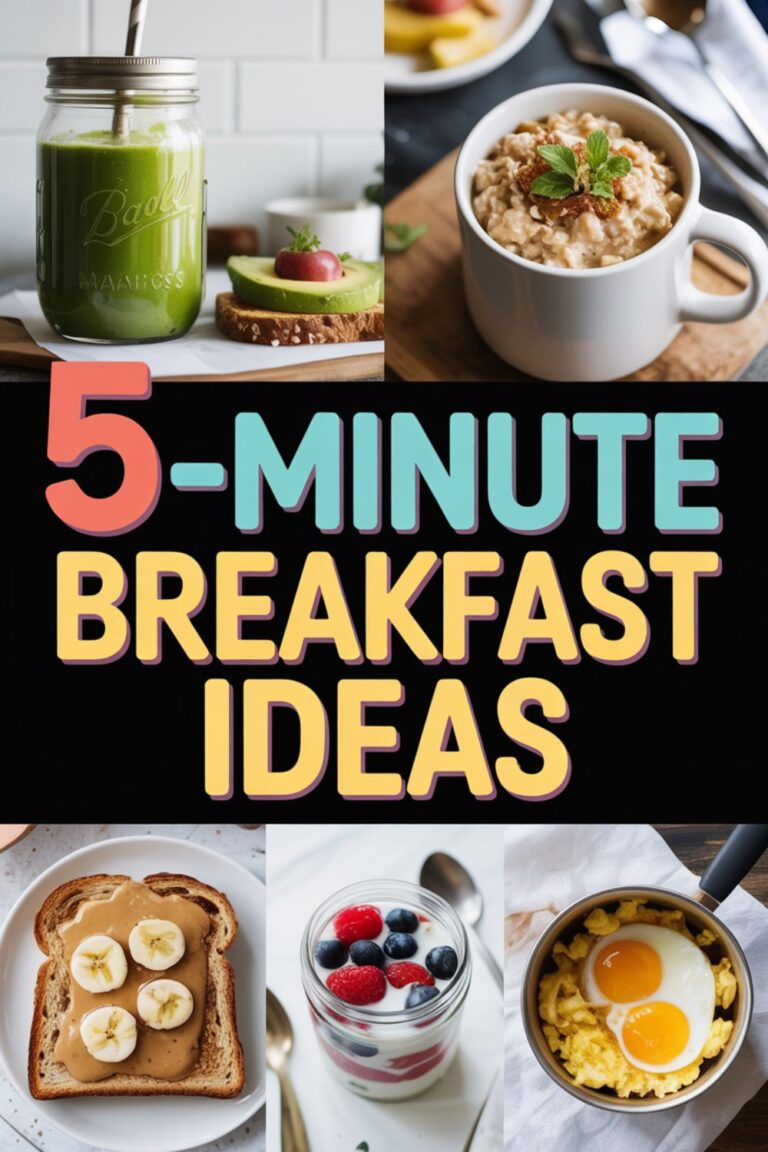
Speaking of satisfying breakfasts that come together fast, these 5-minute breakfast ideas are perfect for when you’re basically still asleep.
Baked Eggs in Avocado
Halve an avocado, scoop out a bit more flesh to make room, crack an egg into each half, bake until the egg sets. Sprinkle with salt, pepper, and red pepper flakes. Kinda Instagram-y, but actually delicious and surprisingly filling.
Fair warning: the egg timing is tricky. Too long and you’ve got hard-boiled eggs in avocado (still edible but not ideal). Not long enough and you’re dealing with raw egg running everywhere. I usually go for 15 minutes at 425°F and check at 12. Get Full Recipe
Quinoa Breakfast Bowl
Cook quinoa in advance. In the morning, reheat it with a splash of milk, top with berries, nuts, and a drizzle of maple syrup. It’s like oatmeal but with actual protein and a less mushy texture.
I meal prep quinoa in my rice cooker on Sunday nights. Five cups of cooked quinoa = breakfast base for the entire week. Store it in the fridge in an airtight container and portion it out as needed. Get Full Recipe
Smoked Salmon and Cream Cheese Roll-Ups
Spread cream cheese on smoked salmon, add thin cucumber slices, roll it up, secure with a toothpick if necessary. Fancy enough for brunch, easy enough for Tuesday morning when you’re running late.
This is basically deconstructed bagel and lox without the carb-heavy bagel. If you want the bagel, add the bagel—I’m not the breakfast police. Get Full Recipe
Berry Chia Smoothie Bowl
Blend frozen berries, chia seeds, Greek yogurt, and a splash of milk until thick. Pour into a bowl, top with granola, fresh fruit, and coconut flakes. The bowl format makes it feel more substantial than drinking it, and you get that satisfying crunch from the toppings.
The trick to thick smoothie bowls is using mostly frozen fruit and very little liquid. Add liquid gradually—you can always add more, but you can’t take it out once it’s too thin. Get Full Recipe
For more thick smoothie bowl inspiration, check out these spoon-worthy smoothies that nail the texture every time.
Asparagus and Goat Cheese Omelet
Sauté asparagus pieces, make an omelet, add crumbled goat cheese before folding. The tanginess of goat cheese works perfectly with asparagus—way better than cheddar or mozzarella in this context.
Omelets used to stress me out until I realized you don’t need to flip them perfectly. Just fold them over and scrape the ugly side onto the plate first. Nobody’s judging your omelet technique at 7 AM. Get Full Recipe
Strawberry Balsamic Yogurt Parfait
Layer Greek yogurt with strawberries that you’ve macerated in a tiny bit of balsamic vinegar. Add granola. The balsamic sounds weird but it intensifies the strawberry flavor and adds complexity without being overly sweet.
Use good balsamic for this—the cheap stuff tastes like vinegar with food coloring. You don’t need the $80 aged stuff, but splurge for something decent. Get Full Recipe
Savory Oatmeal with Poached Egg
Cook oats in broth instead of water. Top with a poached egg, sautéed greens, and a sprinkle of parmesan. This is for people who are tired of sweet breakfast and want something that actually tastes like food, not dessert.
Poaching eggs used to intimidate me until I started using a small silicone egg poacher. No swirling water, no vinegar, just crack an egg into it and drop it in simmering water. Perfect poached eggs every time. Get Full Recipe
Mini Caprese Skewers
Thread cherry tomatoes, small mozzarella balls, and basil leaves onto toothpicks or small bamboo skewers. Drizzle with balsamic glaze. Not traditional breakfast food, but neither is cold pizza, and we all know that’s perfectly acceptable.
Make these the night before and store them in the fridge. Grab three or four on your way out the door and call it breakfast. Get Full Recipe
Spring Vegetable Hash
Dice potatoes, asparagus, bell peppers, and onions. Sauté everything in a cast iron skillet until crispy. Top with fried eggs if you’re feeling ambitious. This is the kind of breakfast that makes you feel capable of adulting, even when you’re definitely not.
The cast iron is key here—you need something that can handle high heat and gets everything properly crispy without burning. Get Full Recipe
If you love the idea of veggie-packed morning meals, these pantry staple breakfast ideas show you how to work with what you’ve already got.
Tools & Resources That Make Cooking Easier
Look, I’m not trying to sell you a bunch of stuff you don’t need. But after years of making breakfast every single morning, these are the things that actually saved me time and frustration:
- A good quality chef’s knife that’s properly sharp (makes chopping veggies so much faster, which matters when you’re half-awake)
- Microplane zester for fresh citrus zest (completely changes boring yogurt into something that tastes intentional)
- Immersion blender for quick smoothies without dragging out your full-size blender (way easier to clean, takes up less space)
- 21-Day Anti-Inflammatory Meal Plan (specifically the breakfast section, which helped me ditch the post-breakfast bloat)
- 30-Day Flat Belly Meal Plan (low-calorie, high-fiber breakfast ideas that don’t taste like punishment)
- 14-Day Hormone-Balancing Meal Plan (helped me figure out which breakfast timing actually worked for my energy levels)
Making Spring Breakfasts Part of Your Actual Routine
Having good recipes is one thing. Actually making them when your alarm goes off at 6:30 AM is another thing entirely. Here’s what’s worked for me after a lot of trial and error.
The Sunday Night Strategy
I don’t do full meal prep like those people who cook 21 identical meals in identical containers. That level of organization makes me feel inadequate. Instead, I do prep work: wash berries, chop vegetables, portion out yogurt, cook quinoa or hard-boil eggs.
Thirty minutes on Sunday night = significantly less decision fatigue all week. Plus, when the ingredients are already prepped, you’re way more likely to actually use them instead of defaulting to whatever’s fastest.
The Rotation Method
I rotate between three breakfast styles throughout the week: something cold (yogurt parfait, overnight oats), something cooked (eggs and veggies), and something blended (smoothies or smoothie bowls). Keeps things interesting without requiring completely different ingredients.
Monday and Wednesday might be Greek yogurt with berries. Tuesday and Thursday could be scrambled eggs with asparagus. Friday’s a smoothie bowl because by Friday, I’m too tired to care about actual cooking. This pattern uses overlapping ingredients, which means less waste and fewer grocery trips.
The Backup Plan
Even with the best intentions, some mornings implode. That’s when I fall back on what I call the “cereal strategy”—except instead of actual cereal, it’s plain Greek yogurt, a handful of granola, and whatever fruit is already washed and ready to go.
Takes literally 60 seconds, requires zero cooking, and still counts as a proper breakfast. No guilt, no stress, just food that gets you through the morning.
For those chaotic mornings, these make-ahead breakfast ideas save you from the cereal trap entirely.
Pro Tip: Keep individual nut butter packets in your desk drawer. Pair them with fruit from the break room, and you’ve salvaged breakfast even when you completely forgot to eat at home. Been there, done that, bought the emergency desk snacks.
The Benefits Beyond Just Food
Here’s the thing about spring breakfasts that I didn’t expect when I started paying attention to seasonal eating: they actually affect how the rest of your day unfolds. Not in some woo-woo manifestation way, but in practical, noticeable ways.
When you start the morning with something light and fresh rather than heavy and processed, you don’t get that mid-morning crash. You’re not raiding the snack drawer by 10:30. Your afternoon energy stays more consistent. Is this groundbreaking nutritional science? No. But it’s real, and it makes a difference.
Plus, there’s something satisfying about eating food that’s actually in season. It connects you to what’s happening outside your window instead of relying on strawberries that traveled 2,000 miles to taste like nothing. Sounds cheesy when I type it out, but it’s true.
Speaking of energy throughout the day, these blood sugar-balancing meals keep you steady instead of sending you on a roller coaster.
Common Spring Breakfast Mistakes
After testing these recipes and talking to friends about their breakfast routines, I’ve noticed a few patterns that consistently trip people up. Let’s address them directly.
Waiting Too Long to Eat
If you’re the type who waits until you’re absolutely starving before eating breakfast, you’re setting yourself up to grab whatever’s fastest and easiest. Usually that means processed, sugary stuff that spikes your blood sugar and leaves you hungry again in two hours.
Eat something within an hour of waking up, even if it’s small. Your metabolism will thank you, and you’ll make better choices throughout the day.
Making Things Too Complicated
Those elaborate breakfast boards you see on Pinterest? They’re beautiful. They’re also completely unrealistic for a Tuesday morning when you need to be out the door in 20 minutes. Keep it simple. Three ingredients is plenty. Five is getting fancy. Ten is a weekend project, not a weekday breakfast.
Not Planning for Laziness
We all have good intentions on Sunday night. By Thursday morning, those intentions are nowhere to be found. Build laziness into your plan. Prep more than you think you’ll need. Buy backup options. Accept that some mornings you’ll phone it in, and that’s fine.
Ignoring Protein
A bowl of fruit is refreshing, but it’s not breakfast by itself. You need protein to stay full and focused. Greek yogurt, eggs, nut butter, cottage cheese—pick something. Otherwise, you’re going to be hungry and irritable by mid-morning, and nobody wants that.
If protein is your weakness, these high-protein meal plans break down exactly how much you need and when.
Budget-Friendly Spring Breakfast Tips
Let’s be real—eating seasonally doesn’t automatically mean eating cheaply. Farmers market strawberries can cost more than the supermarket kind. Here’s how to make spring breakfasts work without destroying your grocery budget.
Buy Frozen for Smoothies
Frozen berries are picked at peak ripeness and flash-frozen. They’re cheaper than fresh, last way longer, and work perfectly for smoothies and smoothie bowls. Save the fresh berries for when you’re eating them whole.
Embrace Eggs
Even with recent price increases, eggs are still one of the cheapest protein sources available. A dozen eggs gives you six breakfasts for a few dollars. Hard to beat that math.
Shop the Sale Cycles
Spring produce goes on sale when it’s abundant. Stock up when strawberries are cheap, freeze what you don’t use immediately. Same with asparagus—when it’s $1.99 a pound, buy extra and prep it all at once.
Make Your Own Granola
Store-bought granola costs a ridiculous amount for what’s essentially oats, nuts, and sweetener. Make a big batch using oats, whatever nuts are on sale, and honey or maple syrup. Bake it in a large sheet pan, and you’ve got granola for weeks at a fraction of the cost.
For more budget-conscious morning options, check out these one-bowl breakfast recipes that minimize both cost and cleanup.
Frequently Asked Questions
Can I prep these breakfasts in advance?
Absolutely. Most of these recipes work great for meal prep. Overnight oats, chia pudding, egg muffins, and frittatas can all be made ahead and stored in the fridge for 3-5 days. Even things like chopped vegetables for scrambles can be prepped on Sunday and used throughout the week. The key is storing everything properly in airtight containers.
What if I can’t find fresh spring produce where I live?
Frozen is your friend. Frozen berries, frozen peas, and even frozen asparagus work perfectly for most of these recipes. They’re picked at peak ripeness and flash-frozen, so you’re actually getting good quality produce. The texture might be slightly different in some applications, but the nutrition and flavor are solid.
How do I make these recipes work with dietary restrictions?
Most of these recipes are naturally flexible. For dairy-free options, swap Greek yogurt for coconut yogurt or plant-based alternatives. Use plant-based milk in smoothies and overnight oats. For gluten-free, just make sure your bread and oats are certified gluten-free. The beauty of simple recipes is they’re easy to adapt without losing what makes them work.
Are these breakfasts actually filling enough?
If you’re including protein in each meal—Greek yogurt, eggs, nut butter, cottage cheese—then yes, they should keep you satisfied until lunch. The key is not relying solely on fruit or vegetables. You need that protein and healthy fat component to stay full. If you find yourself hungry mid-morning, add more protein to your breakfast or include a small handful of nuts.
What’s the best way to store prepped breakfast ingredients?
Glass containers with airtight lids work best for most things. Store washed berries in containers lined with paper towels to absorb excess moisture. Keep chopped vegetables in sealed containers or bags with a damp paper towel to maintain crispness. Cooked grains like quinoa last 5-7 days in the fridge. Hard-boiled eggs keep for a week. Label everything with dates if you’re prepping multiple items at once.
The Bottom Line on Spring Breakfasts
Spring breakfast doesn’t need to be complicated or perfect. It just needs to be lighter than what you were eating in January, use ingredients that are actually in season, and work with your real-life morning routine.
These 19 ideas give you plenty of options without overwhelming you with complicated recipes that require specialty ingredients. Mix and match based on what’s in your fridge, what you have time for, and what sounds good on any given morning.
The point isn’t to make Instagram-worthy breakfast spreads every day. The point is to start your mornings with food that makes you feel good—lighter, fresher, more energized—and that actually fits into your life without adding stress. That’s what spring breakfast should be.
So go grab some strawberries from the farmers market this weekend. Buy the asparagus that’s finally affordable. Prep a few mason jars of overnight oats on Sunday night. Make spring breakfast work for you, not the other way around.