19 Mediterranean-Inspired Breakfast Recipes That’ll Make You Rethink Your Morning Routine
Look, I’m not going to pretend that waking up to the smell of fresh-baked bread and sun-ripened tomatoes is everyone’s reality. Most mornings, I’m barely conscious enough to pour cereal without missing the bowl. But here’s the thing about Mediterranean breakfasts—they’re not about perfection or spending two hours in the kitchen while the sun rises over the Aegean Sea.
They’re about embracing flavors that actually make you excited to get out of bed. Think creamy Greek yogurt drizzled with honey, warm whole-grain bread topped with olive oil and fresh herbs, or a simple veggie frittata that tastes like sunshine in a pan. No fancy equipment required, no culinary degree necessary.
What really sold me on this whole Mediterranean breakfast thing wasn’t the scientifically-proven health benefits (though those are pretty legit). It was realizing that I could actually prep most of these recipes the night before and still look like I had my life together in the morning. Revolutionary concept, right?
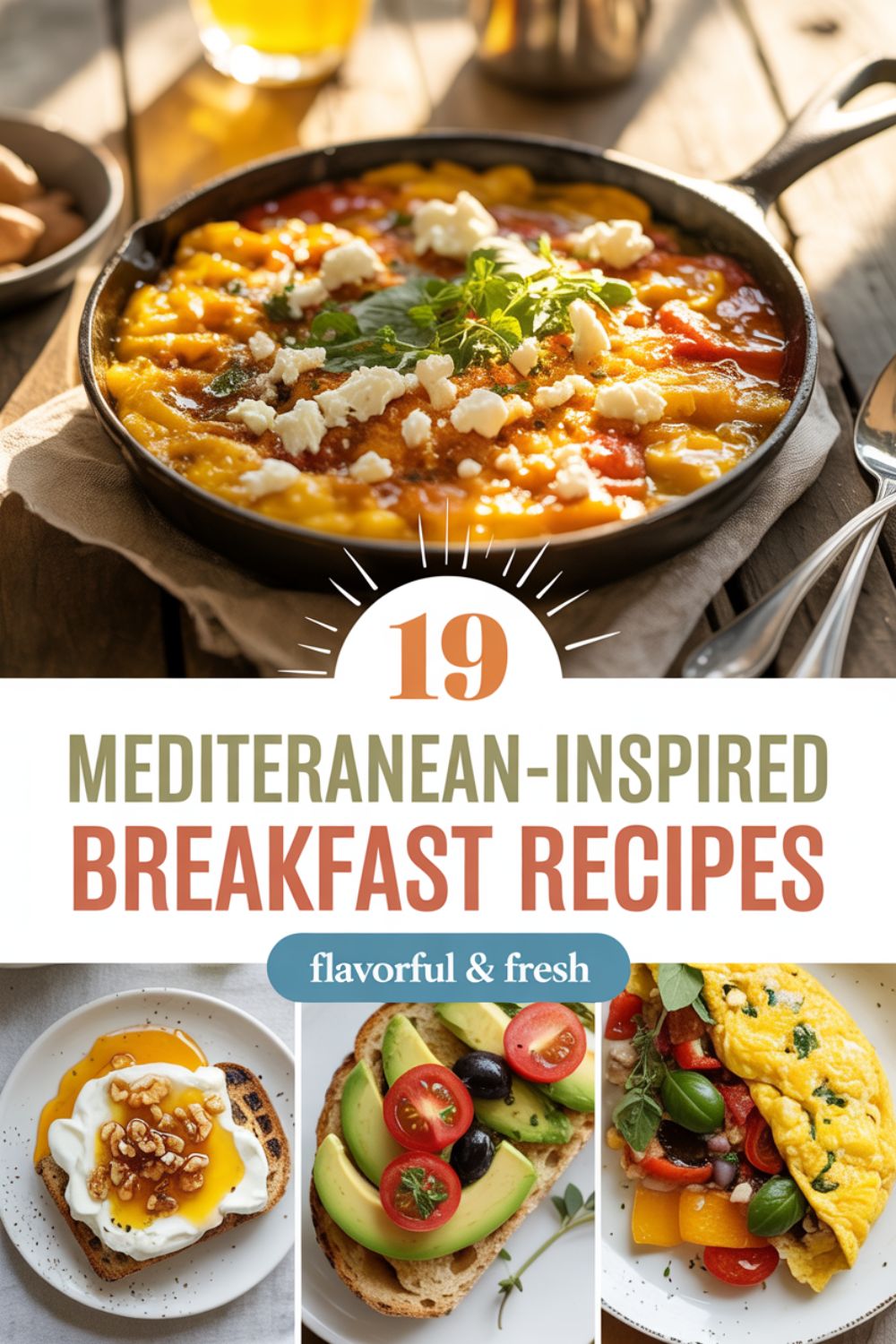
Why Mediterranean Breakfasts Hit Different
Before we get into the recipes, let’s talk about why this style of eating actually works. The Mediterranean diet isn’t some trendy fad that’ll disappear faster than your New Year’s resolutions. It’s been around for centuries because, well, it works.
According to Harvard Health, people who follow a Mediterranean eating pattern have about a 23% lower risk of dying from any cause compared to those who don’t. That’s not just impressive—that’s the kind of stat that makes you reconsider your Pop-Tart habit.
What makes these breakfasts special is the combination of whole grains, healthy fats, fresh produce, and lean proteins. You’re not just eating breakfast; you’re giving your body fuel that actually keeps you satisfied until lunch. No more 10 AM vending machine runs because you’re starving two hours after eating.
The secret weapon here is extra virgin olive oil—that liquid gold that Mediterranean folks have been using for thousands of years. Research from the American Heart Association shows that consuming more than half a tablespoon of olive oil daily lowers your risk of cardiovascular disease by 15%. Plus, it makes everything taste better, which is honestly reason enough to use it.
Pro Tip: Buy a decent olive oil dispenser bottle with a pour spout. It’ll change your life. No more wrestling with those awkward glass bottles that drip everywhere, and you’ll actually use the good stuff more often.
The Foundation: What Makes a Breakfast Mediterranean
Here’s what you’ll see in most authentic Mediterranean breakfasts, and no, it’s not just feta cheese on everything (though that certainly doesn’t hurt):
Whole grains are everywhere—think crusty whole-wheat bread, oats, or bulgur wheat. These complex carbs give you sustained energy without the sugar crash that comes from white bread or sugary cereals. Plus, the fiber keeps your digestive system happy, which is worth its weight in gold if you know what I mean.
Fresh fruits and vegetables make an appearance at every meal, breakfast included. Tomatoes, cucumbers, olives, figs, pomegranates—if it grows in the Mediterranean region, it’s fair game. The Cleveland Clinic emphasizes that this plant-forward approach is one of the main reasons the Mediterranean diet is so effective at reducing inflammation.
Protein sources tend to be eggs, Greek yogurt, or occasionally fish. You won’t see much bacon or sausage in traditional Mediterranean breakfasts, but honestly, you won’t miss it when you taste how good everything else is.
Healthy fats from olive oil, nuts, and seeds are non-negotiable. These fats aren’t just good for your heart; they also help you absorb all those fat-soluble vitamins from your vegetables. Science is cool like that.
If you’re looking to expand beyond breakfast, 7-day anti-inflammatory meal plan to reduce bloating and boost energy offers a complete roadmap for incorporating these principles throughout your day.
Quick Mediterranean Breakfast Ideas That Don’t Require Actual Cooking Skills
1. The Classic Greek Yogurt Bowl
Start with full-fat Greek yogurt (yes, full-fat—your body needs those healthy fats). Top it with a drizzle of honey, a handful of walnuts, and whatever fresh fruit you’ve got lying around. Boom. Breakfast in three minutes.
I keep a small glass honey jar with a dipper on my counter because it makes me feel fancy, and honestly, it encourages me to use honey instead of reaching for processed sugar. Small changes, people.
2. Avocado Toast, Mediterranean Style
Take your whole-grain bread (I use a bread box that keeps it fresh longer because stale bread is a crime), toast it, spread some mashed avocado, and top with cherry tomatoes, crumbled feta, and a generous drizzle of olive oil. Sprinkle some za’atar if you’re feeling adventurous.
This is basically the breakfast that convinced me Mediterranean eating wasn’t code for “boring and flavorless.” The combination of creamy avocado, salty feta, and that olive oil kick? Chef’s kiss.
3. Overnight Oats with Mediterranean Twist
Mix rolled oats with Greek yogurt, milk (or almond milk if you’re dairy-free), honey, and cinnamon in a mason jar. Let it sit overnight. In the morning, top with chopped dates, pistachios, and a tiny pinch of cardamom.
The beauty of overnight oats is that past-you did all the work, so present-you just gets to eat. It’s like meal prep for people who can barely function before 9 AM. Get Full Recipe
Quick Win: Prep five wide-mouth mason jars on Sunday night. Line them up in your fridge. Grab one each morning. You’ve just eliminated breakfast decisions for the entire work week.
4. Shakshuka (Easier Than You Think)
This North African dish has become a Mediterranean breakfast staple, and once you make it, you’ll understand why. It’s basically eggs poached in a spiced tomato sauce. Sounds fancy, tastes incredible, takes about 20 minutes.
Use a good cast iron skillet for this one—it goes from stovetop to table and makes you look like you actually know what you’re doing in the kitchen. Serve it with crusty bread for dipping, and try not to Instagram it before eating (I know, I know, it’s hard).
Make-Ahead Mediterranean Breakfast Champions
5. Spinach and Feta Egg Muffins
These little guys are breakfast MVP material. Whisk eggs with sautéed spinach, crumbled feta, diced tomatoes, and herbs. Pour into a silicone muffin pan (seriously, get silicone—you’ll thank me when cleanup takes 30 seconds), bake at 350°F for about 20 minutes.
Make a dozen on Sunday, store them in the fridge, and reheat two each morning. They’re portable, protein-packed, and they don’t leave crumbs all over your car like certain unnamed breakfast pastries.
Speaking of protein-packed meals, check out this 7-day high-protein meal plan to build muscle and burn fat if you’re serious about meeting your protein goals beyond just breakfast.
6. Mediterranean Breakfast Grain Bowl
Cook a big batch of farro, bulgur, or quinoa (I use my rice cooker because I’m lazy and it works perfectly). Store it in the fridge. Each morning, scoop some into a bowl, top with a fried egg, sliced cucumber, cherry tomatoes, olives, and a drizzle of tahini.
This breakfast has become my go-to when I need something that feels substantial but doesn’t weigh me down. Plus, it’s impressive enough that if someone sees you eating it on a Zoom call, they’ll think you have your life together.
“I started making these grain bowls after seeing this recipe style, and honestly, I’ve lost 12 pounds in two months without even trying. The combination of protein and fiber keeps me full until lunch, and I’m not reaching for snacks by 10 AM anymore.” — Jessica from the LovelyEase community
7. Homemade Granola with Mediterranean Vibes
Mix oats, chopped almonds, pistachios, sesame seeds, honey, olive oil (yes, in granola—trust me), and a pinch of cinnamon. Spread on a parchment-lined baking sheet and bake at 325°F until golden, about 30 minutes.
Store in an airtight container, and you’ve got two weeks of breakfast sorted. Serve over Greek yogurt with fresh fruit. The olive oil gives it this subtle richness that makes store-bought granola taste like cardboard in comparison.
Weekend Mediterranean Breakfast Luxuries
8. Turkish Menemen
This is basically scrambled eggs cooked with tomatoes, peppers, and spices. It sounds simple because it is, but the flavor? Anything but simple. The key is cooking the vegetables until they’re soft and sweet before adding the eggs.
I like serving this with thick slices of toasted sourdough and a strong cup of Turkish coffee (made in my traditional cezve because I’m extra like that).
9. Spanish Tortilla
Also called tortilla española, this is essentially a thick potato and egg omelet that you can eat warm or at room temperature. Make a big one on Sunday and slice it up for breakfast all week. Get Full Recipe
Fair warning: flipping it can be intimidating the first time. Use a large plate, pray to the breakfast gods, and commit to the flip. Or just finish it under the broiler like I do when I’m not feeling brave.
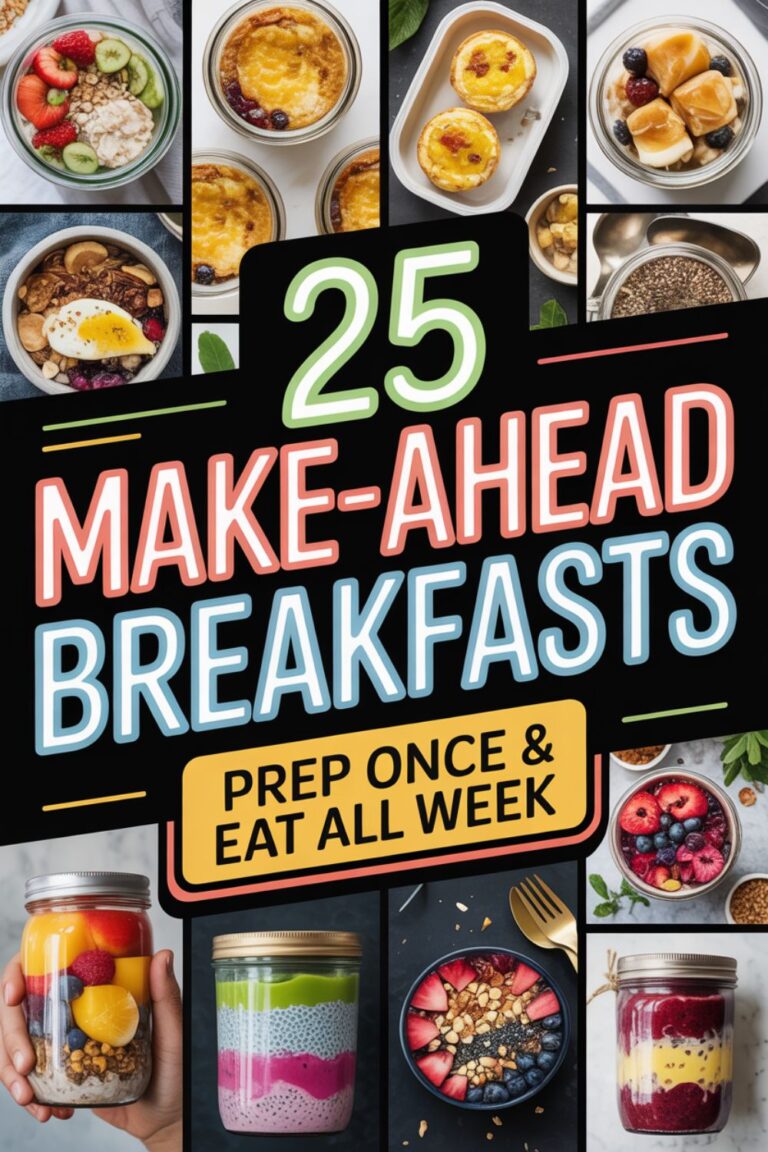
For more morning inspiration that keeps you full and satisfied, try these 21 high-fiber breakfasts to stay full until lunch or explore 25 make-ahead breakfasts you can prep once and eat all week.
10. Baked Eggs in Tomato Sauce
Similar to shakshuka but Italian-influenced. Make a simple tomato sauce with garlic, herbs, and maybe some red pepper flakes if you like heat. Create little wells in the sauce and crack eggs into them. Bake until the whites are set but yolks are still runny.
Sprinkle with fresh basil and serve with crusty bread. This is the kind of breakfast that makes you feel like you’re dining at a coastal Italian café, even if you’re actually in your pajamas at your kitchen table.
Meal Prep Essentials Used in These Recipes
After making these recipes for months, here’s what actually lives in my kitchen:
- Glass meal prep containers with locking lids – No more mystery stains or weird plastic smells
- Quality chef’s knife – Chopping vegetables becomes therapeutic instead of tedious
- Cast iron skillet – For shakshuka, frittatas, and everything that needs even heat
- Digital Mediterranean Diet Cookbook – 100+ authentic recipes with shopping lists
- Mediterranean Meal Prep Guide (PDF) – Weekly planning templates and batch cooking strategies
- Breakfast Batch Cooking Cheat Sheet – Printable guide for making 5 breakfasts in 1 hour
- Join our WhatsApp Breakfast Prep Community – Share recipes, swap tips, get motivated
Light and Fresh Mediterranean Morning Options
11. Labneh with Everything
Labneh is basically thick, strained yogurt that has the consistency of cream cheese. You can buy it or make it yourself by straining Greek yogurt overnight in cheesecloth (using a fine-mesh strainer over a bowl).
Spread it on toast, top with za’atar and olive oil, add sliced cucumbers and tomatoes. It’s creamy, tangy, and protein-rich. Plus, it makes you sound sophisticated when you casually mention you had labneh for breakfast.
12. Fresh Fig and Ricotta Toast
When figs are in season, this breakfast is absolutely unbeatable. Toast whole-grain bread, spread with ricotta, top with sliced fresh figs, drizzle with honey, and finish with a sprinkle of crushed pistachios and fresh thyme.
Yes, it’s basically dessert for breakfast, but it’s Mediterranean-approved dessert, which means it’s loaded with fiber, protein, and healthy fats. The rules are different in the Mediterranean, and I’m here for it.
13. Cucumber and Tomato Breakfast Salad
This might sound weird if you’re not used to eating savory, fresh vegetables first thing in the morning, but stay with me. Dice cucumbers, tomatoes, and red onion. Toss with olive oil, lemon juice, fresh herbs, and crumbled feta. Serve with warm pita or alongside a soft-boiled egg.
It’s refreshing, hydrating, and honestly one of the best ways to start a hot summer morning. Plus, your vegetables are already checked off for the day before 9 AM. Achievement unlocked.
If you’re dealing with digestive issues, this style of eating pairs perfectly with the 7-day gut health reset plan featuring high-fiber and probiotic-rich meals.
14. Tahini Date Smoothie Bowl
Blend frozen banana, dates, tahini, Greek yogurt, and a splash of milk until thick and creamy. Pour into a bowl and top with granola, sliced almonds, hemp seeds, and a drizzle of date syrup.
This is for when you want something sweet but still substantial. The tahini adds this nutty richness and keeps you full for hours. I make mine in a high-powered blender that can actually handle frozen fruit without sounding like it’s dying.
Bread-Based Mediterranean Breakfast Classics
15. Za’atar Flatbread with Olive Oil
If you’ve never had za’atar, you’re missing out on one of the most versatile spice blends in Mediterranean cooking. It’s a mix of dried herbs, sesame seeds, and sumac. Mix it with olive oil and spread on flatbread or pita before toasting.
Serve warm with sliced tomatoes, cucumbers, and maybe some labneh or hummus on the side. It’s simple, aromatic, and the kind of breakfast that makes your kitchen smell amazing.
16. Pan con Tomate (Spanish Tomato Bread)
Grill or toast thick slices of crusty bread. Rub with a cut garlic clove while still warm, then rub with a halved ripe tomato, squeezing gently so the tomato juices soak into the bread. Drizzle generously with olive oil and sprinkle with sea salt.
This is one of those recipes that’s stupidly simple but tastes like you’re sitting at a café in Barcelona. The quality of your ingredients matters here—use good crusty bread, ripe tomatoes, and your best olive oil.
Pro Tip: Make this in summer when tomatoes are at their peak. In winter, roast cherry tomatoes in the oven until they burst, then spread them on your toast. Different vibe, equally delicious.
17. Breakfast Pita Pockets
Fill whole wheat pita with scrambled eggs, sautéed spinach, diced tomatoes, and a spoonful of hummus. It’s portable, customizable, and way more interesting than a boring breakfast sandwich.
I like adding a few kalamata olives and some crumbled feta for extra flavor. Keep a jar of good-quality kalamata olives in your fridge—they last forever and add instant Mediterranean flair to basically anything.
Looking for more grab-and-go options? Check out 25 breakfast jars for busy mornings grab-and-go and 20 5-minute breakfasts you can make half-asleep.
Sweet Mediterranean Morning Treats
18. Honey and Walnut Semolina Porridge
Cook semolina in milk until thick and creamy (I use my small saucepan that’s perfect for single servings). Stir in honey, cinnamon, and a pinch of salt. Top with toasted walnuts and dried figs.
This is comfort food that happens to be good for you. It’s warm, slightly sweet, and has this wonderful creamy texture that’s different from oatmeal. Plus, semolina is less common in Western breakfasts, so it feels a bit exotic.
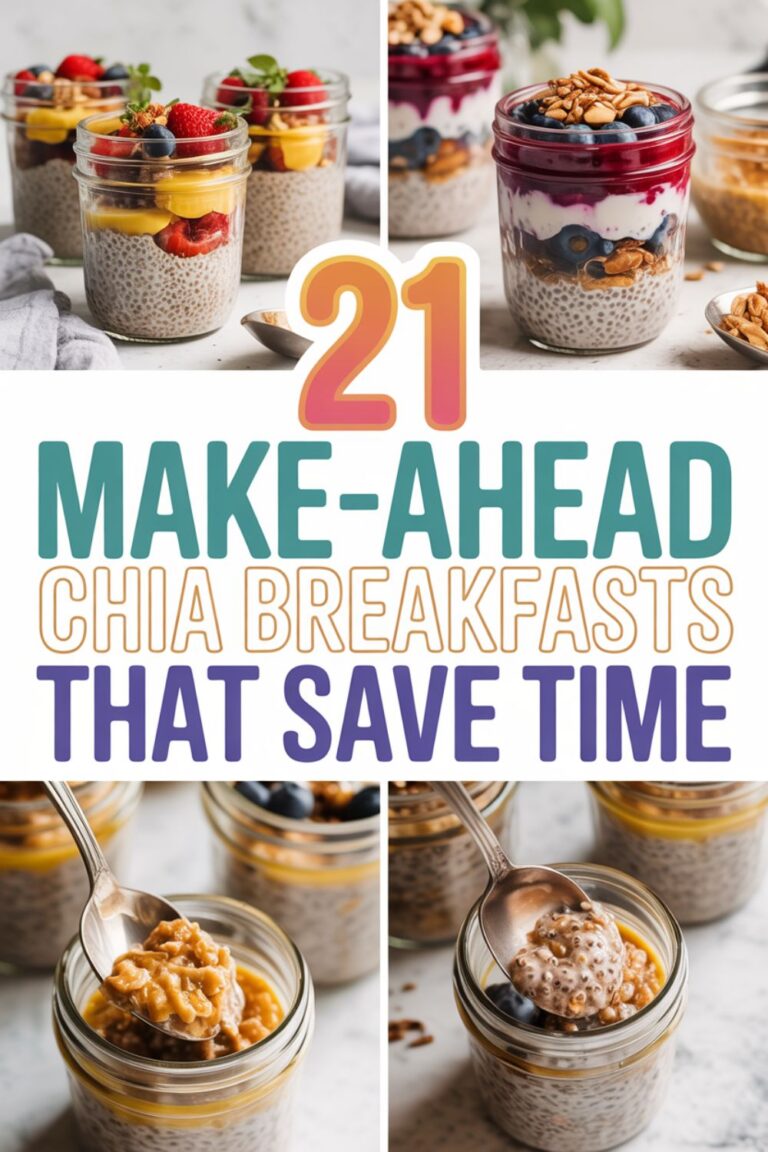
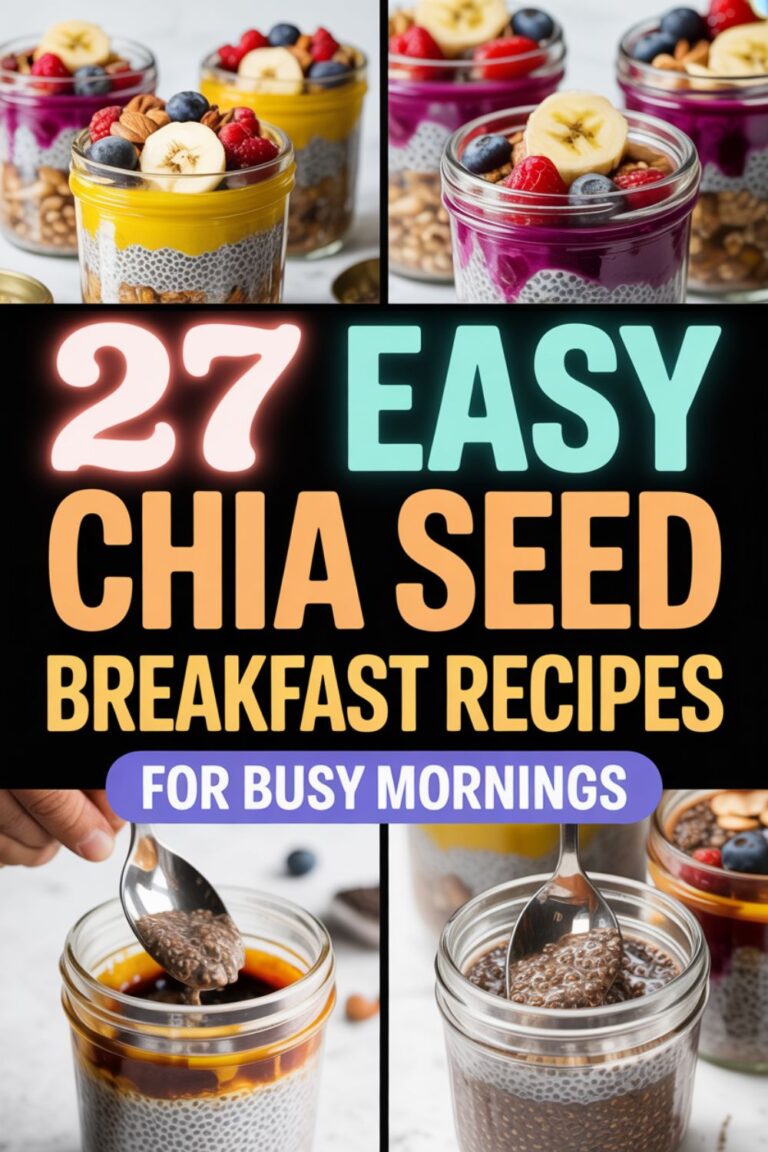
19. Almond and Orange Blossom Chia Pudding
Mix chia seeds with almond milk, a drop of orange blossom water, and a touch of honey. Let it sit overnight in the fridge. In the morning, top with sliced almonds, orange segments, and pomegranate seeds.
Orange blossom water is one of those ingredients that seems fancy but you can find it at most Middle Eastern markets or online. A little goes a long way—seriously, like three drops is enough or your breakfast will taste like potpourri. Get Full Recipe
For more creative chia seed options, explore these 21 chia seed pudding recipes bursting with spring fruits.
Tools & Resources That Make Cooking Easier
These aren’t sponsored recommendations—just stuff I actually use and can’t live without:
- Immersion blender – For smoothies, sauces, and soups without the cleanup nightmare
- Spice grinder – Fresh-ground spices change the game entirely
- Kitchen scale – For accurate portions when meal prepping
- Mediterranean Breakfast Meal Planner (Digital) – 30 days of mix-and-match recipes
- Quick Reference Ingredient Substitution Guide – Never let a missing ingredient stop you
- Beginner’s Guide to Mediterranean Spices (eBook) – What they are, how to use them, where to buy
- Join our Recipe Exchange WhatsApp Group – Real people sharing real meals they actually made
Making Mediterranean Breakfasts Work in Real Life
Let’s be real—you’re not going to make fresh shakshuka every single morning. That’s not the point. The beauty of Mediterranean eating is its flexibility. You can prep ingredients on Sunday, mix and match throughout the week, and still end up with breakfasts that taste fresh and interesting.
The key is having your basics on hand: good olive oil, Greek yogurt, eggs, whole-grain bread, and whatever fresh produce is in season. From there, you can improvise. Leftover roasted vegetables? Toss them in eggs for a frittata. Random herbs wilting in your fridge? Chop them up and mix with olive oil for a quick sauce.
For anyone worried about blood sugar spikes, this eating style naturally helps with that. The combination of protein, healthy fats, and complex carbs means your blood sugar stays steady instead of doing that rollercoaster thing that happens after sugary cereals. Check out this 7-day blood sugar balancing meal plan for steady energy all day for more structured guidance on this.
“I used to crash hard around 10:30 every morning and needed coffee just to function. Since switching to Mediterranean-style breakfasts with eggs, veggies, and healthy fats, my energy levels stay consistent all morning. I actually feel human before noon now.” — Michael from our community
Another thing I love about this approach is that it works for basically any dietary restriction. Dairy-free? Use coconut or almond yogurt. Gluten-free? Plenty of these recipes don’t use bread, or you can use gluten-free options. Vegetarian? Most Mediterranean breakfasts are already vegetarian or easily adaptable.
And can we talk about how much money this saves compared to grabbing breakfast out every morning? A container of Greek yogurt, some fruit, and nuts costs maybe $10 and gives you a week of breakfasts. Meanwhile, that café breakfast sandwich is $8 for one meal. The math is compelling.
If you’re ready to commit to meal prepping, the 14-day high-protein meal plan designed to support weight loss and muscle gain provides a complete framework that extends these principles beyond breakfast.
The Ingredients That Make Everything Better
There are a few Mediterranean staples that elevate basically any breakfast from “meh” to “legitimately delicious.” Stock these, and you’ll always have options:
Extra virgin olive oil – Buy the good stuff. It should taste fruity and a little peppery, not like nothing. Store it in a cool, dark place, and no, that doesn’t mean the back of your pantry where it’s been sitting since 2019.
Za’atar – This spice blend is addictive. Sprinkle it on everything from toast to eggs to roasted vegetables. It’s earthy, tangy, nutty, and just makes food taste more interesting.
Tahini – Not just for hummus. Drizzle it on bowls, mix it into smoothies, or stir it into oatmeal. It adds this creamy, nutty richness that’s hard to describe but impossible not to love.
Kalamata olives – Keep a jar in your fridge. They last forever and add instant Mediterranean flavor to eggs, salads, or grain bowls.
Feta cheese – The real stuff from Greece or Bulgaria, packed in brine. It’s tangier and creamier than the pre-crumbled kind in plastic containers. Worth the extra two dollars.
Good honey – Local honey if possible. It should be thick and flavorful, not that squeezable bear bottle situation that’s basically sugar water.
For ingredient deep-dives and comparisons, you might find value in reading about different plant-based swaps and dairy alternatives that work well in these recipes.
Common Mediterranean Breakfast Mistakes (And How to Avoid Them)
Even though Mediterranean cooking is pretty forgiving, there are a few pitfalls I see people fall into:
Using low-fat or fat-free dairy – Don’t do this. The whole point is those healthy fats. Full-fat Greek yogurt keeps you satisfied and helps you absorb nutrients. Low-fat versions often have added sugar to make up for the missing flavor.
Going overboard on bread – Yes, bread is part of Mediterranean eating, but it shouldn’t be the whole meal. Balance it with protein, fats, and vegetables.
Skipping the vegetables – I know it feels weird to eat cucumbers and tomatoes at 7 AM, but they’re what makes these breakfasts so satisfying and nutrient-dense. Give it a week, and you’ll crave them.
Using cheap olive oil – If it costs $5 for a huge bottle, it’s probably not extra virgin despite what the label says. Spend a bit more for actual quality.
Making it too complicated – These breakfasts should be simple. If a recipe has 15 ingredients and takes an hour, it’s not authentically Mediterranean, no matter what food blogger with a villa in Tuscany claims.
Frequently Asked Questions
Can I meal prep Mediterranean breakfasts for the whole week?
Absolutely. Things like egg muffins, overnight oats, chia pudding, and cooked grains all hold up great in the fridge for 4-5 days. Shakshuka sauce can be prepped ahead and you just crack eggs in fresh each morning. Greek yogurt bowls are obviously grab-and-go. The key is storing components separately when needed—like keeping granola separate from yogurt until you’re ready to eat.
Are these breakfasts good for weight loss?
They can be, yeah. Mediterranean breakfasts are naturally high in protein and fiber, which keeps you full longer and reduces overall calorie intake throughout the day. The healthy fats and complex carbs stabilize blood sugar, so you’re not dealing with cravings an hour later. That said, portion sizes still matter—drizzling olive oil liberally on everything will add up quickly, even if it’s healthy fat.
What if I can’t find specialty ingredients like za’atar or tahini?
Most large grocery stores carry tahini near the peanut butter now, and it’s definitely worth having on hand. Za’atar you might need to order online or visit a Middle Eastern market, but you can substitute with dried oregano, thyme, and sesame seeds in a pinch. The recipes work fine without these specialty items—they just add extra flavor if you can find them.
How much should I expect to spend on ingredients?
Initial setup might cost $50-75 if you’re buying olive oil, spices, nuts, and pantry staples all at once. After that, weekly shopping runs about $20-30 for fresh produce, dairy, and eggs. It’s definitely cheaper than buying breakfast out every day, and the ingredients overlap with lunch and dinner too, so you’re building a versatile pantry.
Can kids eat these breakfasts?
Most kids love Greek yogurt bowls, especially if you let them add their own toppings. Egg muffins are usually a hit. The shakshuka might be too spicy depending on how you season it, but you can make a mild version. Start with the sweeter options like overnight oats or honey-drizzled yogurt, then gradually introduce more adventurous flavors. Kids’ palates are more flexible than we think.
Your Mediterranean Morning Starts Now
Here’s the thing about Mediterranean breakfasts—they’re not going to magically solve all your problems or turn you into someone who wakes up at 5 AM to watch the sunrise while doing yoga. But they will give you more energy, keep you satisfied longer, and honestly just make mornings more enjoyable.
The recipes I’ve shared here are starting points, not rigid rules. Maybe you hate olives (weird, but okay), or feta makes you gag, or you’re allergic to nuts. That’s fine. The principles stay the same: whole grains, healthy fats, fresh produce, and quality protein. Mix and match based on what you like and what your body responds to.
Start simple. Pick two or three recipes from this list that actually appeal to you, not the ones that look pretty on Instagram. Make them a few times until they become part of your routine. Once that feels easy, add another one or two to your rotation.
The Mediterranean diet has survived for thousands of years because it’s sustainable, flexible, and actually enjoyable. These aren’t punishment breakfasts that you choke down because they’re “healthy.” They’re meals that happen to be good for you while also tasting really damn good.
So grab your olive oil, stock up on Greek yogurt, and give it a shot. Your mornings—and probably your afternoons, since you won’t crash at 11 AM—will thank you for it.