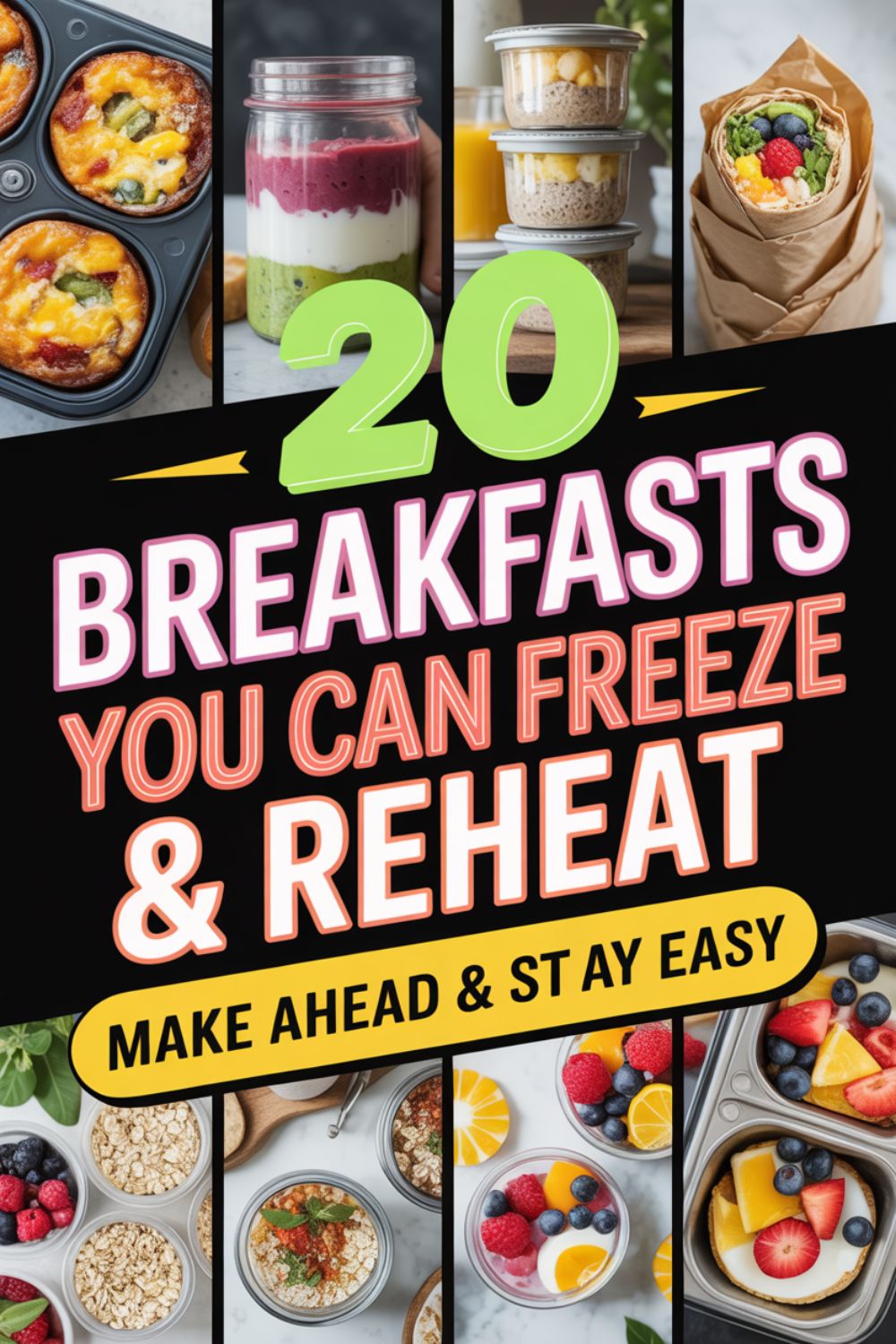
20 Breakfasts You Can Freeze and Reheat
Let me guess—you hit snooze three times this morning, stumbled to the kitchen half-awake, and stared blankly into the fridge wondering what magical breakfast fairy was supposed to show up. Spoiler alert: she didn’t.
Here’s the thing about mornings—they’re relentless. They happen every single day whether you’re ready or not. But what if I told you that you could literally cook once and eat for weeks? That you could have homemade breakfast sandwiches, fluffy pancakes, or savory burritos ready to grab in under two minutes?
Welcome to the freezer breakfast revolution. These aren’t sad, soggy reheat disasters. We’re talking about legit delicious meals that taste just as good (sometimes better, honestly) after a stint in the freezer. I’ve spent way too many Sunday afternoons testing what works and what turns into rubber, so you don’t have to.
Why Freezer Breakfasts Are Actually Genius
Before we dive into the what and how, let’s talk about why this matters. Most people skip breakfast because they “don’t have time.” But here’s what research shows—freezing food at 0°F keeps it safe indefinitely, which means you can batch cook on your own schedule and still eat well all month long.
I’m not talking about those cardboard-textured frozen waffles from the supermarket. We’re making real food here—meals with actual protein, fiber, and nutrients that’ll keep you full past 10 AM. Plus, when you control what goes into your breakfast, you skip all the weird preservatives and excess sodium that come with store-bought options.
The Science Behind Freezing Breakfast Foods
Not all breakfast foods freeze equally. Some things come out of the freezer tasting fresh-made, while others turn into weird science experiments. The secret? Understanding moisture content and how different ingredients respond to freezing.
Eggs, for instance, freeze beautifully when they’re scrambled or baked into casseroles. Raw eggs in the shell? Absolute disaster. Same with dairy—cheese freezes well when it’s mixed into dishes, but a plain cream cheese schmear will separate and get grainy. According to USDA guidelines, proper packaging is everything when it comes to maintaining quality during freezing.
The other thing people mess up? Temperature fluctuation. Your freezer needs to stay at 0°F or below. Those chest freezers in the garage that warm up every summer? Yeah, that’s why your frozen food tastes like cardboard. Invest in a simple freezer thermometer if you’re serious about meal prep—it’s like three bucks and will save you from wasting entire batches of food.
Breakfast Burritos That Actually Stay Together
Let’s start with the MVP of freezer breakfasts. Breakfast burritos are basically portable nutrition bombs that you can customize however you want. The trick is using the right ratio of wet to dry ingredients—too much salsa or tomatoes and you’ll end up with a soggy mess.
I scramble a dozen eggs with a splash of milk, cook up some breakfast sausage or bacon, throw in some peppers and onions, and add a handful of shredded cheese. Wrap everything in large flour tortillas, then individually wrap each burrito in foil. They stack perfectly in the freezer and reheat in about 90 seconds in the microwave.
The genius move? Undercook your eggs slightly during the initial batch cooking. They’ll finish cooking when you reheat them, which means they stay creamy instead of turning rubbery. Get Full Recipe
Pancakes and Waffles (The Freezer Classics)
Here’s something wild—homemade pancakes freeze better than most people think. I make a double batch every couple weeks using my favorite recipe, let them cool completely, then stack them with small squares of parchment paper between each one. Toss the whole stack in a gallon freezer bag and you’ve got instant pancakes for weeks.
The reheating is key though. Microwave works in a pinch, but toasting them in a toaster oven brings back that crispy edge. I’m talking restaurant-quality texture here. Same deal with waffles—make a huge batch, freeze them, and pop them in the toaster straight from frozen.
Want to level up? Mix protein powder into your batter for extra staying power. I use vanilla whey protein and it adds 15 grams of protein per serving without making them taste chalky. If you’re looking for more high-protein breakfast inspiration, check out this 7-day high-protein meal plan that’s specifically designed for muscle building and fat loss.
The Parchment Paper Trick
Don’t skip the parchment paper between pancakes or waffles. Without it, they freeze into one giant breakfast puck that’s impossible to separate without destroying them. Trust me on this—I learned the hard way after ruining an entire batch of blueberry pancakes.
Meal Prep Essentials Used in This Plan
- Glass meal prep containers with snap lids – These are freezer-safe and you can see exactly what’s inside without playing the mystery container game
- Heavy-duty aluminum foil – For wrapping burritos and sandwiches individually; prevents freezer burn way better than plastic wrap
- Silicone muffin cups – Reusable, pop out easily, and perfect for egg bites or mini frittatas
- The Ultimate Meal Prep Guide (Digital Download) – Comprehensive PDF with shopping lists, batch cooking schedules, and freezer organization systems
- Breakfast Meal Prep Workbook – Interactive planner with recipes, nutrition info, and weekly tracking sheets
- Freezer Inventory Spreadsheet Template – Track what you’ve made, when you made it, and when it needs to be used
Want more personalized meal prep tips? Join our WhatsApp Community where we share weekly batch cooking sessions and troubleshoot freezer fails together.
Breakfast Sandwiches Done Right
Commercial breakfast sandwiches cost like five bucks each now, which is absolutely ridiculous when you can make better ones at home for under a dollar. The secret is baking your eggs in round silicone molds so they fit perfectly on English muffins.
I crack eggs into greased muffin tins, add a pinch of salt and pepper, bake at 350°F for about 15 minutes, and boom—perfectly round eggs every time. Layer them with cheese, cooked sausage patties or bacon, and a toasted English muffin. Wrap each sandwich in foil, label with the date, and freeze.
The reheating process matters here. Unwrap them completely (leave the foil on and you’ll have a sad, steamed sandwich), wrap in a damp paper towel, and microwave for 60-90 seconds. The moisture from the paper towel keeps the English muffin from getting tough. Get Full Recipe
Speaking of balanced meals, if you’re dealing with inflammation or just feeling bloated, this 7-day anti-inflammatory meal plan has been a game-changer for a lot of people trying to feel better while still eating real food.
Egg Muffins and Frittata Cups
These are like crustless mini quiches and they’re stupid easy to make. Whisk together eggs, add whatever vegetables and cheese you have lying around, pour into a greased muffin tin, and bake. You can customize each muffin differently if you’re feeling fancy.
I usually do one batch with spinach and feta, another with peppers and cheddar, and maybe throw in some breakfast sausage for variety. They freeze individually and reheat in about 45 seconds. Pop two or three in a container with some fruit and you’ve got a complete breakfast.
The protein content here is solid—each muffin has about 6-8 grams depending on how much cheese you add. If you want to really maximize protein intake, check out this comprehensive 14-day high-protein meal plan that combines breakfast, lunch, and dinner strategies.
Oatmeal Cups and Baked Oatmeal Squares
If you’re more of a sweet breakfast person, baked oatmeal is your friend. Mix oats with milk, eggs, a bit of maple syrup, and whatever fruit you’re feeling. Pour into a baking dish, bake until set, cut into squares, and freeze.
These are excellent for people who need something that feels like a treat but won’t spike their blood sugar and leave them crashing by 10 AM. The combination of oats and protein from the eggs gives you sustained energy. I add a scoop of protein powder too, which helps hit my protein targets without much effort.
You can make individual portions in silicone muffin cups if you want perfect portion control. Just grab one from the freezer, heat for 60 seconds, top with a dollop of Greek yogurt, and you’re set. For more ideas on keeping your blood sugar stable throughout the day, this blood sugar balancing meal plan offers really practical strategies.
French Toast Sticks (Kid-Approved, Adult-Enjoyed)
Don’t sleep on French toast sticks. They’re not just for kids—they’re actually a genius freezer breakfast because you can eat them with your hands while commuting. Cut thick slices of bread into strips, dip in egg mixture with cinnamon and vanilla, cook on a griddle, cool, and freeze.
Reheat them in the toaster oven and they get crispy on the outside while staying soft inside. Way better than anything you’d buy in the frozen aisle. I serve them with a small container of maple syrup for dipping and call it breakfast.
Breakfast Quesadillas (The Underrated Option)
This one doesn’t get enough love, but breakfast quesadillas freeze amazingly well. Scramble some eggs, add cheese and maybe some black beans or leftover chicken, fold into a tortilla, and cook until crispy on both sides. Let them cool completely, wrap individually in foil, and stack in the freezer.
The beauty here is versatility. You can do Mediterranean with feta and spinach, Mexican with chorizo and jalapeños, or basic with just cheese and eggs. They reheat in about two minutes in a dry skillet, which brings back that crispy exterior.
If you’re trying to reduce overall inflammation while still enjoying foods like this, take a look at this 14-day anti-inflammatory meal plan with quick 30-minute recipes that don’t require you to give up flavor.
Smoothie Packs (The No-Brainer)
Okay, these aren’t technically “cooked” but they’re brilliant. Pre-portion all your smoothie ingredients into quart-sized freezer bags—frozen fruit, spinach or kale, protein powder, whatever you normally use. Label each bag with the liquid you need to add.
In the morning, dump the contents into your blender, add the liquid, blend, and go. It’s literally faster than waiting in line at a smoothie shop and costs about a tenth of the price. I do Sunday prep sessions where I make 10-12 smoothie packs at once and I’m set for almost two weeks.
Breakfast Casseroles and Hash Brown Bakes
These are perfect when you’re feeding multiple people or just want to portion out meals for the week. A classic breakfast casserole with eggs, cheese, sausage, and bread cubes freezes beautifully. Cut it into individual servings before freezing for easier reheating.
Hash brown bakes are similar—layer frozen hash browns with eggs, cheese, and cooked bacon or sausage, bake until golden, portion, and freeze. They’re hearty enough to keep you full for hours and reheat really well in either the microwave or oven.
For folks working on belly fat specifically, this flat belly meal plan breaks down exactly which foods help with bloating while still being satisfying.
Tools & Resources That Make Cooking Easier
- Vacuum sealer system – Prevents freezer burn better than anything else; worth the investment if you’re serious about batch cooking
- Label maker or waterproof labels – Date everything so you know what to eat first; eliminates the freezer mystery syndrome
- Sheet pan set (three sizes) – For batch cooking eggs, bacon, and everything else simultaneously
- Freezer Meal Planning Bundle (Digital) – 50+ freezer-friendly recipes with shopping lists and nutrition breakdowns
- Kitchen Efficiency Masterclass – Video course on cutting prep time in half while making better food
- Macro Tracking Template – Simple spreadsheet for tracking protein, carbs, and fats across all meals
Connect with other meal preppers in our Facebook Group where we share real-time cooking wins, fails, and recipe modifications.
Muffins That Don’t Taste Like Health Food
Muffins get a bad rap because most store-bought ones are basically cupcakes without frosting. But homemade versions can be legitimately nutritious. I make batches with whole wheat flour, Greek yogurt for moisture and protein, and whatever fruit is in season.
Blueberry, banana nut, pumpkin spice—they all freeze well. Wrap them individually once they’re completely cool, and you can grab one on your way out the door. Pair with a hard-boiled egg or some string cheese and you’ve got a balanced breakfast.
The key to muffins that actually keep you full is adding protein and healthy fats. I throw in ground flaxseed, chia seeds, or protein powder. Without those additions, you’re basically eating cake for breakfast and wondering why you’re starving an hour later.
Breakfast Cookies (Yes, Really)
These sound questionable but hear me out—breakfast cookies made with oats, nut butter, eggs, and minimal added sugar are basically portable energy. They freeze well, thaw quickly, and you can eat them with one hand while driving.
I make mine with oats, almond butter, mashed banana for sweetness, and dark chocolate chips because life’s too short for sad cookies. Bake them slightly underdone so they stay chewy after freezing. Each cookie has about 8-10 grams of protein and enough fiber to keep you satisfied.
Sausage Balls and Savory Bites
These are Southern breakfast staples that freeze perfectly. Mix cooked breakfast sausage with shredded cheese and Bisquick (or homemade baking mix), roll into balls, bake until golden, and freeze. They’re protein-packed, portable, and reheat in about 30 seconds.
You can make these fancy with different cheese varieties or add jalapeños for kick. They’re also excellent for meal prep because you can portion them exactly—grab three or four for a quick breakfast, or pack a bunch for a road trip.
If gut health is on your radar, this 7-day gut reset plan focuses on fiber and probiotics in ways that actually taste good.
Protein Pancake Bites
These are genius for portion control. Make your favorite protein pancake batter, pour it into mini muffin tins instead of cooking on a griddle, and bake. You end up with perfectly portioned pancake bites that freeze individually.
Pop four or five in a container with some berries and you’re done. They’re easier to eat than regular pancakes (no syrup required if you make them slightly sweet) and you can customize flavors—chocolate chip, blueberry, cinnamon roll, whatever you want.
Breakfast Pizza Slices
Use naan bread or flatbread as your base, top with scrambled eggs, cheese, cooked bacon or sausage, and maybe some veggies. Bake until the cheese melts, let cool, slice, and freeze. It’s like breakfast and pizza had a baby and that baby is surprisingly nutritious.
These reheat beautifully in the oven or toaster oven—about five minutes and they’re crispy and delicious. Way more interesting than plain toast and eggs, and kids love them.
How to Properly Package for the Freezer
Here’s where most people mess up—they throw everything in random containers or bags and wonder why it tastes weird after a week. Proper packaging matters more than you think. Air is the enemy of frozen food. It causes freezer burn and flavor loss.
For individually wrapped items like burritos or sandwiches, wrap tightly in foil first, then place in a freezer-safe zip bag. Squeeze out as much air as possible. For items in containers, press plastic wrap directly onto the surface of the food before sealing the lid.
Always label everything with the date and contents. I use a permanent marker on masking tape because it’s cheap and easy. Nothing’s worse than playing freezer roulette six weeks later trying to figure out if that’s a burrito or a breakfast sandwich.
For folks dealing with hormonal issues, this hormone balancing meal plan specifically addresses how food timing and macro balance can help with mood and metabolism.
Reheating Without Ruining Everything
The fastest method isn’t always the best method. Microwaves are convenient but can make things rubbery if you’re not careful. For most items, use 50% power and add 30 seconds at a time rather than blasting on high.
Toaster ovens are underrated for reheating—they bring back crispness that microwaves can’t. For sandwiches and quesadillas, a dry skillet works wonders. Pop them in over medium heat, cover with a lid, and let the residual steam heat them through while the outside gets crispy.
Breakfast burritos? Wrap in a damp paper towel and microwave. The moisture prevents them from drying out. Pancakes and waffles? Toaster every time. Egg muffins and bites? Microwave works fine—just don’t overcook them or they’ll turn into hockey pucks.
How Long Can You Actually Keep Frozen Breakfasts?
Technically, frozen food at 0°F stays safe indefinitely according to the USDA. But quality? That’s a different story. Most breakfast items are best within 1-3 months for optimal taste and texture. After that, they’re still safe to eat but might start tasting a bit flat or develop freezer burn.
Breakfast sandwiches and burritos: 1-2 months
Pancakes and waffles: 2-3 months
Muffins and baked goods: 2-3 months
Egg muffins and frittatas: 1-2 months
Casseroles: 2-3 months
When in doubt, trust your senses. If something looks or smells off after thawing, toss it. But honestly, if you’re meal prepping correctly, nothing should sit in your freezer for more than a month anyway.
For comprehensive meal planning that extends beyond breakfast, check out this 21-day high-protein meal plan that covers all meals while focusing on muscle building.
Common Freezer Breakfast Mistakes
Let’s talk about what not to do, because I’ve made all these mistakes so you don’t have to. First, don’t freeze hot food directly. Let everything cool completely before packaging. Putting warm food in the freezer raises the temperature of everything else in there, which can cause partial thawing and refreezing of your other frozen items.
Second, don’t overload items with moisture. Watery vegetables, excess sauce, or too much salsa will make everything soggy when reheated. If you’re adding vegetables to egg dishes or burritos, sauté them first to cook out excess moisture.
Third, don’t forget about portioning before freezing. Trying to chip apart a frozen casserole or separate frozen pancakes stuck together is a nightmare. Do the work upfront and your future self will be grateful.
Creating Your Freezer Breakfast System
The key to making this sustainable isn’t willpower—it’s systems. Pick one day a week (Sunday works for most people) as your batch cooking day. Start with just two or three types of breakfasts. Don’t try to make everything at once or you’ll burn out.
I usually rotate through a menu of breakfast burritos one week, pancakes and egg muffins the next, then maybe sandwiches and muffins after that. This keeps things interesting and prevents freezer burnout where you’re sick of eating the same thing.
Keep a running list of what’s in your freezer and when you made it. I use a simple magnetic notepad stuck to the freezer door. Cross items off as you use them and you’ll never lose track of what needs to be eaten first.
If you’re working on extended meal planning, this 30-day high-protein meal plan is designed specifically for busy people who need straightforward, effective nutrition strategies.
Frequently Asked Questions
Can I freeze scrambled eggs?
Yes, but with a caveat. Scrambled eggs freeze best when they’re slightly undercooked and mixed with other ingredients like cheese or vegetables. Plain scrambled eggs can get a bit rubbery, so I recommend incorporating them into burritos, sandwiches, or casseroles. Cook them until they’re just set but still glossy, let them cool completely, then freeze. Reheat gently to avoid overcooking.
How do I prevent freezer burn on my breakfast items?
Freezer burn happens when air reaches your food. The solution is simple: remove as much air as possible before freezing. Wrap items tightly in foil or plastic wrap, then place in freezer bags and squeeze out the air. For containers, press plastic wrap directly onto the food surface before sealing. A vacuum sealer is the gold standard if you’re doing this regularly—it extends freezer life significantly.
Can I freeze breakfast items with fresh vegetables?
Absolutely, but you need to cook them first. Fresh vegetables contain a lot of water, and freezing raw veggies in your breakfast items will make everything soggy when you reheat. Always sauté vegetables like peppers, onions, mushrooms, and spinach before adding them to burritos, sandwiches, or egg dishes. This removes excess moisture and actually concentrates the flavor.
What’s the best way to reheat frozen breakfast sandwiches?
Remove the foil completely, wrap the sandwich in a damp paper towel, and microwave for 60-90 seconds at full power. The moisture from the paper towel keeps the bread from getting tough. If you have more time, unwrap and bake in a 350°F oven for about 10-15 minutes—this gives you a crispier result, similar to fresh-made.
How long does it actually take to batch cook freezer breakfasts?
For most recipes, you’re looking at 1.5 to 2.5 hours to make enough breakfasts for the entire week or even two weeks. The beauty of batch cooking is that making 20 breakfast burritos takes about the same active time as making 5—you’re just scaling up. I usually spend one Sunday afternoon every two weeks and have all my breakfasts ready. The time savings throughout the week are massive.
Making It Work for Real Life
Look, I’m not going to pretend that batch cooking freezer breakfasts is always convenient or fun. Some Sundays you just don’t feel like spending two hours in the kitchen. But here’s the truth—those two hours save you at least 30 minutes every weekday morning, which means you’re actually saving time overall.
Plus, there’s something deeply satisfying about opening your freezer and seeing rows of homemade breakfast options ready to go. It’s like giving your future self a gift. The version of you rushing around on Tuesday morning will be incredibly grateful that Sunday you took the time.
Start small if you need to. Pick one or two recipes from this list, make a batch this weekend, and see how it goes. You don’t have to do everything at once. The goal isn’t perfection—it’s just making mornings a little bit easier and eating a little bit better.
And honestly? Once you get in the rhythm, it becomes second nature. I don’t even think about it anymore—Sunday afternoon rolls around and I automatically start pulling out ingredients. My freezer is always stocked, my mornings are actually manageable, and I’m eating real food instead of grabbing whatever’s fastest on my way out the door.
Give it a shot. Future you will thank present you, I promise.