20 Smoothies Using Only 5 Ingredients
Look, I’m not going to pretend that making smoothies is some kind of revolutionary kitchen hack. But here’s the thing: when you’re staring into your fridge at 6 AM wondering how to make something that doesn’t taste like sadness in a glass, simplicity wins every time.
Five ingredients. That’s it. No hunting for obscure superfoods that cost more than your monthly coffee budget. No blenders smoking because you threw in seventeen different things. Just real food that actually tastes good and doesn’t require a nutrition degree to figure out.
I’ve been making smoothies for years, and honestly? The best ones are the simplest. The ones where you can actually taste what you’re drinking instead of some weird amalgamation that’s trying too hard. So let’s talk about twenty smoothies that prove you don’t need to complicate breakfast.
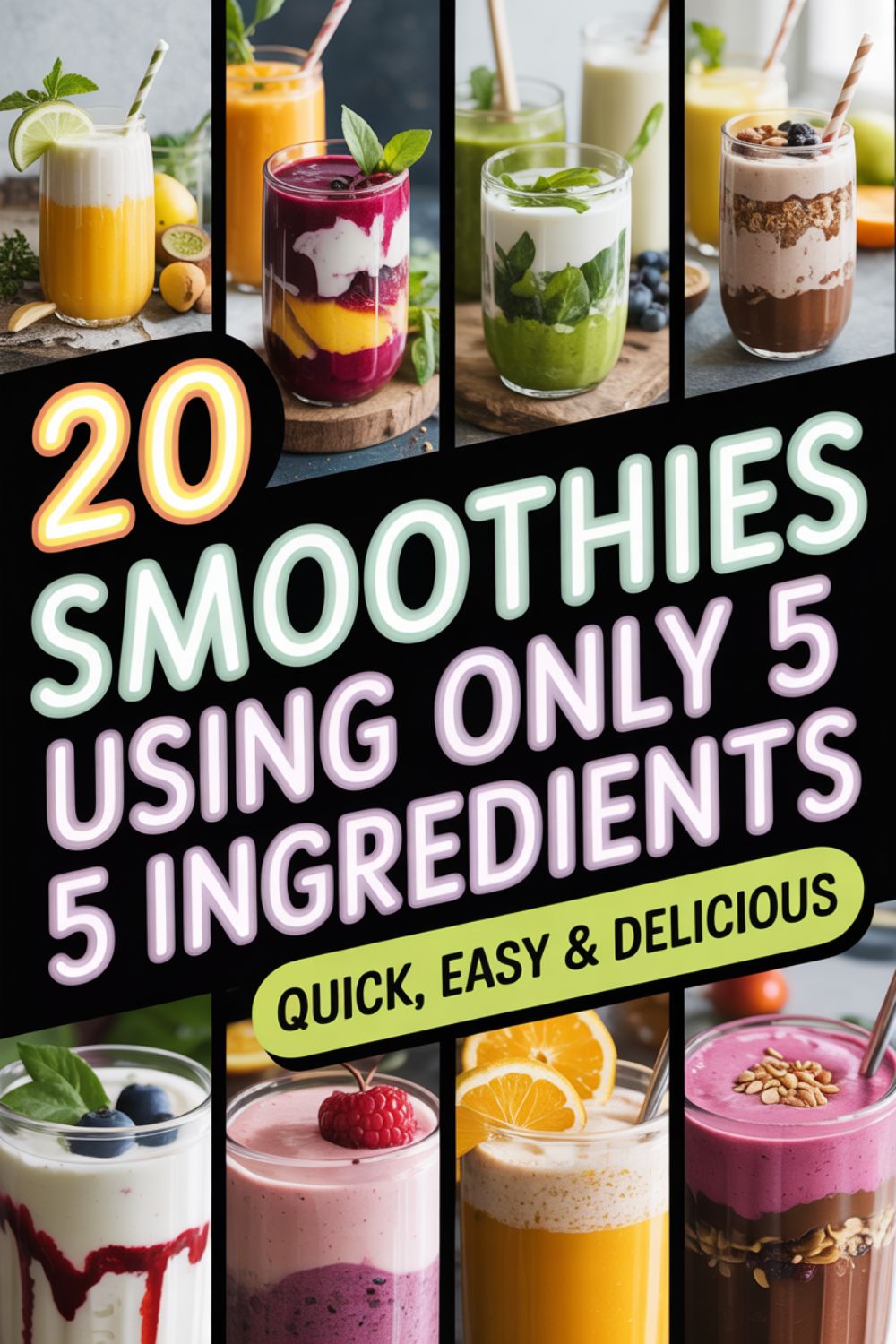
Why Five Ingredients Actually Makes Sense
Ever notice how the worst smoothies are the ones where someone threw in everything but the kitchen sink? There’s this weird misconception that more ingredients equals healthier. Spoiler alert: it doesn’t.
When you stick to five ingredients, you’re forced to choose quality over quantity. You actually taste the strawberries instead of drowning them in six different supplements. Plus, research shows that smoothies work best when they’re balanced with protein, fiber, and healthy fats—not loaded with random additions.
The other benefit? Your grocery bill doesn’t make you cry. You’re not buying twelve different things that’ll sit in your pantry until they expire. You grab bananas, spinach, protein powder, and whatever fruit looks good that week. Done.
Pro Tip: Freeze your overripe bananas in chunks. They’re perfect for smoothies and you’ll never waste another brown banana again.
The Foundation: Understanding What Makes a Good Smoothie
Before we dive into specific recipes, let’s talk basics. A good smoothie needs three things: something creamy, something sweet, and something that makes it actually filling. Miss one of these, and you’re drinking expensive juice that’ll leave you hungry in an hour.
I learned this the hard way after making “healthy” smoothies that were basically fruit soup. Sure, they tasted fine, but I’d be starving by 10 AM. Mayo Clinic dietitians recommend including protein and avoiding added sugars to keep smoothies actually nutritious.
The Creamy Base
This is your liquid plus something thick. Greek yogurt, banana, avocado, or even silken tofu if you’re feeling adventurous. The base determines texture, and texture is half the battle. Nobody wants to drink something that feels like flavored water.
For the liquid portion, I rotate between almond milk, regular milk, and coconut water depending on my mood. Each one changes the flavor profile slightly. Almond milk is neutral, coconut water adds a tropical vibe, and regular milk makes it taste more dessert-like.
If you’re looking to build these smoothies into a more structured eating plan, you might want to check out this 7-day high-protein meal plan that includes smoothie options alongside balanced meals.
The Sweet Component
Fruit does the heavy lifting here. Berries, mango, pineapple, whatever’s in season. Frozen works just as well as fresh—actually, better for smoothies because you don’t need ice cubes that water everything down.
Here’s where people go wrong: they add honey or maple syrup on top of naturally sweet fruit. Why? The fruit’s already sweet. Let it do its job. If your smoothie tastes too tart, throw in half a banana or a couple dates. Natural sugars that come with fiber and nutrients.
The Staying Power
This is your protein and fat. Nut butter, protein powder, chia seeds, hemp hearts. Something that makes your smoothie an actual meal instead of a snack. I use this high-quality protein powder that doesn’t taste like chalk, and it makes a massive difference.
Berry-Based Smoothies That Don’t Suck
1. Classic Berry Blast
Frozen mixed berries, banana, Greek yogurt, almond milk, honey. That’s it. This is the smoothie I make when I don’t want to think. Everything just works together without trying too hard.
The Greek yogurt adds protein and makes it creamy enough that you feel like you’re eating something substantial. I use about a cup of berries, one banana, half a cup of yogurt, and enough almond milk to blend. Get Full Recipe
2. Strawberry Protein Power
Fresh strawberries, vanilla protein powder, spinach (trust me), banana, unsweetened almond milk. The spinach is completely invisible taste-wise, but you get all those nutrients without even noticing.
This one’s my go-to after morning workouts. The protein powder keeps me full for hours, and the strawberries make it taste like a milkshake. Nobody needs to know there’s spinach hiding in there. Get Full Recipe
Quick Win: Buy a good quality blender that can crush frozen fruit without sounding like it’s dying. Worth every penny.
3. Blueberry Almond Delight
Frozen blueberries, almond butter, oats, almond milk, cinnamon. Tastes like blueberry muffins but doesn’t make you crash two hours later.
The oats add fiber and make this surprisingly filling. Plus, blueberries are loaded with antioxidants, which sounds fancy but basically means they’re good for you. The almond butter brings healthy fats that keep you satisfied.
4. Raspberry Coconut Dream
Raspberries, coconut milk, banana, vanilla extract, chia seeds. This one’s tropical without being overly sweet. The chia seeds add omega-3s and create this interesting texture that makes the smoothie feel more substantial.
I make this when I want something that feels indulgent but isn’t actually dessert. The coconut milk makes it creamy in a different way than dairy—richer, almost. Get Full Recipe
“I started making the raspberry coconut smoothie every morning, and it completely changed my breakfast routine. I’m actually full until lunch now, and I’ve noticed my energy levels are way more consistent throughout the day.” – Sarah M.
5. Mixed Berry Green Machine
Mixed berries, kale, banana, peanut butter, water. Don’t let the kale scare you. Between the berries and peanut butter, you won’t even know it’s there. But your body will thank you for the vitamins and minerals.
This is basically a salad disguised as a smoothie, except it actually tastes good. The peanut butter is key—it balances out any potential bitterness from the kale and adds protein. I blend mine in this personal-sized blender when I’m in a rush.
Meal Prep Essentials Used in This Plan
These are the tools and products that make smoothie prep actually manageable instead of a production:
- High-Speed Blender – Because nobody has time for chunks in their smoothie
- Glass Smoothie Cups with Straws – Reusable, dishwasher safe, and they don’t make everything taste like plastic
- Silicone Freezer Bags – For prepping smoothie packs ahead of time
- 7-Day Meal Planning Template (Digital Download) – Helps you organize smoothies with your other meals
- Smoothie Ingredient Prep Guide (Digital PDF) – Exact measurements and shopping lists for all 20 recipes
- Nutrition Tracking Spreadsheet (Digital Download) – Because sometimes you want to know what you’re actually consuming
Join our WhatsApp community for daily smoothie tips and recipe swaps: [WhatsApp Link]
Tropical Flavors Without the Vacation Price Tag
Tropical smoothies have this reputation for being expensive because pineapple and mango aren’t exactly cheap when they’re out of season. But frozen? Game changer. You get the same flavor for half the price, and they’re already prepped.
6. Pineapple Paradise
Frozen pineapple, coconut milk, banana, lime juice, spinach. Tastes like you’re on a beach somewhere, costs less than your morning coffee. The lime juice is essential—it brightens everything up and keeps the pineapple from being one-dimensional.
This smoothie pairs really well with higher protein meals if you’re trying to balance your macros throughout the day. Consider this 14-day high-protein meal plan if you want a more structured approach.
7. Mango Madness
Frozen mango, Greek yogurt, orange juice, turmeric, honey. The turmeric adds an earthy note and has anti-inflammatory properties. Don’t use too much though—a quarter teaspoon is plenty or it’ll taste like you’re drinking dirt.
According to research from UC Davis, the combination of ingredients in your smoothie can actually affect nutrient absorption, which is why pairing mango with yogurt works so well.
8. Coconut Banana Cream
Banana, coconut cream, vanilla protein powder, ice, cinnamon. This one’s basically a milkshake that happens to be healthy. The coconut cream makes it ridiculously thick and creamy. Get Full Recipe
I use this as a dessert replacement when I’m craving something sweet. Satisfies the urge without the sugar crash. Blend it in a compact blender if you’re making just one serving.
Speaking of meal planning, these tropical smoothies work great as part of an anti-inflammatory diet. Take a look at this 7-day anti-inflammatory meal plan or the more comprehensive 21-day version if you want to reduce bloating and boost energy.
9. Tropical Green Fusion
Pineapple, mango, spinach, coconut water, chia seeds. Two fruits, one green, liquid, and seeds. Simple formula that works every time. The spinach gets completely masked by the tropical flavors.
10. Papaya Protein Punch
Fresh papaya, vanilla protein powder, almond milk, lime juice, ice. Papaya has enzymes that aid digestion, which is a fancy way of saying it’s good for your gut. Plus it tastes mild and creamy, perfect for smoothies.
Chocolate Without the Guilt
Real talk: sometimes you just want chocolate for breakfast. And that’s fine. These smoothies satisfy that craving without loading you up with sugar and empty calories.
11. Chocolate Peanut Butter Cup
Banana, peanut butter, cocoa powder, almond milk, ice. Tastes exactly like a peanut butter cup melted into a drink. The cocoa powder is key—use real cocoa, not the sweetened hot chocolate mix. Get Full Recipe
This is probably my most-requested recipe. I make it for people who say they don’t like healthy food, and suddenly they’re believers. Store your cocoa powder in an airtight container to keep it fresh.
Pro Tip: Add a pinch of salt to chocolate smoothies. It amplifies the chocolate flavor and makes everything taste richer.
12. Chocolate Cherry Bliss
Frozen cherries, cocoa powder, Greek yogurt, honey, almond milk. Cherries and chocolate are a classic combo for a reason. The Greek yogurt adds protein and makes it thick enough to eat with a spoon.
Cherries are also high in antioxidants and can help with recovery after exercise. Not that you need an excuse to drink chocolate for breakfast, but there you go.
13. Mocha Morning Boost
Cold brew coffee, banana, cocoa powder, protein powder, ice. Coffee in a smoothie might sound weird, but it works. You get your caffeine fix and breakfast in one go.
I make this when I’m running late and can’t decide between coffee and food. The cold brew needs to be strong—none of that weak gas station nonsense. Mix it properly with this insulated smoothie tumbler that keeps it cold all morning.
14. Chocolate Avocado Cream
Avocado, cocoa powder, banana, almond milk, maple syrup. Before you judge, try it. The avocado makes this insanely creamy without adding any avocado taste. It’s pure magic.
This one’s particularly good if you’re following a plan focused on healthy fats and fiber. Check out this gut health reset plan that emphasizes similar ingredients.
15. Chocolate Banana Protein
Two bananas, chocolate protein powder, peanut butter, almond milk, ice. This is basically a protein shake that doesn’t taste like sadness. The two bananas make it naturally sweet and creamy. Get Full Recipe
Green Smoothies That Don’t Taste Like Lawn Clippings
Green smoothies get a bad rap because people make them wrong. They throw in too much kale, forget to balance it with something sweet, and then wonder why it tastes bitter. These recipes actually taste good.
16. Green Goddess
Spinach, banana, pineapple, coconut water, ginger. The pineapple completely masks the spinach, and the ginger adds a nice kick. This is what green smoothies should taste like—refreshing, not punishment.
Ginger also helps with digestion and adds anti-inflammatory benefits. Just don’t go overboard—a small piece of fresh ginger is plenty. Peel it with a ceramic peeler to make prep easier.
These green smoothies work perfectly in a hormone-balancing meal plan. Take a look at this 7-day hormone-balancing plan for women that includes similar nutrient-dense recipes.
17. Mint Chocolate Chip
Spinach, banana, cocoa nibs, peppermint extract, almond milk. Tastes like mint chocolate chip ice cream. The spinach makes it green, the peppermint makes it taste right, and the cocoa nibs add texture. Get Full Recipe
18. Apple Cinnamon Greens
Kale, apple, cinnamon, almond butter, almond milk. The apple and cinnamon combo makes this taste like fall in a glass. The almond butter adds creaminess and helps balance any bitterness from the kale.
I usually make this one in autumn when apples are in season and cheap. But honestly, it works year-round with whatever apples you have available.
19. Cucumber Melon Refresh
Cucumber, honeydew melon, spinach, lime juice, coconut water. This one’s more refreshing than sweet. Perfect for summer mornings when you want something light. The cucumber adds hydration without much flavor.
Cucumbers are mostly water, which makes them perfect for smoothies when you want volume without too many calories. The honeydew adds natural sweetness without being overwhelming.
20. Kale and Pear Power
Kale, pear, banana, vanilla protein powder, water. The pear is the secret weapon here. It’s sweet but subtle, perfect for balancing kale’s earthiness. I use ripe pears for maximum sweetness. Get Full Recipe
This smoothie fits well into plans focused on steady energy throughout the day. Consider pairing it with this blood sugar balancing meal plan if you’re working on maintaining consistent energy levels.
Tools & Resources That Make Cooking Easier
After making thousands of smoothies, these are the things I actually use every single day:
- Portable Smoothie Blender – For making smoothies on the go or at work
- Measuring Cups and Spoons Set – Because eyeballing it leads to weird ratios
- Airtight Storage Containers – For prepped ingredients that stay fresh all week
- Complete Smoothie Recipe eBook (Digital PDF) – All 20 recipes plus 30 more variations
- Weekly Meal Prep Planner (Digital Download) – Integrates smoothies into your weekly meal schedule
- Ingredient Substitution Guide (Digital PDF) – What to use when you’re out of something
Join our free smoothie challenge on WhatsApp: [WhatsApp Community Link]
Making This Actually Work in Real Life
Here’s the truth about smoothies: they’re only useful if you actually make them. And you’ll only make them if it’s easy. So let’s talk about realistic prep strategies.
I spend about 30 minutes on Sunday prepping smoothie ingredients for the week. I portion everything into freezer bags or containers—fruit in one, greens in another, add-ins separately. Then making a smoothie takes literally two minutes. Dump, blend, done.
This approach aligns perfectly with quick meal prep strategies. If you want to extend this to your entire diet, check out this flat belly meal plan with 30-minute recipes that follows the same philosophy.
The Freezer is Your Friend
Buy fruit when it’s on sale, chop it up, freeze it. Bananas getting too ripe? Freeze them. Spinach about to go bad? Freeze it. Almost everything freezes well, and frozen ingredients make smoothies colder and thicker anyway.
I use these silicone ice cube trays for portioning smaller ingredients like chia seeds or nut butter. Pop out what you need, throw it in the blender, perfect every time.
Keep a Rotation
Don’t make the same smoothie every single day unless you genuinely love it. I rotate through about five favorites each week. Keeps things interesting without requiring a PhD in nutrition to plan.
Monday might be berry, Tuesday tropical, Wednesday chocolate, Thursday green, Friday dealer’s choice. Simple system that prevents smoothie burnout.
“I used to skip breakfast entirely because I didn’t have time. Started doing the Sunday smoothie prep thing, and now I actually eat breakfast every day. Lost 12 pounds in three months just from that one change.” – Mike T.
Don’t Overthink the Measurements
These recipes are guidelines, not laws. If you like more banana, add more banana. If you hate kale, use spinach. The five-ingredient framework is about simplicity, not rigidity.
I rarely measure anything anymore. I know roughly what a cup of berries looks like, what a tablespoon of peanut butter is. You’ll figure it out after making a few. Trust your instincts.
Common Mistakes and How to Avoid Them
The biggest mistake I see? People making smoothies that are basically fruit juice with pretensions. You need protein and fat to make smoothies filling. Otherwise, you’re just drinking sugar.
Another common issue is using too much liquid. Start with less than you think you need. You can always add more, but you can’t take it out. Nobody wants watery smoothies.
The Texture Problem
If your smoothie’s too thick, add liquid gradually. Too thin? Add more frozen fruit or ice. The texture should be thick enough to drink through a reusable smoothie straw but not so thick it requires a spoon.
Greek yogurt and frozen banana are your texture saviors. They make everything creamy without requiring ice cream or other junk.
Balancing Flavors
If your smoothie tastes too tart, add a banana or a date. Too sweet? Squeeze in some lemon or lime juice. Tasting bitter? You probably used too many greens—balance it with more fruit.
The key is tasting as you go. Blend it up, taste it, adjust. This isn’t baking where precision matters. It’s smoothie making. There’s room for error.
Smoothies vs. Meal Replacement: The Reality Check
Can smoothies replace meals? Sure. Should they replace all your meals? Absolutely not. Mayo Clinic experts note that smoothies work best when balanced and used strategically.
I use smoothies for breakfast most days because mornings are chaos. But lunch and dinner? Real food. Smoothies are tools, not miracle solutions. They’re convenient, nutritious, and fast—but they’re not the answer to everything.
For longer-term structured eating, you might want something more comprehensive like this 30-day flat belly meal plan that includes smoothies alongside solid meals.
When Smoothies Work Best
Breakfast? Perfect. Post-workout? Great. Quick lunch when you’re busy? Fine. But sitting down to dinner with a smoothie while everyone else eats real food? That’s just sad.
Use them strategically. They’re amazing for situations where cooking isn’t practical or time is limited. But don’t let convenience turn into complete reliance.
Quick Win: Make a double batch and save half for the next day. Smoothies keep well in the fridge for 24 hours if you store them in an airtight container.
The Cost Breakdown Nobody Talks About
Let’s be honest about money. Smoothies can get expensive if you’re buying fresh organic everything. But they don’t have to be.
Frozen fruit is your budget’s best friend. It’s picked at peak ripeness and frozen immediately, so it’s just as nutritious as fresh. Plus it’s way cheaper and doesn’t go bad in three days.
Smart Shopping Strategies
Buy what’s on sale and freeze it. Stock up on protein powder when it’s discounted. Get bananas right before they turn brown—stores often sell them cheaper.
Generic brands are fine. You don’t need fancy superfood powders that cost $40 a container. Spinach is spinach whether it’s organic or conventional. Choose your battles.
A week’s worth of smoothie ingredients costs me about $20-25. That’s less than buying breakfast out every day, and it’s actually healthy. The math works.
Adapting for Dietary Restrictions
Dairy-free? Use plant milk and skip the yogurt or use coconut yogurt. Nut allergies? Sunflower seed butter works great. Vegan? Most of these recipes already are, and the rest are easy to adapt.
The five-ingredient framework actually makes adaptations easier because you’re not trying to substitute twelve different things. Swap out one or two ingredients and you’re good.
For Low-Sugar Diets
Stick to berries instead of tropical fruits—they’re lower in sugar. Use more greens and vegetables. Add avocado for creaminess instead of banana. These adjustments keep smoothies compatible with low-sugar eating.
If you’re specifically focused on managing blood sugar, consider pairing these smoothies with this 14-day low-sugar meal plan designed for steady energy.
For High-Protein Needs
Double the protein powder. Add Greek yogurt. Throw in some hemp hearts or extra nut butter. Easy modifications that significantly increase protein content.
These modifications align well with muscle-building goals. Check out this 21-day high-protein meal plan if you’re working on building lean muscle.
Frequently Asked Questions
Can I prep smoothies ahead of time?
Yes, but with some caveats. You can prep all your ingredients in bags or containers and freeze them, then blend when ready. Fully blended smoothies keep for about 24 hours in the fridge if stored properly in airtight containers, but they’re best fresh. The texture might change slightly, and some separation is normal—just shake before drinking.
Are smoothies good for weight loss?
They can be, but it depends entirely on what you put in them. A smoothie loaded with fruit juice, honey, and no protein is basically a sugar bomb. But a well-balanced smoothie with protein, healthy fats, and fiber can absolutely support weight loss by keeping you full and replacing less healthy breakfast options. The key is treating them as meals, not beverages alongside meals.
Why does my smoothie taste bitter?
Usually because you used too many greens or not enough sweet ingredients to balance them. Start with less kale or spinach than you think you need, and make sure you have enough banana or sweet fruit to counteract any bitterness. Also, make sure your greens are fresh—old, wilting greens taste more bitter.
What’s the best way to make smoothies creamier?
Frozen banana is the secret weapon for creaminess. Greek yogurt, avocado, and nut butters also work well. If you want it thicker, use less liquid and more frozen ingredients. The ratio of frozen to liquid ingredients matters more than anything else for texture.
Do I need an expensive blender?
Not necessarily, but a decent blender makes a huge difference. You don’t need a $500 Vitamix, but a cheap $20 blender will struggle with frozen fruit and probably die after a few months. A mid-range blender (around $50-100) will handle smoothies just fine and last for years. It’s worth the investment if you’re making smoothies regularly.
Final Thoughts
Twenty smoothies, five ingredients each. Nothing complicated, nothing requiring a second mortgage to afford. Just real food blended into something that tastes good and actually keeps you full.
The point isn’t to make smoothies your entire personality or to replace all real meals with blended food. It’s about having a simple, reliable option for those mornings when cooking feels impossible but you still need to eat something decent.
Start with one or two recipes that sound good. Get comfortable making them. Then branch out. You’ll figure out your favorites, develop your own modifications, and probably end up with your own five-ingredient creations. That’s the whole idea.
Breakfast doesn’t have to be complicated to be good. Sometimes the best solutions are the simplest ones. Five ingredients, one blender, two minutes. Done.
Similar Posts
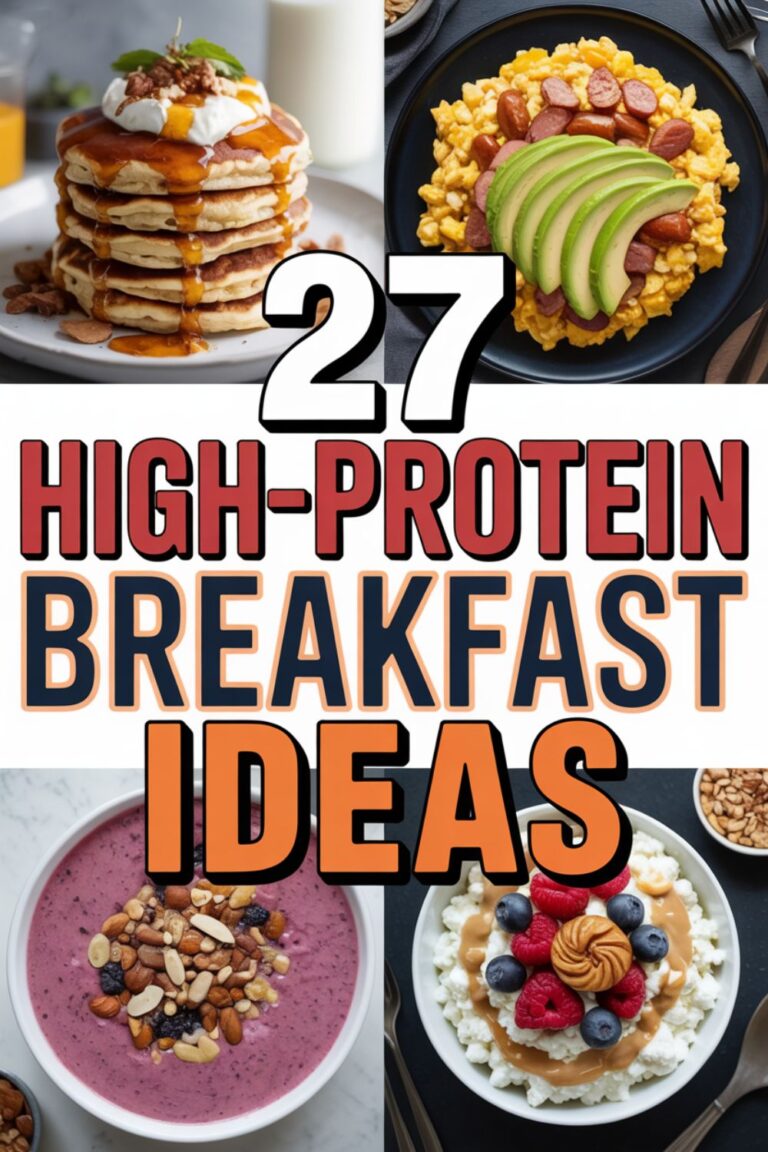
27 High-Protein Breakfast Ideas That Actually Keep You Full Until Lunch
27 High-Protein Breakfast Ideas That Actually Keep You Full Until Lunch 27 High-Protein Breakfast Ideas That Actually Keep You Full Until Lunch Look, I get it. You’re tired of feeling starving by 10 AM after what seemed like a “healthy” breakfast. That Greek yogurt with berries? Adorable, but it’s not cutting it anymore. Your body’s…
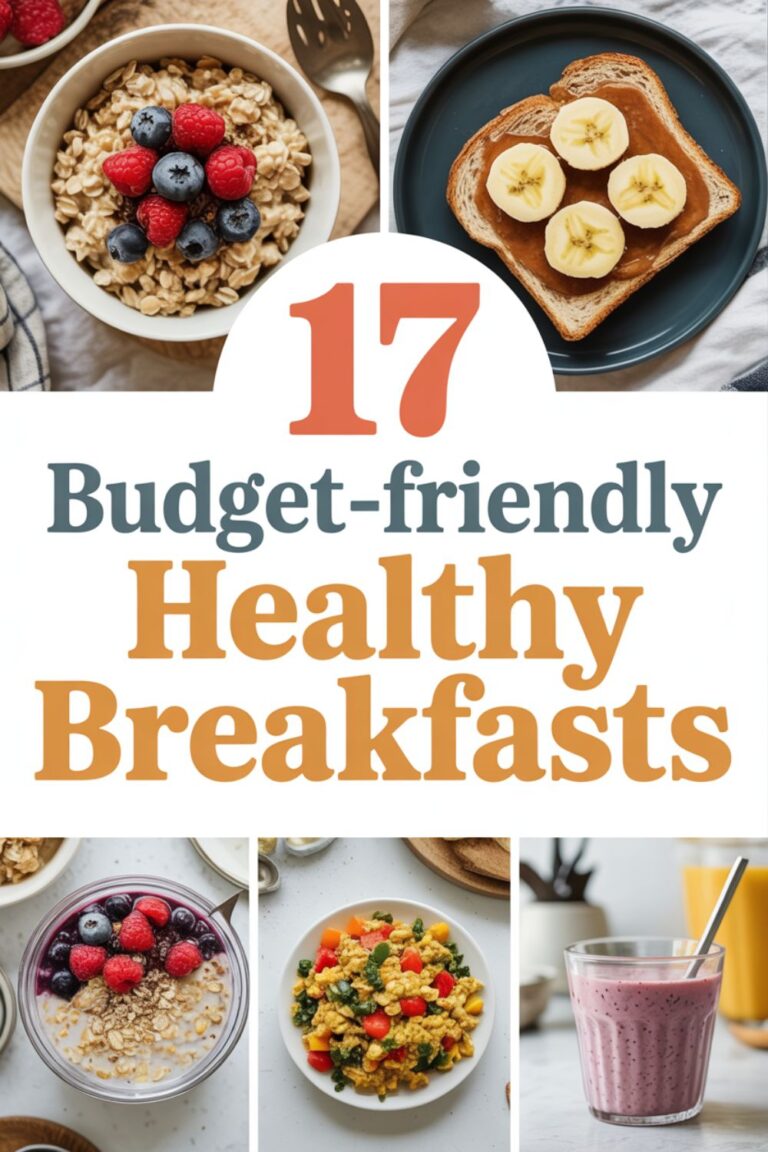
17 Budget-Friendly Healthy Breakfasts That Won’t Break the Bank
17 Budget-Friendly Healthy Breakfasts That Won’t Break the Bank 17 Budget-Friendly Healthy Breakfasts That Won’t Break the Bank Look, I get it. Every time someone starts preaching about healthy eating, your wallet immediately starts sweating. But here’s the thing nobody talks about: eating well doesn’t mean you need to drop half your paycheck at Whole…
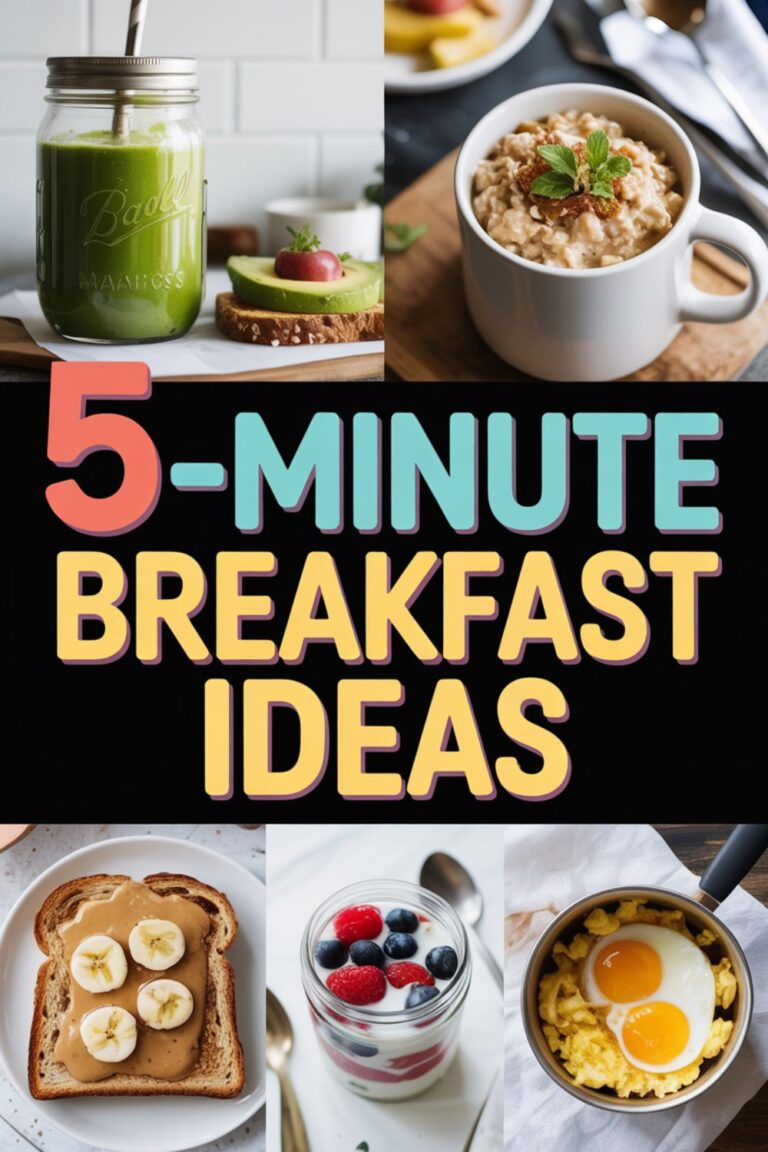
23 5-Minute Breakfast Ideas That’ll Save Your Mornings
23 5-Minute Breakfast Ideas That’ll Save Your Mornings 23 5-Minute Breakfast Ideas That’ll Save Your Mornings Look, I get it. You hit snooze three times, shower in record time, and suddenly breakfast feels like an Olympic event you didn’t train for. But here’s the thing—skipping breakfast or grabbing a sugar bomb on your way out…
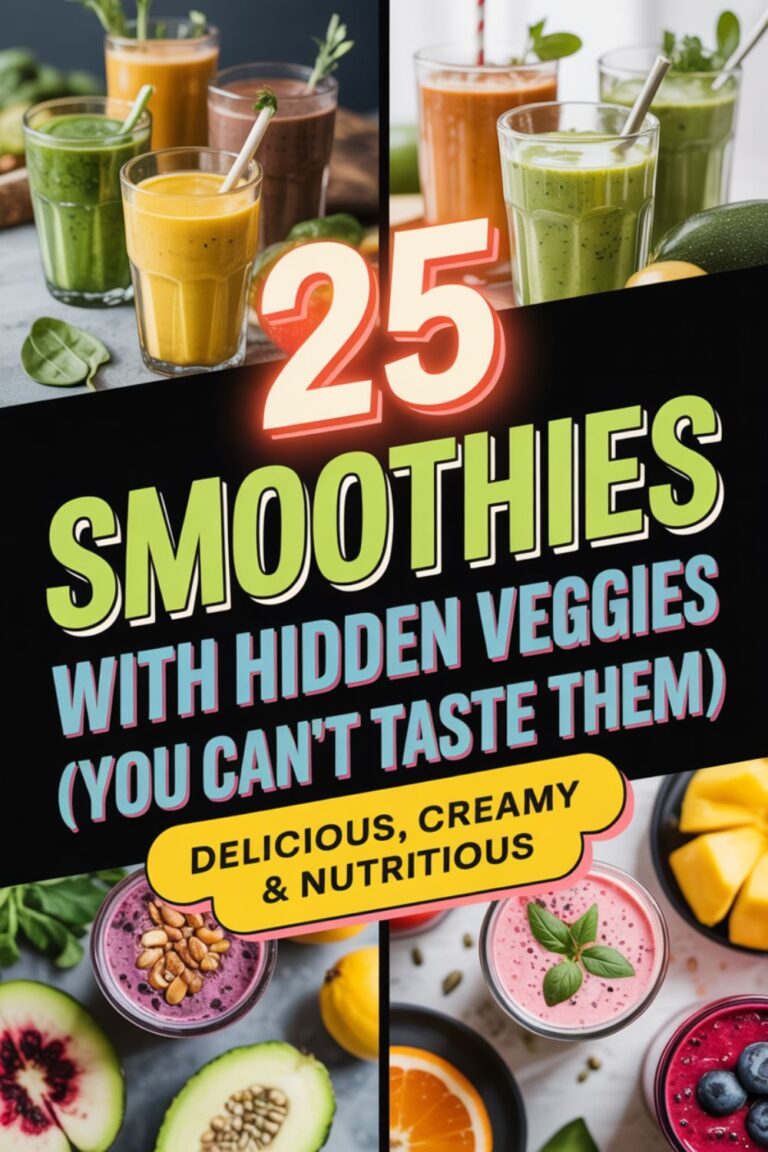
25 Smoothies with Hidden Veggies (You Can’t Taste Them)
25 Smoothies with Hidden Veggies (You Can’t Taste Them) 25 Smoothies with Hidden Veggies (You Can’t Taste Them) Look, I get it. You know vegetables are good for you, but drinking something that tastes like lawn clippings at 7 AM? Hard pass. But what if I told you that you could sneak a full serving…