21 Breakfasts Under 300 Calories That Actually Fill You Up
Let’s be real—most “low-calorie” breakfasts leave you starving by 10 a.m., staring at the office vending machine like it holds the secrets to the universe. But here’s the thing: eating light in the morning doesn’t have to mean feeling like you’re running on fumes all day.
I’ve spent way too many mornings experimenting with breakfast combos that promised satisfaction but delivered hunger pangs instead. The difference between a breakfast that works and one that doesn’t? It’s not just about calories. It’s about what those calories are made of—protein, fiber, and smart carbs that actually keep you full.
So I pulled together 21 breakfasts that clock in under 300 calories but won’t leave you hunting for snacks before lunch. These aren’t sad plates of lettuce or those chalky protein shakes that taste like regret. They’re real food that tastes good and does the job.
Why Most Low-Calorie Breakfasts Fail
Ever notice how some mornings you eat breakfast and feel fine for hours, while other days you’re gnawing on your desk by mid-morning? Research shows it’s not just about quantity—it’s about what you’re putting on that plate.
The big culprits? Breakfasts heavy on refined carbs and light on protein. Think bagels, sugary cereals, or those grab-and-go pastries. They spike your blood sugar, give you a quick energy boost, then drop you like a bad habit an hour later.
Here’s what actually works: protein + fiber + a bit of healthy fat. This combo slows digestion, keeps blood sugar stable, and tells your brain you’re actually full. According to a study published in the Journal of Dairy Science, protein-rich breakfasts significantly increased satiety for up to three hours after eating compared to high-carb options.
The Science Behind Feeling Full (Without the Boring Lecture)
Look, I’m not here to give you a biology lesson, but understanding why certain foods keep you satisfied makes it way easier to build breakfasts that actually work.
Protein is your MVP. When you eat protein, your body releases hormones like GLP-1 and PYY—basically your body’s way of saying “okay, we’re good, no more food needed.” Studies on breakfast-skipping adolescents found that high-protein breakfasts reduced hunger and the desire to eat throughout the entire morning.
Fiber is the unsung hero. It adds bulk to your meal without adding calories, which physically fills your stomach and triggers fullness signals. Plus, it slows down how fast food leaves your stomach, keeping you satisfied longer.
Healthy fats matter too. A little bit of fat—think avocado, nuts, or a drizzle of olive oil—helps your body absorb nutrients and adds that satisfying richness that makes breakfast feel like an actual meal, not rabbit food.
The sweet spot? Aim for at least 15-20 grams of protein, 5+ grams of fiber, and a small amount of healthy fat in your breakfast. This trifecta keeps hunger hormones in check and energy levels stable.
21 Breakfasts That Actually Deliver
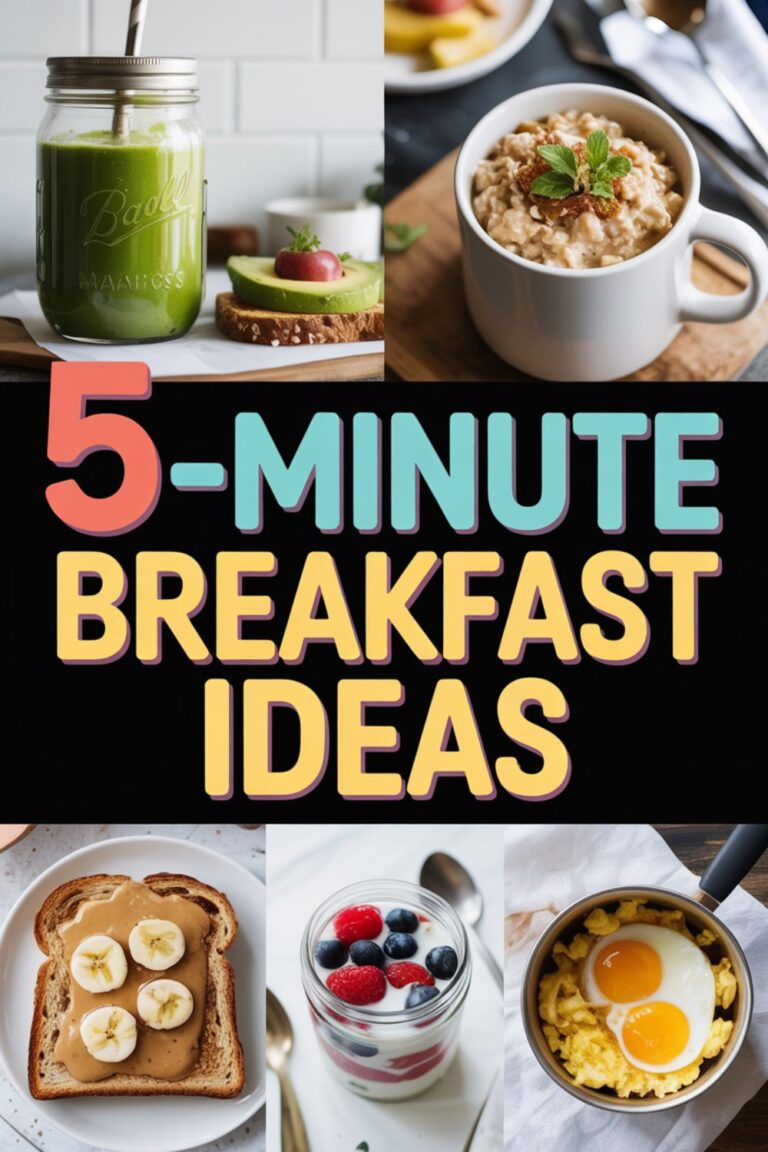
Alright, enough theory. Let’s get to the good stuff. These breakfasts are organized from quickest to slightly-more-involved, so you can pick what works for your morning chaos level.
1. Greek Yogurt Power Bowl (240 calories)
Start with 3/4 cup plain Greek yogurt (not the flavored stuff loaded with sugar), top with 1/2 cup mixed berries, and sprinkle with a tablespoon of sliced almonds #. The yogurt packs about 17 grams of protein, and the berries add fiber and antioxidants without many calories.
I usually prep these in small mason jars # the night before. Grab and go in the morning, eat at your desk, done. The berries release some juice overnight which makes it even better, honestly.
2. Two-Egg Scramble with Veggies (210 calories)
Scramble two eggs with a cup of spinach, mushrooms, and cherry tomatoes. Season with salt, pepper, and whatever herbs you have lying around. Use a non-stick pan # with a quick spray of oil to keep calories down.
The veggie volume is key here—you get a huge plate of food for minimal calories. If you’re into meal prep, check out this 7-day high-protein meal plan for more egg-based ideas.
3. Overnight Oats with Chia Seeds (285 calories)
Mix 1/2 cup rolled oats, 1 tablespoon chia seeds, 1 cup unsweetened almond milk, 1/2 teaspoon cinnamon, and a tiny drizzle of honey in a jar. Refrigerate overnight. Top with fresh fruit in the morning. Get Full Recipe
The chia seeds are clutch here—they absorb liquid and create this pudding-like texture while adding omega-3s and extra fiber. I keep a set of overnight oats jars # specifically for this. Makes five at once, breakfast sorted for the week.
4. Avocado Toast, Done Right (270 calories)
One slice of whole grain bread, 1/4 of an avocado smashed on top, sprinkle with red pepper flakes and a squeeze of lemon. Add a poached egg if you have an extra 70 calories to spare.
The trick is finding bread that’s actually whole grain and has some protein. I use Ezekiel bread #—it’s got 5 grams of protein per slice which is way more than regular bread. Toast it properly in a good toaster #, not one of those weak ones that just warms bread.
5. Cottage Cheese with Fruit (220 calories)
One cup of low-fat cottage cheese topped with 1/2 cup of pineapple or berries. Sounds weird if you’ve never tried it, but trust me on this one.
Cottage cheese is stupid high in protein—like 24 grams per cup. The fruit adds natural sweetness and fiber. Some people hate the texture, but I’ve found that Good Culture brand # has a creamier consistency that converts the haters.
6. Veggie Egg White Omelet (190 calories)
Four egg whites, loaded with bell peppers, onions, spinach, and tomatoes. A tiny bit of feta cheese on top if you want (adds about 30 calories but worth it).
This is one of those breakfasts that looks enormous but is shockingly low in calories. The volume of veggies makes it impossible to finish sometimes. I use one of those omelet-making pans # that makes flipping actually possible without creating scrambled eggs by accident.
For more veggie-forward meal ideas, the 7-day anti-inflammatory meal plan has some seriously good combinations you wouldn’t think of.
7. Protein Smoothie (270 calories)
Blend 1 scoop vanilla protein powder, 1 cup unsweetened almond milk, 1/2 frozen banana, handful of spinach (you won’t taste it, I promise), and a few ice cubes. Get Full Recipe
The frozen banana makes it creamy and naturally sweet. The spinach adds nutrients without affecting taste. I use this protein powder # because it actually tastes good and doesn’t have a chalky texture. Mix it in a decent blender #—cheap ones leave chunks and nobody wants that.
8. Peanut Butter Banana Toast (295 calories)
One slice of whole grain bread, 1 tablespoon of natural peanut butter, half a banana sliced on top, sprinkle of cinnamon. Sounds basic but it’s a solid combo that keeps you full.
The peanut butter provides protein and healthy fats, the banana adds fiber and natural sweetness, and the whole grain bread gives you complex carbs. Make sure you’re using actual peanut butter # (just peanuts and salt) not the stuff with added sugar and oils.
9. Breakfast Burrito Bowl (280 calories)
Scrambled eggs, black beans, salsa, and a bit of cheese over a bed of spinach. Skip the tortilla to save calories and carbs.
This is basically all the good parts of a breakfast burrito without the heavy wrap. The black beans add fiber and plant-based protein. I prep the components on Sunday and just heat and assemble each morning. Store everything in glass meal prep containers #—they’re better than plastic and don’t get weird in the microwave.
Looking for more morning inspiration? The 14-day flat belly meal plan has a ton of similar bowl-style breakfasts.
10. Smoked Salmon and Cucumber Bites (245 calories)
Two rice cakes topped with 2 tablespoons of cream cheese, 2 ounces of smoked salmon, sliced cucumber, and capers. Fancy breakfast energy without the fancy effort.
This feels way more indulgent than it actually is. The salmon provides high-quality protein and omega-3s, and the cucumber adds crunch and hydration. I get my salmon from Trader Joe’s # because it’s affordable and doesn’t taste fishy.
11. Sweet Potato Hash with Egg (290 calories)
Dice one small sweet potato, cook it in a pan with bell peppers and onions until crispy. Top with one fried egg. Get Full Recipe
Sweet potatoes are ridiculously filling and loaded with fiber and vitamin A. This takes about 15 minutes to make, so it’s more of a weekend breakfast unless you’re a morning person who has their life together. I use a cast iron skillet # to get that crispy exterior on the sweet potatoes.
12. Chia Seed Pudding (210 calories)
3 tablespoons chia seeds, 1 cup unsweetened coconut milk, vanilla extract, and a touch of maple syrup. Mix and refrigerate overnight. Top with fresh berries.
Chia seeds are weird little things that absorb like 10 times their weight in liquid and turn into this pudding texture. They’re packed with fiber and omega-3s. I make these in small jars with lids # and they last in the fridge for up to five days.
If you’re curious about gut-healthy breakfasts, the 7-day gut health reset plan has similar fiber-rich options that support digestion.
13. Turkey Sausage and Egg Sandwich (285 calories)
One turkey sausage patty, one fried egg, and one English muffin. Add mustard or hot sauce for flavor without extra calories.
This is basically a healthier, homemade version of fast food breakfast sandwiches. Turkey sausage has way less fat than pork sausage but still tastes good. I buy pre-made turkey sausage patties # to save time—cook them in a grill pan # for those nice char marks.
14. Protein Pancakes (265 calories)
Mix 1/2 cup oats, 2 egg whites, 1/2 banana, and a pinch of baking powder. Blend until smooth, cook like regular pancakes. Top with a tiny bit of maple syrup or fresh fruit. Get Full Recipe
These are shockingly good for being healthy. The oats and banana make them naturally sweet, and they’re fluffy enough to feel like a treat. Cook them in a non-stick griddle #—makes flipping so much easier.
15. Veggie Frittata Muffins (180 calories for 2 muffins)
Whisk 6 eggs with diced vegetables (bell peppers, spinach, mushrooms), pour into a muffin tin, and bake at 350°F for 20 minutes. Makes 6 muffins.
These are criminally underrated for meal prep. Make a batch, freeze them, microwave for 60 seconds whenever you need breakfast. They keep for months in the freezer if stored in freezer-safe bags #. Two muffins give you a solid protein hit without feeling heavy.
Want more make-ahead ideas? Check out the 14-day high-protein meal plan for recipes designed specifically for batch cooking.
16. Breakfast Chia Smoothie Bowl (255 calories)
Blend frozen berries, 1/2 banana, 1 tablespoon chia seeds, and unsweetened almond milk until thick. Pour into a bowl and top with sliced fruit, granola, and coconut flakes.
The difference between this and a regular smoothie? The thicker consistency makes you eat it slower with a spoon, which helps with satiety. Your brain registers it as a meal, not a drink. I use frozen berry mixes # because they’re cheaper than fresh and work just as well.
17. Tuna Breakfast Salad (230 calories)
Okay hear me out on this one—tuna for breakfast sounds weird but it works. Mix canned tuna with Greek yogurt instead of mayo, add diced celery and onion, serve over greens with cherry tomatoes.
High protein, low calorie, and surprisingly satisfying. The Greek yogurt makes it creamy without adding fat. I buy tuna in water # and drain it really well. Keep a can opener # at work for emergency breakfasts.
18. Mushroom and Spinach Scramble (205 calories)
Two whole eggs scrambled with a massive amount of mushrooms and spinach. The mushrooms have this meaty, umami flavor that makes it feel more substantial than it is.
Mushrooms are one of those magical ingredients that add tons of volume and flavor for almost no calories. Sauté them first in a good non-stick pan # to get them golden and release their water before adding the eggs.
If you’re managing blood sugar, the 7-day blood sugar balancing meal plan has similar low-carb, veggie-heavy breakfasts that keep energy stable all morning.
19. Almond Butter Apple Slices (240 calories)
One large apple sliced, paired with 1.5 tablespoons of almond butter for dipping. Sprinkle with cinnamon if you’re feeling fancy.
This is more of a breakfast when you’re running late and need something portable. The apple provides fiber and natural sugar for quick energy, while the almond butter adds protein and fat for staying power. Make sure it’s real almond butter # with no added sugar.
20. Mediterranean Egg Wrap (275 calories)
Scrambled eggs with feta cheese, olives, tomatoes, and spinach wrapped in a small whole wheat tortilla. The Mediterranean flavors make it feel special even though it’s dead simple to make. Get Full Recipe
The olives add healthy fats and tons of flavor for very few calories. The feta brings that salty, tangy kick. Use a low-carb tortilla # if you want to save even more calories.
21. Protein Waffle with Berries (290 calories)
Make waffles using protein powder mixed with egg whites, topped with fresh berries and a tiny drizzle of sugar-free syrup. Use a Belgian waffle maker # for that crispy exterior.
These taste way better than they have any right to. The protein powder makes them filling, and the berries provide natural sweetness and antioxidants. I make extra and freeze them—pop in the toaster for a quick breakfast that feels indulgent.
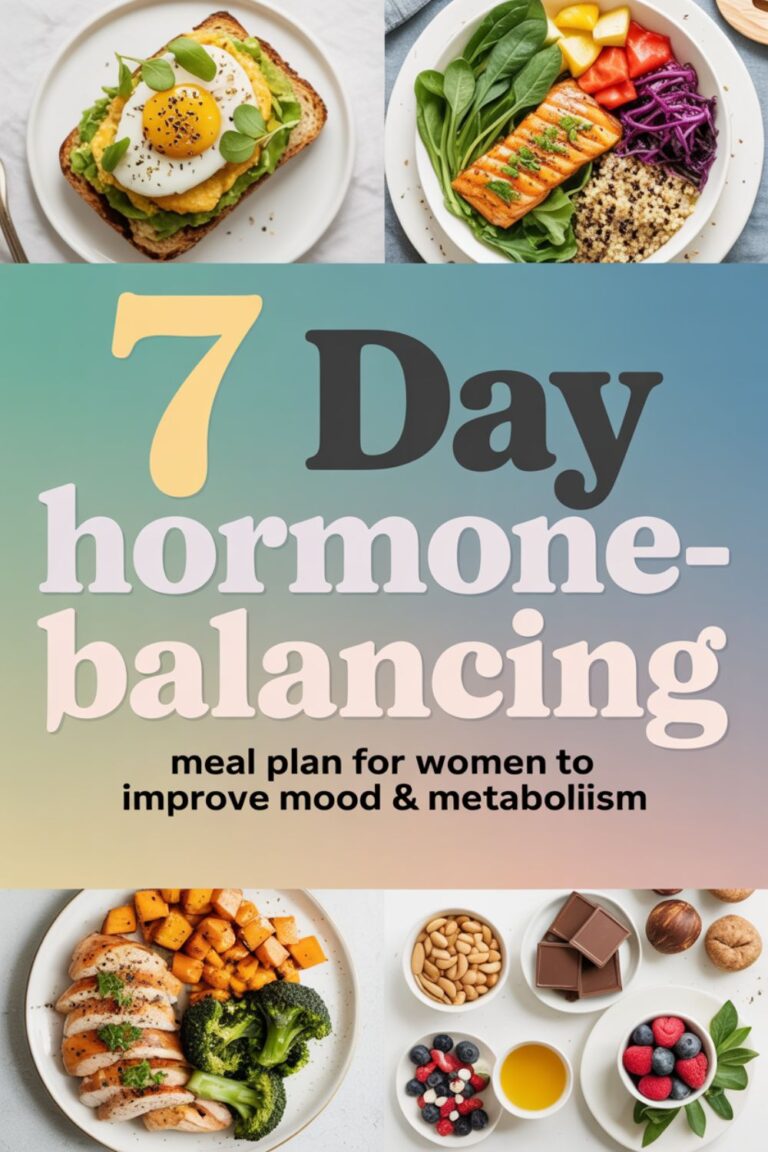
For more hormone-balancing breakfast ideas, especially if you’re dealing with energy crashes or mood swings, the 7-day hormone-balancing meal plan has meals specifically designed to support metabolic health.
Building Your Own Low-Calorie Breakfast Formula
Once you get the hang of these combinations, you can start mixing and matching ingredients to create your own breakfasts. Here’s my basic formula that works every time:
Start with protein: Eggs, Greek yogurt, cottage cheese, protein powder, or lean meat (100-150 calories)
Add fiber: Whole grains, fruit, or vegetables (80-120 calories)
Include healthy fat: Nuts, seeds, avocado, or nut butter (50-80 calories)
This framework keeps you around 250-300 calories while hitting all the nutrients you need to stay satisfied. The ratios matter more than the specific ingredients, which means you can rotate through different foods and never get bored.
According to nutrition research from the University of Aberdeen, eating more calories at breakfast rather than dinner can help reduce hunger and prevent high-fat, high-sugar snacking later in the day.
If you’re looking for complete meal plans that take the guesswork out of breakfast planning, the 21-day high-protein meal plan provides structured daily menus with shopping lists included.
Common Breakfast Mistakes That Wreck Your Calories
Even with good intentions, it’s easy to accidentally blow your calorie budget. Here are the sneaky culprits I see all the time:
Liquid calories add up fast. Orange juice, fancy coffee drinks, or even too much milk in your cereal can add 150-300 calories before you’ve even eaten solid food. Stick to black coffee, tea, or water with your breakfast.
Condiments are calorie bombs. Ketchup, flavored yogurt, sweetened nut butters, and dressings can double the calories of an otherwise healthy meal. Read labels and measure portions.
Restaurant portions are massive. That “healthy” breakfast wrap from the coffee shop? Probably 600+ calories. Making food at home gives you control over what goes in it.
Not measuring nut butter. Seriously, this one gets everyone. What you think is one tablespoon is usually three. That’s the difference between 90 calories and 270 calories. Use an actual measuring spoon.
For strategies on managing calorie intake without feeling restricted, check out the 14-day low-sugar meal plan which focuses on nutrient-dense foods that naturally control appetite.
Meal Prep Essentials Used in These Recipes
Look, I’m not trying to sell you stuff you don’t need, but these tools genuinely make breakfast easier. I use all of them weekly.
Physical Products:
- Glass meal prep containers (set of 10) # – Microwave safe, don’t stain, and you can see what’s inside without opening them. Game changer for Sunday prep.
- Digital food scale # – Takes the guesswork out. Costs like $15 and lasts forever.
- Quality non-stick pan # – You’ll use this every single day. Cheap ones lose their coating in a month. A good one lasts years.
Digital Resources:
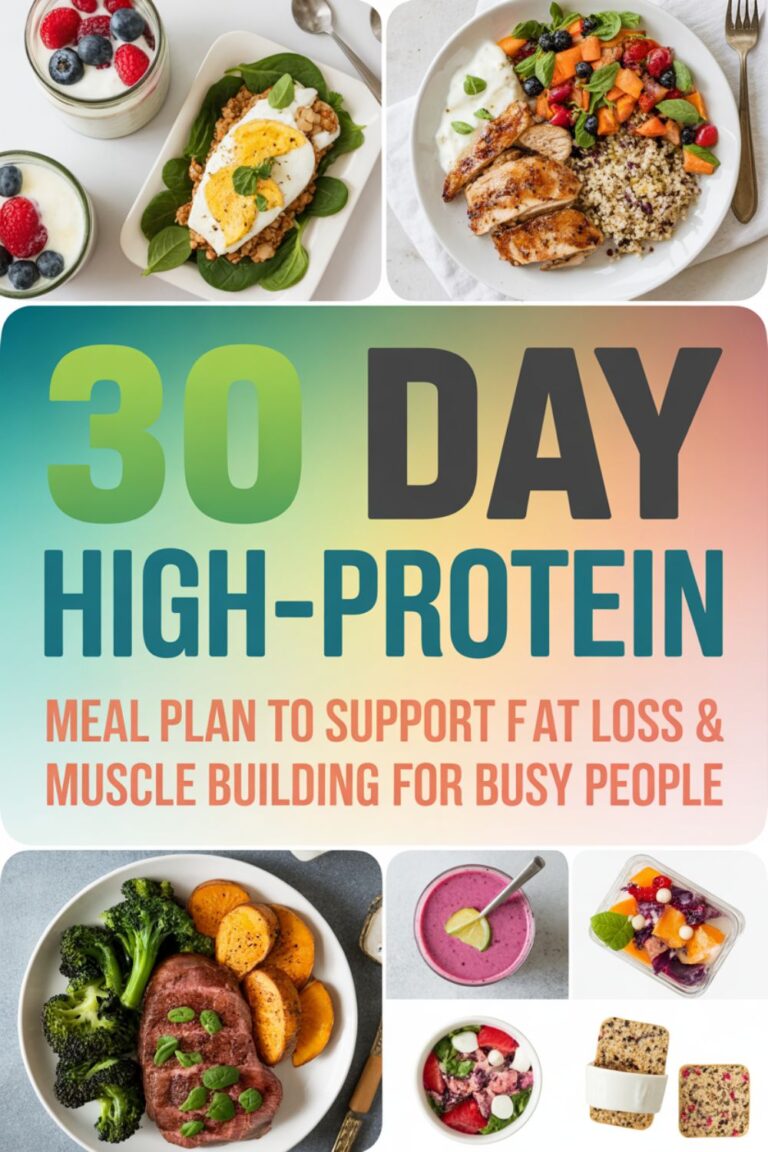
- 30-Day High-Protein Meal Plan – Complete breakfast, lunch, and dinner ideas with shopping lists
- 21-Day Flat Belly Reset – Structured meal plan specifically designed for reducing bloating
- 30-Day Gut Reset Plan – Focuses on fiber and probiotics to improve digestion
Community Support: Join our WhatsApp group for daily meal prep tips, recipe swaps, and accountability. Everyone’s there figuring this out together, and it’s way easier with support.
Tools That Make Breakfast Prep Actually Easy
These aren’t fancy gadgets collecting dust. These are the things that legitimately save time and make healthy breakfast sustainable.
Kitchen Equipment:
- Egg cooker # – Set it and forget it. Perfect hard-boiled eggs every time without watching a pot.
- Small blender for single servings # – Way better than a full-size blender for just one smoothie. Less cleanup, easier storage.
- Silicone muffin pan # – For those egg muffins. Nothing sticks, literally pops right out. Plus it’s flexible so you can just squeeze them out.
Planning Resources:
- 21-Day Gut Healing Plan – High-fiber recipes that support digestive health
- 30-Day Anti-Inflammatory Plan – Family-friendly meals that reduce inflammation
- 21-Day Blood Sugar Friendly Plan – Keeps energy stable throughout the day
What About Nutrition Beyond Calories?
Okay, so we’ve been focusing on calories because that’s what the article is about, but let’s talk about why these breakfasts are good beyond just being low-calorie.
Protein preserves muscle. When you’re in a calorie deficit, your body can break down muscle for energy. Getting enough protein—especially at breakfast—helps prevent this. Research on children and adolescents found that protein-rich breakfasts led to higher fullness and lower hunger ratings compared to traditional breakfasts.
Fiber supports gut health. Most people don’t eat enough fiber, and breakfast is a great opportunity to get some in. The fermentable fibers in foods like oats, chia seeds, and fruits feed your good gut bacteria.
Micronutrients matter. These breakfasts aren’t just protein and fiber—they’re also packed with vitamins and minerals from fruits, vegetables, and whole grains. You’re not just eating to feel full; you’re actually nourishing your body.
IMO, this is why these breakfasts work better than those meal replacement shakes or bars. Real food provides nutrients that processed options just can’t match, even if the calorie count is similar.
Frequently Asked Questions
Can I actually lose weight eating 300 calories for breakfast?
Yes, if it fits into your overall daily calorie needs. The key is that these 300 calories are designed to keep you full, so you’re not starving and overeating later. Weight loss comes from your total daily intake, not any single meal. These breakfasts help you stay satisfied while maintaining a calorie deficit.
What if I’m still hungry after breakfast?
First, make sure you’re drinking enough water—sometimes thirst feels like hunger. Second, check that you’re getting enough protein and fiber in your breakfast. If you’re genuinely still hungry, add a small snack mid-morning like a piece of fruit or a handful of nuts rather than trying to push through. Extreme hunger usually leads to poor food choices later.
Are these breakfasts good for building muscle?
They can be part of a muscle-building diet, but you’d likely need to add more protein throughout the day. Most of these hit 15-25 grams of protein, which is solid, but muscle building typically requires 1.6-2.2 grams of protein per kilogram of body weight daily. Use these as a foundation and add protein-rich snacks or larger lunch and dinner portions.
How do I meal prep these for the week?
Items like overnight oats, chia pudding, egg muffins, and frittatas can all be prepped Sunday and stored in the fridge or freezer. Make 5-7 servings at once and portion them into individual containers. Most will last 5 days in the fridge, and things like egg muffins can be frozen for up to 3 months. Just reheat and go.
Can I do intermittent fasting instead of eating breakfast?
Totally up to you and what works for your body. Some people thrive skipping breakfast and eating in a shorter window. Others (like me) turn into angry zombies without morning food. Research shows that whether you eat breakfast or not matters less than what you eat when you do eat. If skipping breakfast helps you stick to your calorie goals without being miserable, go for it.
Final Thoughts (Because Every Article Needs One)
Look, breakfast doesn’t have to be complicated. You don’t need expensive superfoods or complicated recipes. You just need protein, fiber, and a little bit of fat in portions that fit your goals.
These 21 breakfasts prove you can eat satisfying, real food without blowing your calorie budget. Some mornings you’ll have time for a sweet potato hash. Other mornings you’ll grab Greek yogurt and run out the door. Both are fine.
The best breakfast is the one you’ll actually eat consistently. Pick 3-5 options from this list that sound good to you, buy the ingredients, and rotate through them. You don’t need 21 different breakfasts—you need a few reliable ones that work for your schedule and taste preferences.
And honestly? After eating like this for a few weeks, you’ll probably notice you’re not thinking about food constantly in the morning. That mid-morning vending machine temptation fades when your breakfast actually does its job.
Start with one new breakfast this week. Just one. See how it feels. If it works, add it to your rotation. If it doesn’t, try another one. Eventually you’ll have a collection of go-to breakfasts that make mornings easier instead of adding stress.
That’s all I’ve got. Now go make some eggs or something.