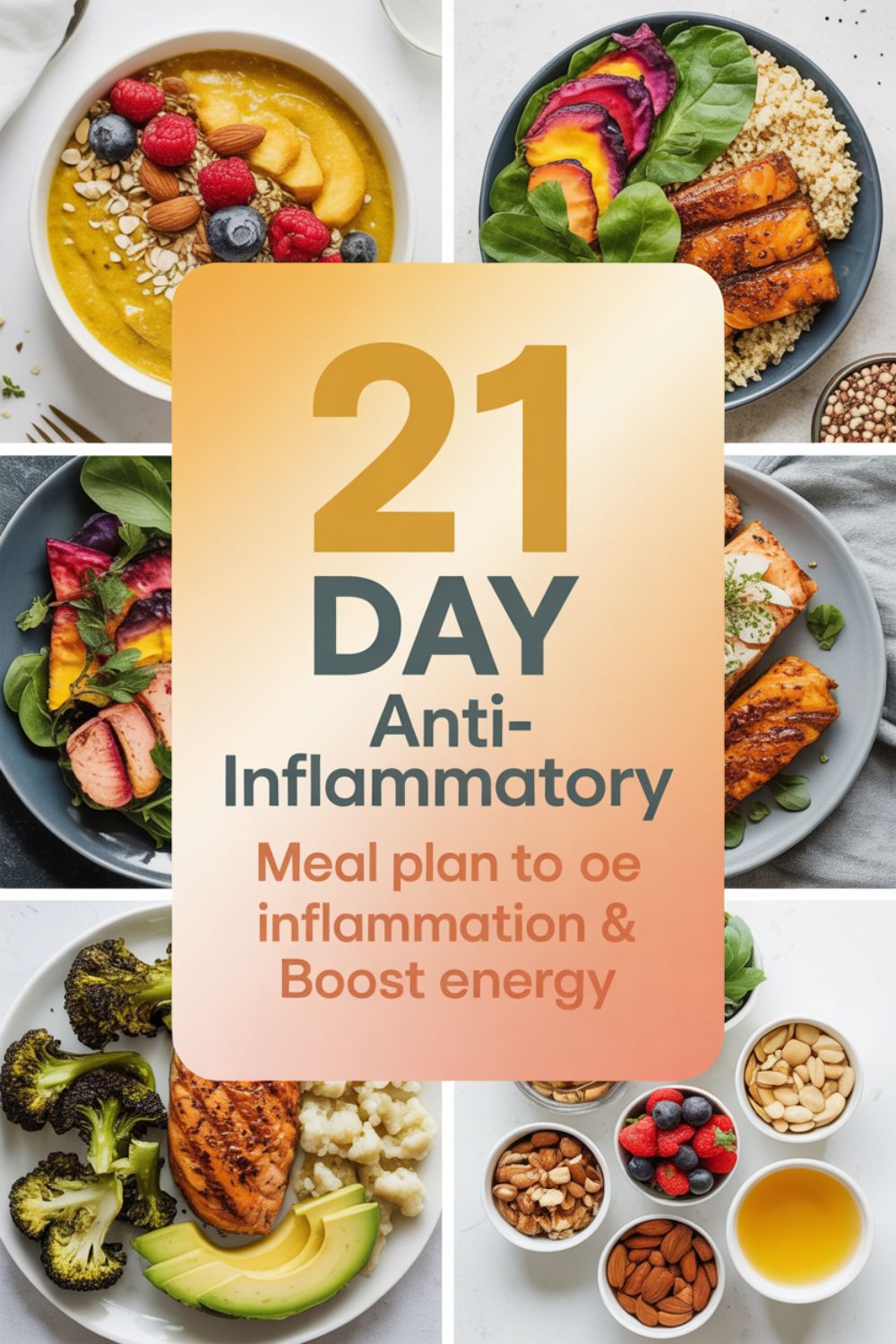
21-Day Anti-Inflammatory Meal Plan to Reduce Inflammation and Boost Energy
Look, I’m not going to sugarcoat it—feeling sluggish, achy, and perpetually bloated is nobody’s idea of a good time. But here’s the thing: your body might be throwing an inflammation party, and trust me, it’s the kind of party you want to crash immediately.
After years of battling brain fog and joint pain myself, I discovered that what I was putting on my plate was either fueling the fire or putting it out. Turns out, this whole anti-inflammatory eating thing isn’t some trendy wellness fad—it’s backed by solid science and can genuinely transform how you feel day-to-day.
Why Your Body Is Basically On Fire (And Not In A Good Way)
Inflammation isn’t inherently evil—it’s actually your body’s security system kicking into gear when something’s wrong. Cut your finger? Inflammation rushes to heal it. Catch a cold? Same deal. The problem starts when inflammation becomes chronic, like that houseguest who overstays their welcome by about six months.
Chronic inflammation is sneaky. It doesn’t announce itself with obvious symptoms like acute inflammation does. Instead, it quietly contributes to conditions like heart disease, diabetes, arthritis, and even accelerated aging. Research from Johns Hopkins Medicine shows that what you eat can either stoke these inflammatory fires or help extinguish them.
The foods most of us grew up eating—think processed snacks, sugary drinks, trans fats, and excessive red meat—are basically inflammation accelerants. Meanwhile, whole foods rich in omega-3s, antioxidants, and fiber act like your body’s personal fire department.
What Makes This 21-Day Plan Different
I’ve tried my fair share of meal plans that promise the world and deliver nothing but hunger pangs and disappointment. This one’s different because it’s not about deprivation—it’s about addition. You’re adding foods that actively fight inflammation while naturally crowding out the stuff that causes it.
The Mediterranean diet, which forms the backbone of this plan, has decades of research supporting its anti-inflammatory benefits. According to studies, people who follow Mediterranean-style eating patterns show significant reductions in inflammatory markers like C-reactive protein (CRP) and experience improvements in everything from joint pain to cognitive function.
What I love about this approach is that it’s flexible. Vegetarian? No problem. Can’t stand salmon? Swap it for sardines or walnuts. The core principles stay the same: lots of colorful vegetables, healthy fats, lean proteins, and whole grains.
The Science Behind Anti-Inflammatory Eating
Here’s where things get interesting. Your body produces compounds called eicosanoids from the fats you eat. Some of these compounds promote inflammation (looking at you, omega-6 fatty acids from processed vegetable oils), while others actively resolve it.
Foods rich in omega-3 fatty acids—particularly EPA and DHA found in fatty fish—produce specialized molecules called resolvins, protectins, and maresins. These aren’t just anti-inflammatory; they’re pro-resolution, meaning they actively help your body complete the healing process and return to homeostasis. Research from Harvard’s Nutrition Source explains how these essential fatty acids work at the cellular level.
But it’s not just about omega-3s. Polyphenols in berries, dark chocolate, and green tea, along with vitamin C from citrus and bell peppers, work as antioxidants to combat oxidative stress—a major inflammation trigger. Fiber from whole grains and legumes feeds your gut bacteria, which in turn produces anti-inflammatory compounds called short-chain fatty acids.
The Key Players in Your Anti-Inflammatory Arsenal
Let me break down what you should be loading your cart with:
- Fatty Fish: Salmon, mackerel, sardines, and anchovies are omega-3 powerhouses. Aim for at least two servings per week.
- Leafy Greens: Kale, spinach, and Swiss chard contain vitamins A, C, and K, plus loads of antioxidants.
- Colorful Vegetables: Bell peppers, tomatoes, and beets are packed with inflammation-fighting compounds.
- Berries: Blueberries, strawberries, and raspberries contain anthocyanins that reduce inflammatory markers.
- Healthy Fats: Extra virgin olive oil, avocados, nuts, and seeds provide monounsaturated fats and vitamin E.
- Spices: Turmeric (especially with black pepper for absorption), ginger, and garlic have potent anti-inflammatory properties.
Speaking of omega-3 rich meals, if you’re looking for breakfast inspiration that’ll keep you satisfied all morning, check out these high-protein anti-inflammatory breakfast bowls and this Mediterranean-style smoked salmon avocado toast. Both are staples in my morning rotation.
Your 21-Day Framework (Not A Prison Sentence)
I’m not giving you a rigid day-by-day meal plan because, honestly, life doesn’t work that way. Instead, here’s a flexible framework that you can adapt to your schedule, preferences, and whatever’s on sale at the grocery store this week.
Week 1: The Foundation Phase
This first week is about building new habits without overwhelming yourself. Focus on adding one anti-inflammatory element to each meal rather than overhauling everything at once.
Breakfast Options: Start your day with Greek yogurt topped with berries and walnuts, overnight oats with chia seeds and cinnamon, or a green smoothie with spinach, banana, and ground flaxseed. I use this high-speed blender every single morning—it pulverizes everything in seconds, and cleanup is ridiculously easy.
Lunch Ideas: Think big salads with lots of vegetables, a quality protein source, and a generous drizzle of olive oil. My go-to is a Mediterranean quinoa bowl with chickpeas, cucumber, tomatoes, olives, and feta. Get Full Recipe for the exact measurements and my secret dressing formula.
Dinner Suggestions: This is where you want to focus on wild-caught fatty fish at least twice this week. Pan-seared salmon with roasted vegetables is dead simple, or try sheet-pan Mediterranean cod with cherry tomatoes and artichokes. For the fish skeptics, a lentil and vegetable curry loaded with turmeric and ginger hits all the right notes.
Week 2: Building Momentum
By now, you should be getting comfortable with the basics. This week, we’re leveling up your spice game and introducing more variety.
Start incorporating turmeric golden milk as an evening ritual. Mix turmeric, a pinch of black pepper, cinnamon, and a touch of honey into warm almond milk. I make mine in this milk frother because it creates that café-quality foam without any effort.
For meals, rotate through different protein sources: grass-fed beef (in moderation), organic chicken thighs, tempeh, and black beans. The key is variety—different proteins provide different nutrients and amino acid profiles.
“I started following an anti-inflammatory eating pattern after my doctor mentioned my CRP levels were elevated. Within three weeks, my chronic knee pain diminished significantly, and I had energy I hadn’t felt in years. Sarah from our community tried this approach and lost 15 pounds in three months—but more importantly, her joint inflammation markers improved dramatically on her follow-up labs.”
If you’re craving comfort food that still fights inflammation, you absolutely need to try this turmeric chickpea curry with coconut milk and these Mediterranean stuffed bell peppers. Both freeze beautifully, so double the batch.
Week 3: Making It Sustainable
The final week is about cementing these habits so they stick long after the 21 days are up. You should be noticing some changes by now—better sleep, more stable energy, maybe less bloating or joint stiffness.
This week, focus on meal prepping like a boss. Dedicate two hours on Sunday to chopping vegetables, cooking grains, and preparing a couple of protein sources. Store everything separately in these compartmented containers so you can mix and match throughout the week.
Don’t forget about snacks. Keep raw almonds, hummus with veggie sticks, fresh berries, and dark chocolate (70% cacao or higher) on hand. I’m obsessed with this portion-control snack container set—it keeps me from mindlessly eating an entire bag of nuts in one sitting.
Beyond The Plate: Lifestyle Factors That Matter
Look, I’d love to tell you that food alone will solve everything, but that’d be dishonest. Your overall lifestyle plays a massive role in managing inflammation.
Sleep is non-negotiable. Chronic sleep deprivation triggers inflammatory pathways and increases cortisol production. Aim for 7-9 hours per night. I started using blackout curtains and a white noise machine, and the difference in my sleep quality was immediate.
Movement matters, but you don’t need to become a gym rat. Research shows that even moderate exercise—like 30 minutes of walking daily—reduces inflammatory markers. The key is consistency over intensity. I do yoga three times a week using this eco-friendly mat that actually provides decent cushioning for my knees.
Stress management is probably the hardest piece of the puzzle, but it’s crucial. Chronic stress floods your body with cortisol and adrenaline, both of which promote inflammation. Find what works for you—meditation, journaling, time in nature, whatever helps you decompress.
Meal Prep Essentials Used in This Plan
After testing approximately a million kitchen gadgets, these are the ones that genuinely make anti-inflammatory meal prep faster and more enjoyable:
Physical Products:
- Glass Meal Prep Containers – Seriously, get the ones with the locking lids. They’re microwave, oven, and dishwasher safe, and they actually seal properly unlike those flimsy plastic ones.
- High-Speed Blender – For smoothies, soups, and homemade nut butters. This thing pulverizes frozen berries and kale stems like they’re nothing.
- Cast Iron Skillet – Perfect for searing fish and roasting vegetables. Plus it adds a tiny bit of iron to your food, which is a nice bonus.
Digital Resources:
- Complete Anti-Inflammatory Recipe Collection – 100+ recipes organized by meal type with full nutritional breakdowns
- Weekly Meal Prep Guide & Shopping Lists – Takes the guesswork out of planning
- Anti-Inflammatory Food Swap Cheat Sheet – Quick reference for replacing inflammatory foods with healthier alternatives
Want to connect with others on this journey? Join our Anti-Inflammatory Living Community on WhatsApp where we share recipes, wins, and troubleshooting tips.
The Foods You Should Actually Avoid
I hate being the bearer of bad news, but some foods consistently promote inflammation and you’re better off limiting them significantly:
- Refined Carbohydrates: White bread, pastries, most breakfast cereals—they spike your blood sugar and trigger inflammatory responses.
- Processed Meats: Bacon, deli meats, hot dogs. The preservatives and high sodium content are problematic.
- Trans Fats: Check labels for “partially hydrogenated oils.” These are inflammation bombs.
- Excessive Alcohol: Moderate consumption might be fine, but overdoing it definitely isn’t helping your inflammation situation.
- Added Sugars: They’re everywhere—sauces, dressings, “healthy” protein bars. Start reading labels.
That said, I’m not suggesting you live like a monk. The occasional slice of birthday cake won’t derail everything. It’s about what you do consistently, not occasionally.
For more breakfast ideas that actually taste good, check out these anti-inflammatory overnight oats variations and this vegetable-loaded frittata that reheats beautifully for grab-and-go mornings.
Real Talk: What To Expect
Let’s set realistic expectations. You’re not going to wake up on day 22 feeling like a completely different person. Anti-inflammatory eating is a marathon, not a sprint.
That said, many people notice subtle improvements within the first week—better digestion, more stable energy, improved sleep quality. By week three, you might observe reduced joint stiffness, clearer skin, or less frequent headaches.
The really significant changes—like reduced inflammatory markers in blood tests or improvement in chronic conditions—typically take 8-12 weeks or more. This is about creating sustainable habits that support long-term health, not a quick fix.
Common Pitfalls (And How To Avoid Them)
I’ve seen people derail themselves in pretty predictable ways. Here’s what to watch out for:
Perfectionism: You ate pizza at a party? Who cares. One meal doesn’t matter. Get back on track with your next meal and move on.
Not Planning Ahead: When you’re hungry and unprepared, you’ll reach for whatever’s convenient. Keep healthy options readily available.
Making Everything Complicated: You don’t need 47 ingredients and three hours to make an anti-inflammatory meal. A piece of salmon, roasted sweet potato, and steamed broccoli with olive oil takes 25 minutes and checks all the boxes.
Ignoring Your Body: If certain foods—even supposedly healthy ones—consistently make you feel bloated or uncomfortable, listen to that. Food sensitivities are real, and anti-inflammatory eating should ultimately make you feel better, not worse.
Tools & Resources That Make Cooking Easier
These are the game-changers that transformed my relationship with cooking from “ugh, I guess I have to” to “this is actually kind of enjoyable”:
Kitchen Tools:
- Sharp Chef’s Knife – Cannot stress this enough. A good knife makes vegetable prep SO much faster and safer.
- Instant-Read Thermometer – Takes the guesswork out of cooking fish and chicken perfectly every time.
- Silicone Baking Mats – Zero sticking, zero scrubbing. I use these for everything short of soup.
Digital Guides:
- Beginner’s Guide to Anti-Inflammatory Cooking – Techniques, timing guides, and troubleshooting tips
- Spice Blending Masterclass – Learn to create your own anti-inflammatory spice mixes
- Budget-Friendly Anti-Inflammatory Meal Plans – Eat well without breaking the bank
Join our Meal Prep Monday Group where we share photos, swap recipes, and keep each other motivated.
Sample Day of Eating (Because You Asked)
Alright, I know you want specifics. Here’s what a typical day looks like for me:
Breakfast (7:30 AM): Green smoothie with spinach, frozen blueberries, half a banana, ground flaxseed, almond butter, and unsweetened almond milk. Sometimes I’ll add a scoop of collagen powder.
Mid-Morning Snack (10:00 AM): Apple slices with almond butter and a handful of walnuts. If I’m feeling fancy, I’ll sprinkle some cinnamon on the apples.
Lunch (1:00 PM): Massive salad with mixed greens, roasted sweet potato, chickpeas, cucumber, cherry tomatoes, avocado, and a lemon-tahini dressing. Get Full Recipe for the dressing—it’s ridiculously good.
Afternoon Snack (4:00 PM): Carrot and celery sticks with hummus, or a small piece of dark chocolate if I’m craving something sweet.
Dinner (7:00 PM): Baked wild salmon with a turmeric-ginger glaze, quinoa pilaf with herbs, and roasted Brussels sprouts with olive oil and garlic. This whole meal comes together in about 30 minutes if everything’s prepped.
Evening (9:00 PM): Turmeric golden milk or chamomile tea while I wind down.
Looking for more complete meal ideas? These 30-minute anti-inflammatory dinners and sheet-pan Mediterranean meals are lifesavers on busy weeknights. Everything cooks on one pan, which means minimal cleanup—my favorite kind of cooking.
The Budget Question
Yes, organic salmon and fancy olive oil can be expensive. But anti-inflammatory eating doesn’t have to break the bank if you’re strategic.
Buy frozen fish: It’s flash-frozen at peak freshness, often cheaper, and lasts forever in your freezer. Wild-caught Alaskan salmon at Costco is surprisingly affordable.
Embrace canned sardines and mackerel: These are omega-3 powerhouses that cost a fraction of fresh fish. Mix them with avocado and lemon juice on whole grain crackers—trust me on this.
Shop seasonally: Berries in January cost a fortune. Frozen berries are just as nutritious and available year-round at reasonable prices.
Bulk up with beans and lentils: These are incredibly cheap, packed with fiber and plant-based protein, and ridiculously versatile.
Choose wisely with organic: Follow the Environmental Working Group’s Dirty Dozen/Clean Fifteen lists. You don’t need to buy everything organic, but strawberries, spinach, and kale are worth the splurge.
Supplements: Do You Need Them?
Ideally, you’d get everything from food. Realistically, that doesn’t always happen.
If you’re not regularly eating fatty fish, an omega-3 supplement (EPA and DHA from fish or algae) might be worth considering. Look for third-party tested brands to ensure quality and purity.
Vitamin D is another one most people are deficient in, especially if you live anywhere that experiences winter. It plays a role in immune function and inflammation regulation.
A quality probiotic can support gut health, which directly impacts inflammation. Your gut microbiome is like mission control for your immune system.
That said, supplements are meant to supplement, not replace, a solid diet. Talk to your doctor before adding anything new, especially if you’re on medications or have health conditions.
Frequently Asked Questions
How quickly will I see results from anti-inflammatory eating?
It varies by person, but many people notice improvements in energy and digestion within 7-10 days. More significant changes like reduced joint pain or improved inflammatory markers typically take 4-12 weeks. The key is consistency—occasional anti-inflammatory meals won’t do much, but making this your baseline eating pattern creates cumulative benefits over time.
Can I follow this plan if I’m vegetarian or vegan?
Absolutely. While fatty fish is a star player for omega-3s, you can get these essential fats from plant sources like walnuts, flaxseeds, chia seeds, and algae-based supplements. Focus on diverse plant proteins—lentils, chickpeas, tempeh, and quinoa—plus loads of colorful vegetables, and you’ll hit all the anti-inflammatory targets. The principles remain the same regardless of whether you eat animal products.
Do I have to give up coffee and alcohol completely?
Not necessarily. Moderate coffee consumption (1-3 cups daily) actually provides antioxidants and has been associated with reduced inflammation in some studies. As for alcohol, small amounts of red wine may offer some anti-inflammatory polyphenols, but excessive drinking promotes inflammation. If you drink, keep it moderate—think one glass occasionally rather than nightly cocktails. Listen to your body and see how these affect you personally.
What if I can’t afford organic produce and wild-caught fish?
The most important thing is eating more plants and whole foods, regardless of whether they’re organic. Frozen vegetables and fruits are nutritious and budget-friendly. For fish, frozen wild-caught options are often more affordable than fresh, and canned sardines or mackerel provide excellent omega-3s at a fraction of the cost. Focus on the bigger picture—replacing processed foods with whole foods—rather than stressing about every item being organic or premium.
Can anti-inflammatory eating help with autoimmune conditions?
Many people with autoimmune conditions report improvements when following anti-inflammatory eating patterns, and some research supports this. However, autoimmune conditions are complex and require medical management. Think of anti-inflammatory eating as one piece of your overall treatment plan, not a replacement for medical care. Always work with your healthcare provider, and consider seeing a registered dietitian who specializes in autoimmune conditions for personalized guidance.
Final Thoughts: Making This Work Long-Term
Here’s the truth: these 21 days are just the beginning. The real magic happens when this becomes your default way of eating, not a temporary project you abandon when life gets chaotic.
Don’t aim for perfection. Aim for progress and sustainability. Some weeks you’ll meal prep like a boss and eat beautifully balanced meals all week. Other weeks you’ll lean heavily on frozen vegetables and canned fish. Both versions are completely valid.
The goal isn’t to completely eliminate inflammation—that’s impossible and unnecessary. The goal is to shift the balance in your favor, giving your body the tools it needs to manage inflammation effectively rather than letting it run rampant.
Pay attention to how different foods make you feel. Your body will give you feedback if you’re willing to listen. More energy, better sleep, improved mood, reduced pain—these are all signs you’re moving in the right direction.
And look, if you fall off the wagon? That’s not failure, that’s being human. The beautiful thing about food is that every single meal is an opportunity to make a choice that supports your health. You don’t need to wait until Monday or the first of the month—you can start right now, with whatever meal comes next.
Your body is remarkably resilient and wants to heal. Sometimes it just needs a little help from the right foods. Give this 21 days a genuine shot, pay attention to how you feel, and adjust from there. You might be surprised by what changes.
Similar Posts
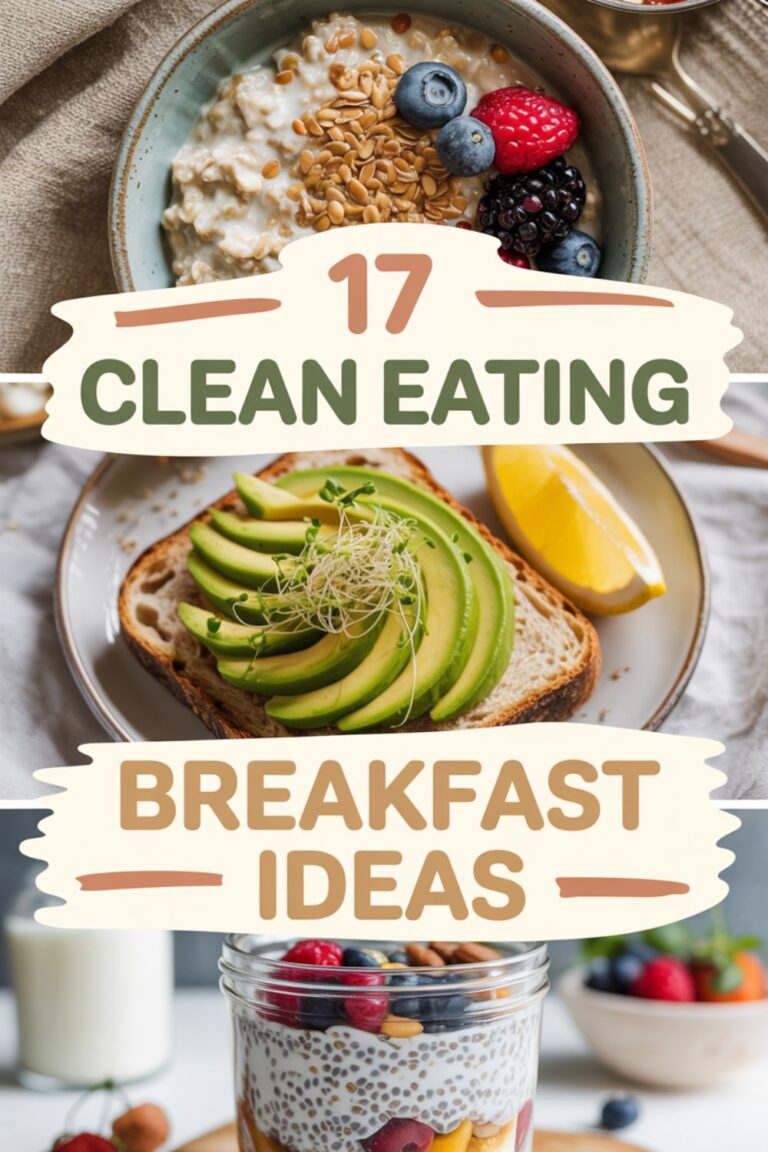
17 Clean Eating Breakfast Ideas That’ll Actually Make You Want to Wake Up
17 Clean Eating Breakfast Ideas That’ll Actually Make You Want to Wake Up 17 Clean Eating Breakfast Ideas That’ll Actually Make You Want to Wake Up Real food, real flavor, zero morning regrets Look, I get it. You wake up with good intentions to eat healthy, then suddenly you’re staring at a sad piece of…
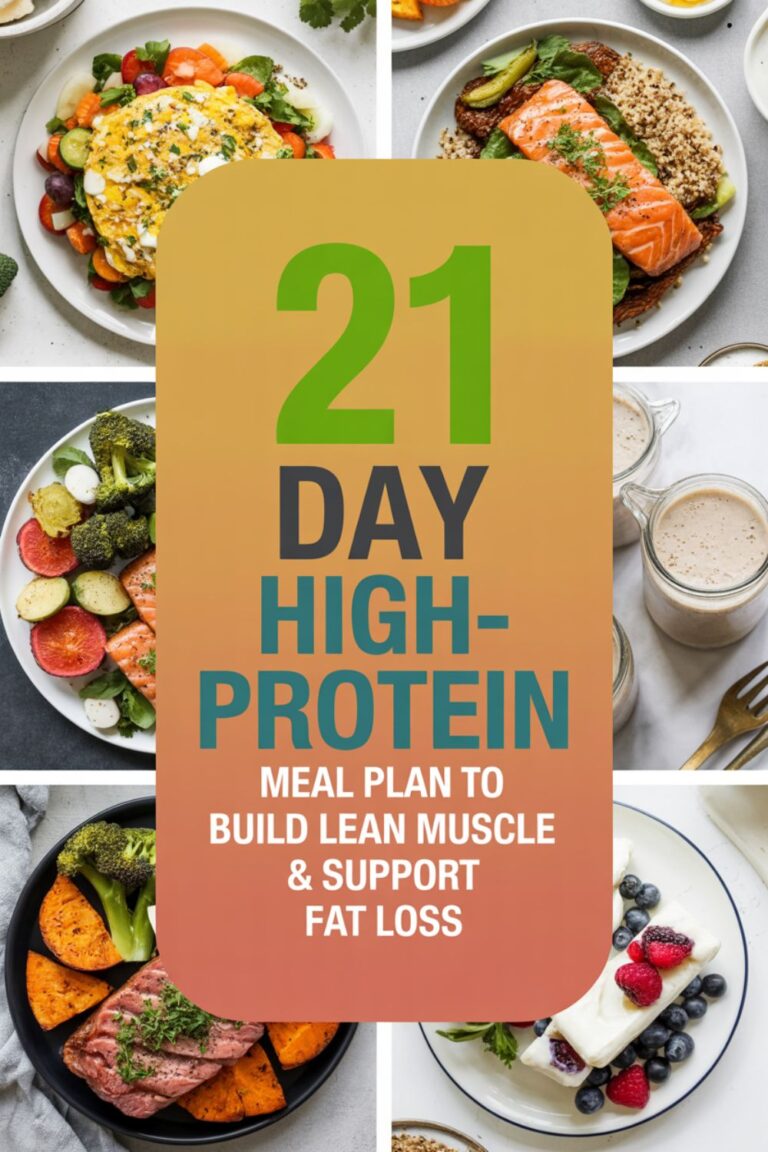
21-Day High-Protein Meal Plan to Build Lean Muscle and Support Fat Loss
21-Day High-Protein Meal Plan to Build Lean Muscle and Support Fat Loss 21-Day High-Protein Meal Plan to Build Lean Muscle and Support Fat Loss Updated January 2026 | 11 min read Look, I’m not going to sugarcoat this: building muscle while losing fat is one of those things that sounds simple on paper but feels…
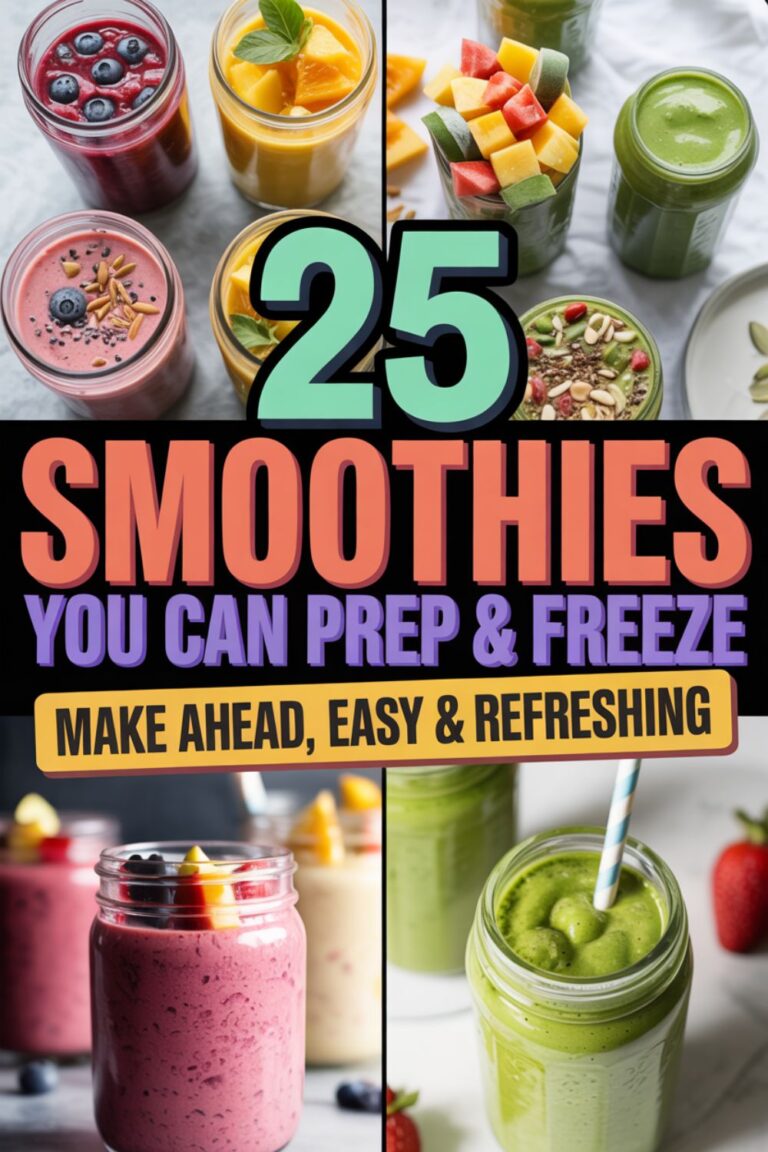
25 Smoothies You Can Prep and Freeze
25 Smoothies You Can Prep and Freeze – Quick, Healthy Meal Prep 25 Smoothies You Can Prep and Freeze Sunday night. You’re staring at a fridge full of spinach that’s one day away from becoming compost and strawberries that are staging their final stand. Sound familiar? Look, I get it—mornings are chaos, and the last…
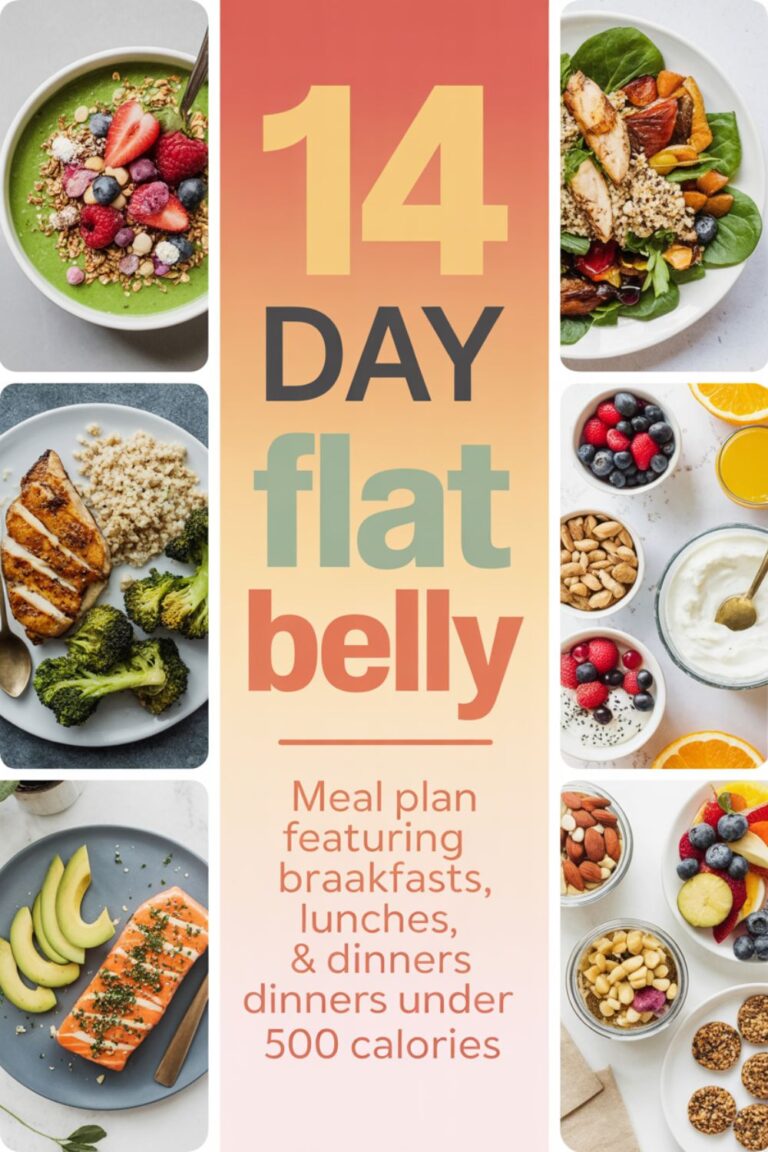
14-Day Flat Belly Meal Plan Featuring Breakfasts, Lunches, and Dinners Under 500 Calories
14-Day Flat Belly Meal Plan Featuring Breakfasts, Lunches, and Dinners Under 500 Calories 14-Day Flat Belly Meal Plan Featuring Breakfasts, Lunches, and Dinners Under 500 Calories Look, I’m not going to promise you’ll wake up looking like a fitness magazine cover after two weeks. That’s not how this works. But what I can tell you…