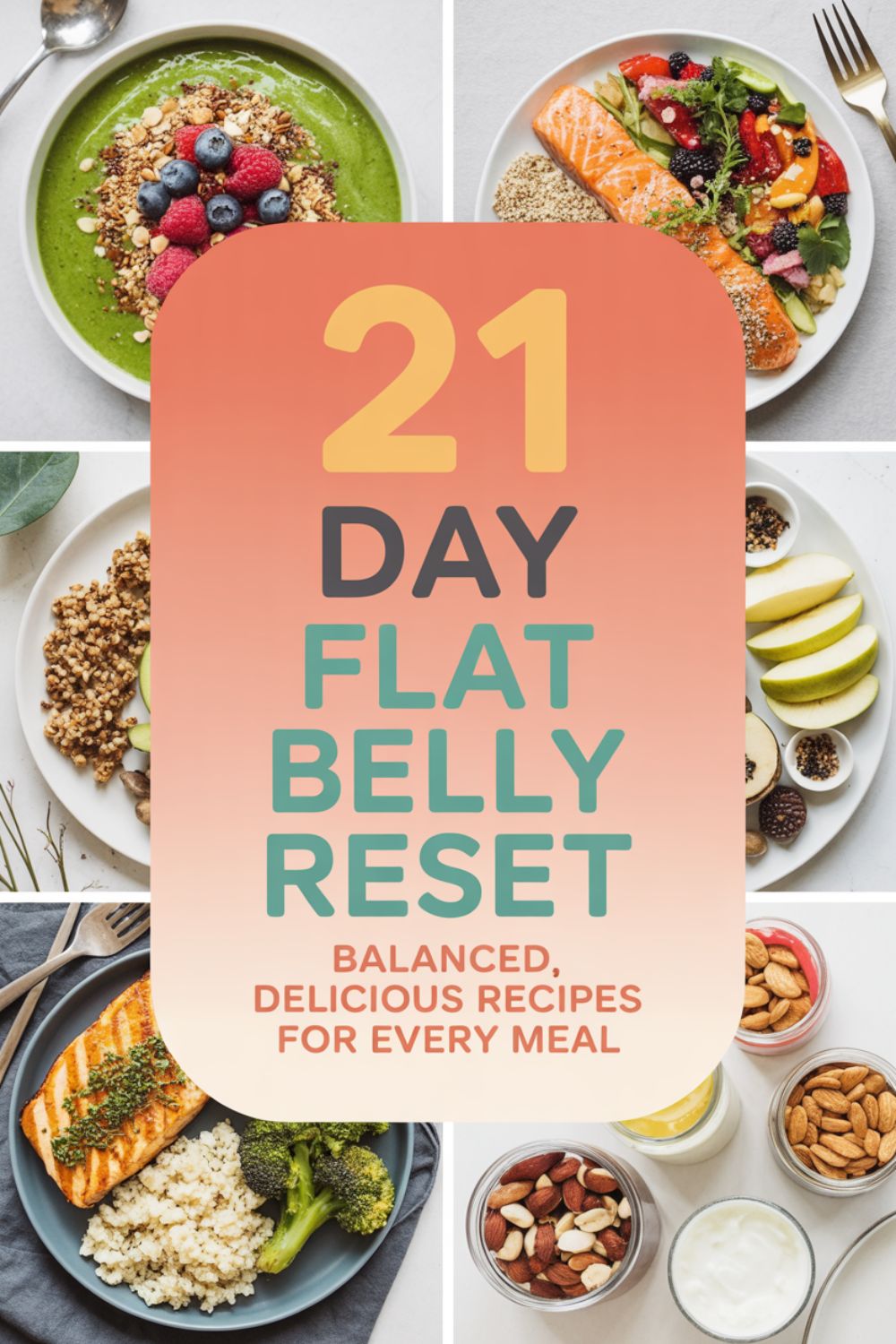
21-Day Flat Belly Reset Plan with Balanced, Delicious Recipes for Every Meal
Look, I get it. You’ve tried the restrictive diets, the juice cleanses, the weird cabbage soup thing your aunt swears by. And here you are, still searching for something that actually works without making you miserable. Well, here’s the thing about getting a flatter belly: it’s not about punishment or deprivation. It’s about resetting your relationship with food and giving your body what it actually needs.
This 21-day flat belly reset isn’t some magic bullet that’ll have you looking Instagram-ready in three weeks. But it will help you feel lighter, less bloated, and way more energized. And honestly? That’s worth more than any quick fix.
Why 21 Days? The Science Behind the Reset
Twenty-one days isn’t some random number I pulled out of thin air. Research on habit formation and belly fat reduction suggests this timeframe hits a sweet spot where your body starts adapting to new eating patterns while you’re still motivated enough to stick with it.
During these three weeks, you’ll focus on foods rich in monounsaturated fatty acids, lean proteins, and fiber—the holy trinity of belly-flattening nutrients. According to Mayo Clinic’s research on sustainable weight loss, calorie restriction combined with nutrient-dense foods produces lasting results without the rebound effect you get from crash diets.
But here’s what really happens during those 21 days: your gut bacteria start to shift, inflammation decreases, and your body learns to process food more efficiently. You’re not just losing weight—you’re actually becoming healthier from the inside out.
The Core Principles That Make This Work
Eat Every 4 Hours (No, Really)
I know what you’re thinking. “Eating more often is supposed to help me lose weight?” Yep. Keeping your metabolism humming means feeding it consistently. We’re talking four 400-calorie meals spread throughout your day. No massive dinner that leaves you in a food coma, no skipping breakfast because you’re “not hungry.”
When you space meals evenly, your blood sugar stays stable, cravings disappear, and you never hit that desperate-for-anything-edible stage where you’d eat your own arm. Trust me, I’ve been there, and it’s not pretty.
MUFAs at Every Meal
Monounsaturated fatty acids sound intimidating, but they’re basically the good guys in the fat world. Think olive oil, avocados, nuts, dark chocolate (yes, really). These fats don’t just taste amazing—they actively help your body burn belly fat while keeping you satisfied.
Every single meal in this plan includes a MUFA source. Sometimes it’s a drizzle of high-quality extra virgin olive oil on your salad, other times it’s a handful of raw almonds mixed into your breakfast. The variety keeps things interesting while the fat keeps you full.
Hydration That Actually Works
Water is crucial, but plain water gets boring fast. IMO, the game-changer is infusing your water with fresh ingredients. I’m talking cucumber, lemon, ginger, mint—the combination that makes you feel like you’re at a fancy spa instead of trying to choke down your eighth glass of the day.
Aim for at least 2 liters daily. I keep a glass water bottle with measurements marked on the side so I can track without thinking about it. Makes a huge difference when you can actually see your progress.
Week One: The Kickstart Phase
The first four days are intense, not gonna lie. You’re targeting bloat specifically, which means cutting back on salt and gas-producing foods. No, you can’t have your beloved Brussels sprouts this week. But honestly? The way you’ll feel on day five makes it worth the temporary sacrifice.
You’re eating 1,600 calories daily, which sounds low but feels surprisingly adequate when you’re filling up on the right stuff. Lots of vegetables, fruits that won’t spike your blood sugar, whole grains, and those magical MUFAs we talked about.
Sample Day One Menu
Breakfast kicks off with overnight oats topped with fresh berries and sliced almonds. Get Full Recipe. The oats are prepped the night before in these mason jars that make portion control effortless, so you’re literally grabbing breakfast from the fridge and going.
Lunch is where things get interesting. A Mediterranean-style salad with mixed greens, chickpeas, cucumber, tomatoes, and a lemon-olive oil dressing hits all the right notes. Throw in some grilled chicken if you need extra protein.
Speaking of satisfying lunches, you might also enjoy these quinoa power bowls with roasted vegetables or this Mediterranean chickpea salad that meal-preps beautifully for the whole week.
Dinner brings baked salmon—and before you say you don’t like fish, hear me out. When you season it right and don’t overcook it (a digital meat thermometer is your best friend here), salmon becomes this buttery, rich experience that doesn’t even taste “healthy.” Pair it with roasted asparagus and quinoa.
Your fourth meal? A small snack around 3 PM. Maybe apple slices with almond butter, or some baby carrots with hummus. Nothing fancy, just enough to bridge the gap between lunch and dinner.
Weeks Two and Three: Finding Your Rhythm
Once you clear that initial four-day hurdle, things get easier. Your body’s adjusted, the bloating’s gone, and you’re starting to see actual changes. This is where the plan shifts from “reset” to “lifestyle.”
You can reintroduce some foods you avoided in week one—hello again, broccoli—but you’re keeping those core principles intact. Four meals, MUFAs at each one, staying hydrated, and keeping sodium in check.
Breakfast Variety Matters
Eating the same thing every morning gets old fast. Mix it up with Greek yogurt parfaits, veggie-packed omelets, or smoothie bowls that taste like dessert but fuel you for hours. The key is always including that healthy fat source.
One of my favorites is a simple smoothie: spinach (you won’t taste it, I swear), frozen berries, a scoop of plant-based protein powder, half an avocado for creaminess, and almond milk. Blend it in a high-powered blender that actually pulverizes everything instead of leaving chunks, and you’ve got a meal that keeps you full until lunch.
For more morning inspiration, check out these high-protein breakfast recipes and this green goddess smoothie bowl that’s become a community favorite.
Lunch Without the Afternoon Slump
The goal for lunch is keeping your energy steady without that post-meal crash. This means balancing your macros—protein, healthy fats, and complex carbs all working together.
Salads are great, but let’s be honest: sad desk salads are why people hate healthy eating. Build salads that actually satisfy. Start with leafy greens as your base, add a protein (grilled chicken, salmon, chickpeas), throw in some variety with bell peppers, avocado, and nuts, then dress it with a simple olive oil and lemon combo.
If you’re over salads, try these Buddha bowl recipes or mix things up with Asian-inspired lettuce wraps that feel restaurant-quality but take 15 minutes to make.
Or go with soup. A hearty lentil soup or butternut squash soup (made creamy with cashews instead of cream) served with whole grain crackers. Batch cook these on weekends in a Dutch oven that distributes heat evenly and you’ve got lunch sorted for days.
Dinners That Don’t Feel Like Diet Food
This is where people usually fall off the wagon. Dinner’s supposed to be satisfying, maybe even a little indulgent. The trick is making food that tastes so good you forget it’s helping you lose belly fat.
Sheet pan dinners are your friend here. Toss chicken thighs with vegetables, drizzle with olive oil, season aggressively, and roast everything together. Get Full Recipe. The chicken stays juicy, the vegetables caramelize, and you’ve got one pan to clean instead of five.
Stir-fries work too. Load up on colorful vegetables, add your protein of choice, use coconut aminos instead of soy sauce to keep sodium low, and serve over cauliflower rice if you’re watching carbs or regular brown rice if you’re not. The key is using a well-seasoned wok or large skillet that gets everything properly seared instead of steamed.
FYI, the difference between a good stir-fry and a great one is usually just heat. Get that pan screaming hot before you add anything, work in batches so you’re not overcrowding, and don’t be afraid of a little char.
Meal Prep Essentials Used in This Plan
These are the tools and products that make following this plan actually doable instead of a constant struggle:
- Glass meal prep containers with compartments – Portion control built in, microwave-safe, and they don’t absorb smells like plastic
- Quality chef’s knife – Chopping vegetables becomes therapeutic instead of torturous with a sharp knife that actually cuts
- Herb keeper – Keeps fresh herbs alive for weeks instead of days, saving money and reducing waste
Digital Resources That Help:
- Complete 21-Day Meal Plan PDF with shopping lists
- Recipe Collection eBook with 50+ belly-friendly recipes
- Portion Control Guide with visual references
Join our WhatsApp community for daily motivation, recipe swaps, and support from people on the same journey.
The Snack Situation
That fourth meal I mentioned? It’s not optional. Skipping it sets you up for overeating at dinner. But snacks need to be strategic—enough to satisfy without derailing your progress.
Good options: a small handful of nuts (measure them out, don’t eat from the bag), veggie sticks with guacamole, a piece of fruit with almond butter, or these portion-controlled dark chocolate squares that satisfy sweet cravings without going overboard.
Looking for more snack ideas? These high-protein energy balls are perfect for meal prep, and these crunchy roasted chickpeas give you that chip-like satisfaction without the guilt.
What About Exercise?
Here’s where I might disappoint you: you can’t crunch your way to a flat belly. Those Instagram ads promising visible abs in 30 days with 10-minute workouts? Yeah, no. Spot reduction isn’t real.
That said, movement absolutely helps. Aim for 30 minutes of moderate activity most days. Walk, swim, bike, dance in your living room—whatever gets you moving without feeling like punishment. The goal is burning calories and building muscle, which boosts your metabolism.
Strength training is particularly valuable because muscle tissue burns more calories at rest than fat does. Even just bodyweight exercises done consistently make a difference. I’m talking push-ups, squats, planks—basic moves that require zero equipment and can be done anywhere.
Navigating Social Situations
Three weeks is a long time to avoid every social situation involving food. You don’t have to become a hermit. You just need a game plan.
Restaurant dining? Scan the menu for grilled proteins and vegetable sides. Ask for dressings and sauces on the side. Most places will accommodate reasonable requests without making you feel like a pain.
Parties and gatherings? Eat a small meal before you go so you’re not ravenous. Bring a dish you can eat—nobody questions someone contributing food. Stick close to vegetable trays and protein options, stay away from the chip bowl, and remember that one drink has calories too.
Tools & Resources That Make Cooking Easier
These are the game-changers that transformed my kitchen from chaotic to efficient:
- Instant-read thermometer – Stop guessing when meat is done. Perfect proteins every single time
- Salad spinner that actually dries greens – Soggy salad is depressing. Properly dried greens hold dressing better
- Food scale for accurate portions – Eyeballing portions is how we got here. Measuring takes 10 seconds and keeps you honest
Digital Tools Worth Having:
- Grocery Shopping Made Easy digital list template
- Weekly Meal Planner with drag-and-drop recipes
- Kitchen Conversion Chart printable
When Things Don’t Go Perfectly
You will have an off day. Maybe several. You’ll eat something not on the plan, or you’ll skip a workout, or you’ll have a weekend where everything goes sideways. This doesn’t mean you failed—it means you’re human.
The difference between success and giving up entirely is how you handle those moments. One unplanned meal doesn’t erase three weeks of progress. Don’t spiral into “well, I already messed up so might as well keep eating.” Just get back on track with your next meal.
No guilt, no drama, no starting over from day one. Just continue where you left off.
Tracking Progress Beyond the Scale
Yes, you’ll probably lose weight. But the scale doesn’t tell the whole story. Take measurements—waist, hips, thighs. Notice how your clothes fit. Pay attention to energy levels, sleep quality, digestion.
Some people lose inches without the scale budging because they’re building muscle while losing fat. Others see significant weight loss early, then it slows down. Both scenarios are normal and both indicate progress.
Keep a simple journal or use an app to track how you feel each day. Energy, mood, cravings, sleep—these markers matter as much as pounds lost.
Life After 21 Days
Here’s the truth: this plan works because it’s sustainable. You’re not eating weird meal replacement shakes or eliminating entire food groups. You’re learning to eat real food in reasonable portions while keeping your metabolism happy.
After three weeks, you can either continue with the exact same structure or start tweaking based on what you’ve learned about your body. Maybe you do better with five smaller meals instead of four. Maybe you need more carbs on workout days. The foundation stays the same—whole foods, healthy fats, consistent eating—but you customize the details.
Most people find that the habits developed during these 21 days stick around naturally. You’re not white-knuckling through deprivation; you’re genuinely enjoying food that happens to be good for you.
Frequently Asked Questions
Can I do this plan if I’m vegetarian or vegan?
Absolutely. The principles work regardless of your protein sources. Swap animal proteins for beans, lentils, tofu, tempeh, or plant-based protein alternatives. The MUFA requirement actually makes this easier since nuts, seeds, and avocados are already plant-based. Just make sure you’re getting enough protein overall—aim for at least 20-25 grams per meal.
What if I can’t eat every four hours because of my work schedule?
Adapt the timing to fit your life. The goal is consistent fueling without huge gaps. If your schedule is 7 AM to midnight, maybe you eat at 7 AM, 11 AM, 3 PM, and 7 PM. Pack portable meals and snacks so you’re not dependent on finding food. The specific times matter less than the consistency of eating regularly.
How much weight can I realistically expect to lose?
Most people lose 6-12 pounds during the 21 days, with the most dramatic changes in the first week as bloating decreases. But weight loss varies based on starting weight, age, activity level, and hormones. Focus more on how you feel, how your clothes fit, and energy levels rather than obsessing over the scale number.
Do I have to give up coffee?
Nope. Coffee’s fine, even beneficial for metabolism. Just watch what you’re adding to it. Black coffee, coffee with a splash of unsweetened almond milk, or coffee with a tiny bit of honey is okay. The problem is when your “coffee” is actually a 400-calorie dessert disguised as a beverage. Keep it simple.
What if I hit a plateau and stop seeing results?
Plateaus are normal. Your body adapts, and what worked initially needs tweaking. Try increasing your activity level, switching up your meals to keep things interesting, or ensuring you’re not unconsciously eating larger portions. Sometimes a plateau just means your body is catching up internally—building muscle, adjusting hormones—before the scale moves again. Give it a week before making changes.
The Real Bottom Line
This 21-day flat belly reset isn’t about achieving some unrealistic body standard or fitting into clothes from high school. It’s about feeling comfortable in your own skin, having energy to do the things you want to do, and breaking free from the cycle of restrictive dieting followed by inevitable weight gain.
You’ll eat good food. You won’t be hungry all the time. You’ll probably discover that you actually like cooking when you’re not trying to follow complicated recipes with ingredients you’ve never heard of. And yeah, you’ll likely lose some belly fat along the way.
Three weeks is nothing in the grand scheme of your life, but it’s enough time to establish habits that stick. Give yourself the chance to see what happens when you commit to treating your body well—not as punishment, but as an act of basic kindness.
Start tomorrow. Or start Monday. Whenever you start, show up consistently, forgive yourself when things aren’t perfect, and trust the process. Your future self will thank you.