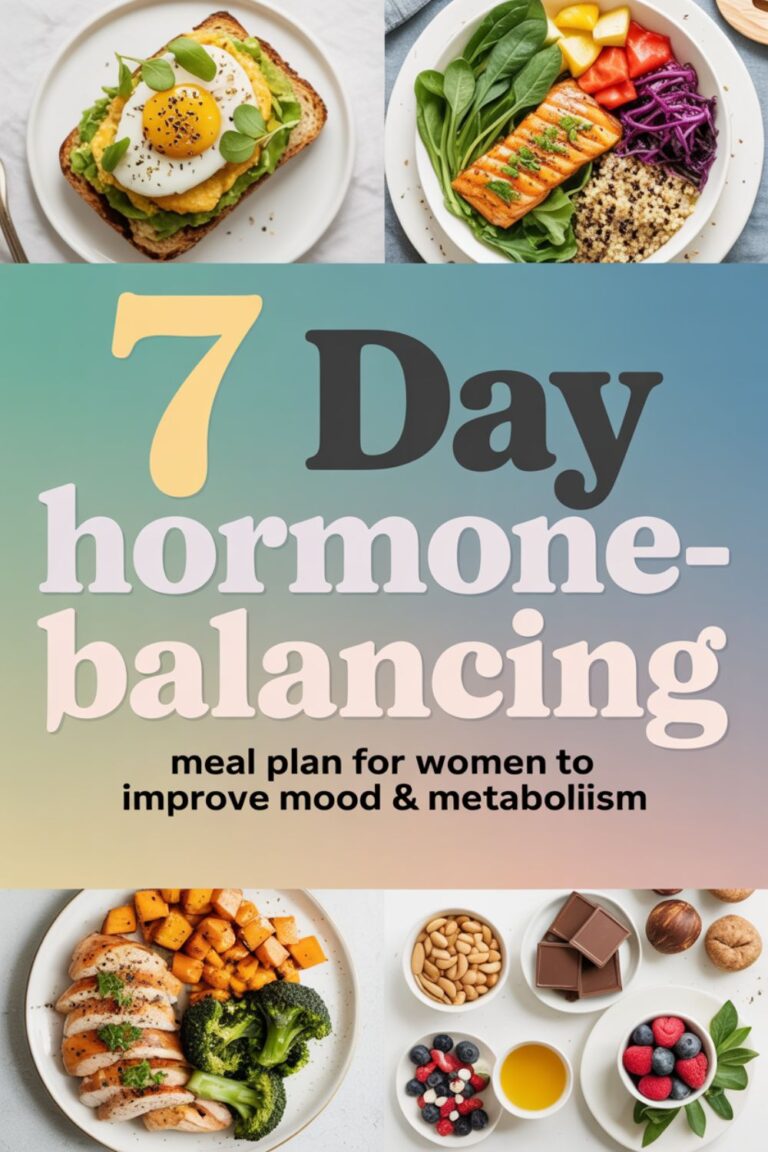
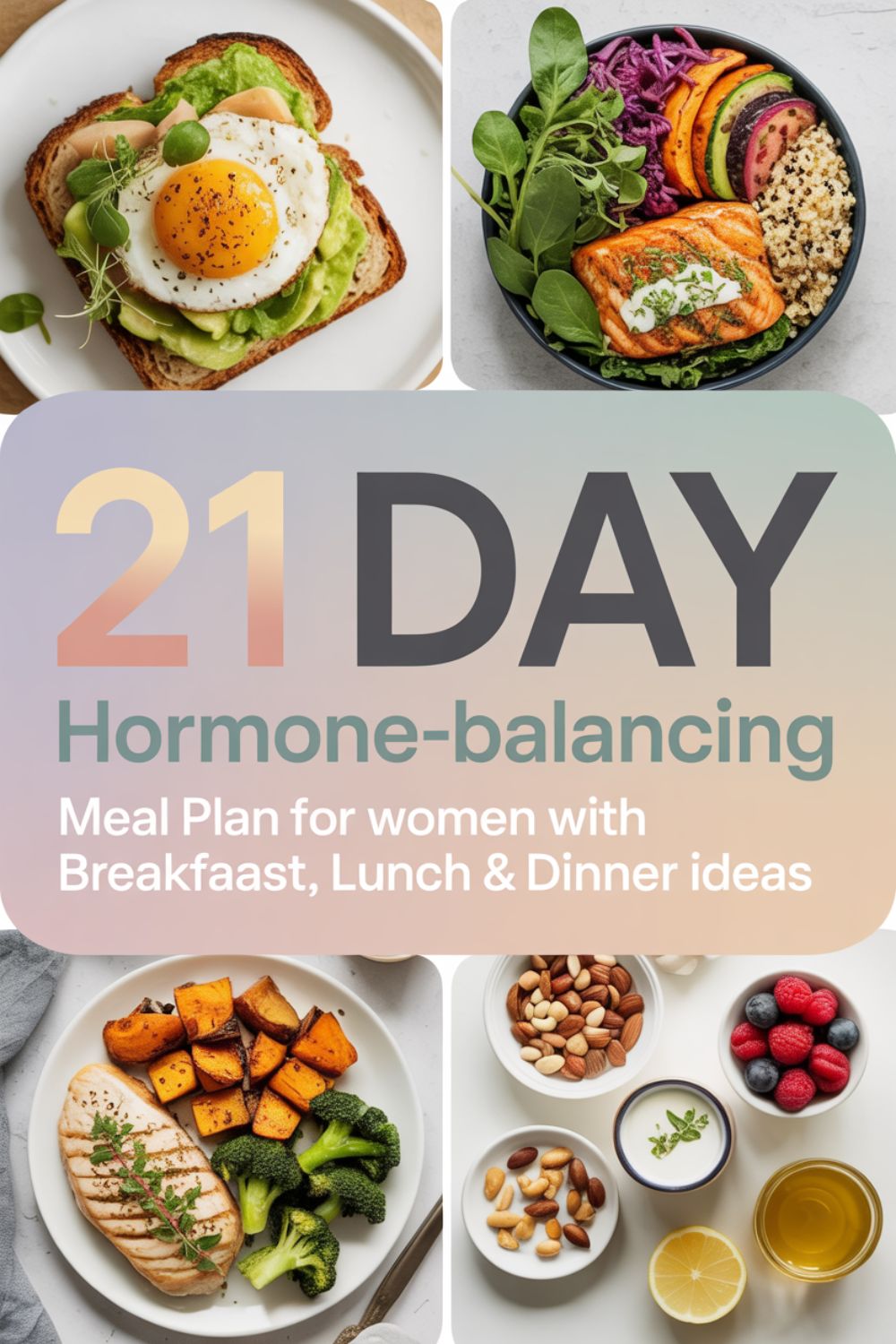
21-Day Hormone-Balancing Meal Plan for Women with Breakfast, Lunch, and Dinner Ideas
Look, I’m not gonna sugarcoat it—hormones can be absolute chaos. One minute you’re feeling like a rockstar, and the next, you’re crying over a cereal commercial or wondering why your jeans suddenly hate you. If you’ve been riding the hormone rollercoaster and are fed up with feeling out of control, you’re in the right place. I’ve spent way too many evenings researching hormone balance and meal planning, and I’m here to share what actually works.
This isn’t another restrictive diet that’ll leave you hangry and miserable. It’s a real, 21-day meal plan designed to help support your hormones naturally through food. We’re talking nutrient-dense meals that actually taste good and won’t have you meal-prepping for six hours every Sunday. Ready to take back control? Let’s get into it.
Why Your Hormones Are Acting Up (And Why Food Actually Matters)
Before we jump into meal plans, let’s talk about why your hormones might be throwing a tantrum. Hormones are basically your body’s chemical messengers, controlling everything from your mood and energy levels to your metabolism and sleep patterns. When they’re balanced, life feels manageable. When they’re not? Well, that’s when things get interesting.
The thing is, what you eat has a massive impact on hormone production and regulation. Research shows that dietary patterns significantly influence hormonal balance, affecting everything from insulin sensitivity to estrogen metabolism. Your food choices literally become the building blocks for hormone production, which is why that drive-through habit might be contributing to your symptoms more than you think.
Common signs of hormone imbalance include irregular periods, stubborn weight gain (especially around the midsection), brain fog, fatigue that coffee can’t fix, mood swings, skin issues, and sleep problems. Sound familiar? You’re not alone. According to functional medicine research, nutrition influences cellular sensitivity to hormone signals through both direct and indirect pathways, making it one of the most powerful tools for restoring balance.
💡 Pro Tip
Start tracking how you feel after meals for three days before beginning this plan. Notice your energy, mood, and hunger levels. This baseline will help you see the real changes as you progress through the 21 days.
The Science Behind Hormone-Friendly Foods
Here’s what makes this meal plan different from every other “wellness” plan you’ve tried: it’s built on actual science, not Instagram trends. The foods included are specifically chosen to support hormone production, reduce inflammation, stabilize blood sugar, and support your liver’s natural detoxification processes.
Protein is crucial for hormone synthesis. Your body uses amino acids from protein to build hormones like insulin, growth hormone, and the thyroid hormones that control your metabolism. Aim for about 20-30 grams per meal—that’s roughly a palm-sized portion of chicken, fish, or tofu.
Healthy fats aren’t the enemy. In fact, they’re essential for hormone production. Your sex hormones (estrogen, progesterone, testosterone) are made from cholesterol. Yeah, you read that right. Avocados, nuts, seeds, olive oil, and fatty fish like salmon provide the building blocks your body needs. I personally use this cold-pressed olive oil for nearly everything—the flavor is incredible, and knowing it’s supporting my hormones is a bonus.
Fiber is your hormone detox friend. Your liver processes excess hormones, and fiber helps escort them out of your body through digestion. Without enough fiber, those hormones can get reabsorbed, leading to hormone excess. Load up on vegetables, fruits, legumes, and whole grains. For more fiber-packed meal inspiration, check out high-fiber breakfast recipes that’ll keep you satisfied all morning.
Speaking of breakfast, if you’re someone who struggles with morning meal prep, you’ll love these make-ahead breakfast ideas that align perfectly with hormone-balancing principles. Get Full Recipe for my favorite overnight oats that takes literally five minutes to throw together the night before.
Week 1: Foundation Phase – Building Your Baseline
Days 1-7: Getting Your Body On Board
The first week is all about establishing a solid foundation. You’re introducing hormone-supportive foods while removing the stuff that’s been working against you (looking at you, processed foods and sugar crashes). Don’t expect miracles on day three—real hormone balance takes time, but you should start noticing better energy and fewer cravings by the end of the week.
Breakfast Ideas:
- Protein-Packed Smoothie Bowl: Blend spinach, frozen berries, protein powder, almond butter, and flaxseeds. Top with chia seeds and sliced banana. The flaxseeds are particularly important—they contain lignans that help metabolize estrogen properly.
- Savory Egg Scramble: Three eggs scrambled with sautéed spinach, mushrooms, and bell peppers. Serve with a slice of whole-grain toast and half an avocado. I cook mine in this cast iron skillet that distributes heat like a dream and adds a tiny bit of iron to your food.
- Greek Yogurt Parfait: Full-fat Greek yogurt layered with mixed berries, walnuts, and a drizzle of raw honey. The full-fat version provides more satiety and supports hormone production better than the low-fat alternatives.
Lunch Ideas:
- Mediterranean Quinoa Bowl: Cooked quinoa with grilled chicken, cucumber, tomatoes, red onion, kalamata olives, feta cheese, and a lemon-olive oil dressing. Quinoa is a complete protein and provides all essential amino acids. For a vegetarian version, try this Mediterranean chickpea bowl.
- Wild Salmon Salad: Mixed greens topped with baked salmon, roasted sweet potato cubes, avocado, and pumpkin seeds with a tahini dressing. Salmon is loaded with omega-3s that reduce inflammation. Get Full Recipe for the perfect tahini dressing that takes this from good to amazing.
- Turkey and Veggie Wrap: Whole-grain wrap filled with sliced turkey breast, hummus, shredded carrots, cucumber, and sprouts. Simple but effective.
For those busy weekdays when you need something quick yet nutritious, I’ve found that meal prep containers and 30-minute meal recipes are absolute lifesavers. Speaking of quick meals, if you’re looking for protein-rich options that come together fast, these high-protein lunch bowls and quick dinner recipes have been game-changers in my own routine.
Dinner Ideas:
- Herb-Crusted Cod with Roasted Vegetables: Baked cod seasoned with herbs, served alongside roasted Brussels sprouts, carrots, and red onions. The cruciferous vegetables (Brussels sprouts) help support estrogen metabolism.
- Grass-Fed Beef Stir-Fry: Lean beef strips cooked with broccoli, snap peas, bell peppers, and garlic in coconut aminos. Serve over cauliflower rice for a lower-carb option or brown rice if you need more complex carbs.
- Lentil and Vegetable Curry: Red lentils simmered with coconut milk, turmeric, ginger, spinach, and tomatoes. Serve with a side of steamed quinoa. The turmeric is incredibly anti-inflammatory and supports liver function. I make big batches using this Dutch oven—it’s perfect for one-pot meals that feed you all week.
💡 Quick Win
Prep your vegetables on Sunday evening—wash, chop, and store them in airtight containers. You’ll thank yourself all week when dinner comes together in 15 minutes instead of 45.
Week 2: Optimization Phase – Fine-Tuning Your System
Days 8-14: Building Momentum
By week two, your body’s starting to adjust. You might notice your energy levels evening out, fewer afternoon crashes, and maybe even better sleep. This is when we start optimizing by introducing more variety and addressing specific hormone needs. Keep in mind that regular physical activity combined with nutritious eating significantly improves insulin resistance and overall hormonal balance.
Breakfast Options:
- Sweet Potato Hash with Eggs: Diced sweet potatoes sautéed with onions, peppers, and turkey sausage, topped with two fried eggs. Sweet potatoes provide steady energy without spiking blood sugar.
- Chia Seed Pudding: Chia seeds soaked overnight in almond milk with vanilla, topped with fresh mango and coconut flakes. Make it in small mason jars using these glass containers for easy grab-and-go mornings. Get Full Recipe for my chocolate version that tastes like dessert but works for breakfast.
- Smoked Salmon Toast: Whole-grain sourdough topped with mashed avocado, smoked salmon, capers, and a squeeze of lemon. The combination of omega-3s and healthy fats is perfect for hormone support.
Lunch Selections:
- Asian-Inspired Lettuce Wraps: Ground chicken cooked with water chestnuts, mushrooms, ginger, and garlic, wrapped in butter lettuce leaves. Light but satisfying.
- Roasted Vegetable and Chickpea Bowl: Roasted cauliflower, zucchini, and red peppers over mixed greens with chickpeas and a lemon-tahini dressing. Plant-based protein that still delivers amino acids your hormones need.
- Tuna Nicoise Salad: Mixed greens with seared tuna, green beans, hard-boiled eggs, cherry tomatoes, and olives with a Dijon vinaigrette. This is basically a hormone-balancing powerhouse on a plate.
Dinner Options:
- Baked Chicken Thighs with Root Vegetables: Bone-in chicken thighs baked with carrots, parsnips, and turnips. The bone-in option provides more nutrients and flavor. Season with rosemary and thyme.
- Zucchini Noodles with Pesto and Shrimp: Spiralized zucchini tossed with homemade basil pesto and sautéed shrimp. If you’re serious about veggie noodles, grab this spiralizer—it’s way sturdier than the cheap ones and actually works.
- Stuffed Bell Peppers: Bell peppers filled with ground turkey, cauliflower rice, tomatoes, and Italian seasonings, topped with a sprinkle of cheese. Meal prep-friendly and freezer-friendly too.
Meal Prep Essentials Used in This Plan
After cycling through way too many kitchen gadgets that promised the world and delivered disappointment, here’s what actually gets used in my kitchen every single week:
Physical Products:
- Glass meal prep containers (5-pack) – These have survived my dishwasher’s wrath for over a year and still seal perfectly. No weird plastic smell, no stains from tomato sauce.
- High-speed blender – IMO, this is the one splurge that’s worth it. Smoothies in 30 seconds, nut butters, sauces, everything. Mine’s been going strong for three years.
- Vegetable chopper – For those nights when you just can’t with the knife work. Dice onions without crying? Yes please.
Digital Resources:
- Complete 21-Day Hormone Reset Guide (PDF) – Detailed shopping lists, meal timing strategies, and hormone-balancing food swaps.
- Weekly Meal Prep Checklist & Planner – Digital planner that breaks down exactly what to prep and when, so you’re not winging it every Sunday.
- Hormone-Balancing Recipe Collection (50+ Recipes) – My full collection of breakfast, lunch, dinner, and snack recipes that support hormonal health.
Community Support:
- Join our Hormone Health WhatsApp Community – Connect with other women on the same journey. Share wins, swap recipes, ask questions. The support is genuinely helpful.
Week 3: Maintenance Phase – Making It Sustainable
Days 15-21: Creating Long-Term Habits
Week three is where the magic happens. Your body’s adapted, your cravings have likely shifted, and hopefully, you’re feeling noticeably different. Now we focus on making this sustainable beyond the 21 days. This isn’t about perfection—it’s about finding a rhythm that works for your life.
Breakfast Rotation:
- Veggie Frittata Muffins: Baked egg muffins with spinach, sun-dried tomatoes, and goat cheese. Make a batch on Sunday and grab two for breakfast all week. Get Full Recipe for the perfect texture every time.
- Almond Butter Banana Toast: Whole-grain toast with almond butter, sliced banana, and a sprinkle of cinnamon and hemp seeds. Simple but hits all the hormone-supporting notes.
- Green Goddess Smoothie: Spinach, avocado, banana, protein powder, almond milk, and a touch of honey. Creamy, filling, and packed with nutrients. If you’re into smoothies, definitely check out these green smoothie variations for more inspiration.
Lunch Favorites:
- Buddha Bowl: Brown rice base with roasted chickpeas, raw vegetables, pickled red cabbage, and tahini sauce. FYI, the pickled cabbage adds probiotics which support gut health—and your gut health directly impacts hormone metabolism.
- Chicken and Avocado Salad: Shredded rotisserie chicken mixed with avocado, celery, red onion, and a Greek yogurt-based dressing. Served in lettuce cups or on whole-grain bread.
- Miso Soup with Tofu and Vegetables: Miso broth with soft tofu, seaweed, mushrooms, and scallions. Light but nourishing, especially if you’re someone who doesn’t want heavy lunches.
Dinner Options:
- Herb-Roasted Turkey Breast with Green Beans: Turkey breast seasoned with thyme and sage, served with garlic-sautéed green beans and mashed cauliflower. Comfort food that won’t derail your progress.
- Shrimp and Broccoli Stir-Fry: Large shrimp cooked with broccoli florets, garlic, and ginger in avocado oil. Serve over brown rice or cauliflower rice.
- Slow Cooker Chicken Chili: Shredded chicken with kidney beans, tomatoes, bell peppers, and chili spices. Set it and forget it. I use this programmable slow cooker that’s paid for itself about a hundred times over in saved takeout money.
For even more variety, explore these one-pot dinner recipes and sheet pan meals that make cleanup a breeze while still delivering hormone-supporting nutrition.
💡 Pro Tip
By week three, start planning your “maintenance mode.” Which meals felt easiest? Which made you feel best? Keep those in heavy rotation and rotate new recipes in slowly. Sustainable change beats perfect execution every time.
Smart Snacking for Hormone Balance
Let’s be real—you’re gonna need snacks. The key is choosing snacks that stabilize blood sugar rather than spiking it. Blood sugar crashes trigger cortisol release, which can throw your entire hormone system out of whack.
Go-To Snack Options:
- Apple slices with almond butter or cashew butter (the fat slows down sugar absorption)
- Hard-boiled eggs with everything bagel seasoning (prep a dozen on Sunday)
- Raw vegetables with hummus or guacamole
- Mixed nuts and seeds (keep portions to a small handful—about 1/4 cup)
- Greek yogurt with a handful of berries
- Celery sticks with almond butter and raisins (yes, ants on a log still works as an adult)
- Roasted chickpeas seasoned with your favorite spices
- Dark chocolate (70% cacao or higher) with a few almonds
I keep these portion-controlled snack containers in my bag at all times. Prevents the “I’m starving and the vending machine is right there” situation that derails even the best intentions.
Hydration and Hormone Health
Water isn’t sexy, but it’s crucial. Dehydration affects every system in your body, including hormone production and delivery. Your body needs water to eliminate excess hormones through urine and sweat. Aim for at least 8-10 glasses daily, more if you’re exercising.
Plain water getting boring? I feel you. Add cucumber slices, lemon, fresh mint, or berries. Herbal teas count too—especially hormone-supportive options like spearmint tea (helps with excess androgens) or red raspberry leaf tea (supports reproductive health).
Avoid excessive caffeine, which can spike cortisol. I’m not saying ditch your morning coffee—I’m not a monster—but maybe skip the 3 PM triple shot when you’re stressed. The temporary energy boost isn’t worth the hormone disruption.
Tools & Resources That Make Cooking Easier
Here’s the truth: You don’t need a fancy kitchen to eat well, but the right tools make everything less painful. After years of learning this the hard way, here’s what actually matters:
Physical Products:
- Sharp chef’s knife – Seriously, a good knife changes everything. Prep time cut in half, fewer frustrations, and you might actually enjoy chopping vegetables.
- Instant-read meat thermometer – No more guessing if chicken is done or accidentally serving salmon jerky. Takes the stress out of protein cooking.
- Silicone baking mats (2-pack) – Nothing sticks, cleanup is nonexistent, and you’ll use them for everything from roasting vegetables to baking salmon.
Digital Products:
- 21-Day Hormone Balancing Meal Plan Tracker (Digital) – Track your meals, symptoms, and how you’re feeling each day. Makes it easy to spot patterns and figure out what works for your body.
- Grocery Shopping Template for Hormone Health – Organized by store sections with all the staples you need. Makes shopping faster and ensures you always have the right ingredients.
- Batch Cooking Guide for Busy Women – Step-by-step instructions for cooking once, eating all week. Includes time-saving strategies I’ve perfected over the years.
Join the Community:
- Hormone Balance Recipe Swap WhatsApp Group – Real women sharing real results, favorite recipes, and the occasional disaster story that makes us all feel better about our kitchen fails.
Meal Timing and Hormone Optimization
When you eat matters almost as much as what you eat. Your hormones follow circadian rhythms, and eating in sync with these natural patterns can enhance the benefits of this meal plan.
Breakfast: Eat within 90 minutes of waking up. This stops the cortisol spike and signals to your body that food is available. Skipping breakfast can actually worsen hormone imbalances by keeping your body in stress mode.
Lunch: Aim for midday, around 12-2 PM. This is when your digestive fire is strongest, making it the ideal time for your largest meal if that works for your schedule.
Dinner: Try to finish eating at least 2-3 hours before bed. Late eating can interfere with melatonin production and disrupt the overnight hormone reset your body needs. If you’re someone who works late shifts, adjust these windows to match your wake/sleep cycle rather than the clock.
The research on meal timing and hormones is pretty clear: consistent meal timing helps maintain hormonal equilibrium by supporting your body’s natural rhythms and preventing the metabolic disruptions that come from erratic eating patterns.
Foods to Avoid or Minimize
Okay, here’s the part nobody wants to hear, but we gotta talk about it. Some foods actively work against hormone balance. You don’t have to be perfect, but being aware helps you make better choices.
Reduce or eliminate:
- Refined sugar: Causes blood sugar chaos, which triggers insulin and cortisol issues. That daily afternoon cookie? Maybe make it a weekend treat instead.
- Processed foods: Loaded with additives, preservatives, and ingredients that disrupt endocrine function. If the ingredient list reads like a chemistry experiment, put it back.
- Alcohol: Your liver processes both alcohol and hormones. When it’s busy with alcohol, hormone metabolism suffers. Not saying never have wine again, but maybe not nightly.
- Conventional dairy (for some people): Can be inflammatory and may contain hormones that mess with your own. If you suspect dairy’s an issue, try eliminating it for three weeks and see how you feel. You might be surprised.
- Soy products (in excess): Small amounts are fine, but overdoing soy can affect estrogen levels in some women. Moderation is key.
- Trans fats: Found in many fried and packaged foods. They increase inflammation and insulin resistance. Just avoid them entirely if possible.
Instead of focusing on what you can’t have, focus on crowding out the bad stuff with good stuff. When your plate is full of nutrient-dense foods you actually enjoy, there’s less room for the things that don’t serve you.
Supporting Your Liver for Better Hormone Balance
Your liver is basically your hormone’s best friend. It processes and eliminates excess hormones, particularly estrogen. When your liver’s overwhelmed (from alcohol, processed foods, toxins, or stress), hormones build up in your system. Not ideal.
Liver-loving foods to include regularly:
- Cruciferous vegetables (broccoli, cauliflower, Brussels sprouts, cabbage, kale)
- Beets and carrots
- Garlic and onions
- Leafy greens
- Citrus fruits, especially lemons
- Green tea
- Turmeric and ginger
Start your morning with warm lemon water—it’s a gentle way to support liver function and hydration first thing. I keep a citrus juicer by my sink specifically for this. Two minutes, huge impact.
Tracking Your Progress Beyond the Scale
Here’s something important: the scale is a terrible measure of hormone balance. Seriously, put it away for these 21 days. Instead, track things that actually matter:
- Energy levels: Are you waking up less groggy? Making it through the afternoon without crashing?
- Mood stability: Fewer random crying sessions? Less irritability? This is huge.
- Sleep quality: Falling asleep faster? Staying asleep? Waking up feeling rested?
- Skin clarity: Hormonal acne often improves when hormones balance.
- Digestion: Less bloating, more regular bowel movements (yeah, we’re going there).
- Menstrual cycle: More regular periods, less PMS, reduced cramping.
- Cravings: The intense need for sugar at 3 PM should diminish significantly.
Keep a simple journal—nothing fancy, just daily notes about how you’re feeling. You’ll start seeing patterns that the scale would never show you.
💡 Quick Win
Take a “before” photo and measurements on Day 1. Even if the scale doesn’t budge, you might notice changes in how clothes fit or where you’re holding weight. Body composition changes often happen before weight changes.
Real Talk: What to Expect Week by Week
Let’s get realistic about timelines because I don’t want you getting discouraged when you don’t feel like a new person after three days.
Week 1: Honestly? You might feel worse before you feel better. If you’re coming off a diet heavy in sugar and processed foods, you might experience headaches, fatigue, or irritability as your body adjusts. Push through. By day 5 or 6, energy usually starts improving. Some people notice reduced bloating pretty quickly.
Week 2: This is typically when things click. Energy stabilizes, cravings decrease, sleep might improve. You’re not white-knuckling it anymore—the food is starting to feel normal, even good. Brain fog often lifts during this week.
Week 3: Benefits compound. You might notice skin improvements, better digestion, mood stability. If you track your cycle, this might be the first month where PMS isn’t as brutal. For some women, weight starts shifting this week, but remember—that’s a bonus, not the goal.
Beyond 21 Days: Hormone balance is a marathon, not a sprint. Keep going. The real changes often happen between weeks 4-8 as your body fully adapts. Sarah from our community lost 15 pounds over three months and said her energy and mood improvements were even more dramatic than the weight loss. That’s the goal.
Making It Work With Real Life
Because let’s be honest—you have a life. You’re not a food blogger with unlimited time for meal prep. Here’s how to make this work when life gets crazy.
Restaurant Strategy: Most restaurants can accommodate. Order protein with vegetables, ask for dressings on the side, skip the bread basket. Mediterranean, Japanese, and even Mexican restaurants have great options. Don’t be afraid to ask for modifications—they want your money and they’ll accommodate.
Travel: Pack snacks (nuts, protein bars, apples with individual nut butter packs). Book hotels with mini-fridges or kitchenettes when possible. Grocery stores are your friend—grab pre-made salads, rotisserie chicken, cut vegetables, and hummus.
Social Events: Eat before you go so you’re not starving and making desperate choices. Bring a hormone-friendly dish to share if it’s a potluck. At parties, load your plate with protein and vegetables first, then decide if you want the other stuff.
Busy Weeknights: This is where batch cooking saves you. Make double portions of dinner and pack leftovers for lunch. Use a slow cooker or Instant Pot for set-it-and-forget-it meals. Keep a stash of quick 15-minute dinners in your back pocket for those nights when you just cannot.
Frequently Asked Questions
How long until I see results from this meal plan?
Most women notice improvements in energy and reduced cravings within the first week. More significant changes like better sleep, mood stability, and menstrual cycle improvements typically show up around weeks 2-3. Physical changes like weight loss or skin improvements often take 4-8 weeks. Remember, hormone balance is a gradual process—your body didn’t get out of balance overnight, and it won’t rebalance overnight either.
Can I follow this meal plan if I’m vegetarian or vegan?
Absolutely! Swap animal proteins for plant-based options like lentils, chickpeas, tempeh, tofu, and quinoa. Make sure you’re getting enough B12 (through fortified foods or supplements) and omega-3s (from flaxseeds, chia seeds, and walnuts). The principles remain the same—focus on whole foods, healthy fats, and plenty of fiber.
Do I need to take supplements alongside this meal plan?
While the meal plan is designed to be nutritionally complete, some women benefit from targeted supplements. Consider getting tested for deficiencies first, then work with your doctor or nutritionist. Common helpful supplements include vitamin D, omega-3s, magnesium, and B-complex vitamins. But food should always be your foundation—supplements are exactly that, supplemental.
What if I have PCOS or other hormone conditions?
This meal plan can definitely help, but you might need additional modifications. Women with PCOS often benefit from lower-carb approaches and extra emphasis on blood sugar control. Those with thyroid issues should be mindful of raw cruciferous vegetables and soy intake. Always check with your healthcare provider before making major dietary changes, especially if you’re on medication.
Is this meal plan safe if I’m trying to conceive or pregnant?
The principles are sound, but pregnancy and preconception have specific nutritional needs. Talk to your OB or midwife first. You’ll likely need more calories, extra folate, and careful attention to food safety (like avoiding certain fish and unpasteurized foods). The emphasis on whole foods, healthy fats, and blood sugar balance is beneficial, but get personalized guidance for your situation.
Your Next Steps
Alright, you’ve made it through the entire plan. Now what? Here’s your game plan for actually implementing this without getting overwhelmed.
Start with one week. Don’t try to meal prep for 21 days on Sunday. Just focus on Week 1. Get those groceries, prep what you can, and take it day by day. Once you’ve conquered Week 1, move to Week 2.
Be flexible. If a meal doesn’t work for you, swap it out. Hate salmon? Use chicken. Can’t stand Brussels sprouts? Roast broccoli instead. The principles matter more than the specific recipes.
Find your rhythm. Some people meal prep everything Sunday. Others prefer cooking fresh daily. There’s no right way—only what works for your life. Experiment and adjust.
Track how you feel. This data is gold. It helps you figure out which foods make you feel amazing and which might be causing issues. Everyone’s body is different.
Get support. Whether it’s from friends, family, or an online community, having people who get it makes this so much easier. Share your wins, vent about challenges, and learn from others who are on the same journey.
The Bottom Line
Hormone balance isn’t about achieving perfection or following some restrictive plan forever. It’s about giving your body what it needs to function optimally. This 21-day meal plan is a starting point, a reset, a way to experience what balanced hormones actually feel like.
Will this fix everything? Probably not—hormone health is complex and sometimes requires medical intervention beyond diet. But will this make a difference in how you feel day-to-day? Based on both research and real women’s experiences, very likely yes.
The foods you eat become the building blocks for your hormones. Make those building blocks high-quality, and your body responds accordingly. It’s not magic, it’s just biology. And honestly? Once you start feeling better, you won’t want to go back to the way you were eating before.
Stop waiting for the perfect moment to start. Monday’s not magical, and next month won’t be less busy. Start with one meal tomorrow. Then another. Small consistent actions beat perfect plans that never get implemented. Your hormones—and your future self—will thank you.
Now stop reading and go make that grocery list. You’ve got this.