21 High-Fiber Breakfasts to Stay Full Until Lunch
Let me guess—you had breakfast two hours ago and you’re already eyeing the snack drawer? Yeah, been there. The problem isn’t willpower; it’s what you’re eating. Most mornings, we grab whatever’s quick and call it breakfast, but if it’s not loaded with fiber, your stomach’s gonna stage a protest before noon.
Here’s the thing: fiber is your secret weapon for staying satisfied. It slows digestion, keeps blood sugar steady, and basically tells your hunger hormones to chill out. According to research from Mayo Clinic, most people fall way short of the recommended 25-38 grams of daily fiber. Starting your morning with at least 8-10 grams puts you on the right track.
I’ve spent years testing breakfast combos that actually work—not the ones that leave you hangry by 10 a.m. These 21 high-fiber breakfasts are legit filling, surprisingly easy to make, and won’t have you daydreaming about lunch during your morning meetings.

Why Fiber Actually Matters for Your Morning
Before we dive into recipes, let’s talk about why fiber deserves a starring role at breakfast. There are two types—soluble and insoluble—and both do important work. UCLA Health explains that soluble fiber dissolves in water to form a gel-like substance that slows digestion and feeds your gut bacteria, while insoluble fiber adds bulk and keeps things moving smoothly through your digestive tract.
When you eat a high-fiber breakfast, you’re setting yourself up for steady energy rather than the spike-and-crash rollercoaster. Fiber slows down how quickly your body absorbs sugar, which means no mid-morning energy nosedive. Plus, it literally takes up space in your stomach and triggers satiety signals, so you’re not prowling around the kitchen an hour later.
Most Americans get less than half the fiber they need each day. Your morning meal is prime real estate for loading up on this nutrient, especially since breakfast foods like oats, whole grains, fruits, and seeds are naturally fiber-rich. You just gotta choose them over the refined stuff.
Pro Tip: When ramping up your fiber intake, do it gradually and drink plenty of water. Your digestive system needs time to adjust, and water helps fiber do its job without causing discomfort.
The Fiber-Packed Breakfast Blueprint
Not all breakfast foods are created equal. You want to aim for meals that pack at least 5-8 grams of fiber per serving. The sweet spot includes combining whole grains, fruits, vegetables, nuts, seeds, and legumes. Here’s what to stock in your kitchen:
- Whole Grains: Old-fashioned oats, quinoa, whole wheat bread, barley, buckwheat
- Fruits: Berries (raspberries are fiber champions), apples with skin, pears, bananas, avocados
- Seeds: Chia seeds, flaxseeds, hemp hearts, pumpkin seeds
- Nuts: Almonds, walnuts, pistachios, pecans
- Legumes: Black beans, chickpeas, lentils (yes, for breakfast!)
When you combine a few of these, you’re not just hitting your fiber target—you’re also getting protein, healthy fats, vitamins, and minerals. It’s basically nutritional multitasking.
Looking for more ways to balance your morning nutrition? Try this 7-day high-protein meal plan that pairs perfectly with fiber-rich foods, or explore the gut health reset plan for more digestive support ideas.
21 High-Fiber Breakfasts That Actually Keep You Full
1. Loaded Overnight Oats
This is my go-to when I know mornings will be chaotic. Mix ½ cup rolled oats with chia seeds, almond milk, and whatever fruit you’ve got. Let it sit overnight in a mason jar and wake up to breakfast that’s already done. Add a tablespoon of almond butter for staying power. Fiber count: 10-12 grams. Get Full Recipe
2. Avocado Toast with Everything Bagel Seasoning
Yeah, it’s trendy, but it’s trendy for a reason. Whole grain bread plus half an avocado gives you around 8 grams of fiber. I mash mine with a fork right on the toast, add a sprinkle of everything bagel seasoning, and maybe a fried egg if I’m feeling fancy. The avocado’s creamy fat keeps you satisfied way longer than butter.
3. Berry Chia Pudding
Three tablespoons of chia seeds in almond milk, stirred and refrigerated overnight, turns into pudding magic. Top with mixed berries and a handful of sliced almonds. Chia seeds are basically fiber bombs—each tablespoon packs nearly 5 grams. I make mine in small glass jars with lids so I can grab and go. Fiber: 14+ grams.
4. Quinoa Breakfast Bowl
Cooked quinoa isn’t just for dinner. Use it as a base and top with cinnamon, walnuts, sliced banana, and a drizzle of honey. Quinoa has about 5 grams of fiber per cup, plus it’s a complete protein. Makes you feel like you’re eating dessert but with actual nutritional value.
5. Sweet Potato Breakfast Hash
Dice sweet potatoes small, roast them in a cast iron skillet with onions and peppers, then toss in black beans and crack a couple eggs on top. One medium sweet potato has nearly 4 grams of fiber, and the black beans add another 7-8 grams per half cup. It’s savory, filling, and worth the extra 15 minutes. Get Full Recipe
6. Green Smoothie with Spinach and Flaxseed
Blend spinach, frozen banana, berries, a tablespoon of ground flaxseed, and almond milk. The spinach is virtually tasteless but adds fiber and nutrients. Ground flaxseed is key here—it needs to be ground for your body to access the fiber. I use a small coffee grinder just for seeds. Fiber: 8-10 grams.
Meal Prep Essentials Used in This Plan
Listen, having the right stuff on hand makes high-fiber breakfasts way less intimidating. Here’s what I keep stocked:
- Glass meal prep containers – Perfect for overnight oats and chia pudding. The lids actually seal, which matters when you’re tossing them in a bag.
- High-speed blender – Smoothies are only quick if your blender doesn’t take five minutes to pulverize kale. Worth the investment.
- Silicone baking mats – For roasting sweet potatoes or making homemade granola without everything sticking. Zero scrubbing required.
- Digital Meal Planning Guide (PDF) – Helps you map out which breakfasts to prep when, so you’re not scrambling Sunday night.
- High-Fiber Breakfast Recipe eBook – 50+ recipes with nutritional breakdowns and grocery lists already organized.
- Batch Cooking Video Course – Shows you how to prep 5 different breakfasts in under an hour. Game-changer for busy weeks.
Want accountability and recipe swaps? Join our WhatsApp community where we share what’s working and troubleshoot what’s not.
7. Whole Grain Waffles with Almond Butter and Berries
Make waffles from whole wheat or oat flour, or grab frozen ones that list whole grains first. Top with almond butter (not syrup) and fresh berries. The nut butter adds protein and fat, while the berries pile on fiber. I toast mine in a toaster oven to keep them crispy. Fiber: 7-9 grams.
8. Greek Yogurt Parfait with Granola and Figs
Layer Greek yogurt with high-fiber granola, sliced figs, and a sprinkle of pumpkin seeds. Figs are underrated fiber sources—two small ones have about 3 grams. Check the granola label though; some brands are basically candy. You want at least 3 grams of fiber per serving.
9. Savory Oatmeal with Mushrooms and Spinach
Hear me out: oatmeal doesn’t have to be sweet. Cook oats in vegetable broth, stir in sautéed mushrooms and spinach, and top with a poached egg. The earthiness works, and you’re getting fiber from multiple sources. If the idea of savory oats weirds you out, just try it once. Get Full Recipe
10. Peanut Butter Banana Toast on Sprouted Bread
Sprouted grain bread has more available nutrients and fiber than regular whole wheat. Spread it thick with natural peanut butter (the kind where you have to stir the oil) and top with banana slices. Dash of cinnamon if you’re into that. Simple, satisfying, and hits around 8 grams of fiber.
For more balanced breakfast ideas that support steady energy throughout the day, check out this blood sugar balancing meal plan that focuses on preventing those mid-morning crashes.
11. Black Bean and Egg Breakfast Burrito
Whole wheat tortilla, scrambled eggs, black beans, salsa, and a handful of spinach. Roll it up and you’ve got portable breakfast with serious staying power. Black beans are fiber superstars, and the whole wheat tortilla adds another 3-4 grams. Fiber: 12+ grams.
12. Apple Slices with Almond Butter and Chia Seeds
This one’s almost too simple to count as a recipe, but it works. Slice an apple (leave the peel on—that’s where the fiber lives), slather with almond butter, and sprinkle chia seeds on top. Keep a small jar of chia seeds on your counter for easy access. Fiber: 6-7 grams.
13. Baked Oatmeal Cups with Blueberries
Mix oats, mashed banana, eggs, almond milk, and blueberries, then bake in a muffin tin. These freeze beautifully and reheat in 30 seconds. Each cup has around 4 grams of fiber, so grab two and you’re set. They taste like blueberry muffins but actually have nutritional value.
14. Cottage Cheese Bowl with Pear and Walnuts
Cottage cheese is protein-rich but not fiber-heavy, so you pair it with stuff that is. Add diced pear (with skin), walnuts, and a drizzle of honey. The pear brings about 5 grams of fiber, and walnuts add healthy fats that slow digestion. IMO, this combo is criminally underrated.
Quick Win: Prep your toppings on Sunday. Chop nuts, wash berries, portion out seeds. When you’re half-asleep on Tuesday morning, you’ll thank yourself.
15. Chickpea Scramble with Vegetables
Mash chickpeas with a fork, sauté with turmeric, garlic powder, and whatever veggies you have, and you’ve got a plant-based scramble with texture. Half a cup of chickpeas packs 6 grams of fiber. Serve over whole grain toast or wrapped in a tortilla. Get Full Recipe
16. Homemade Granola with Extra Seeds
Store-bought granola is hit or miss. Make your own with oats, nuts, seeds (pumpkin, sunflower, flax), a touch of maple syrup, and bake on a large baking sheet. You control the sugar and fiber content. Eat it over yogurt or straight from the jar when you need crunch. Fiber per serving: 5-6 grams.
17. Buckwheat Pancakes with Raspberry Compote
Buckwheat flour is gluten-free and surprisingly high in fiber. Mix up pancakes, top with a quick berry compote (just simmer frozen raspberries with a tiny bit of maple syrup), and skip the syrup bottle. Raspberries are fiber champions at 8 grams per cup. Total fiber: 10+ grams.
18. Whole Grain English Muffin with Hummus and Cucumber
This one’s savory, crunchy, and ready in two minutes. Toast a whole grain English muffin, spread hummus generously, and top with cucumber slices and a sprinkle of everything bagel seasoning. The combo of whole grains and chickpea-based hummus gives you around 7 grams of fiber.
If you’re looking to reduce inflammation while boosting fiber intake, this anti-inflammatory meal plan pairs perfectly with these high-fiber breakfast ideas.
19. Barley Breakfast Porridge
Barley has more fiber than oats—about 6 grams per cooked cup. Cook it like oatmeal, add cinnamon, diced apple, and pecans. It’s chewier than oats, which some people love. I like cooking it in a rice cooker overnight so it’s ready when I wake up. Fiber: 8-10 grams.
20. Tropical Smoothie Bowl with Mango and Coconut
Blend frozen mango, spinach, banana, and coconut milk until thick, then pour into a bowl and top with granola, chia seeds, and shredded coconut. The thick texture makes you eat slower, which helps with satiety. Plus, you can add protein powder to boost nutrition even more. Fiber: 9-11 grams.
21. Lentil and Veggie Breakfast Skillet
Yes, lentils for breakfast. Sauté cooked lentils with diced bell peppers, onions, and spinach. Season with cumin and paprika, then top with a fried egg or avocado. Half a cup of lentils brings about 8 grams of fiber. It’s hearty, savory, and will keep you full straight through to lunch. Get Full Recipe
Tools & Resources That Make Cooking Easier
Real talk: the right tools eliminate most of the friction between you and a good breakfast. Here’s what actually makes a difference:
- Digital food scale – If you’re tracking fiber or trying to hit specific nutritional targets, this takes the guesswork out.
- Spiralizer – For adding veggie noodles to breakfast hashes or frittatas. More vegetables = more fiber without feeling like you’re eating salad at 7 a.m.
- Mini food processor – Perfect for grinding flaxseed fresh, making nut butters, or blending quick sauces and spreads.
- Customizable Meal Prep Planner (Spreadsheet) – Pre-loaded with nutrition calculations so you can mix and match these breakfasts and hit your daily goals.
- Kitchen Skills Video Series – Teaches knife skills, meal timing, and batch cooking strategies. Makes everything faster.
- Fiber Tracker App Guide (PDF) – Reviews the best apps for tracking fiber intake and shows you how to set them up properly.
Our community also shares shortcuts and hacks in the WhatsApp group—like which grocery stores have the best bulk prices on seeds and nuts.
Making High-Fiber Breakfasts Work in Real Life
Okay, so you’ve got 21 ideas. Now what? The key is not trying to do everything at once. Pick three recipes that sound doable and rotate them for a week. Once they feel automatic, add another one or two.
Batch cooking is your friend here. On Sunday, cook a big pot of quinoa or barley, bake a batch of oatmeal cups, and portion out smoothie ingredients into freezer bags. During the week, you’re just assembling, not cooking from scratch every morning.
Also, read ingredient labels when you’re buying bread, cereal, or tortillas. “Whole grain” should be the first ingredient, and you want at least 3 grams of fiber per serving. If a product claims to be healthy but has zero fiber, it’s probably not doing you any favors.
One more thing: Cleveland Clinic research shows that gradually increasing fiber while drinking plenty of water prevents digestive discomfort. Don’t go from 10 grams a day to 35 overnight. Your gut needs time to adjust.
Pro Tip: Keep frozen berries, bananas, and spinach on hand. They last forever, work in smoothies or oatmeal, and mean you always have fiber-rich ingredients ready to go.
The Protein-Fiber Connection
Here’s something worth knowing: fiber keeps you full, but pairing it with protein amplifies that effect. Most of the breakfasts here include protein sources—eggs, Greek yogurt, nuts, seeds, legumes—because the combination hits different hunger hormones.
When you eat fiber alone, it slows digestion. When you add protein, you’re also triggering hormones like peptide YY and GLP-1 that signal fullness to your brain. It’s basically nutritional synergy. If a breakfast has fiber but no protein, consider adding a hard-boiled egg, a scoop of protein powder, or some nuts.
Looking for more protein-packed ideas? This 14-day high-protein meal plan combines fiber-rich foods with optimal protein timing for the best results.
Navigating Common Fiber Pitfalls
A few things can go wrong when you’re ramping up fiber. First, not drinking enough water is the biggest mistake. Fiber absorbs water, so if you’re not hydrated, you might end up constipated rather than regular. Aim for at least 8 glasses a day, more if you’re active.
Second, don’t fall for “added fiber” marketing tricks. Some processed foods add isolated fibers like inulin or polydextrose to boost the fiber number on the label. While these aren’t harmful, they don’t provide the same benefits as fiber from whole foods. Stick with the real stuff.
Third, if you’re eating plenty of fiber but still feeling hungry, check your portion sizes and overall calorie intake. Fiber is filling, but you still need adequate energy. A tiny bowl of oatmeal won’t cut it if you’re training for a marathon or have a physically demanding job.
What About Supplements?
Can you just take a fiber supplement and call it done? Technically, yes. But here’s the reality: NIH research indicates that different types of fiber have different effects on your body and gut bacteria. Whole foods provide a variety of fibers, plus vitamins, minerals, antioxidants, and phytonutrients that supplements don’t.
Fiber supplements like psyllium husk can help if you’re struggling to hit your targets, but they shouldn’t replace food. Use them as a backup, not a primary strategy. Most people do better by just eating a varied diet with plenty of plants.
If you do supplement, start with a small amount and increase gradually. And for the love of all that’s holy, drink water with it. Otherwise, you’re creating a cement mixer situation in your intestines.
Frequently Asked Questions
How much fiber should I aim for at breakfast?
Shoot for at least 8-10 grams of fiber in your morning meal. This gives you a solid foundation toward the daily recommendation of 25-38 grams (depending on your age and sex). If you’re getting 10 grams at breakfast, another 10 at lunch, and 10 at dinner, you’re golden. Don’t stress about hitting the exact number every single day—consistency over time matters more.
Will eating more fiber help me lose weight?
Fiber can support weight loss because it increases satiety and reduces overall calorie intake, but it’s not magic. You still need to be in a calorie deficit to lose weight. That said, high-fiber foods tend to be more filling and nutrient-dense, which makes it easier to eat less without feeling deprived. Think of fiber as a helpful tool in your overall strategy, not a standalone solution.
Can I prep these breakfasts ahead of time?
Absolutely. Overnight oats, chia pudding, baked oatmeal cups, and breakfast burritos all prep beautifully. Make them on Sunday and grab them throughout the week. Some things, like scrambles and smoothies, are better fresh, but you can still prep the ingredients in advance. Portion out smoothie ingredients into freezer bags, pre-chop vegetables for scrambles, and cook grains in bulk. You’ll cut your morning cooking time down to almost nothing.
What if high-fiber foods make me bloated?
Bloating usually happens when you increase fiber too quickly or don’t drink enough water. Your gut bacteria need time to adjust to processing more fiber. Start with smaller portions, increase gradually over a couple weeks, and make sure you’re staying hydrated. If bloating persists, you might have a sensitivity to certain types of fiber—some people struggle with beans or cruciferous vegetables. Experiment to find what works for your body.
Are there any risks to eating too much fiber?
Yes, but you’d have to eat an excessive amount. Too much fiber can cause gas, bloating, cramping, and interfere with mineral absorption if you’re way overdoing it. Most people don’t come close to this problem—the average American gets less than half the recommended amount. As long as you’re increasing gradually, drinking water, and eating a variety of foods, you’ll be fine. If you have IBS or other digestive conditions, talk to your doctor about the right fiber intake for you.
The Bottom Line
High-fiber breakfasts aren’t about restriction or following rigid rules. They’re about choosing foods that actually sustain you so you’re not white-knuckling your way to lunch. Whether it’s overnight oats on a busy Monday or a leisurely weekend breakfast skillet, these 21 options give you flexibility without sacrificing nutrition.
Start with the recipes that sound appealing, not the ones you think you “should” like. Prep what you can on the weekend. Keep frozen berries, nuts, and seeds stocked. And remember—fiber works best when you’re consistent, hydrated, and patient with your body as it adjusts.
Your mid-morning hunger pangs don’t stand a chance.
Similar Posts
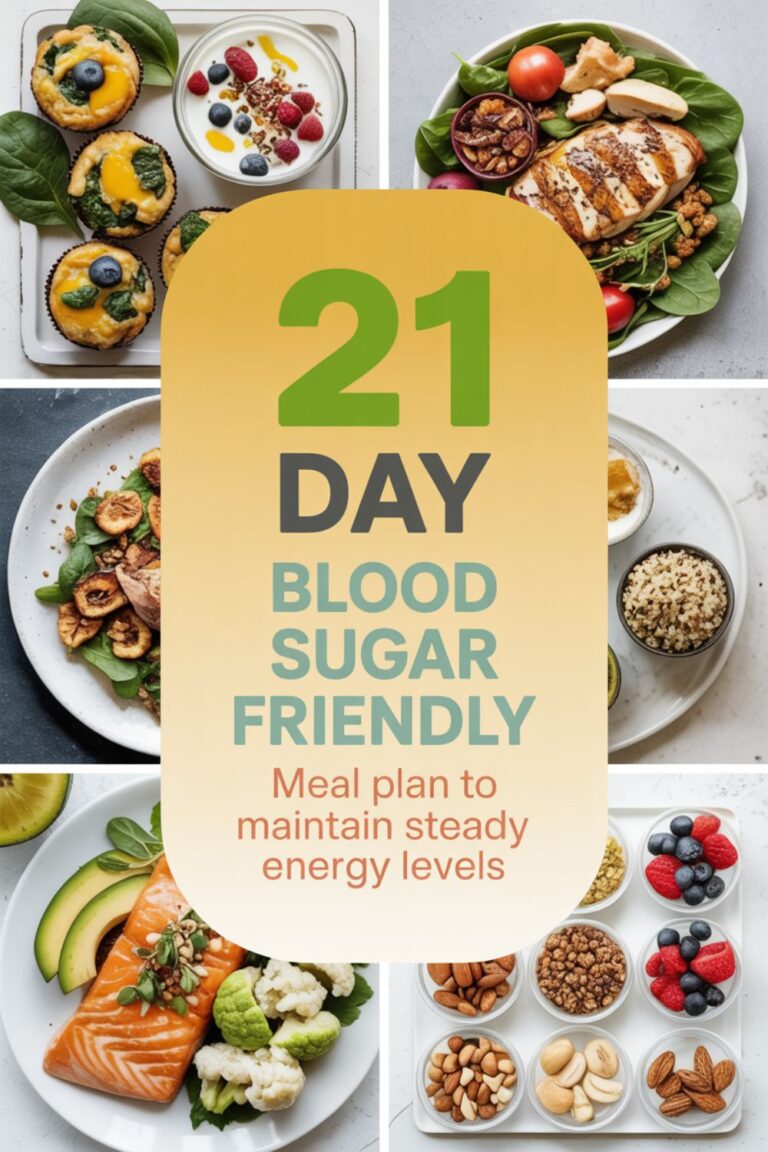
21-Day Blood Sugar Friendly Meal Plan to Maintain Steady Energy Levels
21-Day Blood Sugar Friendly Meal Plan to Maintain Steady Energy Levels 21-Day Blood Sugar Friendly Meal Plan to Maintain Steady Energy Levels Look, I’m not here to tell you that managing blood sugar is some magical cure-all that’ll transform your life overnight. But here’s what I will say: once you figure out how to keep…
27 Simple Breakfast Ideas for Beginners
27 Simple Breakfast Ideas for Beginners – Easy Morning Meals 27 Simple Breakfast Ideas for Beginners Look, I get it. Mornings are rough. You’re barely awake, your brain hasn’t loaded yet, and somehow you’re supposed to make yourself a nutritious meal? Yeah, right. But here’s the thing—breakfast doesn’t have to be complicated. In fact, some…
27 High-Protein Breakfast Ideas That Actually Keep You Full Until Lunch
27 High-Protein Breakfast Ideas That Actually Keep You Full Until Lunch 27 High-Protein Breakfast Ideas That Actually Keep You Full Until Lunch Look, I get it. You’re tired of feeling starving by 10 AM after what seemed like a “healthy” breakfast. That Greek yogurt with berries? Adorable, but it’s not cutting it anymore. Your body’s…
20 Smoothies for Digestion and Gut Reset
20 Smoothies for Digestion and Gut Reset – Easy & Delicious Recipes 20 Smoothies for Digestion and Gut Reset So your stomach’s been throwing tantrums, your gut feels like it’s hosting a protest, and you’re ready to hit the reset button. Welcome to the club. Turns out, smoothies might just be your digestive system’s new…
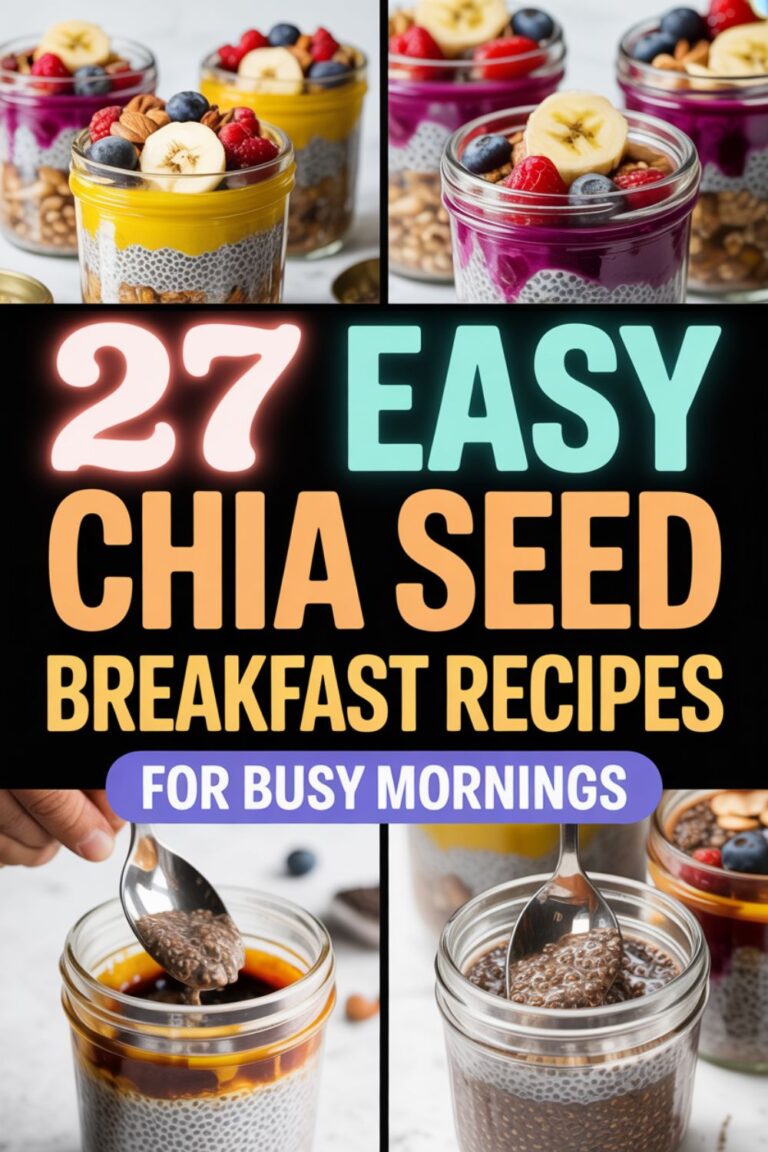
27 Easy Chia Seed Breakfast Recipes for Busy Mornings
27 Easy Chia Seed Breakfast Recipes for Busy Mornings – LovelyEase 27 Easy Chia Seed Breakfast Recipes for Busy Mornings Your guide to quick, nutritious breakfasts that actually taste amazing Look, mornings are brutal. You’re half-awake, the coffee hasn’t kicked in yet, and somehow you’re supposed to fuel your body with something that doesn’t come…