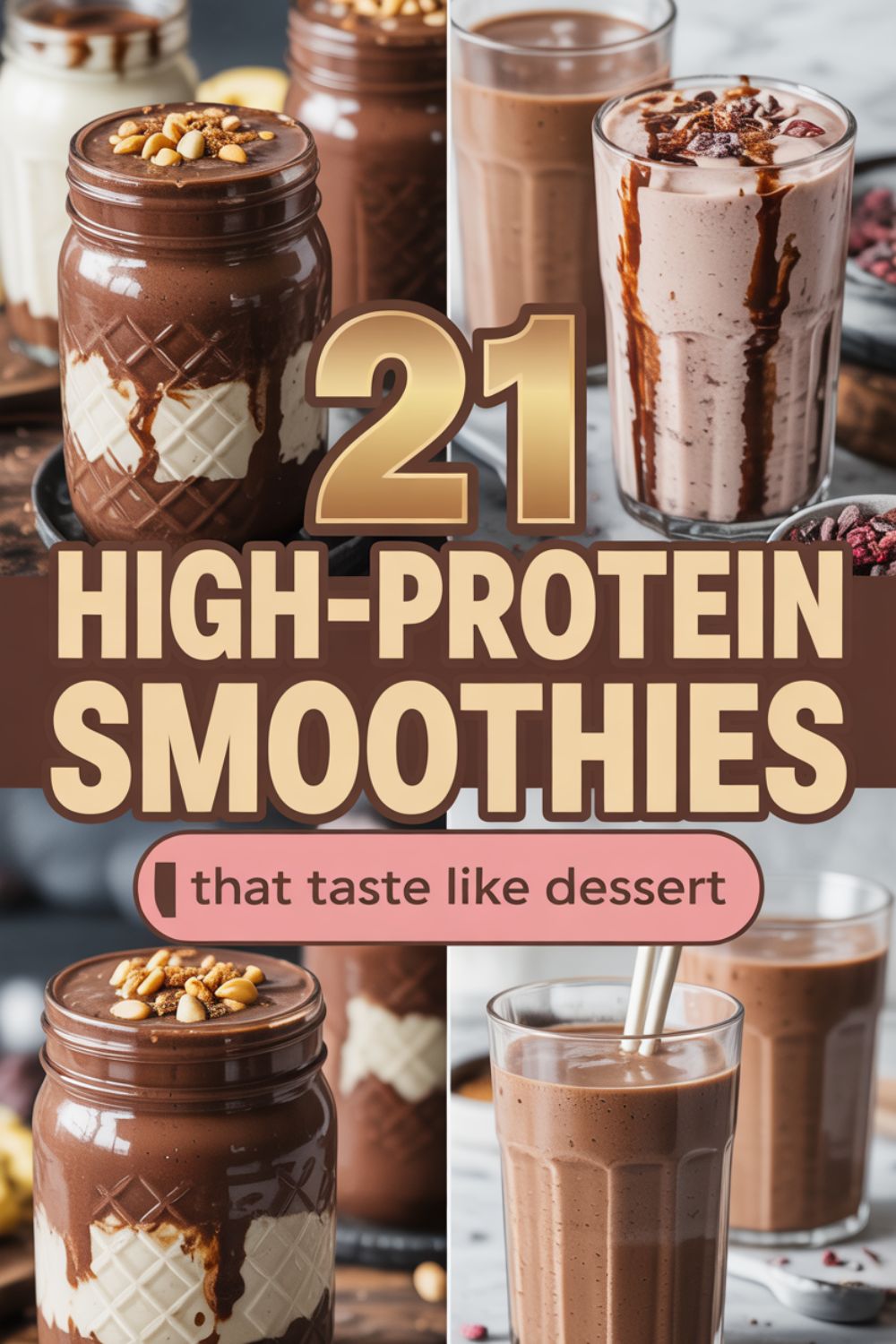
21 High-Protein Smoothies That Taste Like Dessert
Look, I get it. You’re trying to hit your protein goals, but drinking another chalky vanilla shake makes you want to throw your blender out the window. What if I told you that your next protein fix could taste like birthday cake, brownie batter, or a slice of key lime pie instead?
These aren’t your typical protein smoothies that taste like sweetened cardboard with a side of regret. I’m talking about legit dessert vibes—creamy, indulgent, and packed with enough protein to actually keep you satisfied. No weird aftertaste, no grainy texture that makes you question your life choices.
The secret? It’s all about layering the right ingredients. According to Johns Hopkins Medicine, protein helps build and maintain muscle mass while keeping you full longer. But here’s the kicker: you don’t need to rely solely on protein powder. Greek yogurt, nut butters, and even seeds can bump up the protein content while adding real flavor and texture.
Why Protein Matters in Your Smoothies
Here’s the deal: protein isn’t just for bodybuilders and gym rats. Research from GoodRx shows that higher-protein, low-calorie diets can lead to greater weight loss, fat loss, and lean muscle retention compared to lower-protein alternatives. Translation? That protein smoothie can actually help you reach your goals, whether you’re trying to lose weight, build muscle, or just make it to lunch without raiding the snack drawer.
But let’s be real—most protein smoothies taste like punishment. You know the ones I’m talking about. They’re thick enough to chew, have that distinct protein powder aftertaste, and leave you wondering why you didn’t just eat actual dessert instead.
That’s where these recipes come in. Each one packs at least 20 grams of protein while tasting like something you’d actually order at an ice cream shop. We’re talking chocolate peanut butter cups, strawberry cheesecake, and even red velvet cake—all in smoothie form.
Pro Tip: Freeze your bananas when they get those brown spots—they’ll be perfectly ripe, naturally sweet, and create that thick, ice cream-like texture without any ice crystals.
The Building Blocks of Dessert-Worthy Smoothies
Making a smoothie taste like dessert isn’t rocket science, but it does require a little strategy. You need three key elements: sweetness, richness, and that signature flavor that screams “this is definitely dessert.”
Sweetness Without the Sugar Crash
Frozen fruit is your best friend here. Bananas, berries, mangoes—they all bring natural sweetness without the need for added sugar. According to research, whole fruits contain fiber that slows down sugar absorption, preventing that crash-and-burn feeling you get from regular desserts.
If you need extra sweetness, dates are clutch. Two or three Medjool dates add caramel-like richness while providing fiber and minerals. I keep mine pitted and frozen in a silicone storage bag so they’re always ready to go.
Richness and Creaminess
This is where Greek yogurt, cottage cheese, and avocado shine. Greek yogurt isn’t just protein-packed—it’s also thick enough to make your smoothie feel like a milkshake. We’re talking that spoon-standing-up-in-the-glass thick.
Cottage cheese might sound weird in a smoothie, but trust me on this one. It has about 12 grams of protein per half-cup serving and blends up completely smooth when you use a high-powered blender. You literally can’t taste it, but you’ll definitely feel fuller longer.
For plant-based folks, avocado is your secret weapon. Half an avocado adds healthy fats and creates that luxurious, velvety texture without any avocado flavor. Seriously, it just disappears into the background while making everything taste better.
Capturing That Dessert Flavor
Here’s where the magic happens. The difference between “okay, this is healthy” and “wait, is this actually dessert?” comes down to your flavor extracts, spices, and mix-ins.
Vanilla extract is non-negotiable. It makes everything taste better. Cacao powder (not the same as cocoa—cacao is less processed and more nutrient-dense) delivers rich chocolate flavor without added sugar. Cinnamon, nutmeg, and even a pinch of sea salt can transform a basic smoothie into something special.
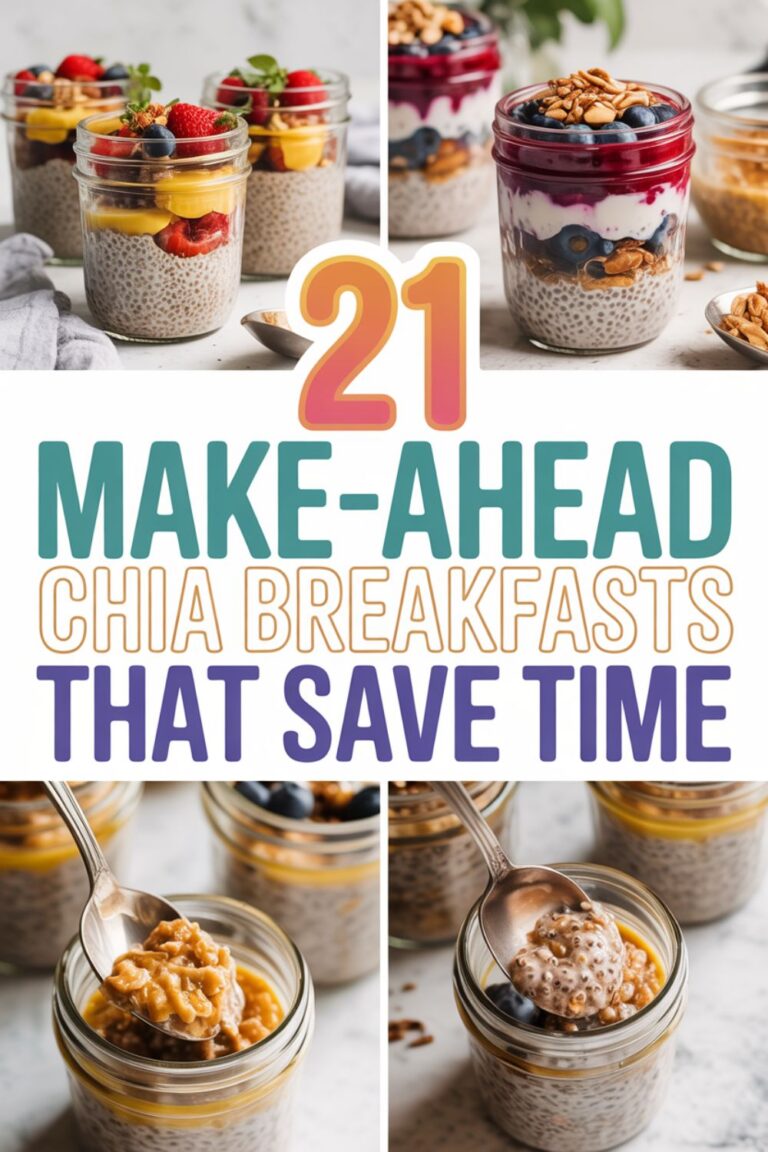
For more breakfast inspiration beyond smoothies, you might also love these make-ahead breakfast ideas that save you time all week long.
Meal Prep Essentials Used in These Smoothies
These are the tools and products that make smoothie prep actually doable when you’re half-asleep at 6 AM:
- High-Speed Blender – Worth every penny. It pulverizes frozen fruit, ice, and even those stubborn chunks of frozen banana into silky smoothness. I’ve tried the budget versions, and they just don’t cut it when you’re working with thick, protein-heavy ingredients.
- Glass Meal Prep Containers (Set of 6) – Perfect for storing pre-portioned smoothie ingredients. I prep Sunday night: one banana, berries, spinach, and protein powder in each container. In the morning, I just dump, blend, and go.
- Silicone Ice Cube Trays with Lids – Game changer for freezing leftover smoothie or coffee cubes. Add them to your next smoothie for extra thickness without watering it down.
- 7-Day High-Protein Meal Plan [Digital Download] – Complete meal planning guide with grocery lists and prep schedules. Makes hitting your protein goals ridiculously easy.
- Smoothie Recipe Collection eBook – 50+ smoothie recipes organized by flavor profile and protein content. Includes nutritional breakdowns and substitution guides.
- Weekly Meal Prep Tracker [Printable PDF] – Visual planning sheets that help you batch prep ingredients and track what’s in your freezer so nothing goes to waste.
- Join Our WhatsApp Community – Daily meal prep tips, recipe swaps, and real talk from people who actually meal prep (not just post about it on Instagram).
21 High-Protein Smoothies You’ll Actually Crave
Alright, let’s get to the good stuff. Each of these smoothies delivers at least 20 grams of protein and tastes like something you’d feel guilty eating—except you won’t, because they’re actually good for you.
1. Chocolate Peanut Butter Cup Smoothie
This is basically a Reese’s in a glass, except it won’t spike your blood sugar or leave you crashing an hour later. The combo of chocolate protein powder (or cacao), peanut butter, and frozen banana is undefeated.
What makes it work: The peanut butter provides healthy fats and extra protein while the banana adds natural sweetness and that thick, creamy texture. Add a tablespoon of natural peanut butter for the real deal—none of that sugar-loaded stuff.
Protein boost: 25g (from protein powder, peanut butter, and Greek yogurt)
2. Strawberry Cheesecake Smoothie
This one tastes suspiciously like actual cheesecake, complete with that tangy cream cheese flavor. The secret? A combination of Greek yogurt, cottage cheese, and a touch of vanilla extract.
Frozen strawberries bring the fruit topping vibes, while a tablespoon of almond butter adds richness without overwhelming the strawberry flavor. Some people like to add a crumbled graham cracker on top—totally optional, but it does make you feel like you’re eating the real thing.
Protein boost: 22g (primarily from cottage cheese and Greek yogurt)
Quick Win: Make a double batch and freeze half in popsicle molds for protein-packed frozen treats later in the week.
3. Brownie Batter Smoothie
If you’ve never tried avocado in a chocolate smoothie, you’re missing out. It sounds weird—I thought so too—but it creates this ridiculously thick, mousse-like texture that’s impossible to achieve any other way.
Combine half an avocado with cacao powder, frozen banana, almond milk, and your protein powder of choice. The cacao provides antioxidants while the avocado delivers healthy fats that keep you satisfied for hours. For more dessert-inspired breakfast ideas, check out these no-oven summer breakfasts.
Protein boost: 24g
4. Salted Caramel Cookie Dough Smoothie
This one’s for the people who used to sneak spoonfuls of cookie dough from the mixing bowl. The salted caramel protein powder (or vanilla with a pinch of sea salt) mimics that sweet-salty combo, while cashew butter adds the “dough” richness.
Add a tablespoon of cacao nibs for that chocolate chip texture. They add crunch without the added sugar of regular chocolate chips, and they’re packed with antioxidants.
Protein boost: 23g
5. Vanilla Birthday Cake Smoothie
Turns out you don’t need actual cake to get that birthday cake flavor. Vanilla protein powder, almond extract, and a handful of frozen cauliflower (yes, really) create that fluffy cake texture.
The cauliflower is completely tasteless but adds volume and creaminess. Top with a few rainbow sprinkles if you’re feeling festive—because sometimes you need that visual confirmation that you’re basically drinking cake for breakfast.
Protein boost: 21g
6. Mint Chocolate Chip Smoothie
Fresh mint leaves are the star here—they provide that cool, refreshing mint flavor without any artificial ingredients. Blend them with spinach (for the green color and extra nutrients), cacao nibs, vanilla protein powder, and frozen banana.
The spinach is undetectable, I promise. It just makes your smoothie a gorgeous green color while adding iron and fiber. For the best results, use a powerful blender that can pulverize the mint leaves completely.
Protein boost: 22g
7. Red Velvet Smoothie
The gorgeous red color comes from beets—which might sound questionable, but roasted beets have a naturally sweet, earthy flavor that pairs surprisingly well with cacao. Add vanilla protein powder, Greek yogurt, and a splash of almond milk.
Pro tip: use pre-cooked, vacuum-sealed beets from the produce section. They’re already roasted and ready to blend, saving you the hassle of cooking and peeling fresh beets. Store them in a glass container in your fridge for easy smoothie assembly.
Protein boost: 23g
8. Key Lime Pie Smoothie
Tart, creamy, and ridiculously refreshing. This one combines frozen banana, avocado, fresh lime juice, vanilla protein powder, and a handful of spinach for that signature green color.
The lime juice is crucial—don’t skip it or try to use bottled lime juice. Fresh lime zest adds even more lime flavor without the acidity. I use a microplane zester to get super fine zest that blends in seamlessly.
Protein boost: 21g
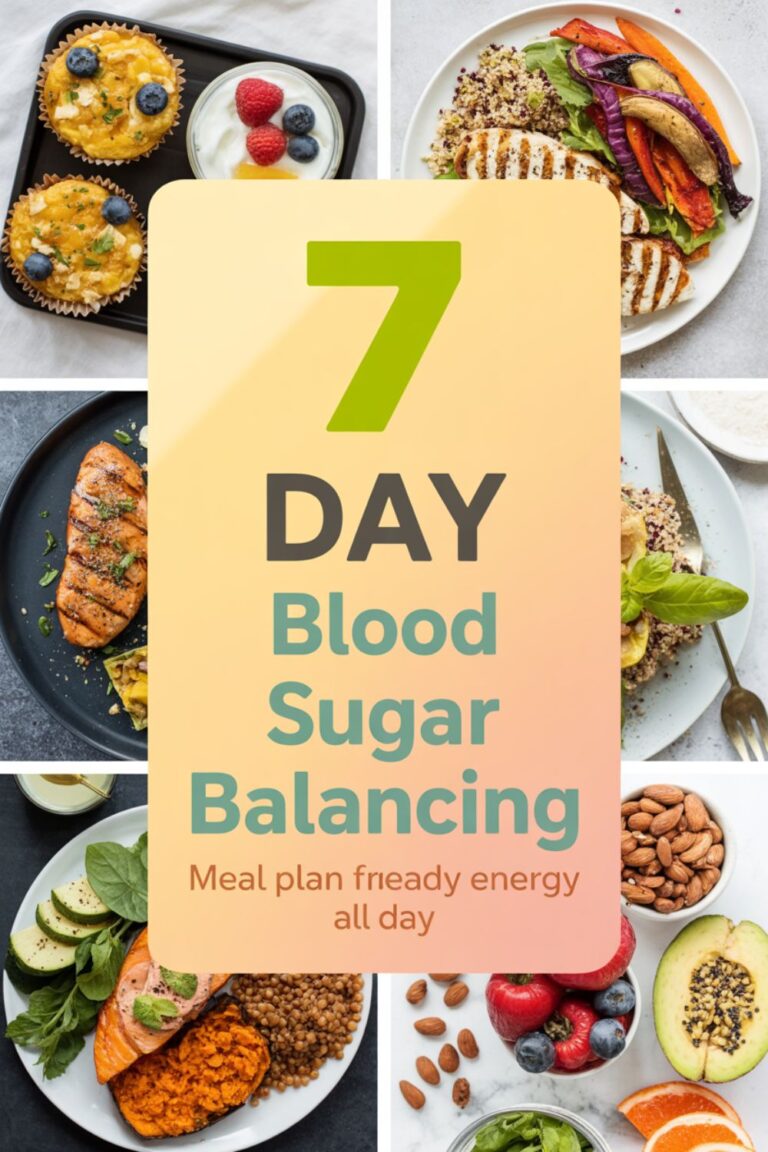
Looking for more ways to balance your nutrition? These blood sugar-friendly meal plans pair perfectly with these protein smoothies for steady energy all day.
9. Coconut Cream Pie Smoothie
Coconut milk makes this smoothie ridiculously creamy, while shredded unsweetened coconut adds texture and authentic coconut flavor. Combine with vanilla protein powder, frozen banana, and a splash of coconut extract if you really want to go all-in on the coconut vibes.
For extra thickness, add a tablespoon of chia seeds. They’ll absorb liquid and create a pudding-like consistency. Let it sit for 5 minutes after blending, or prep it the night before in a mason jar for an overnight smoothie.
Protein boost: 22g
10. Apple Pie Smoothie
Cinnamon, nutmeg, and fresh apple come together to create legit apple pie flavor. Use a mix of vanilla protein powder and Greek yogurt for the protein base, then add chopped apple, oats, and those warming fall spices.
The oats not only add fiber but also create that “pie filling” thickness. I use rolled oats rather than instant—they blend up smoother and don’t get gummy. For even more apple pie vibes, add a drizzle of sugar-free caramel sauce on top.
Protein boost: 20g
11. Blueberry Muffin Smoothie
Frozen blueberries, vanilla protein powder, oats, and a touch of lemon zest recreate that fresh-baked blueberry muffin flavor. The lemon zest is key—it brightens up the blueberry flavor and adds that bakery-fresh quality.
Add a tablespoon of almond flour for extra protein and that dense, muffin-like texture. You can also throw in a handful of walnut pieces for omega-3s and a subtle nutty flavor.
Protein boost: 23g
12. Chocolate-Covered Strawberry Smoothie
Frozen strawberries and cacao powder create that classic chocolate-strawberry combo, while cottage cheese adds protein and creaminess without any weird cottage cheese flavor. Seriously, it blends up completely smooth.
For an extra decadent touch, rim your glass with melted dark chocolate and let it set before pouring in the smoothie. It’s extra, but it’s also delicious. Use a glass smoothie cup with a straw for maximum dessert vibes.
Protein boost: 24g
13. Pumpkin Pie Smoothie
Canned pumpkin puree (not pumpkin pie filling—there’s a difference) provides fiber, vitamins, and that unmistakable pumpkin flavor. Mix with vanilla protein powder, Greek yogurt, pumpkin pie spice, and frozen banana.
This one’s thick enough to eat with a spoon. Top it with a sprinkle of granola and a drizzle of almond butter for a smoothie bowl situation. It’s basically pumpkin pie for breakfast, and I’m not mad about it.
Protein boost: 22g
Pro Tip: Buy canned pumpkin in bulk during fall and store it in your pantry—it keeps for years and you can make these smoothies year-round.
14. Peanut Butter & Jelly Smoothie
This one’s pure nostalgia. Frozen mixed berries provide the “jelly” while natural peanut butter brings the classic PB flavor. Add vanilla or unflavored protein powder so it doesn’t compete with the PB&J vibes.
For the full experience, blend in a handful of oats to mimic bread texture. It sounds weird but it works—the oats add substance and fiber while creating a thicker, more satisfying smoothie.
Protein boost: 25g
15. Mocha Smoothie
Coffee and chocolate are a match made in heaven, and this smoothie proves it. Brewed coffee (cooled) or cold brew provides caffeine and rich coffee flavor, while chocolate protein powder and cacao powder double down on the chocolate.
The trick is to freeze your coffee in ice cube trays ahead of time. Regular ice waters down the flavor, but coffee ice cubes keep it strong and add extra thickness. Store them in a freezer-safe bag so they’re always ready.
Protein boost: 23g
16. Banana Bread Smoothie
All the cozy flavors of banana bread without turning on the oven. Frozen banana, walnuts, cinnamon, vanilla protein powder, and a tablespoon of almond flour create that dense, bread-like quality.
Add a pinch of nutmeg and cloves if you want to really commit to the banana bread flavor profile. Top with a few walnut pieces for crunch and extra omega-3s.
Protein boost: 21g
17. Cookies and Cream Smoothie
Crushed chocolate sandwich cookies (the dairy-free kind work great) mixed with vanilla protein powder, almond milk, and frozen banana. This is definitely more of a treat smoothie than an everyday breakfast, but it’s still better than actual cookies for breakfast.
For a healthier version, use chocolate protein cookies instead of regular sandwich cookies. They add the same cookies-and-cream flavor with way more protein and less sugar.
Protein boost: 20g
Speaking of balanced nutrition, if you’re dealing with bloating or inflammation, these anti-inflammatory meal plans complement these smoothies perfectly.
18. Raspberry White Chocolate Smoothie
Frozen raspberries provide tart, bright flavor while white chocolate protein powder (or vanilla with a bit of cocoa butter) adds sweetness and creaminess. Cashew butter makes this extra luxurious.
Raspberries have a lot of seeds, so if that bothers you, strain your smoothie through a fine-mesh strainer before serving. It’s an extra step, but it makes the texture silky smooth.
Protein boost: 22g
19. Cinnamon Roll Smoothie
Vanilla protein powder, Greek yogurt, frozen banana, oats, cinnamon, and a tiny bit of maple syrup create that sweet cinnamon roll flavor. The oats add fiber and create a thick, doughy texture.
For the “icing,” blend a little extra Greek yogurt with vanilla extract and drizzle it on top. It looks fancy and adds even more protein. Serve in a wide-mouth glass so you can see the drizzle.
Protein boost: 24g
20. Piña Colada Smoothie
Frozen pineapple, coconut milk, shredded coconut, and vanilla protein powder transport you straight to a tropical beach. This one’s light, refreshing, and doesn’t taste like a protein shake at all.
Add a handful of frozen mango for extra tropical vibes and natural sweetness. For the best texture, use full-fat coconut milk from a can—the light stuff just doesn’t have the same richness.
Protein boost: 21g
21. Chocolate Cherry Garcia Smoothie
Inspired by the classic ice cream flavor, this smoothie combines frozen dark cherries, cacao powder, vanilla protein powder, and dark chocolate chips. The cherries provide natural sweetness and anti-inflammatory compounds.
According to research, tart cherries can help reduce muscle soreness and inflammation, making this an excellent post-workout recovery smoothie. Plus, it tastes like you’re eating ice cream for breakfast, which is always a win.
Protein boost: 23g
For more high-protein meal ideas that support your fitness goals, check out these complete high-protein meal plans that take the guesswork out of meal planning.
Tools & Resources That Make Smoothie Life Easier
Look, you can make smoothies without fancy equipment, but these items actually make a difference:
- Vitamix or Ninja Blender – I resisted buying an expensive blender for years. Huge mistake. The difference in texture is night and day. No chunks, no weird graininess, just smooth perfection every single time.
- Reusable Silicone Straws (Pack of 6) – Way better than paper straws that get soggy, and they don’t give you that metal taste like stainless steel straws. Plus, the wide opening works perfectly for thick smoothies.
- Digital Kitchen Scale – If you’re serious about hitting protein targets, weighing ingredients is way more accurate than measuring cups. Especially for things like nut butter and protein powder.
- Smoothie Meal Prep Guide [Digital Download] – Step-by-step instructions for prepping a week’s worth of smoothie packs in 30 minutes. Includes grocery lists, storage tips, and troubleshooting guides.
- Protein Powder Comparison Chart [PDF] – Detailed breakdown of different protein powders (whey, plant-based, collagen) with pros, cons, and best uses. Takes the guesswork out of choosing.
- Monthly Smoothie Recipe Calendar – 30 different smoothie recipes, one for each day of the month. Never get bored with the same flavors again.
- Join Our Private Community – Connect with others who are obsessed with high-protein smoothies. Share recipes, troubleshoot texture issues, and get real-time feedback on your creations.
Making Smoothies Actually Taste Like Dessert (Not Health Food)
Here’s the truth: the difference between a smoothie that tastes like blended vitamins and one that tastes like dessert comes down to a few key techniques.
Texture is Everything
Nobody wants to drink a thin, watery smoothie. The goal is thick, creamy, almost spoonable texture. Frozen fruit is crucial—it creates that frosty, thick consistency without diluting the flavor with ice.
Always use frozen bananas as your base. Not only do they add natural sweetness, but they also create that thick, ice cream-like texture that makes smoothies feel indulgent. Keep a large freezer bag full of peeled, chopped frozen bananas so you’re always ready to blend.
Greek yogurt, cottage cheese, and avocado all contribute to thickness. Start with less liquid than you think you need—you can always add more, but you can’t take it away once your smoothie’s too thin.
Balance Your Flavors
Desserts aren’t just sweet—they’re complex. A pinch of sea salt enhances sweetness and adds depth. A squeeze of lemon juice brightens berry flavors. Vanilla extract makes everything taste more dessert-like.
Don’t be afraid to experiment with extracts. Almond extract adds bakery vibes to vanilla smoothies. Coconut extract amplifies tropical flavors. Peppermint extract takes chocolate smoothies to the next level.
Temperature Matters
Cold smoothies simply taste better. Use frozen fruit instead of fresh, and if you’re adding liquid, make sure it’s cold from the fridge. Room temperature smoothies don’t hit the same way—they lose that refreshing, dessert-like quality.
If your smoothie gets too warm from blending (happens with powerful blenders), stick it in the freezer for 5 minutes before drinking. It makes a surprising difference.
The Protein Powder Situation
Not all protein powders are created equal, and some definitely taste better than others. According to Johns Hopkins Medicine, checking the ingredient label is essential—especially if you have allergies or want to avoid artificial sweeteners.
Whey protein isolate typically has the best texture and mixes smoothly. Plant-based proteins can be grainier, but brands have gotten way better in recent years. Collagen peptides dissolve completely and don’t affect flavor, but they don’t provide a complete protein source on their own.
My advice? Buy single-serving packets of different brands and flavors before committing to a giant tub. Store your protein powder in an airtight container to keep it fresh—nothing’s worse than clumpy, old protein powder.
Peanut Butter vs. Almond Butter vs. Other Nut Butters
Real talk: nut butters are a game-changer for smoothie texture and flavor. Peanut butter has the strongest flavor and pairs perfectly with chocolate and banana. Almond butter is milder and works well in fruit-forward smoothies. Cashew butter is the creamiest and almost disappears into smoothies while adding richness.
For those with nut allergies, sunflower seed butter is a solid alternative. It has a slightly different flavor profile but works just as well for adding protein and healthy fats.
Pro tip: natural nut butters (the kind where oil separates on top) blend way better than the super-processed ones. Yes, you have to stir them, but it’s worth it. Store your opened jar upside down so the oil redistributes evenly.
For those following a complete nutrition plan, these smoothies pair beautifully with 14-day high-protein meal plans that keep you on track without getting boring.
Common Smoothie Mistakes and How to Avoid Them
Even with great ingredients, it’s easy to end up with a disappointing smoothie. Here are the mistakes I see people make all the time—and how to fix them.
Mistake 1: Using Too Much Liquid
This is the number one smoothie killer. Start with half the amount of liquid you think you need. You can always add more if it’s too thick, but once it’s watery, you’re stuck adding more ingredients to thicken it back up.
For reference, I usually start with 3/4 cup of liquid for a single-serving smoothie. If it won’t blend, I add a tablespoon at a time until it moves freely in the blender.
Mistake 2: Not Layering Ingredients Properly
Put your liquid in first, then soft ingredients (yogurt, nut butter, fresh fruit), then frozen ingredients, and finally protein powder on top. This order helps everything blend smoothly without getting stuck.
If you put frozen fruit at the bottom, it creates an air pocket and your blender just spins without actually blending anything. Then you’re stuck trying to stir it with a silicone spatula while the blender’s running, which is annoying and potentially dangerous.
Mistake 3: Skipping the Greens
Look, I get it. Putting spinach in your dessert smoothie sounds counterintuitive. But a handful of baby spinach adds nutrients, creates a thicker texture, and is completely tasteless when blended with other strong flavors.
The key is using baby spinach, not regular spinach. Baby spinach is milder and blends up completely smooth. Kale is too fibrous for smoothies unless you have an extremely powerful blender—even then, it can add a bitter flavor.
Mistake 4: Forgetting About Fiber
Protein without fiber is a recipe for blood sugar spikes and crashes. Plus, fiber keeps you full longer and supports digestive health. Add ground flaxseed, chia seeds, or oats to every smoothie for easy fiber.
Ground flaxseed is my favorite because it’s virtually tasteless and adds omega-3s. Store it in the fridge or freezer once opened—the oils can go rancid at room temperature.
Mistake 5: Making It Too Sweet
Just because it tastes like dessert doesn’t mean it needs to be loaded with added sweeteners. Frozen banana, dates, and vanilla extract provide plenty of sweetness. If you’re adding honey, maple syrup, or agave, start with a teaspoon and taste before adding more.
Your taste buds adapt over time. If you gradually reduce added sweeteners, you’ll start craving less sweet flavors naturally. It takes about two weeks for your palate to adjust.
If you’re focused on weight management along with high protein intake, these quick flat belly meal plans work perfectly alongside these smoothie recipes.
Smoothie Prep Strategies That Actually Work
Making smoothies every single morning sounds great in theory, but in reality, it’s a pain when you’re rushing to get out the door. Here’s what actually works.
The Freezer Bag Method
Prep five to seven gallon-size freezer bags with all your dry and frozen ingredients. Banana, berries, spinach, protein powder, chia seeds—everything except the liquid. Label each bag with the smoothie name and the amount of liquid to add.
In the morning, dump the bag contents into your blender, add your liquid, and blend. Cleanup is faster, and you’re not pulling out five different containers at 6 AM when your brain barely works.
The Ice Cube Tray Hack
Freeze leftover smoothies, coffee, or even coconut milk in silicone ice cube trays. Use these cubes to add thickness and flavor to future smoothies without watering them down.
Greek yogurt can also be frozen in ice cube trays. Each cube equals about 2 tablespoons, making it easy to portion out exact amounts for your smoothies.
The Mason Jar Overnight Method
Not a morning person? Make “overnight smoothies” by combining all ingredients except ice in a mason jar the night before. Shake, refrigerate, and in the morning just blend with a handful of ice.
This works especially well with oats-based smoothies—the oats soften overnight and blend up smoother. Use a 32-ounce mason jar so you have plenty of room to shake everything together.
Pro Tip: Wash your blender immediately after using it. Fill it halfway with warm water and a drop of dish soap, then blend for 30 seconds. Rinse and you’re done—no scrubbing required.
Customizing Smoothies for Different Dietary Needs
These recipes are flexible. Whether you’re dairy-free, vegan, or avoiding specific ingredients, you can still get that dessert-like flavor and high protein content.
Dairy-Free Modifications
Swap Greek yogurt for coconut yogurt or cashew yogurt. Cottage cheese can be replaced with silken tofu—it has a similar protein content and creamy texture when blended.
For milk, unsweetened almond milk, oat milk, or coconut milk all work great. Oat milk adds natural sweetness and creaminess, while almond milk is lighter and lower in calories. Full-fat coconut milk from a can creates the richest texture but is higher in calories.
Vegan Protein Sources
Plant-based protein powders have come a long way. Pea protein, brown rice protein, and hemp protein are all solid options. Some people find pea protein has a slight aftertaste—blending it with strong flavors like chocolate or peanut butter helps mask it.
Nut butters, seeds, and silken tofu all add protein without any animal products. A quarter cup of hemp seeds adds about 10 grams of protein along with omega-3s and has a mild, nutty flavor that works in almost any smoothie.
Low-Sugar Options
If you’re watching sugar intake, frozen berries have less natural sugar than tropical fruits. Swap banana for frozen cauliflower or zucchini—both add thickness without the sugar. Add a few drops of stevia or monk fruit sweetener if you need extra sweetness.
Cinnamon and vanilla extract enhance perceived sweetness without adding actual sugar. A pinch of salt also makes foods taste sweeter by enhancing flavor compounds.
For those managing blood sugar levels specifically, pair these smoothies with these low-sugar meal plans for complete nutritional balance.
Nut-Free Alternatives
Seed butters work perfectly—sunflower seed butter, tahini, and pumpkin seed butter all add creaminess and protein. Sunflower seed butter has a slightly earthier flavor than nut butters but pairs well with chocolate and vanilla.
For milk alternatives, oat milk and coconut milk are naturally nut-free. Just make sure to check labels—some brands are processed in facilities that also process nuts.
The Science Behind Protein and Satiety
Here’s why these high-protein smoothies actually keep you full, unlike those all-fruit smoothies that leave you hungry an hour later.
Research from TODAY shows that protein contributes significantly to satiety—that feeling of fullness after eating. When you consume adequate protein, your body releases hormones that signal fullness and reduce hunger.
But it’s not just about protein. The combination of protein, healthy fats, and fiber creates lasting satisfaction. Protein slows digestion, fats provide sustained energy, and fiber adds volume and regulates blood sugar.
That’s why a smoothie with 25 grams of protein from Greek yogurt and nut butter keeps you satisfied for hours, while a fruit-only smoothie with the same number of calories leaves you raiding the pantry by 10 AM.
How Much Protein Do You Really Need?
The standard recommendation is about 0.8 grams of protein per kilogram of body weight. But if you’re active, trying to build muscle, or working on weight loss, you likely need more—somewhere in the range of 1.2 to 2 grams per kilogram.
For a 150-pound person, that translates to roughly 80 to 135 grams of protein per day. A single smoothie with 20-25 grams of protein knocks out a significant chunk of that requirement, especially if you struggle to eat protein-rich foods throughout the day.
According to Johns Hopkins Medicine, protein requirements differ from person to person. Factors like age, activity level, and health conditions all play a role. Consulting with a dietitian can help you determine your specific needs.
For comprehensive meal planning that hits your protein targets consistently, check out these 30-day high-protein meal plans designed for busy schedules.
When to Drink Your Protein Smoothie
Timing matters, but not as much as you might think. The most important thing is consistency—getting adequate protein throughout the day matters more than hitting some magical post-workout window.
Morning Smoothies
Starting your day with 20-25 grams of protein sets the tone for better food choices throughout the day. Research suggests that high-protein breakfasts reduce cravings and improve appetite control for hours afterward.
Plus, if you’re someone who’s never hungry in the morning, smoothies are easier to get down than solid food. You’re still getting nutrition even if you can’t stomach a full breakfast.
Post-Workout Recovery
After resistance training, your muscles need protein for recovery and growth. A smoothie within an hour or two of finishing your workout provides easily digestible protein when your body’s primed to use it.
The combination of protein and carbs (from fruit) helps replenish glycogen stores and supports muscle recovery. This is especially important if you train hard or do high-intensity workouts.
Afternoon Snack
That mid-afternoon energy slump? Protein can help. A smoothie around 3 or 4 PM provides sustained energy without the blood sugar spike and crash you get from typical afternoon snacks.
It also prevents you from showing up to dinner absolutely ravenous and eating everything in sight. I’m speaking from experience here.
Dessert Replacement
Sometimes you just want something sweet after dinner, and these smoothies hit that spot without derailing your nutrition goals. The dessert-like flavors satisfy cravings while adding protein instead of empty calories.
Just be mindful of timing if you’re sensitive to caffeine—that mocha smoothie might not be the best choice at 9 PM unless you want to be wide awake at midnight.
Frequently Asked Questions
Can I make these smoothies ahead of time?
Absolutely, but texture changes slightly after storage. Your best bet is prepping freezer bags with all the dry and frozen ingredients, then blending fresh each morning. If you must make them ahead, they’ll keep in the fridge for up to 24 hours—just give them a good shake before drinking since ingredients tend to separate. For longer storage, freeze them in mason jars (leave an inch of space at the top for expansion) and thaw overnight in the fridge.
Why does my smoothie taste chalky or have a weird texture?
This usually comes down to your protein powder or not blending long enough. Some protein powders are grainier than others—whey isolate typically blends smoother than plant-based options. Blend for at least 60 seconds to ensure everything’s fully incorporated. If you’re using frozen fruit, make sure your blender is powerful enough to pulverize it completely. Adding Greek yogurt or a small piece of avocado can also mask any chalkiness with creaminess.
How do I make my smoothie thicker without adding more calories?
Frozen cauliflower or zucchini work wonders—they add volume and thickness with minimal calories and virtually no taste. Ice works too, but it can water down the flavor. Xanthan gum (just a pinch) acts as a thickener without adding calories, though some people prefer to stick with whole food ingredients. You can also use less liquid to start and add small amounts until you reach your desired consistency.
Can kids drink these high-protein smoothies?
Sure, but adjust the protein content based on their age and needs. Kids don’t need as much protein as adults, so you might halve the recipe or skip the protein powder entirely and rely on Greek yogurt and nut butter for protein. Most kids love the dessert flavors, making it an easy way to sneak in nutrients like spinach or cauliflower they might otherwise refuse to eat.
What’s the best way to clean my blender after making thick smoothies?
Immediately after pouring your smoothie, fill the blender about halfway with warm water and add a drop of dish soap. Blend on high for 30 seconds, then rinse thoroughly. This method prevents ingredients from drying and sticking to the blades and container. For stubborn residue, let it soak for 10 minutes first, then blend with the soapy water. Most blender containers and blades are dishwasher safe, but hand washing extends their life.
Final Thoughts on High-Protein Dessert Smoothies
Here’s what I want you to take away from this: you don’t have to choose between eating foods you actually enjoy and hitting your nutrition goals. These smoothies prove that protein-packed meals can taste just as good—if not better—than the desserts they’re inspired by.
The key is understanding that dessert flavor comes from technique, not from loading up on sugar. Frozen fruit provides natural sweetness. The right combination of Greek yogurt, nut butters, and avocado creates that rich, creamy texture you crave. Extracts, spices, and smart ingredient pairings capture those specific dessert flavors without any of the guilt.
Start with one or two recipes that sound appealing and make them your own. Maybe you like your smoothies thicker or sweeter. Maybe you prefer almond butter over peanut butter. That’s totally fine—these recipes are templates, not rigid rules.
The real win is finding a few go-to smoothies that you genuinely look forward to drinking. When healthy eating doesn’t feel like deprivation, it becomes sustainable. And sustainability is what actually leads to long-term results, not some 21-day quick fix that leaves you miserable.
So grab your blender, stock your freezer with frozen fruit and peeled bananas, and start experimenting. Your taste buds—and your muscles—will thank you.