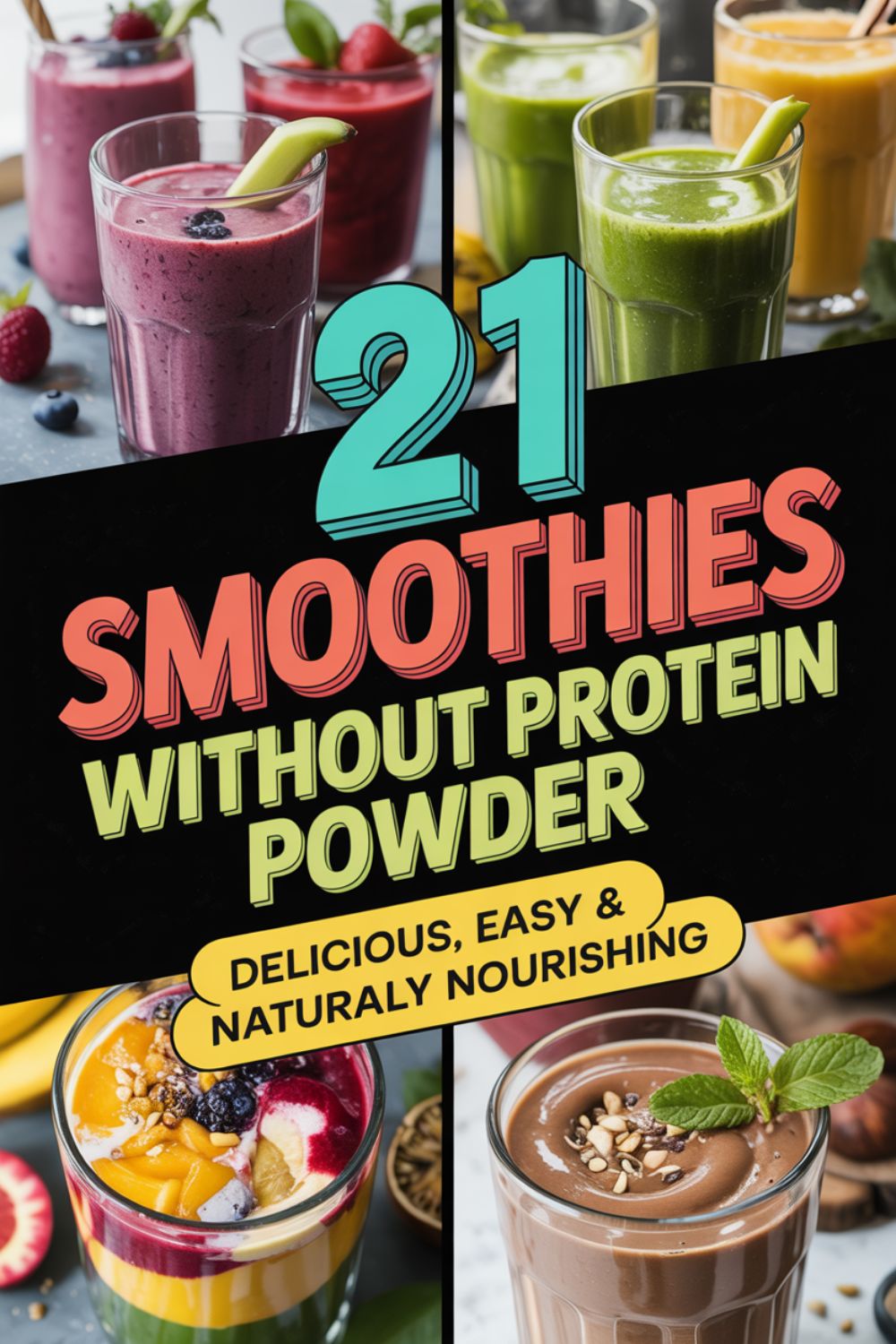
21 Smoothies Without Protein Powder
Listen, I get it. You’re tired of choking down chalky protein powder in your morning smoothie. Maybe you’ve run out, maybe you’re trying to keep things simple, or maybe you’re just over the whole supplement industrial complex. Whatever brought you here, I’ve got you covered with 21 smoothie recipes that pack serious nutrition without a single scoop of powder.
Here’s the thing about protein powder—it’s convenient, sure, but it’s not mandatory. Your body doesn’t care if your protein comes from a tub or a handful of almonds. And honestly? Some of the most satisfying smoothies I’ve ever made didn’t have a trace of the stuff.
These recipes rely on whole foods—nuts, seeds, dairy, legumes (yeah, you read that right), and even some sneaky sources you probably haven’t considered. They’re real, they’re filling, and they taste like actual food instead of science experiments gone wrong.
Why Skip the Protein Powder Anyway?
Before we dive into the recipes, let’s address the elephant in the blender. Why would anyone intentionally leave out protein powder?
First off, cost. Quality protein powder isn’t cheap, and if you’re blending smoothies daily, that tub disappears faster than your motivation on a Monday morning. Whole food sources often give you more bang for your buck—plus they come with fiber, healthy fats, and micronutrients that isolated protein just can’t match.
Then there’s the taste factor. I’ve tried dozens of protein powders, and let’s be real—most of them taste like sweetened cardboard. Even the “delicious” ones have that slightly off aftertaste that screams “processed.” When you build protein from whole foods, your smoothie actually tastes like the ingredients you put in it. Radical concept, I know.
And don’t even get me started on the digestive issues. Some people just don’t tolerate whey or plant-based powders well. Bloating, gas, stomach cramps—not exactly the energizing breakfast experience you’re going for. According to Mayo Clinic, getting protein from whole food sources like yogurt and milk can improve satiety and overall nutrition absorption.
Pro Tip: Freeze your greens in ice cube trays with a bit of water. Pop them into smoothies straight from the freezer—instant nutrition boost without the wilted spinach situation.
The Secret to Protein-Rich Smoothies (No Powder Required)
The trick isn’t finding one magic ingredient. It’s layering complementary protein sources so you hit that sweet spot of 15-20 grams per serving. Think Greek yogurt plus almond butter plus chia seeds. Or cottage cheese with hemp hearts and a handful of oats.
Greek yogurt is my ride-or-die base for most smoothies. A cup packs around 17 grams of protein, plus probiotics for gut health. Plain, unsweetened is the move—let the fruit do the sweetening. I use this thick Greek yogurt that doesn’t separate into weird watery layers.
Nut butters are another heavy hitter. Two tablespoons of almond butter? Six grams of protein, healthy fats, and that creamy texture that makes everything feel indulgent. Peanut butter, cashew butter, sunflower seed butter—they all work. Just watch the added sugar in commercial brands. I stick with natural almond butter that’s literally just almonds and salt.
Seeds might be tiny, but they’re protein powerhouses. Chia seeds, hemp hearts, and flax seeds all contribute, plus omega-3s and fiber. Three tablespoons of hemp hearts alone give you 10 grams of protein. I buy these hemp hearts in bulk because I go through them fast.
And here’s where it gets interesting—silken tofu. Before you make that face, hear me out. Half a cup adds 10 grams of protein and makes your smoothie ridiculously creamy without any beany flavor. It’s been my secret weapon for years. You can grab silken tofu packages from most grocery stores.
Understanding Protein Quality Without Supplements
Not all protein is created equal, and that matters when you’re building meals without powder. Animal-based proteins like Greek yogurt, cottage cheese, and milk contain all nine essential amino acids—they’re complete proteins. Plant-based sources like nuts and seeds are often incomplete on their own.
But here’s the good news: you don’t need every amino acid in every bite. Your body pools amino acids throughout the day, so eating varied protein sources across your meals does the trick. Pair your almond butter smoothie with whole grain toast for breakfast, and you’re golden.
Research shows that smoothies with 10 grams of protein and fiber can be effective as snacks, while those providing at least 20 grams of protein work better as meal replacements.
21 Smoothie Recipes That Don’t Need Protein Powder
1. Classic Peanut Butter Banana
This one’s a crowd-pleaser for good reason. Blend 1 frozen banana, 2 tablespoons peanut butter, 1 cup milk (dairy or unsweetened almond), 1 tablespoon chia seeds, and a handful of ice. The banana gives you natural sweetness and potassium, while the peanut butter brings protein and healthy fats. Comes out to about 15 grams of protein. Get Full Recipe
I make this probably three times a week. It’s dead simple, tastes like a milkshake, and actually keeps you full until lunch. The chia seeds thicken it up nicely—just give them a minute to bloom.
2. Berry Greek Yogurt Blast
Combine 1 cup Greek yogurt, 1 cup mixed frozen berries, ½ cup milk, 1 tablespoon honey, and 1 tablespoon ground flaxseed. The Greek yogurt alone pushes this to 17+ grams of protein. Berries are loaded with antioxidants, and the flax adds omega-3s.
The tartness from the berries plays perfectly against the creamy yogurt. If you like it sweeter, add another drizzle of honey or a couple of pitted dates. I use this manual citrus juicer when I want to brighten it up with a squeeze of lemon.
3. Tropical Cottage Cheese Smoothie
Don’t knock it until you try it. Blend ½ cup cottage cheese, 1 cup frozen pineapple, ½ frozen banana, ½ cup coconut milk, and a squeeze of lime. The cottage cheese completely disappears texture-wise but contributes about 14 grams of protein.
This one tastes like a piña colada, minus the rum and regret. The pineapple’s natural enzymes actually help break down the cottage cheese curds, so you get zero graininess. Just pure tropical smoothness.
Quick Win: Buy bananas in bulk when they’re cheap, peel them, break into chunks, and freeze in a single layer on a baking sheet. Transfer to freezer bags once frozen. Instant smoothie base that never goes bad.
4. Chocolate Almond Dream
Mix 1 cup milk, 2 tablespoons almond butter, 1 tablespoon cocoa powder, 1 frozen banana, 1 tablespoon hemp hearts, and a pinch of sea salt. Tastes like a Fudgsicle, delivers about 14 grams of protein.
The cocoa powder is key—use the good stuff, not the sugary hot chocolate mix. Real cocoa is bitter and intense, which balances the banana’s sweetness perfectly. I always keep quality cocoa powder on hand for this exact recipe.
5. Green Goddess with Avocado
Blend 1 cup spinach, ½ avocado, 1 cup unsweetened almond milk, ½ cup Greek yogurt, 1 frozen banana, and 1 tablespoon chia seeds. The avocado makes this insanely creamy while adding healthy fats. You’re looking at roughly 12 grams of protein.
I know, I know—avocado in a smoothie sounds weird. But trust the process. It adds zero flavor, just richness. Plus the healthy fats help your body absorb all those fat-soluble vitamins from the spinach.
Speaking of nutrient-packed meals, you might want to check out this 7-day anti-inflammatory meal plan that pairs beautifully with these smoothie ideas.
6. Oatmeal Cookie Smoothie
Throw ¼ cup rolled oats, 1 cup milk, 1 tablespoon almond butter, ½ teaspoon cinnamon, ½ teaspoon vanilla extract, 1 frozen banana, and 2 pitted dates into your blender. The oats add texture, fiber, and about 3 grams of protein, while the almond butter brings it up to 12 grams total.
This tastes exactly like an oatmeal cookie. The dates provide natural sweetness without any processed sugar. Make sure you use rolled oats, not steel-cut—unless you want to chew your smoothie. I meal prep these in mason jars with the dry ingredients measured out.
7. Mango Turmeric Sunshine
Blend 1 cup frozen mango, ½ cup Greek yogurt, ½ cup coconut milk, ¼ teaspoon turmeric, a pinch of black pepper, 1 tablespoon hemp hearts, and 1 teaspoon honey. About 13 grams of protein with serious anti-inflammatory benefits from the turmeric.
The black pepper isn’t random—it increases turmeric absorption by something like 2000%. Science is cool. The mango masks any earthiness from the turmeric, so you just get this bright, tropical flavor with a subtle warmth.
8. Strawberry Cheesecake
Combine 1 cup frozen strawberries, ½ cup cottage cheese, ¼ cup cream cheese (or Greek yogurt for lighter version), 1 tablespoon honey, ½ teaspoon vanilla, and ½ cup milk. This decadent creation packs 16 grams of protein.
The cream cheese makes it taste like actual cheesecake. It’s one of those smoothies where people ask for the recipe because they can’t believe it’s even remotely healthy. The cottage cheese adds protein without affecting flavor—seriously, you can’t taste it.
9. Mocha Breakfast Blend
Mix 1 cup cold brew coffee, 1 frozen banana, 2 tablespoons almond butter, 1 tablespoon cocoa powder, 1 cup milk, and 1 tablespoon chia seeds. Caffeine plus protein? Sign me up. About 13 grams of protein, plus that morning jolt.
This replaced my actual coffee-and-breakfast routine. Why drink coffee separately when you can blend it into breakfast? The coffee flavor isn’t overpowering—it just adds depth to the chocolate. I use cold brew concentrate to keep it smooth and low-acid.
10. Apple Pie Smoothie
Blend 1 chopped apple (skin on), ½ cup Greek yogurt, ½ cup milk, ¼ cup oats, 1 tablespoon almond butter, 1 teaspoon cinnamon, ¼ teaspoon nutmeg, and 4-5 ice cubes. Tastes like fall in a glass. Around 14 grams of protein.
The apple skin adds fiber and nutrients, plus I’m too lazy to peel apples. Just core it and toss it in. The spices make this feel special without any extra effort. If you’re into structured eating plans, this pairs well with the 7-day gut health reset plan.
11. Blueberry Muffin
Process 1 cup frozen blueberries, ½ cup Greek yogurt, ¼ cup oats, 1 tablespoon almond butter, ½ teaspoon vanilla, ½ cup milk, and a small handful of walnuts. The walnuts add omega-3s and a slight crunch. About 15 grams of protein total.
I use these mini muffin pans to freeze smoothie portions for grab-and-go mornings. Just pop a frozen smoothie puck into the blender with some extra liquid and you’re golden.
12. Peachy Keen
Combine 1 cup frozen peaches, ½ cup cottage cheese, ½ cup Greek yogurt, ½ cup milk, 1 tablespoon hemp hearts, and a drizzle of honey. Double dairy means double protein—we’re talking 20+ grams here.
Peaches and cream is a classic combo for a reason. The cottage cheese and Greek yogurt work together to create this thick, almost ice cream-like consistency. It’s basically a healthy milkshake. According to Mayo Clinic dietitians, combining protein sources like yogurt and cottage cheese increases satiety and helps prevent blood sugar spikes.
13. Cherry Chocolate Recovery
Blend 1 cup frozen cherries, 1 cup chocolate milk (or regular milk with cocoa powder), ½ cup Greek yogurt, 1 tablespoon almond butter, and 1 tablespoon chia seeds. The cherries have natural anti-inflammatory properties. Around 16 grams of protein.
I drink this after tough workouts. Tart cherries are famous for reducing muscle soreness, and the combo of carbs and protein helps with recovery. It tastes like a chocolate-covered cherry, which doesn’t hurt either.
14. Pumpkin Spice (Not Just for Fall)
Mix ½ cup pumpkin puree (not pie filling), 1 cup milk, ½ cup Greek yogurt, 1 tablespoon almond butter, 1 frozen banana, 1 teaspoon pumpkin pie spice, and 1 tablespoon maple syrup. About 15 grams of protein, plus vitamin A overload from the pumpkin.
Real talk: pumpkin smoothies slap year-round. The puree adds fiber and makes it ridiculously filling. I keep cans of pumpkin puree stocked because they last forever and blend into basically anything.
15. Coconut Cream Pie
Blend ½ cup coconut cream, ½ cup Greek yogurt, ½ cup coconut milk, 1 frozen banana, 2 tablespoons shredded coconut, 1 tablespoon hemp hearts, and ½ teaspoon vanilla. This tropical dream contains about 14 grams of protein.
The coconut cream is the secret weapon here. It’s thick, rich, and makes this taste way more indulgent than it actually is. I toast the shredded coconut in this small pan for extra flavor—takes two minutes and elevates the whole thing.
16. Carrot Cake
Process ½ cup shredded carrots, ½ cup Greek yogurt, ½ cup milk, 1 frozen banana, 1 tablespoon almond butter, ¼ teaspoon cinnamon, ¼ teaspoon ginger, 2 pitted dates, and 1 tablespoon chia seeds. Around 13 grams of protein with bonus vitamin A.
Yes, raw carrots in a smoothie. It works. The banana and dates mask any vegetal flavor, and you get this gorgeous orange color that looks Instagram-ready. The dates add natural sweetness without refined sugar.
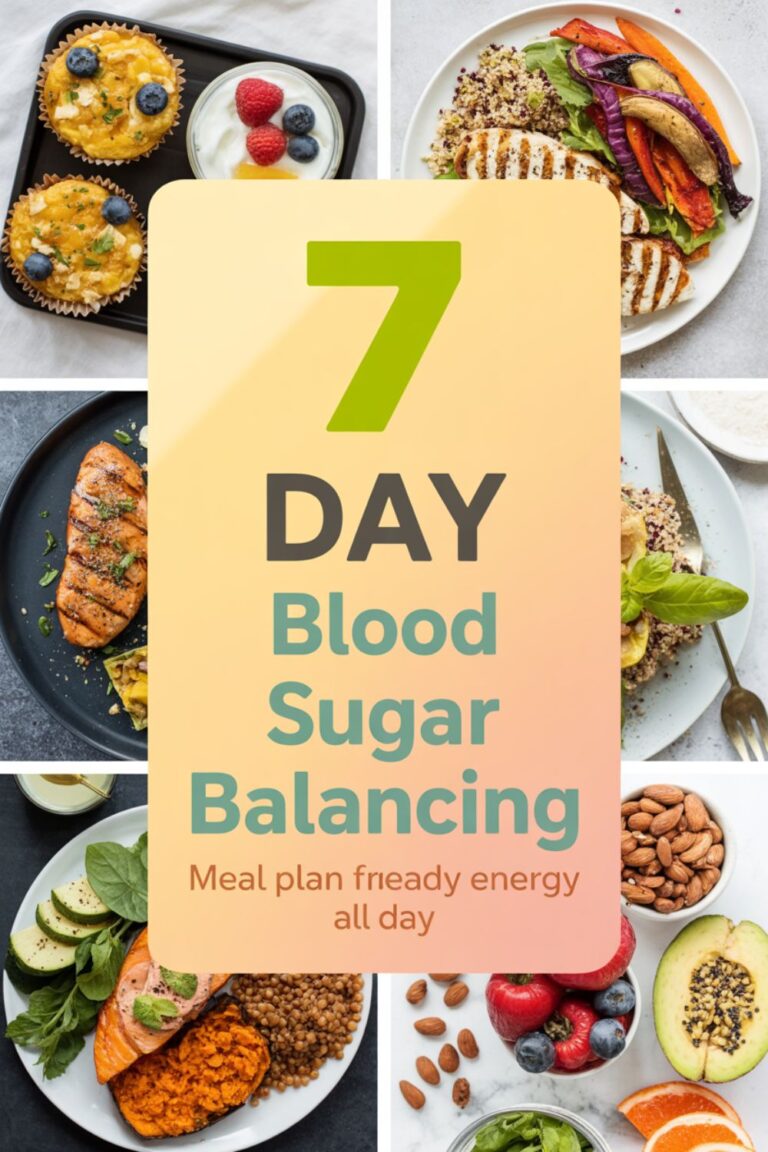
If you’re looking for more balanced meal ideas, the blood sugar balancing meal plan has similar whole-food focused recipes.
17. Raspberry Lemonade
Combine 1 cup frozen raspberries, ½ cup Greek yogurt, ½ cup milk, juice of half a lemon, 1 tablespoon honey, and 1 tablespoon hemp hearts. Tart, refreshing, and packing about 14 grams of protein.
This is my summer go-to. The lemon juice brightens everything up and helps balance the raspberry’s sweetness. Hemp hearts basically disappear in berry smoothies, so you get the protein boost without affecting texture or flavor.
18. Banana Bread
Blend 2 frozen bananas, ½ cup Greek yogurt, ½ cup milk, 1 tablespoon almond butter, ¼ cup oats, ½ teaspoon cinnamon, ¼ teaspoon nutmeg, 1 tablespoon chia seeds, and a handful of walnuts. About 16 grams of protein with that nostalgic banana bread taste.
Two bananas might seem excessive, but it creates that perfect banana bread flavor without being too sweet. The walnuts add crunch and omega-3s. Sometimes I add a pinch of cloves for extra spice warmth.
19. Mint Chocolate Chip
Process 1 cup spinach, ½ cup Greek yogurt, 1 cup milk, 1 frozen banana, 1 tablespoon cocoa powder, 1 tablespoon almond butter, ¼ teaspoon peppermint extract, and 1 tablespoon cacao nibs. The spinach turns it green (hence the “mint chip” look), while the peppermint extract delivers that classic flavor. Around 15 grams of protein.
The cacao nibs are optional but highly recommended—they give you those chocolate chip bits without added sugar. Just don’t overdo the peppermint extract; a little goes a long way. Quarter teaspoon is plenty.
20. Vanilla Bean with Tahini
Blend 1 cup milk, ½ cup Greek yogurt, 1 frozen banana, 2 tablespoons tahini, 1 teaspoon vanilla extract (or seeds from half a vanilla bean if you’re fancy), 1 tablespoon honey, and 1 tablespoon chia seeds. Tahini is underrated in smoothies—nutty, creamy, and protein-rich. About 14 grams total.
Tahini gives this a Middle Eastern flavor profile that’s totally different from typical smoothies. The sesame flavor is subtle but distinctive. I buy tahini in jars and stir it really well before using because it separates.
21. Fig and Walnut
Combine 4 fresh or dried figs (stems removed), ½ cup Greek yogurt, ½ cup milk, ¼ cup walnuts, 1 tablespoon honey, ½ teaspoon cinnamon, and 1 tablespoon hemp hearts. This sophisticated smoothie delivers about 15 grams of protein with a unique flavor you won’t find at any smoothie shop.
Figs are naturally sweet and create this jammy flavor that’s absolutely delicious. If you’re using dried figs, soak them in hot water for 10 minutes first to soften. The walnuts add texture and healthy fats.
Meal Prep Essentials Used in These Smoothies
Making smoothies daily gets way easier with the right setup. Here’s what actually helps:
- High-powered blender with personal cup attachments – Blend and go, no pouring necessary. I’ve used mine daily for three years.
- Mason jars with measurement marks – Perfect for portioning ingredients the night before. Stack them in the fridge, dump in blender, done.
- Reusable silicone bags for frozen fruit – Better than plastic bags, easier to clean, and they last forever.
Digital Resources That Make Life Easier:
- 14-Day High-Protein Meal Plan – Includes smoothie variations and prep strategies
- 21-Day Anti-Inflammatory Meal Plan – Great for pairing anti-inflammatory smoothies with complete meals
- 30-Day Gut Reset Meal Plan – Features probiotic-rich smoothie recipes
Making Smoothies Actually Meal-Worthy
Here’s where most people mess up: treating smoothies like drinks instead of meals. A 200-calorie smoothie with 8 grams of protein is a snack, not breakfast. To make these actually sustaining, you need to think about the macro balance.
Aim for 400-500 calories if you’re replacing a meal. That means protein (15-20g), healthy fats (10-15g), and complex carbs (40-60g). The protein keeps you full, the fats slow digestion, and the carbs give you energy. Miss any of these and you’ll be starving an hour later.
The easiest way to hit these numbers? Start with a base (Greek yogurt or cottage cheese), add a fat source (nut butter or avocado), throw in some fruit (banana plus berries), and finish with seeds or oats for extra substance. Liquid to blend, and you’re done.
Research indicates that smoothies providing 20+ grams of protein and significant fiber content work best as meal replacements, while lighter versions function better as snacks.
The Blending Order Actually Matters
Liquid first. Always. If you dump frozen fruit in first and then try to add liquid on top, you’re creating an air pocket that prevents everything from blending properly. Your blender will just spin uselessly while the fruit sits there mocking you.
After liquid, add leafy greens if you’re using them. They’ll start breaking down immediately. Then powders (cocoa, spices), then soft ingredients (banana, yogurt, nut butter), and finally frozen fruit and ice on top. This creates a vortex that pulls everything down into the blades efficiently.
Blend on low for a few seconds to get things moving, then ramp up to high. Most people blast on high immediately and end up with chunks. Low to high gives you that perfectly smooth consistency. I learned this the hard way after years of chunky smoothies.
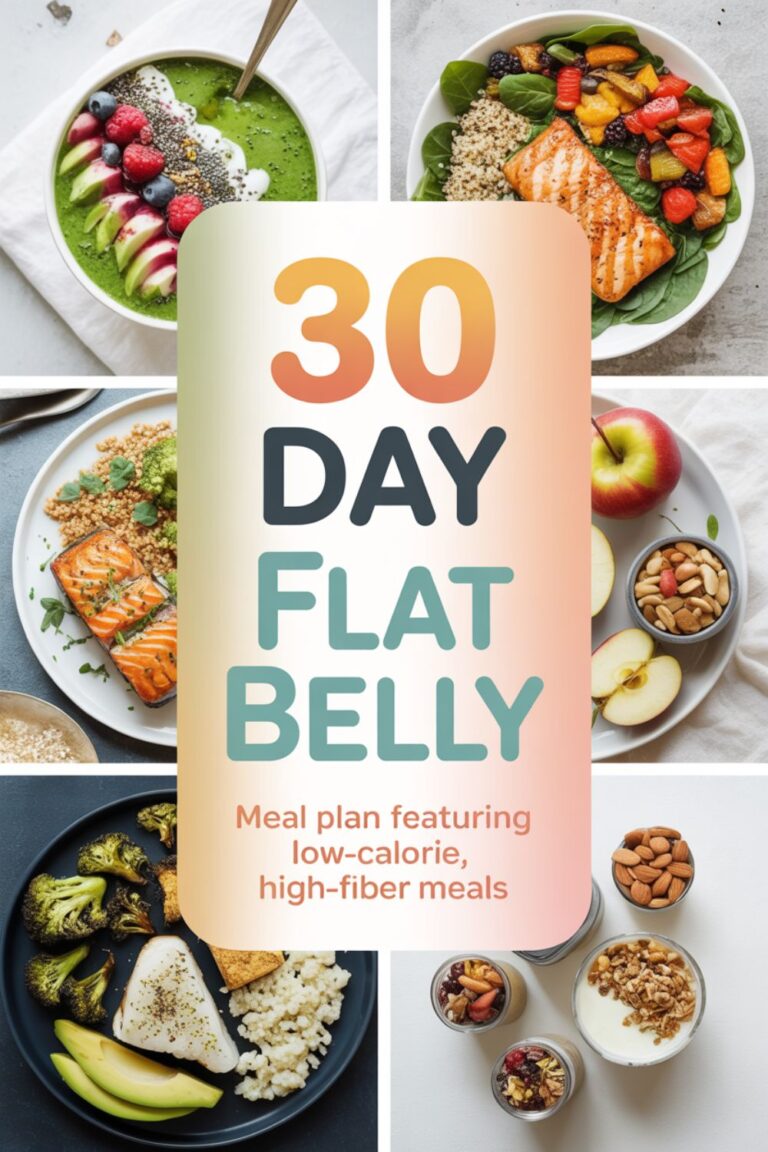
For more structured meal planning that includes smoothies, check out the 14-day flat belly plan or the 21-day high-protein meal plan.
Storage and Prep Strategies
Let’s talk meal prep, because making smoothies every single morning gets old fast. The night-before method works great: measure everything except liquid into a jar or container, stick it in the fridge, and dump it in the blender when you wake up. Add your liquid, blend, go.
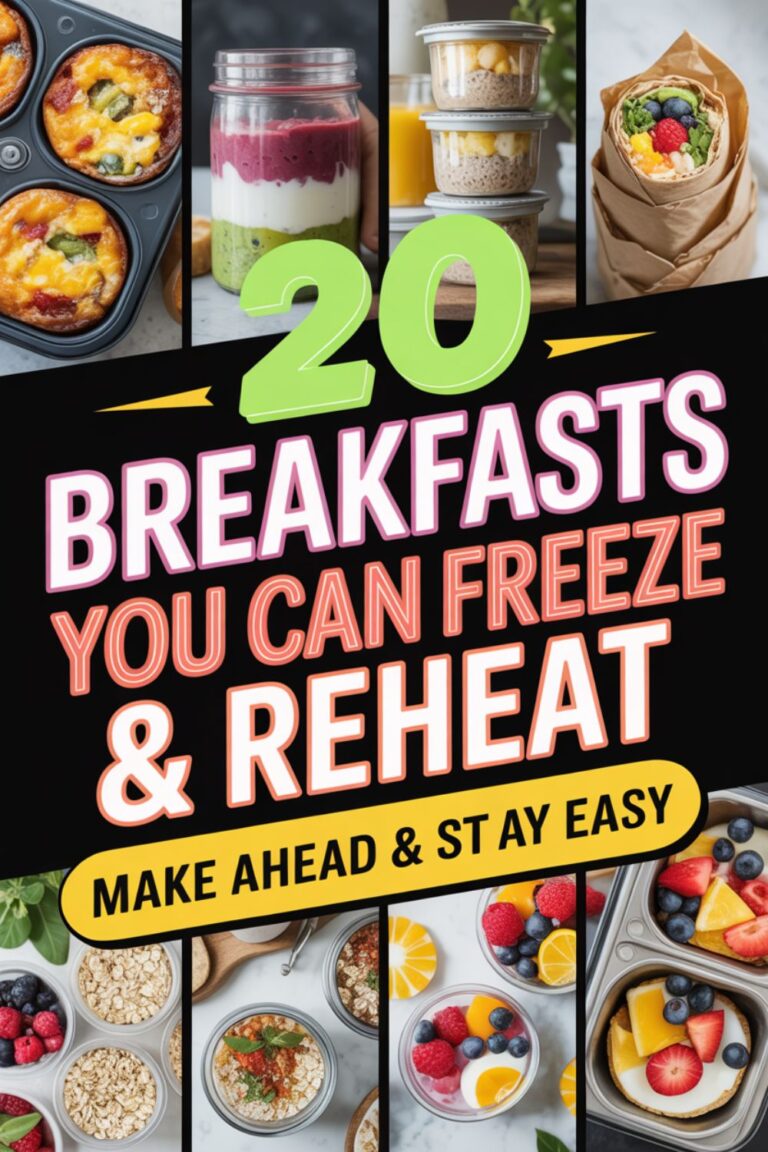
Freezing is another option. Blend your smoothie, pour it into freezer-safe jars, and freeze for up to three months. Thaw overnight in the fridge or zap in the microwave for 30-second intervals, stirring between each. The texture won’t be exactly the same as fresh, but it’s pretty close.
The smoothie pack method is my favorite for busy weeks. Portion all your ingredients into individual freezer bags—banana chunks, berries, handful of spinach, measured nut butter, seeds. Write the liquid and yogurt amounts on the bag. When you want a smoothie, grab a bag, add the wet ingredients, blend. You can prep 10+ bags in about 20 minutes on Sunday.
Pro Tip: Freeze Greek yogurt in ice cube trays. Each cube is about 2 tablespoons. Toss 4-5 cubes into your smoothie for instant creaminess and protein without watering it down like regular ice does.
When Smoothies Get Weird (And How to Fix Them)
Too thick? Add more liquid gradually—¼ cup at a time. Milk, water, even brewed tea works. Don’t dump a bunch in at once or you’ll overcorrect and end up with soup.
Too thin? Frozen banana is your friend. Or ice. Or oats—they’ll thicken as they absorb liquid. A tablespoon of chia seeds works too, though give them a minute to bloom.
Too bitter? Usually means too many greens or you used kale stems (those are gnarly). Add more fruit or a touch of honey. Or switch to baby spinach, which is way milder than full-grown spinach or kale.
Separated and gross-looking? This happens with high-fat smoothies. The natural oils separate from the liquid. Just give it a stir or a quick re-blend. It’s not ruined, just physics.
Grainy texture? You didn’t blend long enough, or your blender isn’t powerful enough for seeds and oats. Blend for at least 60 seconds on high for smooth results. Or invest in a better blender—it makes a massive difference.
Customizing for Dietary Needs
Most of these recipes adapt easily for different dietary requirements. Going dairy-free? Swap Greek yogurt for coconut yogurt or silken tofu. Use almond milk, oat milk, or cashew milk instead of cow’s milk. The protein numbers will shift slightly, but you can compensate with extra nut butter or seeds.
Vegan? Replace any dairy with plant-based alternatives. Silken tofu is your best bet for that creamy texture yogurt usually provides. Dates or maple syrup instead of honey. The protein sources shift to nuts, seeds, and plant-based yogurts.
Low-carb? Skip the banana and oats. Use avocado for creaminess, add extra protein from yogurt and nuts, and sweeten with stevia or monk fruit if needed. Berries are lower in carbs than tropical fruits. You might also like the low-sugar meal plan for more ideas.
Nut allergies? Sunflower seed butter is a solid alternative to almond or peanut butter. Hemp hearts, chia seeds, and pumpkin seeds don’t trigger tree nut allergies. Oats add substance without nuts. Tahini (sesame seed paste) works for some people depending on their specific allergies.
Tools & Resources That Make Smoothie Life Easier
Beyond just blenders, these tools genuinely simplify the process:
- Kitchen scale for precise measurements – Game-changer for consistent results and nutrition tracking.
- Airtight containers for prepped ingredients – Keeps everything fresh longer. I use these for nuts, seeds, and pre-measured oats.
- Wide-mouth funnel for easy jar filling – Sounds silly until you’re pouring smoothie into a narrow mason jar at 6 AM.
Meal Planning Resources Worth Checking:
- 7-Day High-Protein Meal Plan – Perfect starting point for building muscle with whole foods
- 30-Day Anti-Inflammatory Meal Plan – Complements these smoothies with anti-inflammatory principles
- 21-Day Gut Healing Meal Plan – Focuses on probiotic-rich foods that pair well with yogurt-based smoothies
Common Mistakes (That I’ve Definitely Made)
Using too much fruit. I get it—fruit tastes good. But three bananas and two cups of mango will spike your blood sugar and leave you crashed by 10 AM. Stick to 1-1.5 cups of fruit max. Balance it with protein, fats, and greens.
Ignoring texture balance. All liquid ingredients make soup. All frozen ingredients make ice chunks. You need both room-temperature and frozen elements for that perfect smoothie consistency. Usually frozen fruit plus room-temp yogurt and milk works great.
Drinking too fast. Smoothies are meals, not shots. Chugging 500 calories in 90 seconds confuses your satiety signals. Sip slowly over 15-20 minutes. Your stomach needs time to register fullness. I put mine in insulated tumblers with straws to force myself to slow down.
Not accounting for calories. That “healthy” smoothie with peanut butter, coconut milk, dates, and banana? Easily 600+ calories. Which is fine if that’s your meal, but not great if you’re also eating breakfast. Track your ingredients at least once to know what you’re actually consuming.
Overthinking it. You don’t need 47 superfoods in one smoothie. Maca, spirulina, bee pollen, collagen, ashwagandha—it’s overkill. Basic whole foods work. The simplest smoothies are often the best ones.
The Environmental Angle
Real talk: smoothies can generate waste. All those individual yogurt containers, plastic berry clamshells, and single-use protein powder tubs add up. Buying plain yogurt in large containers reduces packaging. Freezing fruit yourself from bulk or farmers market purchases eliminates those plastic containers.
Compost your fruit scraps and peels. Most of what doesn’t go in the smoothie is compostable. If you don’t have a compost setup, many cities offer collection services now. Or find a local community garden that accepts food scraps.
Reusable containers beat single-use every time. Glass jars, silicone bags, stainless steel straws—they require upfront investment but pay off quickly. Plus they’re just nicer to use. These glass jars have lasted me years and still look new.
Frequently Asked Questions
Can smoothies really replace protein powder for building muscle?
Absolutely. Your muscles don’t care whether protein comes from powder or food—they just need adequate amino acids. Greek yogurt, cottage cheese, and nut butters provide complete proteins with 15-20 grams per smoothie. Studies show whole food protein sources may actually improve satiety and nutrient absorption compared to isolated powders. Just ensure you’re hitting your daily protein targets across all meals.
How long can I store smoothies in the fridge?
Fresh smoothies keep for 24 hours refrigerated, though they’re best within 12 hours. Separation is normal—just shake or stir before drinking. For longer storage, freeze smoothies in airtight containers for up to three months. Thaw overnight in the fridge or microwave in 30-second intervals. The texture changes slightly but nutrition stays intact.
Why does my smoothie turn brown after a few hours?
That’s oxidation from exposure to air, especially with ingredients high in polyphenol oxidase like bananas and apples. It’s harmless but unappealing. A squeeze of lemon or lime juice slows browning significantly. Alternatively, store smoothies in completely full containers to minimize air exposure, or freeze immediately after blending.
Are frozen fruits as nutritious as fresh?
Often more so. Frozen fruit is picked at peak ripeness and flash-frozen within hours, locking in nutrients. Fresh fruit might sit in transit and storage for weeks, losing vitamins. Frozen is also cheaper, reduces waste, and creates better smoothie texture. Win-win-win situation.
What’s the best milk alternative for smoothies?
Depends on your needs. Unsweetened soy milk has the most protein (7-9g per cup). Oat milk creates creaminess and adds fiber. Almond milk is lowest in calories but also lowest in protein. Coconut milk adds richness and healthy fats. I rotate based on the smoothie flavor profile—coconut for tropical, oat for berry-based, soy for chocolate.
Final Thoughts
Protein powder isn’t the villain—it’s just optional. These 21 smoothies prove you can build satisfying, protein-rich blends from regular ingredients you probably already have. Greek yogurt, nut butters, seeds, and a strategic approach to layering ingredients gets you the same results without the processed supplements.
The best smoothie is the one you’ll actually make consistently. Whether that’s the basic peanut butter banana or the elaborate fig and walnut situation, find your favorites and stick with them. Variety is overrated when you’ve got a solid rotation that works.
Start simple. Pick three recipes from this list that sound appealing. Make them each a few times to nail the ratios. Then branch out from there. You don’t need to try all 21 this week—that’s how you burn out and end up back at the drive-through.
And remember: smoothies are tools, not magic. They won’t fix a crappy diet or replace actual meals every day. But as part of a balanced approach to eating? They’re pretty damn useful. Convenient, customizable, and genuinely enjoyable when you get the formula right.
Now go blend something.