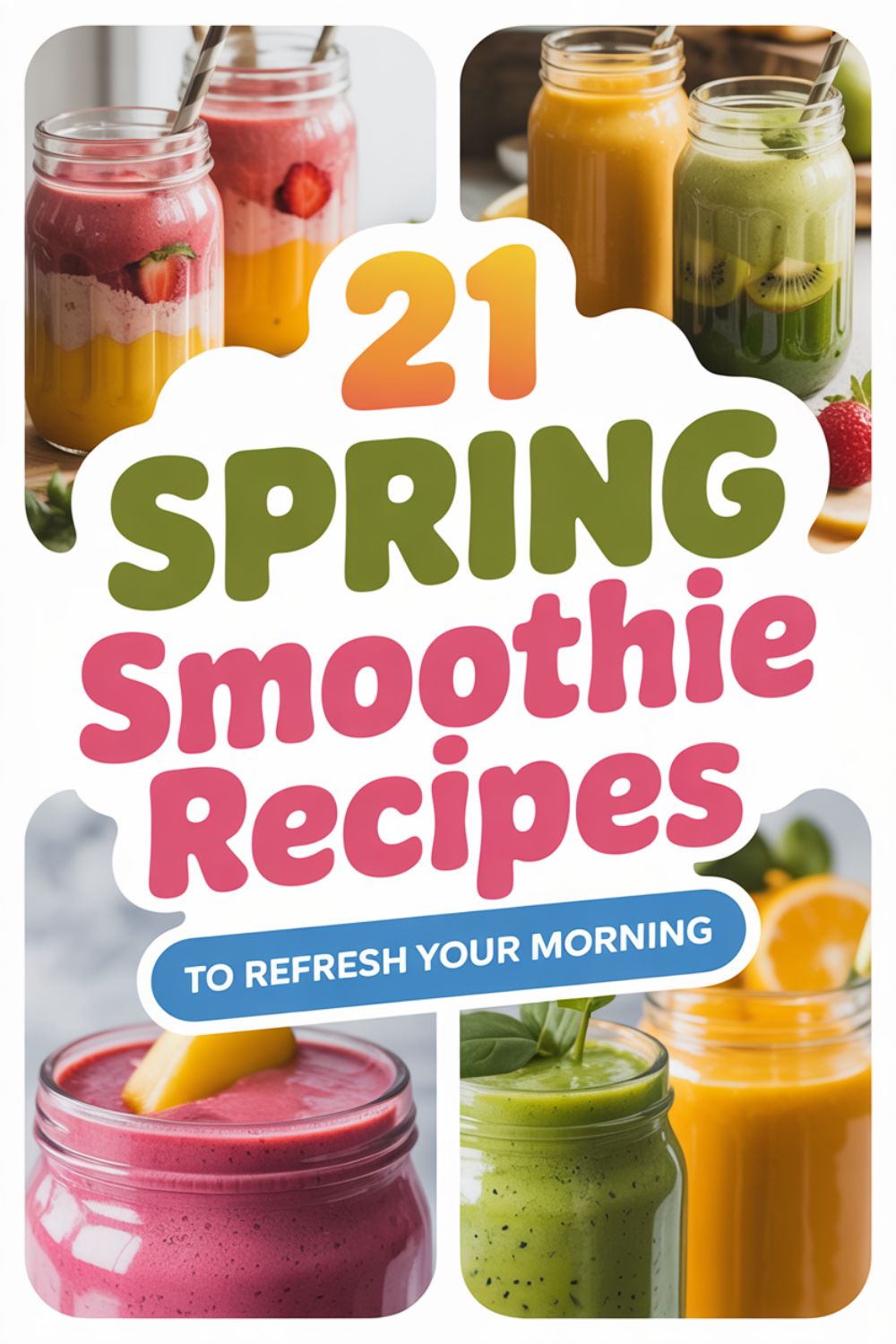
21 Spring Smoothie Recipes to Refresh Your Morning
Spring rolled in, and suddenly my winter breakfast routine feels as stale as last month’s granola bars. You know that feeling when you’re craving something fresh and vibrant, but the thought of chopping vegetables at 6 AM makes you want to crawl back into bed?
That’s exactly where smoothies come in clutch. I’ve spent the last few weeks testing every spring-inspired combination I could dream up, and honestly, some were absolute disasters. But the winners? They’re the kind of recipes that make you actually excited to wake up.
These aren’t your basic banana-and-protein-powder blends. We’re talking about smoothies that taste like spring in a glass—think fresh berries, leafy greens that don’t taste like lawn clippings, and combinations that’ll keep you full until lunch without the mid-morning crash.
Why Spring Smoothies Hit Different
There’s something about spring produce that just tastes better. Maybe it’s the psychological lift from finally escaping winter, or maybe strawberries actually do taste sweeter when they’re in season. Either way, I’m here for it.
The biggest game-changer for me was learning that not all smoothie ingredients play well together. Research from UC Davis found that bananas can actually reduce the absorption of beneficial flavanols from berries by up to 84%. Mind-blowing, right?
That’s why half of these recipes skip bananas entirely and use alternatives like frozen mango or avocado for creaminess. Your body will thank you, and honestly, you won’t even miss the banana once you try these combinations.
The Foundation: What Makes a Spring Smoothie Actually Good
Before we dive into specific recipes, let’s talk about what separates a mediocre smoothie from one that genuinely keeps you satisfied. I learned this the hard way after making smoothies that tasted like dessert but left me starving an hour later.
The Protein Problem
Protein is non-negotiable. According to Northwestern Medicine, higher protein intake helps you feel fuller and reduces those annoying mid-morning cravings. But here’s the thing—you don’t need protein powder to hit your numbers.
Greek yogurt, silken tofu, hemp seeds, or even a scoop of cottage cheese work surprisingly well. I use this organic Greek yogurt in about half of these recipes because it’s thick enough to make smoothies creamy without turning them into milkshakes.
The Fiber Factor
Most Americans only get about 16 grams of fiber daily when we should be hitting 25-38 grams. Smoothies can bridge that gap effortlessly, especially when you’re tossing in spinach, chia seeds, or oats.
The beauty of blending versus juicing? You keep all that precious fiber intact. Your gut will genuinely appreciate the effort, and you won’t be hunting for snacks before lunch.
If you’re looking to reset your digestive system while keeping things delicious, check out these gut-health focused meal plans that pair perfectly with morning smoothies.
The Sweetness Balance
Here’s where most people sabotage themselves. Fruit juice, honey, agave, maple syrup—it all adds up fast. I keep added sugars minimal and let the natural fruit do the heavy lifting. If you need extra sweetness, a couple of pitted dates work magic without spiking your blood sugar as dramatically.
“I started making these smoothies last month and actually look forward to breakfast now. Down 8 pounds without feeling like I’m dieting. The mango-spinach one is my go-to.” – Jessica M. from our community
Spring Smoothie Recipes That Actually Taste Amazing
1. Strawberry Basil Refresher
This one sounds fancy, but it’s ridiculously simple. Fresh strawberries, a handful of basil leaves, coconut water, and a squeeze of lime. The basil adds this unexpected freshness that makes it taste like you’re drinking spring itself. Get Full Recipe
I blend mine in this compact blender that doesn’t wake up the entire house at 6 AM. Totally worth the investment if you’re making smoothies regularly.
2. Green Machine (That Doesn’t Taste Like Grass)
Spinach, frozen mango, pineapple, a small piece of ginger, and coconut milk. The tropical fruit completely masks the greens, and the ginger adds a subtle kick that wakes you up better than coffee. Seriously. Get Full Recipe
3. Berry Beet Blast
Roasted beets (yes, roasted—it brings out their natural sweetness), mixed berries, orange juice, and a tablespoon of chia seeds. It’s bright pink, Instagram-worthy, and loaded with antioxidants. Get Full Recipe
For more anti-inflammatory breakfast options, these 7-day anti-inflammatory meal plans include similar ingredient combinations that help reduce bloating.
4. Peachy Keen Protein Bowl
Frozen peaches, vanilla Greek yogurt, almond milk, and a scoop of almond butter. Blend it thick and top with granola and fresh peach slices. It’s basically breakfast and dessert in one bowl. Get Full Recipe
5. Chocolate Cherry Recovery Shake
Dark cherries, cacao powder, banana (I know, I said skip it sometimes, but it works here), almond milk, and a pinch of cinnamon. This one’s perfect post-workout or when you’re craving something indulgent but don’t want to derail your day. Get Full Recipe
6. Tropical Turmeric Sunrise
Mango, pineapple, a quarter teaspoon of turmeric, black pepper (it helps turmeric absorption), coconut milk, and a tiny piece of fresh ginger. Anti-inflammatory and delicious—what’s not to love? Get Full Recipe
7. Cucumber Mint Cooler
Cucumber, fresh mint, lime juice, green apple, and coconut water. This one’s super hydrating and perfect for those warmer spring mornings when you need something light and refreshing. Get Full Recipe
8. Blueberry Lavender Dream
Blueberries, a tiny pinch of culinary lavender (seriously, tiny—this stuff is potent), lemon juice, Greek yogurt, and honey. It tastes like a fancy café drink but costs about $2 to make. Get Full Recipe
Speaking of breakfast variety, if you’re tired of smoothies by midweek, these make-ahead breakfast ideas rotate beautifully with your smoothie routine.
9. Peanut Butter Banana Oat Bowl
Okay, this one has banana, but hear me out. Banana, peanut butter, oats, cinnamon, and almond milk blended thick. Top with sliced banana and these crunchy granola clusters. It’s basically peanut butter cookie dough that’s actually good for you. Get Full Recipe
10. Raspberry Coconut Cloud
Raspberries, coconut cream (the thick stuff from the top of a chilled can), vanilla extract, and a splash of coconut water. It’s creamy, dreamy, and feels way more indulgent than it actually is. Get Full Recipe
11. Kiwi Kale Kickstart
Kiwi, kale, green grapes, lemon juice, and a small piece of ginger. The kiwi adds incredible tartness that balances the kale perfectly. Plus, kiwis are fiber bombs. Get Full Recipe
12. Mango Cardamom Surprise
Frozen mango, a tiny pinch of ground cardamom, Greek yogurt, and a splash of orange juice. The cardamom adds this warm, exotic note that makes it taste way more complicated than it actually is. Get Full Recipe
For those watching their blood sugar, these blood sugar-friendly breakfast recipes use similar balancing techniques with protein and healthy fats.
13. Pineapple Spinach Paradise
Pineapple, spinach, coconut water, lime juice, and fresh mint. It’s basically a green smoothie pretending to be a piña colada. The pineapple is sweet enough that you won’t even notice the greens. Get Full Recipe
14. Apple Cinnamon Roll Smoothie
Green apple, rolled oats, cinnamon, vanilla protein powder, almond milk, and a couple of pecans. It tastes like drinking a cinnamon roll, minus the guilt and sugar crash. Get Full Recipe
15. Watermelon Basil Refresher
Fresh watermelon, basil, lime juice, and a tiny pinch of sea salt. I know it sounds weird, but the salt enhances the watermelon’s sweetness and makes the whole thing taste more vibrant. Get Full Recipe
16. Blackberry Sage Elixir
Blackberries, fresh sage (just a couple of leaves), lemon juice, Greek yogurt, and honey. The sage adds an earthy note that makes this feel sophisticated and restaurant-worthy. Get Full Recipe
17. Orange Creamsicle Revival
Fresh orange juice, vanilla Greek yogurt, a splash of vanilla extract, and ice. It tastes exactly like those creamsicle popsicles from childhood but won’t give you a sugar headache. Get Full Recipe
18. Ginger Pear Power
Ripe pear, fresh ginger, spinach, lemon juice, and coconut water. Pears don’t get enough smoothie love, but they’re naturally sweet and add amazing texture. I core mine with this handy gadget that makes prep ridiculously fast. Get Full Recipe
19. Matcha Mango Energizer
Matcha powder, frozen mango, vanilla almond milk, and a drizzle of honey. It’s got caffeine from the matcha, so it pulls double duty as breakfast and coffee replacement. Get Full Recipe
20. Honeydew Cucumber Spa
Honeydew melon, cucumber, mint, lime juice, and coconut water. This one’s incredibly hydrating and tastes like something you’d get at an expensive spa. Get Full Recipe
21. Mixed Berry Protein Powerhouse
Mixed berries (strawberries, blueberries, raspberries), Greek yogurt, almond butter, chia seeds, and almond milk. It’s the most balanced option on this list—perfect protein-to-carb ratio, loaded with fiber, and satisfying enough to carry you through a busy morning. Get Full Recipe
If you’re committed to high-protein eating, these high-protein meal plans include breakfast smoothies alongside other protein-packed meals.
Meal Prep Essentials Used in These Recipes
Listen, you don’t need a million gadgets to make good smoothies, but these tools genuinely make life easier. I’m not about collecting kitchen clutter, but these actually earn their counter space.
Physical Products:- High-Speed Blender with Personal Cups – Blend directly in the cup you’ll drink from. Less cleanup, more sleep. It’s not the fanciest, but it pulverizes frozen fruit without dying after three months.
- Glass Storage Jars with Measurement Marks – Perfect for prepping smoothie packs. Toss ingredients in the jar, freeze, dump into blender when ready. Game changer for chaotic mornings.
- Silicone Ice Cube Trays – Freeze leftover smoothie, coconut milk, or coffee in these. Pop a couple into your next smoothie for extra creaminess without diluting the flavor.
- 30-Day Gut Reset Meal Plan – Comprehensive guide with smoothie recipes integrated into a complete digestive health program
- 14-Day High Protein Meal Plan – Protein-focused eating strategy with breakfast smoothies and balanced meals
- 21-Day Hormone Balancing Plan – Nutrient-dense recipes designed to support hormonal health
Join Our Community: Connect with other smoothie enthusiasts in our WhatsApp group where we swap recipes, troubleshoot weird ingredient combinations, and share our breakfast wins and disasters.
The Smoothie Prep System That Changed My Mornings
Here’s my Sunday routine that makes weekday smoothies actually happen. I spend about 30 minutes prepping, and it saves me at least 15 minutes every single morning. The math works in my favor.
The Freezer Bag Method
I portion out ingredients for five smoothies into freezer bags. Everything except the liquid goes in—fruit, greens, protein powder, seeds, whatever. Label them with a marker, stack them flat in the freezer, and you’re basically a meal prep genius.
Morning of, dump the frozen contents into your blender, add your liquid base, blend, done. I use these reusable silicone bags instead of disposable ones. They’re sturdier and I’m not creating a mountain of plastic waste every week.
The Ice Cube Trick
Freeze coconut milk, almond milk, or leftover smoothie in ice cube trays. Pop a few into your next smoothie for extra creaminess without watering it down. It’s such a simple hack but makes a noticeable difference in texture.
The Greens Situation
Fresh spinach wilts fast, and nobody wants to blend slimy leaves. Buy it fresh, wash it thoroughly, spread it on a towel to dry completely, then freeze in portion sizes. Frozen greens blend just as well and last for weeks.
“The freezer bag method saved my mornings. I was spending 20 minutes every day chopping and measuring. Now it’s literally 2 minutes from freezer to finished smoothie.” – Rachel K.
Common Smoothie Mistakes I Had to Learn the Hard Way
Not every experiment was successful. Here are the disasters so you can skip straight to the good stuff.
Too Much Liquid
Start with less than you think you need. You can always add more, but you can’t un-thin a watery smoothie. I aim for thick enough to eat with a spoon, then add liquid slowly until it reaches my preferred consistency.
Ignoring Texture
Dates, chia seeds, and oats can turn gritty if not blended long enough. Give your blender an extra 30 seconds after everything looks smooth. The difference is noticeable.
Overcomplicating Flavors
Five ingredients max usually hits the sweet spot. More than that and flavors start competing instead of complementing. Keep it simple—one or two fruits, a green, protein source, and liquid.
Skipping Healthy Fats
A smoothie without fat leaves you hungry within an hour. Avocado, nut butter, chia seeds, or hemp hearts add staying power without making smoothies taste heavy. Even a tablespoon makes a difference.
For more balanced meal ideas that keep you satisfied, check out these flat belly meal plans that use similar macronutrient balancing.
Using Ice Instead of Frozen Fruit
Ice waters down your smoothie. Frozen fruit gives you thickness and flavor without dilution. Buy fresh when it’s in season, freeze it yourself, and your smoothies will taste exponentially better.
Tools & Resources That Make Smoothie Life Easier
These aren’t essential, but they’re the difference between smoothies feeling like a chore versus a habit you actually enjoy.
Kitchen Tools:- Reusable Stainless Steel Straws – Regular straws collapse with thick smoothies. These don’t. Plus you’re not contributing to straw landfills. Win-win.
- Digital Kitchen Scale – Consistency is everything. Weighing ingredients means your smoothies taste the same every time. No more “this batch was perfect but I can’t recreate it” frustration.
- Microplane Grater – Fresh ginger, nutmeg, or citrus zest adds brightness that pre-ground spices can’t match. Takes five seconds and elevates everything.
- 25 Smoothies with Hidden Veggies – Sneak vegetables into breakfast without the grass-clipping taste
- 21 Thick Smoothie Bowl Recipes – For when you want breakfast that requires a spoon, not a straw
- 20 Five-Ingredient Smoothies – Simple recipes for when you’re too tired to think but still want something nutritious
Seasonal Swaps to Keep Things Interesting
Spring produce is incredible, but you don’t have to stick rigidly to what’s technically in season if you’re buying frozen. That said, here are swaps that work beautifully as the season progresses.
Early Spring
Citrus is still going strong. Grapefruit, blood oranges, and regular oranges add brightness. Frozen berries from last summer still taste great, and early strawberries start appearing at markets.
Mid to Late Spring
Fresh berries get sweeter and cheaper. Cherries start showing up. Rhubarb appears if you’re feeling adventurous (cook it first with a little honey—raw rhubarb in smoothies is intensely tart).
Transition to Summer
Stone fruits arrive—peaches, nectarines, apricots. Melons start appearing. This is when I switch from heartier smoothies to lighter, more hydrating combinations.
If you’re meal planning seasonally, these summer breakfast ideas continue the seasonal eating approach without heating up your kitchen.
Making Smoothies Actually Fill You Up
The biggest complaint I hear is that smoothies leave people hungry within an hour. That’s usually a macronutrient balance issue, not a smoothie problem.
The Protein-Fat-Fiber Trinity
Every smoothie needs all three. Protein (Greek yogurt, protein powder, silken tofu), healthy fats (nut butter, avocado, chia seeds), and fiber (fruit, oats, greens). Hit all three and you’ll stay satisfied.
Research shows that smoothies high in protein and fiber can actually support weight loss by keeping you full longer. But only if you’re not sneaking in 600 calories of honey and juice.
Watch Your Portions
A 32-ounce smoothie might seem healthy, but if it’s got three bananas, a cup of juice, and honey, that’s easily 600+ calories. Aim for 12-16 ounces if it’s a snack, 16-20 ounces if it’s replacing a meal.
Timing Matters
I drink mine slowly while getting ready in the morning, not chugged in 30 seconds. Sipping gives your body time to register fullness. Seems obvious, but it makes a real difference.
Frequently Asked Questions
Can I make smoothies the night before?
Sort of. They’re best fresh, but if mornings are genuinely impossible, blend it the night before and store in an airtight container in the fridge. Give it a good shake before drinking because ingredients separate. Texture won’t be quite as good, but it’s better than skipping breakfast entirely.
Do smoothies spike blood sugar like juice?
Not if you build them correctly. The fiber from whole fruits and added ingredients like chia seeds or oats slows sugar absorption. According to nutrition experts, including protein and healthy fats also helps moderate blood sugar response. Skip the fruit juice and added sweeteners, and you’re good.
What’s the best liquid base for smoothies?
Depends on your goals. Unsweetened almond milk is low-calorie and neutral-flavored. Coconut water adds electrolytes and natural sweetness. Regular dairy milk or soy milk adds protein. I rotate based on what I’m craving, but unsweetened almond milk is my default about 70% of the time.
How do I make green smoothies not taste like grass?
Use baby spinach instead of kale—it’s milder. Balance greens with sweet fruit like mango, pineapple, or berries. Add a squeeze of citrus to brighten everything up. And honestly, start with less greens than the recipe calls for, then gradually increase as your palate adjusts. There’s no award for forcing down something you hate.
Are frozen fruits as healthy as fresh?
Yes, often healthier. Frozen fruits are picked at peak ripeness and frozen immediately, locking in nutrients. Fresh fruit sits in transport and on shelves losing vitamins. Plus, frozen is way cheaper and nothing goes bad in your crisper drawer. It’s a win all around.
Final Thoughts on Spring Smoothie Season
Here’s what I’ve learned after weeks of blending everything in sight: smoothies don’t have to be complicated to be good. The best recipes use 4-5 quality ingredients, balance macros properly, and taste good enough that you’ll actually make them regularly.
Spring is the perfect time to reset your breakfast routine. Fresh produce tastes better, your body probably needs the nutrient boost after winter, and there’s something motivating about starting the day with something that’s both delicious and actually nutritious.
Experiment with these recipes, find your favorites, and don’t be afraid to adjust them to your preferences. Hate ginger? Leave it out. Can’t do dairy? Swap in your preferred alternative. The point is to find combinations that work for your taste and lifestyle, not to follow recipes like they’re commandments.
And if you make a disaster smoothie (we all do), just remember: it’s one breakfast. Compost it, laugh about it, and try again tomorrow. That’s the beauty of smoothies—there’s always another chance to blend something better.
Similar Posts
25 Chia Seed Overnight Oats Recipes You’ll Love
25 Chia Seed Overnight Oats Recipes You’ll Love 25 Chia Seed Overnight Oats Recipes You’ll Love Look, I’m not gonna pretend overnight oats are some revolutionary culinary discovery. People have been soaking oats in liquid since forever. But here’s the thing: when you toss chia seeds into the mix, the whole game changes. You get…
25 Protein-Packed Chia Bowls to Keep You Full Until Lunch
25 Protein-Packed Chia Bowls to Keep You Full Until Lunch 25 Protein-Packed Chia Bowls to Keep You Full Until Lunch Look, I’m not going to pretend chia seeds are some magical superfood that’ll transform your life overnight. But here’s the thing—they’re one of the few breakfast ingredients that actually deliver on the whole “keeps you…