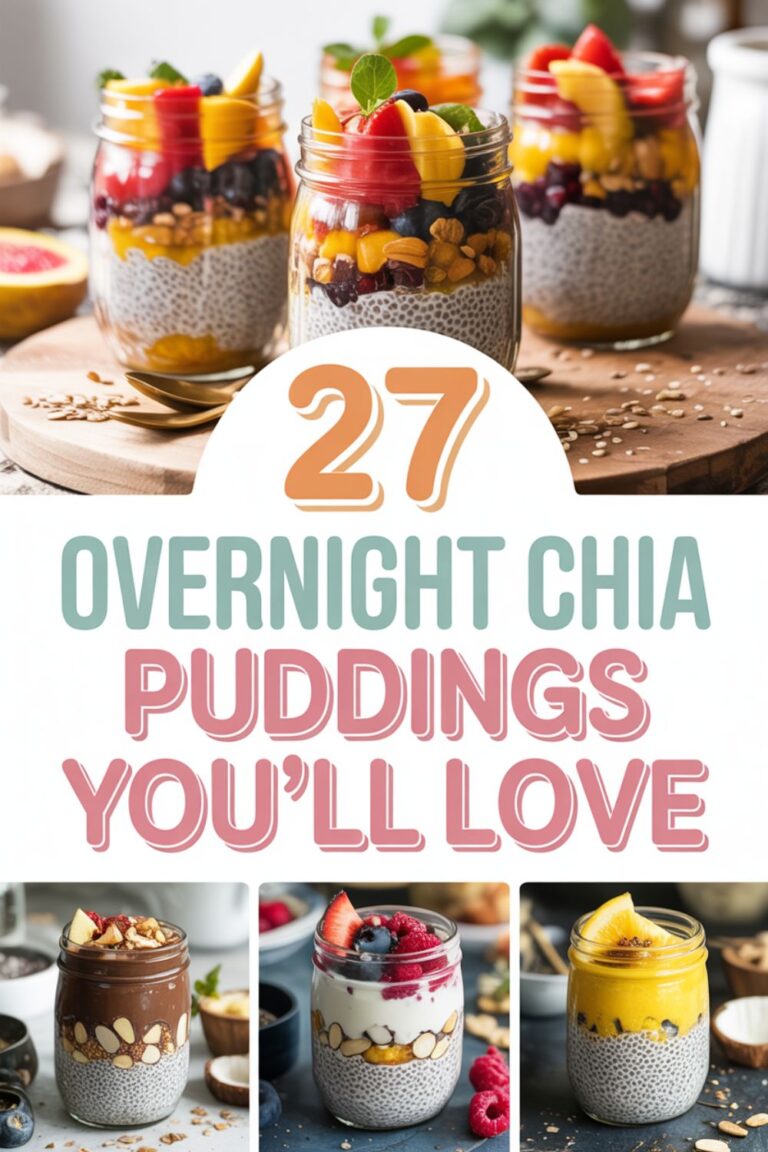
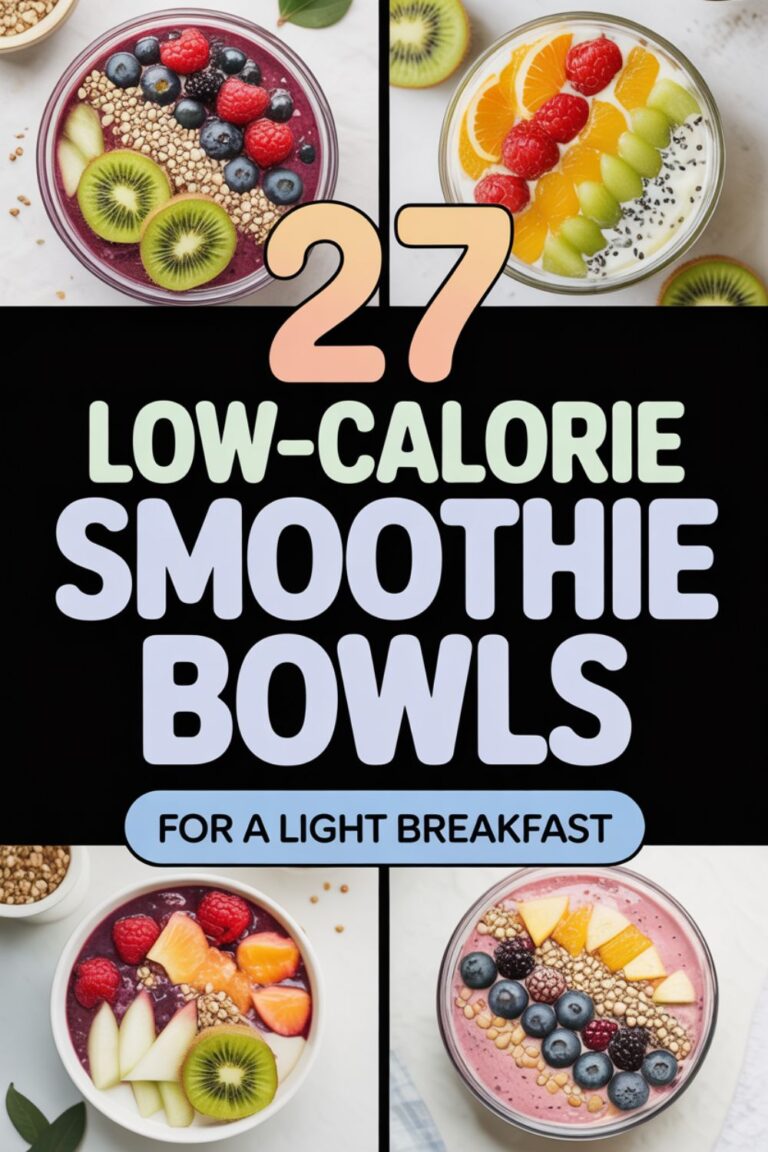
21 Vegan Chia Seed Puddings With Natural Sweeteners
Look, I’ll be straight with you—chia pudding used to sound like something people ate because they had to, not because they wanted to. But after years of messing around in the kitchen (and admittedly ruining a few batches with weird flavor combos), I’ve figured out that chia pudding can actually be ridiculously good. No chalky texture. No weird aftertaste. Just creamy, satisfying breakfast or dessert that happens to be packed with fiber, omega-3s, and protein.
The secret? Natural sweeteners. We’re talking maple syrup, dates, coconut sugar—stuff that actually tastes like something instead of just generic “sweet.” And when you pair those with chia seeds, which absorb up to 10-12 times their weight in liquid, you get this pudding-like consistency that feels indulgent without the sugar crash.
I’m sharing 21 versions here because, honestly, variety keeps things interesting. Some are chocolate-heavy for when you need dessert vibes. Others are fruity and fresh for summer mornings. A few are straight-up cozy fall flavors. The point is to find what works for you and not get bored three days in.
Why Chia Seeds Are Actually Worth the Hype
Before we get into recipes, let’s talk about why chia seeds aren’t just another trendy superfood. These tiny black seeds pack about 10 grams of fiber and 5 grams of protein in just two tablespoons, according to research on their nutritional content. That’s more fiber than most people get in an entire breakfast.
They’re also loaded with alpha-linolenic acid (ALA), a plant-based omega-3 that your body converts into the same type of fatty acids found in fish. This matters because omega-3s are tied to better heart health, reduced inflammation, and improved brain function. Plus, chia seeds contain quercetin and other antioxidants that help fight oxidative stress.
But here’s what I really care about: they keep you full. Like, actually full. Not that fake “I had a smoothie and I’m hungry again in an hour” full. When chia seeds absorb liquid, they create this gel-like substance in your stomach that slows digestion and keeps hunger at bay for hours. Perfect if you’re someone like me who hates feeling hangry before lunch.
The Natural Sweetener Situation
Here’s where things get interesting. I used to think all sweeteners were basically the same—just different levels of “sweet.” Turns out, that’s not even close to true. Date syrup, for example, has a glycemic index of around 49-50, which means it won’t spike your blood sugar the way refined sugar does. Studies comparing natural sweeteners show that dates provide fiber, potassium, and magnesium along with their natural sugars.
Maple syrup isn’t just for pancakes, either. Pure maple syrup contains manganese and zinc, plus antioxidants like polyphenols that may help reduce inflammation. It has a lower glycemic index than honey (54 versus 58), so it causes a slower rise in blood sugar levels.
Then there’s coconut sugar, which tastes like caramel had a baby with brown sugar. It contains small amounts of iron, zinc, and antioxidants. While it’s not dramatically different from regular sugar in terms of calories, it does provide trace minerals that white sugar doesn’t.
The real win with natural sweeteners isn’t that they’re “guilt-free”—they’re still sugar, and you should use them in moderation. But they taste more complex and interesting than plain white sugar, which means your chia pudding actually has flavor depth instead of just tasting generically sweet.
21 Chia Pudding Recipes That Don’t Suck
1. Classic Vanilla Maple
Mix 3 tablespoons chia seeds with 1 cup almond milk, 1 tablespoon maple syrup, and 1 teaspoon vanilla extract. Refrigerate overnight. This is your baseline—simple, clean, and hits the spot when you don’t want anything complicated. Get Full Recipe.
2. Chocolate Date
Blend 2 Medjool dates with 1 cup oat milk until smooth. Mix in 3 tablespoons chia seeds and 1 tablespoon cacao powder. The dates give it this deep, almost toffee-like sweetness that makes the chocolate taste richer. I use this Dutch-process cacao powder because it’s less bitter than regular cocoa.
3. Strawberry Coconut Sugar
Puree 1/2 cup fresh strawberries with 1 cup coconut milk and 1 tablespoon coconut sugar. Stir in 3 tablespoons chia seeds. Top with unsweetened coconut flakes before serving. Summer in a jar, basically.
4. Blueberry Maple
Mash 1/4 cup blueberries and mix with 1 cup cashew milk, 3 tablespoons chia seeds, and 1 tablespoon maple syrup. The mashed berries create these pretty purple swirls throughout the pudding. If you’re feeling fancy, layer it with plain vanilla chia pudding for a striped effect.
5. Pumpkin Spice Date
Blend 2 tablespoons pumpkin puree, 1 cup almond milk, 2 chopped dates, 1/2 teaspoon pumpkin pie spice, and a pinch of salt. Mix in 3 tablespoons chia seeds. This is cozy fall vibes without being overly sweet. Top with these candied pecans if you’re going all out.
6. Matcha Honey (Using Vegan Honey Alternative)
Whisk 1 teaspoon matcha powder with 1 cup soy milk, 1 tablespoon date syrup or agave, and 3 tablespoons chia seeds. The matcha gives you a caffeine boost plus L-theanine, which helps with focus without the jitters. I use this ceremonial grade matcha because cheaper versions taste like grass clippings.
“I started making chia pudding for meal prep and honestly didn’t expect much. Three months later, I’ve lost 12 pounds without trying that hard, and I actually look forward to breakfast now. The key was finding flavors I genuinely liked—turns out I’m a chocolate date person.” – Rachel from our community
7. Banana Bread
Mash 1/2 ripe banana with 1 cup almond milk, 1 tablespoon maple syrup, 1/4 teaspoon cinnamon, and a pinch of nutmeg. Add 3 tablespoons chia seeds. Tastes exactly like banana bread but takes zero baking skills. If you’re making this for busy mornings, check out our make-ahead breakfast ideas for more meal prep inspiration.
8. Mango Coconut
Puree 1/2 cup frozen mango with 1 cup coconut milk and 1 tablespoon coconut sugar. Mix in 3 tablespoons chia seeds. This tastes tropical without being overly sweet. Store your chia puddings in these 8-ounce glass jars—perfect portion size and you can see the layers.
9. Cherry Vanilla Maple
Mix 1/4 cup chopped fresh cherries with 1 cup oat milk, 1 tablespoon maple syrup, 1/2 teaspoon vanilla extract, and 3 tablespoons chia seeds. Cherries have a natural tartness that balances the sweetness really well. Get Full Recipe.
10. Coffee Date
Mix 1/2 cup cold brew coffee with 1/2 cup almond milk, 2 chopped dates blended until smooth, and 3 tablespoons chia seeds. This is breakfast and coffee in one. Efficient. I make my cold brew in this mason jar cold brew maker overnight.
Meal Prep Essentials Used in This Plan
Listen, having the right stuff makes chia pudding way less annoying to prep. Here’s what I actually use:
- Glass Mason Jars (8 oz, set of 12) – Perfect for layering and you can prep a week’s worth at once. The glass doesn’t retain flavors like plastic does.
- Immersion Blender – Game changer for blending dates and making smooth bases. Way easier than dragging out a full blender.
- Organic Chia Seeds (2 lb bag) – Buy in bulk. You’ll use way more than you think, and it’s cheaper this way.
- 7-Day High-Protein Meal Plan (Digital PDF) – If you’re trying to balance chia pudding with higher protein meals, this plan walks you through exactly what to eat. Grab it here.
- Anti-Inflammatory Recipe Collection (Digital eBook) – 50+ recipes including chia pudding variations that reduce bloating. Check out our anti-inflammatory meal plan.
- Meal Prep Template Bundle (Digital Download) – Printable grocery lists and prep schedules. Makes planning way less chaotic. Get organized with our 21-day flat belly reset plan.
Join our WhatsApp community for daily meal prep tips and recipe swaps: [Community Link]
11. Apple Cinnamon Maple
Grate 1/4 apple and mix with 1 cup almond milk, 1 tablespoon maple syrup, 1/2 teaspoon cinnamon, and 3 tablespoons chia seeds. The grated apple adds texture without making things watery. Top with more cinnamon and chopped walnuts for crunch.
12. Raspberry Lemon
Mash 1/4 cup raspberries with 1 tablespoon maple syrup, zest of half a lemon, and 1 cup coconut milk. Stir in 3 tablespoons chia seeds. The lemon zest cuts through the sweetness and makes this taste fresh rather than heavy. Speaking of fresh flavors, you might also like these no-cook breakfast ideas for hot mornings.
13. Chocolate Peanut Butter
Mix 1 cup oat milk with 1 tablespoon natural peanut butter, 1 tablespoon cacao powder, 1 tablespoon maple syrup, and 3 tablespoons chia seeds. Tastes like Reese’s but without the guilt spiral afterward. I use this natural peanut butter because it doesn’t have added sugar or palm oil. Get Full Recipe.
14. Peach Ginger Date
Blend 1/2 cup frozen peaches with 1 cup almond milk, 2 dates, and 1/4 teaspoon fresh grated ginger. Mix in 3 tablespoons chia seeds. The ginger adds this subtle warmth that makes the peach flavor more interesting. FYI, frozen peaches work better than fresh because they blend smoother.
15. Coconut Lime
Mix 1 cup coconut milk with juice of 1 lime, 1 tablespoon coconut sugar, and 3 tablespoons chia seeds. Top with toasted coconut flakes and lime zest. This one’s unexpectedly good—tropical but not too sweet.
16. Carrot Cake
Mix 1/4 cup finely grated carrot with 1 cup cashew milk, 1 tablespoon maple syrup, 1/4 teaspoon each of cinnamon and nutmeg, pinch of salt, and 3 tablespoons chia seeds. Top with crushed walnuts and a tiny drizzle of maple syrup. Sounds weird, tastes amazing. For more unconventional breakfast ideas, check out our pantry staple breakfast recipes.
17. Blackberry Vanilla
Mash 1/3 cup blackberries with 1 tablespoon coconut sugar. Mix with 1 cup almond milk, 1 teaspoon vanilla extract, and 3 tablespoons chia seeds. Blackberries have this slightly tart thing going on that makes them way more interesting than strawberries. IMO.
18. Maple Pecan
Blend 1 cup oat milk with 2 tablespoons maple syrup and a handful of raw pecans. Strain if you want it smooth, or leave the pecan bits for texture. Mix in 3 tablespoons chia seeds. Top with more chopped pecans. This one’s decadent enough to pass as dessert. Get Full Recipe.
19. Orange Cranberry
Mix zest of 1 orange, juice of half an orange, 1 cup coconut milk, 1 tablespoon maple syrup, 2 tablespoons dried cranberries (chopped), and 3 tablespoons chia seeds. The orange zest is key here—it gives way more flavor than just the juice. This pairs really well with our smoothie collection if you’re building out your breakfast rotation.
20. Almond Joy
Mix 1 cup almond milk with 1 tablespoon cacao powder, 1 tablespoon maple syrup, 1 tablespoon unsweetened shredded coconut, and 3 tablespoons chia seeds. Top with more coconut and sliced almonds. Tastes like the candy bar but won’t make you feel like garbage after.
21. Fig and Walnut
Blend 2 dried figs with 1 cup oat milk until smooth. Mix with 3 tablespoons chia seeds and top with chopped walnuts. Figs are naturally sweet with this almost honey-like flavor, so you barely need extra sweetener. Store in these airtight containers if you’re prepping multiple flavors. Get Full Recipe.
Tools & Resources That Make Cooking Easier
If you’re serious about meal prep (or just want breakfast to stop being annoying), these help:
- Silicone Spatula Set – Makes scraping bowls and jars way easier. Sounds basic, but it matters when you’re making five puddings at once.
- Digital Kitchen Scale – If you’re tracking macros or just want consistent results, weighing your chia seeds makes a difference.
- Portable Blender Bottle – For mornings when you need to shake and go. Not as good for chia pudding itself, but great for making quick date syrup blends.
- 14-Day Gut Reset Plan (Digital Guide) – High-fiber recipes including chia-based breakfasts that help with digestion. Check out our complete gut reset plan.
- Blood Sugar Balancing Guide (Digital PDF) – Learn which sweeteners and combos keep your energy steady. See our blood sugar balancing meal plan.
- Hormone Health Cookbook (Digital eBook) – 40+ recipes that support hormonal balance, including chia pudding variations. Get it with our hormone balancing meal plan.
WhatsApp Recipe Swap Group: [Community Link] – Share your flavor combos and get ideas from others
How to Actually Prep These Without Losing Your Mind
Real talk: if you’re making chia pudding fresh every single morning, you’re going to quit by Wednesday. The whole point is that it’s easy. Here’s what I do.
Every Sunday night, I make 4-5 jars at once. I rotate flavors so I don’t get bored—usually one chocolate variation, one fruity one, and one vanilla-based. They last up to five days in the fridge, so I’m set for the work week. According to Mayo Clinic research, chia pudding stays fresh when stored properly in airtight containers.
I use these 8-ounce mason jars because they’re the perfect breakfast size and you can see the layers, which makes it feel less like you’re eating health food. Mix everything directly in the jar, shake it up, and toss it in the fridge. In the morning, grab and go. Total prep time for five jars? Maybe 15 minutes.
One thing I learned the hard way: don’t make them too thick. If you want a spoonable consistency, stick to 3 tablespoons of chia seeds per cup of liquid. If you go higher, it turns into this weird gelatinous blob. Not cute. Not tasty.
Also, stir your pudding after the first 10 minutes of refrigeration. Otherwise, the chia seeds clump at the bottom and you get this uneven texture situation. Just give it a quick stir, then leave it overnight. Problem solved.
“I used to think meal prep was this huge production that required hours on Sunday. Then I tried batch-making chia pudding and realized breakfast doesn’t have to be complicated. Now I actually eat breakfast instead of grabbing whatever’s fastest.” – Marcus from our community
Troubleshooting Common Chia Pudding Problems
It’s Too Thick
Add more liquid. Seriously, that’s it. Start with a tablespoon at a time until you hit the consistency you want. Different brands of plant milk have different thicknesses, so you might need to adjust.
It’s Too Watery
You didn’t use enough chia seeds or didn’t let it sit long enough. Give it another few hours in the fridge, or add another tablespoon of chia and mix well. The gel-forming process takes time, especially if your fridge is packed full and not super cold.
It Tastes Bland
You’re probably not using enough sweetener or vanilla. Natural sweeteners are less intense than refined sugar, so you need a bit more to get the same flavor punch. Also, a pinch of salt in every recipe makes a huge difference—it brings out the other flavors without making things taste salty.
It Has a Weird Texture
This usually means you didn’t stir it during the first 10 minutes. The chia seeds settle at the bottom and form clumps instead of distributing evenly. Next time, set a timer and give it a good stir after 10 minutes, then again after 30 minutes if you’re making it during the day.
It Gave Me Digestive Issues
You either ate dry chia seeds or ate way too much at once. Start with a smaller portion (maybe 2 tablespoons of chia instead of 3) and make sure you’re drinking enough water throughout the day. Research from WebMD confirms that chia seeds need adequate hydration to digest properly.
Comparing Chia Pudding to Other Breakfast Options
So how does chia pudding stack up against your other morning options? Let’s get into it.
Chia Pudding vs. Oatmeal: Oatmeal is great, but it requires cooking unless you’re doing overnight oats. Chia pudding is literally just stirring and waiting. Both are high in fiber, but chia seeds have more protein and omega-3s. Oatmeal wins on being more filling in the moment, but chia pudding keeps you full longer. Your call based on what your morning looks like. If you love oatmeal too, check out our high-fiber breakfast collection for more ideas.
Chia Pudding vs. Smoothies: Smoothies are faster to make fresh, but they don’t prep well. Chia pudding lasts all week. Smoothies can leave you hungry if you don’t balance them right. Chia pudding’s texture and fiber keep you satisfied. If you’re a smoothie person, you might like our banana-free smoothie recipes.
Chia Pudding vs. Yogurt Parfaits: Yogurt parfaits are good if you’re not dairy-free or vegan. But store-bought yogurt often has a ton of added sugar. Chia pudding lets you control exactly how sweet it is. Plus, chia seeds have way more fiber than yogurt. Parfaits win on convenience if you’re grabbing one on the go, but homemade chia pudding is cheaper and more customizable.
Chia Pudding vs. Avocado Toast: Different categories, really. Avocado toast is savory and hits if you want that. Chia pudding is sweet and works if you’re craving something dessert-adjacent. Both are nutrient-dense. Both work for meal prep. Make both and alternate so you don’t get sick of either.
The Nutritional Breakdown (Without Getting Boring)
A typical serving of chia pudding (made with 3 tablespoons chia seeds, 1 cup almond milk, and 1 tablespoon maple syrup) gives you roughly:
- Calories: 200-250
- Protein: 6-8 grams
- Fiber: 10-12 grams
- Fat: 9-11 grams (mostly omega-3s)
- Carbs: 25-30 grams
- Sugar: 12-15 grams (mostly from natural sweeteners)
For reference, that fiber content is about 40% of your daily recommended intake. That’s massive for one breakfast. The protein isn’t as high as, say, a protein shake, but it’s respectable. And those omega-3s? You’re getting more ALA from chia seeds than you would from most other plant sources.
The sugar content might look high, but remember—this is coming from maple syrup or dates, not refined sugar. That means you’re also getting minerals, antioxidants, and a lower glycemic impact. It’s not the same as eating candy for breakfast, even if the sugar number seems similar on paper. For more on building balanced meals, see our high-protein meal plan for weight loss.
Chia Seeds and Gut Health (Yes, It Matters)
Let’s talk about why chia seeds are so good for your digestive system. That high fiber content isn’t just about keeping you full—it’s also about feeding the good bacteria in your gut. According to research published in the National Institutes of Health, soluble fiber acts as a prebiotic, which means it supports the growth of beneficial gut bacteria.
When chia seeds absorb liquid and form that gel-like substance, they create bulk in your digestive tract. This helps things move along smoothly (if you know what I mean) and can prevent constipation. But here’s the key: you need to drink enough water. If you eat high-fiber foods without adequate hydration, you’ll end up with the opposite problem—bloating and discomfort.
Chia seeds also contain resistant starch, which bypasses digestion in your small intestine and reaches your colon intact. Once there, it ferments and produces short-chain fatty acids that support colon health and may reduce inflammation. Pretty cool for something that costs less than coffee.
If gut health is a priority for you, pair chia pudding with other fiber-rich foods throughout the day. Our 21-day gut healing meal plan walks you through exactly how to do this without overthinking it.
Can You Lose Weight Eating Chia Pudding?
Short answer: maybe. Long answer: it depends.
Chia pudding can support weight loss because it’s high in fiber and protein, both of which help you feel full longer. When you’re satisfied after breakfast, you’re less likely to snack mindlessly before lunch or overeat later in the day. Studies on daily chia seed consumption show that they can help manage appetite and reduce overall calorie intake when used as part of a balanced diet.
But here’s the reality check: if you’re making your chia pudding with a ton of sweetener and topping it with nuts, dried fruit, and coconut, you’re easily pushing 400-500 calories for breakfast. That’s not inherently bad, but it’s not a “diet food” either. Weight loss comes down to overall calorie balance and what you’re eating for the rest of the day.
Where chia pudding really shines is in replacing less nutritious breakfast options. If you’re swapping out a 600-calorie muffin or a sugar-bomb cereal for a 250-calorie chia pudding packed with fiber, you’ll probably notice a difference. But if you’re just adding chia pudding on top of your regular diet, don’t expect magic.
For structured weight loss support, check out our 30-day high-protein plan for fat loss or the 14-day flat belly meal plan with meals under 500 calories.
Frequently Asked Questions
Can I eat chia pudding every day?
Yes, most people can eat chia pudding daily without issues. Just make sure you’re drinking plenty of water and not overdoing it on portion size. Start with 2-3 tablespoons of chia seeds per day and see how your body responds. If you experience bloating or digestive discomfort, scale back or make sure you’re soaking the seeds long enough before eating.
Do I have to refrigerate chia pudding overnight?
Not necessarily overnight, but at least 2-4 hours for the chia seeds to fully absorb the liquid and create that pudding-like texture. Overnight is ideal for meal prep because you can make it before bed and it’s ready in the morning. If you’re in a rush, 2 hours will work in a pinch, though the texture might be slightly less thick.
Can I use water instead of plant milk?
Technically yes, but it’ll taste pretty bland. Water works if you’re adding a lot of fruit or sweetener, but plant milk gives you more flavor, creaminess, and additional nutrients like calcium and vitamin D. If you’re watching calories, unsweetened almond milk is only about 30-40 calories per cup.
Why is my chia pudding slimy?
That gel-like texture is normal—it’s how chia seeds work when they absorb liquid. But if it feels excessively slimy, you might be using too many chia seeds or not enough liquid. Stick to a 1:4 ratio (1 part chia seeds to 4 parts liquid) for best results. Blending your pudding smooth can also help if you really don’t like the texture.
Are there any downsides to eating chia seeds?
The main issue is digestive discomfort if you eat too much too fast or don’t drink enough water. Some people with inflammatory bowel conditions like Crohn’s disease find that high-fiber foods trigger symptoms, so talk to your doctor if that’s you. Also, chia seeds can lower blood pressure, so if you’re on blood pressure medication, check with your healthcare provider before eating them regularly.
Final Thoughts
Chia pudding isn’t going to revolutionize your life, but it’s a solid breakfast option that actually tastes good once you figure out your favorite flavors. It’s easy to prep, lasts all week, and gives you a decent nutritional boost without requiring you to cook anything or think too hard in the morning.
The key is experimenting until you find combinations you genuinely like. Don’t force yourself to eat vanilla maple every single day if you hate it by day three. Try the chocolate date. Try the strawberry coconut. Mix it up. That’s literally the whole point of having 21 variations.
And remember: natural sweeteners make a difference. You’re not just swapping one sugar for another—you’re adding flavor complexity and trace minerals that actually contribute something to your diet. It’s not about being perfect or eating “clean” or whatever. It’s about making breakfast less annoying and maybe feeling slightly better because you ate something with fiber and omega-3s instead of grabbing whatever was fastest.
Start with one or two flavors this week. Prep them on Sunday. See how it goes. If you like it, keep going. If you don’t, at least you tried something new and now you know.