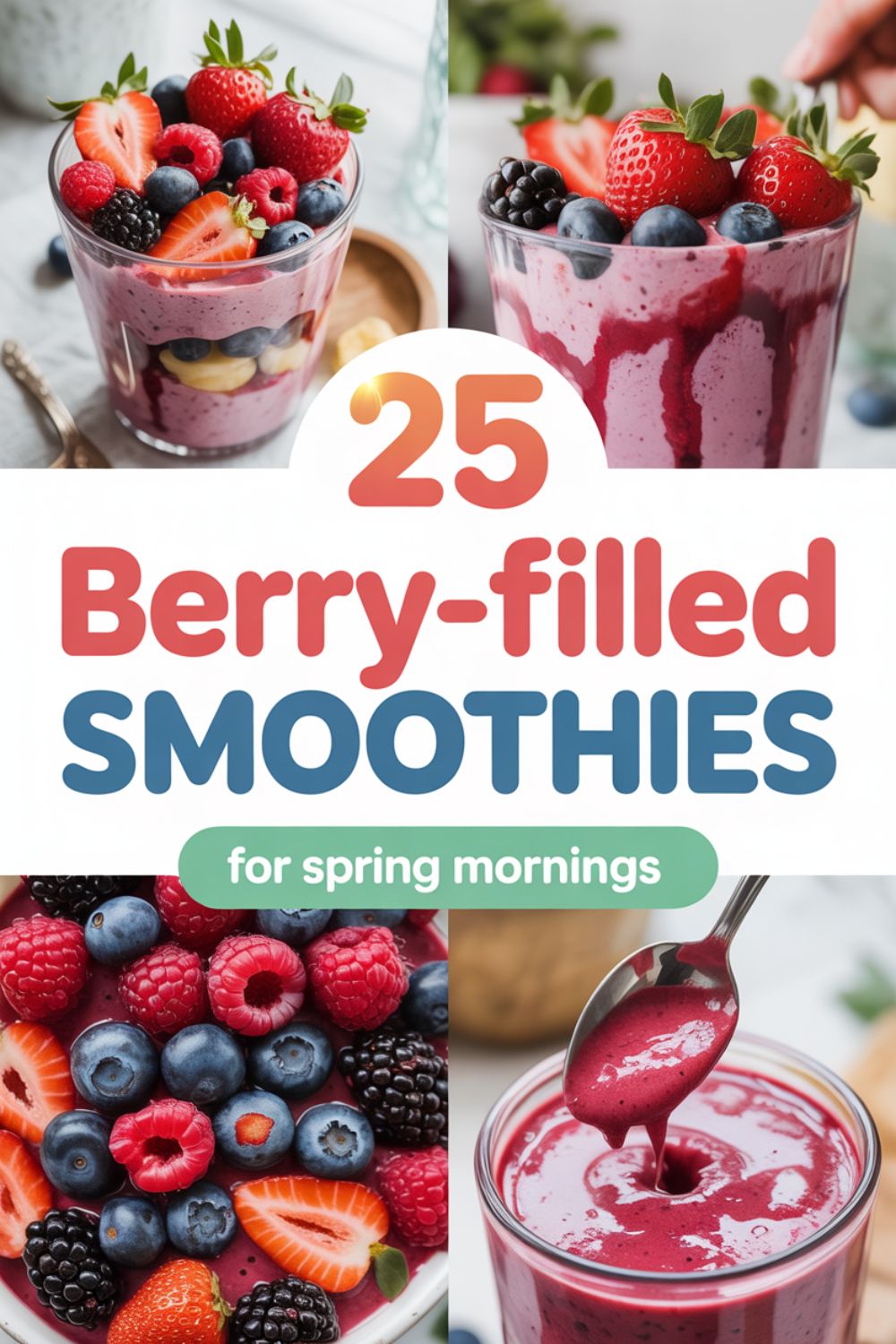
25 Berry-Filled Smoothies for Spring Mornings
These 25 berry smoothies aren’t just random combos I dreamed up. They’re actually what I reach for when I need something filling, something that won’t spike my blood sugar, or something that tastes like dessert but won’t wreck my afternoon energy. Whether you’re trying to sneak more nutrients into your day or just want a drinkable breakfast that doesn’t bore you to tears, berries are where it’s at.
Why Berries Are Basically Spring Morning Gold
Let’s talk about what makes berries so damn good for you. We’re not just throwing around “superfood” because it sounds fancy. Research shows berries contain powerful antioxidant compounds like anthocyanins and polyphenols that actually reduce inflammation and oxidative stress in your body. That’s science-speak for “they help you age slower and feel better.”
Blueberries, strawberries, raspberries, and blackberries all pack different nutritional punches. Blueberries are loaded with vitamin K and have some of the highest antioxidant levels of any fruit. Strawberries give you more vitamin C than an orange. Raspberries bring serious fiber to the table—we’re talking 8 grams per cup. And blackberries? They’re basically nature’s multivitamin with vitamins C, K, manganese, and folate all crammed in.
What I love most is that berries don’t need you to add a ton of sweetener. They’re naturally sweet but won’t send your blood sugar on a roller coaster ride. The fiber content slows down sugar absorption, which means you get steady energy instead of that crash-and-burn situation you get from sugary breakfast pastries.
According to nutritional research on berry consumption, eating berries regularly has been linked to improved heart health, better brain function, and even reduced risk of certain cancers. The polyphenols in berries cross the blood-brain barrier and accumulate in areas responsible for memory and learning. Pretty cool for something that tastes like candy, right?
The 25 Berry Smoothies You Need to Try
Classic Berry Blends
1. Triple Berry Blast: Strawberries, blueberries, raspberries, Greek yogurt, and almond milk. This is my go-to when I can’t decide what I want. It’s like the greatest hits album of berries.
2. Strawberry Banana Classic: Yeah, it’s basic, but it’s basic for a reason. Strawberries and banana with your choice of milk creates the creamiest texture without needing protein powder or weird thickeners.
3. Blueberry Muffin Smoothie: Blueberries, oats, cinnamon, vanilla, and a splash of maple syrup. Tastes exactly like a blueberry muffin but won’t leave you hungry in an hour. I use this mini blender for single servings—it’s powerful enough to pulverize oats without leaving chunks.
4. Blackberry Lemon Zing: Blackberries, lemon juice, spinach (you can’t taste it, I swear), and coconut water. Tart, refreshing, and secretly vegetable-packed.
5. Raspberry Coconut Dream: Raspberries, coconut milk, shredded coconut, and a tiny bit of honey. This one feels tropical even though raspberries aren’t exactly from the tropics.
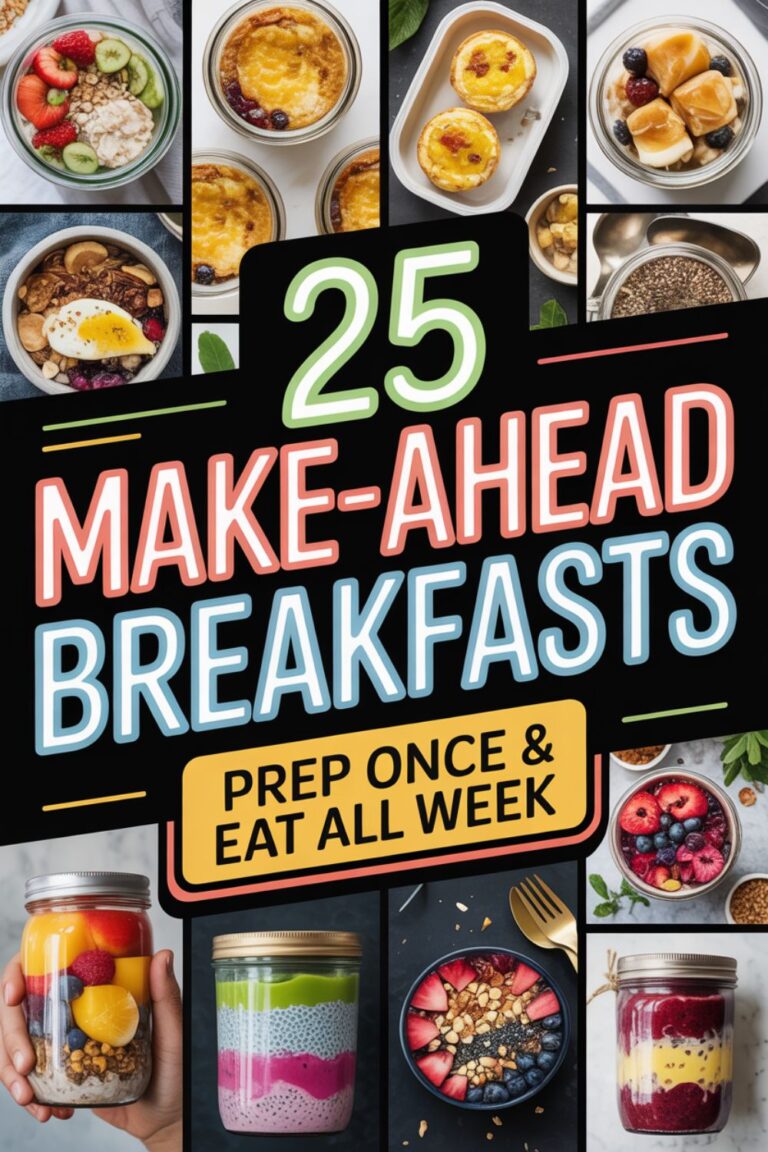
If you’re looking for more grab-and-go breakfast ideas, you might want to check out these 25 Make-Ahead Breakfasts You Can Prep Once and Eat All Week or these 20 5-Minute Breakfasts You Can Make Half-Asleep. They pair really well with smoothie prep strategies.
Protein-Packed Berry Smoothies
6. Berry Protein Power: Mixed berries, protein powder, almond butter, and oat milk. This is what I drink after workouts when I need actual substance, not just sugar water.
7. Strawberry Peanut Butter Cup: Strawberries, natural peanut butter, cocoa powder, and milk of choice. Tastes like dessert, fuels like a meal. The peanut butter-berry combo is underrated, IMO.
8. Blueberry Almond Butter Blend: Blueberries, almond butter, chia seeds, and almond milk. The chia seeds add omega-3s and make it extra filling. They also turn the whole thing into pudding if you let it sit for 10 minutes, which I actually love.
9. Raspberry Greek Yogurt Protein: Raspberries, Greek yogurt, vanilla extract, and a handful of spinach. The yogurt gives you about 15-20 grams of protein without powder, and the tartness of raspberries cuts through the yogurt perfectly.
10. Mixed Berry Cottage Cheese: Okay, hear me out. Cottage cheese in smoothies sounds weird, but it blends completely smooth and adds crazy amounts of protein. Mix it with berries, a banana, and vanilla. You won’t taste the cottage cheese at all, just creamy berry goodness.
“I started making the triple berry blast every morning and dropped 12 pounds in two months without changing anything else. The fiber kept me full until lunch and I stopped snacking on junk.” — Rachel from our community
For those following specific eating plans, these smoothies work beautifully with structured approaches like the 7-Day High-Protein Meal Plan to Build Muscle and Burn Fat. Get Full Recipe.
Antioxidant Bomb Smoothies
11. Superfood Berry Boost: Acai, blueberries, strawberries, hemp seeds, and coconut water. The acai adds an extra antioxidant punch, though it’s pricey. I use these frozen acai packets because they’re pre-portioned and way easier than dealing with powder.
12. Pomegranate Berry Fusion: Pomegranate juice, mixed berries, and a squeeze of lime. The pomegranate juice is tart as hell but pairs perfectly with sweet strawberries.
13. Goji Berry Wonder: Goji berries, strawberries, orange juice, and ginger. You’ll need to soak the goji berries first unless you have a really powerful blender, otherwise they stay chewy.
14. Antioxidant Triple Threat: Blueberries, blackberries, cherries, and green tea. Yes, green tea in a smoothie. It sounds weird, but it works. Use cooled green tea instead of milk or water for a caffeine boost plus extra antioxidants.
15. Dark Chocolate Berry Antioxidant: Mixed berries, raw cacao powder, avocado (for creaminess), and almond milk. The avocado makes it insanely smooth without adding any avocado flavor.
Speaking of inflammation-fighting foods, the 7-Day Anti-Inflammatory Meal Plan to Reduce Bloating and Boost Energy includes several berry-based recipes that complement these smoothies perfectly.
Green Berry Smoothies (Veggies Disguised)
16. Berry Green Machine: Spinach, strawberries, banana, and orange juice. The orange juice masks any green taste completely. Your smoothie will be brownish-purple, not Instagram-green, and that’s fine.
17. Kale Berry Blast: Kale, blueberries, mango, and coconut milk. Kale is tougher to blend than spinach, so add it first with your liquid and blend it smooth before adding the fruit.
18. Cucumber Berry Refresh: Cucumber, strawberries, mint, and coconut water. This one’s super hydrating and perfect for hot mornings when heavy smoothies sound gross.
19. Avocado Berry Cream: Avocado, mixed berries, spinach, and almond milk. The avocado makes it ridiculously creamy and adds healthy fats that keep you full forever.
20. Celery Berry Detox: Celery, blueberries, lemon, ginger, and apple. I know “detox” is a loaded term, but this combo is incredibly refreshing and does help with digestion thanks to the celery and ginger.
For more veggie-forward meal ideas that won’t taste like rabbit food, try the 7-Day Gut Health Reset Plan Featuring High-Fiber and Probiotic-Rich Meals or browse through these 21 High-Fiber Breakfasts to Stay Full Until Lunch.
Dessert-Style Berry Smoothies
21. Strawberry Cheesecake: Strawberries, cream cheese (or Greek yogurt for lighter version), graham cracker crumbs, and vanilla. This legitimately tastes like cheesecake. I crumble these graham crackers right into the blender—no measuring required.
22. Berry Cobbler Smoothie: Mixed berries, oats, cinnamon, nutmeg, and almond milk. Add a tiny pinch of salt to bring out the sweetness. It’s like drinking pie for breakfast, which I’m completely fine with.
23. Chocolate-Covered Strawberry: Strawberries, cocoa powder, vanilla protein powder, and milk. For extra decadence, add a tablespoon of chocolate chips that’ll partially blend and leave little chunks.
24. Raspberry Vanilla Bean: Raspberries, vanilla bean paste (not extract—it’s different), banana, and cashew milk. The vanilla bean paste has actual vanilla specks and makes it feel fancy.
25. Blackberry Pie a la Mode: Blackberries, vanilla ice cream (or frozen banana for healthier version), cinnamon, and a splash of milk. This is a legitimate dessert smoothie but the blackberries still give you fiber and antioxidants, so it counts as breakfast in my book.
These dessert-style smoothies pair wonderfully with the treat recipes in the 25 Breakfasts That Won’t Spike Blood Sugar collection. Get Full Recipe.
Meal Prep Essentials Used in These Smoothies
- High-Speed Blender — I use mine daily for these smoothies. It pulverizes frozen berries and leafy greens without leaving chunks or burning out the motor.
- Mason Jar 4-Pack (32 oz) — Perfect for portioning smoothies ahead or storing pre-measured ingredients in the freezer.
- Reusable Silicone Straws — Way better than paper straws that get soggy, and the thick ones work for thick smoothies.
- Digital Smoothie Recipe eBook — 50+ smoothie combinations with exact measurements and nutrition info (available in our shop)
- Meal Prep Template Pack — Printable weekly smoothie prep sheets so you can batch-make ingredients (digital download)
- Berry Smoothie Nutrition Guide — Complete breakdown of calories, macros, and micronutrients for each recipe variation (PDF)
Want smoothie tips delivered weekly? Join our WhatsApp Community for daily recipe ideas, prep hacks, and meal planning support.
Making Smoothies Actually Work for You
Here’s the thing about smoothies that nobody tells you: they’re only as good as your planning. I learned this the hard way after spending way too much money on berries that went bad and wasting 10 minutes every morning trying to decide what to throw in the blender.
The secret is treating smoothie prep like actual meal prep. Every Sunday, I spend 20 minutes portioning frozen berries, spinach, and any add-ins into individual freezer bags. Each bag gets one smoothie’s worth of ingredients except the liquid. In the morning, I dump a bag into the blender, add milk or water, blend for 30 seconds, and I’m done.
The other game-changer? Understanding the ratios. A good smoothie follows this basic formula: 1-2 cups liquid, 1-2 cups frozen fruit, 1 cup greens (optional), 1-2 tablespoons healthy fat (nut butter, avocado, etc.), protein source (yogurt, protein powder, or nut butter). Once you get this ratio down, you can throw in whatever sounds good without following exact recipes.
I also keep what I call “smoothie insurance” in my pantry—frozen banana chunks, spinach cubes (yes, you can freeze spinach in ice cube trays), and a backup bag of mixed frozen berries. When I forget to prep or run out of fresh ingredients, I can still make something drinkable in under a minute.
For those watching their blood sugar, check out the 7-Day Blood Sugar Balancing Meal Plan for Steady Energy All Day. The principles there work perfectly with berry smoothies when you balance the fruit with protein and healthy fats.
Berry Smoothie Mistakes I Made So You Don’t Have To
Let’s talk about what doesn’t work. First mistake? Adding too much fruit and not enough protein or fat. Your smoothie might taste amazing, but you’ll be starving an hour later. Berries are great, but they’re mostly carbs and fiber. You need protein and fat to actually stay full.
Second mistake: Using too much liquid. Your smoothie shouldn’t be juice-consistency. It should be thick enough that you need to use a spoon or a thick straw. Thin smoothies = drinking your calories without feeling satisfied. I use these thick reusable straws specifically because they force me to make my smoothies the right thickness.
Third mistake: Not investing in a decent blender. I fought this for years, using a cheap $20 blender that couldn’t handle frozen berries. I’d end up with chunky, icy smoothies that were more frustrating than enjoyable. When I finally upgraded to a mid-range blender (not even the fancy expensive ones), my smoothie game completely changed. Smooth, creamy results every single time.
Fourth mistake: Buying fresh berries out of season. They’re expensive, they taste like nothing, and they go bad in two days. Frozen berries are picked at peak ripeness, flash-frozen to preserve nutrients, and cost a fraction of the price. Plus they make your smoothie cold without watering it down with ice.
Fifth mistake: Not experimenting enough. I stuck to the same strawberry-banana combo for months because it was safe. But once I started trying different berry combinations, adding greens, swapping nut butters, and playing with spices like cinnamon and ginger, smoothies became way more interesting.
“I used to think smoothies were just fruit-flavored sugar bombs until I tried adding protein powder and almond butter. Now they actually keep me full and I’ve noticed my energy stays way more stable throughout the morning.” — Mike, tried the protein-packed berry smoothies for 3 weeks
If you’re trying to lose weight or maintain a healthy weight, the strategies in the 14-Day High-Protein Meal Plan Designed to Support Weight Loss and Muscle Gain work excellently with these smoothie recipes. Just make sure you’re hitting your protein targets.
Tools & Resources That Make Smoothie-Making Easier
- Portable Blender Cup — Blends and doubles as a to-go cup. Perfect for making smoothies at work or in hotel rooms when traveling.
- Freezer-Safe Portion Containers — These 2-cup containers are perfect for portioning berries and greens. Stack beautifully in the freezer.
- Kitchen Scale — If you want to track macros or just ensure consistent smoothie results, weighing ingredients beats measuring cups every time.
- Complete Smoothie Meal Prep Guide — Step-by-step system for prepping an entire week of smoothies in under 30 minutes (digital course)
- Macro-Balanced Smoothie Calculator — Plug in your ingredients and get instant nutrition breakdown (spreadsheet template)
- Smoothie Troubleshooting Checklist — Fix common smoothie problems like separation, weird textures, or bland flavors (printable PDF)
Get instant answers to your smoothie questions in our WhatsApp Community — real people sharing what actually works.
The Nutrition Breakdown You Actually Need
Let’s get real about what you’re actually drinking. A basic berry smoothie with just fruit and liquid might have 150-200 calories but minimal protein. Add Greek yogurt or protein powder and you’re looking at 250-350 calories with 15-25 grams of protein. Throw in nut butter and you’re at 350-450 calories with protein and healthy fats that’ll actually sustain you.
The fiber content varies wildly depending on what berries you use. Raspberries lead the pack with about 8 grams per cup, followed by blackberries at 7 grams. Strawberries and blueberries have around 3-4 grams per cup. If you’re adding spinach or kale, tack on another 2-4 grams. Most of these smoothies land between 5-10 grams of fiber, which is solid for one meal.
Sugar content is where people get worried, but context matters. Yes, a smoothie with 2 cups of berries has sugar—around 20-30 grams depending on the mix. But it’s natural fruit sugar paired with fiber, which slows absorption. Compare that to a flavored latte or store-bought smoothie that has 40-60 grams of added sugar with zero fiber. Not even close to the same thing.
Vitamin C in berry smoothies is off the charts. One smoothie with strawberries and blueberries can give you 150-200% of your daily vitamin C needs. The anthocyanins from the berries act as powerful antioxidants—studies show these compounds have anti-inflammatory and neuroprotective effects that benefit long-term health.
Protein is the make-or-break macro here. Without it, you’ve made yourself fruit juice. With it, you’ve made a meal. Greek yogurt adds 15-20 grams per cup. Protein powder adds 20-25 grams per scoop. Even nut butter contributes 3-4 grams per tablespoon. My rule: minimum 15 grams of protein per smoothie if I’m using it as a meal replacement.
The meal plans in our 21-Day High-Protein Meal Plan to Build Lean Muscle and Support Fat Loss use these exact smoothie principles to help you hit your protein targets without thinking too hard about it.
When Berry Smoothies Actually Make Sense
Not every meal needs to be a smoothie, and that’s fine. I drink smoothies when I’m genuinely short on time or when I want something cold and refreshing. They’re perfect for post-workout nutrition because your body absorbs liquid faster than solid food. They’re also great when you’re sick and don’t want to chew, or when it’s hot out and cooking sounds miserable.
But smoothies don’t work for everyone. Some people find liquid calories less satisfying than solid food. Some people don’t like drinking their meals. Some people’s blood sugar does better with solid food even when it’s the same macros. Pay attention to how your body responds.
I notice I stay fuller longer with smoothies that have fat (nut butter, avocado, coconut) and protein (yogurt, protein powder) versus fruit-only versions. The temperature matters too—thick, cold smoothies feel more substantial than thin, room-temp ones. And weirdly, eating them with a spoon instead of drinking them through a straw makes them more satisfying. Something about the act of “eating” tricks your brain into feeling more fed.
Timing matters. I prefer smoothies in the morning or post-workout, not at night. Evening smoothies tend to leave me hungry an hour before bed, probably because I’m less active and not burning through the energy. Your mileage may vary.
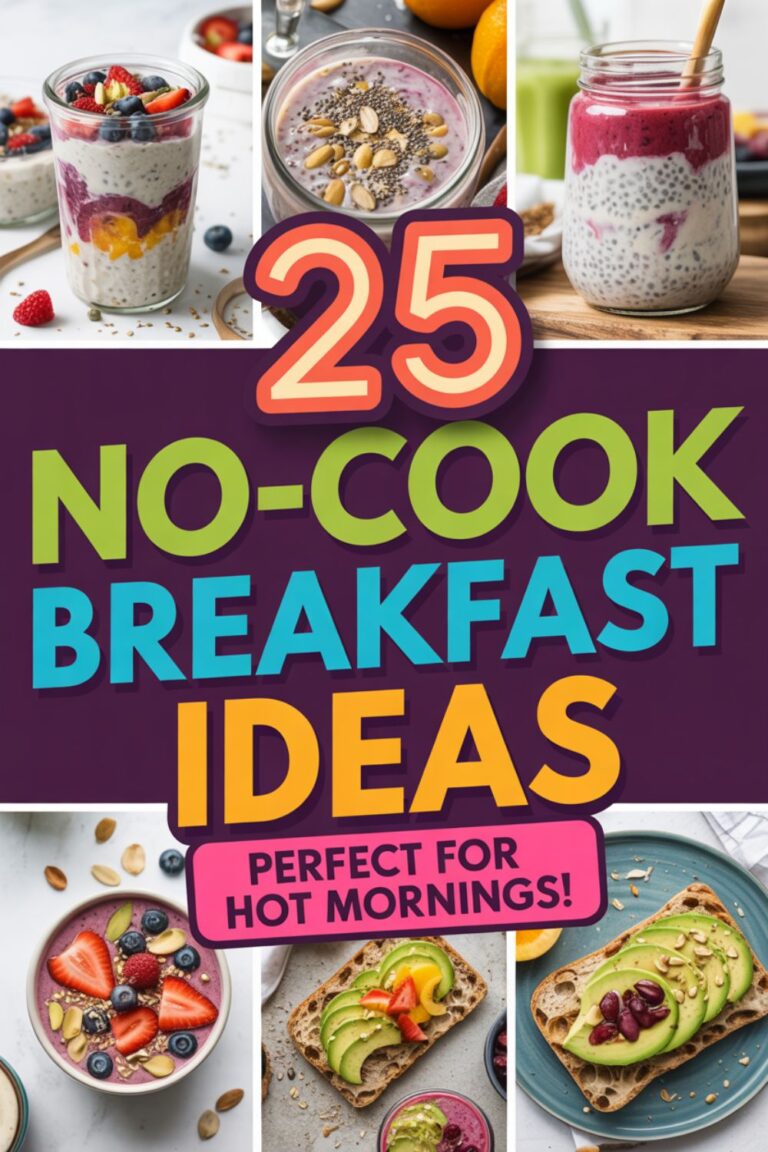
Looking for more no-fuss breakfast ideas beyond smoothies? Check out 25 No-Cook Breakfast Ideas for Hot Mornings, 20 Breakfasts You Can Freeze and Reheat, or 25 Breakfast Jars for Busy Mornings (Grab-and-Go). They all follow the same quick-and-actually-filling philosophy.
Common Questions People Ask About Berry Smoothies
Are smoothies with frozen berries as healthy as fresh berries?
Yes, and sometimes even more so. Frozen berries are picked at peak ripeness when nutrient content is highest, then flash-frozen to preserve those nutrients. Fresh berries lose nutrients during transport and storage. Plus frozen berries are available year-round, cost less, and never go bad in your fridge before you use them.
Why does my smoothie separate or get watery after sitting?
This happens when the solids settle and the liquid rises. It’s completely normal and doesn’t mean your smoothie went bad. Just give it a quick stir or shake before drinking. To minimize separation, use frozen fruit instead of fresh with ice, and add ingredients that increase thickness like chia seeds, oats, or avocado.
Can I make smoothies the night before?
Absolutely. Store them in an airtight container or mason jar in the fridge for up to 24 hours. They might separate slightly, which you can fix with a quick shake. The texture will be less cold and thick than freshly made, but the nutrition stays the same. I use these glass jars with tight lids to prevent any leaking in my bag.
How do I make my smoothie thick like a smoothie bowl?
Use less liquid—start with just 1/2 cup and add more only if needed. Use all frozen fruit instead of fresh. Add frozen banana, which creates an ice-cream-like texture. Include thickeners like avocado, chia seeds, oats, or frozen cauliflower (you won’t taste it). Blend in short pulses instead of continuously to avoid over-thinning.
What’s the best liquid base for berry smoothies?
Depends on your goals. Unsweetened almond milk is low-calorie and neutral-flavored. Oat milk makes smoothies creamier. Coconut water adds electrolytes and slight sweetness. Regular dairy milk or Greek yogurt thinned with water adds protein. I usually use unsweetened almond milk for most smoothies and save coconut water for post-workout drinks.
Final Thoughts on Berry Smoothies
Berry smoothies aren’t rocket science, but they are one of the easiest ways to get more nutrients into your day without overthinking it. You don’t need fancy ingredients or expensive superfoods. Just frozen berries, a decent blender, some protein, and whatever else sounds good to you.
The key is making them work for your actual life, not some idealized Instagram version of your life. If that means using protein powder instead of Greek yogurt because you don’t like yogurt, fine. If that means skipping the greens because they weird you out, also fine. If you need to add a little honey because you can’t handle tart flavors first thing in the morning, do it.
Start with the basic combinations here, figure out what you like, then make them your own. Pay attention to what keeps you full, what gives you energy, and what actually tastes good enough that you’ll keep making it. That’s the only smoothie advice that actually matters.
And if you screw up a smoothie? Just drink it anyway or toss it and try again tomorrow. They’re berries and milk, not a marriage contract. Keep a bag of frozen mixed berries in your freezer, and you’ll always be one minute away from something decent.