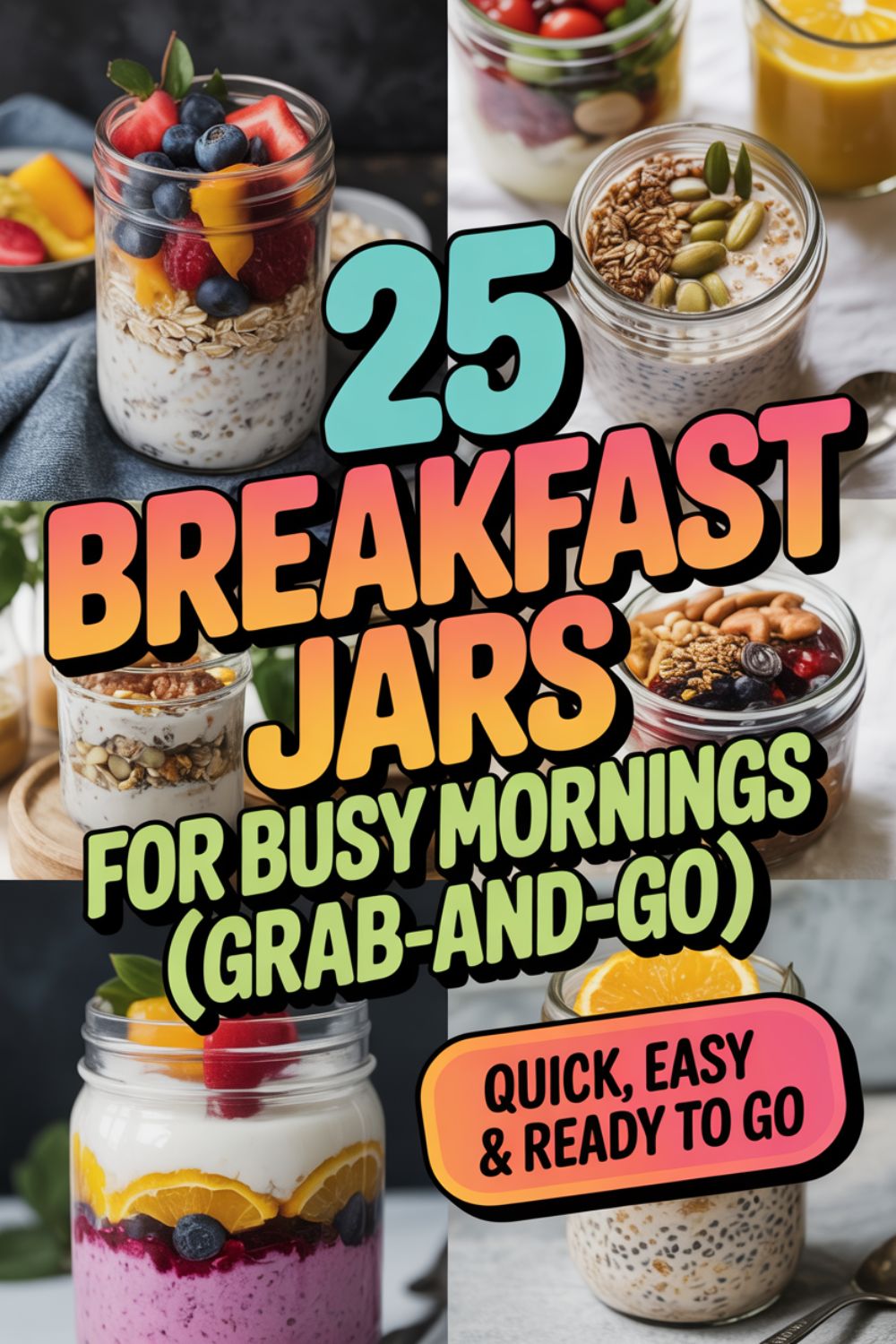
25 Breakfast Jars for Busy Mornings (Grab-and-Go)
Look, I’m not going to pretend I’m the type of person who bounces out of bed at 5 AM with a smile and thirty minutes to lovingly craft a gourmet breakfast. Most mornings? I’m hitting snooze twice, stumbling to the kitchen half-awake, and grabbing whatever won’t give me a stomachache by 10 AM.
That’s exactly why breakfast jars became my secret weapon. They’re not fancy. They’re not Instagram-perfect (though they can be if that’s your thing). They’re just insanely practical—prepped in advance, stored in the fridge, and ready to grab when you’re running late. Again.
If you’ve been skipping breakfast because “there’s no time,” or if you’re tired of the same boring cereal every single day, this list is for you. We’re talking 25 different ways to fill a jar with breakfast goodness that actually tastes good and keeps you full. No fluff, no complicated recipes that require seventeen specialty ingredients. Just real food that works.
Why Breakfast Jars Are Actually Genius
I spent years telling myself I’d “figure out breakfast tomorrow.” Spoiler alert: tomorrow never came. Then I discovered that if I spent one Sunday afternoon prepping five or six jars, I basically solved my breakfast problem for the entire week.
The beauty of breakfast jars is that they remove all the decision-making from your morning. No standing in front of the fridge wondering what to eat. No cooking. No cleanup. Just grab, maybe give it a quick stir, and go. And if you’re someone who works from home, you can even eat it at your desk while checking emails—multitasking at its finest.
Pro Tip: Invest in wide-mouth mason jars. Trust me on this. Regular mouth jars make it annoyingly difficult to scoop out your food. I use these 16-ounce wide-mouth jars and they’re perfect for most recipes.
Another huge advantage? Portion control. When you prep your breakfast in a jar, you’re automatically controlling how much you’re eating. No mindlessly pouring cereal until the bowl overflows. No “just one more spoonful” of peanut butter that turns into five. Everything’s measured out and ready.
Plus, breakfast jars are incredibly portable. Heading to the office? Toss your jar in your bag with a reusable bamboo spoon and you’re set. Have a long commute? Some of these recipes work great eaten in the car (though maybe stick to the less messy options if you’re driving).
The Essential Ingredients You’ll Need
Before we get into the recipes, let’s talk pantry staples. The good news is you don’t need a ton of weird ingredients to make these work. Most of what you need is probably already in your kitchen.
Base Ingredients
For most overnight oat recipes, you’ll want old-fashioned rolled oats (not the quick-cooking kind—those get too mushy). I buy this organic brand in bulk because it’s cheaper that way. You’ll also need some kind of liquid—milk works great, but plant-based options like almond milk or oat milk are equally good.
Greek yogurt is another staple I keep on hand. It adds protein and creaminess to a lot of these recipes. If you’re dairy-free, coconut yogurt is a solid alternative, though it’ll change the flavor profile slightly.
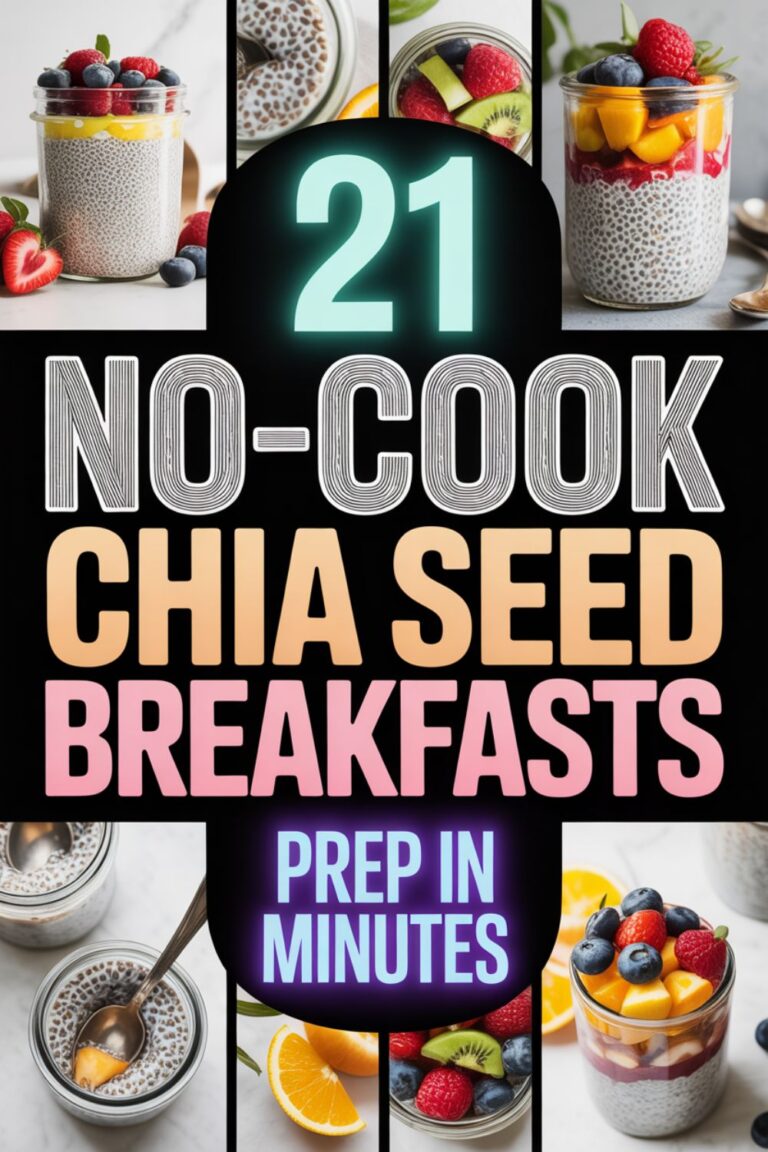
Chia seeds might sound fancy, but they’re actually amazing for breakfast jars. They absorb liquid and create this pudding-like texture while adding omega-3s and fiber. A little goes a long way—I usually use about two tablespoons per jar.
Sweeteners and Flavor Boosters
I prefer natural sweeteners like honey or maple syrup, but use whatever works for you. A tiny bit of vanilla extract goes a long way in overnight oats. Cinnamon is basically mandatory in my book—it adds warmth without any calories and may even help with blood sugar regulation.
For savory breakfast jars (yes, those exist and they’re great), you’ll want salt, pepper, maybe some hot sauce or salsa. I keep this everything bagel seasoning handy because it makes basically anything taste better.
Meal Prep Essentials Used in This Plan
Glass Mason Jars Set (12-Pack, Wide Mouth) – The foundation of any breakfast jar strategy. These are durable, microwave-safe, and actually seal properly so nothing leaks in your bag.
Silicone Jar Labels with Marker – Game changer for keeping track of what’s what and when you made it. They’re reusable and actually stick to wet jars, unlike paper labels.
Collapsible Silicone Funnel – Makes filling jars with smoothies or overnight oats way less messy. Folds flat for storage which is nice for small kitchens.
High-Protein Breakfast Blueprint (Digital Guide) – If you’re specifically looking to increase your protein intake in the morning, this guide has macro breakdowns and substitution ideas for common breakfast jar ingredients.
30-Day Breakfast Prep Calendar (Printable) – Takes the guesswork out of planning. Tells you exactly what to prep each Sunday for the week ahead, with shopping lists included.
Zero-Waste Breakfast Guide – Learn how to use every last bit of produce and minimize food waste while meal prepping breakfast jars. Includes tips for repurposing ingredients.
Join Our Meal Prep Community – Connect with other breakfast jar enthusiasts, share recipes, and get real-time tips. We’ve got a WhatsApp group that’s actually useful (no spam, just people helping people).
Sweet Breakfast Jars
Let’s start with the crowd-pleasers. These are the breakfast jars that feel like dessert but are actually good for you. Well, mostly good for you. I’m not going to lie and say they’re equivalent to kale smoothies, but they’re a hell of a lot better than a Pop-Tart.
1. Classic Overnight Oats with Berries
This is where everyone starts, and for good reason. Mix half a cup of oats, half a cup of milk, a tablespoon of chia seeds, and a drizzle of honey in a jar. Top with fresh or frozen berries. Seal it up and let it sit in the fridge overnight. By morning, you’ve got creamy, naturally sweet breakfast that took you maybe two minutes to assemble.
The berries add antioxidants and vitamin C, plus they make it look pretty if you’re into that. I typically use whatever’s on sale—strawberries, blueberries, raspberries, they all work. If you want more protein, stir in a scoop of vanilla protein powder or add a dollop of Greek yogurt on top. Get Full Recipe
2. Peanut Butter Banana Overnight Oats
If you’re team peanut butter (and honestly, who isn’t?), this one’s for you. Same base as the classic version, but add two tablespoons of peanut butter and sliced banana. The banana gets kind of soft overnight, which sounds weird but actually tastes amazing—almost like banana bread.
Pro move: mash half the banana and mix it into the oats before refrigerating, then top with the other half in slices. Gives you better banana distribution. I also sprinkle some cinnamon on top because it pairs perfectly with peanut butter. For an extra protein boost, consider swapping regular peanut butter with this powdered peanut butter—it has 85% less fat but still delivers that peanut flavor.
3. Apple Cinnamon Oatmeal Jar
This one’s like apple pie for breakfast, except socially acceptable. Dice up an apple (leave the skin on for extra fiber), toss it in a jar with oats, milk, cinnamon, and a touch of maple syrup. If you’re feeling fancy, add a pinch of nutmeg.
The apple pieces stay relatively crisp even after sitting overnight, which gives you nice texture contrast with the soft oats. Sometimes I’ll throw in a few chopped walnuts too—they add crunch and omega-3s. This is one of those jars that tastes even better if you warm it up in the microwave for 30 seconds before eating.
4. Chocolate Chia Pudding
Okay, this one’s basically dessert. Mix chia seeds with cocoa powder, milk, and honey or maple syrup. Let it sit overnight and you get this thick, pudding-like consistency that satisfies chocolate cravings without being terrible for you.
The secret is using quality cocoa powder—not the sugary hot chocolate mix kind, but actual unsweetened cocoa. I top mine with banana slices or a few dark chocolate chips. It’s rich enough that you don’t need a huge portion, which is good because chia seeds are pretty calorie-dense. This recipe from our collection of high-protein meal plans has been a consistent favorite.
“I was skeptical about chia pudding at first—it looks kind of weird, honestly. But after trying the chocolate version, I’m hooked. My kids ask for it constantly now, which means I’m winning at breakfast.” – Sarah K., from our meal prep community
5. Strawberry Cheesecake Overnight Oats
This one requires a bit more effort but it’s worth it. Layer oats, milk, and mashed strawberries at the bottom. In the middle, add a thick layer of Greek yogurt mixed with a little cream cheese (yes, really) and vanilla extract. Top with more fresh strawberries.
The cream cheese makes it taste indulgent while adding protein. When you eat it, you get all these different layers—tangy, sweet, creamy, fruity. It’s more of a special occasion breakfast jar, not an everyday thing, but it makes mornings feel less mundane.
6. Tropical Mango Coconut Jar
Transport yourself to somewhere warm with this one. Use coconut milk instead of regular milk, add diced fresh or frozen mango, shredded coconut, and maybe some chopped macadamia nuts if you’re feeling extra.
The coconut milk gives it this rich, creamy texture that regular milk can’t match. I like adding a squeeze of lime juice too—sounds weird, but trust me, it brightens everything up. This is basically vacation in a jar, which is exactly what you need on a random Tuesday morning. For more tropical-inspired breakfast ideas, check out these anti-inflammatory recipes that focus on fresh fruit.
Quick Win: Buy pre-diced frozen mango instead of fresh. It’s cheaper, lasts forever in your freezer, and you can toss it straight into the jar frozen. By morning it’s perfectly thawed.
7. Blueberry Almond Breakfast Jar
Simple but effective. Oats, almond milk, fresh blueberries, sliced almonds, and a drizzle of honey. The almonds add crunch and healthy fats, while blueberries bring antioxidants and natural sweetness.
I sometimes substitute almond butter for sliced almonds when I want more protein and creaminess. Both ways work great. This is one of those recipes that’s so basic you almost forget how good it tastes until you make it again. I prep these using tips from our 30-minute meal prep guide.
8. Pumpkin Spice Overnight Oats
Don’t judge me for this—pumpkin spice gets a bad rap but it’s genuinely delicious. Mix pumpkin puree (not pumpkin pie filling, there’s a difference) into your overnight oats along with cinnamon, nutmeg, ginger, and a bit of maple syrup.
The pumpkin adds thickness and a dose of vitamin A without making it taste too “pumpkin-y.” Top it with pecans and you’ve got basically everything great about fall in a jar. And yes, you can make this year-round. I keep canned pumpkin puree in my pantry specifically for this.
9. Raspberry White Chocolate Jar
This one’s a bit more decadent. Layer vanilla Greek yogurt with fresh raspberries and white chocolate chips (just a few—we’re not going crazy here). Add some granola for texture if you want.
The tartness of raspberries balances the sweetness of white chocolate perfectly. It feels fancy but takes literally three minutes to assemble. I save this one for days when I need breakfast to feel like a treat rather than an obligation.
10. Maple Pecan Quinoa Jar
Okay, hear me out. Quinoa isn’t just for lunch. Cook it in milk (or plant milk) instead of water, add maple syrup, cinnamon, and toasted pecans. Store it in jars and boom—protein-packed breakfast that’s gluten-free if you need that.
Quinoa has this nutty flavor that works surprisingly well at breakfast. It’s heartier than oats, so it keeps you full longer. I toast the pecans in this small cast iron skillet for a few minutes—makes a huge difference in flavor. This preparation method is similar to what we use in our gut health reset plans.
Speaking of protein-packed breakfasts, if you’re looking to increase your morning protein intake even more, these 14-day high-protein meal plans have some excellent strategies for getting 30+ grams of protein at breakfast without feeling like you’re choking down another protein shake.
Savory Breakfast Jars
Not everyone wants sweet breakfast every day. Sometimes you need salt, eggs, and maybe some hot sauce. These savory jars are for those mornings when you want something substantial and filling.
11. Egg and Veggie Scramble Jar
Scramble some eggs with diced bell peppers, onions, and spinach. Season with salt, pepper, and whatever spices you like. Let it cool, then portion it into jars with a bit of shredded cheese on top.
In the morning, microwave it for 60-90 seconds until hot. Add salsa or hot sauce if that’s your thing. The eggs stay surprisingly fluffy even after being refrigerated. I make a big batch on Sunday and it covers me through Wednesday, maybe Thursday if I’m eating other stuff too. The vegetables add fiber and nutrients, making this more filling than just plain eggs. Research from FoodSafety.gov confirms that properly stored cooked eggs can safely last 3-4 days in the refrigerator.
12. Mediterranean Chickpea Jar
Layer cooked quinoa or farro at the bottom, then add chickpeas, diced cucumber, tomatoes, olives, and crumbled feta cheese. Drizzle with olive oil and lemon juice. Top with fresh parsley or mint.
This one eats more like a salad but it’s filling enough for breakfast, especially if you add a hard-boiled egg on top. It’s packed with fiber from the chickpeas and whole grains, plus the healthy fats from olives and olive oil keep you satisfied. Sometimes I’ll warm the bottom grains layer in the microwave and eat it with the cold vegetables on top for a temperature contrast.
13. Breakfast Burrito Jar
All the components of a breakfast burrito, just without the tortilla (though you could wrap it up in one if you want). Layer black beans, scrambled eggs, diced tomatoes, shredded cheese, avocado, and salsa.
The key is adding the avocado right before you eat it so it doesn’t turn brown. I usually store it separately and add it in the morning. This jar is seriously filling—the combination of protein from eggs and beans plus healthy fats from avocado means you’re not hungry an hour later.
14. Smoked Salmon and Cream Cheese Jar
Fancy breakfast vibes without fancy breakfast effort. Layer cream cheese, smoked salmon, capers, red onion, and cucumber. Add everything bagel seasoning on top.
You can eat this with crackers, on toast, or just by itself with a fork. It’s one of those breakfasts that feels elegant enough for a weekend brunch but is actually just assembled ingredients in a jar. The omega-3s from salmon are great for brain function too, which is good when you need to be sharp at morning meetings.
15. Sausage and Pepper Breakfast Hash
Cook turkey or chicken sausage with diced bell peppers, onions, and hash browns or sweet potato cubes. Season with paprika, garlic powder, salt, and pepper. Store in jars and reheat when ready to eat.
This is basically a deconstructed breakfast skillet. It’s hearty, savory, and hits the spot when you want something more substantial. I use pre-cooked chicken sausage to save time—just slice it up and brown it with the veggies. The prep work fits perfectly into a 30-minute meal prep routine.
Tools & Resources That Make Cooking Easier
Digital Kitchen Scale – If you’re serious about portion control or following macros, this is essential. Measures in grams and ounces, super accurate.
Immersion Blender with Attachments – Perfect for making smoothie jars or blending soaked oats into a creamy texture. Way easier to clean than a regular blender.
Meal Prep Containers with Dividers – For savory breakfast jars where you want to keep ingredients separate until eating. These are game-changers for stuff like breakfast burrito jars.
Visual Meal Prep Guide (PDF) – Step-by-step photos showing you exactly how to layer each type of breakfast jar for maximum freshness and visual appeal.
Grocery Shopping Checklist Template – Pre-organized by store section so you’re not wandering around aimlessly. Includes space for notes and quantity tracking.
Macro Tracking Spreadsheet – For people tracking protein, carbs, and fats. Auto-calculates totals when you plug in your breakfast jar ingredients.
16. Greek Yogurt Parfait with Savory Granola
Not all yogurt parfaits have to be sweet. Layer Greek yogurt with savory granola (yes, it exists), cherry tomatoes, cucumber, and a sprinkle of za’atar or everything bagel seasoning.
The savory granola is usually made with oats, nuts, seeds, olive oil, and herbs instead of honey. It’s crunchy, satisfying, and totally different from the usual sweet breakfast routine. You can find savory granola at fancy grocery stores or make your own if you’re ambitious.
17. Quinoa Egg Muffin Jar
Make egg muffins (eggs baked in muffin tins with whatever veggies and cheese you want), then store them in jars on a bed of cooked quinoa. Add some fresh spinach or arugula on top.
The quinoa acts as a base that soaks up any moisture and adds extra protein and fiber. The egg muffins reheat perfectly in the microwave. I make a dozen egg muffins at once and they keep for about four days in the fridge. This technique is featured in our flat belly meal plans as a low-calorie, high-protein option.
18. Avocado Toast Jar (Sort Of)
Okay, you can’t literally put toast in a jar days in advance—that would be disgusting. But you can store mashed avocado mixed with lemon juice (to prevent browning) in a jar along with cherry tomatoes, feta, and red pepper flakes. In the morning, spread it on toast.
The lemon juice is crucial here. Without it, your avocado turns brown and sad-looking within hours. With it, you get a solid 2-3 days of vibrant green avocado. Some people add a thin layer of water or olive oil on top as extra protection against oxidation.
19. Southwest Breakfast Bowl Jar
Layer cooked brown rice or quinoa, black beans, corn, diced bell peppers, salsa, and a sprinkle of cheese. Top with Greek yogurt or sour cream and fresh cilantro.
This has major Chipotle breakfast bowl energy, except you’re making it at home for a fraction of the price. The combination of beans and grains gives you complete protein, and the fiber keeps you full for hours. Add some sliced jalapeños if you like heat. The balanced combination of ingredients makes this similar to recipes in our blood sugar balancing meal plan.
20. Italian Egg White Frittata Jar
Make a frittata with egg whites, sun-dried tomatoes, spinach, basil, and mozzarella cheese. Cut it into portions and store in jars. Reheat and enjoy with a side of fresh arugula or tomato slices.
Using egg whites keeps it lower in fat and cholesterol if that matters to you, but you can totally use whole eggs too. The sun-dried tomatoes give it this intense savory flavor that makes it taste way more complicated than it actually is. I bake the whole frittata in a 9-inch cast iron skillet then cut it into wedges.
Unique and Creative Breakfast Jars
These are for when you’re bored with the usual options and want something a little different. Some of these might sound weird at first, but I promise they work.
21. Matcha Chia Pudding Jar
Mix chia seeds with milk, matcha powder, and honey. Let it set overnight. The matcha gives you a caffeine boost plus tons of antioxidants. Top with coconut flakes and fresh fruit.
Fair warning: matcha has a strong flavor that not everyone loves. Start with half a teaspoon and adjust from there. The green color is kind of intense but in a cool way, not a gross way. If you’re into the whole wellness influencer aesthetic, this jar will make you feel very on-brand.
22. Coffee Overnight Oats
Instead of milk, use cold brew coffee to soak your oats. Add cocoa powder, a touch of maple syrup, and maybe some chocolate chips. Boom—breakfast and caffeine in one jar.
The coffee flavor mellows overnight but it’s still there, giving you that java kick without actually having to brew coffee separately. Sometimes I top it with a dollop of Greek yogurt for extra protein. This is perfect for people who are genuinely addicted to coffee and want it incorporated into every meal. The recipe concept pairs well with strategies from our gut reset plans.
23. Carrot Cake Overnight Oats
Grate carrots and mix them into overnight oats with raisins, walnuts, cinnamon, and nutmeg. Add a cream cheese yogurt topping (Greek yogurt mixed with a bit of cream cheese and vanilla).
I know it sounds weird to eat vegetables for breakfast, but carrots are naturally sweet and they basically disappear into the oats texture-wise. The cream cheese topping makes it taste legitimately like carrot cake. This is one of those recipes that tricks you into eating more vegetables.
24. Pina Colada Overnight Oats
Use coconut milk, add diced pineapple and shredded coconut. If you’re feeling wild, add a tiny splash of rum extract (or actual rum if you’re of legal drinking age and not operating heavy machinery that morning).
This tastes like vacation. It’s tropical, creamy, and sweet without being overly sugary. The pineapple adds vitamin C and the coconut gives you healthy fats. I use frozen pineapple chunks because they’re cheaper and more convenient than dealing with a whole fresh pineapple.
Pro Tip: When using frozen fruit in overnight oats, add it frozen. It’ll thaw overnight and actually help keep everything cold, which prevents any weird premature fermentation or spoilage.
25. Savory Oatmeal with Egg
Cook oats in chicken or vegetable broth instead of water. Top with a soft-boiled or poached egg, sautéed mushrooms, green onions, and a drizzle of sesame oil.
This is a total game-changer if you’ve never had savory oatmeal. It’s like congee or jook—comforting, filling, and completely different from sweet oatmeal. The runny egg yolk mixes into the oats and makes everything creamy. I store the oats and toppings separately, then assemble and reheat in the morning. Add the fresh egg right before eating.
For more breakfast ideas that support hormonal balance and energy levels throughout the day, these hormone-balancing recipes complement the breakfast jar approach perfectly. They focus on the right balance of protein, healthy fats, and complex carbs.
Storage Tips and Food Safety
Let’s talk about keeping these jars safe to eat. According to USDA food safety guidelines, most cooked foods stored in the refrigerator should be consumed within 3-4 days. That’s your general rule of thumb.
For overnight oats and chia puddings, you’re usually good for about five days since they’re not technically “cooked.” The oats are just soaked, which is different from cooked eggs or meat that have a shorter shelf life. But trust your senses—if something smells off or looks weird, toss it. Food poisoning is not worth the five dollars you’d save.
Cooling and Storing Properly
When you’re making hot breakfast items like scrambled eggs or quinoa, let them cool for 20-30 minutes before sealing the jars and refrigerating. If you put hot food directly into sealed jars, you create condensation which leads to sogginess and potentially faster spoilage.
But don’t let food sit out for more than two hours total. That’s the “danger zone” where bacteria multiply rapidly. Cool it down, seal it up, and get it in the fridge. I sometimes use these rapid cooling containers to speed up the process safely.
Labeling Is Your Friend
Write the date on each jar. I use masking tape and a marker because I’m lazy, but there are fancier reusable label options if you want to feel organized. When you make multiple jars at once, it’s easy to forget which one you made first, so labeling prevents you from eating the oldest one last.
Keep Your Fridge at the Right Temperature
Your refrigerator should be at or below 40°F (4°C). Most people’s fridges are actually warmer than they think. Buy a cheap fridge thermometer if you’re unsure—it’s worth the peace of mind. A properly cold fridge keeps your breakfast jars fresh and safe.
When to Freeze Instead
Some breakfast jars freeze well, others don’t. Oatmeal jars generally don’t freeze great because they get mushy. But quinoa breakfast bowls, egg muffins, and most cooked grain-based breakfasts freeze beautifully.
If you want to prep for longer than a week, make double batches and freeze half. Thaw them in the fridge the night before you plan to eat them. Never thaw at room temperature—again, bacteria party you don’t want to attend. The tips from this comprehensive low-sugar meal plan can help you make breakfasts that store well.
“I started making breakfast jars six months ago and I’ve lost 15 pounds without really trying. I think it’s because I’m actually eating breakfast now instead of grabbing donuts at work. Plus I’m saving like $40 a week on takeout coffee and pastries.” – Maria L., community member
Making Breakfast Jars Work for Your Lifestyle
The whole point of breakfast jars is that they fit into your life, not the other way around. Some people make seven jars on Sunday and eat the same thing all week. Other people make three different types and rotate through them. Neither approach is wrong.
I personally can’t eat the same breakfast seven days in a row or I’ll lose my mind. So I usually make two or three varieties and mix it up. Sometimes I’ll even just make three jars for Monday through Wednesday, then make fresh ones Wednesday night for Thursday and Friday. That way nothing sits in the fridge too long.
Adjusting for Different Activity Levels
If you’re super active or work a physically demanding job, you’ll need more calories than someone sitting at a desk all day. The beauty of breakfast jars is they’re easy to adjust. Add extra nuts, a bigger scoop of oats, an extra egg, whatever you need to feel satisfied.
For people following specific macros or meal plans, breakfast jars make tracking way easier since everything’s pre-portioned. You can weigh ingredients as you make them and know exactly what you’re eating. Our 21-day high-protein plans include specific macro breakdowns for different activity levels.
Dealing with Dietary Restrictions
Most breakfast jar recipes are easily adaptable. Dairy-free? Use plant milk and skip the yogurt or use coconut yogurt. Gluten-free? Oats and quinoa are naturally gluten-free (just make sure your oats are certified gluten-free if you’re celiac). Vegan? Leave out eggs and dairy, focus on chia puddings and oat-based recipes.
The flexibility is honestly one of the best parts. Unlike a meal kit or restaurant breakfast where substitutions are complicated, you’re in complete control of what goes in your jar. If you want more ideas for different dietary approaches, check out these anti-inflammatory recipes that work well in jar format.
Common Mistakes to Avoid
After making breakfast jars for years, I’ve learned what not to do. Here’s what to avoid if you want this to actually work.
Using jars that are too small. I started with 8-ounce jars because they were cute. But they’re not big enough for a filling breakfast. Get 12 or 16-ounce jars minimum. Trust me.
Not adjusting liquid ratios. With overnight oats, the oat-to-liquid ratio matters. Too much liquid and you get soup. Too little and you get dry, hard oats. Start with a 1:1 ratio and adjust based on your texture preference.
Putting ingredients that don’t store well together. Crispy things like granola get soggy if they sit in liquid. Store them separately and add them the morning you eat. Same with fresh herbs—they wilt. Add those fresh too.
Forgetting about texture. If everything in your jar is the same texture, it gets boring fast. Add something crunchy (nuts, seeds, granola) and something creamy (yogurt, nut butter) and maybe something chewy (dried fruit). Variety keeps it interesting.
Making too many at once the first time. Start with three or four jars, not seven. You might realize you hate the recipe or that your storage situation doesn’t work. Better to start small and scale up than to waste a bunch of food.
If you find yourself enjoying the meal prep process, these complete meal planning guides can help you extend the same efficiency to lunch and dinner. The time-saving strategies are similar across all meals.
Budget-Friendly Tips
Breakfast jars can be cheap or expensive depending on what you put in them. Here’s how to keep costs down without sacrificing quality.
Buy oats, chia seeds, and quinoa in bulk. They last forever and bulk prices are significantly cheaper. I get mine at Costco or on Amazon in those giant bags. It feels like a big upfront cost but it works out to pennies per serving.
Use frozen fruit instead of fresh when possible. Frozen berries are picked at peak ripeness and flash-frozen, so they’re actually often more nutritious than “fresh” fruit that’s been sitting around. Plus they’re way cheaper and you don’t have to worry about them going bad.
Skip fancy specialty ingredients. You don’t need expensive protein powder or exotic superfoods. Eggs, Greek yogurt, oats, and peanut butter are all cheap protein sources that work great. Save your money for things that actually matter.
Buy store brands. Generic rolled oats are identical to name brands. Same with Greek yogurt, milk, and most pantry staples. The packaging might be less pretty but the product inside is basically the same.
Don’t waste produce. If your bananas are getting too ripe, peel and freeze them. Overripe berries can be mashed into compote. Slightly soft apples are perfect for cooking into oatmeal. Get creative instead of throwing stuff away. The strategies in our gut healing meal plans emphasize using whole, affordable ingredients.
Frequently Asked Questions
How long do breakfast jars actually last in the fridge?
Overnight oats and chia puddings typically last 5 days since they’re uncooked. Cooked items like scrambled eggs or quinoa bowls should be eaten within 3-4 days according to food safety guidelines. Always check for any off smells or appearances before eating—when in doubt, throw it out.
Can I eat breakfast jars cold or do they need to be heated?
Most sweet breakfast jars like overnight oats are designed to be eaten cold straight from the fridge. However, savory jars with cooked components usually taste better warmed up in the microwave for 60-90 seconds. Some people prefer their overnight oats warm too—totally personal preference.
What’s the best jar size for breakfast meal prep?
Wide-mouth 16-ounce mason jars are the sweet spot for most people. They’re big enough for a filling breakfast without being unnecessarily large. The wide mouth makes it easier to scoop out thick mixtures. Avoid anything smaller than 12 ounces unless you’re making snack portions.
Are breakfast jars good for weight loss?
They can be, mainly because they help with portion control and make it easier to eat a healthy breakfast consistently. When you know exactly what’s in your jar and how many calories it contains, you’re less likely to overeat or grab unhealthy convenience foods. Plus, eating breakfast has been associated with better weight management in several studies.
What if I get bored eating the same breakfast jars every week?
Make variety your friend. Instead of seven identical jars, make two or three different recipes and alternate them. Switch up your toppings even if the base stays the same—berries one day, banana the next. Don’t be afraid to pause the breakfast jar routine for a week if you need a break, then come back to it later.
Final Thoughts
Here’s the thing about breakfast jars: they’re not going to change your life. They’re not some revolutionary hack that’ll suddenly make you a morning person or fix all your problems. But they will make your mornings slightly less chaotic, and sometimes that’s enough.
The real value isn’t in any individual recipe—it’s in the habit of having breakfast ready to go. It’s knowing that even on your worst morning, when you overslept and you’re running late and you can’t find matching socks, at least you have food to grab. That’s worth the hour you spend on Sunday prepping jars.
Start simple. Pick two or three recipes from this list that sound good to you. Buy the ingredients. Spend an hour making them. See how it goes. If you hate it, fine, at least you tried. But chances are you’ll find it’s way more convenient than you expected, and next Sunday you’ll do it again.
And honestly? That’s the whole point. Finding something that actually works for your real life instead of some idealized version of yourself that definitely doesn’t exist. Breakfast jars work because they meet you where you are—tired, busy, hungry, and trying your best.
So grab some jars, throw some oats and milk together, and give it a shot. Your future self who’s running out the door on Tuesday morning will thank you.