25 Breakfasts That Won’t Spike Blood Sugar
Look, I get it. You wake up hungry, grab whatever’s fastest, and before you know it, you’re riding a blood sugar rollercoaster that leaves you crashing by 10 AM. Been there, done that, got the shaky hands to prove it.
Here’s the thing nobody tells you about breakfast: it’s not just about eating something. It’s about eating the right something that keeps your blood sugar steady, your energy consistent, and your hangry monster at bay. After years of trial and error (and honestly, some pretty spectacular blood sugar spikes), I’ve figured out what actually works.
This isn’t some preachy nutrition lecture. Think of it more like your friend sharing what finally clicked after dealing with the same frustrating cycle. Whether you’re managing diabetes, trying to lose weight, or just tired of feeling like garbage after breakfast, these 25 options have your back.

Why Your Current Breakfast Might Be Sabotaging You
Let’s talk about what probably happened this morning. Maybe you grabbed a bagel, poured yourself a bowl of cereal, or hit the drive-through for a pastry and sweetened latte. All totally normal choices that millions of people make every single day.
But here’s what your body experienced: a massive surge of glucose flooding your bloodstream, your pancreas scrambling to produce enough insulin, and then a few hours later, a crash that left you reaching for more sugar just to function. It’s exhausting, and honestly, it’s not your fault.
Research from the National Institutes of Health shows that breakfast quality directly impacts blood sugar control throughout the entire day. The right breakfast can actually improve your body’s glucose response at lunch and dinner. Wild, right?
The problem isn’t that you’re eating breakfast. The problem is that most traditional breakfast foods are basically dessert masquerading as morning fuel. High-carb, low-protein, minimal fiber—a recipe for blood sugar chaos.
Aim for at least 20 grams of protein in your breakfast. This single change can dramatically reduce blood sugar spikes and keep you satisfied until lunch without that mid-morning energy crash.
The Science-Backed Formula That Actually Works
Before we dive into the recipes, you need to understand the formula. Every blood-sugar-friendly breakfast needs three key components working together: protein, healthy fats, and fiber. Miss even one of these, and you’re setting yourself up for a spike.
Protein slows down digestion and helps stabilize blood sugar. According to research published in Advances in Nutrition, high-protein breakfasts significantly reduce postprandial glucose responses compared to high-carb alternatives. Translation: protein keeps your blood sugar from going haywire.
Healthy fats do something similar. They slow gastric emptying, which means food moves through your digestive system more gradually. This prevents the rapid glucose spike that comes from eating carbs alone. Plus, fats keep you feeling full, which means you’re not scrounging through your desk drawer for snacks an hour later.
Fiber is the unsung hero. It literally slows down sugar absorption in your bloodstream. Soluble fiber, in particular, forms a gel-like substance in your gut that creates a physical barrier between carbs and your bloodstream. Pretty clever, honestly.
When you combine all three, magic happens. Your blood sugar stays steady, your energy remains consistent, and you actually feel satisfied instead of constantly thinking about your next meal. If you want more structured meal planning built around this principle, check out this 7-day blood sugar balancing meal plan that makes the whole process ridiculously simple.
The 25 Breakfasts That Keep Blood Sugar Steady
1. Greek Yogurt Power Bowl
Full-fat Greek yogurt (yes, full-fat) topped with berries, chia seeds, and a handful of almonds. The yogurt delivers about 15-20 grams of protein, while the berries provide antioxidants without the massive sugar hit of, say, a banana.
I use this glass meal prep bowl to portion everything out on Sunday nights. Game changer for busy mornings. The chia seeds add that crucial fiber component, and the almonds bring healthy fats to the party.
“I switched to this breakfast three months ago and my morning blood sugar readings dropped from 140 to 105. My doctor was genuinely shocked.” — Sarah M., from our community
2. Veggie-Packed Egg Scramble
Two or three eggs scrambled with spinach, mushrooms, bell peppers, and a bit of cheese. This is basically the gold standard. Eggs are nearly perfect for blood sugar control because they’re pure protein and fat with zero carbs.
The vegetables add fiber and volume without many carbs. I throw in whatever needs to be used up from the fridge. Sometimes it’s zucchini, sometimes tomatoes, sometimes just a massive pile of spinach. Get Full Recipe.
Pro move: cook everything in avocado oil instead of butter. Higher smoke point, and it adds a subtle flavor that doesn’t compete with your veggies.
3. Overnight Oats with Protein Powder
Regular oatmeal can spike blood sugar like nobody’s business, but here’s the hack: use steel-cut oats, add protein powder, include chia seeds for fiber, and top with nuts. Suddenly, oats become a blood sugar-friendly option.
The protein powder transforms this from a carb bomb into a balanced meal. I prefer unflavored whey or plant-based protein mixed right into the oats overnight. By morning, everything’s absorbed and you can’t even tell it’s there.
Prep these in mason jars on Sunday and you’ve got breakfast sorted for the week. Zero morning effort required.
4. Avocado and Egg Toast (on the Right Bread)
The key word here is “right bread.” We’re talking sprouted whole grain or sourdough, not that fluffy white stuff. Sprouted bread has a lower glycemic index because the sprouting process breaks down some of the starches.
Mash half an avocado on your toast, top with a fried or poached egg, add some everything bagel seasoning, and you’re golden. The healthy fats from avocado combined with egg protein create the perfect blood sugar buffer.
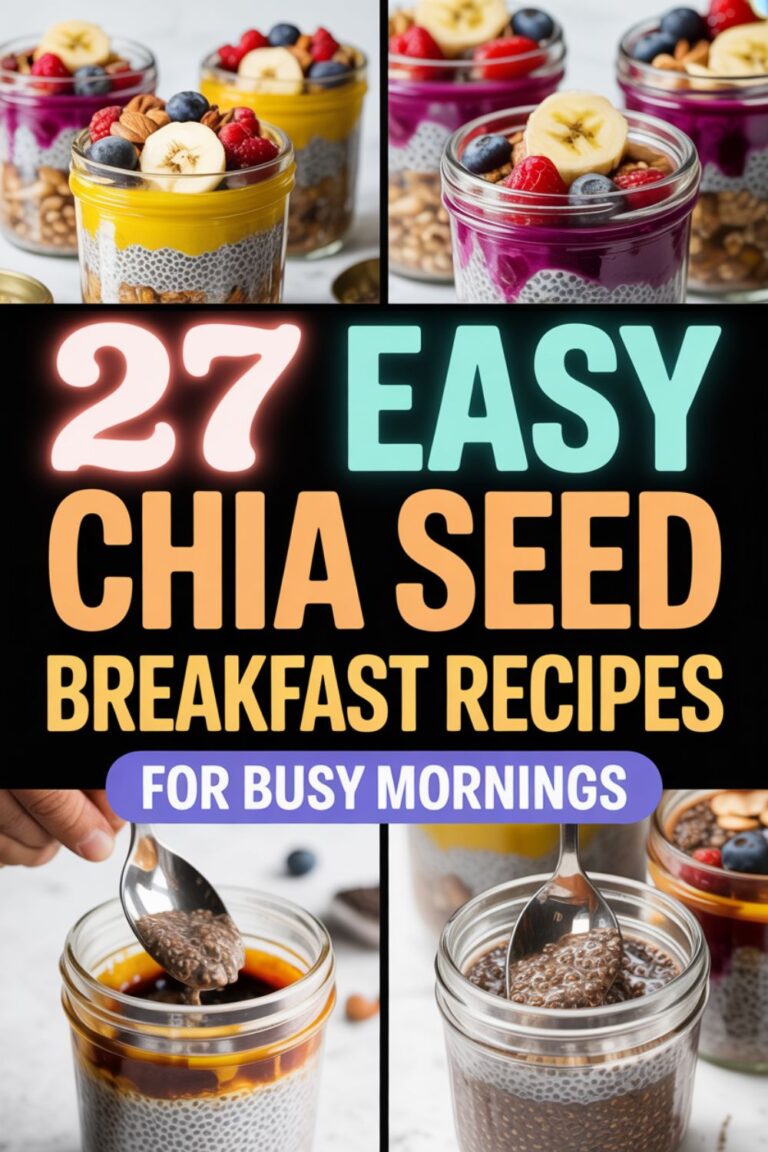
5. Chia Seed Pudding
Three tablespoons of chia seeds soaked overnight in unsweetened almond milk with a scoop of protein powder. Top with berries and a few walnuts in the morning. Chia seeds are basically little fiber grenades that explode in your stomach in the best way possible.
Studies on chia seeds and blood glucose show they significantly lower postprandial blood sugar spikes. Plus, they keep you full for hours. Get Full Recipe.
I make mine in these little containers that are perfect for grab-and-go mornings. The pudding lasts about five days in the fridge, though honestly, it never sits that long in my house.
Prep your chia pudding on Sunday night and portion into individual containers. Add toppings right before eating to keep everything fresh and crunchy.
For more creative ways to incorporate high-protein, blood sugar-friendly meals throughout your day, this 14-day high-protein meal plan offers tons of variety beyond just breakfast.
6. Smoked Salmon and Cream Cheese Roll-Ups
Spread cream cheese on a slice of smoked salmon, add some cucumber and capers, roll it up. Sounds fancy, tastes amazing, takes two minutes. The salmon brings omega-3s and protein, while cream cheese adds fat for satiety.
This breakfast has practically zero carbs, which means your blood sugar stays flat as a pancake. Good for when you need something quick that won’t send you spiraling.
7. Cottage Cheese with Nuts and Cinnamon
Full-fat cottage cheese topped with walnuts or pecans and a generous sprinkle of cinnamon. The cottage cheese delivers about 25 grams of protein per cup, and cinnamon has been shown to improve insulin sensitivity.
Yeah, I know cottage cheese can be divisive. But hear me out—the good brands with the big curds are actually delicious. Mix in some sugar-free vanilla extract if you need to ease into it.
8. Protein Smoothie Done Right
Here’s where most people mess up smoothies: they add too much fruit. A blood-sugar-friendly smoothie needs protein powder, a handful of spinach, half a banana (not a whole one), some nut butter, and unsweetened almond milk. Maybe a few ice cubes.
The protein powder is non-negotiable. Without it, you’re basically drinking fruit juice, which is a one-way ticket to blood sugar spike city. I use this blender that actually blends the spinach completely instead of leaving weird chunks.
9. Breakfast Salad with Soft-Boiled Egg
Sounds weird, tastes incredible. Mixed greens, cherry tomatoes, cucumber, avocado, topped with a soft-boiled egg and olive oil vinaigrette. This is what I make when I’m feeling fancy or trying to impress someone with my “I have my life together” vibes.
Zero blood sugar spike, tons of nutrients, and honestly, starting your day with vegetables makes you feel like you’re winning at life. The runny egg yolk serves as your dressing, which is both practical and delicious.
10. Almond Flour Pancakes
Regular pancakes are basically sugar bombs. Almond flour pancakes, however, are a different story. High in protein, high in healthy fats, low in carbs. Top with a dollop of Greek yogurt and a few berries instead of syrup.
The batter comes together in about five minutes using almond flour, eggs, and a bit of baking powder. Get Full Recipe. Cook them in a good non-stick pan because almond flour can be temperamental.
“My kids don’t even realize these aren’t regular pancakes. Meanwhile, my blood sugar stays stable all morning. Win-win.” — Mike T., community member
11. Turkey and Cheese Roll-Ups
Deli turkey wrapped around string cheese or a cheese stick. Add some mustard if you’re feeling wild. This is peak lazy breakfast energy, and I’m here for it. Sometimes simple is exactly what you need.
Takes 30 seconds, requires zero cooking, and keeps your blood sugar completely stable. Perfect for those mornings when you’re running late and would otherwise skip breakfast entirely.
12. Cauliflower Hash Browns with Eggs
Shred cauliflower, mix with an egg and some cheese, form into patties, and pan-fry. Top with a fried egg. The cauliflower mimics the texture of regular hash browns while providing fiber instead of starch.
I use this box grater for the cauliflower because it’s way faster than a food processor. Make a big batch on Sunday and reheat them throughout the week. They get crispy in a hot pan, which is really all we want from hash browns anyway.
13. Protein Coffee with Coconut Oil
Coffee blended with a scoop of unflavored protein powder and a tablespoon of coconut oil or MCT oil. This is basically bulletproof coffee’s more practical cousin. The protein adds stability, while the fat provides sustained energy.
Blend everything together until frothy. It sounds weird, but it’s legitimately good. The blending emulsifies the oil so you don’t get that slick layer on top. I use this handheld frother when I’m too lazy to pull out my actual blender.
Speaking of sustained energy throughout the day, you might want to explore this 7-day anti-inflammatory meal plan that pairs perfectly with these breakfast strategies.
14. Baked Egg Cups with Vegetables
Whisk eggs with chopped veggies, pour into muffin tins, bake at 350°F for 20 minutes. These little egg muffins are portable, delicious, and you can make a dozen at once. Get Full Recipe.
Store them in the fridge and grab two or three on your way out the door. They reheat perfectly in the microwave for about 30 seconds. I like adding different cheese varieties to different cups so I have options throughout the week.
15. No-Sugar-Added Peanut Butter on Celery
Celery sticks with natural peanut butter or almond butter. Add a sprinkle of chia seeds if you’re feeling extra. This breakfast won’t win any beauty contests, but it’ll keep your blood sugar steady and it takes literally 90 seconds to prepare.
The combination of fiber from celery, protein and fat from nut butter, and extra fiber from chia seeds creates a surprisingly satisfying meal. Plus, the crunch factor is weirdly therapeutic at 7 AM.
16. Frittata with Whatever’s in Your Fridge
Whisk six eggs with a splash of milk, pour into an oven-safe skillet with pre-cooked vegetables and meat, bake until set. Cut into wedges and you’ve got breakfast for three days. This is the ultimate “clean out the fridge” breakfast.
Leftover roasted vegetables work great. Cooked sausage, bacon, ham—whatever. Some cheese on top. The formula is incredibly forgiving, which makes it perfect for when you don’t want to follow a recipe.
17. Sliced Cucumber with Tuna Salad
Mix a can of tuna with mayo or Greek yogurt, add some diced celery and onion, scoop onto thick cucumber rounds. Sounds like lunch, works beautifully as breakfast. The tuna provides protein, cucumber adds crunch and hydration, and the whole thing has minimal carbs.
I prep the tuna salad in advance and store it in these glass containers that don’t make everything smell fishy. Slice the cucumber fresh each morning so it stays crisp.
Make a double batch of any egg-based breakfast and store half in the fridge. Most egg dishes last 3-4 days and taste just as good reheated.
18. Keto Breakfast Burrito
Scrambled eggs, cheese, avocado, and salsa wrapped in a low-carb tortilla. The key is finding a genuinely good low-carb tortilla—some taste like cardboard, others are surprisingly decent. The ones made with almond flour tend to hold up better.
This breakfast feels indulgent while keeping your blood sugar completely stable. The combination of egg protein, cheese fat, and avocado creates serious staying power. Add some hot sauce and you’re basically unstoppable.
19. Ricotta with Berries and Almonds
A scoop of whole milk ricotta topped with fresh berries and sliced almonds. Drizzle with a tiny bit of honey if you must, but honestly, it doesn’t need it. The ricotta is creamy and mild, the berries add natural sweetness, and the almonds provide crunch and healthy fats.
This breakfast takes about two minutes to assemble and feels fancy enough to serve to guests. The ricotta has a decent amount of protein, and the berries have antioxidants without the massive sugar content of tropical fruits.
20. Spinach and Feta Omelet
Two or three eggs folded around sautéed spinach and crumbled feta cheese. Simple, classic, effective. The spinach wilts down to nothing, so you can pack in way more than you think. I’m talking full handfuls of raw spinach that cook down to maybe two bites.
Feta adds a salty punch without needing much volume. Cook the omelet in butter or ghee for extra richness. The whole thing comes together in under five minutes once you get the hang of flipping it.
21. Coconut Yogurt Parfait
For those avoiding dairy, unsweetened coconut yogurt layered with nuts, seeds, and a few berries. The coconut yogurt provides healthy fats, while nuts and seeds bring protein and fiber. This breakfast works particularly well if you’re dealing with lactose intolerance or just want to switch things up.
Layer everything in a glass jar for that Instagram-worthy aesthetic, or just dump it all in a bowl like a normal person. Either way, your blood sugar won’t care about the presentation.
22. Breakfast Sausage and Avocado
Two breakfast sausages with half an avocado. That’s it. Sometimes the simplest combinations work best. The sausage brings protein and fat, the avocado adds fiber and more healthy fats. Together, they create a blood-sugar-stable breakfast that requires minimal effort.
Look for sausages without added sugar or fillers. Some brands sneak in all kinds of nonsense. Plain pork or chicken sausage works great. Cook a whole package at once and reheat them throughout the week.
23. Zucchini Noodles with Pesto and Egg
Spiralized zucchini sautéed quickly, tossed with pesto, topped with a fried egg. Yes, zucchini for breakfast. Yes, it’s weird. Yes, it’s delicious. The zucchini provides volume and fiber without many carbs, pesto adds fat and flavor, and the egg brings protein.
Make the zucchini noodles using a spiralizer or just buy them pre-made. Either way, don’t overcook them or they turn mushy. Quick sauté, maybe two minutes max. Get Full Recipe.
24. Protein Pancake Mix with Blueberries
There are some genuinely good protein pancake mixes available now that use mostly protein powder and minimal flour. Mix according to package directions, add fresh blueberries to the batter, and cook. Top with Greek yogurt instead of syrup.
The protein content transforms these from blood-sugar-spiking pancakes into a balanced breakfast option. They’re not quite as fluffy as regular pancakes, but they’re satisfying and keep you full for hours. Plus, weekend breakfast with the family doesn’t have to mean sacrificing your blood sugar control.
25. Leftover Dinner
Honestly, who says you have to eat breakfast food for breakfast? Last night’s grilled chicken and vegetables work just as well at 7 AM as they did at 7 PM. Breaking the “breakfast foods only” mindset opens up tons of options.
Leftover salmon with roasted Brussels sprouts? Perfect breakfast. Stir-fry from last night? Absolutely. Meatballs and marinara? Why not. Your blood sugar doesn’t care what meal category your food falls into—it only cares about the protein, fat, fiber, and carb balance.
If you want more complete meal planning that incorporates this flexible approach throughout the day, check out this 21-day high-protein meal plan that takes all the guesswork out of eating for stable blood sugar.
Meal Prep Essentials Used in This Plan
- Glass Meal Prep Containers Set – These have saved my Sunday prep routine. The compartments keep everything separate, they’re microwave and dishwasher safe, and nothing gets soggy. I prep five breakfasts at once and actually stick to them.
- High-Speed Blender – For smoothies, protein coffee, and anything that needs to be silky smooth. The cheaper blenders leave chunks, and nobody wants spinach bits in their morning drink.
- Cast Iron Skillet – Perfect for eggs, frittatas, and anything that needs to go from stovetop to oven. Season it properly and you’ll use it every single day.
Digital Resources:
- Blood Sugar Tracker Spreadsheet – I created this to track my morning glucose readings alongside what I ate for breakfast. The patterns become obvious fast, and you can adjust accordingly.
- Meal Prep Master Guide eBook – Step-by-step instructions for batch cooking these breakfasts. Includes shopping lists, storage tips, and a weekly schedule that actually works with real life.
- 100 Low-Carb Breakfast Recipes Collection – Beyond these 25 options, this collection offers tons more variety so you never get bored. Includes nutrition info and prep times.
Join our WhatsApp Community: Connect with others following blood-sugar-friendly eating. We share recipes, troubleshoot challenges, and celebrate wins together. Click here to join.
The Timing Factor Nobody Talks About
Here’s something most articles skip: when you eat breakfast matters almost as much as what you eat. Research from the National Center for Biotechnology Information shows that eating a high-protein breakfast can improve blood sugar responses at lunch and even dinner.
Your body’s insulin sensitivity is highest in the morning. This means your body handles carbs better earlier in the day than it does at night. If you’re going to eat any carbs, breakfast is the time to do it. Not that you should go crazy, but this explains why some people can tolerate oatmeal at breakfast but not pasta at dinner.
The second-meal effect is real. What you eat at breakfast influences how your body responds to lunch hours later. A protein-rich breakfast primes your system to handle the next meal more effectively. It’s like giving your metabolism a head start on the day.
Skipping breakfast entirely might seem like a good idea for blood sugar control, but studies show it can actually backfire. People who skip breakfast tend to experience higher blood sugar spikes at lunch and dinner. Your body goes into mini-starvation mode and overreacts when you finally eat.
“I used to skip breakfast thinking it would help with weight loss. My blood sugar was a disaster by noon. Now I eat within an hour of waking up and everything’s so much more stable.” — Jennifer L.
For those looking to balance blood sugar alongside other health goals like reducing inflammation, this 14-day anti-inflammatory meal plan combines both strategies beautifully.
Common Mistakes That Sabotage Your Blood Sugar
Even with the best intentions, certain habits can undermine everything. Let’s talk about what not to do, because sometimes that’s more helpful than another list of dos.
Drinking fruit juice. Even the “no sugar added” kind. Fruit juice is basically concentrated sugar water without the fiber that makes whole fruit acceptable. Your blood sugar doesn’t care that it’s “natural”—it spikes all the same. If you want fruit, eat the actual fruit. Your body processes it completely differently.
Trusting “healthy” cereals. Most granola, muesli, and supposedly healthy cereals are loaded with sugar and refined grains. They’ll spike your blood sugar faster than a candy bar. Check the label—if sugar is in the first three ingredients, put it back. Better yet, skip boxed cereal entirely and make your own with nuts, seeds, and unsweetened coconut flakes.
Eating fat-free anything. Fat-free yogurt, fat-free milk, fat-free anything usually means they removed the fat and added sugar to make it palatable. The fat in dairy actually helps slow digestion and stabilize blood sugar. Full-fat versions are genuinely better for blood sugar control, despite what diet culture tells you.
Portion sizes that belong on Instagram, not your plate. Yes, avocado toast looks adorable in photos, but a single slice of bread with avocado and an egg isn’t enough food for most people. You’ll be hungry in an hour and reaching for snacks. Make enough food to actually sustain you until lunch. Two eggs instead of one. A full avocado instead of half.
Forgetting to prep ahead. The biggest mistake is having no plan. When you wake up with nothing ready, you’ll grab whatever’s convenient, which usually means something that spikes your blood sugar. Spend an hour on Sunday prepping breakfasts for the week. Your future self will be grateful.
Tools & Resources That Make Cooking Easier
- Electric Egg Cooker – Makes perfect hard-boiled, soft-boiled, or poached eggs with literally zero effort. Fill it with water, press a button, walk away. No more watching pots or dealing with boiling water.
- Silicone Baking Mats – For those egg muffins and anything that tends to stick. Reusable, easy to clean, and you’ll never scrub a muffin tin again.
- Food Scale – If you’re tracking carbs or calories, this removes the guesswork. Portion sizes matter, and eyeballing doesn’t work as well as you think it does.
Digital Tools:
- Macro Calculator App Access – Takes your stats and calculates exactly how much protein, fat, and carbs you should aim for. Then tracks everything for you. Makes the whole process less overwhelming.
- Grocery Shopping Template – Pre-made shopping list organized by store section for all these breakfast ingredients. Download, print, done. No more wandering aimlessly through the store.
- Weekly Meal Planner – Drag-and-drop meal planning that syncs with your calendar. Includes these 25 breakfasts plus lunch and dinner options. Takes the mental load off completely.
Community Support: Join our private Facebook group for daily recipe ideas, blood sugar tracking tips, and accountability partners who get it.
What About Weekend Brunch?
Look, weekends should be enjoyable. The goal isn’t perfect blood sugar control 365 days a year. The goal is consistent habits that leave room for real life. If Saturday brunch with friends involves pancakes or French toast, go for it. Just apply the same principles we’ve discussed.
Add protein. Order eggs on the side. Ask for berries instead of syrup. Share the pastry instead of eating the whole thing solo. You can enjoy social meals without completely derailing your blood sugar management.
The 80/20 rule applies here. If you’re eating blood-sugar-friendly breakfasts 80% of the time, that other 20% won’t make or break anything. Consistency matters more than perfection. The people who sustain these changes long-term are the ones who build in flexibility.
Also, you don’t have to announce your dietary choices to everyone at the table. Just order what works for you and move on. Nobody actually cares as much as you think they do.
If you’re looking for more structured plans that still build in real-world flexibility, this 30-day flat belly meal plan offers tons of variety while keeping blood sugar control front and center.
Making It Stick: The Real Talk
Knowing what to eat and actually doing it consistently are two very different things. The information is helpful, but implementation is where most people struggle. So here’s the honest conversation about making this work long-term.
Start with one breakfast. Not all 25, not even five. Pick the single easiest option and eat it for a week straight. Once that becomes automatic, add a second option. Slow progression beats ambitious plans that last three days before you give up.
Keep the ingredients on hand always. Run out of eggs? Buy more before you’re completely out. Let the almond butter jar sit empty for three days and you’ll end up at the drive-through. Stock your kitchen for success instead of testing your willpower when you’re hungry and rushed.
Prep on one day, execute the rest of the week. Batch cooking isn’t optional if you’re busy. Cook a frittata on Sunday that lasts until Wednesday. Hard-boil a dozen eggs. Make a big batch of chia pudding. The prep session feels like work, but it buys you five mornings of grab-and-go ease.
Track how you feel. Not just blood sugar numbers, though those matter. Notice your energy levels, your hunger patterns, your afternoon cravings. The feedback loop reinforces the behavior. When you connect “eating this breakfast” with “feeling great all morning,” you’re more likely to repeat it.
Give yourself credit for small wins. You chose eggs instead of cereal? That counts. You added protein powder to your smoothie? That’s progress. Celebrate the incremental improvements instead of waiting for some perfect version of yourself to emerge.
For a comprehensive approach that covers all meals and removes the decision fatigue entirely, explore this 30-day gut reset meal plan that handles breakfast, lunch, dinner, and snacks.
The Bigger Picture Beyond Breakfast
Breakfast is crucial, but it’s one piece of managing blood sugar effectively. The same principles apply to every meal: prioritize protein, include healthy fats, add fiber, minimize refined carbs. What you learn implementing these breakfast strategies transfers to lunch and dinner.
Movement matters too. A short walk after eating helps your body process glucose more effectively. It doesn’t have to be intense—even 10 minutes makes a measurable difference in blood sugar response. Studies show post-meal walking can reduce blood sugar spikes by up to 30%.
Sleep affects blood sugar more than most people realize. Poor sleep increases insulin resistance, making your body less effective at managing glucose. If you’re eating all the right foods but still struggling with blood sugar, look at your sleep habits. Aim for seven to nine hours consistently.
Stress impacts blood sugar through cortisol, which triggers glucose release. When you’re stressed, your blood sugar rises even without eating anything. Managing stress isn’t optional for blood sugar control—it’s essential. Find what works for you, whether that’s meditation, exercise, or just saying no to unnecessary commitments.
Hydration plays a role too. Dehydration can concentrate blood sugar, making readings appear higher. Drink water throughout the day, not just when you’re thirsty. Coffee counts, but so does plain water. Aim for about half your body weight in ounces daily.
The point is this: breakfast sets the tone, but the whole lifestyle matters. These 25 breakfasts give you a strong foundation. What you build on that foundation determines your long-term success.
Frequently Asked Questions
Can I drink coffee with these breakfasts?
Absolutely. Black coffee doesn’t spike blood sugar and actually may improve insulin sensitivity. Add a splash of heavy cream or unsweetened almond milk if you want. Just skip the sugar and flavored syrups—those will undermine everything you’re trying to accomplish with your food choices.
What if I’m not hungry first thing in the morning?
That’s okay. You don’t have to eat within five minutes of waking up. Give yourself an hour or two if that feels better, but don’t skip breakfast entirely. Prepare something portable like egg muffins or a protein smoothie that you can consume when hunger actually hits, even if that’s mid-morning.
How much protein do I really need at breakfast?
Aim for at least 20-30 grams of protein at breakfast for optimal blood sugar control and satiety. This might seem like a lot compared to what you’re used to, but hitting this target makes a noticeable difference in how you feel throughout the morning. Two eggs only provide about 12 grams, so you’ll need to add more protein sources.
Are these breakfasts okay for people with diabetes?
These breakfasts are designed with blood sugar management in mind, which makes them appropriate for many people with diabetes. However, everyone’s situation is different, and you should consult with your healthcare provider before making significant dietary changes. Monitor your blood sugar to see how your body responds to these options individually.
Can I meal prep these breakfasts for the entire week?
Most of these options prep beautifully for 3-5 days. Egg-based dishes like frittatas, egg muffins, and baked egg cups last four days in the fridge. Chia pudding stays fresh for five days. Smoothie prep bags can be frozen and blended fresh each morning. Some things, like avocado toast, need to be assembled fresh, but you can still prep the components ahead.
Your Next Steps
So here we are. Twenty-five breakfast options that won’t spike your blood sugar, plus all the context you need to actually implement them. The information is helpful, but only if you use it.
Pick three breakfasts from this list that sound appealing and realistic for your life. Not the ones that seem healthiest or most impressive—the ones you’ll actually make. Write them down. Add the ingredients to your shopping list this week.
Try one this week. See how you feel. Check your blood sugar if you’re tracking. Notice your energy levels, your hunger between meals, your afternoon cravings. The feedback is valuable.
If it works, keep it. Add a second option next week. Build your rotation slowly. Before you know it, stable blood sugar mornings become your default, not some aspiration you’re working toward.
The goal isn’t perfection. The goal is progress. The goal is waking up and knowing you have options that support your health instead of sabotage it. The goal is ending the blood sugar rollercoaster that leaves you exhausted and hungry and reaching for quick fixes all day long.
You’ve got this. Your mornings are about to get significantly better.