25 Post-Workout Smoothie Recipes That Actually Help You Recover
Protein, real food, and flavors you’ll actually look forward to after the gym.
You just finished a solid workout. Your muscles are tired, your shirt is a mess, and you have maybe twelve minutes before the rest of your day takes over. The last thing you want to do is spend twenty minutes cooking something complicated. What you actually need is cold, fast, and packed with everything your body is screaming for right now.
That’s exactly why post-workout smoothies exist — and why, when done right, they absolutely slap. Not the sad, watery kind you chug because you feel obligated, but the thick, genuinely tasty kind that hits protein, carbs, and healthy fats all at once. I’ve been blending these after workouts for years, and I can tell you: getting your recovery nutrition right makes a noticeable difference in how you feel the next day.
This list of 25 post-workout smoothie recipes covers every scenario — whether you’re lifting heavy, doing cardio, running on a tight schedule, or following a specific eating style. Some are high-protein powerhouses, some are light and refreshing, and a few honestly taste more like dessert than recovery fuel. All of them are worth having in your rotation.
Why Your Post-Workout Window Actually Matters
Here’s the thing most people get wrong: they assume any protein shake after the gym will do the job. Technically, yes — protein at any point helps. But there’s a reason sports dietitians emphasize the 30–60 minute window after training. Research from Healthline’s nutrition team confirms that consuming protein and carbohydrates relatively soon after exercise helps replenish glycogen stores and jumpstarts muscle protein synthesis. Translation: your muscles are especially receptive to nutrients right after you push them hard, and hitting that window consistently leads to better recovery and less soreness over time.
A smoothie nails this perfectly because it’s fast to make, easy to digest in liquid form, and endlessly customizable. You’re not sitting down to a meal — you’re giving your body what it needs quickly and efficiently. The trick is knowing what to put in it.
Every great post-workout smoothie needs three things: a solid protein source (at least 20 grams if you can swing it), fast-digesting carbs to restore glycogen, and something for satiety — usually a healthy fat like nut butter or avocado. Add anti-inflammatory ingredients like ginger, turmeric, or tart cherries and you’ve basically built yourself a recovery drink that outperforms most packaged options at a fraction of the cost.
Freeze your smoothie ingredients in individual zip bags the night before. Morning-you will sincerely thank evening-you when all you have to do is dump the bag into the blender. Takes 3 minutes, saves the whole morning.
Building the Perfect Base: What Goes In Every Great Smoothie
Before we get into the actual recipes, let’s talk about the formula. Think of it in layers. Your liquid base sets the tone — coconut water adds electrolytes and natural sweetness, almond milk keeps calories moderate, and regular milk or Greek yogurt adds a calcium and protein bump right from the start. Soy milk, if dairy-free is your thing, brings the most protein of any plant milk.
Your protein layer is where most people either nail it or completely drop the ball. A quality protein powder is the obvious choice, but Greek yogurt, cottage cheese, hemp seeds, and even silken tofu all work brilliantly if you’re making smoothies without protein powder. IMO, the two-source approach — say, yogurt plus a small scoop of powder — tends to give you the creamiest texture AND the highest protein count.
Then comes your fruit. Frozen beats fresh almost every time because it creates that thick, creamy texture without watering anything down with ice. Banana is the classic carb source (high potassium, natural sweetness, unbeatable creaminess), but mango, pineapple, and mixed berries each bring their own combination of natural sugar and antioxidants to the table. Blueberries in particular are antioxidant powerhouses — they actively help reduce exercise-induced oxidative stress.
Speaking of anti-inflammatory options, if you’re serious about recovery nutrition and want to take things further than just a smoothie, the 7-day anti-inflammatory meal plan is a solid place to build a whole week of recovery-focused eating around these same principles.
The 25 Post-Workout Smoothie Recipes
These are organized by flavor profile and goal, so scroll to whatever matches your vibe today. Each one is designed to hit at least 20 grams of protein, give you a meaningful carb source, and taste like something you’d actually want to drink — not a punishment for skipping leg day.
Classic Protein Powerhouses
Chocolate Peanut Butter Muscle Builder
The crowd-pleaser of post-workout smoothies. Rich, filling, and protein-dense enough to qualify as a full recovery meal.
1 frozen banana, 2 tbsp peanut butter, 1 scoop chocolate protein powder, 1 cup milk of choice, 1 tbsp cocoa powder, handful of ice.
Blend everything until smooth and thick. If it’s too thick, add a splash more milk. If it’s not thick enough, something went wrong — probably not enough frozen banana.
Get Full RecipeVanilla Almond Recovery Shake
Cleaner in flavor than the chocolate version but equally satisfying. Great for days when you want something lighter without sacrificing protein.
1 frozen banana, 1 scoop vanilla protein powder, 1 cup unsweetened almond milk, 2 tbsp almond butter, 1 tsp vanilla extract, pinch of cinnamon.
If you swap peanut butter for almond butter here, you get a slightly different fat profile — almond butter runs higher in vitamin E and magnesium, both of which support muscle function. Either works beautifully.
Get Full RecipeStrawberry Banana Protein Bliss
A total classic for a reason. The natural sweetness from strawberries pairs perfectly with banana without needing any added sugar.
1 cup frozen strawberries, 1 frozen banana, 1 scoop vanilla whey, 1 cup Greek yogurt, splash of oat milk to blend.
Get Full RecipeCoffee Protein Morning Kick
For those who refuse to separate caffeine from their recovery routine. Fair. This one is basically a protein-packed cold brew smoothie.
1 cup cold brew coffee (or strong cold coffee), 1 frozen banana, 1 scoop chocolate or vanilla protein, 1 tbsp almond butter, ice.
Get Full Recipe
Blend your protein powder into the liquid base first before adding frozen ingredients. It prevents clumping and gives you a smoother final texture every single time.
Green Recovery Smoothies
Spinach Pineapple Recover-Green
Don’t let the green color fool you — this one tastes almost entirely tropical. The spinach is invisible to your taste buds. If you want to sneak even more vegetables in without noticing, check out these smoothies with hidden veggies for more sneaky inspiration.
2 big handfuls spinach, 1 cup frozen pineapple, 1 cup coconut water, 1 scoop vanilla protein, juice of half a lime.
Get Full RecipeAvocado Kale Power Blend
Avocado gives this its insane creaminess while adding healthy monounsaturated fats that help with satiety post-workout. Kale brings iron, calcium, and vitamin K to the mix.
Half an avocado, 1 cup kale (stems removed), 1 frozen banana, 1 scoop unflavored protein, 1 cup almond milk, 1 tsp honey.
Get Full RecipeCucumber Mint Cool-Down
Light, refreshing, and genuinely cooling on hot post-gym days. Best after cardio sessions when you want something hydrating rather than heavy.
1 cucumber (peeled), handful of fresh mint, 1 cup Greek yogurt, 1 cup coconut water, juice of 1 lemon, ice cubes.
Get Full RecipeGreen Apple Ginger Zing
Ginger is genuinely one of the best natural anti-inflammatory ingredients you can add to a post-workout drink. This one has a nice bright bite to it.
1 green apple (cored), 1-inch fresh ginger, 1 cup spinach, 1 scoop vanilla protein, 1 cup almond milk, 1 frozen banana.
Get Full Recipe
“I started making the spinach pineapple smoothie after every weekday workout and honestly could not believe how much better I felt by day four. My legs stopped being as sore and I stopped crashing mid-afternoon. Game changer.”— Maya K., from our community
Tropical and Fruit-Forward
Mango Coconut Muscle Fuel
Tropical, creamy, and genuinely festive. Frozen mango is one of the most underrated smoothie ingredients — it blends silky smooth and tastes like you’re on vacation.
1 cup frozen mango, half a frozen banana, 1 scoop vanilla protein, 1 cup coconut milk, squeeze of lime, pinch of sea salt.
Get Full RecipePineapple Turmeric Inflammation Fighter
Turmeric is having its well-deserved moment in sports nutrition circles. Paired with the bromelain in pineapple — which research suggests may help reduce muscle soreness — this is a legitimately functional recovery drink.
1 cup frozen pineapple, 1 tsp turmeric, pinch of black pepper (activates curcumin), 1 scoop vanilla protein, 1 cup coconut water, 1 tbsp coconut oil.
Get Full RecipeWatermelon Berry Electrolyte Blast
Watermelon is loaded with L-citrulline, an amino acid that improves blood flow to muscles. Mix in some berries for antioxidants and you’ve got an electrolyte bomb in a glass.
1.5 cups frozen watermelon chunks, half cup frozen mixed berries, 1 cup coconut water, 1 scoop unflavored collagen or protein powder.
Get Full RecipeDragon Fruit Passion Protein
Visually stunning (we’re talking vivid magenta) and surprisingly high in vitamin C and fiber. Perfect for anyone who wants a smoothie that photographs well AND fuels recovery.
Half cup frozen dragon fruit (pitaya), half cup frozen mango, 1 scoop vanilla protein, 1 cup oat milk, tbsp chia seeds.
Get Full Recipe
High-Protein, Low-Sugar Options
Tart Cherry Recovery Shake
Tart cherry juice has actual clinical backing for reducing post-exercise muscle soreness. This one leans into that hard. It’s a bit tart, a bit sweet, and deeply effective.
Half cup tart cherry juice, half cup frozen dark cherries, 1 scoop vanilla protein, 1 cup Greek yogurt, splash of almond milk to thin.
Get Full RecipeCottage Cheese Blueberry Blend
FYI, cottage cheese in a smoothie sounds weird until you try it. It blends completely smooth and adds a massive protein hit with minimal added sugar. One of the most underrated recovery choices out there.
Half cup cottage cheese, 1 cup frozen blueberries, 1 tbsp almond butter, 1 cup unsweetened almond milk, pinch of cinnamon, half tsp vanilla.
Get Full RecipeHemp Seed Green Protein Smoothie
Hemp seeds are a complete protein — they contain all nine essential amino acids, which is unusual for a plant-based source. This is a great option if you’re avoiding protein powders entirely.
3 tbsp hemp seeds, 2 cups spinach, 1 frozen banana, 1 cup oat milk, 1 tbsp almond butter, 1 tbsp flaxseed.
Get Full RecipeBlack Bean Chocolate Shake
Stay with me. Black beans in a smoothie sounds like a dare but the result is thick, chocolatey, high in protein, and genuinely good. You cannot taste the beans.
Half cup rinsed canned black beans, 1 frozen banana, 2 tbsp cocoa powder, 1 tsp honey, 1 cup oat milk, ice.
Get Full Recipe
Meal Prep Essentials Used in These Recipes
A few things I genuinely use every week to make smoothie prep faster, cleaner, and more enjoyable. These aren’t fancy — they’re just the stuff that actually earns its drawer space.
A compact high-speed blender like this one handles frozen fruit and ice without drama. No more tragic chunky smoothies.
These silicone zip bags are perfect for pre-portioning your smoothie ingredients. Freeze on Sunday, blend all week.
This unflavored whey protein works in literally every recipe on this list without changing the flavor. Keeps it flexible.
Pair your smoothies with a structured eating week. The 7-day high-protein meal plan maps out every meal around muscle support.
Ready to go longer? The 30-day high-protein plan is built for busy people who need structure without complexity.
Join the free WhatsApp group where members swap smoothie combos, meal prep wins, and weekly accountability check-ins. Link in bio or drop us a message.
Dessert-Inspired Recovery Smoothies
Peanut Butter Cup Protein Shake
This one honestly tastes like a Reese’s. If you’re going to drink something that tastes like candy, it might as well be functional candy.
2 tbsp peanut butter, 2 tbsp cocoa powder, 1 frozen banana, 1 scoop chocolate protein, 1 cup oat milk, 4 ice cubes.
Get Full RecipeCinnamon Roll Oat Smoothie
Rolled oats in a smoothie add slow-digesting carbs that help sustain energy after your post-workout window. This one tastes like dessert for breakfast and no one can stop you.
Half cup rolled oats, 1 frozen banana, 1 tsp cinnamon, 1 scoop vanilla protein, 1 cup milk, 1 tbsp maple syrup, ice.
Get Full RecipeMint Chocolate Chip Protein Blend
Fresh mint, cocoa nibs, and a chocolate protein base. Cool, creamy, and technically dessert that counts as recovery nutrition. Life is good sometimes.
1 scoop chocolate protein, 1 cup milk, handful fresh mint, 1 tbsp cocoa nibs, 1 frozen banana, half cup Greek yogurt, ice.
Get Full RecipePeach Cobbler Protein Smoothie
Frozen peaches, a pinch of nutmeg, oats, and vanilla — tastes like the cobbler filling minus the sugar crash. Great for late-morning post-gym sessions.
1 cup frozen peaches, quarter cup oats, 1 scoop vanilla protein, 1 cup almond milk, pinch nutmeg, pinch cinnamon.
Get Full Recipe
If you’re watching calories but still want a thick smoothie, swap part of your liquid for frozen cauliflower rice. It blends completely smooth, adds zero flavor, and gives you that spoonable thickness without extra carbs or calories.
Anti-Inflammatory and Functional Recovery
Beet and Berry Nitric Oxide Boost
Beets are one of the best natural sources of dietary nitrates, which improve blood flow and oxygen delivery to working muscles. This one’s a deep, jewel-toned magenta and it’s legitimately powerful. Research published in the Journal of the International Society of Sports Nutrition supports the use of beetroot supplementation for exercise performance and recovery.
Half cup cooked beet (or beet powder), 1 cup mixed frozen berries, 1 frozen banana, 1 scoop vanilla protein, 1 cup coconut water.
Get Full RecipeGolden Milk Protein Smoothie
Turmeric, ginger, cinnamon, and black pepper in a creamy, lightly sweet base. This reads like an anti-inflammatory checklist disguised as a smoothie.
1 tsp turmeric, half tsp ginger powder, pinch cinnamon, pinch black pepper, 1 frozen banana, 1 scoop vanilla protein, 1 cup oat milk, drizzle honey.
Get Full RecipeBlueberry Pomegranate Antioxidant Crush
Pomegranate juice is one of the most antioxidant-rich liquids you can pour into a blender. Combined with wild blueberries, this smoothie basically flexes its recovery credentials with every sip.
Half cup pomegranate juice, 1 cup frozen wild blueberries, 1 scoop vanilla or unflavored protein, half cup Greek yogurt, tbsp hemp seeds.
Get Full RecipeAcai Bowl-Style Recovery Smoothie
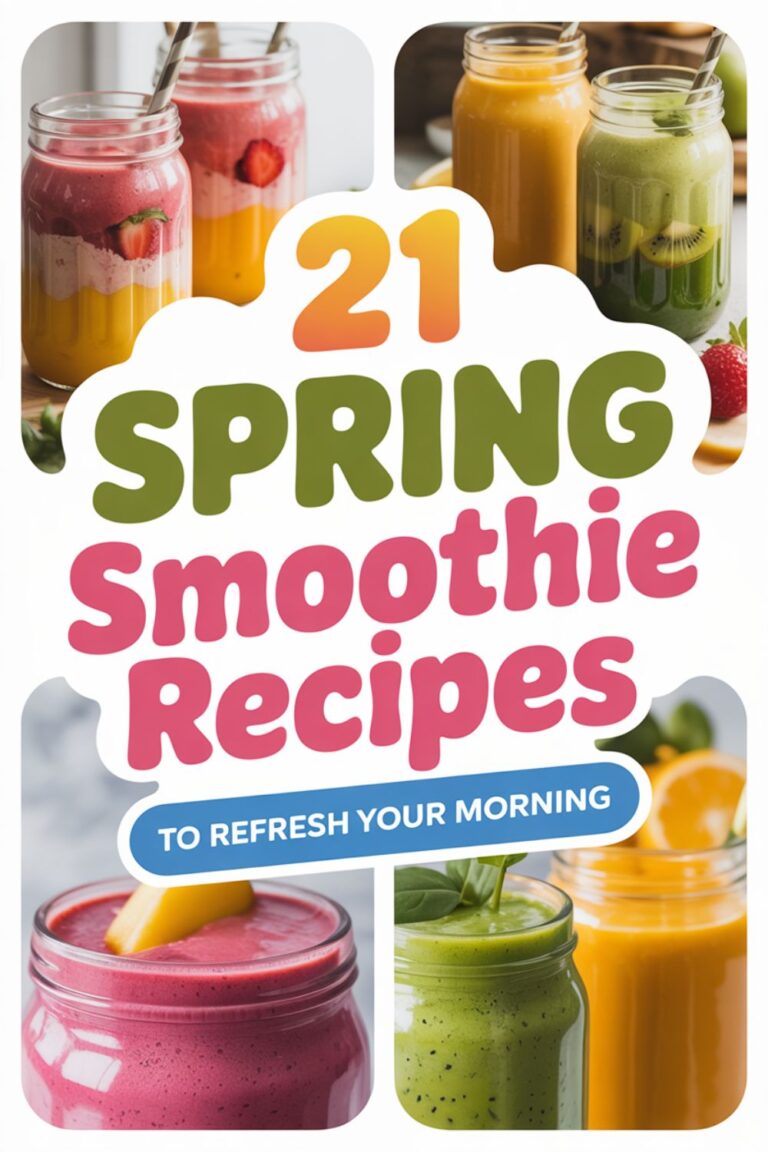
Thick enough to eat with a spoon, loaded with antioxidants, and satisfying enough to hold you through a busy afternoon. If you love this style, the collection of thick, spoonable smoothies has 21 more variations worth bookmarking.
1 acai packet (frozen), 1 cup frozen mixed berries, 1 frozen banana, 1 scoop protein, half cup oat milk (just enough to blend). Top with granola, fresh berries.
Get Full RecipeLemon Ginger Chia Detox Recovery
Light, zingy, and hydrating. Chia seeds add omega-3s and a little extra protein — and honestly, they make any smoothie feel more substantial. If you’re into the chia angle, you’ll find plenty more ideas in these chia seed smoothie bowls.
Juice of 2 lemons, 1-inch fresh ginger, 1 frozen banana, 1 tbsp chia seeds, 1 cup coconut water, half scoop vanilla protein, handful ice.
Get Full Recipe
“The beet and berry one changed my Sunday long-run recovery completely. I used to feel wiped out by mid-afternoon — now I’m actually functional. I make it every weekend without fail.”— Jordan T., member of the Lovelyease community
Tools & Resources That Make Smoothie Life Easier
You don’t need much equipment to make good smoothies, but the right stuff really does make the whole process faster and more enjoyable. Here’s what actually gets used in our kitchen.
This adapter converts a standard jar blender into a single-serve cup. Blend and drink from the same container. Zero extra dishes.
Freeze smoothie-ready portions of spinach, yogurt, or nut butter in advance using these oversized cube trays. Toss a cube directly into the blender.
This bottle keeps thick smoothies cold for hours without that watery, melted mess you get from a standard tumbler. Leak-proof, too.
Layer your smoothies into a full two-week plan. The 14-day anti-inflammatory meal plan is full of 30-minute recipes that work alongside these blends.
Gut health directly impacts muscle recovery. The 21-day gut healing meal plan pairs perfectly with the probiotic-rich smoothies on this list.
30-day group challenge inside our WhatsApp community — one new smoothie per day, accountability partners, and recipe swaps from real members. Join the waitlist on our site.
Frequently Asked Questions
A few questions that come up every time post-workout smoothies get discussed — answered straight.
How much protein do I actually need in a post-workout smoothie?
Most exercise scientists recommend somewhere between 20–40 grams of protein after training, with the lower end being fine for lighter sessions and the higher end benefiting heavier lifting or endurance work. For reference, a scoop of whey protein typically provides 20–25g, and adding Greek yogurt or cottage cheese can push you comfortably into that range without needing two scoops of powder.
Can I make these smoothies the night before?
You can, but texture suffers as the smoothie sits and oxidation dulls the color and flavor. A better approach is to pre-pack all your dry and frozen ingredients into a freezer bag the night before, then blend fresh in the morning — it takes under two minutes. If you genuinely need a make-ahead option, pre-blended and frozen smoothies hold up reasonably well for 2–3 days.
Are post-workout smoothies good for weight loss?
They absolutely can be, especially when they replace a larger meal and keep you satisfied without overshooting your calorie goals. The key is portion control on calorie-dense add-ins like nut butters and oats. If weight loss is your primary focus alongside training, the 30-day flat belly meal plan gives you a comprehensive framework to work from.
What’s a good post-workout smoothie if I’m dairy-free?
Almost every recipe on this list adapts easily. Swap dairy milk for oat, almond, or soy milk — soy milk gives you the most protein of the three, which matters in a recovery context. Replace Greek yogurt with a dairy-free coconut-based yogurt or just add extra hemp seeds or silken tofu for the creaminess and protein. None of these swaps meaningfully change the flavor.
How soon after working out should I drink one of these?
Within 30–60 minutes is ideal, particularly if you’ve done a high-intensity or heavy resistance session. Your muscle cells are most responsive to nutrient uptake during this window. That said, drinking one two hours later is still infinitely better than not drinking one at all — don’t stress the timing if your schedule doesn’t cooperate perfectly.
Go Make Something Your Muscles Will Thank You For
There’s no shortage of post-workout nutrition options out there — bars, shakes, prepackaged drinks, and an entire supplement industry built on the idea that recovery has to be complicated. It doesn’t. A well-built smoothie with real ingredients, a solid protein source, and some fast-digesting carbs is genuinely hard to beat in terms of cost, convenience, and taste.
Start with two or three from this list that match your current goals — whether that’s building muscle, reducing inflammation, or just getting something nutritious in you within the hour. Make them for a week. See how your recovery feels. I’d bet you’ll start building a short list of personal favorites pretty quickly, and from there the whole system runs on autopilot.
Your blender is already out. Make it count.