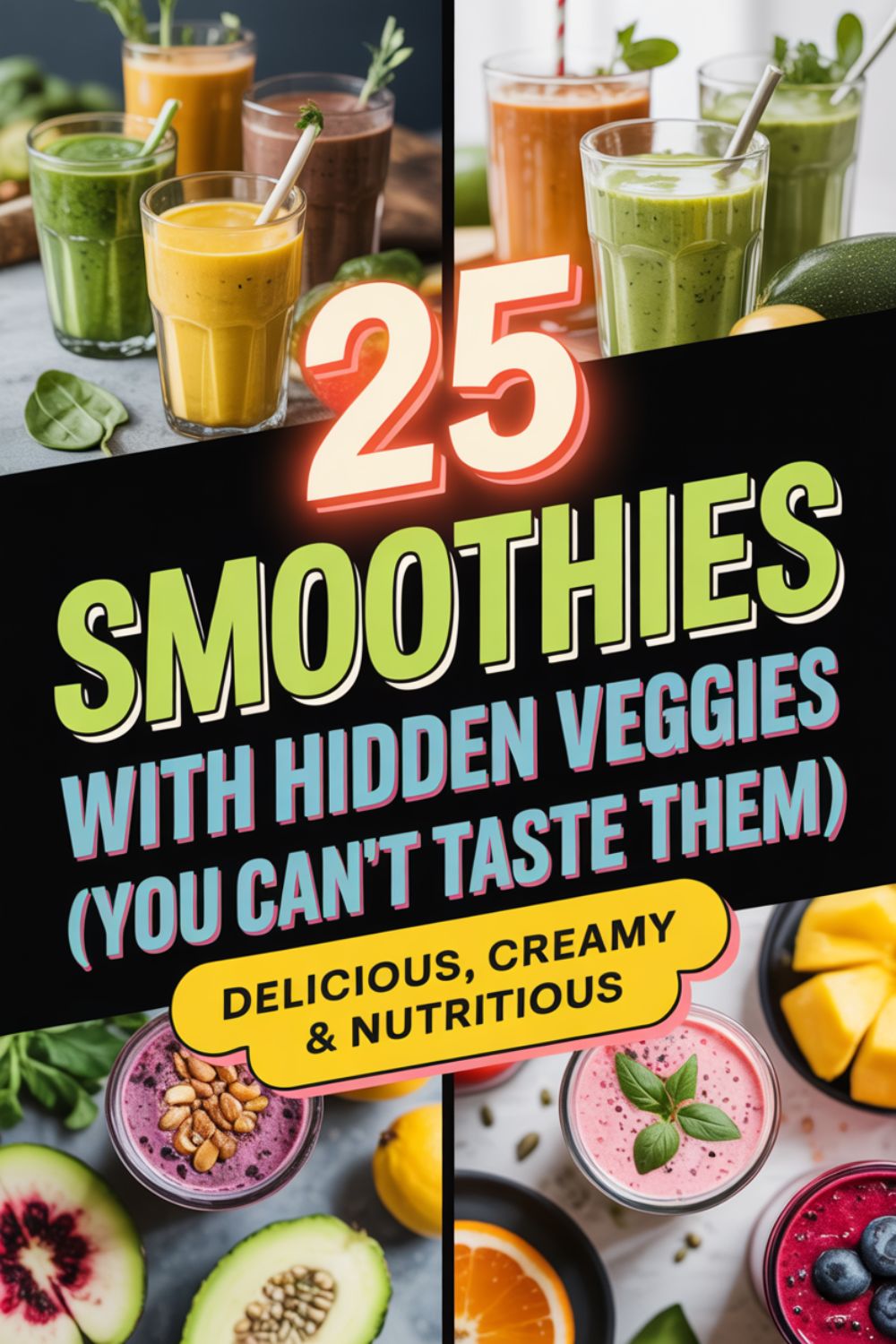
25 Smoothies with Hidden Veggies (You Can’t Taste Them)
Look, I get it. You know vegetables are good for you, but drinking something that tastes like lawn clippings at 7 AM? Hard pass. But what if I told you that you could sneak a full serving of veggies into your morning smoothie without even knowing they’re there? No grassy aftertaste, no weird chunks, just creamy, delicious smoothies that happen to be packed with nutrition.
I’ve spent the last few months experimenting with every vegetable I could fit into my blender, and honestly, some combinations surprised even me. Who knew that cauliflower could make a smoothie creamier than a milkshake? Or that beets could add the most gorgeous pink color without tasting like dirt?
The Foundation: Understanding Veggie-to-Fruit Ratios
Here’s something nobody tells you when you first start making veggie smoothies: ratios matter. A lot. You can’t just throw in equal parts kale and banana and expect magic. Generally, I stick to a 60-40 rule—60% fruit to 40% vegetables for beginners. Once your taste buds adjust, you can flip that ratio.
The texture is another thing people mess up constantly. Some vegetables like cauliflower and zucchini add creaminess, while others like celery can make your smoothie watery if you’re not careful. That’s why I always recommend using a high-powered blender that can pulverize everything into silky smoothness—no weird stringy bits floating around.
Speaking of equipment, I swear by these reusable smoothie cups with lids for meal prep. I make three or four smoothies at once on Sunday, pour them into individual containers, and freeze them. Pull one out the night before, let it thaw in the fridge, give it a shake in the morning, and boom—breakfast is done.
The Best Vegetables for Hiding (Ranked by Stealth Level)
Master Level Hiders
These are the vegetables that practically disappear. You could tell someone there’s spinach in their smoothie, and they still wouldn’t taste it.
Spinach: The ultimate gateway veggie for smoothies. It’s mild, blends smooth, and turns your drink a pretty green color. Start with a handful and work your way up to two cups. Trust me, you won’t taste it when it’s paired with pineapple or mango.
Frozen Cauliflower: This is my secret weapon. It makes smoothies incredibly thick and creamy without adding any flavor. Seriously, it’s like adding ice cream texture without the calories. I use frozen riced cauliflower because it’s already broken down into small pieces that blend easier.
Zucchini: Another neutral player that adds volume and creaminess. Freeze it in chunks first, and it’ll make your smoothie frosty and thick. One medium zucchini barely adds any flavor but gives you a serving of vegetables and a good dose of vitamin C.
Intermediate Level Hiders
Carrots: You need to pair these with citrus or tropical fruits to mask their slight earthiness. But when you do, they add natural sweetness and a gorgeous orange color. They’re packed with beta-carotene, which your body converts to vitamin A for healthy skin and eyes.
Beets: These require a little finesse, but they’re worth it for the stunning pink color and nutritional punch. Pair them with berries and chocolate, and suddenly you’ve got a red velvet smoothie situation happening. Beets are loaded with antioxidants and have been shown to improve athletic performance.
Sweet Potato: Hear me out on this one. Cooked and frozen sweet potato chunks make smoothies taste like pie. Pair them with cinnamon, nutmeg, and banana for a sweet potato pie smoothie that’s actually healthy. I meal prep these by roasting sweet potatoes in advance using parchment paper on a baking sheet for easy cleanup.
If you’re looking to balance your blood sugar while enjoying delicious smoothies, you might want to check out this 7-day blood sugar balancing meal plan that incorporates similar nutrient-dense ingredients throughout the day.
Advanced Level Hiders
Avocado: Okay, avocado is technically a fruit, but most people think of it as a vegetable, so it’s making the list. It doesn’t hide so much as it transforms your smoothie into a creamy dream. Half an avocado adds healthy fats that keep you satisfied for hours.
Cucumber: Super refreshing and hydrating, but it can make your smoothie watery if you add too much. Stick to about half a cucumber and pair it with strong flavors like berries or citrus.
Butternut Squash: Like sweet potato, this needs to be cooked first. But once it’s roasted and frozen, it adds a subtle sweetness and creamy texture that works beautifully with fall spices.
25 Hidden Veggie Smoothie Recipes You’ll Actually Want to Drink
Berry Bliss Category
1. Triple Berry Cauliflower Bomb
This one’s my go-to when I’m craving something fruity. Blend together 1 cup mixed berries, 1/2 cup frozen cauliflower, 1 banana, 1 cup almond milk, and a scoop of protein powder. The berries completely mask the cauliflower, and you get this thick, frosty texture that’s almost like soft-serve. Get Full Recipe.
2. Strawberry Beet Beauty
One small roasted beet, 1 cup strawberries, 1/2 cup Greek yogurt, 1 tablespoon honey, and 1/2 cup orange juice. The result is this gorgeous pink smoothie that tastes like a strawberry creamsicle. I use these silicone ice cube trays to freeze roasted beets in perfect portions.
3. Blueberry Spinach Surprise
Pack in 2 cups of spinach with 1 cup blueberries, 1 banana, 1 tablespoon almond butter, and coconut milk. The blueberries are strong enough to overpower any green taste, and the almond butter adds protein and healthy fats. Get Full Recipe.
4. Raspberry Zucchini Dream
One cup frozen raspberries, half a frozen zucchini, 1 cup almond milk, 1 tablespoon chia seeds, and a splash of vanilla extract. The zucchini makes it extra creamy without adding any flavor. People love making these for meal prep using glass mason jars with airtight lids.
5. Mixed Berry Carrot Explosion
One cup mixed berries, one medium carrot (chopped), 1 cup orange juice, 1 tablespoon flax seeds, and a handful of ice. The orange juice plays so well with both the berries and carrots that everything just melds together beautifully.
Tropical Paradise Category
6. Pineapple Spinach Vacation
This tastes like you’re on a beach somewhere. Two cups spinach, 1 cup frozen pineapple, 1/2 banana, 1/2 cup coconut milk, and a squeeze of lime. The pineapple is so dominant that you’d never guess there’s spinach in there.
7. Mango Cauliflower Magic
One cup frozen mango, 3/4 cup frozen cauliflower, 1/2 cup Greek yogurt, 1 cup almond milk, and a pinch of turmeric for extra anti-inflammatory benefits. This one’s thick enough to eat with a spoon. For those focusing on reducing inflammation, this pairs perfectly with an anti-inflammatory meal approach.
8. Tropical Green Machine
Pineapple, mango, spinach, half a cucumber, coconut water, and fresh ginger. This is my post-workout favorite because it’s so hydrating and refreshing. The ginger adds a little zing that wakes you right up.
9. Peachy Carrot Sunrise
Two peaches (fresh or frozen), one carrot, 1/2 cup orange juice, 1/2 cup vanilla yogurt, and a pinch of cinnamon. The combo tastes exactly like a peach cobbler but with way more nutrition.
Quick Win:
Buy pre-washed, pre-chopped vegetables from the freezer section. Yeah, they cost a bit more, but the time you save on busy mornings is absolutely worth it. No excuses for skipping your veggie intake.
Chocolate Lover’s Category
10. Chocolate Zucchini Brownie
Half a frozen zucchini, 2 tablespoons cacao powder, 1 banana, 1 cup almond milk, 1 tablespoon peanut butter, and a couple of ice cubes. This legitimately tastes like a brownie batter milkshake. I prep these ingredients in individual freezer bags so I can just dump and blend on rushed mornings.
11. Chocolate Beet Velvet
One small cooked beet, 2 tablespoons cacao powder, 1 cup cherries, 1 banana, and almond milk. The beets make it extra creamy and add a subtle earthiness that actually complements the chocolate really well.
12. Mocha Cauliflower Kick
Half cup frozen cauliflower, 1 shot of espresso (or 1/2 cup cold brew), 2 tablespoons cacao powder, 1 banana, 1 cup milk of choice, and a drizzle of maple syrup. Coffee + chocolate + hidden veggies = the perfect morning trifecta. Get Full Recipe.
13. Peanut Butter Chocolate Spinach
Two cups spinach, 2 tablespoons peanut butter, 2 tablespoons cacao powder, 1 banana, 1 cup almond milk, and a handful of ice. The peanut butter and chocolate combo is so strong that the spinach doesn’t stand a chance.
Meal Prep Essentials Used in These Smoothies
Since we’re talking about making these smoothies regularly, here are some tools and ingredients that make the whole process way easier:
- High-powered blender with at least 1000 watts – Seriously, this changes everything. No more chunks of unblended veggies floating around.
- Freezer-safe glass containers with measurements – Perfect for prepping smoothie packs in advance and knowing exactly how much you’re making.
- Silicone ice cube trays for portioning veggies – Freeze spinach, beet puree, or sweet potato in individual cubes for easy measuring.
Green Goddess Category
14. Apple Pie Spinach Smoothie
Two cups spinach, 1 apple (cored), 1/2 cup rolled oats, 1 cup almond milk, 1 tablespoon almond butter, cinnamon, and nutmeg. This tastes like drinking apple pie, and the oats make it super filling. Perfect for those following a high-protein meal plan since you can easily add your favorite protein powder.
15. Cucumber Melon Refresher
Half a cucumber, 1 cup honeydew melon, 1 cup spinach, fresh mint, lime juice, and coconut water. This one’s incredibly refreshing and perfect for hot summer mornings. It’s basically a spa day in a glass.
16. Kiwi Spinach Power
Two kiwis, 2 cups spinach, 1 banana, 1/2 cup pineapple, and coconut milk. Kiwi is tart enough to balance out any veggie flavor, plus it adds a ton of vitamin C to boost your immune system.
17. Green Mango Madness
One cup frozen mango, 2 cups spinach, 1/2 avocado, 1 cup almond milk, and a squeeze of lime. The avocado makes this incredibly creamy, and the mango sweetness is off the charts.
Creamy Dream Category
18. Vanilla Sweet Potato Pie
Half cup cooked sweet potato, 1 banana, 1 cup vanilla almond milk, 1/2 teaspoon vanilla extract, cinnamon, nutmeg, and a handful of ice. This tastes like dessert but it’s actually breakfast. I roast my sweet potatoes using these reusable silicone baking mats—they make cleanup so much easier.
19. Butternut Banana Bread
Half cup roasted butternut squash, 1 banana, 1/4 cup walnuts, 1 cup oat milk, cinnamon, and a drizzle of maple syrup. Tastes exactly like banana bread but in smoothie form, and the squash adds this gorgeous golden color.
20. Avocado Berry Cream
Half an avocado, 1 cup mixed berries, 1 cup spinach, 1 cup almond milk, and a tablespoon of honey. The avocado makes this ridiculously creamy, almost like a milkshake, while the berries add natural sweetness.
Looking for more ways to support your overall wellness? Many readers love pairing these smoothies with a gut health reset plan since both focus on fiber-rich, nutrient-dense foods.
Protein Power Category
21. Protein-Packed Green Machine
Two cups spinach, 1 scoop vanilla protein powder, 1 banana, 1 tablespoon peanut butter, 1 cup almond milk, and 1/2 cup frozen cauliflower. This is my post-gym go-to because it’s got around 30 grams of protein and keeps me full until lunch.
22. Berry Protein Blast with Hidden Veggies
One cup mixed berries, 1 scoop chocolate protein powder, 1/2 cup frozen cauliflower, 1 cup Greek yogurt, and almond milk. The protein powder and yogurt completely mask the cauliflower, and you get a solid protein hit.
23. Chocolate Almond Protein Dream
Half a zucchini, 1 scoop chocolate protein powder, 2 tablespoons almond butter, 1 banana, 2 tablespoons cacao powder, and almond milk. Tastes like a chocolate almond milkshake but with way more nutrition. Get Full Recipe.
Bonus Wild Cards
24. Carrot Cake Smoothie
Two carrots, 1 cup pineapple, 1/2 cup Greek yogurt, 1/4 cup walnuts, cinnamon, nutmeg, ginger, and almond milk. This legitimately tastes like carrot cake, and the walnuts add a great crunch. I lightly toast mine in this small toaster oven for extra flavor.
25. Red Velvet Beet Smoothie
One small roasted beet, 1/2 cup frozen raspberries, 2 tablespoons cacao powder, 1 cup vanilla yogurt, and a splash of almond milk. The color is stunning—deep red velvet—and the taste is like a dessert you shouldn’t be allowed to have for breakfast.
Tools & Resources That Make Smoothie Life Easier
Here are some digital resources and tools that have genuinely made my smoothie routine more sustainable:
- Smoothie Prep Planner PDF – A downloadable weekly planner that helps you organize ingredients and prevent food waste.
- Hidden Veggie Smoothie eBook – Complete guide with 100+ recipes, nutritional breakdowns, and substitution charts for different dietary needs.
- Meal Prep Basics Video Course – Step-by-step tutorials on batch-prepping smoothie ingredients and proper storage techniques.
- Portion control smoothie bags (set of 25) – Pre-measured bags that make grab-and-blend mornings possible.
- Vegetable spiralizer and prep tool set – Makes prepping veggies like zucchini way faster and more fun.
- Insulated smoothie tumbler with straw – Keeps your smoothie cold for hours if you’re taking it on the go.
Want to connect with other smoothie lovers? Join our WhatsApp community where we share daily recipe ideas, troubleshooting tips, and weekly meal prep challenges. It’s a judgment-free zone where people actually help each other stay consistent.
Common Mistakes People Make (And How to Fix Them)
After making probably hundreds of veggie smoothies, I’ve learned what works and what definitely doesn’t. Here are the biggest mistakes I see people make:
Adding Too Many Vegetables at Once: Start small. If you’re new to veggie smoothies, begin with mild vegetables like spinach or cauliflower. Don’t go throwing kale, celery, and beets into your first smoothie—you’ll hate it and never try again.
Not Using Enough Fruit: Vegetables need flavor balance. If your smoothie tastes grassy or bland, you probably need more fruit or a splash of vanilla extract. There’s no shame in making your smoothies taste good.
Ignoring Texture: A chunky smoothie is nobody’s friend. Make sure you have enough liquid for your blender to actually blend everything smooth. I usually start with 1 cup of liquid and add more as needed. Nobody wants to chew their smoothie.
Using the Wrong Vegetables: Some vegetables just don’t belong in smoothies. I learned this the hard way with broccoli—it doesn’t blend well and adds a sulfurous taste that no amount of mango can fix. Stick to the vegetables I listed earlier until you’re comfortable experimenting.
Not Freezing Your Ingredients: Room temperature smoothies are gross. Period. Use frozen fruit, frozen vegetables, or add ice. Cold, thick smoothies are infinitely more satisfying than lukewarm watery ones.
Pro Tip:
If your smoothie turns out too thick, add liquid 1/4 cup at a time. If it’s too thin, throw in some frozen banana or cauliflower. These two ingredients are your texture fixers—always keep them on hand.
Making Smoothies Work for Your Lifestyle
The biggest hurdle for most people isn’t the taste—it’s the time. That’s why meal prepping your smoothie ingredients is a total game-changer. Every Sunday, I spend about 30 minutes washing, chopping, and portioning vegetables into individual bags or containers. Each bag gets one smoothie’s worth of veggies, and I stack them in the freezer.
In the morning, I just grab a bag, dump it in the blender with whatever fruit and liquid I’m feeling, and boom—smoothie ready in under three minutes. This system has been crucial for me, especially on those mornings when I’m running late but still want something nutritious.
For anyone juggling a busy schedule, these smoothies work beautifully with structured meal planning. Many people in our community pair them with a 14-day high-protein meal plan or a flat belly meal plan for consistent results.
Another thing that helps: accepting that not every smoothie needs to be Instagram-perfect. Sometimes my smoothie is brown because I mixed blueberries with carrots. Does it taste good? Yes. Does it look like swamp water? Also yes. And that’s okay. Function over form, people.
Nutritional Considerations and Benefits
Let’s talk actual nutrition for a second. When you’re adding vegetables to smoothies, you’re not just checking off a box—you’re significantly boosting your nutrient intake in a really efficient way.
Dark leafy greens like spinach and kale are loaded with vitamins K, A, and C, plus minerals like iron and calcium. Cruciferous vegetables like cauliflower contain compounds that may help reduce inflammation and support immune function. Root vegetables like carrots and beets provide antioxidants and natural sweetness without added sugars.
One thing I appreciate about smoothies is that you’re getting the whole vegetable—including the fiber. Unlike juicing, which strips away the fiber, blending keeps everything intact. This means better blood sugar control, improved digestion, and longer-lasting fullness. The fiber content also supports gut health, which is why these smoothies pair so well with a gut reset plan.
FYI, if you’re watching your sugar intake, you can easily modify these recipes by reducing fruit and adding more vegetables as you get used to the taste. I’ve gradually shifted my ratio from 60% fruit to about 40% fruit, and my taste buds don’t even miss the extra sweetness anymore.
Speaking of blood sugar management, these smoothies work great alongside a low-sugar meal plan—just adjust the fruit portions to match your specific needs.
Adapting Smoothies for Different Dietary Needs
One of the best things about smoothies is how adaptable they are. Whether you’re vegan, dairy-free, keto, or have specific nutritional goals, you can tweak these recipes to work for you.
For Vegan Smoothies: Use plant-based milk (almond, oat, coconut, soy) and skip the yogurt or replace it with coconut yogurt. Add protein through hemp seeds, chia seeds, or plant-based protein powder.
For Keto Smoothies: Reduce fruit significantly and increase healthy fats. Use avocado, coconut oil, or MCT oil. Focus on lower-carb vegetables like spinach, cucumber, and zucchini. Add protein powder and use unsweetened almond milk.
For High-Protein Smoothies: Add Greek yogurt, protein powder, nut butter, hemp seeds, or even silken tofu. These additions complement the vegetables perfectly and keep you satisfied for hours. Many people pair these with a 21-day high-protein meal plan for maximum results.
For Hormone Balance: Focus on vegetables rich in nutrients that support hormonal health, like leafy greens and cruciferous vegetables. These work wonderfully with a hormone balancing meal plan designed specifically for women’s health needs.
Troubleshooting Your Smoothies
Problem: My smoothie tastes too “green” or earthy.
Solution: Add more fruit, especially pineapple or mango. Citrus juice also helps cut through earthy flavors. A splash of vanilla extract works wonders too.
Problem: It’s too watery and thin.
Solution: Use frozen ingredients instead of fresh, or add frozen banana, avocado, or cauliflower to thicken it up. You can also add oats, chia seeds, or ice.
Problem: It’s too thick—my blender is struggling.
Solution: Add more liquid gradually. Start with 1/4 cup at a time until your blender can move freely. Also, make sure you’re adding ingredients in the right order—liquids first, then soft ingredients, then frozen stuff on top.
Problem: There are chunks or bits in my smoothie.
Solution: Blend longer, or invest in a better blender. Also, chopping vegetables into smaller pieces before freezing helps tremendously. For leafy greens, blend them with the liquid first before adding other ingredients.
Problem: My smoothie separated or looks weird after sitting.
Solution: This is totally normal. Just give it a shake or stir before drinking. The fiber and pulp naturally separate from the liquid over time. If you’re meal prepping, this is expected—just remix it.
Frequently Asked Questions
Can I really not taste the vegetables in these smoothies?
Honestly, when done right, no. The key is using the right vegetable-to-fruit ratios and choosing mild vegetables like spinach, cauliflower, and zucchini. These vegetables blend smoothly and have subtle flavors that get completely masked by fruit. Start with small amounts of vegetables and gradually increase as your taste buds adjust.
How long can I store veggie smoothies in the fridge or freezer?
In the fridge, smoothies stay good for about 24 hours, though they may separate and need a good shake before drinking. In the freezer, you can store them for up to 3 months in airtight containers. I prefer freezing pre-portioned smoothie packs with just the vegetables and fruit, then blending fresh each morning with liquid and any extras. This gives you the convenience of meal prep with the freshness of a just-made smoothie.
Are smoothies as healthy as eating whole vegetables?
They’re different but equally nutritious. Smoothies retain all the fiber from vegetables unlike juicing, which strips it away. The main difference is satiety—chewing whole vegetables can sometimes feel more satisfying. However, smoothies allow you to consume more vegetables in one sitting than you might eat whole, making them great for boosting your overall vegetable intake. The blending process also makes some nutrients more bioavailable.
What’s the best time to drink a veggie smoothie?
Breakfast is popular because smoothies are quick and energizing, but honestly, any time works. I know people who use them as post-workout recovery drinks, afternoon snacks, or even light dinners. The fiber and nutrients provide sustained energy, so timing depends on your schedule and goals. If you’re using them for weight management, having one for breakfast can help control appetite throughout the day.
Do I need an expensive blender to make these smoothies?
While a high-powered blender makes things easier and smoother, you don’t absolutely need one. If you’re working with a less powerful blender, just chop your vegetables into smaller pieces before freezing, blend the leafy greens with liquid first, and add frozen ingredients last. You might need to blend a bit longer, but you can still make delicious smoothies. That said, if you’re planning to make smoothies regularly, investing in a quality blender is worth it for the improved texture and reduced prep time.
Final Thoughts: Making Veggie Smoothies Sustainable
Look, I’m not going to pretend that veggie smoothies are some magic solution that’ll transform your life overnight. But they are a genuinely practical way to increase your vegetable intake without feeling like you’re forcing yourself to eat food you don’t enjoy.
The key to making this sustainable is finding recipes you actually like and creating a prep system that doesn’t feel overwhelming. Start with the milder vegetables, experiment with flavor combinations that appeal to you, and don’t be afraid to adjust recipes to match your taste preferences.
Some weeks I make smoothies every single day. Other weeks I don’t make any. That’s fine. The goal isn’t perfection—it’s finding ways to nourish yourself that feel good and fit into your real life. These 25 recipes give you plenty of options to rotate through so you don’t get bored, and once you understand the basic principles, you can start creating your own combinations.
Remember that frozen vegetables are your best friend for both convenience and texture. Quality matters more than quantity—better to have one really good veggie smoothie you enjoy than to force yourself through five that taste like punishment. And seriously, invest in a decent blender if you’re going to do this regularly. Your taste buds will thank you.
What matters most is that you’re taking steps toward eating more vegetables in a way that works for you. Whether that’s one smoothie a week or seven, you’re ahead of where you started. And honestly, that’s worth celebrating.