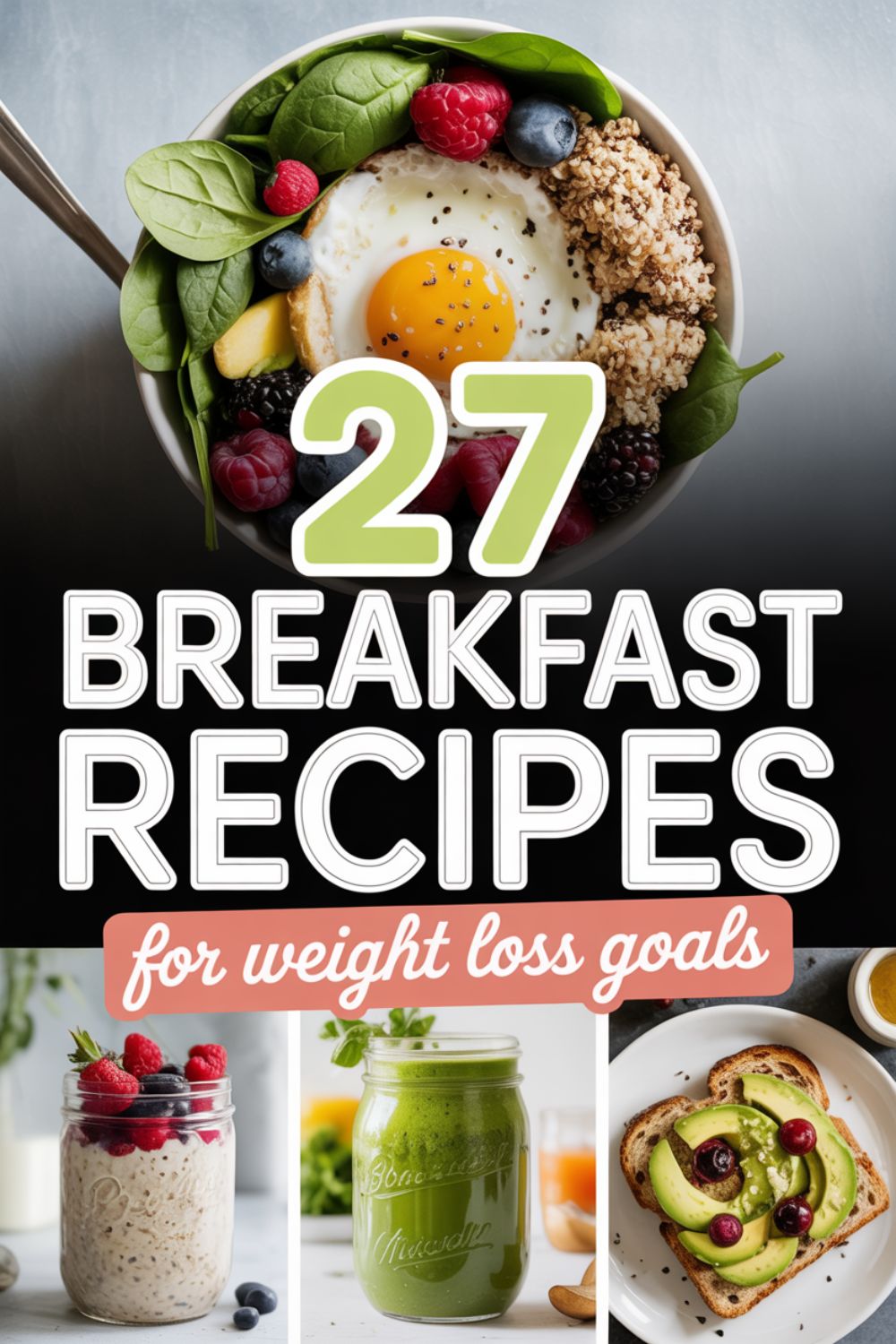
27 Breakfast Recipes for Weight Loss Goals
Look, I’m going to level with you right from the start—breakfast and weight loss have a complicated relationship. I’ve spent years testing recipes, reading research, and honestly? The science is messier than my kitchen counter after making overnight oats. But here’s what I know for sure: when you eat the right breakfast, you’re setting yourself up to make better choices all day long. And that’s exactly what these 27 recipes are designed to do.
Think of this as your practical guide to breakfast that actually works with your goals, not against them. No bland egg whites on repeat. No sad protein shakes that taste like cardboard. Just real food that keeps you satisfied until lunch—and maybe even helps you walk past that donut box in the break room without a second thought.
The Real Deal About Breakfast and Weight Loss
Here’s where it gets interesting. For years, we’ve been told that breakfast is the most important meal of the day—that skipping it would tank your metabolism and guarantee weight gain. Turns out, the research doesn’t quite support that claim. Multiple studies have shown that simply eating breakfast doesn’t automatically lead to weight loss.
But—and this is a big but—there’s compelling evidence that what you eat at breakfast matters significantly. Studies examining protein-rich breakfast meals found they can enhance feelings of fullness and reduce hunger throughout the morning hours. The magic number seems to hover around 30 grams of protein per meal for optimal satiety effects.
I’ve seen this play out in my own routine. On mornings when I grab something protein-forward, I’m not rummaging through the pantry by 10 AM. When I skip or go carb-heavy without enough protein? I’m basically a hangry mess before noon.
Why These 27 Recipes Actually Work
I didn’t just throw together a random collection of “healthy” breakfasts and call it a day. Each recipe in this guide hits specific criteria that align with weight loss goals without making you feel like you’re on some restrictive diet.
First up: protein content. Every single recipe includes at least 15-20 grams of protein, with many pushing past that 30-gram sweet spot. Protein isn’t just muscle food—it’s your secret weapon against mid-morning snack attacks. Research consistently shows that higher protein breakfasts trigger the release of satiety hormones like peptide YY and GLP-1, which basically tell your brain “hey, we’re good here, no need to raid the vending machine.”
Second: fiber that actually fills you up. We’re talking whole grains, chia seeds, oats, berries, and vegetables. Fiber slows digestion, stabilizes blood sugar, and keeps you feeling satisfied. Plus, if you’re focused on high-fiber breakfasts, you’ll find plenty of overlap with these recipes.
Third: realistic prep times. I don’t know about you, but I’m not waking up at 5 AM to prepare some elaborate breakfast masterpiece. Most of these recipes take under 15 minutes, and several can be prepped the night before. If you’re the type who values convenience, check out these make-ahead breakfast options—they’re genuinely life-changing.
The Protein Breakfast Powerhouses
Let’s start with the heavy hitters. These are the recipes that pack serious protein and keep you ridiculously full.
1. Greek Yogurt Power Bowl: Start with a full cup of plain Greek yogurt (about 20g protein right there). Top with a handful of mixed raw nuts #, fresh berries, a drizzle of honey, and a sprinkle of chia seeds. I use this glass meal prep bowl # because it’s the perfect size and I can see my gorgeous creation through the glass. Total protein: around 28 grams. Get Full Recipe.
2. Veggie-Loaded Egg Scramble: Three whole eggs scrambled with spinach, mushrooms, bell peppers, and a bit of feta cheese. I cook mine in this nonstick ceramic pan # —no oil needed, nothing sticks, and cleanup takes about 30 seconds. Pair with a slice of whole grain toast and you’re looking at 25+ grams of protein. Get Full Recipe.
3. Overnight Protein Oats: Mix half a cup of oats with a scoop of vanilla protein powder, almond milk, chia seeds, and cinnamon. Let it sit overnight in the fridge. In the morning, top with sliced banana and almond butter. I prep five of these on Sunday in small mason jars with lids # and grab one each morning. Easy 30 grams of protein, zero morning effort.
Quick Wins for Busy Mornings
4. Two-Minute Cottage Cheese Bowl: Scoop cottage cheese into a bowl, add sliced strawberries, a handful of granola, and a drizzle of honey. Done. The cottage cheese alone gives you about 14 grams of protein per half cup. If you need more ideas along these lines, the 5-minute breakfast collection is absolutely worth browsing.
5. Peanut Butter Banana Smoothie: Blend a frozen banana, two tablespoons of peanut butter (or almond butter if you’re feeling fancy), a cup of milk, and a handful of spinach. I throw in some ice and sometimes add vanilla protein powder # to bump up the protein. Takes literally two minutes if you have a decent blender #. For more smoothie inspiration, you’ll love these thick smoothie recipes.
Speaking of quick breakfast solutions, have you tried these grab-and-go breakfast jars? They’re basically the ultimate lazy-morning hack—prep once, eat all week, no thinking required.
The Meal Prep Champions
6. Egg Muffins (Make-Ahead Magic): Whisk together a dozen eggs with diced vegetables, cooked turkey sausage, and a bit of cheese. Pour into a muffin tin and bake. These last all week in the fridge and reheat in 30 seconds. Each muffin has about 7-8 grams of protein, so grab two and you’re set. Get Full Recipe.
7. Breakfast Burrito Freezer Packs: Scramble eggs, cook some lean ground turkey or black beans, add peppers and onions. Wrap in whole wheat tortillas, wrap in foil, freeze. Microwave for 2 minutes when needed. These are ridiculously convenient and pack around 20 grams of protein each.
8. Chia Seed Pudding Variations: The base is simple—chia seeds, milk, vanilla, sweetener. But the variations are endless. Try chocolate with cocoa powder, tropical with coconut and mango, or berry blast with mixed berries. Check out these chia pudding recipes for serious inspiration. Each serving delivers about 10 grams of protein plus loads of fiber.
Meal Prep Essentials Used in This Plan
Look, you don’t need a ton of fancy equipment to make these recipes work, but a few key items make the whole process smoother. Here’s what I actually use:
- Glass Meal Prep Containers (Set of 10) # – I’ve tried plastic, I’ve tried cheap glass, and these are the ones that don’t crack, stain, or leak. Worth every penny.
- Digital Kitchen Scale # – Total game-changer for portion control without obsessing. Toss your food on, check the weight, done.
- Silicone Muffin Pan # – For those egg muffins I mentioned. Nothing sticks, ever. Cleanup is stupid easy.
- 7-Day Meal Planning Template (Digital Download) – Simple spreadsheet to plan your breakfasts, make grocery lists, and track what’s working
- Breakfast Protein Calculator Guide (PDF) – Takes the guesswork out of hitting your protein targets without doing math at 6 AM
- 50 Breakfast Combinations Cheat Sheet – For when you’re bored and need fresh ideas fast
Want more support? Join our WhatsApp community where we share weekly meal prep tips, swap recipes, and keep each other accountable. No spam, just real people working toward similar goals.
Low-Calorie But Actually Satisfying
9. Veggie Omelet with Herbs: Two eggs, loads of vegetables, fresh herbs, minimal cheese. Comes in around 250 calories but feels substantial. The key is really loading up on the veggies—I’m talking mushrooms, tomatoes, spinach, onions. Don’t be shy. For more ideas in this category, these breakfasts under 300 calories are all solid options.
10. Berry Almond Smoothie Bowl: Blend frozen mixed berries with a splash of almond milk until thick. Pour into a bowl, top with sliced almonds, coconut flakes, and fresh berries. It’s Instagram-worthy and under 300 calories if you watch your portions on the toppings. Similar vibes to these spoonable smoothies.
11. Egg White Frittata Cups: If you’re really trying to keep calories low, egg whites are your friend. Mix with vegetables, pour into muffin tins, bake. Four egg white cups clock in around 200 calories with nearly 25 grams of protein. Just don’t expect them to taste as rich as whole eggs—they won’t. But they get the job done.
The Blood Sugar Balancers
If you’ve ever experienced that mid-morning energy crash followed by intense cravings, you know exactly why blood sugar balance matters. These recipes are specifically designed to prevent those spikes and crashes.
12. Savory Oatmeal Bowl: Yes, savory oats. Trust me on this. Cook steel-cut oats, stir in a soft-boiled egg, sautéed mushrooms, spinach, and a sprinkle of everything bagel seasoning. The combination of complex carbs, protein, and healthy fats keeps blood sugar steady for hours. You can find more approaches to this in our blood sugar-friendly breakfast guide.
13. Avocado Egg Boats: Halve an avocado, remove a bit of the flesh to make room, crack an egg into each half, bake until the egg sets. The healthy fats from avocado combined with protein from eggs create the perfect blood sugar balance. Takes about 15 minutes start to finish. Get Full Recipe.
14. Almond Flour Pancakes: Made with almond flour instead of regular flour, these pancakes have way more protein and healthy fats, and way fewer blood sugar-spiking carbs. Top with a bit of Greek yogurt and berries instead of syrup. They’re surprisingly filling and taste way better than you’d expect from “healthy” pancakes.
For those really focused on stable energy throughout the day, I’d also recommend checking out this complete blood sugar balancing meal plan—it covers all meals, not just breakfast, with the same principles.
The Fiber-Focused Options
15. Apple Cinnamon Quinoa Bowl: Cook quinoa in almond milk with cinnamon, top with diced apples, walnuts, and a drizzle of maple syrup. Quinoa is one of those rare grains that’s actually a complete protein, plus it’s loaded with fiber. Each serving delivers about 8 grams of protein and 5 grams of fiber.
16. Black Bean Breakfast Tacos: Warm up black beans with cumin and chili powder, scramble an egg or two, pile into corn tortillas with salsa and avocado. The black beans bring serious fiber (about 7 grams per half cup) plus additional protein. This is basically the definition of a satisfying breakfast.
17. Bran Muffins with Hidden Veggies: Homemade bran muffins with shredded zucchini or carrots mixed in. They freeze beautifully, and each muffin packs about 4 grams of fiber. Pair with a hard-boiled egg or some yogurt for added protein.
No-Cook Summer Savers
18. Overnight Muesli: Mix oats, chia seeds, nuts, dried fruit, and milk. Leave in the fridge overnight. Grab and eat cold in the morning. Perfect for hot summer mornings when turning on the stove sounds like torture. More options like this in the no-cook breakfast collection.
19. Protein-Packed Parfait: Layer Greek yogurt, homemade granola (or store-bought if we’re being real), fresh berries, and a drizzle of honey. Assemble in a jar the night before for maximum laziness in the morning. The yogurt stays cold, the granola stays crunchy if you keep them separate until you’re ready to eat.
20. Nut Butter Toast Variations: Whole grain toast with different nut butters and toppings. My favorites: peanut butter with banana slices, almond butter with strawberries, cashew butter with apple slices. Simple, fast, satisfying. Add a glass of milk and you’ve got a solid breakfast.
Tools & Resources That Make Cooking Easier
Beyond the basic meal prep gear, these tools have genuinely made my breakfast routine less chaotic:
- Immersion Blender # – For smoothies directly in the glass. Less cleanup than a full blender, same results.
- Egg Cooker # – Set it, forget it, perfect eggs every time. I was skeptical until I tried it. Now I use it weekly.
- Portion Control Plates # – Divided sections that take the guesswork out of balanced meals. Sounds gimmicky but actually helps.
- Breakfast Macro Tracker (Digital Tool) – Pre-calculated macros for 100+ breakfast combinations. Saves mental energy.
- Weekly Grocery List Template (Printable PDF) – Organized by store section so you’re not wandering around like a lost tourist.
- Batch Cooking Guide for Beginners – Step-by-step process for cooking multiple breakfasts at once without losing your mind.
The Comfort Food Makeovers
21. Protein French Toast: Dip whole grain bread in a mixture of eggs, vanilla protein powder, cinnamon, and a splash of milk. Cook until golden. Top with Greek yogurt and berries instead of syrup and butter. Feels indulgent, actually supports your goals. Win-win. Get Full Recipe.
22. Sweet Potato Hash with Eggs: Dice sweet potato, cook with peppers and onions until crispy, top with fried or poached eggs. The sweet potato brings complex carbs and fiber, the eggs bring protein, and the whole thing tastes like weekend brunch. For cozy vibes similar to this, check out these winter breakfast recipes.
23. Banana Oat Pancakes: Blend oats into flour, mix with mashed banana, eggs, and a pinch of baking powder. Cook like regular pancakes. They’re naturally sweet from the banana, high in fiber from the oats, and surprisingly fluffy. Kids love these too, FYI.
The Plant-Based Powerhouses
24. Tofu Scramble with Turmeric: Crumble firm tofu, cook with turmeric, garlic powder, and nutritional yeast for a cheesy flavor. Add vegetables. It’s basically scrambled eggs but vegan, and tofu brings about 10 grams of protein per half cup. If you want more plant-based breakfast ideas, these vegan chia seed breakfasts are excellent.
25. Chickpea Flour Omelet: Mix chickpea flour with water, spices, and vegetables. Cook like a regular omelet. High protein, completely plant-based, surprisingly egg-like in texture. The chickpea flour gives you about 6 grams of protein per quarter cup.
26. Tempeh Bacon and Avocado Toast: Marinate and cook tempeh until crispy, pile onto whole grain toast with mashed avocado. Tempeh packs about 15 grams of protein per half cup and has a meaty texture that’s weirdly satisfying.
The Wild Card
27. Breakfast Fried Rice: Use leftover brown rice, scramble in an egg or two, add frozen mixed vegetables, soy sauce, and sesame oil. Sounds weird, tastes amazing, takes about 7 minutes. This is my go-to when I need something different but still want protein and vegetables first thing in the morning.
If you’re looking to build this into a complete eating plan, consider these structured meal plans: the 14-day high-protein plan or the 21-day flat belly reset. Both include breakfast, lunch, and dinner with complete shopping lists.
Making It Work in Real Life
Here’s the thing nobody tells you about healthy breakfast recipes: the recipe itself is only half the battle. The other half is actually making it happen on a random Tuesday morning when you’re running late and can’t find your other shoe.
My strategy? I rotate about 5-7 of these recipes regularly. Some weeks it’s overnight oats and egg muffins. Other weeks it’s smoothies and breakfast burritos. The variety keeps me from getting bored, but having a limited rotation means I’m not constantly meal planning or grocery shopping for random ingredients.
I also keep emergency backups. Always have eggs in the fridge. Always have frozen fruit for smoothies. Always have oats in the pantry. If your planned breakfast fails, you can still throw something together in under 5 minutes with these basics. For those chaotic mornings, having a collection of pantry staple breakfast ideas is genuinely clutch.
The Protein-Peanut Butter Debate
Quick sidebar: you’ll notice peanut butter shows up a lot in these recipes. That’s intentional. Two tablespoons of peanut butter give you about 8 grams of protein plus healthy fats that keep you satisfied. But if you’re allergic or just not a fan, almond butter, cashew butter, or sunflower seed butter all work similarly. The nutrition profiles are nearly identical, so pick whichever tastes best to you.
Same thing with dairy. Many of these recipes call for Greek yogurt or milk because they’re easy protein sources. But plant-based alternatives work too—just check the label to make sure your dairy-free milk or yogurt actually contains protein. Some do, some don’t. Soy milk and pea protein milk usually have the most protein among plant-based options.
Batch Cooking Without Burning Out
I’ve tried the whole “meal prep Sunday” thing where you cook every meal for the entire week in one marathon session. It works for some people. For me? It’s exhausting and I end up ordering pizza by Wednesday because I’m sick of my own cooking.
Instead, I do mini prep sessions. Sunday afternoon, I’ll make a batch of egg muffins and some overnight oats. Wednesday evening, I might chop vegetables and portion out smoothie ingredients. This way I’m spreading out the work and keeping things fresh. If you need more structured guidance on this approach, the 30-day plan for busy people breaks it down week by week.
I also use these freezer-safe bags # for smoothie packs—portion out fruit, greens, and any add-ins into individual bags, freeze them, and just dump the whole thing in the blender with liquid when you’re ready. Frozen smoothie packs genuinely feel like cheating but in a good way.
When the Plan Falls Apart
Let’s be honest—some mornings you’ll skip breakfast. Some mornings you’ll grab a donut. Some mornings you’ll eat cold pizza standing in front of the fridge. That’s called being human.
The goal isn’t perfection. The goal is consistency over time. If you eat a solid breakfast 5 out of 7 days, you’re still doing way better than most people. Don’t let one rushed morning derail your entire week. Just pick it back up tomorrow.
Also worth noting: these recipes aren’t magic. You can eat the healthiest breakfast in the world, but if you’re eating garbage the rest of the day, you’re probably not going to see the results you want. These breakfasts work best as part of an overall approach to eating well. That’s why complete plans like the 7-day anti-inflammatory plan or the 30-day gut reset can be helpful—they take the guesswork out of the whole day, not just breakfast.
Frequently Asked Questions
Do I really need to eat breakfast to lose weight?
Short answer: no. Research shows that simply eating breakfast doesn’t automatically cause weight loss. However, eating a balanced, protein-rich breakfast can help control your appetite throughout the day and prevent overeating later. It’s less about whether you eat breakfast and more about what you eat and how it affects your hunger signals.
How much protein should I aim for at breakfast?
Studies suggest that 25-30 grams of protein at breakfast can significantly improve satiety and reduce hunger until your next meal. That said, don’t stress about hitting exact numbers. Focus on including a palm-sized portion of protein-rich food—eggs, Greek yogurt, protein powder, cottage cheese, or lean meat. Even 15-20 grams makes a noticeable difference compared to a carb-only breakfast.
Can I meal prep these recipes for the whole week?
Some of them, yes. Egg muffins, overnight oats, chia pudding, and breakfast burritos all prep beautifully for the week. Smoothies can be prepped as freezer packs. Fresh items like scrambled eggs or avocado toast are better made fresh, but you can still prep the ingredients ahead to speed things up. I generally recommend prepping 3-4 days at a time rather than a full week to keep things from getting stale.
Are these recipes suitable for people with diabetes or blood sugar concerns?
Many of these recipes are designed with blood sugar balance in mind, featuring protein, fiber, and healthy fats that help prevent spikes. However, individual responses vary, so monitor your own blood sugar levels and adjust portions as needed. The recipes emphasizing whole grains, high protein, and limited added sugar are generally your best bets. When in doubt, consult with your healthcare provider or a registered dietitian.
What if I’m not hungry in the morning?
Don’t force it. Some people genuinely aren’t hungry first thing in the morning, and that’s fine. Consider having a lighter option like a smoothie or protein-rich snack mid-morning instead. The key is avoiding the scenario where you skip breakfast, ignore hunger signals until 11 AM, and then make poor choices because you’re ravenous. Listen to your body and find what works for your natural appetite patterns.
The Bottom Line
These 27 breakfast recipes aren’t a magic solution, and I’d be lying if I told you they were. They’re tools. Good tools, tested tools, tools that actually work when you use them consistently.
The real magic happens when you find 5-7 of these that you genuinely enjoy, that fit your schedule, and that you can realistically make most mornings. That’s when breakfast stops feeling like another thing on your to-do list and starts feeling like something that’s actually helping you reach your goals.
Start with one or two recipes this week. See how you feel. Notice if you’re less hungry mid-morning. Pay attention to your energy levels. Make adjustments based on what your body tells you. And remember—the best breakfast for weight loss is the one you’ll actually eat consistently.