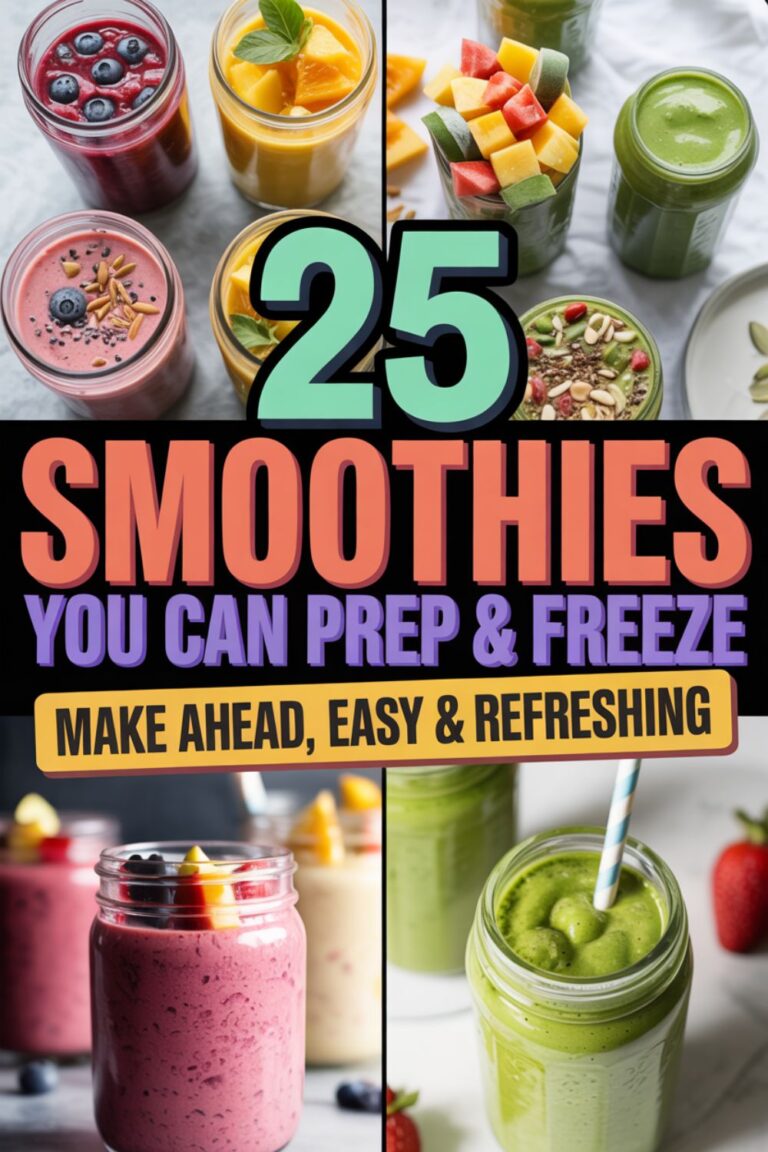
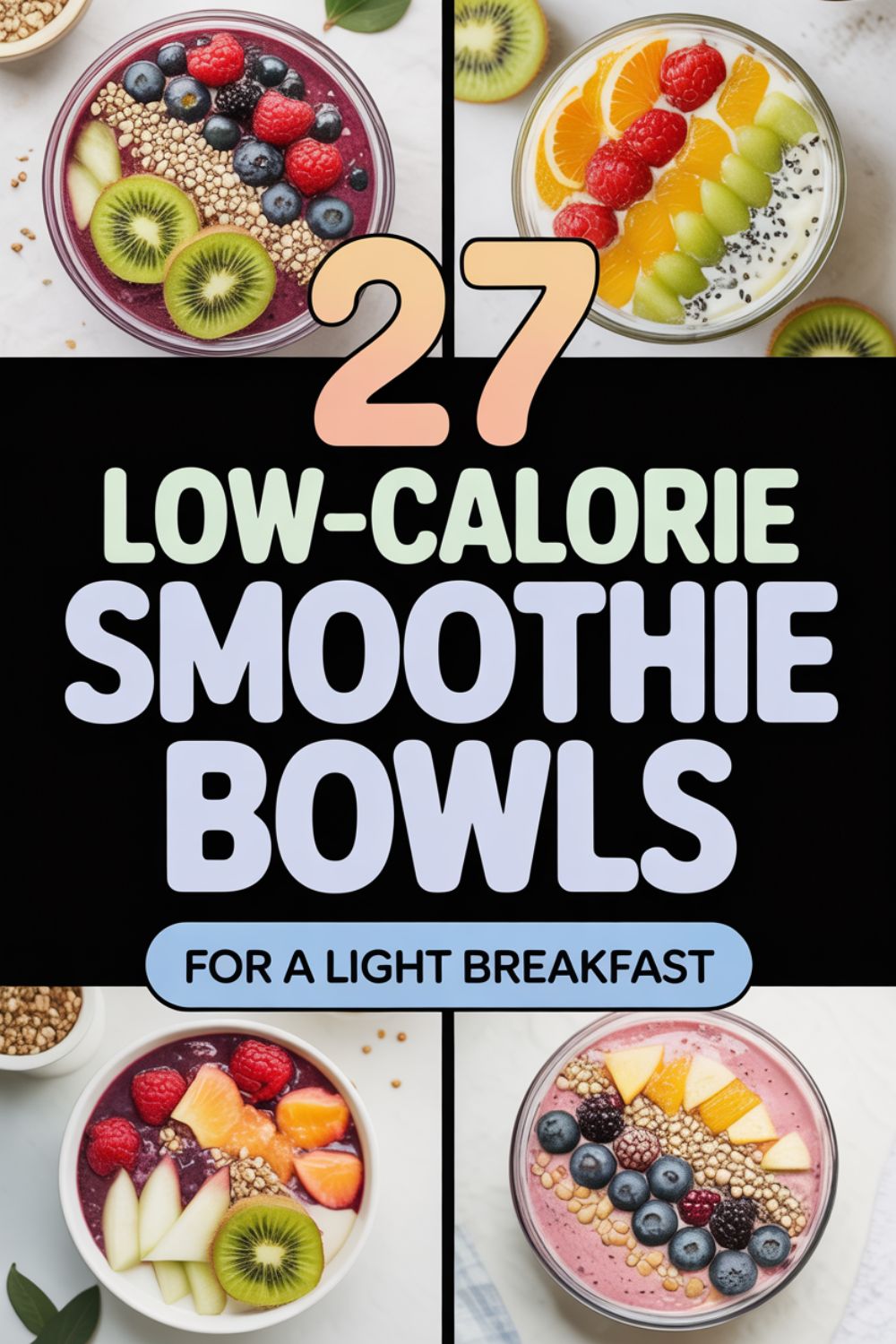
27 Low-Calorie Smoothie Bowls for a Light Breakfast
I’ve been down that road. Started making what I thought were “healthy” smoothie bowls, only to realize I was basically eating dessert for breakfast. The thing is, smoothie bowls can absolutely be light, satisfying, and actually keep you full until lunch—you just need to know which ingredients to load up on and which ones to use sparingly.
That’s what this whole article is about. I’m sharing 27 smoothie bowl ideas that clock in at reasonable calorie counts without tasting like cardboard. Some are fruity, some are chocolate-y, and a few might surprise you with their ingredient combos. But they all have one thing in common: they won’t leave you feeling deprived or starving an hour later.
Why Smoothie Bowls Actually Work for Weight Management
Here’s the deal with smoothie bowls—they’re not magic, but they do have some legit advantages when you’re trying to keep calories in check. According to Cleveland Clinic, the thick consistency and spoonable format actually makes you eat slower compared to chugging a regular smoothie. That slower pace gives your brain time to register fullness before you’ve inhaled 600 calories.
Plus, there’s something psychologically satisfying about eating from a bowl with a spoon. It feels more like a real meal than drinking something from a glass. And when you’re trying to eat lighter, that mental aspect matters more than people think.
The fiber content is another huge win. Most smoothie bowls pack in whole fruits, leafy greens, and seeds—all of which Mayo Clinic notes are crucial for keeping you satisfied. Fiber slows digestion, stabilizes blood sugar, and basically tells your stomach to chill out for a few hours.
The Secret to Keeping Smoothie Bowls Low-Calorie
Alright, let’s talk strategy. The difference between a 250-calorie smoothie bowl and a 700-calorie one often comes down to just a few ingredients. Those “healthy” toppings? Yeah, they add up fast.
Watch Your Liquid Base
Coconut milk sounds tropical and delicious, but the canned stuff can pack 400+ calories per cup. I usually go with unsweetened almond milk (30-40 calories per cup) or just water if I’m using really flavorful frozen fruit. Your high-speed blender can make even water-based smoothies creamy if you add frozen banana or riced cauliflower for thickness.
Toppings Are Where Things Go Sideways
Three tablespoons of almond butter? That’s 300 calories right there. A handful of granola? Another 150-200. Before you know it, you’ve built a calorie bomb. I’m not saying skip toppings entirely—they add texture and make the whole thing more fun to eat. Just measure them out instead of eyeballing. I keep a set of mini measuring cups right next to my blender so I’m not tempted to just pour with reckless abandon.
Frozen Fruit Is Your Best Friend
Fresh fruit is great, but frozen fruit makes your smoothie bowl thick and ice-cream-like without needing tons of ice or frozen yogurt. I stock up when berries go on sale and freeze them in portions using reusable silicone freezer bags. Game changer for both your wallet and your morning routine.
Speaking of frozen ingredients, if you’re looking for more breakfast ideas that you can prep ahead and grab straight from the freezer, check out these 20 breakfasts you can freeze and reheat. Some of those work perfectly alongside a smoothie bowl rotation.
27 Low-Calorie Smoothie Bowl Ideas That Actually Taste Good
Okay, enough theory. Let’s get to the actual recipes. I’m breaking these down by flavor profile so you can find what sounds good to you right now. All of these hover between 200-350 calories, depending on how generous you are with toppings.
Berry-Based Bowls (The Classics)
1. Classic Acai Bowl – Blend frozen acai puree with banana and a splash of apple juice. Top with sliced strawberries, a few blueberries, and a sprinkle of coconut flakes. The acai gives you antioxidants without adding much sugar.
2. Mixed Berry Blast – Combine frozen strawberries, blueberries, and raspberries with Greek yogurt and almond milk. Top with chia seeds and fresh berries. This one’s my go-to when I’m too lazy to think.
3. Strawberry Banana Light – The OG combo, but keep it light by using just half a banana and bulking it up with frozen cauliflower rice (yes, really—you can’t taste it). Top with hemp hearts for protein and a drizzle of honey.
4. Raspberry Cheesecake Bowl – Frozen raspberries, low-fat cottage cheese, vanilla extract, and a tiny bit of stevia. Sounds weird, tastes like dessert. Top with graham cracker crumbs (just a tablespoon) and fresh raspberries.
5. Blackberry Lemon Zing – Frozen blackberries, lemon zest, Greek yogurt, and almond milk. The tartness wakes you up better than coffee. Well, almost.
Tropical & Exotic Flavors
6. Pineapple Coconut Dream – Frozen pineapple, light coconut milk (the carton kind, not canned), and a squeeze of lime. Top with toasted coconut (watch the portion) and fresh mango chunks.
7. Mango Sunrise – Frozen mango, orange juice, and a handful of spinach that you absolutely cannot taste. Top with sliced kiwi and pumpkin seeds. The color alone will make you feel like you’re on vacation.
8. Pitaya (Dragon Fruit) Bowl – If you can find frozen pitaya packets, blend with banana and coconut water. The hot pink color is ridiculous and makes for great photos if you’re into that.
9. Papaya Ginger Boost – Fresh papaya, frozen banana, almond milk, and a tiny piece of fresh ginger. Digestive enzymes in papaya plus anti-inflammatory ginger? Your gut will thank you.
10. Passion Fruit Tango – Frozen banana, passion fruit pulp, Greek yogurt, and almond milk. Top with fresh berries and a sprinkle of granola. This one’s tart and tangy in the best way.
Green Machine Bowls
11. Spinach Berry Blend – Two cups of spinach, frozen berries, half a banana, and protein powder. I use my personal blender cup for this since I make it solo most mornings. The spinach is completely masked by the berries.
12. Kale Pineapple Power – Kale, frozen pineapple, banana, and coconut water. The pineapple sweetness totally overpowers any bitterness from the kale. Top with chia seeds and sliced almonds.
13. Cucumber Mint Refresh – Half a cucumber, frozen honeydew melon, mint leaves, lime juice, and water. This one’s super hydrating and feels almost spa-like. Weird but good.
14. Matcha Green Goddess – Matcha powder, frozen banana, spinach, almond milk, and vanilla protein powder. You get caffeine and antioxidants in one shot. Top with fresh berries and coconut chips.
15. Avocado Lime Bowl – Half an avocado, frozen mango, lime juice, and almond milk. The avocado makes it insanely creamy without yogurt. Top with pumpkin seeds and a few mango chunks.
If you’re digging these green-heavy options and want to extend that veggie-forward vibe to your whole day, you might like this 7-day gut health reset plan. It’s loaded with fiber and probiotic-rich meals that pair really well with starting your morning with greens.
Chocolate & Dessert-Inspired Bowls
16. Dark Chocolate Banana – Frozen banana, unsweetened cocoa powder, almond milk, and a scoop of chocolate protein powder. Top with cacao nibs and sliced strawberries. It’s like having brownies for breakfast, except it won’t wreck your entire day.
17. Peanut Butter Cup – Frozen banana, cocoa powder, powdered peanut butter (way fewer calories than regular), and almond milk. Top with a few dark chocolate chips and sliced banana.
18. Mocha Madness – Cold brew coffee, frozen banana, cocoa powder, protein powder, and almond milk. Breakfast and coffee in one bowl. This is efficiency at its finest.
19. Chocolate Cherry Cordial – Frozen dark sweet cherries, cocoa powder, Greek yogurt, and almond milk. Top with fresh cherries and dark chocolate shavings. Tastes fancy, takes five minutes.
20. Nutella-Inspired (But Healthier) – Frozen banana, hazelnut extract, cocoa powder, and almond milk. Top with chopped hazelnuts and strawberries. You get the flavor profile without the sugar bomb.
Unique & Surprising Combos
21. Carrot Cake Bowl – Frozen banana, grated carrot, cinnamon, nutmeg, Greek yogurt, and almond milk. Top with chopped walnuts and a tiny drizzle of maple syrup. I was skeptical too, but it works.
22. Pumpkin Pie Spice – Canned pumpkin puree (not pie filling), frozen banana, pumpkin pie spice, vanilla protein powder, and almond milk. Perfect for fall but honestly good year-round. Top with pecans and a sprinkle of cinnamon.
23. Beet Berry Blush – Cooked beets (I buy the pre-cooked ones), frozen strawberries, orange juice, and Greek yogurt. The earthy sweetness is weirdly addictive. Plus it’s like, aggressively pink.
24. Peach Cobbler – Frozen peaches, vanilla Greek yogurt, almond milk, and a dash of cinnamon. Top with a tablespoon of granola and fresh peach slices. Summer in a bowl.
25. Apple Pie Bowl – Frozen apple chunks (I prep these myself using an apple corer and slicer), cinnamon, vanilla extract, Greek yogurt, and almond milk. Top with a few crushed walnuts and a tiny bit of granola.
26. Lemon Blueberry Muffin – Frozen blueberries, lemon zest, vanilla protein powder, Greek yogurt, and almond milk. Top with fresh blueberries and lemon zest strips for that bakery vibe.
27. Chai Spiced Bowl – Frozen banana, chai tea concentrate (or a chai tea bag steeped and cooled), cinnamon, cardamom, vanilla protein powder, and almond milk. Top with chopped dates and pistachios. This one’s for when you want something different.
Meal Prep Essentials Used in These Smoothie Bowls
Here are the tools and ingredients that make these recipes actually doable on busy mornings:
- High-Speed Blender with Tamper – Seriously, this is non-negotiable for thick smoothie bowls. You need power to blend frozen fruit without turning it into soup.
- Portion-Controlled Storage Containers – I prep smoothie packs in these on Sundays. Dump everything in the blender in the morning and you’re done in 90 seconds.
- Mini Digital Kitchen Scale – For measuring toppings so you don’t accidentally dump 400 calories of almond butter on your “light” breakfast.
- Smoothie Bowl Prep Guide (Digital Download) – Complete shopping lists, prep schedules, and calorie breakdowns for all 27 recipes. Makes the whole process brainless.
- Low-Calorie Toppings Cheat Sheet (Printable PDF) – Hang this on your fridge so you know exactly how many calories are in each topping. No more guessing.
- Freezer Smoothie Pack Templates (Digital) – Pre-made grocery lists and portioning guides for batch-prepping a week’s worth of smoothie bases.
Want to connect with others doing the same thing? Join our WhatsApp Smoothie Bowl Community where we share daily bowl creations, swap ingredient substitutions, and keep each other accountable.
The Smart Way to Build Your Own Low-Calorie Smoothie Bowl
Once you get the hang of the recipes above, you’ll probably want to start improvising. Here’s the formula I use so I don’t accidentally create a calorie disaster.
Base (200-250ml)
Pick one: unsweetened almond milk, coconut water, green tea (cooled), regular water, or light coconut milk from a carton. Avoid canned coconut milk and fruit juices—they’re calorie traps.
Frozen Fruit (1-1.5 cups)
Berries are your best bet for low calories. Mango and pineapple are higher in sugar but still reasonable in portions. Banana is great for creaminess but use half a banana max if you’re watching calories.
Thickener (Optional but Recommended)
Frozen cauliflower rice (seriously), frozen zucchini chunks, or a couple tablespoons of oats. These add volume and texture without many calories.
Protein Source (Pick One)
Greek yogurt (100-150 calories for 2/3 cup), protein powder (varies but usually 100-120 calories per scoop), or silken tofu (only about 30 calories per serving). The protein is what keeps you full, so don’t skip this.
Toppings (Keep Total Under 150 Calories)
This is where most people go overboard. Measure everything. One tablespoon of nut butter, not three. A sprinkle of granola, not a handful. Fresh fruit is basically free calories compared to nuts and seeds, so go heavier on berries and lighter on the crunchy stuff.
For more grab-and-go breakfast ideas that follow similar calorie-conscious principles, these 20 5-minute breakfasts you can make half-asleep might be right up your alley. Some mornings you just don’t have the bandwidth for even a simple smoothie bowl.
Common Smoothie Bowl Mistakes That Sabotage Weight Loss
I’ve made every single one of these mistakes, so learn from my failures.
Using Too Much Nut Butter
One tablespoon of almond butter is about 100 calories. Most of us pour way more than that. Get the squeeze bottle versions if you can—they make it easier to control portions without needing to measure every time.
Not Adding Enough Protein
A bowl that’s just fruit and almond milk might taste great, but you’ll be starving by 10 AM. The protein is what keeps you satisfied. I learned this after a particularly rough morning where I ate a smoothie bowl at 7 and was raiding the office snack drawer by 9:30.
Going Overboard on Granola
Granola is delicious. It’s also insanely calorie-dense. A quarter cup can easily be 200+ calories. Use it as a garnish, not a topping layer. Or make your own with less oil and sugar—I batch-make mine using this rimmed baking sheet and it lasts for weeks.
Forgetting About Frozen Banana Calories
Yeah, bananas are healthy. They’re also about 100-110 calories each. If you’re using a whole banana plus another cup of fruit, you’re already at 200+ calories before any toppings. Half a banana is usually enough for creaminess.
Not Measuring Liquids
It’s easy to pour too much liquid and end up with a drinkable smoothie instead of a thick bowl. Use a liquid measuring cup and stick to the recipe amounts until you get a feel for consistency.
Looking for more ways to keep your breakfast both satisfying and calorie-controlled? Check out these 21 breakfasts under 300 calories that actually fill you up. They’re designed with the same “don’t sacrifice satisfaction” philosophy.
Making Smoothie Bowls Work for Your Lifestyle
The best meal plan is the one you’ll actually stick to, right? Here’s how to make smoothie bowls a sustainable part of your routine instead of a two-week phase.
Batch Prep Your Ingredients
Every Sunday, I portion out frozen fruit combos into individual bags or containers. Each bag has exactly what I need for one bowl. In the morning, I dump it in the blender with liquid and protein—done in under two minutes. No thinking required before coffee.
Rotate Your Flavors
Don’t eat the same bowl every single day or you’ll get bored and quit. I do berry-based Monday and Thursday, tropical Tuesday and Friday, green Wednesday, and chocolate or special combos on weekends. Keeps it interesting without requiring tons of planning.
Stock Your Freezer Smartly
I always keep frozen strawberries, blueberries, mango, pineapple, and banana chunks on hand. With those five ingredients plus a few different protein powders and Greek yogurt, you can make probably 20 different bowl combinations. Stock up when they’re on sale and store them in stackable freezer bins so your freezer doesn’t turn into a disaster zone.
Don’t Force It Every Single Day
Some mornings you’ll want eggs. Some mornings you’ll want toast. That’s fine. The goal isn’t perfection; it’s having a reliable, healthy option that you actually enjoy when you want something light and refreshing.
Tools & Resources That Make Smoothie Bowl Life Easier
These are the things that took my smoothie bowl game from “sometimes I make them” to “this is actually part of my routine”:
- Insulated Smoothie Bowl Set – Keeps your bowl cold while you eat, which matters more than you’d think on warm mornings.
- Reusable Smoothie Straws and Spoons – Because eating with a regular spoon is fine but eating with a pretty one is better. I’m shallow like that.
- Portable Smoothie Bowl Container – For when you need to take your breakfast to work. Seals tight and won’t leak in your bag.
- 30-Day Smoothie Bowl Challenge (Digital Program) – Daily recipes, shopping lists, and a supportive community to keep you on track.
- Smoothie Bowl Nutrition Calculator (Spreadsheet) – Plug in your ingredients and it automatically calculates calories, macros, and suggests adjustments.
- Video Tutorial Series: Perfect Smoothie Bowl Techniques – Shows you exactly how to get that Instagram-worthy thick consistency every time.
Join our WhatsApp Meal Prep Community for weekly smoothie bowl prep sessions where we share photos, troubleshoot consistency issues, and swap recipe hacks in real-time.
If you’re interested in taking a more comprehensive approach to your nutrition, the 7-day high-protein meal plan includes breakfast options (including smoothie bowls) that are specifically designed to support muscle building and fat loss. It’s a good framework if you want more structure.
Pairing Smoothie Bowls With Your Overall Nutrition Goals
Here’s the thing about smoothie bowls—they’re a tool, not a complete solution. They work great as part of a balanced approach to eating, but you can’t smoothie-bowl your way to your goals alone.
Blood Sugar Management
If you’re watching your blood sugar, smoothie bowls can be tricky because of the fruit content. The key is always adding protein and a little fat (like chia seeds or a small amount of nut butter). That slows down how quickly the natural sugars hit your bloodstream. Mayo Clinic Health System recommends this combo approach for stable energy throughout the morning.
I actually track how I feel after different smoothie bowl combinations. The ones with just fruit? I’m hungry and foggy by 10 AM. The ones with Greek yogurt or protein powder? I can easily make it to lunch without snacking. Get Full Recipe for more blood sugar-friendly breakfast ideas.
Gut Health Focus
Smoothie bowls can be phenomenal for your gut if you build them right. Add ground flax seeds for fiber, top with berries for antioxidants, include Greek yogurt for probiotics. The fiber from whole fruits and vegetables feeds the good bacteria in your digestive system.
Just don’t go overboard with fiber all at once if you’re not used to it. I made that mistake in my first week of daily smoothie bowls and let’s just say it was… uncomfortable. Start with one bowl a day and let your system adjust. For more gut-friendly meal ideas, Get Full Recipe.
Anti-Inflammatory Benefits
Berries, leafy greens, turmeric, ginger—smoothie bowls are an easy way to pack in anti-inflammatory ingredients without needing to cook anything. I add a tiny pinch of turmeric and black pepper (which helps absorption) to my chocolate smoothie bowls and honestly can’t taste it, but I like knowing it’s there.
If reducing inflammation is a priority, check out this 7-day anti-inflammatory meal plan that includes smoothie bowls alongside other inflammation-fighting meals.
Frequently Asked Questions About Low-Calorie Smoothie Bowls
Can I eat smoothie bowls every day and still lose weight?
Absolutely, as long as you’re mindful about portions and ingredients. The key is making sure your smoothie bowls are actually low-calorie (under 350 calories) and keeping them balanced with protein and healthy fats. If you’re eating 600-calorie smoothie bowls loaded with nut butter and granola, you might struggle. But a well-built smoothie bowl can absolutely be part of a weight loss plan—I’ve seen it work for dozens of people in our community.
Are smoothie bowls better than regular smoothies for weight management?
Not necessarily “better,” but different. The bowl format forces you to slow down and eat with a spoon, which gives your brain more time to register fullness. Plus, the toppings add textural variety that makes the meal feel more substantial. Cleveland Clinic research suggests that eating food from a bowl with a spoon can increase satiety compared to drinking it. But if you’re rushing out the door, a regular smoothie might be more practical—just drink it slowly.
How do I make my smoothie bowl thick enough to eat with a spoon?
Three tricks: use frozen fruit instead of fresh, minimize the liquid (start with just 1/4 cup and add more only if needed), and add a natural thickener like frozen banana, frozen cauliflower rice, or a couple tablespoons of oats. A high-powered blender also makes a huge difference—cheaper blenders need more liquid to blend properly, which makes everything runnier. If you’re serious about smoothie bowls, investing in a decent blender is worth it.
What’s the best time to eat a smoothie bowl?
Most people eat them for breakfast, but honestly, they work great as post-workout meals or even light lunches. I sometimes have one after evening workouts when I want something refreshing but don’t want a heavy meal before bed. The main thing is making sure you’re adding protein if you’re using it as a meal replacement—otherwise you’ll just be hungry again in an hour. If you’re eating it as a snack, you can skip the protein and keep it lighter.
Can I prep smoothie bowls in advance?
Sort of. You can prep all your ingredients in advance (which I highly recommend), but the actual blended smoothie bowl doesn’t keep well in the fridge—it gets watery and separates. What I do is portion out all the frozen fruit, protein powder, and any add-ins into individual bags or containers. In the morning, I dump one portion into the blender with liquid, blend for 60 seconds, and eat immediately. Takes less than two minutes total. You can also check out these breakfast jar ideas for other make-ahead options.
Final Thoughts on Making Smoothie Bowls Work for You
Look, smoothie bowls aren’t magic. They’re not going to solve all your breakfast problems or automatically make you lose 20 pounds. But they can be a genuinely useful tool in your arsenal when you want something light, quick, and satisfying that doesn’t require you to turn on the stove.
The biggest lesson I’ve learned from making hundreds of these things is that the “perfect” smoothie bowl is the one you’ll actually make consistently. Maybe that’s a super simple strawberry-banana combo. Maybe it’s a fancy superfood bowl with seven different toppings. As long as you’re keeping the calories reasonable and getting some protein in there, you’re probably doing fine.
Don’t get paralyzed trying to make the Instagram-perfect bowl with perfectly arranged toppings. Most mornings, mine look like I dumped everything on top in 30 seconds while checking my phone. And you know what? They taste exactly the same as the pretty ones.
Start with a few recipes from this list that sound good to you. Buy the ingredients for those. Make them a few times until you get the consistency and flavors dialed in. Then start experimenting with your own combinations. Before you know it, you’ll have a rotation of favorites that you can make without even thinking about it.
And if you’re looking for a more comprehensive approach to meal planning that includes smoothie bowls alongside other healthy options, the 21-day flat belly reset plan might be worth checking out. It takes the guesswork out of what to eat for every meal while keeping things interesting and actually sustainable.
Whatever you do, don’t overthink it. Blend some fruit, add protein, top with something crunchy, and call it breakfast. You’ve got this.