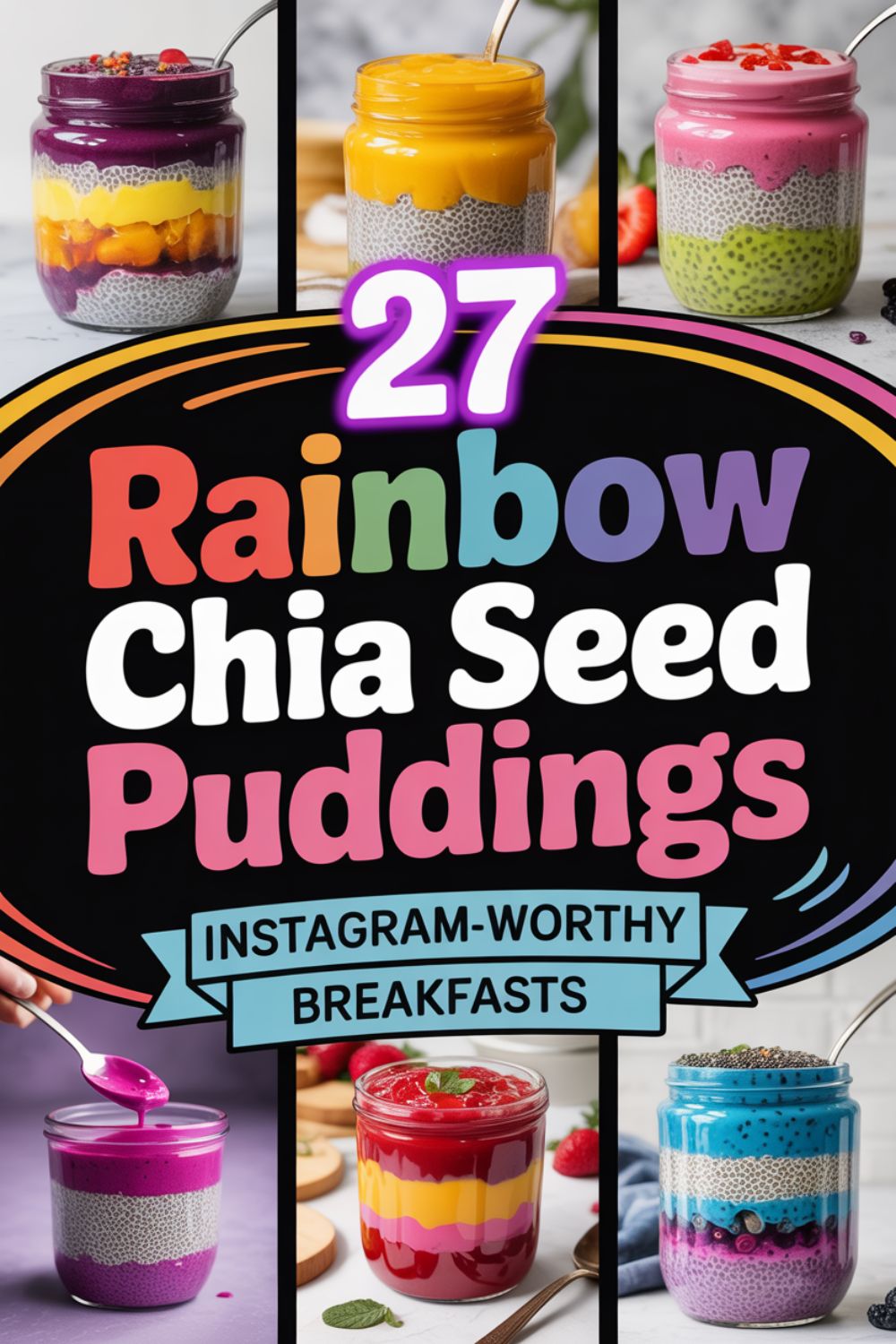
27 Rainbow Chia Seed Puddings for Instagram-Worthy Breakfasts
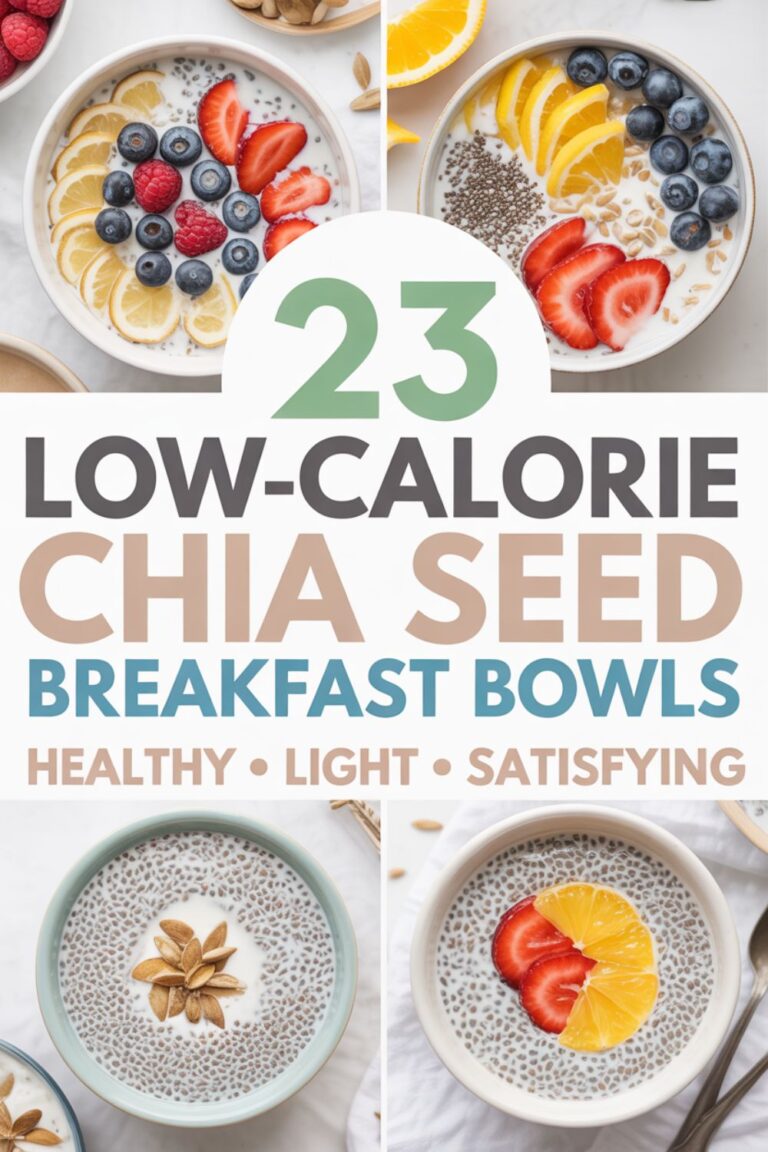
Chia pudding has this weird power to make you feel like you’ve got your life together, even when you absolutely don’t. You mix some seeds with milk the night before, toss them in the fridge, and wake up to breakfast that could pass for a cafe order. Add some colors, layer them in a jar, snap a pic, and suddenly your Instagram feed doesn’t look like a crime scene of last night’s takeout containers.
Here’s the thing though—most people stick to vanilla or chocolate. Safe. Boring. We’re going way beyond that. I’m talking 27 different rainbow-colored variations that’ll make your mornings look like a Pinterest board exploded in the best way possible. Think vibrant blues from spirulina, sunset oranges from mango, deep purples from blueberries. Each one packs the same nutritional punch, but some of them are so photogenic you’ll want to frame them before eating.
And before you roll your eyes thinking this is just another influencer breakfast trend—hold up. Chia seeds are legitimately nutritious. They’re loaded with omega-3s, fiber, and protein. Two tablespoons give you almost 10 grams of fiber, which is more than most people get in their entire breakfast. Plus, they keep you full without that weird heavy feeling you get from a massive omelet.
Why Chia Pudding Actually Works for Meal Prep
Let me be honest—I’ve failed at meal prep more times than I’d like to admit. Those elaborate Sunday cooking sessions where you’re supposed to portion out twelve identical chicken and rice bowls? Yeah, by Wednesday I’d rather eat my phone than another container of the same thing.
Chia pudding is different because it’s stupidly simple. You’re not cooking anything. There’s no chopping (unless you want to get fancy with toppings). You literally stir seeds into liquid and walk away. The seeds do all the work while you sleep or binge-watch whatever show everyone’s talking about.
The real magic happens in the fridge. Chia seeds absorb up to 12 times their weight in liquid, creating that pudding-like texture without any cooking or weird additives. Each little seed gets coated in this gel-like substance that’s basically pure fiber. That’s why they keep you full—your stomach has to work to break down all that good stuff.
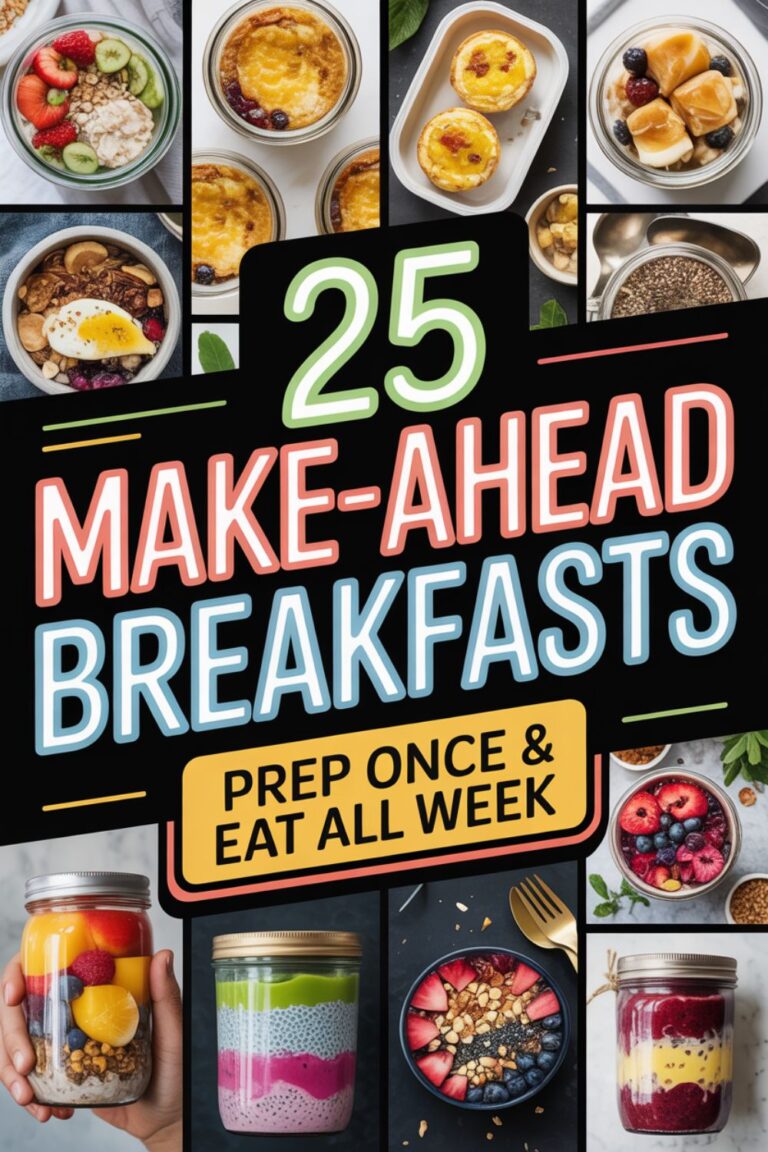
I prep five jars every Sunday and rotate through different color combinations. Monday might be a bright pink dragonfruit layer, Wednesday gets the matcha green treatment, and Friday deserves that ridiculous rainbow layer situation that takes an extra three minutes but photographs like a dream. You’re eating something different every day, but the actual work happened once.
What sold me on this was realizing I could prep them alongside my other make-ahead breakfasts without adding cooking time. The base recipe works for everything—you just change what you mix in or layer on top. Want to keep things simple? Cool. Feeling extra? Go wild with three colors and ten toppings. It adapts to whatever version of yourself shows up on Sunday.
The Science Behind the Colors (Without Getting Too Nerdy)
Okay, so you want rainbow puddings. Fair. But here’s what’s actually cool about this—most of the colors come from real ingredients that bring their own nutritional benefits. You’re not dumping food coloring into your breakfast like some kind of science fair volcano.
Natural Color Sources That Actually Taste Good
Blues and Purples: Blueberries, blackberries, purple sweet potato, butterfly pea flower tea, acai powder. These are loaded with anthocyanins—antioxidants that sound fancy but basically help protect your cells from damage. The darker the berry, the more antioxidant punch it packs.
Pinks and Reds: Dragonfruit, strawberries, raspberries, beet powder. Dragonfruit is my secret weapon because it creates this insane hot pink without tasting like dirt (I’m looking at you, beets). Plus, freeze-dried dragonfruit powder stores forever and you only need a tiny amount.
Yellows and Oranges: Mango, turmeric, pumpkin, carrot juice, golden berries. Mango gives you that sunset orange while sneaking in vitamin C. Turmeric adds a golden yellow and has anti-inflammatory properties, though use it sparingly unless you want your pudding to taste like a curry.
Greens: Matcha, spirulina, spinach (yes, really), kale powder, chlorella. Matcha gives you caffeine plus antioxidants. Spirulina turns things this intense blue-green and packs more protein than you’d expect. Fresh spinach blends in completely—you literally cannot taste it if you mix it with banana or mango.
If you’re experimenting with plant-based proteins and colors, you might want to check out some high-protein meal plans that incorporate similar ingredients throughout the day. The pudding becomes your anchor breakfast, then you’re building on those nutritional themes for lunch and dinner.
The coolest part? You can mix these colors to create new ones. Dragonfruit plus mango equals coral. Blueberry plus spinach gives you this deep teal. It’s like being in art class except you get to eat your project and feel smug about the fiber content.
Base Recipe That Never Fails
Before we dive into the rainbow madness, you need a solid base. This is the foundation for literally every variation I’m about to throw at you. Master this and you’re golden.
Basic Chia Pudding Ratio:
- 1/4 cup chia seeds
- 1 cup liquid (any milk works—dairy, almond, oat, coconut, whatever)
- 1-2 tablespoons sweetener (maple syrup, honey, agave, or skip it entirely)
- 1/2 teaspoon vanilla extract (optional but recommended)
- Pinch of salt (trust me on this)
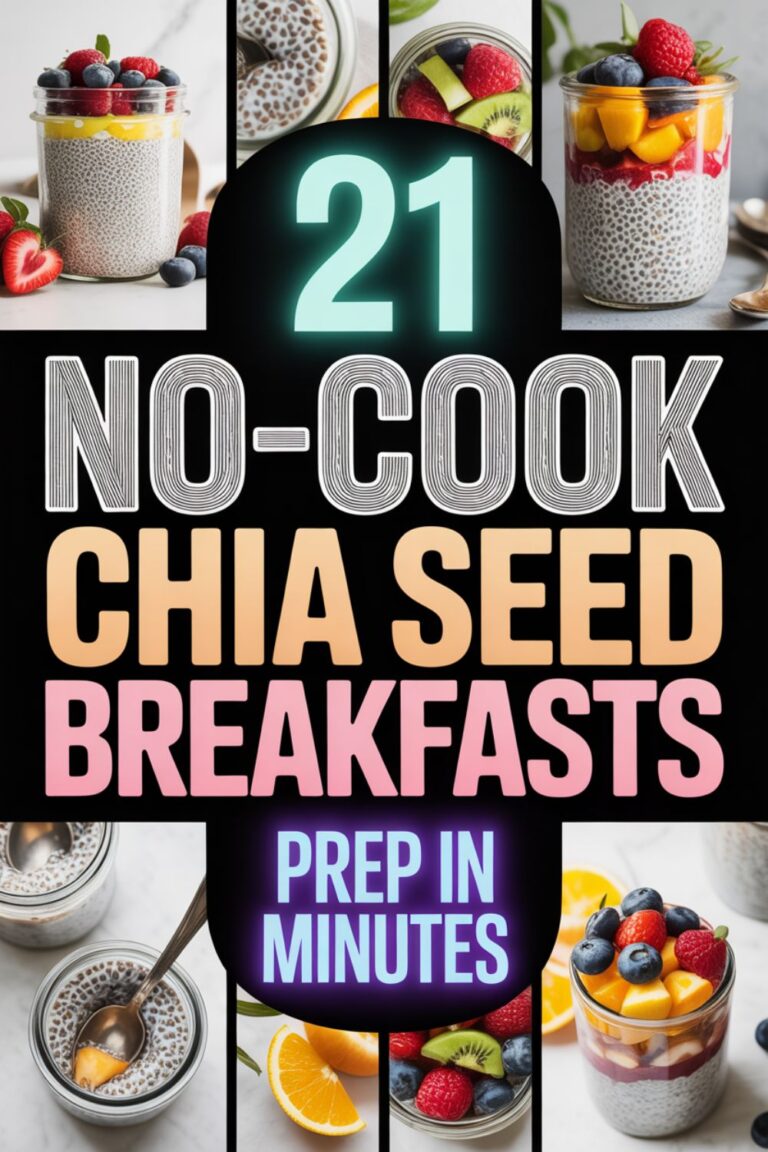
Mix everything in a jar. Stir well. Wait five minutes, stir again to break up clumps. Refrigerate for at least four hours or overnight. That’s it. That’s the whole thing.
The ratio is crucial though. Too many seeds and you get weird cement. Too few and it’s just chunky milk. Stick to 1:4 and you’re in that perfect pudding zone where it’s thick enough to hold toppings but not so dense you’re chewing through it.
For meal prep purposes, I multiply this by five and keep it plain in a big container. Then I divide it into individual jars and customize each one. Some mornings I’m feeling the berry situation, other days I want tropical vibes. The base stays the same, the vibe changes daily.
27 Rainbow Variations (Color by Color)
Alright, let’s get into the actual recipes. I’m breaking these down by color because that’s how I plan them in my head. Some are single-layer situations, others are full-on rainbow layer cakes in a jar. Pick your chaos level accordingly.
The Purples and Blues (5 Variations)
1. Classic Blueberry: Blend 1/2 cup blueberries into your milk before adding chia seeds. Top with fresh blueberries and a drizzle of honey. This is your safe bet that never disappoints.
2. Acai Bowl Style: Mix in 1 packet of frozen acai puree plus a frozen banana. Top with granola, coconut, and more berries. Basically a smoothie bowl but you can drink coffee while eating it because you’re not holding a giant bowl. Get Full Recipe.
3. Lavender Honey: Steep 1 teaspoon dried culinary lavender in warm milk for 10 minutes, strain, then mix with chia seeds and honey. This sounds bougie but tastes like a fancy hotel breakfast.
4. Butterfly Pea Flower: Brew butterfly pea flower tea (it’s naturally blue), let it cool, use as your liquid. Add a squeeze of lemon and watch it turn purple—actual kitchen magic. Top with coconut and white chia seeds for contrast.
5. Blackberry Lime: Muddle fresh blackberries with lime zest and juice, mix into your base. The tartness cuts through the richness perfectly. I use one of these handheld citrus zesters because getting zest with a knife is unnecessarily difficult.
The Pinks and Reds (5 Variations)
6. Dragonfruit Paradise: Blend 1/2 cup frozen dragonfruit chunks into milk before adding chia. You get this insane hot pink that photographs like you’re trying to sell something. Top with kiwi and passion fruit.
7. Strawberry Shortcake: Mash fresh strawberries into base, layer with plain chia pudding. Top with granola clusters and a dollop of coconut cream. Tastes exactly like the dessert but acceptable at 7 a.m.
8. Raspberry Rose: Mix in raspberry puree and a tiny drop of rose water. Go easy on the rose water though—this is breakfast, not potpourri. Top with pistachios and dried rose petals if you’re feeling dramatic.
9. Watermelon Mint: Blend fresh watermelon juice with chia seeds, add chopped mint. Sounds weird, tastes like summer. This is ridiculously refreshing if you make it the night before a hot morning.
10. Cherry Vanilla: Use tart cherry juice as part of your liquid. The natural tartness wakes you up better than the coffee you’re drinking alongside it. Top with dark chocolate shavings.
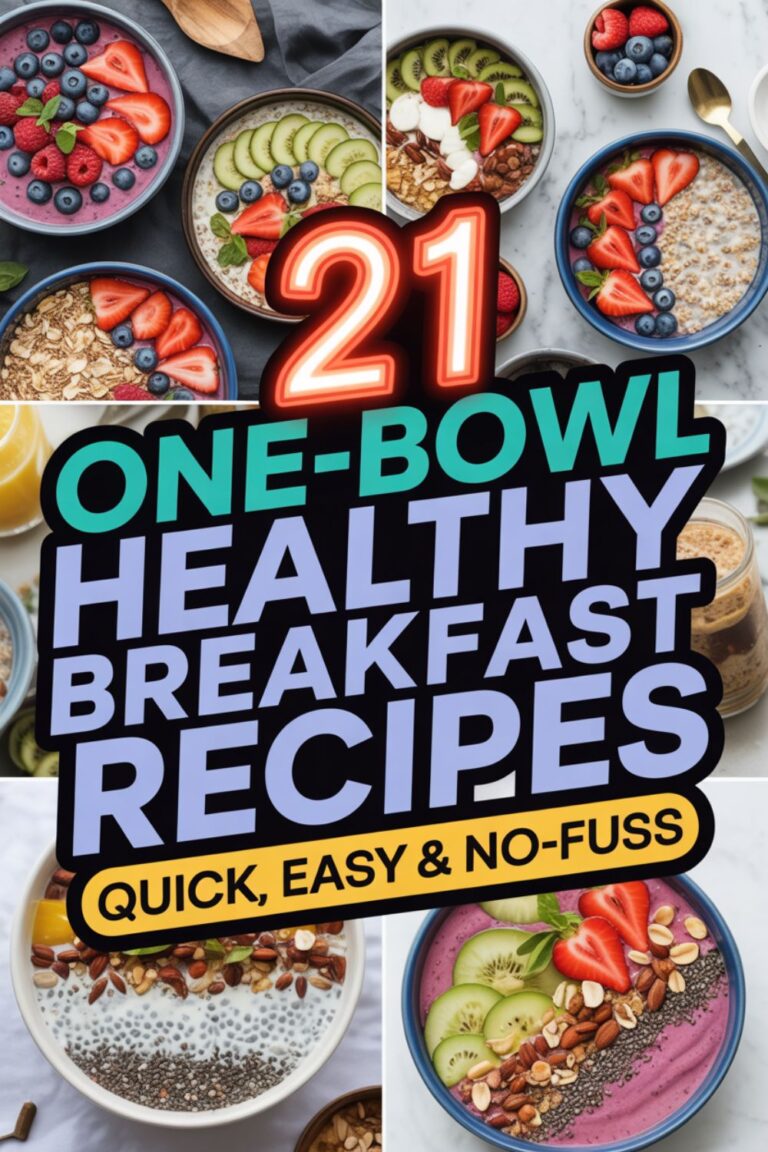
Speaking of fruit-forward breakfasts that don’t require cooking, you might want to explore these no-cook breakfast ideas for days when turning on the stove feels like a personal attack.
The Yellows and Oranges (6 Variations)
11. Mango Turmeric: Blend frozen mango with a tiny pinch of turmeric and black pepper (the pepper helps turmeric absorption). Top with coconut and macadamia nuts. This is basically a tropical vacation in a jar.
12. Golden Milk: Mix in turmeric, cinnamon, ginger, and a splash of coconut milk. This is the breakfast version of those trendy golden lattes except you’re actually eating something substantial. For more anti-inflammatory benefits from chia seeds, this combo hits differently.
13. Peach Cobbler: Use pureed peaches, add a sprinkle of cinnamon and nutmeg. Top with crumbled oat topping and it’s basically dessert disguised as responsible adult breakfast.
14. Pumpkin Spice: Mix in pumpkin puree and pumpkin pie spice. I know, I know—but it’s actually good year-round and has more vitamin A than you’d get from a multivitamin. Top with pepitas and a drizzle of maple syrup.
15. Lemon Curd: Fold in store-bought or homemade lemon curd. The tartness is aggressive in the best way. Top with fresh berries and toasted coconut chips.
16. Passion Fruit: Scoop out fresh passion fruit pulp and stir it through. Those little crunchy seeds add texture on texture. Top with mango and mint.
The Greens (5 Variations)
17. Matcha Coconut: Whisk 1 teaspoon matcha powder into coconut milk before adding chia. Top with white chia seeds and dark chocolate. This is your caffeinated pudding situation for mornings when coffee alone won’t cut it.
18. Green Smoothie Style: Blend spinach, banana, and pineapple into milk before mixing with chia. You can’t taste the spinach at all. Kids eat this thinking it’s some kind of treat—don’t tell them otherwise.
19. Mint Chip: Add peppermint extract and spinach for color. Fold in dark chocolate chips. Tastes like you’re eating ice cream for breakfast, which technically you are, except it’s healthy so society can’t judge you.
20. Spirulina Superfood: Mix in spirulina powder plus mango or pineapple to mask the taste. This turns an intense blue-green and has more protein than the basic pudding. Top with hemp seeds and bee pollen if you’re going full hippie.
21. Kiwi Lime: Blend kiwi with lime juice, fold into pudding. The color is this bright lime green that looks unnatural but comes entirely from fruit. Top with more kiwi slices and chia seeds.
The Neutrals and Multis (6 Variations)
22. Classic Vanilla: Double the vanilla extract, use a vanilla bean if you’re fancy. Top with literally anything. This is your blank canvas situation. I keep one of these prepped constantly because it pairs with whatever fruit is about to go bad in my fridge.
23. Chocolate Everything: Mix in cocoa powder and use chocolate almond milk. Top with cacao nibs, sliced banana, and almond butter. This is the one I make when I need dessert at breakfast and zero judgment.
24. Coffee Overnight: Use cold brew coffee as part of your liquid. This has more caffeine than your regular cup and keeps you full longer. Top with cacao nibs and a splash of cream.
25. Three-Layer Rainbow: Make three separate small batches in different colors. Layer them in a clear jar—purple on bottom, white in middle, pink on top. Takes extra time but makes you look like you have your entire life figured out.
26. Tie-Dye Swirl: Make several colors, spoon them into your jar in random spots, then gently swirl with a knife. It’s messy and chaotic and looks intentional. This is my favorite for meal prep because each jar comes out slightly different.
27. Everything Bagel: Okay hear me out on this one. Savory chia pudding with everything bagel seasoning. Use plain unsweetened almond milk, add everything bagel seasoning, top with sliced avocado and a fried egg. It’s weird. It works. You’ll make it once out of curiosity and then keep making it because it’s actually brilliant.
Meal Prep Essentials Used in This Plan
After making these puddings every week for months, here’s what actually makes the process easier:
- 8 oz mason jars with lids (set of 12) – Perfect single-serving size, seals tight, doesn’t leak in your bag. I’ve tried the fancy glass meal prep containers and honestly these basic jars work better.
- Mini electric milk frother – Breaks up chia seed clumps in seconds. Way faster than stirring, way less annoying than finding dry seeds at the bottom of your jar later.
- Silicone measuring cups (set of 4) – These pour cleaner than the old plastic ones and nothing sticks to them. Makes layering colors way easier without the mess.
Digital Products & Resources:
- Rainbow Breakfast Meal Prep Guide (PDF) – Color combination charts, shopping lists organized by color, and troubleshooting tips for when your pudding goes wrong
- Weekly Chia Pudding Planner Template – Printable planner to track which colors you made, what you topped them with, and which combos you want to repeat
- Instagram Food Photography Checklist – Because let’s be honest, half the point is posting these. Lighting tips, angle guides, and prop suggestions that actually help
Join the community: We have a WhatsApp group for breakfast meal preppers where people share their weird color combinations, troubleshoot texture problems, and post photos of their latest creations. It’s surprisingly motivating to see other people’s rainbow pudding situations at 6 a.m.
Making It Work for Your Actual Life
Here’s the reality check nobody talks about—these recipes are flexible because they have to be. Your week never goes as planned. You run out of dragonfruit. The blueberries went fuzzy. You forgot to buy milk. Whatever.
The base recipe can use literally any milk. I’ve made this with regular milk, all the nut milks, oat milk, coconut milk from a can, even that weird potato milk that showed up at my grocery store. They all work. The texture changes slightly but it’s still pudding.
If you’re working on balancing blood sugar throughout the day, chia pudding is actually a solid choice. The fiber slows down sugar absorption, the protein keeps you steady, and you can control the sweetener amount. I use way less than most recipes call for once you add fruit toppings.
You can also prep your toppings ahead. I wash and chop all my fruit on Sunday, keep it in separate containers, and grab whatever I want each morning. Takes the same amount of time as on-demand chopping but spreads the work out so it doesn’t feel like a chore every single day.
Troubleshooting Common Problems
Too thick? Add more milk and stir. Simple fix. This happens when you measure with your heart instead of actual measuring cups.
Too thin? Add more chia seeds, stir well, wait another hour. Or just eat it as-is because it’s basically a smoothie at that point and who’s judging?
Weird clumps? This means you didn’t stir enough in the first five minutes. The seeds need to get fully suspended in the liquid before they start absorbing. Use that whisk I mentioned earlier or just commit to stirring more aggressively.
Colors bleeding together? If you’re layering, make sure each layer is set before adding the next. Also, use a thicker consistency for layered puddings—more chia seeds relative to liquid helps them hold their shape.
Tastes weird? You probably added too much spirulina, matcha, or beet powder. These ingredients are powerful—a little goes a long way. Start with a quarter teaspoon and work up from there.
The Fiber Situation Nobody Talks About
Let’s address the elephant in the room—chia seeds are loaded with fiber. Like, 10 grams per two tablespoons loaded. That’s great for digestion and keeping you full, but if you’re not used to that much fiber, your stomach might stage a protest.
Start with smaller portions if you’re new to chia seeds. Maybe do 2 tablespoons of chia seeds instead of a full quarter cup for your first few batches. Gradually increasing fiber intake is way easier on your digestive system than going zero to sixty overnight.
Also, drink water. Like, more water than you think you need. Chia seeds absorb liquid, and if there’s not enough liquid in your system, things get uncomfortable fast. I keep a water bottle next to my breakfast and make a point to drink at least half of it while eating.
IMO, the fiber benefit is one of the main reasons to eat chia pudding over other quick breakfasts. Most people don’t get anywhere close to the recommended daily fiber intake. One serving of chia pudding gets you a solid chunk of the way there without having to think about it.
If you’re already eating a high-fiber diet, you’ll be fine. If you’re coming from a standard breakfast of plain bagels or sugary cereal, take it slow. Your gut bacteria need time to adjust to the upgrade.
Customizing for Dietary Needs
One reason I keep coming back to chia pudding is how easily it adapts to basically any dietary situation. Got restrictions? No problem.
Vegan: Use any plant milk and swap honey for maple syrup or agave. That’s literally it. The base recipe is already plant-based aside from the honey optional situation.
Keto/Low Carb: Skip the sweetener, use unsweetened almond milk or coconut milk, top with nuts and seeds instead of fruit. The chia seeds themselves are mostly fiber so the net carbs stay low.
High Protein: Mix in protein powder (vanilla or unflavored works best), use Greek yogurt or kefir as part of your liquid, top with nuts and nut butter. You can easily get this to 20+ grams of protein per serving. For more protein-focused meals throughout the week, check out this high-protein meal plan.
Nut-Free: Use oat milk or coconut milk, top with seeds instead of nuts. Sunflower seed butter works great as a nut butter substitute.
Sugar-Free: Skip sweeteners entirely and let the fruit do the work. Ripe bananas, dates, or berries add enough natural sweetness that you really don’t need added sugar. Or use a sugar-free sweetener if that’s your thing—chia pudding doesn’t care.
Tools & Resources That Make Cooking Easier
Beyond the pudding itself, here’s what makes meal prep less annoying in general:
- Stackable glass storage containers – These nest inside each other when empty and stack when full. Saves so much cabinet space and makes it easy to see what you’ve got prepped.
- Digital kitchen scale – Measuring by weight is more accurate than volume for ingredients like chia seeds. Plus you can prep multiple batches more precisely.
- Label maker – Sounds extra, but labeling your jars with prep dates and flavor combos keeps everything organized. Also prevents the “what is this purple thing?” situation three days later.
Digital Resources:
- Meal Prep Master Class (Video Course) – Not just about chia pudding—covers full meal planning strategies, batch cooking techniques, and how to actually stick with it beyond week one
- Food Photography Presets (Mobile & Desktop) – Make your food photos look cohesive without spending 20 minutes editing. One-click presets that actually look natural, not like you ran everything through ten filters
- Printable Meal Planner Pack – Shopping lists, meal calendars, and prep checklists. Old school but effective if you’re the type who needs to physically cross things off
Beyond Breakfast: Other Ways to Use Chia Pudding
Okay so technically this article is about breakfast. But once you’ve made these a few times, you’ll realize chia pudding is more versatile than that.
Dessert: Make a chocolate version, top with whipped cream and berries. Boom, you’ve got dessert that sounds healthy enough to not feel guilty about. I’ve served this at dinner parties and people asked for the recipe thinking it was some elaborate mousse situation.
Snack: Keep single-serve portions in your fridge for when you need something between meals. Way more satisfying than crackers or whatever sad snack you’d usually grab.
Post-Workout: Mix in protein powder and have it after the gym. The carbs from fruit replenish your glycogen, the protein helps recovery, and the omega-3s reduce inflammation. It’s basically a protein shake but you can chew it.
Parfait Layers: Layer chia pudding with yogurt and granola for a breakfast parfait that actually keeps you full. I use these tall parfait glasses when I’m trying to impress someone with minimal effort.
Speaking of alternative uses, if you’re into smoothies but want more texture, try these thick smoothie recipes that hit a similar vibe to chia pudding but in drinkable form.
Real Talk: What Actually Makes This Instagram-Worthy
Let’s be honest about why we’re all here—you want breakfast that looks good on camera. Fair enough. Here’s what actually matters for getting that shot:
Natural Light: Shoot near a window. Morning light is best because it’s soft and flattering. Afternoon light works too if you have sheer curtains or blinds to diffuse it. Overhead lights make everything look yellow and sad—just don’t.
Clear Jars: You’re layering colors for a reason. Use clear glass so people can actually see them. Those trendy opaque containers hide all your hard work.
Toppings Matter: Fresh fruit, nuts, seeds, edible flowers, mint leaves—these add visual interest. A jar of plain beige pudding photographs like yesterday’s oatmeal. A jar with colorful toppings arranged intentionally photographs like you’re a food blogger.
Overhead Shots: Arrange multiple jars together and shoot from directly above. This is the classic food blogger angle for a reason—it works. Add a linen napkin, scattered chia seeds, and maybe a small plant in the corner for depth.
The 45-Degree Angle: Shoot from slightly above and to the side to show both the top and the layers through the glass. This angle shows off texture and makes the pudding look more three-dimensional.
I use my phone for 90% of my food photos. You don’t need fancy equipment, but you do need to pay attention to light and composition. Take ten photos from different angles and pick the best one later. Nobody needs to know you took thirty shots to get that one perfect frame.
What the Community Says
I started making these rainbow puddings for myself, posted a few pics, and suddenly people were DMing me asking for specifics. Turns out I’m not the only one who needed breakfast to be both functional and photogenic.
Sarah from our meal prep community tried the dragonfruit version and ended up making it every week for three months. She said the bright pink jar was the only thing that motivated her to actually eat breakfast instead of just drinking coffee until lunch. Lost 15 pounds over those months, mostly because she finally started the day with actual food.
Another person in the group was skeptical about the savory everything bagel version—I mean, fair—but tried it anyway. Now it’s apparently her weekend breakfast of choice because it feels more “meal-like” than the sweet versions. Different strokes for different folks.
The common thread in the feedback is that these recipes work because they’re flexible enough to fit into real life. Nobody’s following them exactly. People swap ingredients, change colors, double the recipe, halve it, whatever. The base formula is solid enough that you can’t really mess it up.
Pairing Suggestions for Balanced Meals
As much as I love chia pudding, it’s not a complete meal by itself unless you load it up with protein-rich toppings. Here’s how to round it out:
Add Protein: Top with Greek yogurt, cottage cheese, protein powder mixed in, nut butter, or hemp seeds. This turns a fiber-heavy breakfast into something more balanced that’ll actually keep you full until lunch.
Pair with Eggs: Have chia pudding as your “carb” alongside scrambled eggs or a veggie omelet. This is my go-to for weekends when I have time to actually cook something hot.
Side of Whole Grain Toast: Add avocado toast or seeded whole grain crackers with hummus on the side. The pudding satisfies your sweet tooth while the savory side rounds out the meal.
Coffee Pairing: Match the pudding flavor to your coffee situation. Chocolate chia pudding with a latte? Perfect. Vanilla pudding with black coffee? Classic. Matcha pudding with green tea? Redundant but honestly kind of excellent.
If you’re focused on gut health, these puddings pair well with the probiotic-rich meals in this gut health reset plan. The fiber from chia seeds feeds your good gut bacteria, and if you’re adding yogurt or kefir, you’re getting probiotics too.
Looking for More Morning Inspiration?
If rainbow chia puddings become your thing—and they probably will—here are some other breakfast ideas that fit the same vibe: quick to prep, actually nutritious, and pretty enough to photograph without feeling like you’re trying too hard.
Frequently Asked Questions
How long does chia pudding last in the fridge?
Properly stored in an airtight container, chia pudding keeps for up to five days. The texture might get a bit thicker as it sits—just stir in a splash of milk to loosen it up. I personally think it tastes best within three days, but it’s technically safe for five.
Can I use white chia seeds instead of black?
Absolutely. White and black chia seeds are nutritionally identical—they just come from different plants. White seeds look better in lighter-colored puddings if you’re being picky about aesthetics. I keep both on hand and use whichever makes the final photo look better.
Why is my chia pudding watery?
Either you didn’t use enough chia seeds, or you didn’t let it sit long enough. The minimum ratio is 1 part chia to 4 parts liquid. Wait at least 4 hours, preferably overnight. If it’s still too thin after that, stir in another tablespoon of chia seeds and wait another hour.
Do I have to soak chia seeds before eating them?
For pudding, yes—that’s literally the whole point. But in general, soaking chia seeds makes them easier to digest and prevents that uncomfortable bloated feeling. Dry chia seeds absorb moisture from your digestive system, which can cause problems if you’re not drinking enough water.
Can I make chia pudding without a sweetener?
Yes. The fruit toppings usually add enough sweetness. I rarely add sweetener anymore because I got used to the taste without it. If you’re transitioning away from sugar, start by halving the sweetener amount and work your way down from there.
Final Thoughts
Look, chia pudding isn’t going to solve all your problems. It’s not going to make you suddenly love mornings or fix your chaotic schedule. But it does make breakfast one less thing to stress about, and on the right day, that actually matters.
I started making these rainbow variations because I was bored of the same old breakfast routine. Turns out, when your food looks interesting, you’re more likely to actually eat it instead of skipping meals and wondering why you’re cranky by 10 a.m. Weird how that works.
The 27 variations I’ve listed are just starting points. You’ll probably make three or four favorites and rotate through those. Maybe you’ll invent a new color combination I haven’t thought of. That’s the whole point—take what works, ignore what doesn’t, and make it fit your actual life instead of trying to force yourself into some perfect meal prep fantasy.
These rainbow chia seed puddings work because they’re genuinely easy, they photograph well, and they keep you full without requiring you to think too hard before coffee. That’s a pretty solid breakfast solution if you ask me. Now go blend some dragonfruit and make your kitchen look like a smoothie bar exploded—in the best way possible.