30-Day Gut Reset Meal Plan with Breakfast, Lunch, Dinner, and Snack Options
Look, I’m not going to sugarcoat it—your gut’s been through some stuff. Between the takeout binges, stress-eating sessions, and that third cup of coffee you probably shouldn’t have had, your digestive system is basically waving a white flag. But here’s the thing: a 30-day gut reset isn’t about deprivation or eating nothing but kale smoothies. It’s about giving your gut the TLC it deserves while actually enjoying your food.
After years of experimenting with different meal plans and watching friends struggle with bloating, fatigue, and that foggy brain feeling, I’ve pieced together a realistic approach that doesn’t require you to quit your job and become a full-time meal prepper. This plan focuses on whole foods, gut-friendly ingredients, and meals that won’t leave you staring longingly at your coworker’s pizza. Ready to feel like a functional human again? Let’s dive in.

What Exactly Is a Gut Reset and Why Should You Care?
Think of your gut as a bustling city filled with trillions of tiny residents—bacteria, fungi, and other microbes that form your microbiome. When this city’s thriving, you feel energized, your digestion runs smoothly, and your immune system functions like a well-oiled machine. But when things go sideways? Welcome to bloating, irregular bathroom visits, brain fog, and that perpetual afternoon energy crash.
A gut reset is essentially urban renewal for your digestive tract. Research indicates that dietary patterns significantly influence gut microbiome diversity and composition, which affects everything from immunity to inflammation. The goal is to remove inflammatory foods, introduce beneficial bacteria through probiotics, and feed existing good bacteria with fiber-rich prebiotics.
According to studies on microbiome restoration diets, participants who followed a structured gut health protocol reported improvements in digestion, cognition, and both physical and emotional wellbeing. That’s not just about pooping better—though let’s be honest, that’s important too. We’re talking about clearer skin, better mood, improved sleep, and sustained energy throughout the day.
The Foundation: What Makes a Meal Gut-Friendly?
Before we jump into the meal plan, let’s talk about what actually helps your gut versus what’s basically junk food in disguise. You need three main components: probiotics, prebiotics, and anti-inflammatory whole foods.
Probiotics: The Good Bacteria
These are live microorganisms that replenish and diversify your gut flora. You’ll find them in fermented foods like yogurt, kefir, kimchi, sauerkraut, tempeh, and miso. I know fermented vegetables sound about as appetizing as eating grass, but hear me out—a spoonful of good sauerkraut can completely transform a boring chicken bowl.
Prebiotics: Food for Your Gut Bacteria
Prebiotics are essentially fertilizer for the good bacteria already living in your gut. They’re found in fiber-rich foods like bananas, asparagus, onions, garlic, leeks, oats, and legumes. Think of it this way: probiotics are the workers, and prebiotics are their lunch break.
Anti-Inflammatory Whole Foods
Chronic inflammation is your gut’s worst enemy. Focus on omega-3 rich foods like salmon and walnuts, colorful vegetables packed with antioxidants, whole grains, and healthy fats from sources like olive oil and avocado. These foods help repair the gut lining and reduce inflammation that causes leaky gut syndrome.
Speaking of breakfast inspiration, you’ll want options that set your gut up for success all day long. Get Full Recipe for gut-friendly overnight oats that you can prep in five minutes flat, or try these probiotic-rich yogurt parfaits that taste like dessert but work like medicine.
Your 30-Day Gut Reset Blueprint
This isn’t one of those meal plans where you eat the exact same thing every day for a month. That’s a one-way ticket to giving up by day four. Instead, I’m giving you a flexible framework with rotating options so you don’t lose your mind—or your taste buds.
Week 1: The Foundation Phase
The first week is about eliminating the obvious gut irritants and introducing basic gut-friendly foods. You’re cutting out refined sugar, processed foods, alcohol, and excessive caffeine. I know, I know—coffee is life. But stick with me. You can have one cup of green tea or a small coffee with your breakfast. We’re not monsters.
Breakfast Options:
- Overnight oats with chia seeds, blueberries, and a dollop of probiotic yogurt
- Scrambled eggs with sautéed spinach and avocado on sourdough toast
- Greek yogurt parfait with homemade granola and fermented honey
- Green smoothie with banana, spinach, kefir, and ground flaxseed
Lunch Options:
- Quinoa bowl with roasted vegetables, chickpeas, and tahini dressing
- Lentil soup with a side of sauerkraut and whole grain crackers
- Grilled chicken salad with mixed greens, beets, walnuts, and olive oil vinaigrette
- Brown rice bowl with tempeh, steamed broccoli, and miso glaze
Dinner Options:
- Baked salmon with roasted sweet potato and asparagus
- Turkey and vegetable stir-fry with ginger and garlic over cauliflower rice
- Lentil curry with coconut milk served over quinoa
- Grilled chicken breast with roasted Brussels sprouts and wild rice
Snack Options:
- Sliced apple with almond butter
- Carrots and cucumber with hummus
- A handful of mixed nuts and berries
- Probiotic yogurt with a drizzle of honey
Meal Prep Essentials Used in This Plan
After testing dozens of products, these are the actual game-changers I use every week:
Physical Products:
- Glass meal prep containers (set of 10) – I’m obsessed with these because they don’t stain, don’t hold smells, and you can see exactly what’s inside without playing fridge roulette. Plus, you can reheat directly in them.
- Immersion blender – Game changer for making smoothies and soups without hauling out your massive blender. Less cleanup, same results. I use mine literally every morning.
- Fermentation kit with weights and airlocks – If you’re serious about gut health, making your own sauerkraut and kimchi is weirdly satisfying and saves you a fortune. This kit makes it foolproof.
Digital Resources:
- 30-Day Gut Reset Workbook (PDF) – Includes shopping lists, meal prep schedules, and a symptom tracker so you can actually see your progress instead of just hoping things are better.
- Fermented Foods Master Class (Video Course) – Learn to make your own probiotics at home. The instructor walks you through kimchi, kombucha, and kefir step-by-step. Worth every penny.
- Gut Health Recipe Collection (Digital Cookbook) – Over 100 tested recipes organized by meal type. No weird ingredients you can’t pronounce or find at normal grocery stores.
Week 2: Deepening the Reset
By week two, your body’s starting to adjust. You might notice you’re sleeping better or that 3pm energy crash isn’t as brutal. Now we’re adding more variety and complexity to keep your microbiome diverse and happy.
This week focuses on rotating your protein sources and introducing more fermented foods. Your gut bacteria thrive on diversity, so eating the same grilled chicken every day isn’t doing you any favors. Mix in wild-caught fish, pastured eggs, legumes, and plant-based proteins throughout the week.
For more meal inspiration that keeps things interesting, check out these Mediterranean-style gut health bowls or this probiotic-packed smoothie guide that doesn’t taste like blended grass.
Week 3: The Experimentation Phase
You’re halfway through, and if you’re like most people, you’re feeling significantly better. Your digestion is more regular, bloating has decreased, and you might even notice your jeans fit a little better. Week three is about experimenting with new flavors and recipes so this doesn’t feel like a restrictive diet but rather a sustainable lifestyle.
This is when I encourage people to try one new fermented food they’ve been eyeing nervously. Kombucha? Kimchi on scrambled eggs? Tempeh bacon? Pick your adventure. Some will be hits, others will be hard passes—and that’s completely fine. The goal is finding what works for your palate and your gut.
Advanced Breakfast Ideas:
- Savory oatmeal with a poached egg, sautéed kale, and kimchi
- Smoothie bowl topped with granola, fresh fruit, chia seeds, and a dollop of kefir
- Sweet potato hash with turkey sausage and fermented vegetables
- Sourdough avocado toast with microgreens and hemp seeds
Creative Lunch Combinations:
- Buddha bowl with roasted chickpeas, rainbow vegetables, quinoa, and turmeric tahini sauce
- Salmon poke bowl with edamame, cucumber, avocado, and pickled ginger
- Lentil and vegetable soup with a side of fermented pickles
- Grilled portobello mushroom burger on sprouted grain bun with all the fixings
Week 4: Solidifying New Habits
The final week is about cementing these habits and planning for life after the reset. You’re not going back to eating processed garbage all day, but you’re also not going to live in fear of pizza forever. Balance is the name of the game.
By now, you should have a solid rotation of meals you actually enjoy. Maybe you’ve discovered you’re obsessed with tempeh tacos or that miso soup is your new comfort food. IMO, the best outcome of a gut reset isn’t just improved digestion—it’s expanding your food repertoire beyond the same five boring meals.
Snacks That Actually Support Your Gut
Let’s talk snacks, because this is where most people fall off the wagon. You can’t survive on three meals alone if you’re used to grazing, and honestly, strategic snacking helps keep your blood sugar stable and prevents that hangry monster from emerging.
The key is choosing snacks with fiber, protein, or healthy fats—ideally all three. This keeps you satisfied and feeds your gut bacteria instead of just spiking your blood sugar.
- Apple slices with almond butter: The pectin in apples is prebiotic, and almond butter provides protein and healthy fats. I keep individual almond butter packets in my bag for emergencies.
- Homemade trail mix: Combine raw almonds, walnuts, pumpkin seeds, and unsweetened dried fruit. Store in small containers using these reusable silicone snack bags that actually seal properly.
- Veggie sticks with hummus: Carrots, cucumber, bell peppers—whatever’s in season. Hummus provides chickpea fiber and tahini adds healthy fats.
- Probiotic yogurt with berries: Look for yogurt with live active cultures. Add berries for prebiotic fiber and antioxidants.
- Roasted chickpeas: Season them however you want—I’m partial to smoked paprika and garlic. Make a big batch using this air fryer that gets them perfectly crispy without oil.
When you need more substantial snack ideas, these gut-friendly energy balls are perfect for meal prep, and this probiotic smoothie collection works as either a snack or light breakfast.
The Foods to Avoid (At Least for Now)
Here’s where I’ll probably lose some of you, but stick with me. These foods aren’t banned forever—they’re just on a 30-day timeout while your gut heals. Think of it as giving your digestive system a vacation from dealing with inflammatory troublemakers.
- Refined sugar: This includes candy, pastries, sugary drinks, and most packaged snacks. Sugar feeds bad bacteria and causes inflammation. If you need sweetness, use small amounts of honey or maple syrup.
- Processed foods: Anything in a package with ingredients you can’t pronounce. These often contain emulsifiers and preservatives that damage gut bacteria.
- Excessive alcohol: Sorry, but alcohol disrupts gut bacteria balance and increases intestinal permeability. Save it for special occasions after your reset.
- Artificial sweeteners: Despite being zero-calorie, these mess with gut bacteria composition. Stevia in moderation is fine.
- Fried foods: The high heat and rancid oils used in most fried foods promote inflammation. Bake or air-fry instead.
- Red meat (in excess): A little grass-fed beef is fine, but multiple servings daily can increase harmful gut bacteria. Focus on fish, poultry, and plant proteins.
Tools & Resources That Make Cooking Easier
These aren’t “nice to have”—they’re the difference between sticking with this plan and giving up by week two:
Kitchen Essentials:
- Instant Pot or pressure cooker – Turns dried beans into dinner in 30 minutes. Also perfect for making bone broth, which is incredible for gut healing. I use mine at least three times a week.
- High-quality chef’s knife – Prep work is 90% of cooking. A sharp knife makes it faster and less frustrating. Worth the investment.
- Vegetable spiralizer – Makes zucchini noodles, sweet potato ribbons, and other veggie substitutes that actually taste good. Mine lives on my counter permanently.
Learning Resources:
- Gut Health Basics Masterclass (Online Course) – Comprehensive guide to understanding your microbiome, identifying food sensitivities, and creating personalized meal plans.
- Weekly Meal Planning Template (Printable PDF) – Color-coded template that helps you plan balanced meals without spending an hour staring at your fridge.
- Anti-Inflammatory Cooking Guide (eBook) – Science-backed strategies for reducing inflammation through food, with 50+ tested recipes.
Community Support:
- Join our WhatsApp community for daily motivation, recipe swaps, and real-time troubleshooting when you’re about to cave and order pizza
Hydration and Beverages That Support Gut Health
Water is obviously crucial, but let’s talk about strategic hydration and gut-friendly drinks that do more than just keep you from shriveling up like a raisin.
Aim for at least eight glasses of water daily, but here’s the thing—timing matters. Drinking large amounts with meals dilutes digestive enzymes. Instead, hydrate between meals and sip water with food. I fill up this glass water bottle with time markers every morning to stay on track without thinking about it.
Gut-Friendly Beverages
- Green tea: Packed with polyphenols that support beneficial gut bacteria. Plus, the mild caffeine gives you energy without the jitters.
- Ginger tea: Soothes digestion and reduces nausea. Fresh ginger steeped in hot water works better than tea bags.
- Bone broth: Contains collagen and amino acids that help repair the gut lining. Sip a warm mug in the afternoon instead of coffee.
- Kombucha: Fermented tea loaded with probiotics. Start with small amounts—it can cause gas if you’re not used to it.
- Kefir water: Dairy-free probiotic drink that’s lighter than milk kefir. Makes a great base for smoothies.
FYI, if you’re new to fermented drinks, start slow. Your gut needs time to adjust, and drinking a whole bottle of kombucha on day one might lead to some uncomfortable bloating. Trust me on this one.
Dealing with Social Situations and Eating Out
Real talk: a gut reset is significantly easier when you control every meal in your own kitchen. But unless you’re planning to become a hermit for 30 days, you’ll need strategies for navigating restaurants, parties, and well-meaning friends who insist you try their famous (definitely not gut-friendly) lasagna.
Restaurant Survival Guide:
- Choose restaurants with grilled fish or chicken options and plenty of vegetables
- Ask for olive oil and vinegar instead of creamy dressings
- Request steamed or roasted vegetables instead of fries
- Skip the bread basket—out of sight, out of mind
- Don’t be shy about asking how things are prepared. Most restaurants will accommodate requests
Party Strategies:
- Eat a small gut-friendly meal before going so you’re not starving
- Bring a dish you can eat—veggie platter with hummus, anyone?
- Focus on protein and vegetables at the buffet
- Nurse one glass of sparkling water with lime all night
- Remember that one meal won’t derail your entire reset
Managing Symptoms and What to Expect
Let’s get real about what the first few days might feel like. Some people sail through a gut reset feeling amazing from day one. Others—and I’m speaking from experience here—feel like hot garbage for the first three to five days. Both are completely normal.
Common First-Week Symptoms
- Headaches: Usually from caffeine withdrawal or sugar detox. Stay hydrated and get enough sleep. It passes.
- Fatigue: Your body is adjusting to new fuel sources. Don’t schedule anything intense during week one.
- Digestive changes: More bathroom trips, temporary bloating, or even constipation are all possible as your gut bacteria shift. Add extra fiber gradually.
- Cravings: The first week is brutal for sugar cravings. Distract yourself, stay busy, and remember it gets easier.
- Mood swings: Sugar withdrawal is real, and the gut-brain connection means changes in your microbiome can temporarily affect mood.
Signs It’s Working
Usually by day 7-10, you’ll start noticing positive changes:
- More regular, comfortable digestion
- Reduced bloating and gas
- Better sleep quality
- Increased energy, especially in the afternoon
- Clearer thinking and better focus
- Improved skin—less breakouts, more glow
- Stable mood without dramatic crashes
Sarah from our community tried this plan and reported losing 15 pounds over three months while also resolving chronic bloating that had plagued her for years. She said the hardest part was the first week, but by week two, she felt so much better that continuing was easy.
Beyond the 30 Days: Making It Last
Here’s the thing about gut resets—they’re meant to be a starting point, not a finish line. The real magic happens when you integrate these habits into your regular life without feeling like you’re on a restrictive diet forever.
After 30 days, you can slowly reintroduce some foods you avoided. The key word is slowly. Add one food back every few days and pay attention to how your body responds. You might discover that gluten doesn’t bother you, but dairy makes you feel like you swallowed a balloon. That’s valuable information.
Aim to follow the 80/20 rule: eat gut-friendly foods 80% of the time, and allow yourself flexibility the other 20%. This means you can enjoy birthday cake without guilt or have a glass of wine with dinner occasionally. The goal is sustainable wellness, not perfection.
To keep your momentum going, explore these probiotic-rich breakfast options, quick fermented side dishes, and anti-inflammatory dinner recipes that make healthy eating actually enjoyable.
Frequently Asked Questions
Can I drink coffee during a gut reset?
Limit yourself to one cup in the morning, preferably with food. Black coffee on an empty stomach can irritate your gut lining. If you’re a heavy coffee drinker, gradually reduce intake over a few days before starting the reset to avoid brutal withdrawal headaches. Green tea is a gentler alternative that still provides caffeine plus beneficial polyphenols.
What if I’m vegetarian or vegan?
This plan works perfectly for plant-based eaters. Focus on legumes, tempeh, tofu, nuts, and seeds for protein. Just make sure you’re getting enough variety to ensure adequate amino acids and nutrients. Consider a B12 supplement since it’s primarily found in animal products.
How much weight will I lose on a 30-day gut reset?
This isn’t primarily a weight loss plan, though many people lose 5-15 pounds as a side effect of reducing inflammation and eating whole foods. The real wins are better digestion, more energy, and reduced bloating. Weight loss happens naturally when your gut is functioning properly and you’re eating nutrient-dense foods.
Do I need to take probiotic supplements?
Not necessarily. If you’re eating fermented foods daily, you’re getting plenty of probiotics from food. However, a high-quality supplement can be helpful if you’re recovering from antibiotics or have severe gut issues. Look for one with multiple strains and at least 10 billion CFUs.
What should I do if I feel worse instead of better?
Some discomfort in the first week is normal as your body adjusts. However, if symptoms persist beyond 7-10 days or worsen significantly, slow down the changes or consult a healthcare provider. You might have underlying gut issues like SIBO or IBS that need professional treatment. This plan is for general gut health, not treating serious digestive disorders.
Final Thoughts
A 30-day gut reset isn’t about punishing yourself or eating nothing but salads until you dream of pizza. It’s about resetting your relationship with food and giving your digestive system the support it needs to function properly. Your gut affects everything from your immune system to your mental health, so investing a month in healing it is one of the smartest things you can do for your overall wellbeing.
The meals in this plan are designed to be realistic, delicious, and flexible enough to fit into a busy life. You don’t need exotic ingredients or hours of free time. You just need a willingness to prioritize your health and get a little creative in the kitchen.
Will every day be perfect? Absolutely not. You’ll have moments when you’re tempted to throw in the towel and order takeout. But here’s what I’ve learned: the discomfort of changing your habits is temporary, while the discomfort of poor gut health is chronic. Choose your hard.
Start tomorrow morning with a simple gut-friendly breakfast. Prep a few containers of snacks for the week. Take it one meal at a time, and before you know it, you’ll be on day 30 feeling like a completely different person. Your gut—and your future self—will thank you.
Similar Posts
21 Healthy Spring Breakfast Ideas to Start Fresh
21 Healthy Spring Breakfast Ideas to Start Fresh 21 Healthy Spring Breakfast Ideas to Start Fresh Spring finally rolled around, and honestly? I’m so over the heavy oatmeal and dark toast mornings. When the weather starts warming up and farmers markets burst with strawberries, asparagus, and fresh greens, breakfast deserves a serious glow-up. I’m talking…
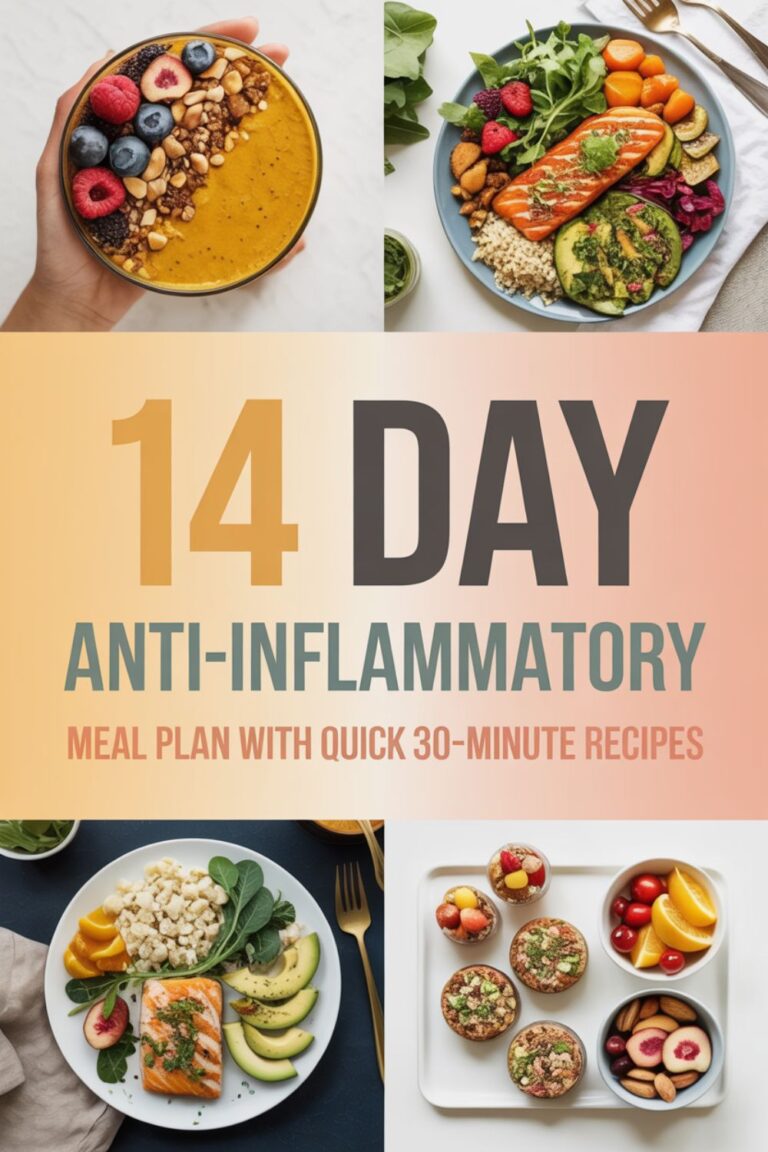
14-Day Anti-Inflammatory Meal Plan with Quick 30-Minute Recipes
14-Day Anti-Inflammatory Meal Plan with Quick 30-Minute Recipes 14-Day Anti-Inflammatory Meal Plan with Quick 30-Minute Recipes Look, I’m going to be straight with you. When my doctor mentioned that chronic inflammation was behind my constant joint pain and brain fog, I honestly thought I’d have to give up everything delicious and spend hours in the…
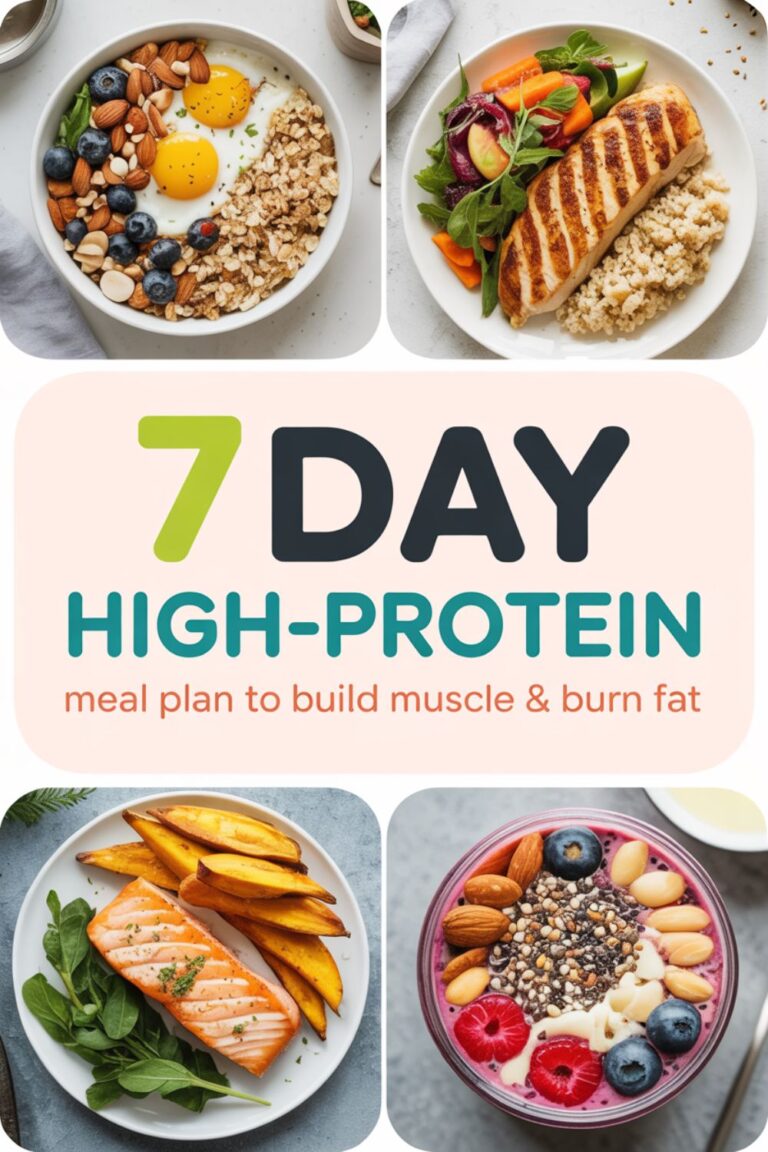
7-Day High-Protein Meal Plan to Build Muscle and Burn Fat
7-Day High-Protein Meal Plan to Build Muscle and Burn Fat 7-Day High-Protein Meal Plan to Build Muscle and Burn Fat Let’s cut through the noise: building muscle while burning fat isn’t some mythical fitness unicorn. It’s actually pretty straightforward once you understand the protein game. I’ve spent years tweaking meal plans, and honestly? Most people…
20 5-Minute Breakfasts You Can Make Half Asleep
20 5-Minute Breakfasts You Can Make Half Asleep 20 5-Minute Breakfasts You Can Make Half Asleep Let’s be honest—mornings are brutal. Your alarm goes off, you hit snooze three times, and suddenly you’re scrambling to get out the door with barely enough time to brush your teeth, let alone make breakfast. But here’s the thing:…