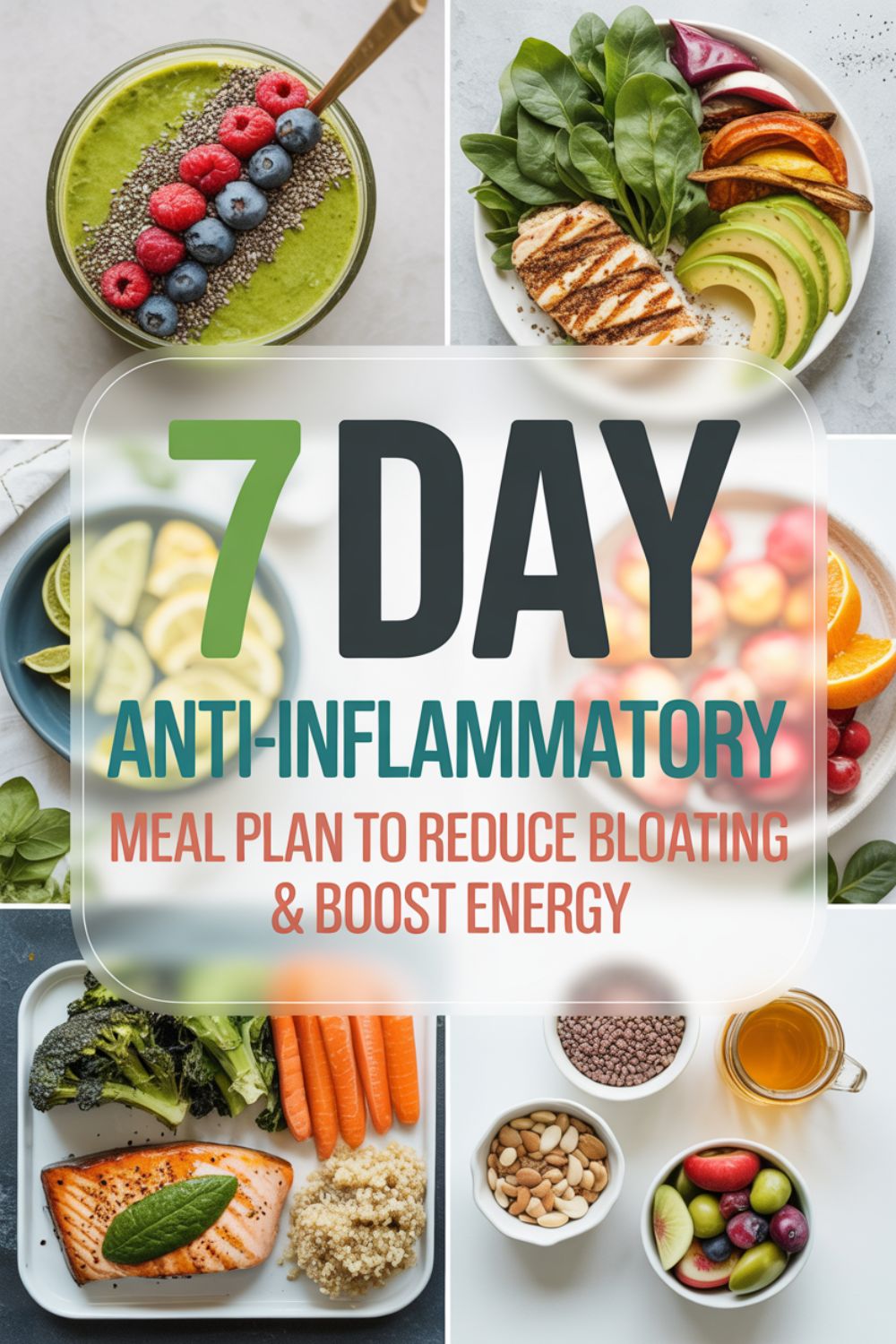
7-Day Anti-Inflammatory Meal Plan to Reduce Bloating and Boost Energy
Let’s be real—bloating sucks. You wake up feeling fine, then by midday your jeans are suddenly two sizes too small and you’re wondering if you swallowed a beach ball. And the fatigue? That 2 PM energy crash hits harder than your morning alarm.
Here’s the thing though: your body isn’t betraying you. It’s actually screaming for help through inflammation. When you eat foods that trigger your immune system (think processed junk, excess sugar, and mystery ingredients you can’t pronounce), your gut responds with inflammation. That inflammation shows up as bloating, brain fog, and that constant “meh” feeling.
I’ve been down that road, shuffling through afternoons like a zombie while my stomach auditioned for a balloon animal show. Then I discovered something that actually worked—not some crazy restrictive diet, but a practical anti-inflammatory approach that research from Cleveland Clinic shows can reduce bloating and boost energy levels naturally.
This 7-day plan isn’t about deprivation or eating like a rabbit. It’s about strategic food choices that calm inflammation, support your gut, and give you actual, sustainable energy. No gimmicks, no BS—just real food that works.
Why Anti-Inflammatory Eating Actually Works
Before we jump into meal plans, let’s talk about why this approach actually delivers results. According to Harvard Health, chronic inflammation is linked to pretty much every health issue you want to avoid—heart disease, diabetes, even depression.
But here’s what they don’t always tell you: inflammation is why you’re bloated. When your gut encounters inflammatory foods, it responds by producing excess gas, retaining water, and generally making your digestive system a hostile environment. The result? You feel puffy, uncomfortable, and exhausted because your body is using all its energy to fight internal fires.
Anti-inflammatory foods work by calming this response. They’re packed with antioxidants, omega-3 fatty acids, and phytonutrients that tell your immune system to chill out. When inflammation drops, bloating decreases, digestion improves, and suddenly you have energy for life again.
Prep your vegetables Sunday night and thank yourself all week. Seriously, having roasted veggies ready to go makes healthy eating ridiculously easy.
The Science-Backed Foods You’ll Be Eating
This plan focuses on foods that research actually supports. We’re talking about ingredients with proven anti-inflammatory properties, not just trendy superfoods that cost your entire paycheck.
Omega-3 Powerhouses
Fatty fish like salmon and sardines are absolute champions here. Johns Hopkins Medicine points out that omega-3s are some of the most powerful inflammation fighters available. They work at the cellular level to reduce inflammatory markers that cause bloating and joint pain.
Plant-based sources count too—walnuts, flaxseeds, and chia seeds all deliver alpha-linolenic acid, which your body converts to anti-inflammatory compounds. If fish isn’t your thing, these alternatives still move the needle.
Antioxidant-Rich Produce
Colorful fruits and vegetables aren’t just Instagram-worthy—they’re medicinal. Berries contain polyphenols that reduce gut inflammation. Leafy greens provide vitamin K and compounds that protect your digestive lining. Even simple cherry tomatoes pack lycopene, an antioxidant that fights inflammation throughout your body.
The darker and more vibrant the color, the more anti-inflammatory compounds you’re getting. That’s why this plan emphasizes variety—different colors mean different protective compounds.
Gut-Supporting Fermented Foods
Your gut microbiome is basically mission control for inflammation. Feed it well with fermented foods like yogurt, kefir, and sauerkraut, and it produces compounds that calm inflammation. Starve it with processed junk, and it triggers inflammatory responses that show up as bloating.
Research shows that probiotics from fermented foods can reduce gas production by up to 70%. That’s not marketing hype—that’s legitimate science working in your favor.
“I was skeptical about the whole anti-inflammatory thing, but after following a similar plan for three weeks, my bloating completely disappeared. I didn’t realize how much inflammation was affecting my energy until it was gone.”
Your Complete 7-Day Anti-Inflammatory Meal Plan
Alright, let’s get into the actual plan. Each day is designed to keep inflammation low while maximizing flavor and satisfaction. No sad desk salads here—just real food that tastes good and makes you feel better.
Day 1: Ease Into It
Breakfast: Greek yogurt parfait with blueberries, walnuts, and a drizzle of raw honey. The probiotics in yogurt start your day with gut support, while the berries deliver antioxidants and the walnuts provide omega-3s.
Lunch: Spinach salad with grilled salmon, avocado, and olive oil dressing. Spinach is low-FODMAP and won’t trigger bloating, salmon brings inflammation-fighting omega-3s, and healthy fats from avocado keep you satisfied. Get Full Recipe
Dinner: Turmeric-roasted chicken with roasted sweet potato and steamed broccoli. Turmeric contains curcumin, which studies show can reduce inflammatory markers significantly. The sweet potato provides fiber that feeds beneficial gut bacteria.
Snack: Sliced cucumber with hummus. Simple, refreshing, and the cucumber’s high water content helps flush inflammatory compounds.
Start your first day with intention. Notice how you feel after each meal—energy levels, digestion, bloating. This awareness helps you understand what works for your body.
Day 2: Build Momentum
Breakfast: Overnight oats with chia seeds, sliced strawberries, and almond butter. The oats provide soluble fiber that supports gut health without causing gas. Get Full Recipe
Lunch: Mediterranean quinoa bowl with chickpeas, cherry tomatoes, cucumber, olives, and lemon-tahini dressing. Quinoa is a complete protein and gentler on digestion than processed grains.
Dinner: Baked cod with garlic-roasted Brussels sprouts and wild rice. Cod provides lean protein and selenium, which has anti-inflammatory properties. Brussels sprouts contain compounds that support liver detoxification.
Snack: A small handful of almonds with an apple. The fiber-protein combo stabilizes blood sugar and prevents inflammatory spikes.
If you’re looking for more breakfast inspiration beyond the basics, you might want to explore various high-protein options or Mediterranean-style morning meals that keep inflammation low while satisfying your appetite.
Batch cook your grains for the week. Make a big pot of quinoa or brown rice on Sunday, portion it out, and you’ve got the base for multiple meals ready to go.
Day 3: Finding Your Rhythm
Breakfast: Scrambled eggs with sautéed spinach, mushrooms, and a side of fresh berries. Eggs provide choline, which supports cellular anti-inflammatory pathways.
Lunch: Lentil soup with carrots, celery, and turmeric. Lentils are fiber powerhouses that feed good gut bacteria, and the turmeric adds serious anti-inflammatory punch. Get Full Recipe
Dinner: Grilled chicken with cauliflower rice stir-fry (ginger, garlic, snap peas, and carrots). Ginger has been used for centuries to calm digestive upset and reduce inflammation.
Snack: Celery sticks with almond butter. Celery contains compounds that act as natural diuretics, helping reduce water retention and bloating.
By day three, you might notice your energy stabilizing. That afternoon crash? It’s starting to fade because your blood sugar isn’t on a roller coaster anymore.
Day 4: Midweek Power
Breakfast: Green smoothie with spinach, pineapple, ginger, and coconut water. Pineapple contains bromelain, an enzyme that reduces bloating and aids digestion.
Lunch: Turkey lettuce wraps with avocado, tomato, and mustard. Using lettuce instead of bread reduces inflammatory grain exposure while keeping things satisfying.
Dinner: Baked salmon with asparagus and quinoa pilaf. Asparagus is a natural diuretic that helps flush excess fluids contributing to bloating. Get Full Recipe
Snack: A small bowl of mixed berries. Pure antioxidant power in snackable form.
Speaking of satisfying meals that fight inflammation, there are countless variations on these themes—from quick weeknight dinners to meal prep-friendly bowls that make your life easier.
Meal Prep Essentials Used in This Plan
Having the right tools and ingredients makes anti-inflammatory cooking so much easier. Here’s what actually makes a difference in my kitchen:
- Glass meal prep containers with compartments – I use these constantly for portioning out salads, grains, and proteins. The compartments keep everything fresh and separated, plus they’re microwave-safe.
- High-quality olive oil – Not all olive oil is created equal. A good extra-virgin olive oil adds flavor and delivers those anti-inflammatory polyphenols you’re after.
- Spice grinder for fresh turmeric – Fresh ground turmeric is way more potent than the pre-ground stuff. This little gadget pays for itself in anti-inflammatory benefits.
- Anti-Inflammatory Recipe Collection (Digital) – A comprehensive guide with 50+ easy recipes designed to reduce inflammation and boost energy. Includes shopping lists and meal prep guides.
- 7-Day Meal Prep Blueprint (Digital) – Step-by-step guide showing exactly how to prep a week of anti-inflammatory meals in just 2 hours. Includes grocery lists, prep schedules, and storage tips.
- Anti-Bloating Food Swap Guide (Digital) – Quick reference sheet showing inflammatory foods and their anti-inflammatory alternatives. Perfect for grocery shopping or menu planning.
- Join Our WhatsApp Community – Get daily meal prep tips, recipe ideas, and support from others following an anti-inflammatory lifestyle. Link to join: [WhatsApp Community Link]
Day 5: Staying Strong
Breakfast: Chia pudding made with almond milk, topped with kiwi and hemp seeds. Chia seeds provide omega-3s and fiber that keeps your gut happy.
Lunch: Grilled chicken Caesar salad with homemade dressing (olive oil, lemon, garlic, anchovies). Skip the croutons and you’ve got a perfectly anti-inflammatory lunch that still feels indulgent.
Dinner: Shrimp stir-fry with bok choy, bell peppers, ginger, and brown rice. Shrimp provides lean protein and selenium, while bok choy delivers calcium and vitamin K.
Snack: Kefir smoothie with frozen berries. The probiotics in kefir actively work to reduce gut inflammation.
Day 6: Weekend Ease
Breakfast: Veggie omelet with mushrooms, bell peppers, and spinach, served with a side of fresh fruit. I use this non-stick omelet pan that makes flipping effortless and requires minimal oil.
Lunch: Tuna salad over mixed greens with cherry tomatoes, cucumber, and balsamic vinaigrette. Canned tuna works great here—it’s budget-friendly and still delivers omega-3s.
Dinner: Herb-roasted turkey breast with roasted root vegetables (carrots, parsnips, turnips) and a side salad. Root vegetables provide resistant starch that feeds beneficial gut bacteria.
Snack: Dark chocolate (70% cacao or higher) with a few walnuts. Dark chocolate contains flavonoids that actually reduce inflammation—yes, chocolate can be medicine.
By now, you should be feeling noticeably different. Less bloating, more consistent energy, and hopefully some of that brain fog has lifted.
“The biggest surprise was how much my energy improved. I expected less bloating, but I didn’t expect to stop needing three cups of coffee just to function. Now one cup in the morning is enough.”
Day 7: Finish Strong
Breakfast: Smoked salmon on whole-grain toast with avocado and a poached egg. This combo delivers omega-3s, healthy fats, and protein that keeps you satisfied for hours. Get Full Recipe
Lunch: Butternut squash soup with white beans and kale. Butternut squash is naturally sweet and provides beta-carotene, a powerful antioxidant.
Dinner: Grilled grass-fed steak (occasional red meat is fine) with roasted Brussels sprouts and sweet potato wedges. Grass-fed beef contains more omega-3s than conventional beef and less inflammatory omega-6s.
Snack: Sliced pear with a small handful of pecans. Pears are gentle on digestion and won’t trigger bloating.
Congratulations—you’ve completed seven days of anti-inflammatory eating. Your body has had a full week to calm inflammation, support gut health, and reset its energy systems.
Keep a food journal this week. Note how you feel after meals, energy levels, and bloating patterns. This data helps you identify which foods work best for your unique body.
Beyond the Basics: Making This Sustainable
Here’s where most meal plans fall apart—they work for a week, then you’re back to your old habits because the plan wasn’t realistic. Let’s fix that.
The 80/20 Approach
You don’t need to eat perfectly anti-inflammatory forever. Aim for 80% of your meals to follow these principles, and give yourself grace for the other 20%. Had pizza with friends? Cool, tomorrow you’re back on track. This flexibility makes the lifestyle sustainable instead of punishing.
Strategic Food Swaps
Small swaps create big results over time. Swap white rice for quinoa or cauliflower rice. Choose wild-caught salmon over farm-raised when possible. Use extra-virgin olive oil instead of vegetable oil. These aren’t huge changes, but they consistently reduce inflammatory load.
When you’re comparing inflammatory versus anti-inflammatory fats, the difference matters more than you’d think. Vegetable and seed oils high in omega-6 fatty acids promote inflammation when consumed in excess, while olive oil, avocado oil, and coconut oil support cellular health. It’s not that all fats are equal—some actively work against you.
Meal Prep Game Plan
Sunday afternoon is your friend. Spend 2-3 hours prepping and you’ve got the entire week handled. This meal prep cookbook breaks down exactly how to batch cook efficiently without losing your mind.
Cook a big batch of protein (grilled chicken, baked salmon, hard-boiled eggs). Roast multiple sheet pans of vegetables. Make a large pot of quinoa or brown rice. Prep salad ingredients and store them in containers. When hunger hits during the week, assembly takes five minutes.
Tools & Resources That Make Cooking Easier
These are the actual tools and resources I use regularly that make anti-inflammatory cooking realistic:
- Sheet pan set – For batch roasting vegetables. I can roast three different veggies at once, which saves massive amounts of time during the week.
- Immersion blender – Perfect for making quick soups and smoothies without hauling out the full-size blender. Also great for homemade salad dressings.
- Spice organizer – Sounds silly, but having spices organized and visible means I actually use them. Anti-inflammatory cooking relies on herbs and spices, so accessibility matters.
- Complete Anti-Inflammatory Kitchen Guide (Digital) – Everything you need to stock an anti-inflammatory pantry, including brand recommendations, storage tips, and cost-saving strategies.
- 14-Day Advanced Meal Plan (Digital) – Building on the 7-day plan with more variety, ethnic cuisines, and family-friendly options. Includes printable grocery lists.
- Anti-Inflammatory Snack Ideas Collection (Digital) – 30 quick, grab-and-go snack ideas that fight inflammation. Perfect for busy schedules and emergency hunger situations.
- Meal Planning WhatsApp Group – Join hundreds of others planning their anti-inflammatory meals. Share ideas, get inspiration, troubleshoot challenges. Link: [WhatsApp Group Link]
Common Pitfalls and How to Avoid Them
Let me save you from the mistakes I made when I started this journey.
The Fiber Trap
Dramatically increasing fiber overnight is a express ticket to bloating city. Your gut bacteria need time to adjust. Start gradually and increase fiber slowly over 2-3 weeks. This gives your microbiome time to adapt without causing the very bloating you’re trying to eliminate.
Hydration Matters More Than You Think
Anti-inflammatory foods work better when you’re properly hydrated. Water helps flush inflammatory compounds and supports the fiber you’re eating. Aim for half your body weight in ounces daily. Boring advice, massive impact.
Sleep and Stress Count Too
You can eat perfectly and still struggle with inflammation if you’re sleeping five hours and stressed to the max. Poor sleep triggers inflammatory markers that no amount of salmon can overcome. Prioritize 7-8 hours and find stress management techniques that work for you.
What to Expect Week by Week
Week 1: Bloating starts decreasing. You might feel slightly less energetic as your body adjusts to lower sugar and processed food intake. This is temporary.
Week 2: Energy levels stabilize and start improving. Digestion becomes more regular. You notice you’re not craving sugar as intensely.
Week 3-4: This is where the magic happens. Bloating is significantly reduced or gone. Energy is consistent throughout the day. Mental clarity improves. You actually want to keep eating this way because you feel that much better.
The timeline varies per person, but most people notice measurable improvements within two weeks. Give it at least three weeks before deciding if this approach works for you.
Frequently Asked Questions
Can I drink coffee on an anti-inflammatory diet?
Yes! Coffee actually contains polyphenols that have anti-inflammatory properties. Just skip the sugar and artificial creamers, which can trigger inflammation. Black coffee or coffee with a splash of unsweetened almond milk works great. Just don’t overdo it—excessive caffeine can increase cortisol, which promotes inflammation.
What if I’m vegetarian or vegan?
Anti-inflammatory eating works perfectly for plant-based diets. Focus on legumes for protein, include plenty of nuts and seeds for omega-3s, and emphasize colorful vegetables. Tofu, tempeh, and edamame are excellent anti-inflammatory protein sources. The key is variety and avoiding over-reliance on processed vegan products, which can be inflammatory despite being plant-based.
How quickly will I see results?
Most people notice reduced bloating within 3-5 days. Energy improvements typically take 1-2 weeks as your body adjusts. For significant changes in chronic inflammation markers, give it at least 4-6 weeks of consistent eating. Everyone’s timeline is different based on their starting point and how inflamed they were initially.
Is dairy allowed on an anti-inflammatory diet?
It depends on your tolerance. Fermented dairy like Greek yogurt and kefir can actually be anti-inflammatory due to their probiotic content. However, if you have lactose intolerance or dairy sensitivity, it will trigger inflammation for you specifically. Pay attention to how your body responds and adjust accordingly.
Can I still eat out at restaurants?
Absolutely. Focus on grilled or baked proteins, ask for olive oil instead of butter, load up on vegetable sides, and skip the bread basket. Most restaurants can accommodate requests for simple preparations without heavy sauces. Mediterranean, Japanese, and Thai restaurants typically have plenty of naturally anti-inflammatory options.
Final Thoughts
Anti-inflammatory eating isn’t a quick fix or a fad diet—it’s a sustainable approach to feeling better in your own body. The bloating that’s been making your life miserable doesn’t have to be your normal. The afternoon energy crashes don’t have to define your days.
This 7-day plan gives you the framework, but the real work is making it yours. Pay attention to how different foods affect you. Maybe you discover that lentils don’t sit well despite being anti-inflammatory—that’s fine, swap them for chickpeas. Perhaps you feel amazing after eating salmon but not after tuna—lean into what works for your body.
The goal isn’t perfection. It’s progress. It’s waking up without feeling like a balloon. It’s having consistent energy to actually do things you enjoy. It’s reducing the chronic inflammation that’s quietly damaging your health.
Give this plan an honest shot for seven days. Notice how you feel. Then decide if it’s worth continuing. My guess? You’ll feel different enough that going back won’t even be appealing. Because once you know how good “good” feels, settling for bloated and exhausted just doesn’t cut it anymore.
Similar Posts
7-Day Gut-Health Reset Plan Featuring High-Fiber and Probiotic-Rich Meals
7-Day Gut-Health Reset Plan Featuring High-Fiber and Probiotic-Rich Meals 7-Day Gut-Health Reset Plan Featuring High-Fiber and Probiotic-Rich Meals Your gut’s been through a lot lately—holidays, stress eating, maybe one too many takeout nights. I get it. We’ve all been there, staring at our bloated reflection wondering when our digestive system turned into a grumpy toddler…
21 Make-Ahead Chia Breakfasts That Save Time
21 Make-Ahead Chia Breakfasts That Save Time 21 Make-Ahead Chia Breakfasts That Save Time Look, I get it. Mornings are chaos. You’re hitting snooze three times, scrambling to find matching socks, and the last thing you want to do is stand over the stove making breakfast. But skipping it isn’t the answer either, because by…
7-Day Hormone-Balancing Meal Plan for Women to Improve Mood and Metabolism
7-Day Hormone-Balancing Meal Plan for Women to Improve Mood and Metabolism 7-Day Hormone-Balancing Meal Plan for Women to Improve Mood and Metabolism Look, I’m just going to say it: your hormones are probably running the show, and you might not even realize it. One day you’re smashing your workouts and feeling unstoppable, the next you’re…
21-Day Blood Sugar Friendly Meal Plan to Maintain Steady Energy Levels
21-Day Blood Sugar Friendly Meal Plan to Maintain Steady Energy Levels 21-Day Blood Sugar Friendly Meal Plan to Maintain Steady Energy Levels Look, I’m not here to tell you that managing blood sugar is some magical cure-all that’ll transform your life overnight. But here’s what I will say: once you figure out how to keep…
30-Day Flat Belly Meal Plan Featuring Low-Calorie, High-Fiber Meals
30-Day Flat Belly Meal Plan Featuring Low-Calorie, High-Fiber Meals 30-Day Flat Belly Meal Plan Featuring Low-Calorie, High-Fiber Meals Look, I’m not going to sugarcoat this—getting a flat belly isn’t about magic pills or wrapping yourself in plastic wrap like a human burrito. It’s about eating smart, filling your plate with the right stuff, and giving…