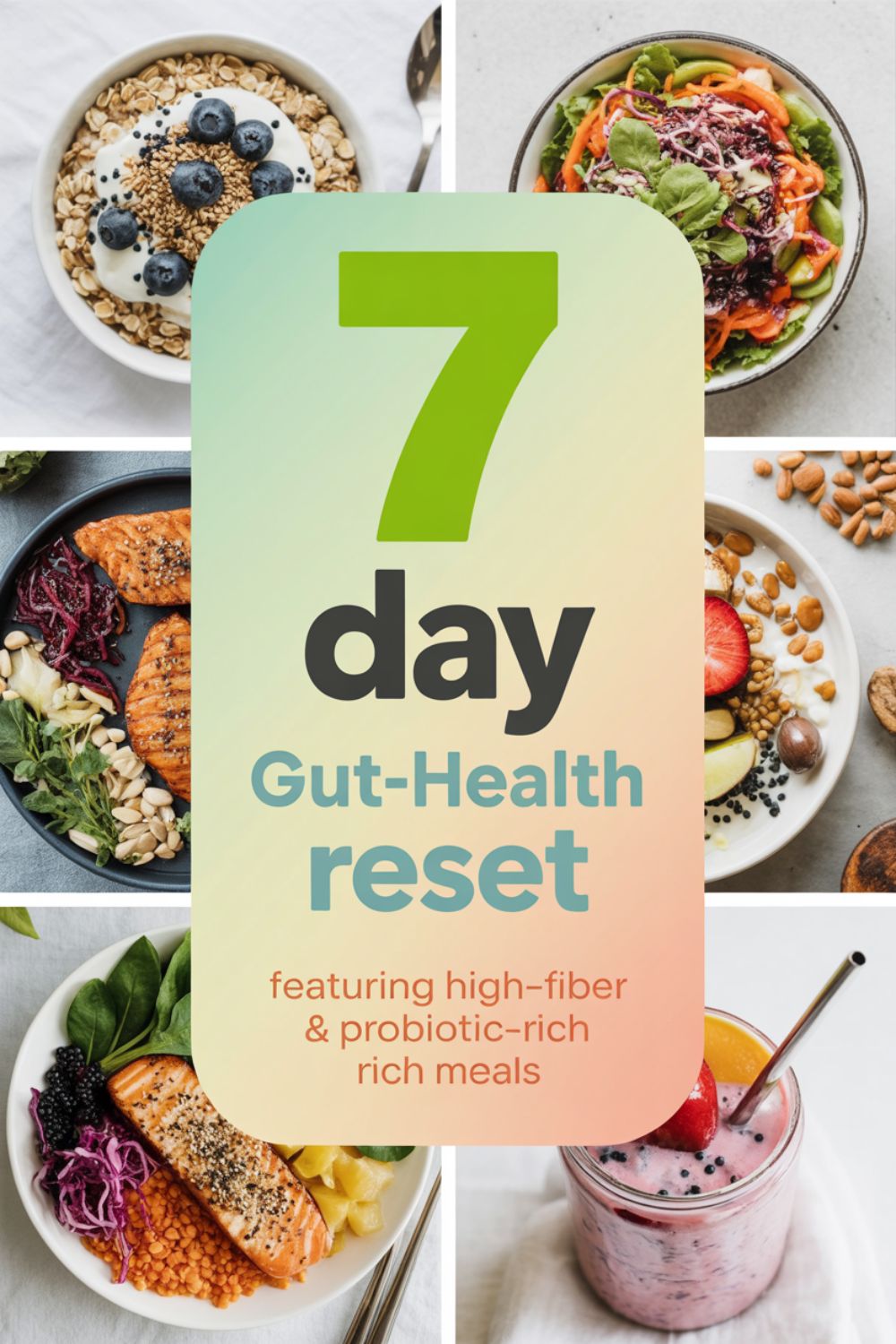
7-Day Gut-Health Reset Plan Featuring High-Fiber and Probiotic-Rich Meals
Your gut’s been through a lot lately—holidays, stress eating, maybe one too many takeout nights. I get it. We’ve all been there, staring at our bloated reflection wondering when our digestive system turned into a grumpy toddler throwing tantrums at the worst possible moments.
Here’s the thing though: you don’t need some expensive detox tea or sketchy cleanse that’ll have you living in the bathroom. What you need is a solid week of high-fiber, probiotic-rich meals that’ll actually make your gut happy. Think of it as a peace offering to your microbiome—the trillions of bacteria that basically run the show down there.
Why Your Gut Deserves This Reset (And Why It Actually Works)
Look, I’m not going to bore you with a biology lecture, but understanding why this matters makes all the difference. Your gut microbiome is basically a bustling city of bacteria, and like any city, it needs the right infrastructure to thrive.
Fiber is the foundation. It’s what feeds the good bacteria in your gut, helping them multiply and crowd out the troublemakers. Research shows that dietary fiber acts as a primary food source for beneficial gut bacteria, promoting the production of short-chain fatty acids that support digestive health and reduce inflammation.
Probiotics are the reinforcements. These are the actual good bacteria you’re importing into your system. They’re like sending in the cavalry to help restore order. Studies published in peer-reviewed journals demonstrate how probiotics and fiber work synergistically to modulate gut microbiota composition.
The seven-day timeline isn’t random, by the way. It takes about a week for your gut microbiome to start showing measurable changes when you switch up your diet. You won’t become a completely different person overnight, but you’ll definitely notice things moving in the right direction—literally and figuratively.
Day-by-Day Breakdown: What You’re Actually Eating
I’m going to be straight with you: this isn’t about surviving on bland oatmeal and sad salads. These meals are actually delicious, which is kind of the whole point. If you hate what you’re eating, you’re not going to stick with it.
Days 1-2: The Foundation Phase
These first two days focus on gradually increasing fiber while introducing fermented foods. Start your morning with overnight oats—I’m talking about the kind that you actually want to eat, not the mushy mess you see in sad meal prep videos. Get Full Recipe for overnight oats that actually taste good.
Mix rolled oats with Greek yogurt (that’s your first probiotic punch), chia seeds for extra fiber, and top with fresh berries. Use this glass meal prep container to make five servings at once. Game changer.
For lunch, think hearty grain bowls with quinoa or brown rice as your base. Load them up with roasted vegetables—I usually throw everything into this large baking sheet and forget about it for 25 minutes. Add some chickpeas or black beans for protein and extra fiber.
Speaking of grain bowls, if you’re looking for more inspiration beyond the basics, check out some variations that pair perfectly with this gut reset approach. Try Mediterranean Quinoa Power Bowl or Roasted Veggie Buddha Bowl for different flavor profiles that keep things interesting.
Dinner should include fermented vegetables. Yeah, I know kimchi and sauerkraut aren’t everyone’s favorite, but hear me out. Start small—like a tablespoon on the side of your meal. Your taste buds will adjust, and your gut will be doing a happy dance.
Days 3-4: Ramping Up
By day three, your digestive system is getting the memo. Now we’re increasing both the fiber content and the variety of probiotic sources.
Breakfast options expand to include homemade kefir smoothies. Kefir is like yogurt’s cooler, more sophisticated cousin with way more probiotic strains. Blend it with frozen berries, a handful of spinach (you won’t taste it, I promise), and ground flaxseed. That little spice grinder is perfect for fresh-grinding flax seeds right before use.
Lunch gets interesting with miso soup as a starter. Miso paste is fermented soybean gold, and adding it to a simple soup with vegetables and tofu gives you probiotics plus fiber in one bowl. Get Full Recipe for a legit miso soup that doesn’t taste like the sad packets.
For dinner, we’re talking lentil-based meals. Lentils are fiber powerhouses and stupid easy to cook. A simple lentil curry or dal with brown rice hits all the right notes. The trick is using good quality curry paste so you’re not spending an hour toasting spices.
Days 5-7: The Sweet Spot
By now, your gut is probably feeling pretty good. These final days are about maintaining that momentum and experimenting with different fiber and probiotic sources.
Tempeh enters the chat. This fermented soy product is like tofu’s more interesting sibling—firmer texture, nuttier flavor, and packed with probiotics. Marinate it, pan-fry it in a good non-stick skillet, and toss it in salads or grain bowls.
For more protein-packed meal ideas that complement your gut health journey, explore High-Protein Breakfast Ideas and Plant-Based Protein Bowls. These recipes maintain the fiber focus while keeping you satisfied.
Snacks matter too. Swap the usual chips for apple slices with almond butter (both fiber-rich), or make your own trail mix with nuts, seeds, and a small amount of dark chocolate. Speaking of which, these small containers are perfect for portion-controlled snacks you can grab on the go.
The Science-Backed Benefits You’ll Actually Notice
Let’s talk about what changes you can expect, because I’m not about to promise you’ll suddenly become a superhuman after one week.
Better digestion and regularity. This is usually the first thing people notice. Thanks to all that fiber, things start moving more smoothly. No more feeling like you’re three days behind schedule, if you know what I mean.
Less bloating. When your gut bacteria are happy and balanced, they produce less gas. Simple as that. The fermented foods help crowd out the gas-producing troublemakers.
More stable energy. High-fiber meals slow down sugar absorption, which means no more 3 PM crashes where you’d sell your soul for a candy bar. Your blood sugar stays more stable throughout the day.
Potentially improved immune function. About 70% of your immune system lives in your gut. When you support your gut health, you’re indirectly supporting your immune response. It’s all connected.
Meal Prep Essentials Used in This Plan
Look, meal prepping doesn’t have to be some elaborate operation. These are the actual products I use that make gut-healthy eating way less annoying:
Fiber vs. Fiber: Not All Types Are Created Equal
Here’s something most people don’t realize: there are different types of fiber, and they do different things in your gut. Soluble fiber dissolves in water and forms a gel-like substance. It’s what you find in oats, beans, and apples. This type slows digestion and helps control blood sugar.
Insoluble fiber doesn’t dissolve. It’s the stuff that adds bulk to your stool and helps everything move along. Think whole wheat, nuts, and vegetables like cauliflower and green beans.
You need both types, which is why this plan includes such a variety of foods. Don’t overthink it though—just eat a rainbow of plant foods and you’ll naturally get a good mix.
The cool thing is that different types of fiber feed different bacteria in your gut. It’s like running a diverse restaurant district instead of just one McDonald’s. More variety means a healthier, more resilient microbiome.
Probiotic Foods Beyond the Basics
Everyone knows about yogurt, but let’s expand your probiotic horizons. Kombucha is fermented tea that’s fizzy and slightly sweet. It’s an acquired taste, but it’s packed with beneficial bacteria.
Kefir is like drinkable yogurt with even more probiotic strains. You can drink it straight or use it in smoothies. Some people can tolerate kefir even if regular dairy bothers them because the fermentation process breaks down lactose.
Fermented vegetables aren’t just kimchi and sauerkraut. Pickles (the real ones, not the vinegar kind) count too. So do fermented carrots, beets, and basically any vegetable you can imagine. Making your own is cheaper and surprisingly easy—you just need these fermentation weights to keep everything submerged.
If you want to experiment with different probiotic-rich beverages beyond plain kefir, try Probiotic Smoothie Recipes or Kombucha-Based Mocktails for variety that still supports your gut health goals.
Miso and tempeh are fermented soy products that pack serious probiotic benefits. They’re also complete proteins, which makes them awesome for plant-based eaters.
Common Mistakes That’ll Sabotage Your Reset
Going too hard too fast is mistake number one. If you’re currently eating like 10 grams of fiber per day and suddenly jump to 40, you’re going to have a bad time. Your gut needs time to adjust. Start with the lower end and work your way up over these seven days.
Not drinking enough water is another rookie error. Fiber needs water to do its job properly. Without adequate hydration, all that fiber can actually make constipation worse. Aim for at least eight glasses daily, more if you’re active or it’s hot out.
Buying fermented foods that aren’t actually fermented. Real fermented foods are usually in the refrigerated section and will say “contains live cultures” on the label. If your sauerkraut is shelf-stable, it’s been pasteurized and the probiotics are dead. You’re just eating expensive cabbage at that point.
Expecting overnight miracles. I know I said you’d notice changes in a week, and you will. But building a truly healthy gut microbiome is a long-term project. This seven-day reset is a solid start, not a magic cure-all.
What Happens After the Seven Days?
The goal isn’t to follow this exact plan forever. That would be boring, and nobody needs that kind of restriction in their life. Think of this week as a reboot—a way to reset your baseline and establish better habits.
After the seven days, aim to maintain the principles rather than the specific meals. Keep high-fiber foods as staples in your diet. Include fermented foods regularly, even if it’s just a small serving. Continue choosing whole grains over refined ones.
The beautiful thing about gut health is that once you establish a diverse, healthy microbiome, it becomes self-sustaining. Those good bacteria you’ve been feeding start reproducing and maintaining their own populations. You just need to keep providing the right environment.
Some people do a gut reset like this quarterly, treating it like a seasonal tune-up for their digestive system. That’s not necessary for everyone, but it’s an option if you feel like you’ve fallen off track.
Tools & Resources That Make Cooking Easier
Real talk: the right tools make gut-healthy cooking way less of a hassle. These are my actual recommendations, not just random stuff:
Dealing With Social Situations and Real Life
Let’s be honest—doing a gut health reset when you’ve got work dinners, birthday parties, and general life happening isn’t always straightforward. But it’s doable, you just need a game plan.
Restaurant meals can still fit the plan. Look for dishes with whole grains, beans, or lentils. Ask for extra vegetables. Order a side of kimchi if they have it. Most restaurants are surprisingly accommodating if you just ask nicely.
When you’re at someone’s house for dinner, eat what’s served but supplement with your own stuff. Bring a probiotic-rich side dish to share. Pop some chia seeds into a small container and add them to whatever you’re eating. Nobody has to know you’re on a mission to improve your gut health.
Travel is trickier but not impossible. Pack some high-fiber snacks—nuts, seeds, dried fruit (though watch the sugar content). These travel containers are TSA-approved and perfect for bringing your own trail mix. Many airports now have decent salad options and grain bowls too.
The Money Talk: Is This Expensive?
Honestly? It can be cheaper than your current diet, depending on what you’re comparing it to. If you’re eating out frequently or buying a lot of processed foods, switching to whole foods will likely save you money.
The expensive part is usually the probiotic foods, especially if you’re buying fancy kombucha or artisanal kimchi. But you can make your own fermented vegetables for pennies per serving once you invest in some basic equipment.
Beans, lentils, oats, and rice are dirt cheap. Frozen vegetables are as nutritious as fresh and cost less. Buy nuts and seeds in bulk from wholesale stores instead of those tiny overpriced packages.
The reality is that investing in your gut health now can save you money on healthcare costs later. Digestive issues, inflammation, and metabolic problems all have financial implications beyond just feeling crappy.
Related Recipes You’ll Love
Frequently Asked Questions
Can I do this reset if I have IBS or other digestive issues?
Will I experience digestive discomfort during the reset?
Do I need to take probiotic supplements, or is food enough?
Can I follow this plan if I’m vegetarian or vegan?
How much fiber should I aim for each day during the reset?
Your Next Steps
Here’s the thing about gut health: it’s not some mysterious, complicated process that requires a PhD to understand. It’s pretty straightforward when you strip away all the wellness industry nonsense.
Eat more fiber. Include fermented foods. Drink water. Give it time. That’s really it.
This seven-day reset gives you a structured framework to get started, but the real magic happens when you make these principles part of your regular routine. Your gut microbiome is constantly adapting to what you feed it. Make good choices most of the time, and it’ll reward you with better digestion, more energy, and overall improved health.
Will it cure everything wrong in your life? Of course not. But will it make you feel noticeably better and give you a solid foundation for long-term health? Absolutely.
Start small if you need to. Maybe just add one probiotic food per day this week. Next week, focus on increasing your fiber intake. The following week, try making your own fermented vegetables. Progress, not perfection.
Your gut has been dealing with whatever you’ve thrown at it for years. It deserves a little TLC, and seven days is a pretty minimal investment for potentially massive returns. Plus, you might actually discover you enjoy eating this way, which would be a nice bonus on top of the whole “feeling better” thing.
Give it a shot. Your future self—and your gut bacteria—will thank you.