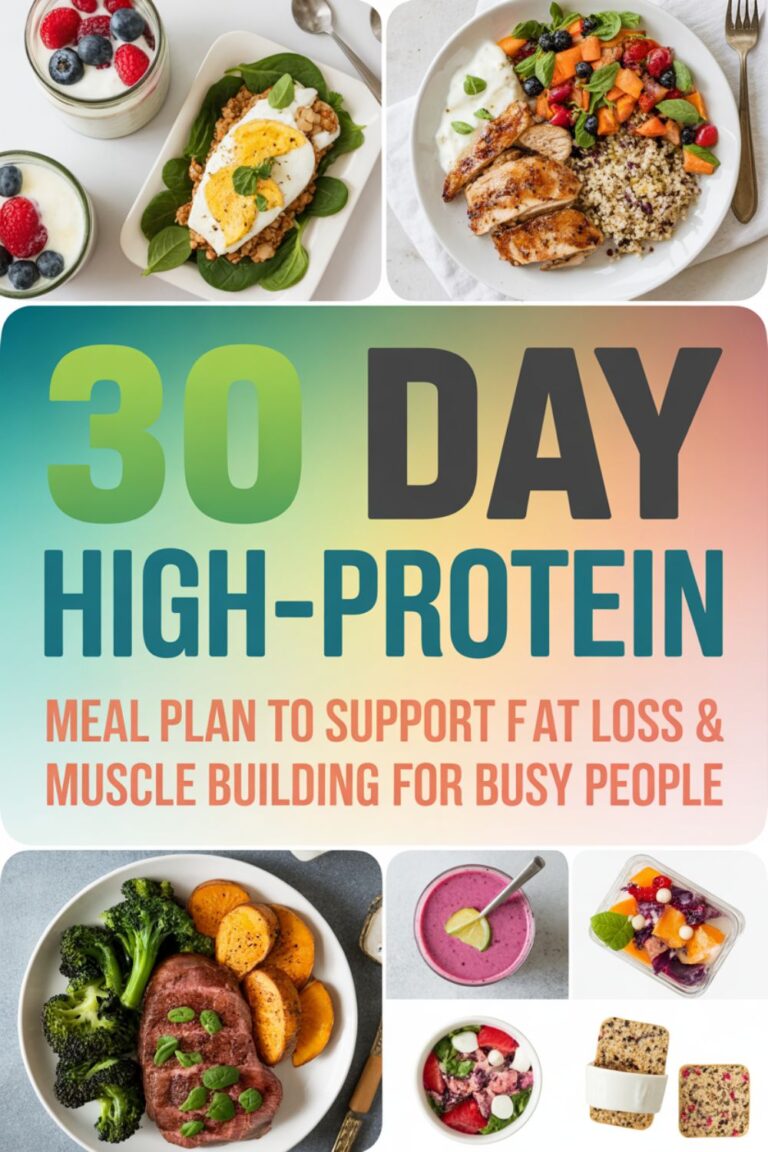
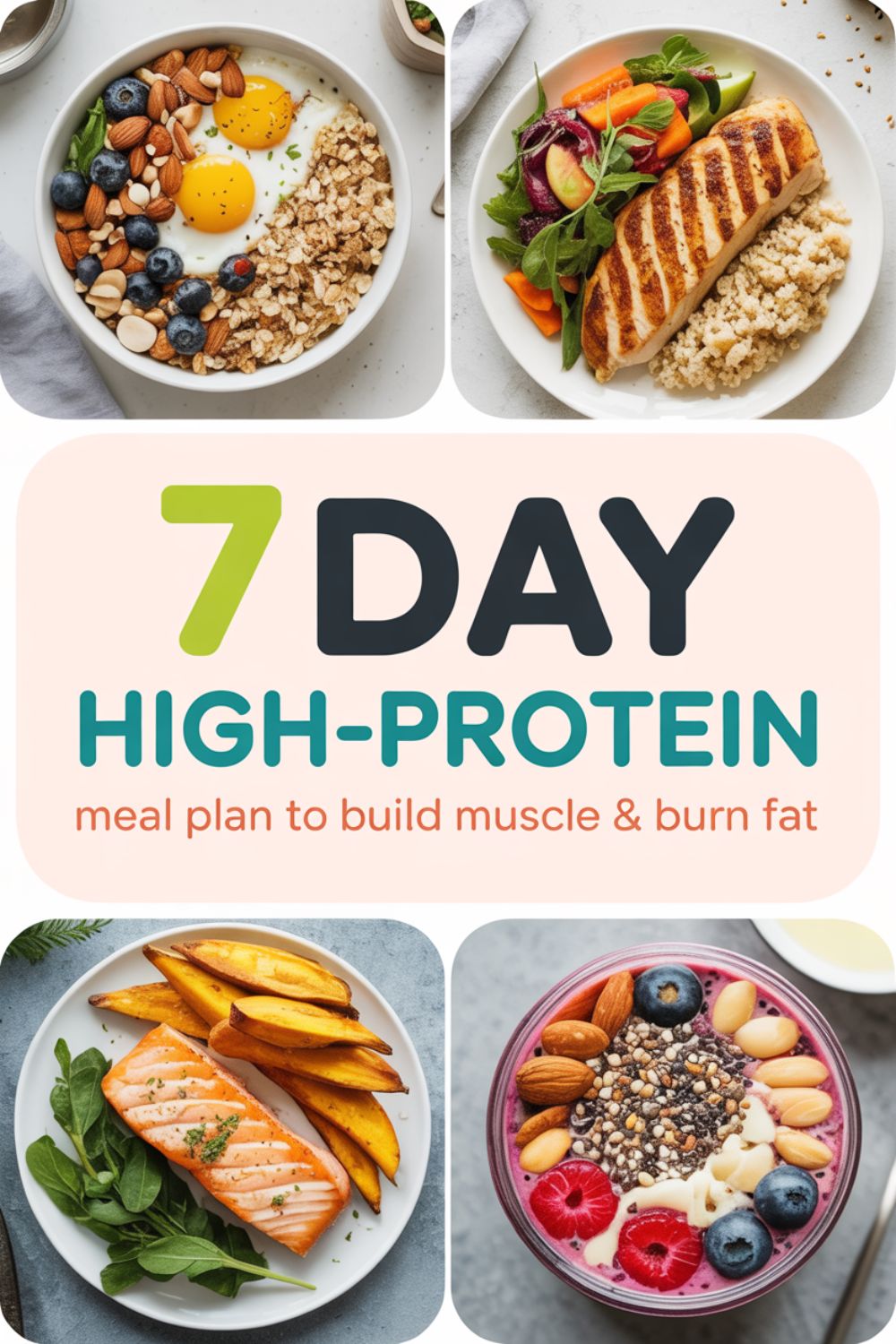
7-Day High-Protein Meal Plan to Build Muscle and Burn Fat
Let’s cut through the noise: building muscle while burning fat isn’t some mythical fitness unicorn. It’s actually pretty straightforward once you understand the protein game. I’ve spent years tweaking meal plans, and honestly? Most people overthink this stuff.
Here’s what nobody tells you upfront—you don’t need to eat like a bodybuilder from the ’80s to see results. You just need a solid strategy, some consistency, and yeah, a good chunk of protein. This isn’t about choking down bland chicken breast seven days a week. It’s about eating food you actually enjoy while hitting your macros.
The real secret? Research shows that consuming adequate protein helps maintain a positive protein balance in your body, meaning you’re building more muscle tissue than you’re breaking down. That’s the sweet spot we’re aiming for with this 7-day plan.
Why Protein Is Your Secret Weapon
Look, I’m not going to bore you with a biochemistry lecture, but understanding why protein matters makes sticking to the plan way easier. Think of protein as the construction crew for your muscles. Every time you lift weights or do resistance training, you’re creating microscopic tears in your muscle fibers. Your body needs amino acids from protein to repair and rebuild those fibers stronger.
But here’s where it gets interesting for fat loss: protein has a markedly higher thermic effect than carbohydrates and fats, meaning your body burns more calories just digesting protein. We’re talking about 20-30% of protein calories burned during digestion, compared to 5-10% for carbs and 0-3% for fats. That’s free calorie burn, folks.
Plus, protein keeps you fuller longer. Ever notice how a protein-packed breakfast keeps you satisfied until lunch, while a carb-heavy breakfast has you rummaging through the pantry by 10 AM? That’s not coincidence.
How Much Protein Do You Actually Need?
Here’s where things get personal. The cookie-cutter “eat more protein” advice is useless without numbers. For effective muscle building, aim for 1.6 to 2.2 grams of protein per kilogram of body weight daily. That translates to roughly 0.7 to 1 gram per pound.
Let me break this down with real numbers: if you weigh 150 pounds, you’re looking at 105-150 grams of protein per day. Sounds like a lot, right? It’s actually easier than you think once you get the hang of it.
Research suggests that consuming about 20-30 grams of protein per meal, distributed evenly throughout the day, optimally stimulates muscle protein synthesis. That means spreading your protein across 4-6 meals rather than loading up at dinner like most people do.
I learned this the hard way when I first started lifting. I thought eating chicken for dinner was enough. Spoiler alert: it wasn’t. Once I started hitting my protein targets consistently, everything changed. Recovery improved, strength went up, and the scale actually moved in the right direction.
The Fat Loss Factor
Now, about that fat-burning claim—it’s not magic, but the science backs it up. Meta-analyses show greater weight loss, fat mass loss, and preservation of lean mass after higher-protein energy-restriction diets compared to lower-protein diets.
Here’s what’s actually happening: when you increase protein intake while maintaining a slight caloric deficit, your body preferentially burns fat for energy while preserving muscle. Without adequate protein, your body doesn’t discriminate—it’ll burn both fat and muscle when you’re in a deficit. Nobody wants that.
High-protein diets increase satiety hormones like GLP-1 and CCK while decreasing hunger hormones like ghrelin. Translation? You feel satisfied on fewer calories, making it way easier to stick to your plan without feeling like you’re starving.
When I switched to this approach, I actually ate more food volume-wise but fewer calories overall. More protein means more food on your plate, which tricks your brain into thinking you’re not dieting at all.
Your 7-Day High-Protein Blueprint
Alright, let’s get into the actual plan. This isn’t some restrictive diet that’ll have you dreaming about pizza by day three. It’s a realistic framework you can actually follow. Each day hits around 2,000-2,200 calories with 150-180 grams of protein, but adjust based on your size and goals.
Day 1: Starting Strong
Breakfast: Greek yogurt bowl with mixed berries, granola, and a tablespoon of almond butter (35g protein). I make this in a glass meal prep bowl the night before—saves time and keeps the granola crunchy if you store it separately.
Lunch: Grilled chicken breast over quinoa and roasted vegetables—bell peppers, zucchini, and cherry tomatoes drizzled with olive oil (42g protein). Get Full Recipe.
Snack: Cottage cheese with sliced cucumber and everything bagel seasoning (18g protein). Trust me on this combo—it’s weirdly addictive.
Dinner: Baked salmon with sweet potato and steamed broccoli (45g protein). Season the salmon with lemon, garlic, and dill. Get Full Recipe.
Evening snack: Protein shake with banana and spinach (25g protein).
Day 2: Switching It Up
Breakfast: Scrambled eggs (3 whole + 2 whites) with turkey sausage and whole grain toast (38g protein). Use a nonstick ceramic pan for easy cleanup and no oil needed.
Lunch: Turkey and avocado wrap with mixed greens on a whole wheat tortilla (35g protein). Add some sriracha mayo if you’re feeling spicy.
Snack: Protein bar—look for ones with at least 20g protein and minimal added sugar (20g protein). I keep a stash in my desk drawer using this snack organizer.
Dinner: Lean ground beef stir-fry with mixed vegetables over brown rice (48g protein). Get Full Recipe.
Evening snack: Casein protein pudding (30g protein)—mix casein powder with Greek yogurt for a thick, dessert-like consistency.
Speaking of protein-packed meals, if you’re looking for more breakfast inspiration that won’t bore you to tears, you might want to check out some high-protein breakfast ideas or try a Mediterranean-style protein bowl. These alternatives keep your mornings interesting while still hitting your macros.
Day 3: Midweek Motivation
Breakfast: Protein pancakes topped with Greek yogurt and fresh strawberries (32g protein). Make the batter with oat flour, protein powder, and mashed banana. Get Full Recipe.
Lunch: Tuna salad over mixed greens with cherry tomatoes, cucumber, and balsamic vinaigrette (40g protein).
Snack: Beef jerky (15g protein) and an apple. Get grass-fed beef jerky if your budget allows—it tastes noticeably better.
Dinner: Grilled chicken thighs with roasted Brussels sprouts and wild rice (47g protein). Dark meat chicken is underrated, IMO—more flavorful and still lean.
Evening snack: Hard-boiled eggs with hot sauce (12g protein).
Day 4: Keeping Momentum
Breakfast: Overnight oats made with protein powder, chia seeds, and blueberries (30g protein). Prep this in a mason jar set for grab-and-go convenience.
Lunch: Shrimp and vegetable skewers with tzatziki sauce and pita (38g protein). Get Full Recipe.
Snack: Edamame with sea salt (17g protein)—seriously underrated as a protein source.
Dinner: Turkey meatballs in marinara sauce over zucchini noodles (44g protein). Use a spiralizer for perfect veggie noodles every time. Get Full Recipe.
Evening snack: Cottage cheese with cinnamon and a drizzle of honey (22g protein).
Meal Prep Essentials Used in This Plan
Look, meal prep doesn’t have to be complicated, but having the right tools makes everything easier. Here’s what I actually use every week:
- Glass Meal Prep Containers (Set of 10) – These changed my life. No weird plastic smell, microwave-safe, and they don’t stain. Worth every penny.
- Digital Food Scale – Stop eyeballing portions. You’re probably way off on protein amounts. This takes the guesswork out completely.
- Insulated Lunch Bag – Keeps your meals fresh if you’re commuting to work or the gym. Mine has lasted three years and still going strong.
Digital Resources:
- Complete High-Protein Recipe eBook – Over 100 recipes with full macros calculated. No more guessing.
- Macro Tracking Guide PDF – Step-by-step instructions for tracking without losing your mind.
- Weekly Meal Prep Templates – Printable shopping lists and prep schedules that actually make sense.
Day 5: Almost There
Breakfast: Breakfast burrito with scrambled eggs, black beans, salsa, and cheese in a whole wheat tortilla (36g protein).
Lunch: Grilled steak salad with mixed greens, cherry tomatoes, and blue cheese crumbles (45g protein). Get Full Recipe.
Snack: Protein smoothie with banana, peanut butter, and oats (28g protein). Blend with ice for a thicker consistency.
Dinner: Baked cod with quinoa and roasted asparagus (38g protein).
Evening snack: Greek yogurt with a scoop of chocolate protein powder mixed in (35g protein)—tastes like chocolate mousse.
Day 6: Weekend Warrior
Breakfast: Protein French toast with sugar-free syrup and turkey bacon (34g protein). Get Full Recipe.
Lunch: Chicken Caesar salad with parmesan cheese and whole grain croutons (42g protein). Make your own Caesar dressing using Greek yogurt as the base—way healthier and still delicious.
Snack: Protein balls made with oats, protein powder, and almond butter (18g protein).
Dinner: Lean pork chops with roasted butternut squash and green beans (46g protein). Season with rosemary and thyme.
Evening snack: String cheese and almonds (15g protein).
For more complete meal planning strategies, you might find 7-day Mediterranean meal plans or balanced macro meal prep guides helpful. They complement this high-protein approach perfectly and add variety to your weekly rotation.
Day 7: Strong Finish
Breakfast: Veggie omelet with mushrooms, spinach, and feta cheese plus whole grain toast (33g protein).
Lunch: Pulled chicken sandwich on whole grain bread with coleslaw (40g protein).
Snack: Hummus with carrot sticks and bell pepper slices (8g protein)—yes, lighter on protein, but the fiber helps.
Dinner: Grilled shrimp tacos with corn tortillas, cabbage slaw, and avocado (44g protein). Get Full Recipe.
Evening snack: Chocolate protein shake (25g protein).
The Carb and Fat Conversation
Before someone jumps in the comments asking about carbs and fats—yes, they matter too. You can’t just eat protein and call it a day. Carbs fuel your workouts, and according to research on bodybuilder nutrition, adequate carbohydrate intake helps preserve muscle glycogen during training.
Fats are crucial for hormone production, especially testosterone and growth hormone. Aim for about 0.5-1 gram per pound of body weight from sources like avocados, nuts, olive oil, and fatty fish. Don’t fear fat—your body needs it.
The key is getting your protein first, then filling in with quality carbs and fats. That’s the formula. Not rocket science, just priorities.
Tools & Resources That Make Cooking Easier
These aren’t sponsored recommendations—just stuff that’s genuinely made my meal prep less painful:
- Instant Pot Duo – Meal prep chicken in 15 minutes, hard-boil eggs in 5. Game changer for busy weeks.
- Sheet Pan Set – Roast all your vegetables at once. Throw everything on a pan, season, bake. Done.
- Meat Thermometer – Stop overcooking your protein. Perfect chicken and fish every single time.
Helpful Digital Products:
- High-Protein Snack Ideas Guide – 50+ quick snack options with macros. Perfect for those 3 PM cravings.
- Restaurant Eating Strategy eBook – How to hit your protein goals even when dining out. Because life happens.
- Supplement Buying Guide – Cut through the BS and learn which supplements actually matter.
Join the Community: Connect with others following high-protein meal plans, share recipes, and get accountability through our WhatsApp Meal Prep Community.
Meal Prep Strategy That Actually Works
Here’s my Sunday routine, and honestly, it’s the only reason I stay consistent. I spend about 2 hours prepping, and it saves me probably 10 hours during the week. The math is clear.
Pick one protein prep method: Either grill a bunch of chicken, bake salmon, or use your Instant Pot for shredded chicken. Don’t try to do everything fancy—simple works.
Roast vegetables in bulk: Throw broccoli, Brussels sprouts, bell peppers, and sweet potatoes on sheet pans. Toss with olive oil and seasonings. Bake at 425°F for 20-25 minutes. Done.
Cook your grains: Make a big batch of quinoa, brown rice, or your preferred grain. Store in containers. Microwave portions as needed.
Prep snacks: Hard-boil eggs, portion out nuts, wash and cut vegetables. Having snacks ready prevents drive-thru detours.
Protein Quality Matters
Not all protein sources are created equal. Research indicates that animal-based proteins contain all essential amino acids in optimal ratios and are particularly rich in leucine, a key amino acid that triggers muscle protein synthesis.
That doesn’t mean you can’t build muscle on plant-based protein. You absolutely can. You just need to be more intentional about combining sources to get all essential amino acids. Think rice and beans, or quinoa and nuts.
If you’re vegan or vegetarian, aim for the higher end of that protein range (2.2g per kg body weight) and consider supplementing with plant-based protein powders to bridge any gaps.
What About Supplements?
Let me be straight with you: supplements are called “supplements” for a reason. They supplement a solid diet—they don’t replace it. That said, a few are worth considering:
Protein powder: Convenient for hitting your daily target, especially post-workout. Whey is great if you tolerate dairy; otherwise, plant-based blends work fine. I keep a tub of vanilla whey protein on hand for smoothies.
Creatine monohydrate: One of the most researched supplements. It helps with strength and muscle gain. Five grams daily, any time of day.
Fish oil: If you’re not eating fatty fish twice a week, consider supplementing for the omega-3s. Good for inflammation and joint health.
Skip the fat burners, testosterone boosters, and other sketchy stuff. They’re expensive and rarely effective. Put that money toward quality food instead.
Common Mistakes to Avoid
I’ve made every mistake in the book, so learn from my failures. Here are the big ones:
Mistake #1: Not actually tracking protein. You’re probably eating way less than you think. Track for at least two weeks until you can eyeball portions accurately.
Mistake #2: Cutting calories too aggressively. Going too low sabotages muscle retention. A modest 300-500 calorie deficit is plenty. Research shows that higher-protein diets containing 1.2 to 1.6 grams per kilogram provide improvements in body weight management and cardiometabolic factors.
Mistake #3: Neglecting vegetables. Yeah, protein is priority one, but micronutrients matter for recovery and overall health. Load up on colorful vegetables.
Mistake #4: Inconsistent timing. Your body doesn’t care if you’re perfect on Sunday and terrible on Thursday. Consistency over perfection, always.
Mistake #5: Expecting overnight results. Building muscle takes time. Fat loss takes time. Give this plan at least 6-8 weeks before you make any judgments.
Adjusting for Your Goals
This plan is a template, not a prison sentence. If you’re trying to bulk up, add 300-500 calories primarily from carbs and some healthy fats. Keep protein constant.
If you’re cutting and want faster fat loss, drop calories slightly—but don’t touch the protein. Actually, you might want to increase protein during a cut to preserve muscle. Studies show that high-protein diets help preserve fat-free mass during caloric restriction.
For maintenance, this plan works great as-is. You’re getting enough protein for muscle preservation while eating at your maintenance calories.
Real Talk About Dining Out
You don’t have to become a hermit to hit your protein goals. Restaurants can work if you’re strategic. Order protein-forward dishes—grilled chicken, steak, salmon, shrimp. Ask for double vegetables instead of fries. Request sauces on the side.
Mexican restaurants? Fajitas are your friend. Italian? Grilled protein with marinara instead of cream sauces. Asian? Teriyaki or grilled options over fried.
Don’t stress about being perfect when eating out. One meal won’t ruin anything. Just make it a decent choice and get back on track with your next meal.
For more strategies on staying on track, check out these restaurant-friendly high-protein options or these travel meal prep ideas. They’ve saved me countless times when I’m away from my kitchen.
Hydration and Recovery
Nobody talks about this enough, but staying hydrated is crucial when eating high protein. Your kidneys need water to process all that protein. Aim for at least half your body weight in ounces of water daily. More if you’re training hard or it’s hot outside.
Recovery isn’t just about protein—it’s about sleep, too. Aim for 7-9 hours. Research published on muscle protein synthesis shows that sleep quality directly impacts muscle recovery and growth. Skimp on sleep, and you’re leaving gains on the table.
Also, don’t train the same muscle groups every day. Your muscles grow during rest, not during workouts. Give them time to recover.
Frequently Asked Questions
Can I build muscle and lose fat at the same time?
Yes, especially if you’re new to strength training or returning after a break. It’s called body recomposition, and high protein intake is crucial for making it happen. The key is eating enough protein while maintaining a slight caloric deficit and lifting consistently. Don’t expect both to happen rapidly—body recomp is slower than pure bulking or cutting, but the results are worth the patience.
Is eating this much protein safe for my kidneys?
For healthy adults, high protein intake is safe. Research published on high-protein diets confirms that elevated protein consumption doesn’t harm kidney function in people without pre-existing kidney disease. If you have kidney issues, talk to your doctor first. Otherwise, drink plenty of water and you’re good to go.
What if I’m vegetarian or vegan?
You can absolutely follow a high-protein plant-based plan. Focus on complete protein sources like quinoa, soy products, and hemp seeds. Combine incomplete proteins like rice and beans or hummus and whole wheat pita. You’ll likely need slightly more total protein since plant proteins are less efficiently absorbed. Supplement with plant-based protein powder to make hitting your targets easier.
Do I need to eat protein immediately after working out?
The “anabolic window” isn’t as narrow as once thought. Yes, eating protein post-workout helps, but getting adequate protein over the entire day matters more. Aim to eat a protein-rich meal within a few hours after training, but don’t stress if you can’t eat immediately. Total daily protein intake trumps exact timing.
How long until I see results?
Realistic expectations: you’ll feel stronger within 2-3 weeks, but visible muscle changes take 6-8 weeks minimum. Fat loss happens at a healthy rate of 1-2 pounds per week. If you’re not seeing changes after two months, reassess your calorie intake and training program. Progress isn’t linear—you’ll have good weeks and stall weeks. Keep showing up.
Final Thoughts
Here’s the truth: this meal plan works, but only if you actually follow it. You can have the perfect blueprint, but it means nothing without execution. Start with one week. Just one. See how you feel.
Don’t aim for perfection. Aim for consistency. Hit your protein target most days. Train hard a few times a week. Get decent sleep. Repeat.
The people who succeed with this aren’t the ones who never mess up. They’re the ones who mess up and get right back on track the next meal. That’s it. That’s the secret.
Your body is capable of incredible changes when you give it the right fuel and stimulus. This 7-day plan is your starting point. Adjust it to fit your life, your preferences, your schedule. Make it sustainable, because a plan you can stick to for three months beats a perfect plan you abandon after three weeks.
Now stop reading and go prep some protein. Your future self with bigger muscles and less body fat is waiting.