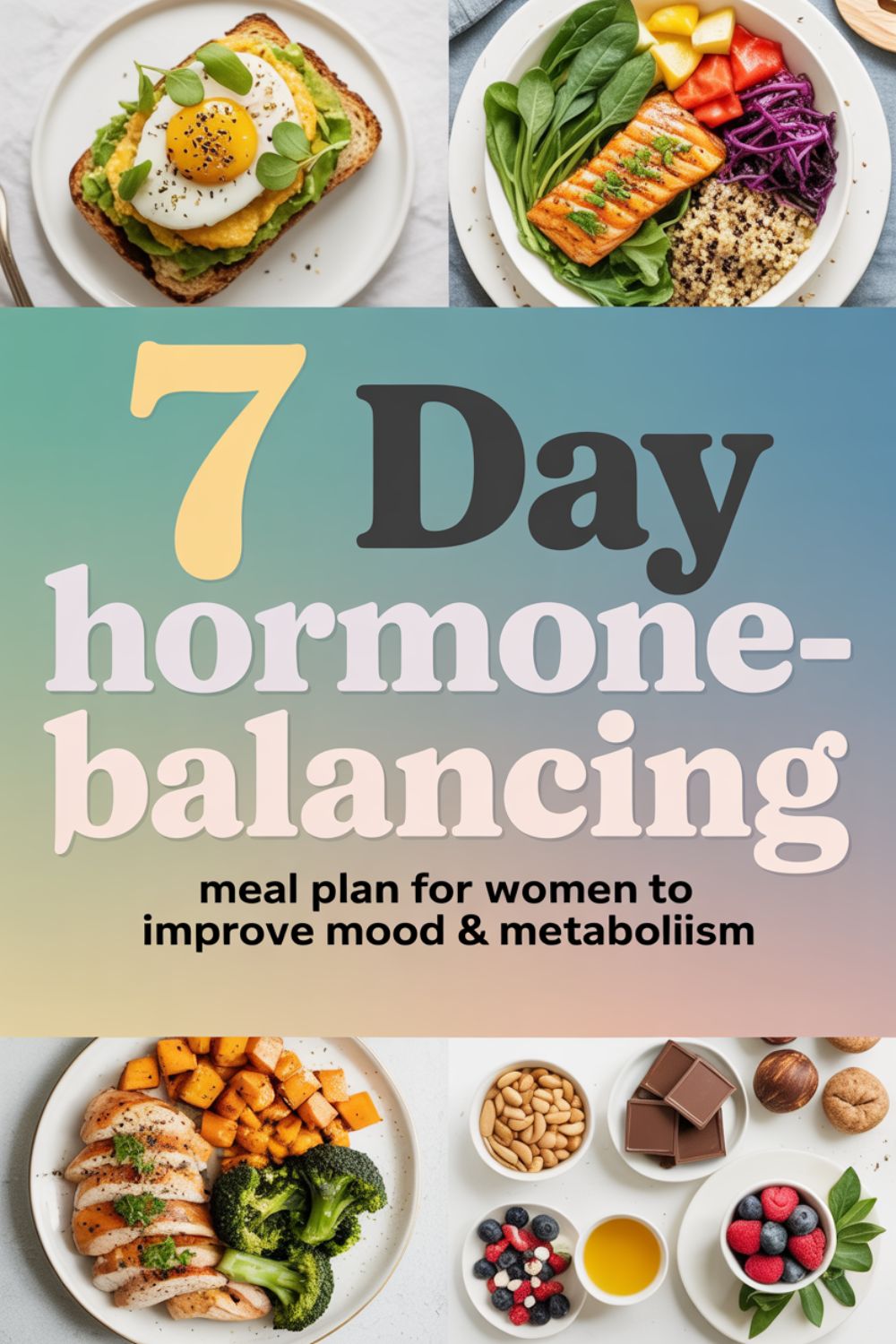
7-Day Hormone-Balancing Meal Plan for Women to Improve Mood and Metabolism
Look, I’m just going to say it: your hormones are probably running the show, and you might not even realize it. One day you’re smashing your workouts and feeling unstoppable, the next you’re face-down in a pint of ice cream wondering why your jeans suddenly hate you. Sound familiar?
Here’s the thing nobody tells you—your hormones aren’t some mysterious force you can’t control. What you eat directly impacts how you feel, how fast your metabolism runs, and whether you’re riding the mood swing from hell or cruising through your day like the boss you are. I’ve spent way too many years figuring this out the hard way, and I’m about to save you that trouble.
This isn’t some restrictive diet where you’re counting every calorie and feeling miserable. This is about eating real food that actually supports your body’s natural hormone production and helps you feel like yourself again. Ready to stop letting your hormones call the shots? Let’s do this.
Why Your Hormones Are Probably Wrecking Your Life (And How Food Fixes That)
Let’s get real for a second. Your body produces over 50 different hormones, and they’re basically the backstage crew running the entire show. When they’re balanced, you’ve got energy, your metabolism is humming along, your mood is stable, and you feel like you can actually tackle your to-do list without wanting to crawl back into bed.
When they’re out of whack? Everything falls apart. You’re tired but wired, hungry but nothing sounds good, motivated but completely exhausted. It’s like your body’s speaking a language you don’t understand anymore.
The wild part is that research shows nutrition plays a pivotal role in maintaining hormonal equilibrium, affecting everything from your reproductive health to your metabolism. We’re not talking about some woo-woo wellness trend here—this is actual science backing up what you’ve probably been feeling all along.
Estrogen, progesterone, cortisol, insulin, thyroid hormones—they’re all interconnected, and they all respond to what you put on your plate. Skip meals? Your cortisol spikes. Load up on processed carbs? Your insulin goes haywire. Eat too little fat? Your body can’t make the hormones it needs. It’s all connected.
Pro Tip: Your hormones are like a symphony—when one instrument is out of tune, the whole performance suffers. Food is literally the conductor that keeps everything in harmony.
The Hormone-Food Connection You Need to Know About
Here’s what blew my mind when I first learned about this: the food you eat doesn’t just give you energy. It literally provides the building blocks your body uses to make hormones. Healthy fats form the foundation of hormone production, proteins provide the amino acids needed for synthesis, and the right carbs help regulate insulin and cortisol.
Think about it like building a house. You can’t build with subpar materials and expect it to stand strong. Your hormones are the same way. Feed your body processed junk, and it’s trying to construct hormones from garbage. Feed it nutrient-dense whole foods, and suddenly everything starts working better.
According to nutritional research on hormone balance, consuming adequate protein at every meal enhances insulin sensitivity and helps regulate appetite hormones. That’s not just theory—you can feel the difference between a breakfast of sugary cereal versus eggs with avocado.
The Big Players in Hormone Health
Let’s break down the hormones we’re targeting with this meal plan and why they matter:
- Insulin: This one controls your blood sugar and directly impacts fat storage. When it’s balanced, you have steady energy and can actually burn fat. When it’s not, you’re on the blood sugar rollercoaster nobody asked to ride.
- Cortisol: Your stress hormone. A little is good, too much and you’re storing belly fat, craving carbs, and can’t sleep. Food can actually help lower chronic cortisol levels.
- Estrogen and Progesterone: These need to be in perfect balance. Too much estrogen relative to progesterone and you’ve got PMS from hell, bloating, and mood swings. The right foods help your body metabolize estrogen properly.
- Thyroid Hormones: Control your metabolism. When these are off, you’re tired, cold, and gaining weight no matter what you do. Specific nutrients are essential for thyroid function.
- Leptin and Ghrelin: Your hunger hormones. These tell you when to eat and when to stop. Get these balanced and suddenly you’re not ravenous all the time.
If you’re dealing with constant cravings and energy crashes, you might want to check out these high-protein breakfast recipes that keep your blood sugar stable all morning.
“I thought I was just getting older and had to accept feeling tired and moody. Three weeks into eating this way and I have more energy than I did in my twenties. My PMS is basically gone and I’ve lost 8 pounds without even trying.” – Jessica, 34, from our community
What Makes This Meal Plan Different (And Actually Work)
I’m not going to lie to you and say this is some magic solution where you eat specific foods and suddenly all your problems disappear. But what I will say is this: when you consistently eat in a way that supports hormone balance, your body stops fighting you and starts working with you.
This meal plan focuses on three key principles that studies show have significant effects on hormonal regulation:
Protein at every meal keeps your blood sugar stable and provides the amino acids your body needs for hormone production. I’m talking real protein—not protein powder shakes as your main source. Think eggs, fish, chicken, Greek yogurt, legumes.
Healthy fats are non-negotiable. Your body literally cannot make hormones without adequate fat. Avocados, olive oil, nuts, seeds, fatty fish—these aren’t optional if you want balanced hormones. I use this cold-pressed olive oil for pretty much everything because the quality actually matters when you’re trying to optimize hormone health.
Fiber is your secret weapon for hormone balance. It helps eliminate excess estrogen, feeds your gut bacteria (which regulate hormones more than you’d think), and keeps your blood sugar stable. Aim for 25-30 grams daily through vegetables, fruits, whole grains, and legumes.
The Foods This Plan Emphasizes
We’re loading up on foods that research consistently shows support hormone health. No boring diet food here—just real, satisfying meals that happen to be exactly what your hormones need:
- Cruciferous vegetables: Broccoli, cauliflower, Brussels sprouts, and kale contain compounds that help your liver metabolize estrogen properly. This isn’t woo-woo stuff—this is biochemistry.
- Fatty fish: Salmon, sardines, and mackerel are loaded with omega-3s that reduce inflammation and support hormone production. Two to three servings per week make a noticeable difference.
- Fermented foods: Your gut bacteria play a massive role in hormone regulation. Yogurt, kefir, sauerkraut, and kimchi keep your microbiome happy, which keeps your hormones balanced.
- Seeds: Flaxseeds and pumpkin seeds contain lignans that help balance estrogen. I keep this seed grinder on my counter and add them to everything.
- Complex carbs: Sweet potatoes, quinoa, and oats provide the energy your thyroid needs to function. Going too low-carb can actually wreck your thyroid and tank your metabolism.
The comparison between different protein sources matters too. While both wild-caught salmon and grass-fed beef offer benefits, fatty fish consistently shows superior results for hormone balance due to its omega-3 content. Plant-based options like lentils and chickpeas work great too, especially when you’re focusing on fiber intake.
Quick Win: Prep your proteins on Sunday and store them in these glass containers. You’ll thank yourself all week when dinner takes 10 minutes instead of an hour.
Your 7-Day Hormone-Balancing Meal Plan
Alright, let’s get into the actual plan. Each day is designed to provide the right balance of protein, healthy fats, and fiber while keeping your blood sugar stable and supporting optimal hormone production. I’ve made this as realistic as possible—no crazy ingredients you can’t find, no recipes that take three hours.
Day 1: Setting the Foundation
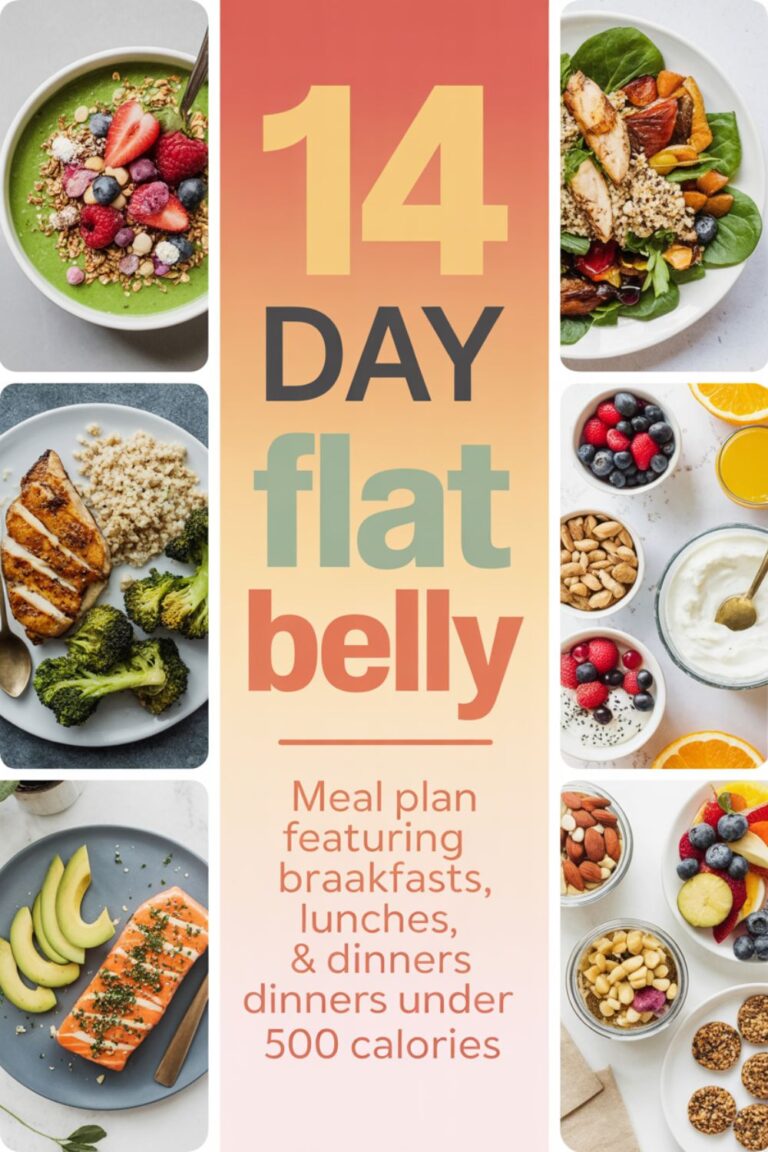
Breakfast: Greek yogurt bowl with ground flaxseeds, blueberries, walnuts, and a drizzle of honey. This combo gives you protein, omega-3s, fiber, and probiotics all in one bowl. Get Full Recipe
Lunch: Big leafy green salad with grilled chicken, avocado, pumpkin seeds, and olive oil lemon dressing. Load up on those cruciferous greens—they’re doing serious work for your hormones.
Dinner: Baked salmon with roasted broccoli and sweet potato. This is my go-to meal when I need to reset. The omega-3s from the salmon plus the fiber from the veggies and complex carbs from the sweet potato hit all the right notes. Get Full Recipe
Snack: Apple slices with almond butter. The combo of fiber and healthy fat keeps your blood sugar steady between meals.
Day 2: Keeping Momentum
Breakfast: Veggie omelet with spinach, mushrooms, and a side of berries. Eggs are hormone-balancing powerhouses—they contain choline, which supports liver detoxification and helps metabolize excess estrogen.
Lunch: Quinoa bowl with chickpeas, roasted vegetables, tahini dressing. The combination of plant protein and whole grains provides sustained energy without the crash.
Dinner: Turkey meatballs with zucchini noodles and marinara sauce. I use this spiralizer for the zucchini—takes 30 seconds and you’ve got a veggie-packed base for your meal.
Snack: A handful of mixed nuts and a square of dark chocolate. Yes, chocolate made the list. The magnesium helps with stress hormone regulation.
Speaking of sustaining energy, these Mediterranean-style lunch bowls are another great option that keeps you satisfied without the afternoon slump. I rotate between these and the quinoa bowl depending on what I’ve got prepped.
Day 3: Building the Habit
Breakfast: Overnight oats with chia seeds, cinnamon, and sliced banana. Prep this the night before and you’ve got breakfast handled. The fiber from the oats and chia helps regulate insulin throughout the morning.
Lunch: Lentil soup with a side salad. Lentils are underrated for hormone health—they’re packed with protein, fiber, and minerals that support thyroid function.
Dinner: Grass-fed beef stir-fry with lots of colorful vegetables over cauliflower rice. The vitamin B12 and iron from beef support energy production and metabolism. If you’re going the cauliflower rice route, this food processor makes it ridiculously easy.
Snack: Celery sticks with hummus. Simple, crunchy, satisfying.
Meal Prep Essentials Used in This Plan
Look, you can do this with whatever you’ve got in your kitchen. But if you’re serious about making meal prep less painful, these are the things I actually use every single week:
Physical Products:
- Glass meal prep containers (set of 10) – No weird plastic taste, microwave-safe, and they don’t stain like plastic does.
- High-speed blender – For smoothies, sauces, and turning frozen fruit into instant “nice cream” when the cravings hit.
- Instant Pot or pressure cooker – Cooks dried beans in 30 minutes, makes perfect hard-boiled eggs, and handles weekly batch cooking like a champ.
Digital Resources:
- Complete Hormone Reset Meal Plan Guide (downloadable PDF with shopping lists)
- Weekly Meal Planning Template (makes Sunday prep so much easier)
- Hormone-Balancing Smoothie Recipe Pack (30 different combinations you won’t get bored with)
Community Support:
Join our WhatsApp group for women balancing hormones through food – Real talk, recipe swaps, and support when you need it.
Day 4: Midweek Check-In
Breakfast: Smoothie bowl with spinach, frozen berries, protein powder, topped with granola and coconut flakes. The greens give you nutrients without that “I’m drinking lawn clippings” taste.
Lunch: Tuna salad lettuce wraps with cucumber and tomato. Keep canned wild-caught tuna in your pantry for days when you forgot to prep. The omega-3s are still legit even from a can.
Dinner: Baked cod with asparagus and wild rice. White fish is lighter than salmon but still packs protein and supports hormone production. Get Full Recipe
Snack: Cottage cheese with sliced strawberries. High in protein and probiotics—exactly what your gut microbiome needs.
By the way, if you’re looking for more fish-based meals that don’t taste fishy, check out these Mediterranean seafood recipes that even fish skeptics love.
“I was so skeptical about eating more fat, but within a week of following this plan, my energy stabilized and I wasn’t craving sugar constantly anymore. Lost 6 pounds in the first month and my doctor said my bloodwork improved too.” – Maria, 41
Day 5: Pushing Through
Breakfast: Avocado toast on whole-grain bread with two poached eggs. This isn’t just Instagram food—it’s actually a hormone-balancing powerhouse with healthy fats, protein, and fiber.
Lunch: Chicken and vegetable soup with a side of whole-grain crackers. Homemade bone broth adds collagen and minerals that support gut health and hormone production.
Dinner: Shrimp tacos with cabbage slaw and avocado on corn tortillas. Shrimp cooks in literally 3 minutes and provides selenium, which is crucial for thyroid health.
Snack: A small handful of pumpkin seeds. These little guys are loaded with zinc, which helps regulate progesterone.
Day 6: Weekend Vibes
Breakfast: Veggie frittata made with whatever vegetables you’ve got left from the week. I bake mine in this cast iron skillet and it feeds me for two days.
Lunch: Buddha bowl with brown rice, roasted chickpeas, kale, beets, and tahini dressing. The variety of colors means variety of nutrients—your hormones love that.
Dinner: Slow-cooker chicken with vegetables. Throw everything in before you leave for the day and come home to dinner that’s ready. Get Full Recipe
Snack: Greek yogurt with a sprinkle of cinnamon. Cinnamon helps regulate blood sugar—it’s not just for flavor.
Day 7: Meal Prep Sunday
Breakfast: Whole-grain pancakes topped with almond butter and banana. You can meal prep these too—just freeze them between parchment paper and toast when you want them.
Lunch: Leftover slow-cooker chicken turned into a wrap with lots of veggies. This is why we cook extra on Day 6.
Dinner: Stuffed bell peppers with ground turkey, quinoa, and black beans. These freeze beautifully, so make a double batch. Get Full Recipe
Snack: Trail mix with nuts, seeds, and unsweetened dried fruit.
For more ideas on what to prep on Sundays, these make-ahead breakfast options and freezer-friendly dinner recipes will keep you stocked for weeks.
Pro Tip: Sunday evening, set aside 2 hours for meal prep. Chop all your vegetables, cook your grains, and prep your proteins. Your weekday self will be eternally grateful. Trust me on this one.
What to Avoid (The Foods Messing With Your Hormones)
Okay, real talk time. Some foods actively work against hormone balance. I’m not saying never eat them—I’m saying be aware of how they affect you and make conscious choices instead of accidentally sabotaging yourself.
Processed sugar is probably the biggest hormone disruptor out there. It spikes insulin, increases cortisol, and can mess with estrogen metabolism. That doesn’t mean you can never have dessert, but maybe save it for special occasions instead of every night.
Refined carbs do the same thing as sugar—white bread, pasta, pastries. They cause blood sugar crashes that trigger stress hormone release. Swap them for whole grain versions and you’ll feel the difference.
Excessive caffeine can spike cortisol and interfere with sleep, which then messes with all your other hormones. I love coffee as much as the next person, but keep it to 1-2 cups before noon if you want balanced hormones.
Alcohol affects estrogen metabolism and can interfere with your liver’s ability to detox hormones properly. Again, not saying never have a drink, but if you’re serious about balancing your hormones, less is more.
Industrial seed oils (soybean, corn, canola oil in processed foods) are highly inflammatory and can disrupt hormone signaling. Stick to olive oil, avocado oil, and coconut oil instead.
Beyond the Plate: Lifestyle Factors That Matter
Here’s where I’m going to sound like your mom, but I promise it’s backed by science. Food is huge, but it’s not everything. Your hormones respond to your entire lifestyle, and if you’re eating perfectly but sleeping 4 hours a night and stressed out of your mind, you’re still going to struggle.
Sleep is non-negotiable. Your body literally produces and regulates hormones while you sleep. Aim for 7-9 hours. If you’re having trouble, consider a magnesium supplement before bed—it helps with both sleep and stress hormone regulation.
Stress management isn’t optional. Chronic stress keeps cortisol elevated, which then messes with thyroid function, insulin sensitivity, and sex hormone production. Find something that works for you—meditation, yoga, walks, whatever. Just do it consistently.
Movement matters, but not in the way you think. You don’t need to crush yourself at the gym. Moderate, consistent exercise helps regulate insulin and cortisol. Overdoing it can actually make hormone imbalances worse. Walk daily, lift weights 2-3 times per week, and call it good.
According to research on lifestyle factors and hormone health, the combination of proper nutrition, adequate sleep, and stress management provides significantly better results than dietary changes alone.
Tools & Resources That Make Cooking Easier
These are the things that actually save time and make healthy eating sustainable instead of exhausting:
Physical Products:
- Quality chef’s knife – Seriously, a good knife makes chopping vegetables 10 times faster and less frustrating.
- Vegetable steamer basket – Fits in any pot, makes perfect steamed veggies in 5 minutes.
- Salad spinner – Sounds bougie, but washing and storing greens for the week takes 5 minutes with this thing.
Digital Resources:
- Hormone-Balancing Grocery Shopping Guide (printable checklist for the store)
- 30-Day Hormone Reset Challenge (structured plan with daily tips and recipes)
- Food and Mood Tracking Journal (helps you identify your personal trigger foods)
Join the Community:
Connect in our Facebook group for hormone health – Share your wins, ask questions, and get support from women on the same journey.
Making It Sustainable (Because One Week Isn’t Enough)
Let’s be honest—anyone can eat healthy for a week. The real challenge is making it sustainable long-term. Here’s what actually works based on both research and my own trial and error:
Don’t aim for perfection. Seriously, this will make you crazy and you’ll quit. Aim for consistency. If you eat hormone-supporting meals 80% of the time, your body can handle the other 20% just fine.
Plan ahead but stay flexible. Have a basic meal plan so you’re not scrambling every day, but don’t be so rigid that one unexpected dinner out derails everything. Life happens.
Listen to your body. After a few weeks of eating this way, you’ll start noticing patterns. Maybe you do better with more carbs, or maybe you need extra protein. Your body will tell you if you pay attention.
Prep when you have time, so you have options when you don’t. I keep cooked quinoa, washed greens, and cooked chicken in my fridge at all times. When I’m too tired to cook, I can throw together a meal in 5 minutes.
FYI, batch cooking isn’t as time-consuming as it sounds. I throw together these sheet pan dinners while doing other Sunday prep, and suddenly I’ve got lunches for half the week.
“The first week was an adjustment, but by week three, I noticed my PMS was way less intense. By week six, I had steady energy all day and didn’t need my afternoon coffee anymore. Three months in and I’ve lost 15 pounds without feeling deprived once.” – Sarah, 38
Troubleshooting Common Issues
Things don’t always go smoothly, and that’s normal. Here’s what to do when you hit the common bumps:
Not Seeing Results After Week One
Chill. Seriously. Your hormones didn’t get out of balance overnight, and they won’t rebalance that fast either. Most women notice real changes around week 3-4. Energy usually improves first, then mood, then physical changes like weight and skin.
Feeling Hungrier Than Normal
You’re probably not eating enough protein or fat. Both are crucial for satiety. Add an extra ounce of protein to your meals or increase your healthy fat portions slightly. Also make sure you’re drinking enough water—sometimes thirst masquerades as hunger.
Digestive Issues When Increasing Fiber
Increase fiber gradually if your current diet is low in it. Your gut bacteria need time to adjust. Start with smaller portions of high-fiber foods and work your way up over a couple of weeks. And seriously, drink more water.
Food Tastes Bland
You’re not using enough herbs, spices, and healthy flavor boosters. Stock up on garlic, ginger, fresh herbs, lemon, and quality salt. These add zero calories but massive flavor. Also, your taste buds adjust—after a few weeks, you’ll start tasting the natural flavors of food more intensely.
If you’re struggling with making vegetables taste good, these roasted vegetable recipes changed my entire perspective on eating greens. Game changer.
Frequently Asked Questions
Can I follow this meal plan if I’m vegetarian or vegan?
Absolutely. Just swap animal proteins for plant-based options like lentils, chickpeas, tempeh, and tofu. Make sure you’re getting enough B12 through fortified foods or supplements, and pay extra attention to iron and omega-3 intake through sources like flaxseeds, chia seeds, and walnuts. The principles stay the same—protein, healthy fats, and fiber at every meal.
How long before I notice changes in my mood and energy?
Most women report feeling more energy and stable moods within 2-3 weeks. Blood sugar stabilization happens pretty quickly, usually within the first week, which helps with energy crashes and mood swings. More significant hormonal changes like cycle regulation and metabolism improvements typically take 6-12 weeks as your body adjusts and rebalances.
Do I need to track calories or macros on this plan?
Not necessarily. The focus here is on eating hormone-supporting whole foods and listening to your hunger cues. That said, if you’re not seeing results after a month or you have specific weight goals, tracking for a week can help ensure you’re eating enough protein and not overdoing carbs or fat. Most women find they naturally eat appropriate portions when focusing on whole foods and eating until satisfied.
Can I have coffee on this plan?
Yes, but be strategic about it. One to two cups in the morning is fine for most people. Avoid coffee on an empty stomach as it can spike cortisol, and cut yourself off by early afternoon so it doesn’t interfere with sleep. If you’re dealing with severe hormone imbalances or adrenal issues, you might want to reduce or eliminate caffeine temporarily while you reset.
What if I have PCOS or thyroid issues?
This meal plan can absolutely help with both conditions since it focuses on blood sugar balance, anti-inflammatory foods, and nutrients that support thyroid function. However, if you have diagnosed conditions, work with your healthcare provider or a registered dietitian to tailor the plan to your specific needs. You might need to adjust carb intake, add specific supplements, or make other modifications based on your individual situation.
The Bottom Line on Hormone-Balancing Through Food
Look, I wish I could tell you there’s a magic pill or one specific food that fixes everything. But the truth is, hormone balance comes from consistent, informed choices over time. Your body is incredibly resilient and wants to be balanced—you just have to give it the tools it needs to get there.
This 7-day meal plan is your starting point. It gives you the framework and shows you what hormone-supporting eating actually looks like in real life. From there, you can adjust based on your preferences, lifestyle, and how your body responds.
The women I know who’ve had the most success with this approach aren’t the ones who followed it perfectly. They’re the ones who stuck with it consistently, paid attention to how they felt, and made adjustments along the way. They stopped fighting their bodies and started working with them.
Your hormones have probably been running the show for too long. It’s time to take back control, not through restriction or deprivation, but through nourishment and intention. You’ve got this.
Now if you’ll excuse me, I’ve got some salmon to meal prep and a Sunday routine to maintain. Because even though I know all this stuff, I’m still human and still need systems to make it happen. That’s the real secret—it’s not about being perfect, it’s about being prepared.