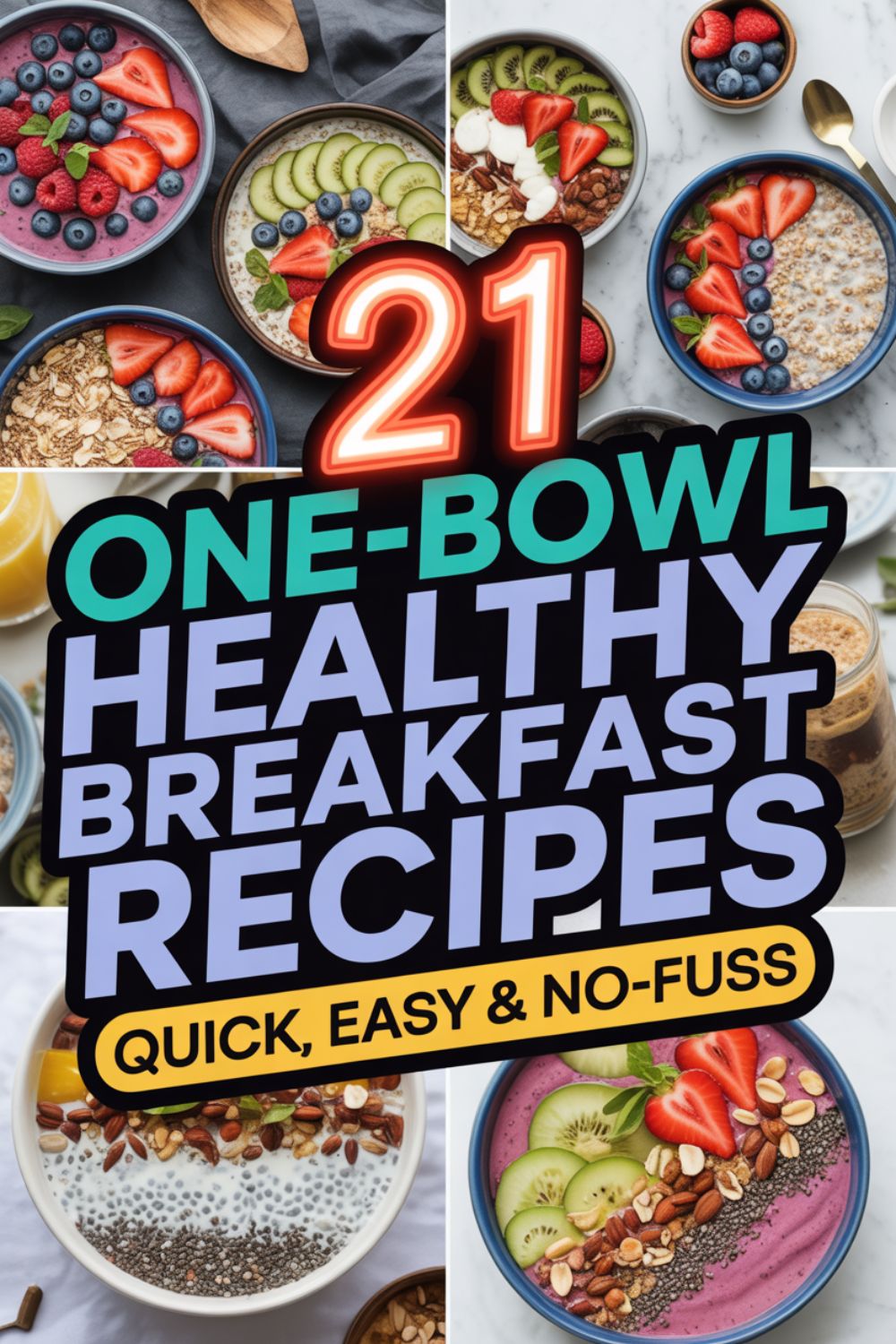
21 One-Bowl Healthy Breakfast Recipes
Here’s the thing about breakfast that nobody really talks about: it doesn’t have to be complicated to be good for you. Actually, some of the healthiest breakfasts I’ve made have been the simplest ones. One bowl, a handful of ingredients, and you’re set. No fancy techniques required, no juggling multiple pans, and definitely no Instagram-worthy plating pressure.
I’ve spent the last few years testing breakfast recipes in my own kitchen—some hits, plenty of misses—and what I’ve learned is that the best breakfasts check three boxes: they’re quick, they actually fill you up, and you don’t need to wash seventeen dishes afterward. These 21 recipes hit all three, and I’m pretty confident at least a few will become your new go-to options.
Why One-Bowl Breakfasts Actually Make Sense
Before we jump into recipes, let’s talk about why this whole one-bowl thing isn’t just a gimmick. Research from Johns Hopkins Medicine shows that a balanced breakfast with protein, complex carbs, and healthy fats sets you up for better focus and energy throughout the day. But here’s what they don’t mention: you’re way more likely to actually eat that balanced breakfast if it doesn’t require culinary school credentials to make.
I used to skip breakfast entirely because I convinced myself I didn’t have time. Then I realized it wasn’t about time—it was about effort. When you can throw everything into one bowl, mix it up, and walk out the door, suddenly breakfast becomes doable. Plus, studies from Rush University indicate that people who eat breakfast tend to maintain healthier body weights and have better metabolic function.
The Protein-Packed Powerhouses
If you’re someone who’s hungry again by 10 AM, you probably need more protein at breakfast. These recipes pack at least 20 grams of protein per serving, which is solid enough to keep you satisfied until lunch. Trust me, I learned this the hard way after too many mornings powered solely by carbs and regret.
1. Greek Yogurt Power Bowl
This is my absolute desert island breakfast. Plain Greek yogurt (I use the full-fat stuff because life’s too short for sad yogurt) topped with mixed berries, a handful of granola, a spoonful of almond butter, and a sprinkle of hemp seeds. The protein comes from the yogurt and almond butter combo, and the fiber from the berries keeps things moving, if you know what I mean.
The beauty here is customization. Hate almond butter? Use peanut butter or cashew butter instead. Not a berry person? Throw in some diced mango or sliced banana. The base formula works no matter what toppings you prefer. Get Full Recipe
Speaking of protein-packed mornings, if you’re looking to make breakfast part of a bigger nutrition strategy, you might want to check out this 7-day high-protein meal plan that includes breakfast, lunch, and dinner ideas designed to support muscle building and fat loss.
2. Savory Cottage Cheese Bowl
Okay, I know cottage cheese gets a bad rap, but hear me out. Good cottage cheese—the kind with some actual fat content—mixed with cherry tomatoes, cucumber, everything bagel seasoning, and a drizzle of olive oil is genuinely delicious. It’s like a deconstructed breakfast sandwich without the bread hangover.
I usually add some cracked black pepper and maybe a few kalamata olives if I’m feeling fancy. The whole thing takes maybe three minutes to throw together, and it’s got about 25 grams of protein. For days when you need something savory and you’re tired of eggs, this hits different. Get Full Recipe
3. Quinoa Breakfast Bowl with Soft-Boiled Egg
This one requires a tiny bit of advance prep—you need cooked quinoa—but if you batch cook quinoa on Sunday, you’re golden all week. Warm quinoa, top it with a soft-boiled egg (the jammy yolk is key here), some sautéed spinach, avocado slices, and hot sauce. It’s basically a Buddha bowl but for breakfast.
The combination of complete protein from quinoa and eggs makes this particularly good if you’re plant-forward but still eat eggs. Plus, quinoa is naturally gluten-free if that matters to you. I like using this ceramic bowl set for serving because they’re microwave-safe and the perfect size for hearty portions. Get Full Recipe
The Quick Carb Classics (But Make Them Better)
Look, sometimes you just want oatmeal or cereal. I’m not going to pretend otherwise. But there’s a way to do carb-heavy breakfasts that doesn’t leave you face-down on your desk by 11 AM. The secret is adding enough protein and fat to balance things out.
4. Overnight Oats with Chia Seeds
This is probably the most famous one-bowl breakfast in existence, and there’s a reason for that—it works. The night before, you mix rolled oats, milk (dairy or non-dairy, your call), chia seeds, a touch of maple syrup, and vanilla extract. Stick it in the fridge. Wake up to breakfast that’s already made.
The chia seeds are the secret weapon here. They bulk up the oats, add omega-3s, and provide extra fiber. I usually do a 1:1 ratio of oats to milk, plus two tablespoons of chia seeds per serving. Top with whatever fruit is in season and maybe some nut butter. This is probably the most meal-prep-friendly option on the list. Get Full Recipe
5. Apple Cinnamon Steel-Cut Oats
If you’ve got an Instant Pot or pressure cooker, steel-cut oats become weekday-feasible. They’re chewier and more satisfying than regular oats, and they don’t turn into mush the way rolled oats sometimes do. Cook them with diced apple, cinnamon, a pinch of salt, and a splash of vanilla.
The apple cooks down and basically becomes a natural sweetener, so you don’t need to add much else. I like topping mine with a handful of walnuts for healthy fats and a tablespoon of ground flaxseed for extra fiber. The whole thing is stupidly comforting and tastes way more indulgent than it actually is. Get Full Recipe
If controlling blood sugar is a priority for you, you might find value in this 7-day blood sugar balancing meal plan that focuses on steady energy throughout the day.
6. Peanut Butter Banana Oatmeal
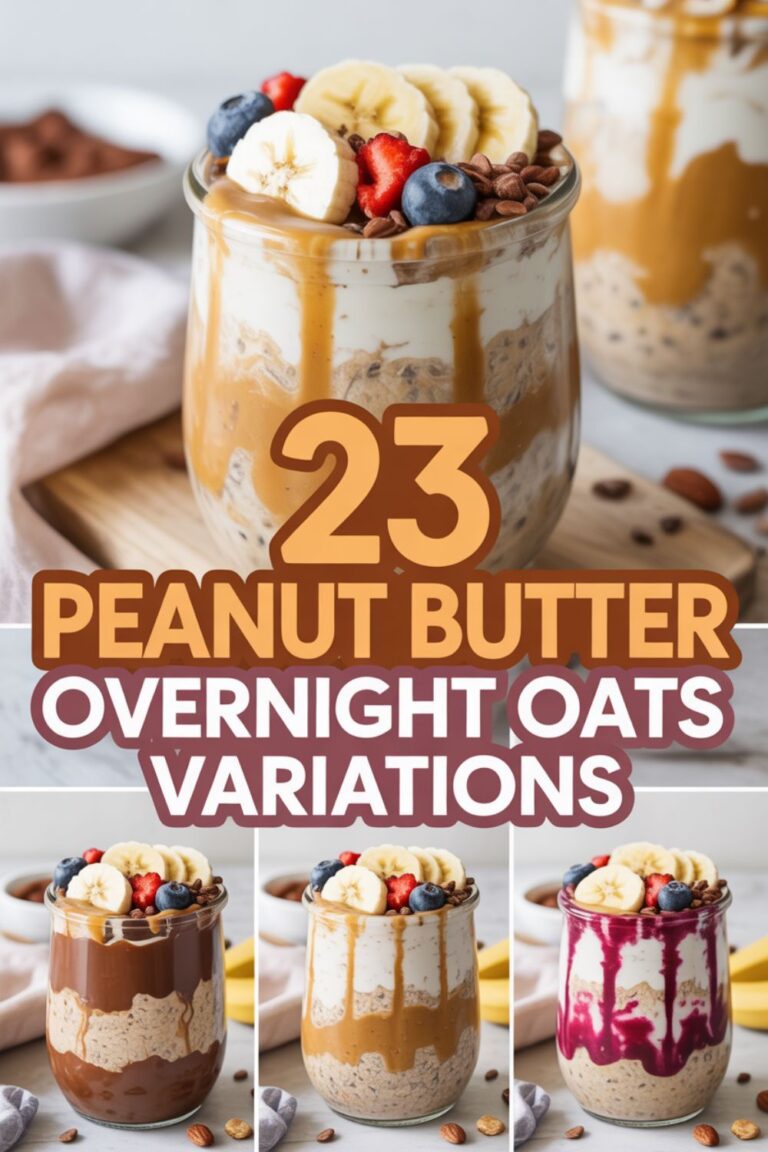
This is my kid’s favorite, which means it passes the picky-eater test with flying colors. Standard oatmeal cooked with mashed banana, then topped with a big spoonful of peanut butter and maybe some dark chocolate chips if we’re living on the edge.
The banana adds natural sweetness and potassium, the peanut butter brings protein and healthy fats, and the oats provide complex carbs that digest slowly. It’s basically the breakfast equivalent of a hug. Just make sure you’re using natural peanut butter without a ton of added sugar—the ingredient list should basically just say peanuts and maybe salt. Get Full Recipe
Meal Prep Essentials Used in These Recipes
Alright, let’s talk tools and ingredients that make these breakfasts actually happen on busy mornings:
- Glass meal prep containers with lids – Perfect for overnight oats and quinoa bowls. Microwave-safe, dishwasher-safe, and they don’t stain.
- Mini immersion blender – Game-changer for smoothie bowls. Way easier to clean than a full-size blender.
- Digital kitchen scale – If you’re serious about portion control or following specific macro targets, this thing pays for itself.
- Complete Breakfast Meal Prep Guide (Digital) – Step-by-step system for prepping 5 breakfast options every Sunday. Includes shopping lists and storage tips.
- One-Bowl Recipe Collection eBook – 50+ tested recipes beyond these 21, organized by dietary preference and prep time.
- Macro-Tracking Breakfast Template – Spreadsheet that calculates protein, carbs, and fat for any ingredient combination. Makes it easy to hit your nutrition goals.
The Smoothie Bowl Situation
Smoothie bowls get a lot of hype on social media, and honestly, some of that hype is deserved. They’re essentially thick smoothies you eat with a spoon, which somehow makes them feel more substantial than drinkable smoothies. The trick is making them thick enough that they don’t immediately turn into soup.
7. Acai Berry Smoothie Bowl
Frozen acai packets, frozen banana, a handful of mixed berries, a splash of almond milk, and blend until thick. The less liquid you add, the better. Top with granola, fresh fruit, coconut flakes, and chia seeds. It’s cold, refreshing, and packed with antioxidants.
Fair warning: acai bowls can be sugar bombs if you’re not careful. I keep the added sweeteners minimal since the fruit already brings plenty of natural sugar. If you’re watching carbs, you might want to reduce the banana portion and add some protein powder or Greek yogurt to the blend. Get Full Recipe
8. Green Smoothie Bowl (That Doesn’t Taste Like Grass)
The secret to palatable green smoothies is balancing the greens with enough sweet fruit. Frozen mango, frozen pineapple, a big handful of spinach, half an avocado for creaminess, and coconut water. The mango and pineapple completely mask the spinach flavor—promise.
Top with sliced kiwi, hemp seeds, and maybe some bee pollen if you’re into that. The avocado makes it ridiculously creamy and adds healthy fats that help you absorb the fat-soluble vitamins from the spinach. I use this high-speed blender that actually pulverizes the greens instead of leaving weird chunks. Get Full Recipe
9. Chocolate Protein Smoothie Bowl
Sometimes you want dessert for breakfast, and that’s okay. Frozen banana, cocoa powder, protein powder (chocolate or vanilla both work), almond butter, and a tiny bit of milk. Blend until it’s the consistency of soft-serve ice cream.
Top with sliced banana, cacao nibs, almond slices, and a drizzle of almond butter. It tastes indulgent but has about 30 grams of protein and actual nutritional value. This is my go-to on days when I lift weights in the morning and need something substantial. Get Full Recipe
For more ideas on fueling workouts and building muscle, check out this 14-day high-protein meal plan specifically designed to support weight loss and muscle gain.
The Savory Breakfast Bowls (For When Sweet Isn’t Cutting It)
Not everyone wants fruit and yogurt first thing in the morning. Some days call for something savory and substantial. These bowls feel more like lunch but work perfectly as breakfast.
10. Mediterranean Chickpea Bowl
Canned chickpeas (rinse them well), cherry tomatoes, cucumber, red onion, kalamata olives, feta cheese, and a simple lemon-tahini dressing. You can eat this cold straight from the fridge or warm the chickpeas slightly if you prefer.
The chickpeas provide plant-based protein and fiber, which makes this surprisingly filling. Plus it’s got that salty, tangy Mediterranean flavor profile that just works. I like keeping a batch of this in the fridge for days when I need breakfast but the thought of anything sweet makes me want to crawl back into bed. Get Full Recipe
11. Sweet Potato and Black Bean Breakfast Bowl
Roasted sweet potato cubes (meal prep these on Sunday), black beans, avocado, salsa, and a fried egg if you want extra protein. The combination of sweet potato and black beans is a nutritional powerhouse—lots of fiber, resistant starch, and complex carbs.
I season the sweet potatoes with cumin, paprika, and garlic powder before roasting, which gives everything a smoky, slightly spicy flavor. Top with hot sauce or Greek yogurt (instead of sour cream) for extra tang. This bowl is particularly good if you’re trying to eat more plant-based meals but still want something hearty. Get Full Recipe
This kind of fiber-rich, plant-forward eating aligns well with gut health principles. If that interests you, take a look at this 7-day gut health reset plan featuring high-fiber and probiotic-rich meals.
12. Egg and Veggie Scramble Bowl
Scrambled eggs with whatever vegetables you have on hand—bell peppers, mushrooms, spinach, tomatoes—all cooked in one nonstick skillet and served over a base of arugula or mixed greens. The residual heat from the eggs wilts the greens slightly.
This is the most customizable option on the list because you can literally throw in any vegetables that need to be used up. Add some shredded cheese if you want, maybe some herbs, definitely some hot sauce. The protein from the eggs plus the volume from the veggies makes this incredibly satisfying without being heavy. Get Full Recipe
The Grain-Based Bowls (Beyond Just Oatmeal)
Oatmeal gets all the attention, but other grains make excellent breakfast bases too. These options are perfect if you’re bored with oats or looking for more variety.
13. Creamy Coconut Rice Pudding Bowl
Leftover rice (white or brown, doesn’t matter) simmered with coconut milk, a touch of honey, vanilla extract, and cinnamon. Top with diced mango, toasted coconut flakes, and cashews. It’s basically rice pudding but positioned as a healthy breakfast.
The coconut milk makes it creamy and rich, and rice is gentler on the stomach than some other breakfast options if you have digestive sensitivities. Plus it’s a great way to use up leftover rice instead of letting it languish in the fridge. Get Full Recipe
14. Millet Porridge with Dates and Almonds
Millet is criminally underused. It cooks up fluffy and slightly nutty, almost like a cross between rice and quinoa. Cook it with almond milk, chopped dates for natural sweetness, and a pinch of cardamom. Top with sliced almonds and a drizzle of tahini.
Millet is naturally gluten-free and rich in magnesium, which a lot of people are deficient in. The dates provide fiber and iron, and the whole thing feels exotic and special even though it’s dead simple to make. I meal prep a batch and reheat portions throughout the week. Get Full Recipe
15. Savory Polenta Bowl with Poached Egg
Polenta (aka corn grits) cooked until creamy, seasoned with salt, pepper, and a bit of parmesan cheese. Top with a poached egg, sautéed mushrooms, and fresh herbs like parsley or chives. The runny egg yolk creates a sauce that mixes into the polenta.
This feels restaurant-fancy but is surprisingly straightforward. Polenta cooks in about 15 minutes if you use the quick-cooking variety, and you can poach an egg while that’s happening. The mushrooms add umami depth and extra nutrients. It’s comfort food that happens to be nutritious. Get Full Recipe
The Lighter Options (For When You Want Something Fresh)
Sometimes you don’t want something heavy or filling—you just want something fresh and energizing. These bowls are perfect for warm mornings or days when you have an early workout planned.
16. Watermelon and Feta Breakfast Bowl
This sounds weird if you’ve never tried it, but trust me. Cubed watermelon, crumbled feta cheese, fresh mint, a squeeze of lime, and a drizzle of olive oil. The sweet-salty-fresh combination is ridiculously refreshing.
It’s light, hydrating, and oddly satisfying. Not something you’d eat every day, but perfect for hot summer mornings when the thought of hot oatmeal makes you want to cry. The feta adds a bit of protein, and watermelon is mostly water and natural sugars, so it won’t weigh you down. Get Full Recipe
17. Tropical Fruit Bowl with Lime and Chili
Mixed tropical fruits—mango, pineapple, papaya—with a squeeze of fresh lime juice and a sprinkle of chili powder. Sounds strange, tastes amazing. The chili powder adds a subtle heat that makes the fruit taste even sweeter.
This is common in Mexican cuisine (it’s called “fruta preparada”), and once you try it, regular fruit bowls feel boring. Add some coconut flakes and chopped mint if you’re feeling fancy. The whole thing is under 200 calories but feels substantial because of all the fiber from the fruit. Get Full Recipe
18. Chia Pudding with Berries
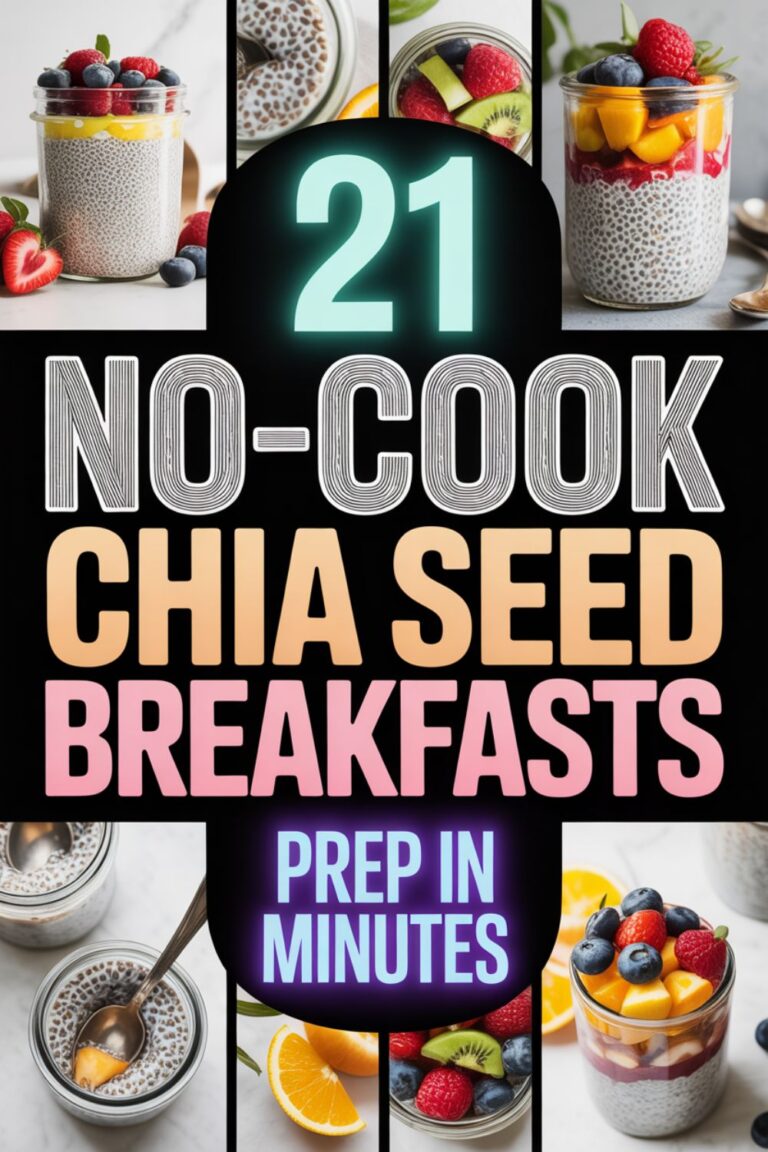
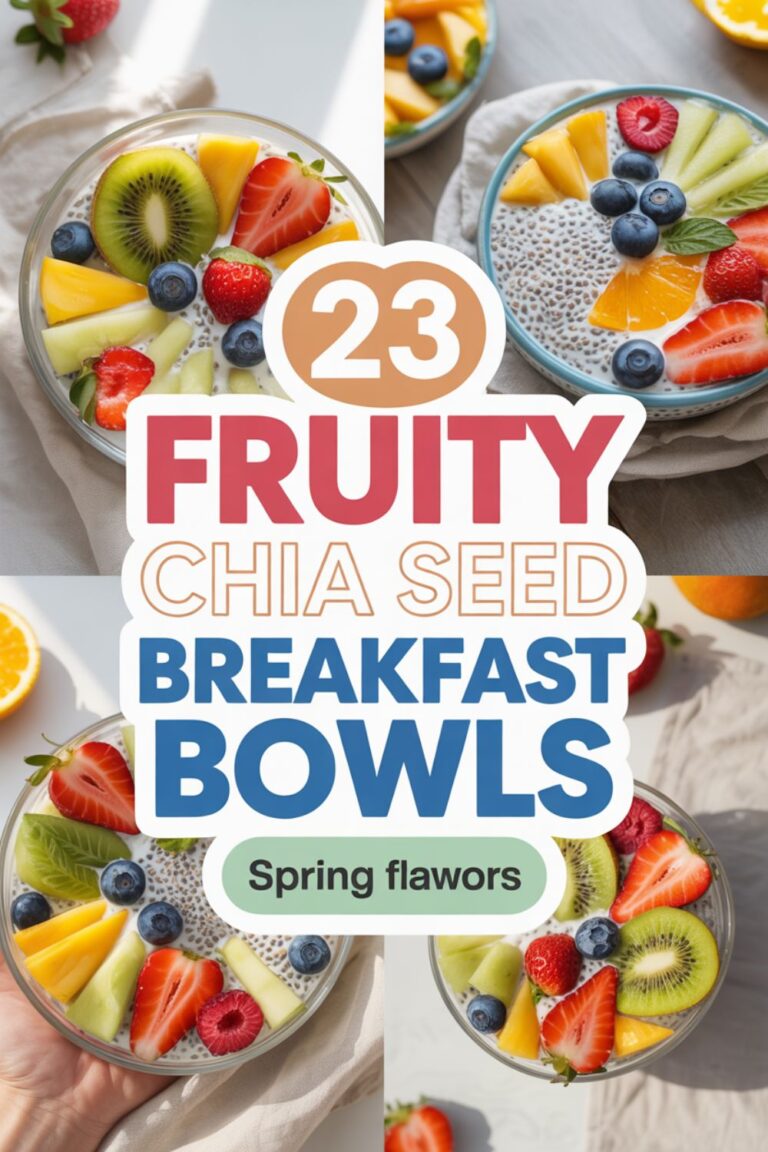
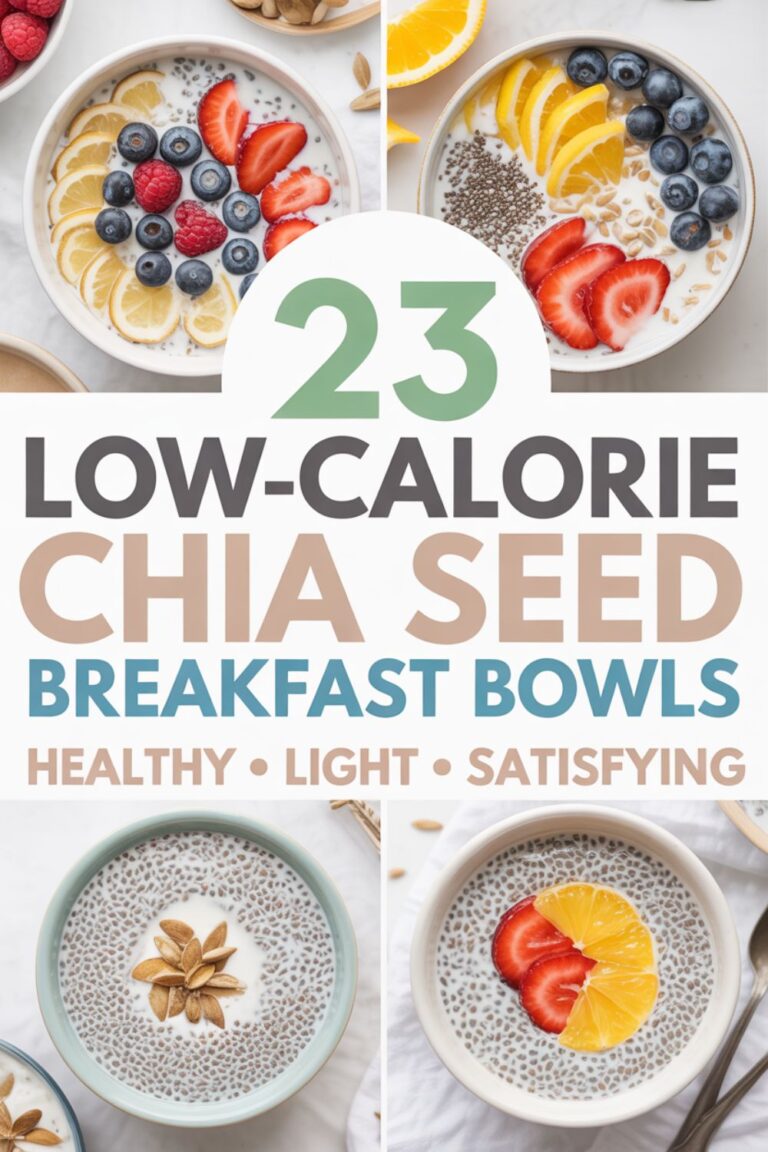
Chia seeds soaked overnight in almond milk with a touch of vanilla and maple syrup. They expand and create this pudding-like texture that’s kind of like tapioca. Top with fresh berries and a sprinkle of granola for crunch.
Chia pudding is incredibly high in fiber and omega-3s, which makes it great for digestive health. The texture is divisive—some people love it, others find it weird—but I’m firmly in the love-it camp. I make a big batch using mason jars and grab one each morning. Get Full Recipe
Speaking of digestive health, if you’re dealing with bloating or want to support your gut, this 14-day gut reset plan is packed with fiber, prebiotics, and easy recipes.
Tools & Resources That Make Cooking Easier
These aren’t just kitchen gadgets collecting dust—these are the things I actually use every single week:
- Microplane grater – For zesting citrus, grating ginger, shaving chocolate. Tiny tool, massive impact.
- Stackable measuring cups – Sounds basic but having a good set makes everything faster. These nest together and don’t take up drawer space.
- Insulated food jar – Keeps hot breakfast bowls hot until you get to work. Changed my meal prep game.
- Weekly Meal Planner Template (Digital) – Drag-and-drop meal planning with automatic grocery list generation. Works with Google Sheets.
- Breakfast Batch Cooking Blueprint – Video course showing exactly how to prep 7 breakfasts in under an hour. Includes storage and reheating tips.
- Private WhatsApp Community – Join our group of 200+ people sharing breakfast ideas, asking questions, and supporting each other’s health goals. Link in bio.
The Special Diet Accommodations
Not everyone can eat everything, and that’s fine. These bowls are designed with specific dietary needs in mind.
19. Vegan Tofu Scramble Bowl
Crumbled firm tofu sautéed with turmeric (for color), nutritional yeast (for cheesy flavor), and whatever vegetables you like. Serve over spinach with avocado slices and salsa. It’s the vegan answer to scrambled eggs.
The turmeric turns the tofu yellow so it looks like eggs, and nutritional yeast adds a surprisingly eggy, cheesy flavor. Plus nutritional yeast is fortified with B12, which vegans often need to supplement. Press the tofu well before crumbling—excess water makes it soggy instead of crispy. Get Full Recipe
20. Paleo Sweet Potato Hash Bowl
Diced sweet potatoes sautéed with bell peppers, onions, and whatever meat you want—bacon, sausage, ground turkey. Top with a fried egg and avocado. No grains, no dairy, just whole foods.
The sweet potatoes provide complex carbs that are paleo-approved, and the egg and meat combo gives you plenty of protein. Season generously with smoked paprika, garlic powder, and black pepper. I use this cast iron skillet that goes from stovetop to oven if needed. Get Full Recipe
21. Keto Cauliflower Rice Breakfast Bowl
Cauliflower rice sautéed with butter, then topped with bacon bits, shredded cheese, sour cream, and chives. Basically a loaded baked potato but for breakfast and without the actual potato.
This is high-fat, low-carb, and surprisingly filling. Cauliflower rice can be watery if you don’t cook it properly—the key is sautéing over high heat to evaporate excess moisture. Add a fried egg on top for extra protein and richness. It’s indulgent in the best way. Get Full Recipe
If you’re interested in hormone balance and how diet affects metabolism and mood, you might want to explore this 7-day hormone balancing meal plan for women to improve mood and metabolism.
Making These Work in Real Life
Here’s the reality: these recipes only matter if you actually make them. And you’ll only make them if they fit into your life without adding stress. So let’s talk logistics.
First, meal prep is your friend. I’m not talking about spending all Sunday cooking—just doing a few strategic prep tasks makes weekday breakfasts infinitely easier. Cook a batch of quinoa or rice. Chop some vegetables. Make overnight oats for three days. Wash and portion fruit. Small actions, big impact.
Second, keep your pantry stocked with breakfast staples. Oats, chia seeds, canned beans, nut butter, frozen fruit, eggs—when these things are always available, breakfast becomes automatic instead of a decision you have to make every morning.
Third, it’s okay to repeat the same breakfast several days in a row. I know variety is supposed to be the spice of life or whatever, but consistency is the spice of actually following through. If you love the Greek yogurt bowl, eat it Monday through Friday. Nobody’s judging you.
The Nutrition Angle (Without Being Preachy)
Look, I’m not a nutritionist, and I’m not going to pretend to be one. But I’ve done enough reading and personal experimentation to know what generally works. Breakfast should have three things: protein, fiber, and healthy fats.
Protein keeps you full and supports muscle maintenance. Fiber slows digestion and feeds your gut bacteria. Healthy fats help you absorb fat-soluble vitamins and provide sustained energy. When your breakfast has all three, you’re not starving by 10 AM and raiding the vending machine.
The recipes in this list all hit those three macros to varying degrees. Some are heavier on protein, others are fiber-forward, but they all provide balance. That’s what matters—not hitting some arbitrary calorie number or following the latest diet trend.
One more thing: the quality of your ingredients matters more than you think. Good eggs taste different from mediocre eggs. Fresh fruit beats sad, mealy fruit every time. Real maple syrup isn’t the same as pancake syrup. You don’t need to go full organic-everything, but investing in a few quality ingredients elevates these simple bowls significantly.
For more complete meal strategies that consider nutrition balance throughout the entire day, check out this 21-day anti-inflammatory meal plan designed to reduce inflammation and boost energy.
Frequently Asked Questions
Can I make these bowls ahead of time for the whole week?
It depends on the recipe. Overnight oats, chia pudding, and grain-based bowls keep well for 3-5 days in the fridge. Smoothie bowls and anything with fresh avocado are best made fresh. The savory bowls with eggs should have eggs added fresh each morning, but you can prep all the other components ahead.
Are one-bowl breakfasts actually filling enough to last until lunch?
If you include adequate protein (at least 15-20 grams) and healthy fats, absolutely. The key is avoiding carb-only breakfasts that spike your blood sugar and leave you hungry an hour later. Most of these recipes are designed to keep you satisfied for 4-5 hours.
What’s the best bowl for someone trying to lose weight?
Focus on the protein-heavy options like Greek yogurt bowls, cottage cheese bowls, or egg scrambles. These provide satiety without excessive calories. The savory chickpea bowl and veggie-heavy options are also great because they’re high in fiber and volume, which helps you feel full on fewer calories.
Can I substitute ingredients if I have allergies or dietary restrictions?
Definitely. Swap almond butter for sunflower seed butter if you have nut allergies. Use coconut yogurt instead of Greek yogurt for dairy-free options. Replace eggs with tofu scrambles or chickpea flour omelets. Most of these recipes are flexible frameworks rather than strict formulas.
How do I prevent overnight oats from getting too thick or too watery?
The standard ratio is 1:1 oats to liquid, but you can adjust based on preference. If they’re too thick in the morning, stir in a splash more milk. If too watery, add a bit more oats or let them sit longer. The type of oats matters too—rolled oats absorb less liquid than quick oats.
Final Thoughts (Because Apparently We Need These)
Here’s what I’ve learned after years of testing breakfast strategies: the best breakfast is the one you’ll actually eat. Doesn’t matter if some food blogger on Instagram says you need to eat celery juice and activated charcoal at 6 AM—if you hate it, you won’t do it.
These 21 bowls give you options. Some will resonate with you, others won’t, and that’s completely fine. The goal isn’t to make all 21 or to achieve breakfast perfection. The goal is to find two or three that work for your taste preferences, schedule, and nutrition needs, then rotate through those.
Breakfast doesn’t have to be complicated or time-consuming or Instagram-worthy. It just needs to fuel your body and fit into your life. If a simple bowl of Greek yogurt with berries does that for you, you’re winning. If you need something savory and substantial like the quinoa egg bowl, that’s winning too.
Stop overthinking it. Pick a recipe, try it tomorrow morning, and adjust as needed. That’s literally all there is to it. Your kitchen will be cleaner, your mornings will be easier, and you’ll actually start your day with something nutritious instead of whatever you can grab on the way out the door.
Now go make yourself a one-bowl breakfast. Future you will thank you.
For those looking for even more comprehensive nutrition guidance, explore this 30-day anti-inflammatory meal plan for women with easy, family-friendly recipes, or check out the 30-day gut reset meal plan with breakfast, lunch, dinner, and snack options.
Start Your Healthy Morning Routine in Just 21 Days
Stop skipping breakfast or eating random meals. Follow a simple plan with ready-to-prep recipes, grocery lists, and weekly planners designed for busy mornings.
- ✔ 21-Day Done-For-You Breakfast Plan
- ✔ Overnight Oats, Smoothies & Chia Recipes
- ✔ High Protein & Low Calorie Options
- ✔ Grocery Lists + Meal Prep System
- ✔ Printable Planners & Bonus Guides
Instant download • No physical product • Start today