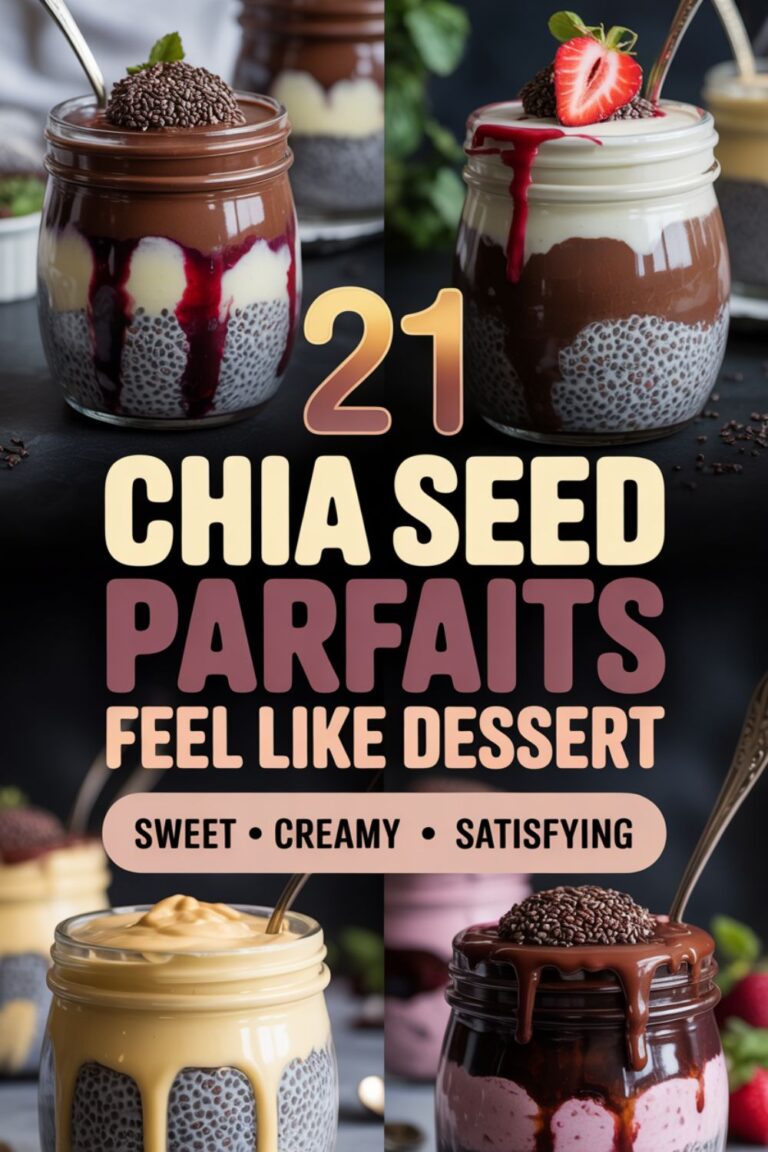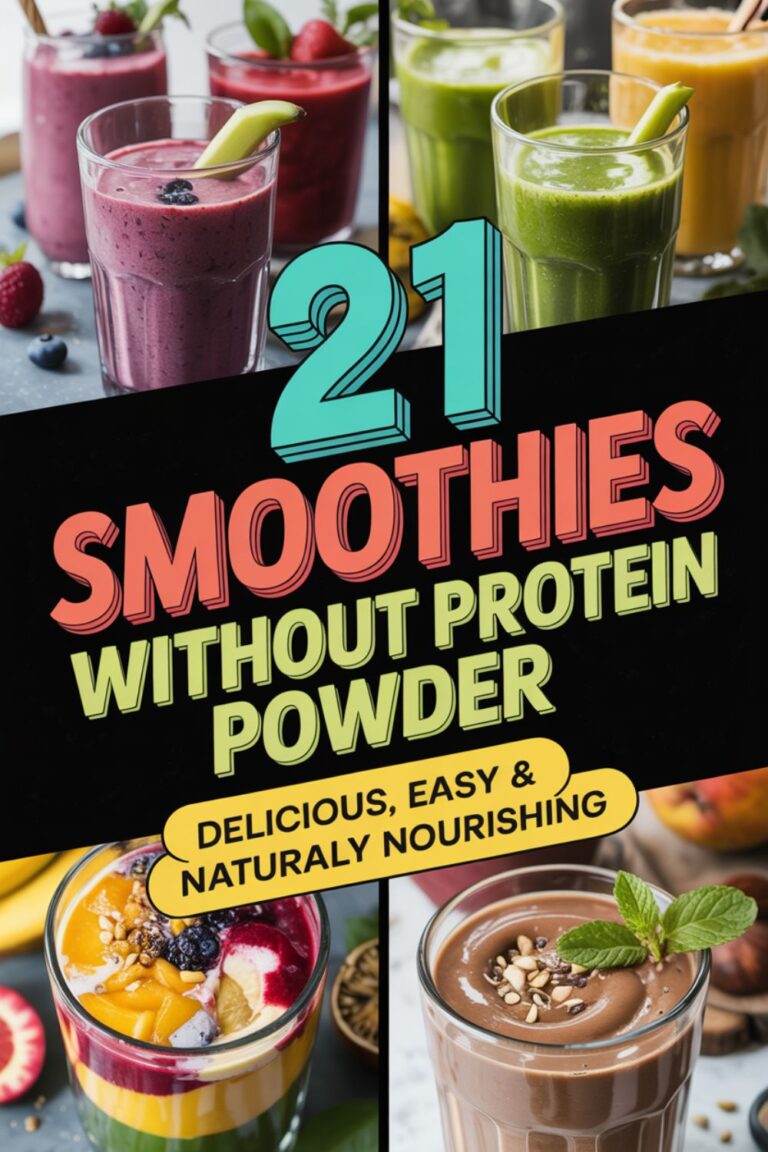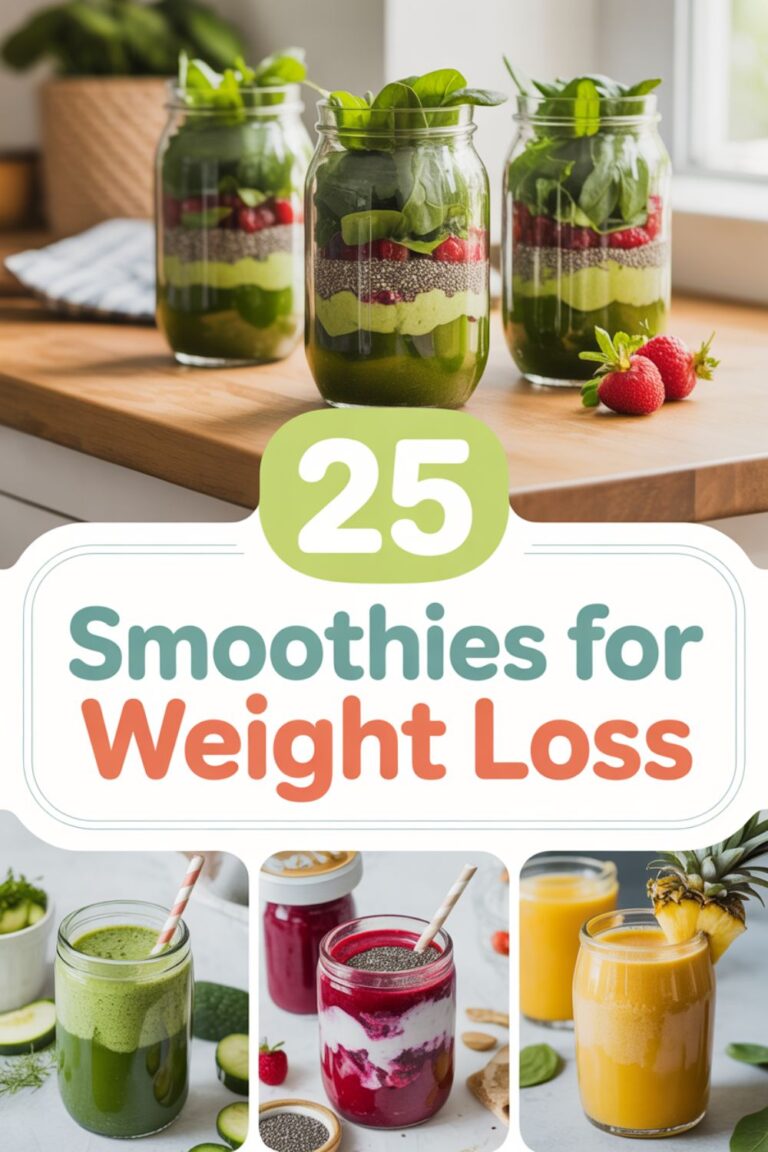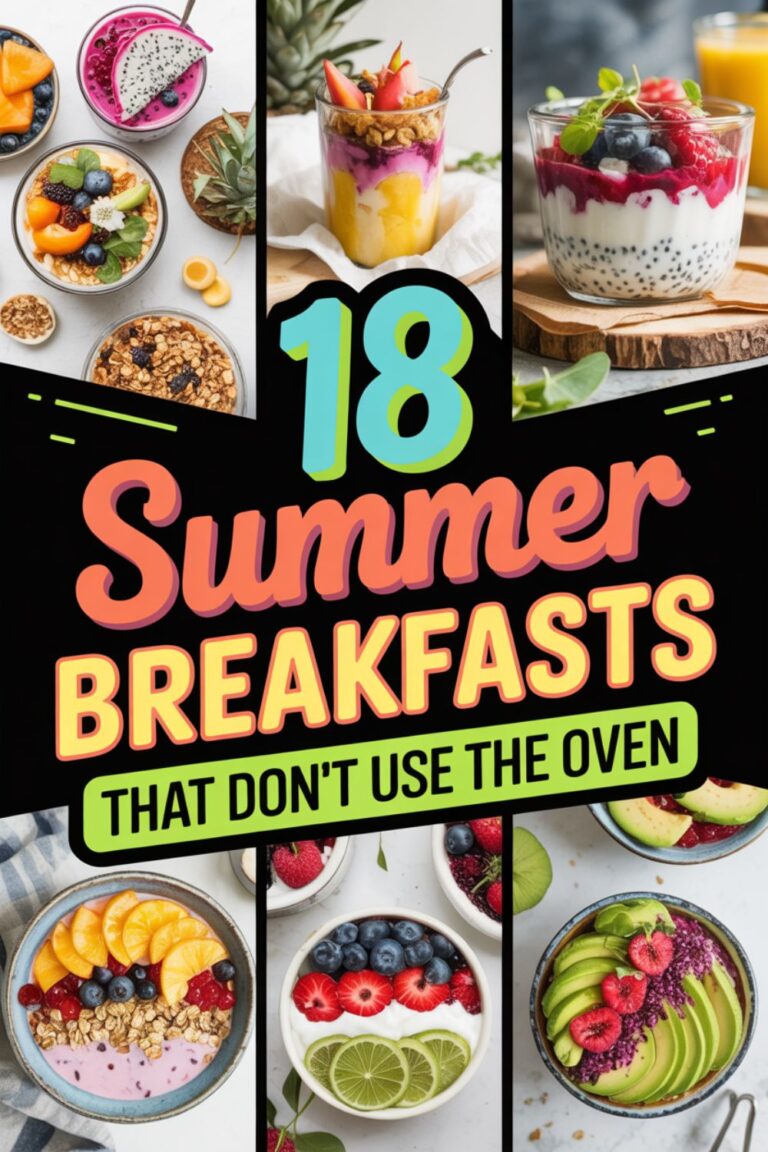
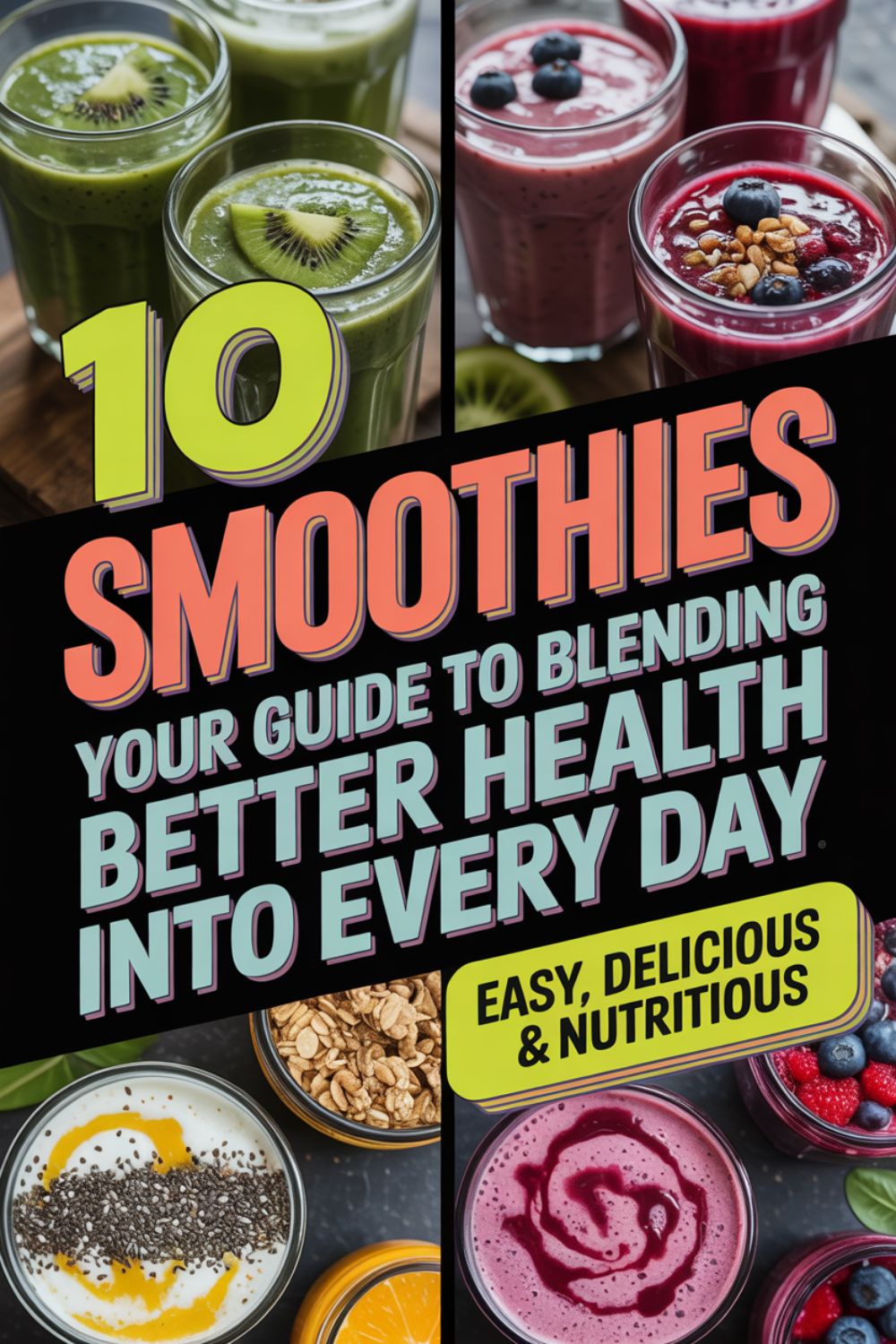
SMOOTHIES (10): Your Guide to Blending Better Health Into Every Day
Look, I’m not going to sit here and pretend smoothies are some revolutionary health hack that’ll transform your life overnight. But here’s the thing—they’re genuinely one of the easiest ways to pack serious nutrition into your day without spending an hour meal prepping or choking down kale salads at 7 AM. If you’ve been sleeping on smoothies or think they’re just glorified sugar bombs, stick with me. We’re about to change that.
I’ve been blending my way through mornings for years now, and honestly? It’s one habit that’s stuck because it actually works. No weird restrictions, no complicated recipes that need seventeen ingredients you’ll never use again. Just real food, blended up, ready to go. Whether you’re trying to lose weight, build muscle, or just stop feeling like garbage by noon, there’s a smoothie strategy for that.
Why Smoothies Actually Work (When You Do Them Right)
Let’s start with the obvious: most people don’t eat enough fruits and vegetables. Research shows that 9 in 10 adults fall short of recommended daily produce intake. That’s not a judgment—life gets busy, fresh produce goes bad, and honestly, who has time to sit down and eat three cups of spinach?
Smoothies solve this problem in about two minutes flat. Toss everything in a blender, hit a button, and boom—you’ve got two to three servings of fruits and veggies in a portable cup. The fiber stays intact (unlike juicing, which strips it out), and you’re getting actual whole foods rather than some processed meal replacement powder.
But here’s where people mess up. They think all smoothies are created equal, dump in a banana, three cups of mango, some orange juice, maybe a little yogurt, and wonder why they’re crashing an hour later or not losing weight. According to nutritional experts, the magic isn’t just in blending stuff together—it’s in the combination.
The Protein Problem Nobody Talks About
Your smoothie needs protein. Period. Not optional, not “only if you’re building muscle,” just straight-up necessary. Protein keeps you full longer, stabilizes blood sugar, and prevents that mid-morning snack attack that leads to inhaling a sleeve of cookies.
I learned this the hard way after months of fruit-heavy smoothies that tasted amazing but left me starving by 10 AM. Now? I throw in some Greek yogurt, a scoop of protein powder, or even nut butter—yes, really—and the difference is night and day.
Speaking of protein-packed meals, if you’re serious about building muscle while keeping things simple, check out this 7-day high-protein meal plan. It’s basically the eat-real-food, no-BS approach to getting your macros right without living in the kitchen.
The Blood Sugar Rollercoaster (And How to Get Off It)
Alright, real talk for a second. Even healthy smoothies can spike your blood sugar if you’re not paying attention. Loading up on fruit without balancing it out is basically like mainlining natural sugar—sure, it’s better than candy, but your pancreas doesn’t really care where the glucose came from.
Studies have shown that liquid calories don’t trigger the same satiety signals as solid food, which means you can easily overconsume without realizing it. The solution? Build your smoothies like you’d build a balanced meal.
The Three-Part Smoothie Formula
Every solid smoothie needs three things: protein, fat, and fiber. Miss any one of these, and you’re setting yourself up for energy crashes and cravings. Here’s how I break it down:
- Protein: Greek yogurt, protein powder, silken tofu, or even white beans (don’t knock it till you try it)
- Healthy fats: Avocado, nut butter, chia seeds, hemp hearts, or a small handful of nuts
- Fiber: Leafy greens, berries, ground flax, or even rolled oats for thickness
For anyone dealing with blood sugar issues or just trying to maintain steady energy throughout the day, this 7-day blood sugar balancing meal plan is gold. It takes the guesswork out of what to eat and when, which honestly is half the battle.
Meal Prep Essentials Used in This Plan
Look, you don’t need a fancy kitchen to make great smoothies, but a few solid tools make life infinitely easier. Here’s what I actually use every week:
Physical Products:
- High-speed blender – Seriously, get a decent one. Cheap blenders leave chunks and make sad, watery smoothies.
- Mason jars with lids – Perfect for prepping smoothie packs or storing your finished drink.
- Silicone ice cube trays – Freeze leftover smoothie, coffee, or coconut milk in cubes for easy additions.
Digital Resources:
- 14-Day High-Protein Meal Plan – Complete with shopping lists and prep guides
- 21-Day Anti-Inflammatory Meal Plan – Pairs perfectly with smoothie-based breakfasts
- 30-Day Gut Reset Meal Plan – Because healthy smoothies start with a healthy gut
Greens Without the Grass Clippings Taste
I remember the first time someone handed me a green smoothie. It looked like pond water and tasted like I was drinking someone’s lawn. Not exactly inspiring. But here’s what I learned: you can absolutely get your greens in without gagging.
Start small. Seriously. Throw a handful of baby spinach into a fruit-heavy smoothie. You literally won’t taste it, but you’ll get the vitamins, minerals, and fiber. According to research from UC Davis, the combinations you choose matter more than you’d think—some ingredients actually enhance nutrient absorption while others can interfere.
The Banana Controversy
Speaking of combinations, here’s something wild: bananas might actually reduce the absorption of beneficial compounds from berries and cocoa. The same UC Davis study found that smoothies with bananas showed 84% lower flavanol levels compared to those without. Flavanols are the good stuff—they support heart health and cognitive function.
Does this mean you should never put bananas in smoothies? Nah. But if you’re loading up on antioxidant-rich ingredients like berries or cocoa, maybe pair them with pineapple, mango, or yogurt instead. The texture might need an adjustment (bananas make everything creamy), but frozen cauliflower works surprisingly well as a sub. Yes, really.
If you’re trying to reduce inflammation overall, this 7-day anti-inflammatory meal plan pairs beautifully with smoothie-based breakfasts. You’ll notice the difference in how you feel pretty quickly—less bloating, more consistent energy, and that general sense that your body isn’t constantly fighting itself.
Smoothies for Weight Loss (Without Feeling Like You’re Starving)
Let’s cut through the noise here. Smoothies can absolutely support weight loss, but they’re not magic. The key is making them substantial enough to replace a meal without turning them into 800-calorie milkshakes.
I’ve seen people go both directions on this. Some treat smoothies as snacks and then wonder why they’re not losing weight (because they’re basically drinking dessert on top of regular meals). Others make smoothies so tiny and unsatisfying that they’re ravenous an hour later and end up eating everything in sight.
The sweet spot? A smoothie that clocks in around 300-400 calories with at least 20 grams of protein, some healthy fats, and enough volume to feel like you actually ate something. Think: berries, spinach, protein powder, a tablespoon of almond butter, unsweetened almond milk, and maybe some ice for bulk.
Volume Eating Meets Blending
Here’s a trick I picked up that honestly changed everything: add frozen cauliflower rice or zucchini to your smoothies. Sounds weird, tastes like nothing, but it adds crazy volume and fiber without extra calories or sugar. You get a huge smoothie that keeps you full for hours.
Another hack? Use water or unsweetened nut milk instead of juice. Juice is just concentrated sugar—even the “healthy” stuff. You’re already getting natural sugars from fruit, so there’s zero need to add more via the liquid base.
For more inspiration on keeping meals light but satisfying, this 7-day flat belly meal plan is legit helpful. Everything takes 30 minutes or less, which means you’re way more likely to actually stick with it.
Looking for more morning options or complete meal ideas? Try these balanced low-calorie meals or this 21-day reset plan that makes calorie control actually doable without feeling deprived.
The Fiber Factor
Most people don’t get enough fiber. Like, not even close. The USDA recommends 25-38 grams daily, but the average American gets about 16. That’s a problem because fiber isn’t just about keeping things moving—it’s crucial for blood sugar control, cholesterol management, and keeping you full.
Smoothies can help fix this, but only if you’re intentional about ingredients. Whole fruits and veggies retain their fiber when blended (unlike juicing), but you need to choose wisely. Berries are fiber powerhouses. So are chia seeds, ground flax, and leafy greens.
One thing I do religiously: prep smoothie packs on Sundays. Portion out fruits, greens, and seeds into freezer bags, then dump one pack into the blender each morning with liquid and protein. Takes literally 90 seconds start to finish, and you’re getting 8-10 grams of fiber per serving.
Speaking of gut health (because fiber is king here), this 7-day gut health reset plan is basically a masterclass in eating for your microbiome. Pair it with high-fiber smoothies and your digestive system will thank you.
Hormone Balance and Smoothies (Yes, They’re Connected)
Okay, this one’s for anyone dealing with hormonal weirdness—irregular cycles, mood swings, stubborn weight, or just feeling off. Your diet plays a massive role in hormone balance, and smoothies can be part of the solution if you build them right.
Key nutrients for hormone health include omega-3 fatty acids (hello, ground flax and chia), B vitamins (leafy greens), magnesium (spinach, cocoa), and enough protein to support steady blood sugar. Notice a pattern? These are all smoothie-friendly ingredients.
I started adding a tablespoon of ground flax seeds to my morning smoothie specifically for hormone support, and honestly, the difference in how I feel throughout my cycle is noticeable. More stable energy, fewer cravings, less bloating—all the good stuff.
For a comprehensive approach to hormonal health through food, check out this 7-day hormone balancing meal plan. It’s designed specifically for women and addresses the nutrition piece that most people ignore.
Seed Cycling Through Smoothies
Ever heard of seed cycling? It’s this practice where you eat specific seeds during different phases of your menstrual cycle to support hormone production. Flax and pumpkin seeds in the first half, sesame and sunflower in the second.
Whether it “works” scientifically is debatable, but the seeds themselves are undeniably nutritious, and smoothies make it stupid easy to incorporate them. Just grind them up (whole seeds often pass through undigested) and blend away.
If you want more structure around hormone-focused eating, this 14-day hormone balancing plan or the 21-day version both include recipes and timing guidance that takes the guesswork out.
Tools & Resources That Make Cooking Easier
Beyond the blender basics, here are some things that genuinely make smoothie prep (and cooking in general) less of a chore:
Physical Products:
- Reusable silicone storage bags – For prepping smoothie packs without plastic waste
- Small food scale – Takes like three seconds to weigh portions and keeps macros accurate
- Portable blender cup – Blend directly in the cup you’ll drink from, fewer dishes
Digital Resources:
- 14-Day Anti-Inflammatory Plan – All recipes under 30 minutes, pairs great with smoothie breakfasts
- 14-Day Low-Sugar Meal Plan – Perfect if you’re trying to cut back on sweetness overall
- 21-Day Gut Healing Plan – High-fiber recipes that complement smoothie nutrition
Common Smoothie Mistakes (And How to Fix Them)
Let’s talk about where people go wrong because honestly, I’ve made every single one of these mistakes myself.
Mistake 1: Using too much fruit. Yes, fruit is healthy. No, you don’t need three bananas, two cups of mango, and a handful of dates in one smoothie. That’s a sugar bomb regardless of the source. Stick to one cup of fruit max, balance with greens and protein.
Mistake 2: Skipping the fat. Your body needs fat to absorb fat-soluble vitamins (A, D, E, K) from all those veggies you’re blending. A tablespoon of nut butter or half an avocado isn’t going to wreck your diet—it’s going to make the nutrition actually bioavailable.
Mistake 3: Treating smoothies like snacks when they’re actually meals. If your smoothie has 400+ calories, that’s breakfast. Don’t then eat a full breakfast on top of it and wonder why the scale isn’t moving.
Mistake 4: Not prepping ingredients. Morning you will not wash and chop fresh spinach. Evening you might, so do it then. Prep smoothie packs, freeze them, and thank yourself later.
The Texture Problem
Some people hate smoothies because of texture issues—too thin, too thick, gritty, chunky, whatever. Here’s how to fix that:
- Too thin: Add frozen fruit, ice, frozen cauliflower, or frozen banana. Greek yogurt also thickens things up.
- Too thick: Add more liquid gradually. Start with a quarter cup at a time.
- Gritty: Either blend longer or switch to a more powerful blender. Also, ground flax is less gritty than whole seeds.
- Icy/slushy: Let frozen ingredients thaw for 5-10 minutes before blending, or use less ice.
IMO, texture is half the battle with smoothies. If it’s not enjoyable to drink, you won’t stick with it. Don’t force yourself to choke down something that makes you gag just because it’s “healthy.”
Smoothies Beyond Breakfast
While most people default to smoothies for breakfast, they work great as post-workout recovery drinks or afternoon snacks too. Nutrition research suggests that timing your smoothie based on your goals and lifestyle makes a real difference.
Post-workout smoothies should prioritize protein and carbs for muscle recovery. Think: protein powder, banana, tart cherry juice (great for inflammation), and maybe some spinach for good measure.
Afternoon smoothies work best when they’re lower in sugar and higher in protein and fat to prevent the 3 PM energy crash. Try a chocolate-peanut butter situation with cocoa powder, peanut butter, protein powder, and unsweetened almond milk. Tastes like dessert, acts like a meal.
If you’re looking for complete meal plans that work around different schedules and goals, these longer-term plans take all the guesswork out: 30-day high-protein plan, 30-day anti-inflammatory plan, or the 30-day flat belly plan. All designed for real people with actual lives.
The Sustainability Angle
One thing I appreciate about smoothies is how they reduce food waste. Those spinach leaves that are about to turn? Smoothie. Overripe bananas? Peel, freeze, smoothie. Berries starting to get soft? You get the idea.
Plus, recent research shows that regular smoothie consumers tend to adopt other healthy and sustainable habits—more physical activity, better overall nutrition, less processed food consumption. It’s like a gateway habit that leads to other positive changes.
I keep a container in my freezer specifically for smoothie scraps. Berry tops, banana peels (okay, not those), slightly wilted greens, leftover herbs—anything that’s still good but maybe not salad-worthy. Come smoothie time, I’ve got free ingredients that would’ve otherwise hit the trash.
What About Detox Smoothies?
Real quick on this because it comes up constantly: your body doesn’t need “detoxing.” You have a liver and kidneys that handle that job pretty effectively on their own. Health experts confirm there’s no solid scientific evidence supporting detox claims.
That said, eating nutrient-dense whole foods (including smoothies) absolutely supports your body’s natural detoxification processes. But that’s different from believing some magical blend of celery juice and activated charcoal is “cleansing toxins.”
Instead of chasing detox trends, focus on consistent, balanced nutrition. Smoothies packed with fiber, antioxidants, and real ingredients will support your health way more than any three-day juice cleanse ever could.
Building Your Smoothie Rotation
The key to making smoothies a long-term habit instead of a week-long experiment is variety. If you drink the same berry-banana blend every single day for two months, you will get bored and quit. Trust me on this.
I rotate through maybe five different base combinations and switch up the extras. Some weeks it’s tropical (mango, pineapple, coconut milk), other weeks it’s chocolate-peanut butter, sometimes it’s straight-up green (spinach, cucumber, green apple, lemon). Keeps things interesting without requiring constant creativity at 6 AM.
Sample Smoothie Formulas
The Classic Green: Spinach, banana, pineapple, chia seeds, coconut water. Fresh, light, doesn’t taste like lawn.
Chocolate Fix: Cocoa powder, frozen banana, peanut butter, protein powder, almond milk. Dessert for breakfast.
Berry Blast: Mixed berries, Greek yogurt, ground flax, spinach, unsweetened almond milk. Antioxidant heaven.
Tropical Vacation: Mango, pineapple, coconut milk, protein powder, ice. Makes winter mornings less depressing.
Fall Vibes: Pumpkin puree, frozen banana, cinnamon, vanilla protein powder, almond milk. Yes, really.
For more structured meal planning that includes breakfast smoothies plus complete lunch and dinner ideas, these longer plans are incredibly helpful: 21-day high-protein plan or the 21-day blood sugar friendly plan. Both give you variety without the decision fatigue.
Frequently Asked Questions
Can smoothies help with weight loss?
Absolutely, but only if you build them right. Focus on protein (20+ grams), include healthy fats, limit fruit to one cup, and use them as meal replacements rather than additions. A well-made smoothie keeps you full for hours and prevents overeating later. Just don’t fall into the trap of making 600-calorie smoothies and calling them snacks.
Are smoothies as healthy as eating whole fruits and vegetables?
They’re different, not necessarily better or worse. Smoothies retain all the fiber from whole produce (unlike juicing), but liquid calories are less filling than solid food. The benefit is convenience and the ability to pack in more produce than you’d typically eat whole. Just pay attention to portion sizes and include protein and fat for satiety.
How long can I store a smoothie?
Fresh is always best, but you can store smoothies in the fridge for up to 24 hours in an airtight container. Give it a good shake before drinking since ingredients might separate. For longer storage, freeze smoothie packs (all ingredients except liquid) for up to 3 months, then blend when ready.
Why does my smoothie have a weird texture?
Usually it’s either not blending long enough or using ingredients that don’t play well together. Blend for at least 60 seconds on high. If it’s too thin, add frozen fruit or ice. Too thick? More liquid. Gritty? Either blend longer or switch to ground flax instead of whole seeds. A decent blender makes a massive difference too.
Can I drink smoothies if I have diabetes or blood sugar issues?
Yes, but be strategic about it. Limit fruit, load up on protein and healthy fats, add fiber through greens and seeds, and use unsweetened bases like almond milk instead of juice. This combination slows sugar absorption and prevents spikes. If you’re managing diabetes, work with your healthcare provider to find what works for your specific situation.
Final Thoughts
Look, smoothies aren’t going to solve all your health problems or magically transform your life. But they’re one of those rare things that’s genuinely useful, actually works, and doesn’t require you to become a different person to maintain the habit.
The key is treating them like real food—because that’s what they are—not some magic elixir or meal replacement shake. Build them with protein, fat, and fiber. Keep the sugar reasonable. Prep ahead so morning you doesn’t have to think. And for the love of everything, stop drinking 800-calorie smoothies and calling them snacks.
Whether you’re trying to lose weight, build muscle, balance hormones, or just stop feeling like garbage by noon, there’s a smoothie approach that’ll work for you. Start simple, find what you actually enjoy drinking, and go from there. Your blender is basically a shortcut to eating more produce without the drama of meal prep—use it.
Start Your Healthy Morning Routine in Just 21 Days
Stop skipping breakfast or eating random meals. Follow a simple plan with ready-to-prep recipes, grocery lists, and weekly planners designed for busy mornings.
- ✔ 21-Day Done-For-You Breakfast Plan
- ✔ Overnight Oats, Smoothies & Chia Recipes
- ✔ High Protein & Low Calorie Options
- ✔ Grocery Lists + Meal Prep System
- ✔ Printable Planners & Bonus Guides
Instant download • No physical product • Start today