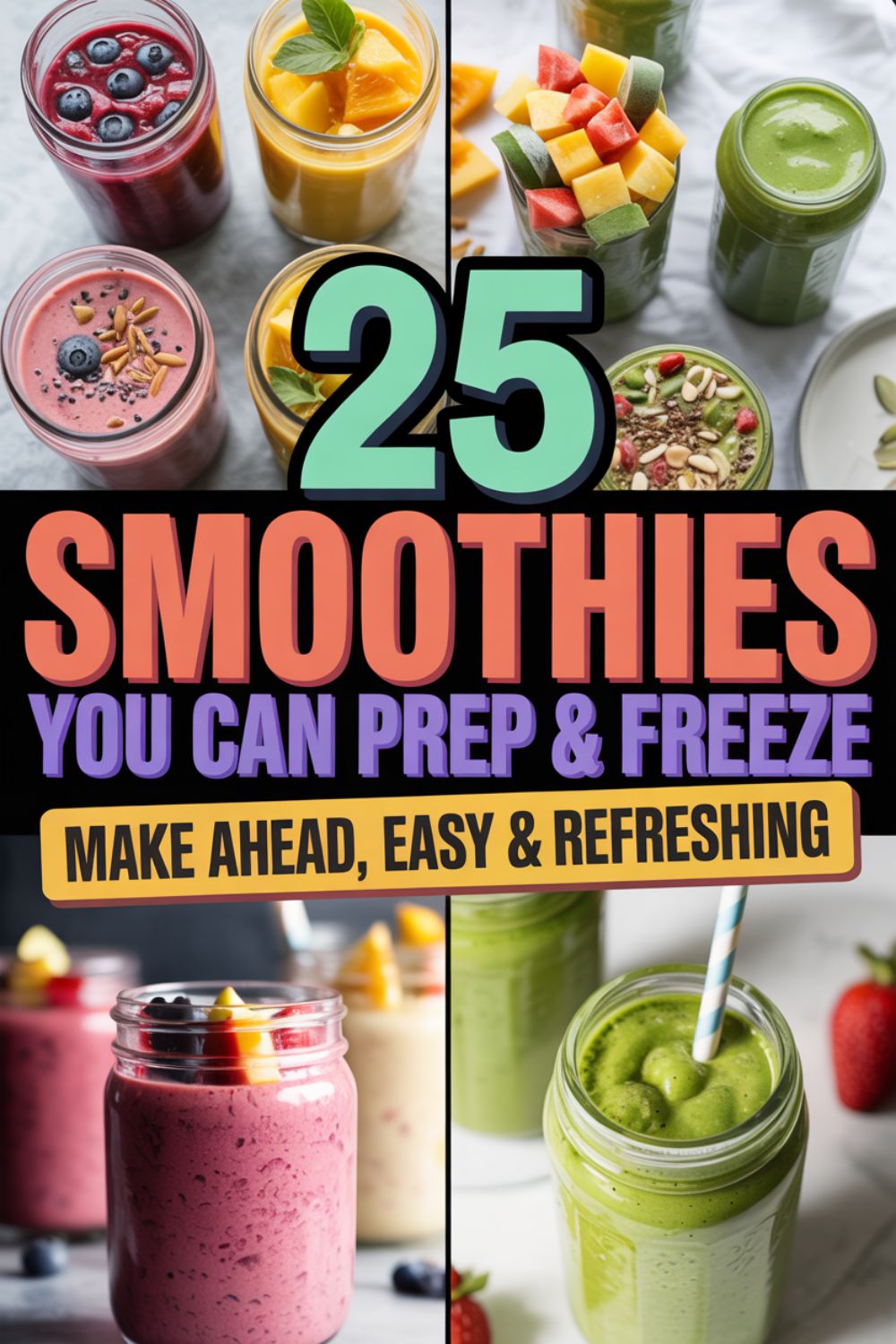
25 Smoothies You Can Prep and Freeze
Why Freezer Smoothies Are Actually Genius
Here’s the thing about smoothies: they’re only healthy if you actually make them. And let’s be honest, when you’re running late and still need to pack lunches, feed the dog, and find your kid’s missing shoe, blending a smoothie from scratch isn’t happening. That’s where the freezer method comes in.
Think of it as meal prep’s cooler cousin. You spend maybe an hour on Sunday chopping fruit, portioning ingredients, and stashing everything in bags or jars. Then, for the entire week, making a smoothie becomes stupidly easy. I’m talking dump-blend-drink easy. According to Harvard’s nutrition experts, this kind of meal prep significantly reduces food waste while helping people stick to healthier eating habits.
Plus, there’s actual science backing this up. Research shows that smoothies made with whole fruits and vegetables can pack serious nutritional benefits—we’re talking fiber, vitamins, and antioxidants in one convenient glass. The catch? You need the right balance of ingredients, which is way easier to control when you’re prepping in advance rather than throwing whatever’s handy into the blender.
The Foundation: What Makes a Freezer-Friendly Smoothie
Not all smoothies freeze equally. Some turn into sad, watery messes. Others become rock-hard ice blocks that your blender refuses to touch. After way too many failed experiments, here’s what actually works.
The Base Layer
Start with frozen fruit. Bananas are the MVP here because they create that thick, creamy texture without dairy. But here’s a tip I learned the hard way—peel and slice your bananas before freezing. Trying to peel a frozen banana is an exercise in futility and potentially dangerous if you value your fingernails.
Berries freeze beautifully and don’t turn brown. Strawberries, blueberries, raspberries—throw them all in. Mango and pineapple chunks add tropical vibes and natural sweetness. Just make sure everything’s cut into roughly uniform pieces so your blender doesn’t stage a protest.
The Green Stuff
Don’t sleep on leafy greens. Spinach is sneaky because it practically disappears in smoothies. Kale works too, but it’s got more attitude—you’ll taste it. The brilliant part? Greens freeze without losing their nutritional punch. In fact, according to Mayo Clinic dietitians, adding vegetables to smoothies is one of the easiest ways to increase your daily vegetable intake without the bitter taste that makes some people avoid them.
Pro move: buy the pre-washed baby spinach in those plastic containers. Divide it among your freezer packs. Done. I use this salad spinner to get excess water off fresh greens before freezing—makes a huge difference in texture.
If you’re serious about getting more greens in your diet, you’ll want to check out this 7-day anti-inflammatory meal plan that focuses on nutrient-dense foods. It’s packed with recipes that complement your smoothie routine perfectly.
Protein Power
This is where things get interesting. Protein powder can go straight into your freezer packs—chocolate, vanilla, whatever floats your boat. Greek yogurt works too, but freeze it separately in ice cube trays first. Otherwise, you get weird yogurt chunks.
Nut butters are tricky. Some people freeze them in the packs; I prefer adding them fresh because frozen peanut butter can form stubborn clumps. Your call. Hemp seeds, chia seeds, and flaxseed meal all freeze great and add healthy fats plus fiber. I keep these mini portion containers stocked with pre-measured seeds to make assembly faster.
The 25 Smoothies That Actually Work
Alright, let’s get to the good stuff. These aren’t just random fruit combos—each one has been tested, frozen, and blended multiple times. Some are breakfast powerhouses, others are post-workout recovery drinks, and a few are basically dessert disguised as health food.
The Breakfast Champions
1. Classic Berry Blast
Frozen strawberries, blueberries, banana, spinach, and vanilla protein powder. This is the one I make when I’m on autopilot. Sweet enough to feel like a treat, healthy enough to justify calling it breakfast. Get Full Recipe.
2. Peanut Butter Banana Powerhouse
Frozen banana slices, peanut butter (added fresh), oats, cinnamon, and chocolate protein powder. Tastes suspiciously like a milkshake. Definitely keeps you full until lunch. The oats add body and extra fiber—just make sure you’re using a blender that can handle them. I swear by this high-speed blender for oat-based smoothies.
3. Tropical Paradise
Frozen mango, pineapple, banana, coconut flakes, and a handful of spinach. Close your eyes and pretend you’re on a beach instead of your kitchen. Works every time. The natural sweetness from the tropical fruits means you don’t need any added sugar.
4. Green Machine
Kale, spinach, green apple chunks, cucumber, frozen banana, and ginger. Yeah, it’s aggressively green. But it’s also incredibly refreshing and makes you feel like you’ve got your life together. Ginger adds a nice kick and helps with digestion. Get Full Recipe.
5. Coffee Protein Kick
Frozen banana, dates, almond butter, coffee (brewed and frozen in ice cube trays), chocolate protein powder, and a pinch of sea salt. This is my secret weapon on days when I need caffeine and breakfast in one fell swoop. The coffee cubes are genius—make a big batch on Sunday and you’re set for weeks.
“I started using the freezer smoothie method three months ago and honestly, it’s been a game-changer. I’m actually eating breakfast now instead of grabbing whatever’s at the gas station. Lost 12 pounds without even trying.” — Jennifer K., from our reader community
Post-Workout Recovery Blends
6. Chocolate Cherry Recovery
Frozen cherries, banana, chocolate protein powder, spinach, and cacao nibs. Cherries are naturally anti-inflammatory, which your muscles will thank you for. Plus, it tastes like a chocolate-covered cherry. Win-win.
7. Vanilla Blueberry Protein
Frozen blueberries, banana, vanilla protein powder, Greek yogurt (frozen in cubes), and hemp seeds. Simple, effective, and packed with antioxidants. Blueberries are basically nature’s superfood.
8. Strawberry Banana Classic
Sometimes you just want the basics. Frozen strawberries, banana, vanilla protein powder, and a handful of spinach. Nothing fancy, totally reliable. This is what I make for my kids when they’re being picky. Get Full Recipe.
Speaking of complete nutrition plans, if you’re trying to build muscle while keeping things simple, this 7-day high-protein meal plan pairs perfectly with these smoothies. It’s designed for busy people who still want results.
The Green Goddesses
9. Cucumber Mint Refresher
Frozen cucumber chunks, spinach, frozen pineapple, fresh mint leaves, lime juice, and coconut water. Ridiculously refreshing. Tastes like summer in a glass. The mint makes it feel fancy without any extra effort.
10. Kale Apple Ginger
Kale, green apple, frozen banana, fresh ginger, lemon juice, and a tiny bit of honey. The ginger cuts through any bitterness from the kale. This one’s got serious immune-boosting potential.
11. Avocado Dream
Frozen avocado chunks, spinach, banana, vanilla extract, and a squeeze of lime. Yes, frozen avocado is a thing. It makes smoothies incredibly creamy without dairy. Just scoop ripe avocados, freeze in chunks, and thank me later. I prep these in these silicone ice cube trays designed for large cubes.
The Dessert Disguises
12. Chocolate Peanut Butter Cup
Frozen banana, chocolate protein powder, peanut butter, cacao powder, and a sprinkle of mini chocolate chips. This is basically a Reese’s cup you can drink for breakfast without judgment. Kids love it. Adults love it. Everyone wins.
13. Strawberry Cheesecake
Frozen strawberries, cream cheese (frozen in cubes), vanilla protein powder, graham cracker crumbs, and a touch of vanilla extract. Tastes exactly like strawberry cheesecake but somehow counts as a healthy meal. I’m not questioning it.
14. Cookies and Cream
Frozen banana, vanilla protein powder, crushed Oreos (don’t @ me), spinach for good measure, and almond milk. The spinach is our attempt at redemption. The Oreos are our joy. Get Full Recipe.
15. Carrot Cake
Frozen carrots (yes, really), pineapple, banana, cinnamon, nutmeg, vanilla protein powder, and a handful of walnuts. Tastes like carrot cake, looks orange and weird, but I promise it works. The pineapple sweetness balances everything perfectly.
If you’re managing blood sugar levels while still wanting delicious options, check out this blood sugar balancing meal plan. It’s full of strategies that work alongside these smoothies to keep your energy steady.
The Immunity Boosters
16. Orange Ginger Turmeric
Frozen orange segments, banana, fresh ginger, turmeric powder, black pepper (helps turmeric absorption), and mango. Bright orange, anti-inflammatory powerhouse. The pepper might sound weird but trust the science.
17. Berry Beet Power
Frozen beets (pre-cooked and diced), mixed berries, banana, ginger, and orange juice. The beets make it deep red and beautiful. Plus, they’re loaded with nitrates that boost blood flow and energy. Fair warning: this will stain everything it touches. Use this stain-resistant blender cup if you value your Tupperware.
18. Pineapple Turmeric Sunshine
Frozen pineapple, mango, turmeric, ginger, coconut milk, and a pinch of black pepper. Golden, tropical, and seriously anti-inflammatory. Perfect for after tough workouts or when you feel a cold coming on.
The Fiber-Rich Gut Helpers
19. Probiotic Berry Blend
Frozen mixed berries, kefir (frozen in cubes), banana, flaxseed meal, and spinach. The kefir adds probiotics, the berries add antioxidants, and your digestive system does a happy dance. Seriously underrated combination.
20. Oat Apple Cinnamon
Frozen apple chunks, banana, rolled oats, cinnamon, vanilla protein powder, and ground flaxseed. Tastes like apple pie filling but somehow counts as fiber-rich breakfast. The oats make it incredibly filling—you won’t be hungry an hour later. Get Full Recipe.
For more gut-health focused recipes, this 7-day gut health reset plan is loaded with probiotic-rich options that complement these smoothies beautifully.
21. Chia Seed Powerhouse
Frozen berries, banana, chia seeds, spinach, almond butter, and vanilla protein powder. The chia seeds absorb liquid and create this pudding-like texture that’s weirdly satisfying. Plus, they’re packed with omega-3s and fiber.
Meal Prep Essentials Used in These Smoothies
Look, you don’t need a ton of fancy equipment to make freezer smoothies happen. But a few key items make the whole process way smoother (pun intended). Here’s what I actually use:
Physical Products:
- Reusable silicone freezer bags – These changed my life. No more wasting plastic bags, they stack perfectly in the freezer, and they’re easy to clean. I’ve had the same set for two years.
- Wide-mouth mason jars (32 oz) – Perfect for layering ingredients. The wide mouth makes it easy to dump everything into the blender. Plus, they’re glass, so no weird plastic chemicals.
- High-speed blender with at least 1000 watts – Don’t skimp here. A wimpy blender will give up halfway through frozen fruit and leave you with chunks. This is the one investment that pays off every single morning.
Digital Resources:
- Smoothie Meal Prep Planner PDF – Printable template that helps you plan a week’s worth of smoothies in 10 minutes. Includes shopping lists organized by grocery store section.
- Freezer Smoothie Recipe Bundle (50+ recipes) – Digital download with tested recipes, nutritional info, and substitution guides. Saves hours of trial and error.
- Smoothie Nutrition Calculator Spreadsheet – Track calories, protein, fiber, and other macros. Especially helpful if you’re managing specific health goals.
Want to connect with other people doing smoothie meal prep? Our WhatsApp Meal Prep Community shares weekly tips, recipe swaps, and motivation. It’s free and surprisingly helpful when you’re stuck in a smoothie rut.
The Kid-Friendly Options
22. Purple Power
Frozen blueberries, banana, spinach (they won’t taste it), vanilla yogurt cubes, and a tiny drizzle of honey. My kids call this “superhero juice” and I’m not correcting them. The purple color makes it fun, and they’re getting greens without the fight.
23. Chocolate Banana Milkshake
Frozen banana, chocolate protein powder, peanut butter, cocoa powder, and a handful of spinach. Tastes like a chocolate milkshake. Contains vegetables. Kids are happy, parents are sneaky. Everyone wins.
24. Strawberry Lemonade Slush
Frozen strawberries, lemon juice, banana, a tiny bit of honey, and water. Tastes like summer camp in the best way. Refreshing, naturally sweet, and pink enough to make it exciting. Get Full Recipe.
The Seasonal Special
25. Pumpkin Spice Everything
Frozen banana, pumpkin puree (freeze in ice cube trays), pumpkin pie spice, vanilla protein powder, and almond milk. Yes, I’m that person. Yes, I make this year-round. No, I’m not sorry. The pumpkin adds vitamin A and fiber, making this surprisingly nutritious.
Looking for complete meal planning that takes all the guesswork out? This 30-day high-protein meal plan includes breakfast smoothies, lunches, and dinners—all designed for people who don’t have time to overthink nutrition.
The Assembly Line Method
Here’s how I actually prep these without losing my mind. Sunday afternoon, I clear off my kitchen counter, line up my storage containers, and go production-line style.
First, I wash and prep all my fruit. Berries get washed and patted dry. Bananas get peeled and sliced. Mangoes get diced. I use this OXO vegetable chopper for uniformly sized pieces—makes the whole process faster and safer than knife work.
Next, portion out the greens. A big handful of spinach or kale goes into each container. Then comes the fruit. I layer everything in mason jars or pack it into silicone bags. The order doesn’t matter much, but I usually do greens on the bottom, then soft fruits, then hard fruits on top.
Protein powder and seeds go in last. Label everything with a sharpie—trust me, three weeks from now, you won’t remember which one is the chocolate cherry versus the berry blast. I learned this the hard way when I served my kid a ginger turmeric smoothie thinking it was strawberry banana. That morning did not go well.
The Blending Game Plan
Morning of, grab your frozen pack. Let it sit on the counter for about 5 minutes while you’re doing other things—this helps the blender motor not work quite as hard. Add your liquid of choice. I usually do about 1 to 1.5 cups depending on how thick I want it.
Start the blender on low, then gradually increase speed. If things aren’t moving, add a splash more liquid. Don’t just dump more in—frozen ingredients are sneaky and suddenly it’ll all start blending and you’ll have soup instead of a smoothie.
Total time from freezer to glass? About 3 minutes. That includes rinsing the blender. This is why the method works—it’s actually faster than making toast and spreading peanut butter on it.
If you’re working on improving your overall meal planning skills, this 21-day flat belly reset plan has some excellent strategies for batch prepping multiple meals at once.
Common Freezer Smoothie Mistakes
Let me save you some heartache by sharing what doesn’t work. First off, don’t freeze citrus juice in the packs. It gets weird and bitter. Add fresh lemon or lime juice when blending.
Don’t freeze dairy milk or yogurt directly in the packs unless you’re using it within a few days. It can separate and get funky. The ice cube tray method works way better for dairy.
Don’t overfill your containers. Liquids expand when frozen, and I’ve cracked more than one mason jar by ignoring this basic science. Leave at least an inch of headspace. Or switch to these freezer-safe plastic containers that can handle expansion.
Don’t forget to date your packs. These will keep for about 3 months in the freezer, but after that, you start getting freezer burn and weird ice crystals. Old smoothie packs are sad smoothie packs.
Nutritional Benefits Worth Knowing
Beyond convenience, these freezer smoothies actually deliver serious nutrition. According to WebMD’s nutrition experts, smoothies can be an excellent source of vitamins, minerals, and fiber—especially when they include whole fruits and vegetables rather than just juice.
The key is balance. Each smoothie should have protein (powder, Greek yogurt, or nut butter), healthy fats (avocado, seeds, or nut butter), fiber (fruits, veggies, oats, or seeds), and complex carbs (fruits and vegetables). This combination keeps blood sugar stable and prevents the mid-morning crash.
Interestingly, frozen produce often contains just as many nutrients as fresh—sometimes more. Fruits and vegetables are typically frozen at peak ripeness, locking in vitamins and minerals. So don’t feel bad about using frozen ingredients. You’re not sacrificing nutrition for convenience.
For women dealing with hormonal imbalances, combining these smoothies with a structured plan can make a real difference. This hormone balancing meal plan includes smoothie recipes specifically designed to support hormonal health.
“I was skeptical about the frozen smoothie thing, but after two weeks, I’m a total convert. My energy levels are more consistent, and I’m not hitting the coffee shop every morning. Saved probably $100 this month just on that.” — Marcus T., from our community
Tools and Resources That Make Smoothie Prep Easier
Once you get into a rhythm with freezer smoothies, you might want to level up your setup. These aren’t necessities, but they definitely make life easier:
Kitchen Tools:
- Blender to-go cups with lids – Blend, screw on a lid, and walk out the door. Fewer dishes, less cleanup, maximum convenience. I own four of these and use them constantly.
- Food scale for precise portions – If you’re tracking macros or calories, this removes all guesswork. Weigh your ingredients once, know exactly what you’re consuming.
- Freezer organization bins – Keep your smoothie packs separate from frozen pizza and random ice packs. Makes grabbing the right pack way easier on rushed mornings.
Digital Tools:
- Grocery Shopping App with templates – Load your standard smoothie ingredient list once, reorder with a click. Saves mental energy every week.
- Meal Prep Video Course – Step-by-step video walkthrough of efficient smoothie prep techniques. Especially helpful if you’re visual learner.
- Smoothie Substitution Guide – Allergic to bananas? Hate kale? This digital guide shows you what to swap while maintaining nutrition and texture.
Join our Free Meal Prep Facebook Group for weekly challenges, recipe sharing, and troubleshooting. It’s like having a smoothie-obsessed friend in your pocket.
Making It Work Long-Term
The biggest challenge isn’t starting this habit—it’s keeping it going. Here’s what actually helps. First, don’t prep 30 smoothies at once. That’s overwhelming and you’ll burn out. Start with 5 to 7. See how you like it. Adjust from there.
Second, rotate your flavors. If you drink the same smoothie every day for two weeks, you’ll get sick of it. I keep 3 to 4 different varieties in rotation. Prevents boredom, keeps things interesting.
Third, accept imperfection. Some weeks, I prep smoothies. Some weeks, I don’t. Life happens. Having even three pre-made smoothie packs is better than none. Don’t let perfect be the enemy of good enough.
Fourth, get your family involved. My kids help measure ingredients now. They’re more likely to actually drink smoothies they helped make. Plus, it teaches them basic cooking skills and nutrition awareness.
If you’re looking for more structured support, this 14-day high-protein meal plan includes daily smoothie recipes plus complete meal ideas, making it easier to stay consistent.
When Smoothies Aren’t Enough
Real talk: smoothies are great, but they’re not magic. If you’re drinking one for breakfast and then eating garbage the rest of the day, you won’t see the results you want. They work best as part of an overall healthy eating pattern.
Also, portion control matters. A 32-ounce smoothie with three bananas, a cup of peanut butter, and protein powder is basically a meal and a half. Pay attention to serving sizes. Most of these recipes make about 16 to 20 ounces, which is plenty for one person.
Some people do better eating solid food for breakfast. Smoothies don’t trigger the same satiety signals for everyone. If you’re starving an hour after a smoothie, add more protein and fat, or consider having solid food alongside it.
For those managing inflammation alongside weight or muscle goals, pairing smoothies with an anti-inflammatory meal plan creates a powerful one-two punch for overall health.
Troubleshooting Common Issues
Smoothie too thick? Add more liquid, a tablespoon at a time. Or let it thaw for a few more minutes before blending.
Smoothie too thin? Reduce liquid next time, or add a handful of ice. Frozen cauliflower is also a sneaky thickener that doesn’t add flavor.
Weird texture? Usually means uneven ingredient sizes. Make sure everything’s chopped roughly the same. Also, blend longer. Like, an extra 30 seconds longer than you think you need.
Not sweet enough? Add a pitted date or two to your freezer packs. They’re natural sweeteners packed with fiber. Or a tiny drizzle of maple syrup when blending. Sometimes fruits just aren’t as sweet as we’d like.
Too sweet? Increase the ratio of greens to fruit. Add cucumber or zucchini—both add volume without sweetness. Or squeeze in some fresh lemon juice when blending. Acid balances sweetness beautifully.
If you’re specifically working on reducing bloating while improving nutrition, this flat belly meal plan pairs smoothies with digestive-friendly meals that won’t leave you uncomfortable.
Frequently Asked Questions
How long do freezer smoothie packs actually last?
In a properly sealed container, smoothie packs stay fresh for about 3 months in the freezer. After that, you might notice freezer burn or changes in texture, though they’re still safe to eat. I always label mine with the date and try to use them within 6 to 8 weeks for best quality.
Can I freeze smoothies that are already blended?
Technically yes, but I don’t recommend it for regular use. Pre-blended smoothies tend to separate when frozen and thawed, creating an unappetizing watery layer on top. They also lose that fresh-from-the-blender texture. If you do freeze blended smoothies, store them in airtight containers, thaw in the fridge overnight, and give them a really good shake before drinking.
Do frozen smoothies lose nutritional value?
Nope, not really. Freezing actually preserves most nutrients quite well. You might lose a tiny bit of vitamin C over several months, but we’re talking minimal loss. The nutritional benefits of actually eating vegetables in a smoothie far outweigh any minor nutrient loss from freezing. Plus, preventing food waste by freezing produce before it goes bad is its own form of nutritional win.
What’s the best container for freezing smoothie ingredients?
I’ve tried everything, and honestly, it depends on your preference. Reusable silicone bags are fantastic—they’re eco-friendly, stack well, and clean easily. Wide-mouth mason jars work great if you like seeing what’s inside and don’t mind the extra freezer space. Regular freezer bags are fine if you’re on a budget, just squeeze out all the air. Avoid regular plastic containers unless they’re specifically labeled freezer-safe, as they can crack.
Can I prep smoothies if I don’t have a high-speed blender?
You can, but you’ll need to adjust your method. Let frozen packs thaw for 10 to 15 minutes before blending, or use more liquid than recipes suggest. Cut ingredients smaller before freezing. Add softer ingredients first, then harder ones. Start on low speed and work up gradually. That said, if you’re making smoothies regularly, investing in a decent blender (doesn’t have to be crazy expensive) makes a huge difference in texture and daily hassle.
The Bottom Line
Look, I’m not going to tell you that freezer smoothie prep will change your life. But it might change your mornings. And honestly, that’s huge. Instead of skipping breakfast or grabbing something questionable at the drive-thru, you’ve got a nutritious meal ready in 3 minutes.
The method works because it removes friction. No decision fatigue about what to make. No scrambling to find ingredients. No excuses about not having time. Everything’s ready. You just have to blend it.
Start small. Pick 3 recipes from this list that sound good. Prep them this Sunday. See how it goes. Adjust based on what you learn. Maybe you’ll hate the mason jar method and prefer bags. Maybe you’ll discover you need more protein. That’s fine. The goal is finding what works for you, not following someone else’s perfect system.
The freezer smoothie method isn’t about perfection—it’s about making healthy eating easier when life gets chaotic. And if that means you drink one less coffee shop latte and one more homemade smoothie this week, I’d call that a win.
Start Your Healthy Morning Routine in Just 21 Days
Stop skipping breakfast or eating random meals. Follow a simple plan with ready-to-prep recipes, grocery lists, and weekly planners designed for busy mornings.
- ✔ 21-Day Done-For-You Breakfast Plan
- ✔ Overnight Oats, Smoothies & Chia Recipes
- ✔ High Protein & Low Calorie Options
- ✔ Grocery Lists + Meal Prep System
- ✔ Printable Planners & Bonus Guides
Instant download • No physical product • Start today
Similar Posts
27 Easy Chia Seed Breakfast Recipes for Busy Mornings
27 Easy Chia Seed Breakfast Recipes for Busy Mornings – LovelyEase 27 Easy Chia Seed Breakfast Recipes for Busy Mornings Your guide to quick, nutritious breakfasts that actually taste amazing Look, mornings are brutal. You’re half-awake, the coffee hasn’t kicked in yet, and somehow you’re supposed to fuel your body with something that doesn’t come…
25 Make-Ahead Breakfasts for the Week
25 Make-Ahead Breakfasts for the Week – Prep Once, Eat All Week 25 Make-Ahead Breakfasts for the Week Look, I get it. You’re not a morning person, and even if you are, you’re definitely not a “crack three eggs and dice vegetables before coffee” person. But here’s the thing—breakfast doesn’t have to be this dramatic…
17 Budget-Friendly Healthy Breakfasts That Won’t Break the Bank
17 Budget-Friendly Healthy Breakfasts That Won’t Break the Bank 17 Budget-Friendly Healthy Breakfasts That Won’t Break the Bank Look, I get it. Every time someone starts preaching about healthy eating, your wallet immediately starts sweating. But here’s the thing nobody talks about: eating well doesn’t mean you need to drop half your paycheck at Whole…
25 Cozy Winter Breakfasts That Feel Like a Hug
25 Cozy Winter Breakfasts That Feel Like a Hug 25 Cozy Winter Breakfasts That Feel Like a Hug Look, I get it. Winter mornings are rough. Your alarm goes off, it’s still dark outside, and the idea of leaving your warm bed feels like some kind of personal attack. But here’s the thing—the right breakfast…
21 Healthy Spring Breakfast Ideas to Start Fresh
21 Healthy Spring Breakfast Ideas to Start Fresh 21 Healthy Spring Breakfast Ideas to Start Fresh Spring finally rolled around, and honestly? I’m so over the heavy oatmeal and dark toast mornings. When the weather starts warming up and farmers markets burst with strawberries, asparagus, and fresh greens, breakfast deserves a serious glow-up. I’m talking…
20 Smoothies for Digestion and Gut Reset
20 Smoothies for Digestion and Gut Reset – Easy & Delicious Recipes 20 Smoothies for Digestion and Gut Reset So your stomach’s been throwing tantrums, your gut feels like it’s hosting a protest, and you’re ready to hit the reset button. Welcome to the club. Turns out, smoothies might just be your digestive system’s new…