
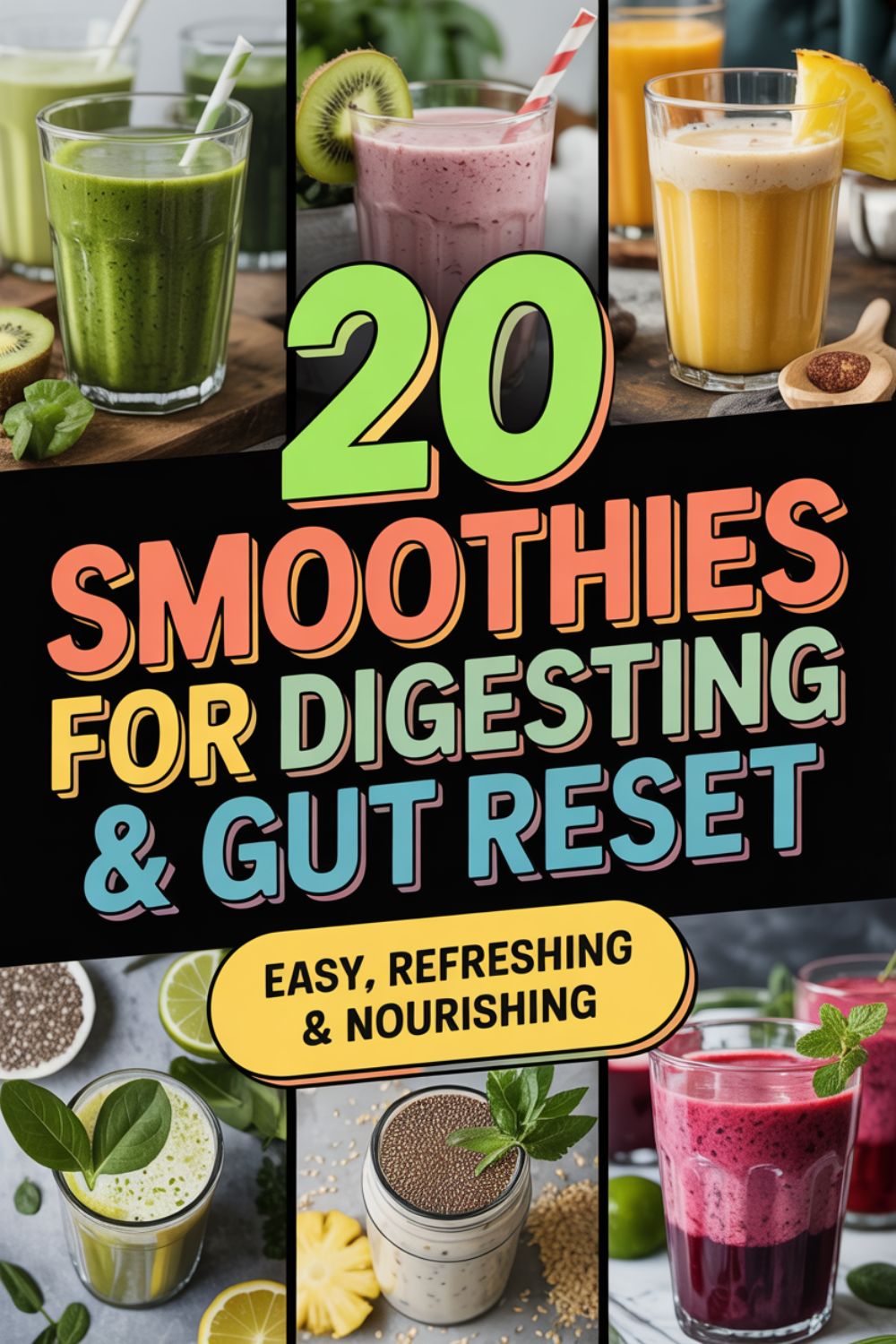
20 Smoothies for Digestion and Gut Reset
So your stomach’s been throwing tantrums, your gut feels like it’s hosting a protest, and you’re ready to hit the reset button. Welcome to the club. Turns out, smoothies might just be your digestive system’s new best friend—but only if you know what you’re doing.
I’ve spent the better part of my mornings blending my way through digestive chaos, and honestly, some smoothies help while others… well, let’s just say they made things worse. The trick isn’t just throwing kale and yogurt in a high-speed blender and hoping for the best. It’s about understanding which ingredients actually support your gut and which ones are basically just sugary imposters.
Here’s what I’ve learned: your gut is basically a complex ecosystem that needs the right fuel. Research shows the gut microbiome interacts with your brain, immune system, and metabolism, affecting everything from your mood to how you process food. When you feed it right, things click. When you don’t, well, you know what happens.
Why Your Gut Needs More Than Just Yogurt
Let’s get real about probiotics for a second. Everyone’s pushing yogurt like it’s the miracle cure, but your gut needs way more than that. While probiotics are beneficial microorganisms that support gut health, a fiber-rich diet is actually more important for cultivating a robust microbiome.
Think of it this way: probiotics are the workers, but fiber is the food they need to actually do their job. You can dump all the yogurt you want into your system, but without fiber feeding those good bacteria, you’re basically hiring employees and then not paying them. Not exactly a winning strategy.
Fiber comes from plant foods and includes both soluble fiber, which forms a gel-like substance that slows digestion, and insoluble fiber, which adds bulk to stool and promotes regularity. Both types matter, and both should be in your smoothies.
The Fiber Factor Nobody Talks About
Here’s where most people screw up: they make smoothies thinking “healthy” means dumping every fruit they can find into a blender. Wrong. You just made a sugar bomb that’ll spike your blood sugar faster than a candy bar.
What you actually need is fiber—and lots of it. According to Harvard’s Nutrition Source, most people should aim for 25-35 grams of fiber daily. Most of us? We’re not even close.
The beauty of smoothies is you can pack in fiber without really noticing. Chia seeds, flax, oats, spinach, kale—these aren’t just trendy additions. They’re literally feeding the good bacteria in your gut and helping everything move along as it should. A quality chia seed brand becomes your secret weapon here.
I learned this the hard way after making tropical smoothies for a week straight and wondering why my stomach felt worse. All that pineapple and mango without enough fiber? Recipe for disaster. Now I balance every sweet ingredient with something that’ll actually do the work.
Building Your Gut-Reset Smoothie Blueprint
Every great digestive smoothie needs three things: fiber, probiotics, and anti-inflammatory ingredients. Miss one and you’re just making expensive juice.
The Fiber Foundation
Start with a fiber base. This is non-negotiable. I usually go with:
- Leafy greens – Spinach, kale, or romaine. Start small if you’re new to this.
- Chia or flax seeds – Two tablespoons minimum. They gel up and slow digestion.
- Oats – Quarter cup of rolled oats adds thickness and soluble fiber.
- Avocado – Half an avocado makes everything creamy while adding fiber and healthy fats.
If you’re prepping these regularly, invest in proper glass storage containers for your ingredients. Trust me, organization makes or breaks your morning routine.
The Probiotic Punch
Multiple studies demonstrate that probiotics help with digestive issues including bloating, irritable bowel syndrome, and inflammatory bowel disease. But you need the right sources.
Skip the sugar-loaded yogurt from the supermarket. Instead, try:
- Plain Greek yogurt – Full-fat works best for satiety.
- Kefir – More probiotic strains than yogurt, thinner consistency.
- Coconut yogurt – Dairy-free option that still packs probiotics.
- Miso paste – Sounds weird, works brilliantly in savory smoothies.
One thing I’ve noticed: research shows probiotics help break down complex carbohydrates and increase protein bioavailability, making nutrients easier to absorb. Your smoothie basically becomes more efficient at feeding you.
The Anti-Inflammatory Arsenal
Inflammation in your gut is like having a small fire constantly burning. These ingredients help put it out:
- Ginger – Fresh, not powdered. A thumb-sized piece does wonders.
- Turmeric – Pair with black pepper to activate the curcumin.
- Berries – Especially blueberries and raspberries for antioxidants.
- Cinnamon – Helps regulate blood sugar while fighting inflammation.
I keep a ginger grater next to my blender. Small investment, huge difference in flavor and digestive benefits.
20 Smoothies That Actually Reset Your Gut
Morning Gut Healers
1. The Classic Green Reset – Spinach, cucumber, green apple, ginger, lemon, chia seeds, water. Simple, effective, and doesn’t taste like grass clippings. If you’re looking for more gut-friendly breakfast ideas, check out this 7-day gut health reset plan.
2. Tropical Probiotic Paradise – Mango, pineapple, coconut kefir, spinach, flax seeds. The enzymes in pineapple help digestion while probiotics do their thing. Get Full Recipe.
3. Berry Fiber Bomb – Mixed berries, Greek yogurt, oats, almond butter, almond milk. This one keeps you full for hours and your gut happy all day.
4. Peachy Ginger Soother – Frozen peaches, fresh ginger, kefir, honey, cinnamon. Perfect for when your stomach’s feeling off but you need nutrients.
Mid-Morning Energy Sustainers
5. Chocolate Avocado Dream – Avocado, raw cacao, banana, almond milk, dates, chia seeds. Sounds indulgent, works like medicine. The healthy fats slow sugar absorption while cacao provides antioxidants.
6. Golden Turmeric Bliss – Turmeric, ginger, banana, coconut milk, black pepper, honey. Anti-inflammatory powerhouse that tastes like a hug.
7. Apple Cinnamon Oat – Apple, oats, cinnamon, Greek yogurt, flax seeds, almond milk. Tastes like apple pie, acts like a gut reset.
8. Papaya Enzyme Elixir – Papaya, lime, mint, coconut water, chia seeds. Papaya contains enzymes that break down proteins and ease digestion.
For more high-fiber meal ideas that support digestive health, I recommend this 14-day gut reset plan packed with fiber and prebiotics. It’s helped me maintain consistency beyond just morning smoothies.
Afternoon Pick-Me-Ups
9. Cucumber Mint Refresher – Cucumber, mint, lime, spinach, green apple, coconut water. Hydrating, cooling, and gentle on sensitive stomachs.
10. Beet Berry Detox – Beets, mixed berries, ginger, lemon, coconut water. Beets support liver function, which indirectly helps gut health. Just don’t freak out about the color situation later. You’ve been warned.
11. Carrot Cake Comfort – Carrots, banana, cinnamon, nutmeg, walnuts, oat milk, dates. All the flavor, none of the sugar crash. Using a high-quality nut milk maker lets you control exactly what goes in.
12. Pineapple Kale Kickstart – Pineapple, kale, banana, ginger, coconut milk. The pineapple sweetness masks the kale completely—I promise.
Pre-Workout Fuel
13. Peanut Butter Protein Power – Natural peanut butter, banana, oats, Greek yogurt, cinnamon, almond milk. Protein plus fiber equals sustained energy without the gut bomb. Pair this with recipes from this 7-day high-protein meal plan for complete nutritional balance.
14. Almond Joy Gut Reset – Almond butter, cacao, coconut flakes, banana, coconut milk, chia seeds. Tastes like dessert, works like breakfast.
Speaking of protein and gut health, there’s an interesting connection between adequate protein intake and digestive function. This 14-day high-protein plan explains how balancing macros supports overall gut function.
Meal Prep Essentials Used in This Plan
Here’s what actually makes smoothie prep sustainable:
- High-Speed Blender – Not negotiable. Cheap blenders leave chunks and die within months.
- Glass Mason Jars (32 oz) – For storage and drinking. Plastic absorbs flavors and smells.
- Reusable Freezer Bags – Pre-portion ingredients for grab-and-go mornings.
- 7-Day Gut Reset Meal Plan (Digital) – Complete guide with shopping lists and prep schedules.
- Smoothie Recipe eBook Collection – 100+ tested recipes organized by health goal.
- Gut Health Tracker Printables – Track symptoms, ingredients, and improvements.
Optional: Join our WhatsApp Community for daily smoothie tips, troubleshooting, and recipe swaps with people who actually get it.
Evening Wind-Down
15. Chamomile Berry Calm – Brewed and cooled chamomile tea, berries, banana, almond butter, oats. Yes, tea in a smoothie. Yes, it works. The chamomile soothes your digestive tract while you sleep.
16. Sweet Potato Spice – Cooked sweet potato, banana, cinnamon, nutmeg, almond milk, dates. Weird? Maybe. Delicious and gut-soothing? Absolutely. I meal prep the sweet potatoes using tips from this flat belly meal plan that focuses on quick prep methods.
Inflammation Fighters
17. Triple Berry Anti-Inflammatory – Blueberries, strawberries, raspberries, turmeric, ginger, coconut milk, chia seeds. Maximum antioxidants, minimum fuss. For more anti-inflammatory recipes, this 7-day anti-inflammatory meal plan complements these smoothies perfectly.
18. Green Tea Matcha Marvel – Matcha powder, spinach, banana, mango, coconut water, chia seeds. Gentle caffeine boost plus gut-healing properties.
Digestive SOS Blends
19. Peppermint Chocolate Recovery – Fresh peppermint, raw cacao, banana, zucchini, coconut milk, dates. For those days when your gut staged a coup. Peppermint calms spasms while chocolate satisfies cravings.
20. Fennel Pear Rescue – Fresh fennel, pear, ginger, lemon, cucumber, coconut water. Fennel is criminally underused in smoothies. It reduces bloating and gas like nothing else. Get Full Recipe.
The Timing Game: When to Drink What
Not all smoothies work at all times. Your digestive system has preferences, whether you’ve noticed or not.
Morning: Go lighter on fat, heavier on fiber. Your system’s waking up and needs fuel that moves. Green-based smoothies with minimal nut butter work best. I stick with recipes similar to those in this 21-day gut healing plan for morning consistency.
Afternoon: This is when you can handle more complex blends. Add healthy fats, more protein, denser ingredients. Your digestive enzymes are at their peak.
Evening: Keep it simple and warming. Your digestive system slows down at night. Heavy, cold smoothies can feel like rocks in your stomach. Stick with room-temperature ingredients and soothing spices.
I spent months drinking heavy nut-butter smoothies at night and wondering why I felt awful. Timing matters more than I wanted to admit.
What Actually Makes a Smoothie “Gut-Friendly”
Marketing loves to slap “gut health” on anything with yogurt. Here’s what actually matters:
Fiber Content: Aim for at least 8-10 grams per smoothie. Dietary fiber is fermented by gut bacteria to produce beneficial short-chain fatty acids that support gut barrier integrity and reduce inflammation. Use a nutrition scale until you can eyeball portions correctly.
Probiotic Source: Actual live cultures, not just “probiotic” on the label. Read ingredients, not marketing claims.
Sugar Balance: Keep total sugar under 25 grams. Natural or not, sugar feeds the wrong bacteria when you overdo it. For better blood sugar management strategies, check out this blood sugar balancing meal plan.
Healthy Fats: Slow absorption, increase nutrient uptake, keep you full. Avocado, nuts, seeds—not coconut oil by the spoonful.
Anti-inflammatory ingredients: Something in there should actively fight inflammation. Ginger, turmeric, berries—pick your fighter.
Common Smoothie Mistakes Destroying Your Gut
I’ve made every single one of these. Learn from my failures:
Using juice as a base: You’re basically drinking sugar water with vitamins. Use water, coconut water, or plant milk instead.
Skipping the greens: I get it, green smoothies sound terrible. Add them anyway. Start with spinach—it’s mild and barely affects flavor when balanced with fruit.
All fruit, no balance: Fruit smoothies spike blood sugar, crash your energy, and feed the bad bacteria. Always balance fruit with protein, fat, and fiber.
Too much raw kale: It can actually interfere with thyroid function in large amounts. Rotate your greens. Spinach, romaine, chard—mix it up.
Ice-cold everything: Cold slows digestion. If you have sensitive digestion, use room-temperature liquids and frozen fruit instead of adding ice. Small change, big difference.
Not chewing: Sounds stupid for a liquid meal, but digestion starts in your mouth. Swish each sip around before swallowing. Your gut will thank you.
Tools & Resources That Make This Easier
You don’t need everything, but these help:
- Ingredient Prep Containers – Keep your add-ins organized and visible.
- Digital Kitchen Scale – For consistent portions and tracking fiber intake.
- Blender Cleaning Brush – Seriously, this matters more than you think.
- Complete Smoothie Ingredient Guide (Digital) – Nutritional breakdowns and combinations that work.
- Gut Health Symptoms Tracker – Connect what you drink to how you feel.
- 21-Day Reset Challenge Guide – Structured plan with recipes and shopping lists.
Join the WhatsApp Community to share your progress and get recipe troubleshooting in real-time.
Making It Sustainable (Because Nobody Does This Forever Otherwise)
Here’s the truth: you won’t drink smoothies every day forever. That’s fine. What matters is building habits that stick when you need them.
I batch-prep ingredients every Sunday. Five minutes of chopping, portioning, and bagging saves me 30 minutes during the week. I use the same meal prep containers for smoothie ingredients and regular meals—efficiency is everything.
The first week feels like a chore. By week two, it’s automatic. By week three, you’ll notice you actually want these smoothies because your body associates them with feeling better. That’s when the habit sticks.
Also? You don’t need to drink them every single day. Three to four times a week makes a difference. Perfectionism kills more healthy habits than laziness ever did.
For a more comprehensive approach to gut health that goes beyond smoothies, consider this 30-day gut reset meal plan that includes complete meal options throughout the day.
Reading Your Gut’s Feedback
Your digestive system will tell you exactly what’s working. Pay attention:
Good signs: Regular bowel movements (once or twice daily), minimal bloating, sustained energy, reduced cravings, clear skin, better sleep.
Warning signs: Increased bloating, gas, irregular movements, energy crashes, new cravings, skin breakouts.
If a smoothie consistently makes you feel worse, don’t force it. Some people can’t handle raw kale. Others don’t do well with dairy. Some need more fat, others need less fiber to start. You’re not failing—you’re learning your body’s language.
I spent two weeks drinking spinach-heavy smoothies before realizing they made me more bloated than better. Switched to romaine and cucumber—problem solved. Your gut knows what it needs; you just have to listen.
According to Cleveland Clinic, individual responses to probiotics and fiber vary significantly, which is why personalization matters more than following trends blindly.
Frequently Asked Questions
How quickly will I notice digestive improvements from these smoothies?
Most people notice changes within 3-5 days, though meaningful gut microbiome shifts take about 2-3 weeks of consistency. You might feel less bloated and more regular within the first week, but give it at least two weeks before deciding if a particular smoothie routine works for you. Your gut bacteria need time to adjust and repopulate.
Can I drink smoothies if I have IBS or other digestive conditions?
Generally yes, but start slowly and pay attention to triggers. Many people with IBS do better with cooked vegetables instead of raw, and some need to limit high-FODMAP ingredients like mango or certain dairy products. Start with simpler recipes like the cucumber mint or papaya blends before moving to more complex combinations. Always consult your doctor for personalized advice.
Should I drink my smoothie for breakfast or as a snack?
Either works, depending on your goals. As a meal replacement, aim for 400-500 calories with balanced protein (20g+), healthy fats, and fiber. As a snack, keep it lighter at 200-250 calories with more focus on hydration and quick-digesting nutrients. IMO, breakfast smoothies work best because they set your digestive rhythm for the day.
Why do some smoothies make me feel bloated even though they’re “healthy”?
Usually it’s too much fiber too fast, especially insoluble fiber from raw vegetables. Your gut needs time to adjust. Start with smaller portions and gradually increase. Also, drinking too quickly introduces air into your digestive system—try sipping slowly instead of chugging. Some people also react to specific ingredients like raw cruciferous vegetables or sugar alcohols in protein powders.
Do frozen fruits and vegetables lose their gut-health benefits?
Nope, they actually retain most nutrients and fiber content, sometimes even better than “fresh” produce that’s been sitting in transit for days. Frozen produce is picked at peak ripeness and flash-frozen, locking in nutrients. The fiber content remains identical, and it’s often cheaper and more convenient for smoothie prep.
The Bottom Line on Smoothies and Gut Health
Smoothies aren’t magic. They’re tools. Used correctly, they make getting enough fiber, probiotics, and nutrients stupidly easy. Used poorly, they’re just expensive sugar bombs.
The twenty smoothies I’ve shared aren’t random combinations—they’re built on actual digestive science and plenty of trial and error. Start with three or four that sound appealing. Give each one a full week before deciding if it works for your body. Track how you feel, adjust ingredients, and don’t be afraid to modify recipes.
Your gut is unique. What works for me might not work for you, and that’s completely normal. The goal isn’t perfection—it’s finding sustainable patterns that make you feel better more often than not.
For those looking to make a more significant lifestyle change beyond just smoothies, consider combining these recipes with a structured plan like the 30-day high-protein meal plan for busy people or the 21-day flat belly reset plan. Comprehensive approaches tend to yield better long-term results than isolated changes.
Start simple. Be consistent. Listen to your body. And for the love of all things digestive, please stop drinking those all-fruit smoothies from the smoothie shop. Your gut deserves better.
Start Your Healthy Morning Routine in Just 21 Days
Stop skipping breakfast or eating random meals. Follow a simple plan with ready-to-prep recipes, grocery lists, and weekly planners designed for busy mornings.
- ✔ 21-Day Done-For-You Breakfast Plan
- ✔ Overnight Oats, Smoothies & Chia Recipes
- ✔ High Protein & Low Calorie Options
- ✔ Grocery Lists + Meal Prep System
- ✔ Printable Planners & Bonus Guides
Instant download • No physical product • Start today