Smoothies & Smoothie Bowls: Your Ultimate Guide to Blending Better Health
Look, I’m not here to tell you that smoothies will magically solve all your problems. But after years of experimenting with everything from kale disasters to actually-drinkable green concoctions, I’ve figured out what works and what doesn’t. Whether you’re trying to sneak veggies into your kids’ breakfast or just want something that doesn’t taste like lawn clippings, this guide’s got you covered.
Smoothies have come a long way from those sugar-bomb mall creations we used to think were healthy. The reality? A well-made smoothie can be a legitimate meal that keeps you full, energized, and actually nourished. But throw in too much fruit juice or skip the protein, and you might as well be drinking dessert for breakfast.
Here’s the thing most people get wrong—they treat smoothies like they’re automatically healthy just because they’re blended. Not quite. The difference between a nutrient-packed breakfast and a 600-calorie sugar spike comes down to what you’re actually putting in that blender.
A vibrant overhead shot of a smoothie bowl on a rustic wooden table with morning sunlight streaming in from the left. The bowl features a thick purple smoothie base (acai or mixed berries) topped with fresh sliced strawberries, blueberries, banana rounds, a sprinkle of granola, coconut flakes, and chia seeds arranged in neat rows. Next to the bowl is a sleek stainless steel spoon and a small glass of water. Soft, natural lighting with a cozy kitchen atmosphere. Style: food photography, Pinterest-worthy, warm tones.
Why Smoothies Actually Work (When You Do Them Right)
I used to think smoothies were just for gym rats and wellness influencers. Turns out, they’re one of the easiest ways to pack a ridiculous amount of nutrition into something you can drink in the car. No judgment here—we’ve all got busy mornings.
The magic of a good smoothie is in the combination. You’re blending whole fruits and vegetables, which means you’re keeping all that fiber that gets stripped away in juicing. According to research on smoothie nutrition, that fiber is what keeps you full and prevents the blood sugar rollercoaster that leaves you face-down in a box of donuts by 10 AM.
But here’s where most people mess up—they think more fruit equals healthier. Wrong. Mayo Clinic nutritionists suggest keeping that fruit-to-veggie ratio in check, ideally loading up more on the greens than the berries. I know, kale doesn’t sound sexy, but when you blend it with frozen mango and a splash of vanilla, you literally can’t taste it.
The Science Bit You Actually Need to Know
Your body processes blended food differently than whole food, and not always in a bad way. The blending breaks down cell walls, making certain nutrients more bioavailable. That’s fancy talk for “your body can actually use them.” Think about how hard it would be to sit down and eat two cups of raw spinach versus blending it into a smoothie—same nutrition, way easier to consume.
One thing that surprised me? Recent research from UC Davis showed that adding bananas to berry smoothies can actually reduce the absorption of beneficial flavanols. Wild, right? Doesn’t mean you need to ban bananas, but it’s worth knowing that food combinations matter more than we thought.
Freeze your greens in ice cube trays with a bit of water. Pop a couple cubes into your smoothie for instant nutrition without the wilted-spinach-in-a-bag guilt when you forget about it for three weeks.
If you’re looking to build serious nutrition into your daily routine, you might want to check out structured plans that take the guesswork out. Get Full Recipe for high-protein approaches that pair perfectly with smoothie routines, or explore how smoothies fit into comprehensive meal strategies.
Building Your Perfect Smoothie Formula
Forget those complicated recipes that require 47 ingredients you don’t have. A killer smoothie needs just five components: liquid base, greens, protein, healthy fat, and fruit. That’s it. Everything else is just showing off.
The Liquid Base (More Important Than You Think)
Water works fine, but it’s boring. I rotate between unsweetened almond milk, coconut water, and sometimes just regular milk. Each brings something different—almond milk adds creaminess without heaviness, coconut water sneaks in electrolytes, and regular milk brings extra protein and calcium. Skip the fruit juice entirely unless you want a sugar crash that’ll make you question your life choices.
Here’s a trick I learned from a nutritionist friend: use cold brew coffee or green tea as your base. Sounds weird, tastes amazing, and gives you that caffeine boost without a separate cup. Plus, the antioxidants in green tea play nicely with the other nutrients.
Greens (The Non-Negotiable Part)
Start with spinach if you’re new to this. It’s mild and basically disappears in any smoothie. Once you’re comfortable, level up to kale, which has more nutrients but a stronger taste. I keep a big bag of organic frozen spinach in the freezer at all times—it’s already washed, doesn’t go bad, and makes your smoothie nice and cold.
Some mornings when I’m feeling ambitious, I’ll throw in cucumber, celery, or even frozen cauliflower rice. Yeah, you read that right. Cauliflower blends into complete invisibility and adds a creamy texture without any discernible taste. Game changer.
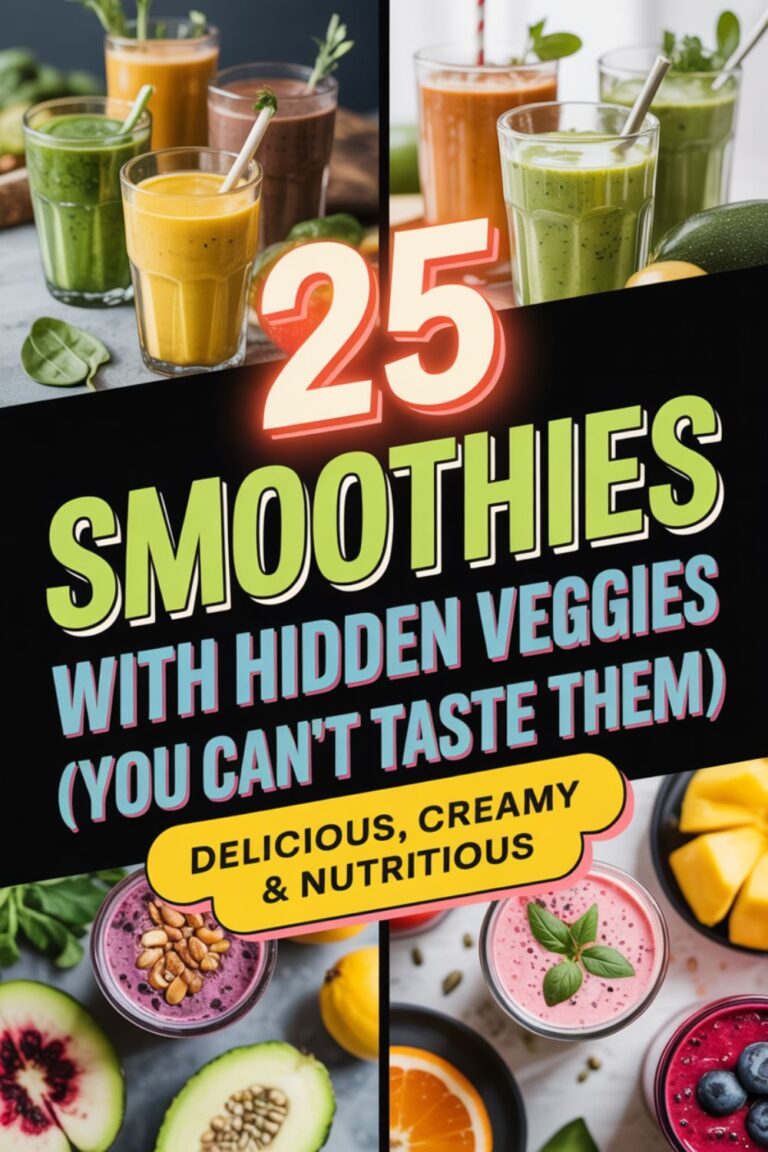
Speaking of getting creative with vegetables, if you’re trying to increase your veggie intake without the obvious “health food” vibe, check out some clever ways to hide vegetables in smoothies that your taste buds won’t notice. Also worth exploring: smoothies that skip the banana if you’re looking for variety or have that PPO concern we talked about earlier.
Protein (The Staying Power)
This is what keeps you full. Without it, you’re basically drinking fruit salad and wondering why you’re starving by 10 AM. My go-to is plain Greek yogurt—it’s thick, tangy, and packs about 15-20 grams of protein per cup. Some days I’ll use protein powder, but be picky about it. The cheap stuff tastes like sweetened chalk dust.
For plant-based options, try silken tofu (trust me on this), hemp seeds, or a scoop of peanut butter. Just watch the portions on nut butters—they’re calorie-dense and it’s stupidly easy to add 400 calories without realizing it. I use a measuring spoon set to keep myself honest because eyeballing never works out in my favor.
Healthy Fats (The Secret Weapon)
This is what makes your smoothie actually satisfying. A tablespoon of almond butter, half an avocado, or a sprinkle of chia seeds turns a drink into a meal. Fats slow down digestion, which means steady energy instead of that spike-and-crash nonsense.
I keep a container of chia seeds on my counter and throw a spoonful into basically everything. They’re loaded with omega-3s, fiber, and they thicken up your smoothie to almost milkshake consistency if you let it sit for five minutes. IMO, they’re more versatile than flax seeds and don’t require grinding.
Fruit (The Flavor, Not the Star)
Here’s where people go overboard. Fruit should enhance your smoothie, not dominate it. I stick to about one cup max—usually frozen berries because they’re cheaper and more convenient than fresh. Frozen mango is my secret weapon for making any green smoothie taste tropical and amazing.
One cup of berries, half a banana, or a few chunks of pineapple is plenty. If you need more sweetness, add a pitted date or a tiny drizzle of honey. But honestly, once you adjust to less sugar, you won’t need it. Your taste buds recalibrate faster than you’d think.
Prep freezer bags on Sunday with your smoothie ingredients already portioned out. In the morning, dump the bag in the blender, add liquid, blend, done. Five minutes max, including cleanup. You’ll thank yourself all week.
For more inspiration on keeping your breakfast routine diverse and interesting, you might enjoy these make-ahead breakfast ideas that work perfectly alongside your smoothie game. And if you’re specifically focused on staying full until lunch, these high-fiber breakfast options complement smoothies beautifully.
Meal Prep Essentials Used in This Plan
- High-Powered Blender – Look, you can use a regular blender, but if you’re serious about daily smoothies, invest in one that won’t leave chunks. I use mine for everything from nut butters to soup. Worth every penny.
- Glass Mason Jars (32 oz) – Perfect for grab-and-go smoothies or prepping ingredients the night before. They’re also great for storing smoothie bowls if you make extra.
- Reusable Silicone Freezer Bags – I prep a week’s worth of smoothie packs and these bags have saved me so much money on disposable ones. Plus they actually seal properly, unlike those sketchy ziplocks.
- 7-Day Meal Plan Templates (Digital) – Downloadable planning sheets that help you map out your smoothie combinations for the week, track what ingredients you need, and avoid the “I have nothing to eat” panic.
- Smoothie Recipe E-Book (50+ Recipes) – A collection of tested smoothie and smoothie bowl recipes organized by goal: energy boosting, gut health, protein-packed, dessert-style, and more.
- Nutrition Calculator Spreadsheet – Plug in your ingredients and instantly see macros, calories, and micronutrients. Super helpful if you’re tracking or have specific nutrition goals.
Smoothie Bowls: The Instagram Version That’s Actually Worth It
Okay, so smoothie bowls started as a social media thing and I was skeptical. But here’s the deal—they’re legitimately more satisfying than drinking a smoothie. There’s something about eating with a spoon and actually chewing toppings that tricks your brain into feeling more full.
The base is just a thicker version of your regular smoothie. Use less liquid, add frozen banana or avocado for creaminess, and blend until it’s thick enough to support toppings without turning into soup. The consistency should be somewhere between soft-serve ice cream and thick yogurt.
Toppings That Actually Add Value
Don’t just throw pretty things on top for the aesthetic. Pick toppings that add crunch, extra protein, or different nutrients. My rotation includes:
- Granola – Adds satisfying crunch and some whole grains. I make my own in a sheet pan because store-bought is usually sugar city. Or I buy the expensive hippie kind that doesn’t taste like candy.
- Hemp hearts – Nutty flavor, extra protein, omega-3s. They’re like chia seeds’ cooler cousin.
- Fresh berries – More fiber, antioxidants, and they make it look fancy.
- Coconut flakes – Toasted coconut adds a whole different dimension. Get the unsweetened kind and toast it yourself in a dry pan for two minutes. Smells amazing.
- Cacao nibs – Bitter chocolate crunch that satisfies chocolate cravings without added sugar. Takes some getting used to, but now I actually prefer them over chocolate chips.
- Nut butter drizzle – A tiny stream of almond or peanut butter makes it look professional and adds that creamy-crunchy contrast.
The key is variety. If you eat the same smoothie bowl every day with the same toppings, you’ll get bored and give up. I rotate through different base flavors and topping combinations to keep it interesting.
“I started making smoothie bowls three months ago after seeing them everywhere, and honestly, I’m obsessed. They take maybe five minutes longer than a regular smoothie, but I actually sit down and enjoy breakfast instead of chugging something while checking emails. Down 12 pounds without really trying.” – Jennifer from our community
If you’re experimenting with different smoothie styles, definitely explore thicker smoothie recipes that work perfectly for bowls. Also check out dessert-style smoothies for when you want something that feels indulgent without derailing your nutrition goals.
Common Smoothie Mistakes (That I’ve Definitely Made)
Let’s talk about what doesn’t work, because I’ve tried it all and learned the hard way.
Too Much Fruit
I get it, fruit tastes good and vegetables don’t. But loading up on fruit means you’re basically drinking sugar, natural or not. Your body doesn’t really care if the sugar came from a banana or a candy bar—it processes it pretty similarly. Keep fruit to about a cup and balance it with greens and protein.
Skipping the Fat
Fat-free smoothies leave you hungry in an hour. I learned this the hard way after a week of sad, watery spinach-banana drinks that left me raiding the snack drawer by mid-morning. Add that tablespoon of nut butter or half avocado. You need it.
Drinking It Too Fast
This isn’t a race. When you chug a smoothie, your brain doesn’t register fullness properly and you end up snacking later. Sip it slowly, maybe through a reusable straw which somehow makes you drink slower. Or turn it into a bowl so you’re forced to eat it with a spoon.
Forgetting About Calories
Just because it’s healthy doesn’t mean it’s low-calorie. I once made a “healthy” smoothie that clocked in at 800 calories thanks to generous pours of almond butter, coconut oil, and whole milk. If you’re watching your intake, measure your ingredients. That food scale I bought has been weirdly eye-opening.
Using Terrible Protein Powder
Not all protein powders are created equal. Some taste like industrial waste, some are loaded with artificial sweeteners, and some cost more than actual steak. I’ve tried approximately a million brands. Find one with minimal ingredients that actually tastes decent, or skip it and use Greek yogurt instead.
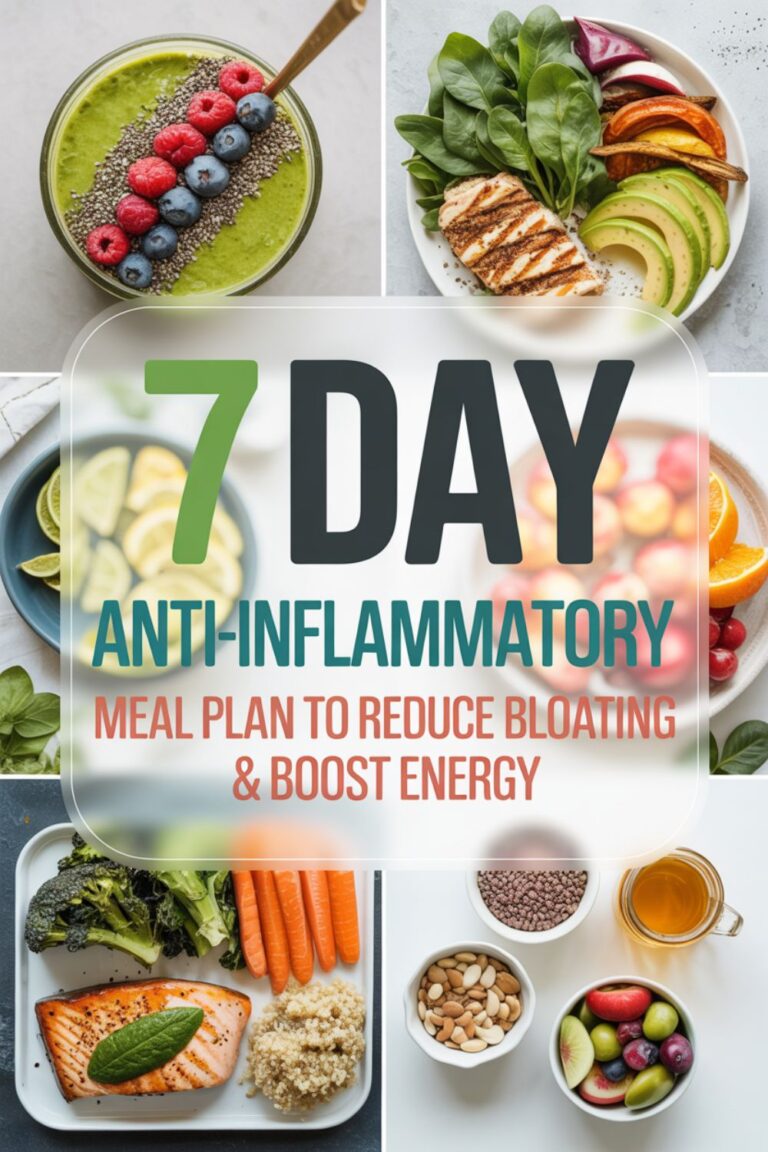
If you’re looking to balance your smoothie routine with complete meal structures, check out these anti-inflammatory meal plans that complement smoothie nutrition perfectly. For gut health specifically, these digestion-focused smoothies pair well with comprehensive wellness approaches.
My Actual Daily Smoothie Routine
Alright, here’s what actually happens in my kitchen most mornings. No Instagram filters, no perfect styling, just real life.
I keep a set of reusable freezer bags prepped with smoothie ingredients—spinach, frozen berries, half a banana, and sometimes cauliflower rice or frozen mango. Sunday night I make about five of these. In the morning, I dump a bag into the blender, add a cup of almond milk, a big scoop of Greek yogurt, a tablespoon of almond butter, and blend for 30 seconds.
Total time? Maybe three minutes including pouring it into my insulated tumbler and rinsing the blender. The blender rinses in about 15 seconds if you fill it with water and a drop of dish soap and blend again. Life-changing tip right there.
Some mornings I’m feeling ambitious and make it a bowl. Same base, less liquid, topped with whatever’s around—granola, berries, hemp seeds, maybe some coconut. Takes five extra minutes but feels like more of a “meal” than chugging a drink.
Run hot water through your blender immediately after pouring out your smoothie. Prevents that crusty situation where you have to soak it for three hours because you forgot about it. Been there, hated that.
For more breakfast efficiency, explore these ultra-quick breakfast ideas that work on your busiest mornings. And these one-bowl breakfasts offer similar convenience to smoothies when you want something different.
Tools & Resources That Make Cooking Easier
- Portion Control Containers – Helps with measuring ingredients consistently so your smoothies taste the same every time and you know exactly what you’re consuming nutrition-wise.
- Immersion Blender – Perfect for smaller smoothie portions or when you don’t want to haul out the big blender. Also great for soups, sauces, and baby food if that’s relevant to your life.
- Vacuum Seal Containers – Keeps prepped ingredients fresher longer. I use these for storing sliced fruit, prepped veggies, and even complete smoothie kits.
- Weekly Grocery Planning Template (Digital) – Takes the mental load out of meal planning. Includes categorized shopping lists, budget tracking, and seasonal ingredient suggestions.
- Kitchen Efficiency Course (Online) – Video series on batch cooking, meal prep strategies, and time-saving kitchen techniques. Honestly changed how I approach food prep.
- Macro Tracking App Guide (PDF) – Step-by-step instructions for the most popular nutrition tracking apps, including how to create custom recipes and save your favorite smoothie combos.
Smoothies for Specific Goals
Not all smoothies serve the same purpose. Here’s how to adjust based on what you’re actually trying to accomplish.
For Weight Loss
Keep it under 400 calories if you’re using it as a meal replacement. Load up on greens and vegetables, use protein powder or Greek yogurt for satiety, and go easy on the fruit and nut butter. Water or unsweetened almond milk as your base. Skip the juice entirely.
The goal is high volume, low calories, and enough protein to keep you full for 3-4 hours. Add ice to increase volume without adding calories. Sounds simple, but it works. For comprehensive approaches, these flat belly meal plans show how smoothies fit into balanced nutrition strategies.
For Muscle Building
Now we’re talking big calories and serious protein. Aim for 25-35 grams of protein minimum. Use whole milk or unsweetened soy milk, add protein powder and Greek yogurt, throw in oats for extra carbs, and don’t be shy with the nut butter. This is your post-workout meal, not a light snack.
I’ll sometimes add a scoop of oats blended into powder first, which adds creaminess and slow-burning carbs. FYI, if you’re serious about muscle building, these high-protein meal plans provide the structure to support your smoothie strategy with solid meals throughout the day.
For Gut Health
This is where things get interesting. Focus on probiotic-rich ingredients like kefir or yogurt, add prebiotic fiber from bananas or oats, and throw in some ground flax or chia seeds. Ginger and turmeric are your friends here—start small because they’re potent.
I’ll add a tablespoon of fermented foods occasionally, though they don’t exactly improve the flavor. But if you’re dealing with digestive issues, it’s worth it. These gut health reset plans work beautifully with targeted smoothie recipes.
For Energy
Balance is key. You want some quick carbs for immediate energy and some protein-fat combo for sustained energy. I’ll use half a banana for quick fuel, add spinach for iron, include chia seeds for sustained energy, and use that cold brew coffee base we talked about earlier.
Avoid going too heavy on the fruit, which gives you a quick spike followed by a crash. Been there, felt terrible. For all-day energy stability, these blood sugar balancing meal plans complement your morning smoothie routine perfectly.
“Started doing protein-packed smoothies after workouts following these guidelines. Paired it with the meal plan structure from LovelyEase and I’m finally seeing actual muscle definition instead of just being skinny-fat. Three months in, down 8% body fat, up 7 pounds of muscle. The consistency is what made the difference.” – Marcus from our WhatsApp community
Seasonal Smoothie Strategies
Your smoothie game should shift with the seasons. Not just because of ingredient availability, but because your body needs different things in summer versus winter.
Summer Smoothies
This is peak smoothie season. Use frozen fruit to make them extra cold and refreshing. I basically live on these from June through September. Load up on berries when they’re cheap and in season, freeze a bunch, and you’re set for months. Add cucumber or watermelon for extra hydration. Mint makes everything taste like summer.
Summer smoothies should be lighter, more hydrating, and can skimp a bit on the heavy ingredients. Nobody wants a thick, filling smoothie when it’s 95 degrees outside. Check out these no-cook summer breakfast ideas that pair perfectly with smoothie season.
Winter Smoothies
Controversial opinion: warm smoothies are actually good. Hear me out. In January, a freezing cold smoothie is the last thing I want. So I’ll use room temperature liquid, add warming spices like cinnamon and ginger, and sometimes gently warm it in a small saucepan after blending. Not hot, just… less arctic.
Focus on heartier ingredients—oats, nut butters, banana, dates. These feel more substantial and appropriate for cold weather. Some people think I’m weird for this, but making smoothies that match the season means you’ll actually stick with them year-round. For cold weather breakfast inspiration, these cozy winter breakfasts show how to keep breakfast interesting when smoothies feel less appealing.
Troubleshooting Common Problems
Things will go wrong. Here’s how to fix them.
It Tastes Like Dirt
You probably used too many greens or not enough fruit/sweetness. Add more frozen mango or pineapple, which are both naturally sweet and cover up veggie flavors better than berries. A tiny pinch of salt can actually help too—it balances flavors in unexpected ways. Also, vanilla extract. A quarter teaspoon makes everything taste better.
It’s Too Thin
Add frozen banana, avocado, or ice. Chia seeds thicken things up if you let it sit for five minutes. Frozen cauliflower rice adds creaminess without taste. Use less liquid next time. Also, some blenders just make thinner smoothies—if yours does, embrace the bowl version instead.
It’s Too Thick
Add more liquid gradually. I usually start with less liquid than I think I need and add more as needed. Easier to thin out than thicken up. Water works fine for this, or extra milk if you want it creamier.
It Separated and Looks Gross
This happens when you let it sit too long. Chia seeds and flax are the usual culprits. Either drink it immediately or give it a quick stir before drinking. Also, using a blender bottle with a wire whisk ball helps remix separated smoothies when you’re on the go.
My Blender Can’t Handle It
If your blender is struggling, add liquid first, then soft ingredients like banana and yogurt, then greens, then frozen stuff on top. Blend on low first to get things moving, then increase speed. If it’s still struggling, you might need to upgrade. Cheap blenders are fine for soft stuff but struggle with ice and frozen fruit. Been there, burned out a motor, learned that lesson.
For those managing specific health goals, these hormone balancing meal plans offer structure beyond just smoothies, addressing nutrition holistically for better results.
Frequently Asked Questions
Can I drink smoothies every day?
Absolutely, as long as you’re building them properly with a balance of protein, healthy fats, fiber, and not going overboard on fruit. I’ve had a smoothie almost every morning for two years and my bloodwork has never looked better. Just make sure you’re still eating varied whole foods throughout the rest of your day and not relying solely on blended nutrition.
Are smoothies better than eating whole fruits and vegetables?
Not better, just different. Smoothies make it easier to consume larger quantities of produce and can be more convenient, but chewing whole foods has benefits too—it aids digestion and helps with satiety. I do both. Smoothies for breakfast efficiency, whole foods for other meals. Balance is key, not dogma.
How long do smoothies last in the fridge?
Honestly? They’re best fresh, but you can store them for 24 hours in an airtight container in the fridge. They’ll separate and might change color (especially green ones), but they’re still fine to drink. Just shake or stir before consuming. I prep mine the night before pretty regularly and they’re totally acceptable the next morning.
Will smoothies make me gain weight?
Only if you’re making 800-calorie desserts and calling them healthy. A properly portioned smoothie with the right balance of ingredients is just food—it can support weight loss, maintenance, or gain depending on your overall calorie intake. Pay attention to portions, measure your ingredients, and track your results. The smoothie itself isn’t magic in either direction.
Can kids drink these smoothies?
Most kids love smoothies because they’re sweet and fun. Just adjust the portions for their age and energy needs. You might want to go a bit easier on strong flavors like ginger or turmeric, and definitely skip the coffee-based ones. This is actually a brilliant way to sneak vegetables into kids who refuse to eat them otherwise. My niece drinks spinach smoothies regularly and has no idea she’s eating vegetables.
The Bottom Line on Smoothies
Here’s what I’ve learned after years of blending things and sometimes making questionable decisions: smoothies work when you treat them as real food, not magic potions. They’re convenient, they’re customizable, and they’re an easy way to increase your fruit and vegetable intake without thinking too hard about it.
But they’re not a replacement for learning how to cook, they’re not automatically healthy just because they’re blended, and they won’t solve all your problems. They’re just one tool in your nutrition toolkit—a really convenient one that fits into busy mornings and can be adjusted for basically any dietary need or preference.
Start simple. Master the basic formula—liquid, greens, protein, fat, fruit—and then experiment from there. Prep your ingredients ahead of time so it’s actually sustainable. Measure your portions so you know what you’re consuming. And for the love of all things good, clean your blender immediately.
The smoothies that work are the ones you’ll actually make consistently. Not the Instagram-perfect ones with 47 exotic ingredients. Not the ones that require a trip to three different specialty stores. The simple, practical ones built from regular grocery store ingredients that taste good and leave you satisfied until your next meal.
That’s it. No magic, no pseudoscience, no promises of miracle results. Just practical nutrition in a form that fits into real life. Now go blend something that doesn’t taste like grass clippings.
Start Your Healthy Morning Routine in Just 21 Days
Stop skipping breakfast or eating random meals. Follow a simple plan with ready-to-prep recipes, grocery lists, and weekly planners designed for busy mornings.
- ✔ 21-Day Done-For-You Breakfast Plan
- ✔ Overnight Oats, Smoothies & Chia Recipes
- ✔ High Protein & Low Calorie Options
- ✔ Grocery Lists + Meal Prep System
- ✔ Printable Planners & Bonus Guides
Instant download • No physical product • Start today