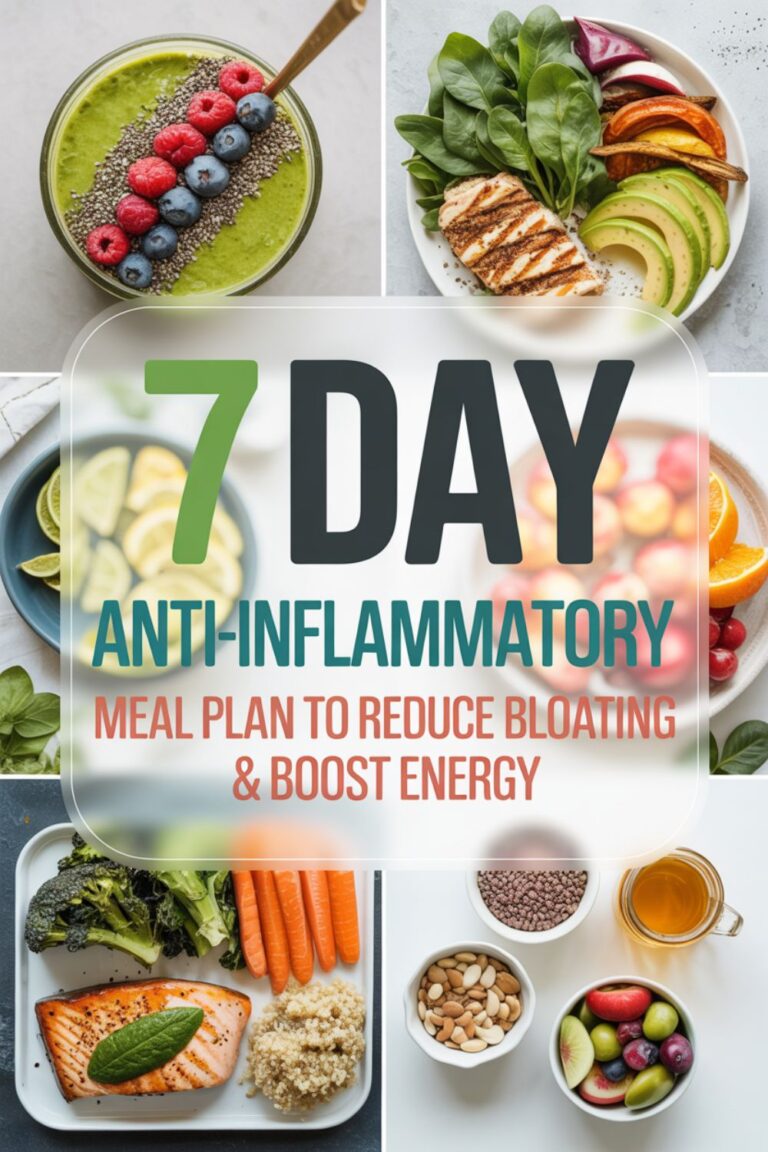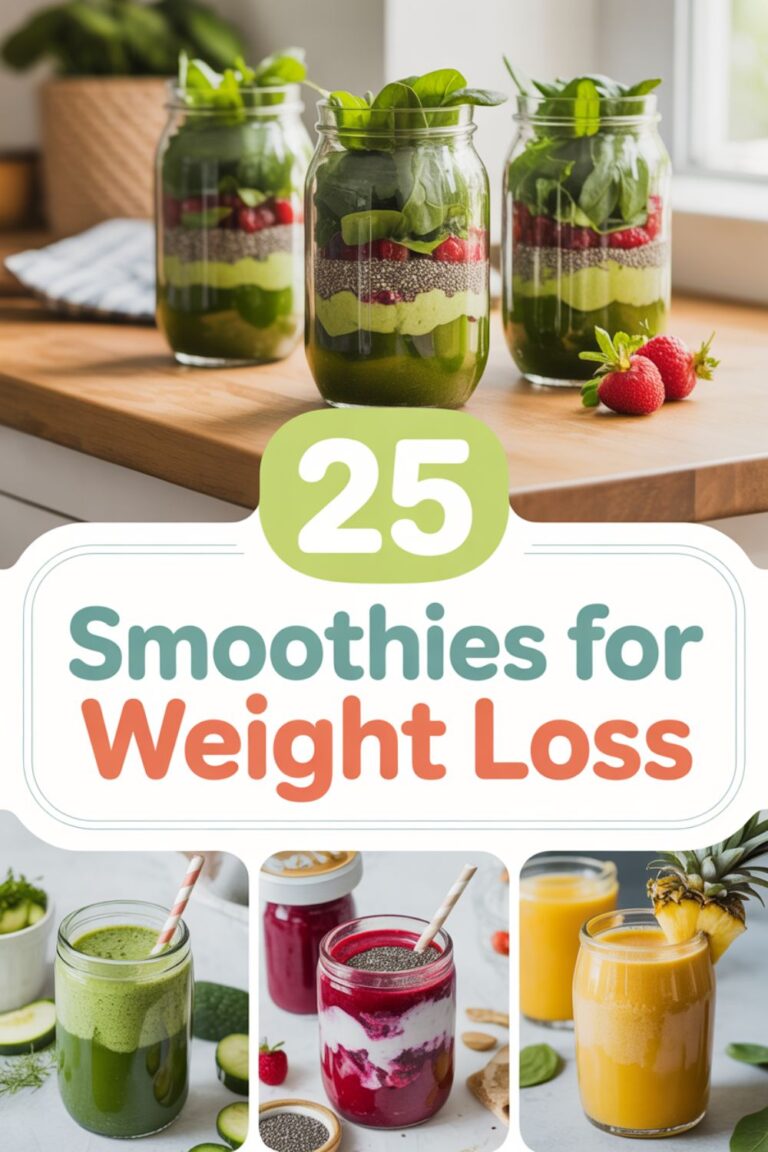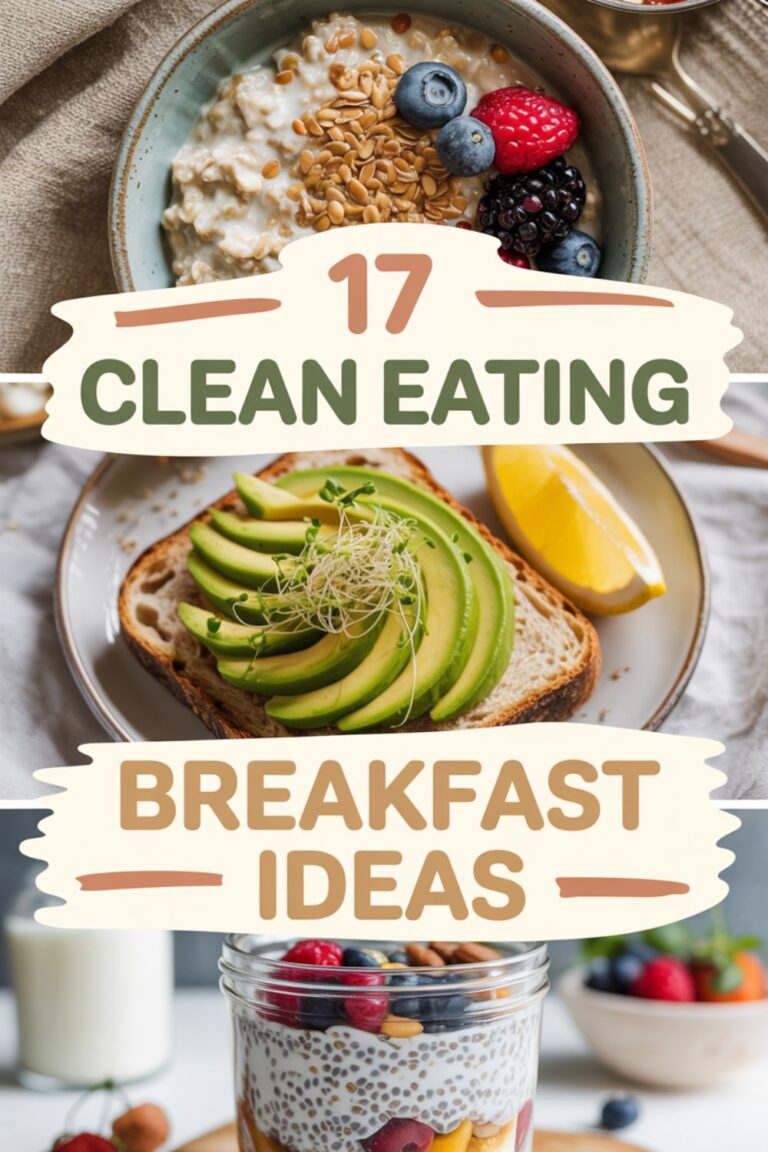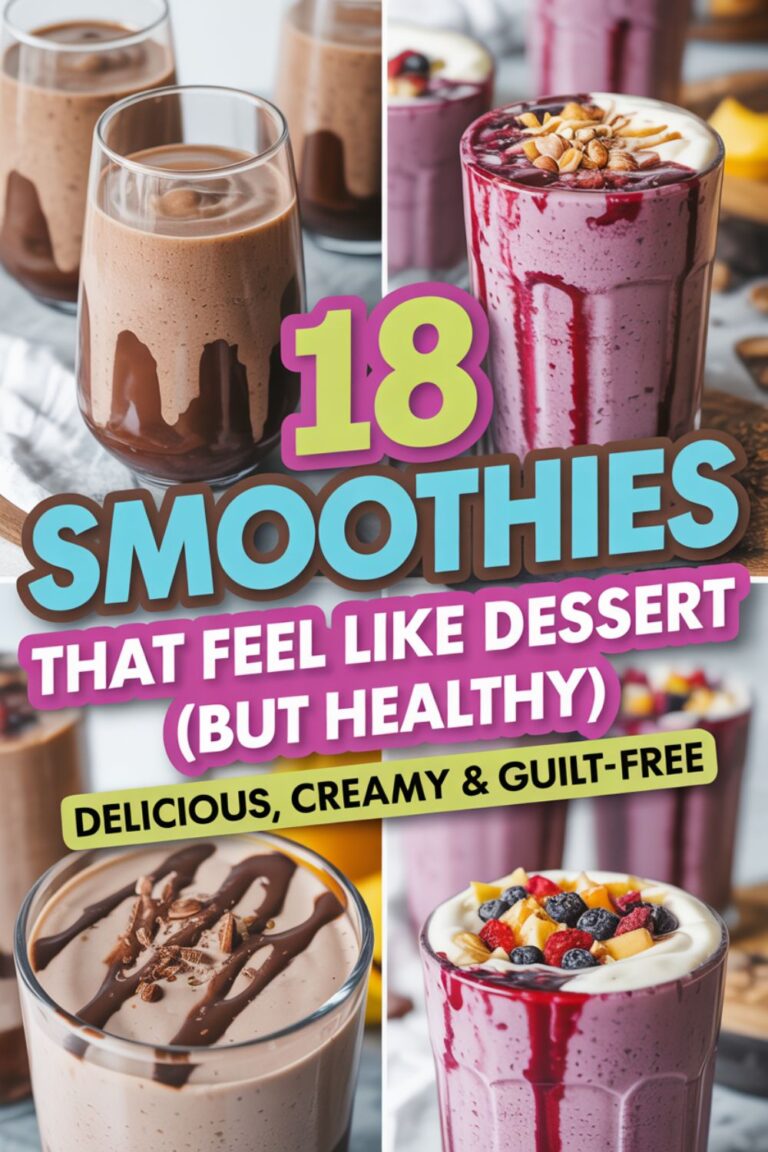
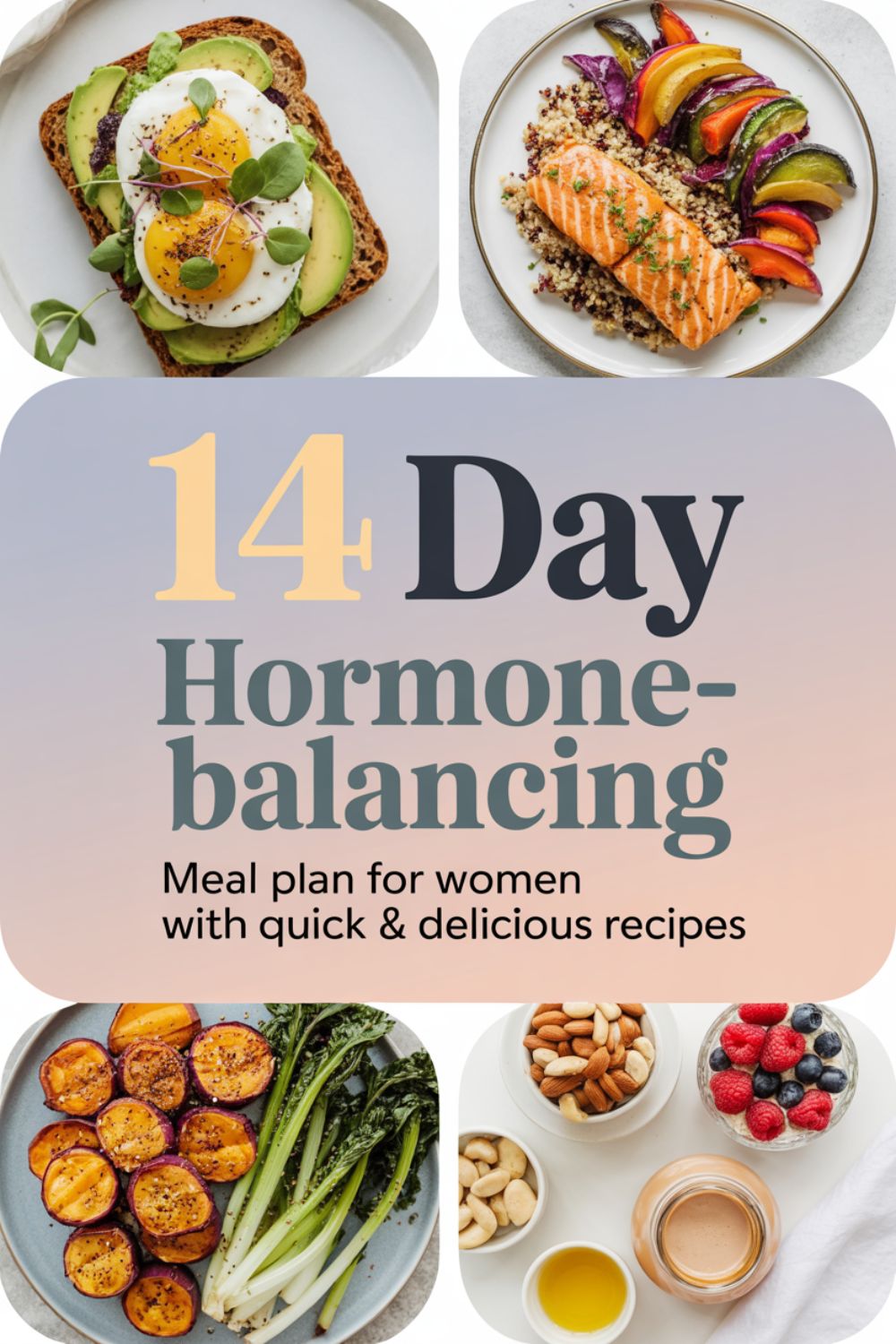
14-Day Hormone-Balancing Meal Plan for Women with Quick and Delicious Recipes
Let’s talk about something that affects every single woman but gets talked about way less than it should: hormones. You know that feeling when you’re exhausted for no reason, craving sugar like your life depends on it, or dealing with mood swings that make you question your sanity? Yeah, that’s your hormones having a field day.
I spent years thinking I just needed more willpower or better sleep. Turns out, I was feeding my body all the wrong things and wondering why it was rebelling. The truth is, what you eat has a massive impact on how your hormones behave. We’re talking about insulin, cortisol, estrogen, progesterone—the whole crew.
This 14-day meal plan isn’t about deprivation or eating bland chicken breast for two weeks straight. It’s about real food that actually tastes good and happens to help your body find its balance again. No weird supplements, no complicated recipes that take three hours, just straightforward meals that work.
Why Your Hormones Are Probably Out of Whack
Before we jump into the meal plan, let’s talk about why so many of us are dealing with hormonal chaos. Your endocrine system is like a finely tuned orchestra, and when one instrument is off-key, the whole performance suffers.
According to Cleveland Clinic, hormonal imbalances happen when you have too much or too little of one or more hormones, and even slight variations can cause major changes in your body. The usual suspects? Chronic stress, lack of sleep, processed foods loaded with sugar, and not enough of the nutrients your body actually needs.
Think about your typical day. You skip breakfast, grab a sugary coffee, stress-eat at lunch, then crash by 3 PM and reach for more caffeine. Your blood sugar spikes and crashes, your cortisol stays elevated, and your body starts holding onto every calorie like it’s preparing for a famine. Fun times, right?
The Science Behind Food and Hormones
Here’s where it gets interesting. The food you eat directly affects hormone production, detoxification, and balance. Research shows that certain nutrients act as building blocks for hormones while others help your body metabolize and eliminate excess hormones.
Protein provides amino acids needed for hormone synthesis and helps regulate appetite hormones like ghrelin and leptin. When you skimp on protein, you’re literally starving your endocrine system of what it needs to function.
Healthy fats—especially omega-3s—are crucial for hormone production. Your sex hormones are literally made from cholesterol and fat. That low-fat diet trend from the ’90s? Yeah, that did nobody’s hormones any favors.
Fiber helps eliminate excess estrogen through your digestive system. Without enough fiber, estrogen gets reabsorbed into your bloodstream, leading to estrogen dominance and all the lovely symptoms that come with it: weight gain, breast tenderness, mood swings, the works.
The relationship between nutrition and hormonal balance is complex but crucial. Studies show that both nutrient deficiencies and overconsumption can disrupt hormone levels, affecting everything from your menstrual cycle to your energy levels.
What Makes This Meal Plan Different
I’ve tried a lot of meal plans over the years. Most of them are either so restrictive you want to cry into your sad salad, or they’re so vague you have no idea what you’re actually supposed to eat. This plan hits the sweet spot between structure and flexibility.
Every meal is designed with hormone balance in mind. That means adequate protein at every meal, plenty of fiber-rich vegetables, healthy fats, and complex carbs that won’t send your blood sugar on a roller coaster ride. We’re also focusing on anti-inflammatory foods because inflammation messes with hormone receptors and makes everything worse.
The recipes take 30 minutes or less to prepare because nobody has time to spend hours in the kitchen. Most ingredients are things you can find at any grocery store—no hunting down exotic superfoods or spending your paycheck at Whole Foods.
Key Principles We’re Following
- Protein at every meal: 20-30 grams minimum to support blood sugar stability and hormone production
- Colorful vegetables: At least half your plate should be veggies, packed with phytonutrients and fiber
- Healthy fats daily: Avocados, nuts, seeds, olive oil, and fatty fish for hormone synthesis
- Complex carbohydrates: Whole grains, legumes, and starchy vegetables instead of refined carbs
- Minimal processed foods: The more whole foods, the better for hormone balance
- Regular meal timing: Eating every 3-4 hours prevents blood sugar crashes and cortisol spikes
If you’re looking for more breakfast inspiration that fits this approach, you might want to check out some Get Full Recipe options for high-protein morning meals that keep you satisfied for hours.
The 14-Day Meal Plan Breakdown
Week One: Building the Foundation
The first week is about getting your body used to regular, balanced meals. You might notice some changes pretty quickly—more stable energy, fewer cravings, better sleep. Don’t be surprised if you feel a bit off in the first few days as your body adjusts. That’s normal.
Day 1-2: Getting Started
Start with simple meals you know you can handle. Scrambled eggs with spinach and avocado for breakfast. A big salad with grilled chicken, chickpeas, and olive oil dressing for lunch. Baked salmon with roasted vegetables and quinoa for dinner. Nothing fancy, just good solid nutrition.
One thing I love using for quick breakfast prep is a small food processor for chopping nuts and making quick sauces. Makes morning meal prep infinitely faster when you’re not chopping everything by hand.
Day 3-4: Adding Variety
Now we’re mixing things up. Greek yogurt parfait with berries and walnuts. Lentil soup loaded with vegetables. Stir-fry with tofu or chicken and plenty of colorful veggies over brown rice. The key here is variety—different colors mean different nutrients, and your hormones need that diversity.
For meal prep enthusiasts, there’s a fantastic Get Full Recipe for batch-cooking lentil soup that you can portion out for the week. Seriously cuts down on decision fatigue.
Day 5-7: Finding Your Rhythm
By now, you should be getting into a groove. Your body is starting to expect regular meals, your cravings might be calming down, and you’re probably feeling more energized. This is when you can start getting creative with your meals.
Try a breakfast hash with sweet potatoes, eggs, and vegetables. A Mediterranean bowl with farro, cucumber, tomatoes, olives, and grilled fish for lunch. For dinner, maybe a hormone-balancing curry with chickpeas and coconut milk. These meals are satisfying, delicious, and working hard behind the scenes to support your endocrine system.
Speaking of meal variety, I’ve found that having the right glass meal prep containers makes all the difference in keeping things fresh and organized throughout the week.
Week Two: Leveling Up
The second week is where things get interesting. You’ve built the foundation, and now we’re optimizing. Your body is more efficient at processing nutrients, your insulin sensitivity is improving, and your hormone levels are starting to stabilize.
Day 8-10: Refining the Approach
Focus on foods that specifically support hormone detoxification. Cruciferous vegetables like broccoli, cauliflower, and Brussels sprouts contain compounds that help your liver process excess estrogen. Flaxseeds provide lignans that can help balance estrogen levels naturally.
A typical day might look like this: chia pudding with berries and almond butter for breakfast, a big kale salad with roasted chickpeas and tahini dressing for lunch, and grass-fed beef or tempeh with roasted broccoli and sweet potato for dinner.
If you’re curious about plant-based protein options that work well for hormone balance, check out these tempeh and tofu recipes that are actually flavorful and satisfying.
Day 11-14: Maintaining Balance
The final stretch is about proving to yourself that this way of eating is sustainable. You’re not white-knuckling through cravings anymore. You actually want to eat these foods because they make you feel good.
Keep rotating through your favorite meals from the past two weeks, and don’t be afraid to repeat what works. If you found a breakfast that makes you feel amazing, eat it every day. There’s no rule that says you have to eat something different at every meal.
Meal Prep Essentials Used in This Plan
After making these meals countless times, here are the tools and ingredients that make everything easier:
- Cast iron skillet – Seriously the most versatile pan you’ll own. Perfect heat distribution for everything from eggs to sautéed vegetables.
- High-speed blender – For smoothies, soups, and homemade dressings. Once you have one, you’ll use it daily.
- Meal prep containers with compartments – Keeps your proteins, veggies, and grains separate until you’re ready to eat. Game changer for work lunches.
- Hormone Balance Cookbook PDF – My go-to digital resource with 100+ recipes specifically designed for endocrine support
- Weekly Meal Planning Template – Printable planner that takes the guesswork out of what to eat each day
- Shopping List Generator – Digital tool that creates a grocery list based on your meal plan for the week
Recipes That Actually Taste Good
Breakfast: Starting Strong
Breakfast sets the tone for your entire day’s blood sugar balance. Skip it, and you’re asking for trouble. Eat something sugary, same problem. We’re going for protein-forward meals that keep you satisfied until lunch.
Hormone-Balancing Breakfast Bowl: Scramble 2-3 eggs in coconut oil or butter. Add a massive handful of spinach at the end so it wilts. Serve over half a sweet potato (roasted ahead of time), top with avocado, and sprinkle with pumpkin seeds. Takes 10 minutes, keeps you full for hours, and gives your body everything it needs to start producing hormones efficiently.
For more protein-packed breakfast ideas that won’t spike your blood sugar, there are some excellent egg-based breakfast recipes and Greek yogurt parfaits that follow the same principles.
Quick Chia Breakfast Pudding: Mix 3 tablespoons chia seeds with 1 cup unsweetened almond milk, a scoop of protein powder, and a handful of berries. Let it sit overnight. In the morning, top with almond butter and more berries. The fiber from chia seeds helps eliminate excess estrogen, while the protein keeps your blood sugar stable.
I use this mason jar set for making multiple breakfast puddings at once. Just grab one from the fridge each morning and you’re good to go.
Lunch: Keeping Energy Steady
Lunch is where a lot of people go wrong. They either skip it entirely or grab something quick that’s mostly carbs. Then they wonder why they’re crashing by 2 PM and craving everything in the vending machine.
Mediterranean Quinoa Bowl: Start with cooked quinoa as your base. Add cucumber, cherry tomatoes, red onion, kalamata olives, and feta cheese. Top with grilled chicken or chickpeas. Dress with olive oil, lemon juice, and herbs. This bowl has everything: complex carbs, protein, healthy fats, and plenty of fiber. Plus, it travels well if you’re packing lunch for work.
The secret to making quinoa that isn’t musty-tasting? Toast it in a dry pan for a few minutes before cooking. Also, this rice cooker with a quinoa setting is clutch for perfect grains every time.
Power Salad That Doesn’t Suck: Mixed greens, roasted sweet potato cubes, grilled salmon, avocado, pumpkin seeds, and a tahini-lemon dressing. The combination of omega-3s from the salmon, fiber from the greens, and healthy fats from avocado makes this an ideal hormone-supporting meal. Get Full Recipe
Dinner: Wrapping Up Right
Dinner shouldn’t be your biggest meal of the day, but it should be satisfying enough that you’re not raiding the pantry an hour later. We want protein, plenty of vegetables, and some complex carbs to support overnight recovery and hormone production.
One-Pan Salmon and Vegetables: Place a salmon fillet on a sheet pan. Surround it with broccoli florets, sliced bell peppers, and zucchini. Drizzle everything with olive oil, add lemon slices, and season with garlic, salt, and pepper. Roast at 400°F for 20 minutes. Serve with a side of quinoa or wild rice.
This is hands-down the easiest dinner when you’re exhausted. The half sheet pan I use for this is perfectly sized for two servings and makes cleanup a breeze.
Hormone-Happy Stir-Fry: Use a protein source of your choice (tofu, chicken, shrimp), tons of colorful vegetables (snap peas, carrots, bell peppers, bok choy), and serve over brown rice or cauliflower rice. Season with coconut aminos, ginger, and garlic. The cruciferous vegetables help with estrogen metabolism, while the quality protein supports overall hormone production.
Looking for more complete dinner ideas? These anti-inflammatory dinner recipes and one-pan meals follow the same hormone-balancing principles with minimal cleanup required.
Snacks That Support Your Goals
Snacking gets a bad rap, but strategic snacks between meals can actually help maintain stable blood sugar and prevent cortisol spikes. The key is choosing snacks with protein and fat, not just carbs.
My go-to snacks: apple slices with almond butter, carrots and hummus, a small handful of mixed nuts with dark chocolate, or a hard-boiled egg with cherry tomatoes. Each of these provides sustained energy without triggering insulin spikes.
I keep these snack-sized containers in my bag so I’m never caught hungry without options. Prevents those desperate convenience store runs where nothing is remotely hormone-friendly.
Tools & Resources That Make Cooking Easier
These are the things that genuinely make sticking to a hormone-balancing diet less overwhelming:
- Instant Pot or pressure cooker – Makes dried beans, whole grains, and tough cuts of meat incredibly fast. Perfect for batch cooking.
- Quality knife set – Vegetable prep takes half the time when your knives are actually sharp. Worth the investment.
- Vegetable spiralizer – For those nights when you want pasta-like comfort without the refined carbs. Zucchini noodles are surprisingly good.
- Hormone Tracker App Subscription – Digital tool that helps you log symptoms and identify patterns in how foods affect your cycle
- Recipe Swap Database – Access to ingredient substitutions for allergies or preferences without compromising hormone balance
- Join Our WhatsApp Community – Connect with other women following the plan, share recipes, and get real-time support
Common Mistakes to Avoid
I’ve made all these mistakes myself, so learn from my failures. First, don’t try to be perfect. If you have a day where you eat pizza and ice cream, that’s fine. One meal doesn’t derail your hormones. It’s the pattern over time that matters.
Second, don’t under-eat in an attempt to speed up results. When you drastically cut calories, your body responds by shutting down non-essential functions—like hormone production. You’ll lose your period before you lose weight, and that’s your body waving a giant red flag.
Third, give it time. You didn’t develop hormone imbalances overnight, and they won’t resolve in a week. Most women start noticing real changes around the 3-4 week mark. Some take longer. Be patient with the process and your body.
Adjusting for Your Specific Needs
Every woman’s hormonal situation is different. What works for someone dealing with estrogen dominance might not be ideal for someone with PCOS or thyroid issues. This meal plan provides a solid foundation, but you might need to tweak it.
If you have PCOS or insulin resistance, focus on keeping carbs moderate and distributed throughout the day rather than loading them all into one meal. Increase healthy fats and make sure every carb serving is paired with protein and fat.
For low estrogen or perimenopause, emphasize phytoestrogen-rich foods like flaxseeds, sesame seeds, and legumes. These can help provide gentle estrogen support through plant compounds.
Dealing with thyroid issues? Make sure you’re getting enough selenium (Brazil nuts, fish), zinc (pumpkin seeds, oysters), and iodine (seaweed, fish). Also, if you’re hypothyroid, you might want to limit raw cruciferous vegetables and focus on cooked versions instead.
For comprehensive guidance on PCOS-specific nutrition, there are detailed PCOS meal plans and insulin-resistance-friendly recipes that build on these same principles with additional specificity.
Beyond Food: The Full Picture
Real talk—food is huge, but it’s not the only piece of the hormone puzzle. You can eat perfectly and still struggle if you’re sleeping four hours a night, stressed out of your mind, or never moving your body.
Research consistently shows that sleep deprivation disrupts leptin and ghrelin (your hunger hormones), increases cortisol, and decreases insulin sensitivity. Aim for 7-8 hours minimum. Yes, I know that’s easier said than done, but it’s that important.
Stress management is equally crucial. Chronic stress keeps cortisol elevated, which then messes with your other hormones. Find something that actually works for you—meditation, walks, journaling, whatever. Just do something to bring your nervous system down from fight-or-flight mode.
Movement matters too, but you don’t need to kill yourself at the gym. Moderate exercise supports hormone balance. Extreme exercise can actually make things worse by adding more stress to your system. Walking, strength training, yoga—all excellent choices.
Grocery Shopping Strategy
Walking into a grocery store without a plan is a recipe for disaster. You’ll end up with a cart full of random ingredients and no actual meals. Here’s how I approach it.
Proteins: Stock up on eggs, chicken breast or thighs, wild-caught salmon, canned sardines or tuna, Greek yogurt, and whatever plant-based proteins you prefer (tofu, tempeh, legumes).
Vegetables: Buy a mix of leafy greens, cruciferous vegetables (broccoli, cauliflower, Brussels sprouts), and colorful options (bell peppers, tomatoes, carrots). Get more than you think you need—vegetables should dominate your plate.
Fruits: Focus on berries for their antioxidants and lower sugar content. Apples, citrus, and whatever else is in season works too. Just don’t go overboard—fruit has fiber but still affects blood sugar.
Healthy fats: Avocados, nuts, seeds, olive oil, coconut oil, and fatty fish. Don’t skimp here—your hormones literally need these fats to function.
Complex carbs: Quinoa, brown rice, sweet potatoes, oats, and legumes. These provide sustained energy without the blood sugar roller coaster of refined carbs.
For more guidance on stocking a hormone-friendly kitchen, check out this complete grocery list template that covers everything you need for a full week of meals.
Making It Work Long-Term
Two weeks is just the beginning. The real magic happens when this becomes your normal way of eating, not a temporary diet you suffer through. So how do you make that transition?
First, find your anchor meals—the recipes you genuinely enjoy and can make without thinking. For me, it’s the breakfast bowl, Mediterranean quinoa, and one-pan salmon. I rotate through these constantly and never get bored.
Second, build in flexibility. If you’re going out to eat, make the best choice available. Grilled fish with vegetables and a side salad? Perfect. You don’t need to be rigid to maintain hormone balance.
Third, listen to your body. If something isn’t working, adjust. Maybe you need more carbs around your workouts. Maybe you feel better with four smaller meals instead of three big ones. Pay attention and adapt.
Frequently Asked Questions
How quickly will I notice changes in my hormone levels?
Most women start noticing subtle improvements in energy and mood within the first week, but significant hormonal shifts typically take 3-6 weeks to become apparent. Your menstrual cycle is a good indicator—if you’re tracking, you might notice changes after 1-2 cycles of following the plan. Be patient with the process because hormones don’t change overnight.
Can I follow this plan if I’m vegetarian or vegan?
Absolutely. Just swap animal proteins for plant-based options like tofu, tempeh, legumes, and high-quality protein powder. Make sure you’re getting enough B12, iron, and omega-3s through supplements or fortified foods since these are harder to obtain from plant sources alone. The principles remain the same—balanced macros at every meal with plenty of fiber and healthy fats.
Do I need to avoid all sugar and processed foods forever?
No, and this is important—this isn’t about perfection. The goal is to reduce refined sugars and processed foods significantly during the 14 days to give your body a chance to reset. After that, occasional treats aren’t going to derail your progress. The 80/20 rule works well for most people—eat hormone-supportive foods 80% of the time, and enjoy your life the other 20%.
What if I have food allergies or specific dietary restrictions?
The meal plan is flexible enough to accommodate most dietary restrictions. For gluten-free needs, stick with naturally gluten-free grains like quinoa and rice. For dairy-free, use coconut yogurt or nut-based alternatives. The key is maintaining the balance of protein, healthy fats, and fiber at each meal regardless of specific ingredients.
Should I take supplements along with this meal plan?
While food should always be your primary source of nutrients, certain supplements can support hormone balance—things like vitamin D, magnesium, omega-3s, and a quality probiotic. However, it’s best to work with your healthcare provider to determine which supplements make sense for your specific situation based on lab work and symptoms. Don’t just start taking everything the internet recommends.
The Bottom Line
Look, I’m not going to promise this meal plan will cure every hormonal issue you’re dealing with. Hormones are complex, and sometimes you need medical intervention beyond diet. But I can tell you that for most women, what they eat has a way bigger impact on how they feel than they realize.
This 14-day plan gives you a framework for eating in a way that supports your endocrine system instead of working against it. It’s not about deprivation or complicated rules. It’s about consistently choosing foods that help your body find its natural balance.
You might be skeptical right now, and that’s fine. I was too. But two weeks is such a short time investment for potentially significant improvements in how you feel. You’ve probably spent longer trying things that didn’t work.
The recipes are straightforward, the ingredients are accessible, and the results speak for themselves when you actually commit to trying it. Your hormones affect everything—your energy, mood, skin, weight, sleep, and how you show up in the world. They deserve your attention and the right fuel to function properly.
Start with one meal. Then add another. Build momentum slowly instead of trying to overhaul everything overnight. And remember, the goal isn’t perfection—it’s progress toward feeling like yourself again. Your body knows how to balance itself when you give it what it needs. This meal plan is just showing you what that looks like in practice.
Start Your Healthy Morning Routine in Just 21 Days
Stop skipping breakfast or eating random meals. Follow a simple plan with ready-to-prep recipes, grocery lists, and weekly planners designed for busy mornings.
- ✔ 21-Day Done-For-You Breakfast Plan
- ✔ Overnight Oats, Smoothies & Chia Recipes
- ✔ High Protein & Low Calorie Options
- ✔ Grocery Lists + Meal Prep System
- ✔ Printable Planners & Bonus Guides
Instant download • No physical product • Start today