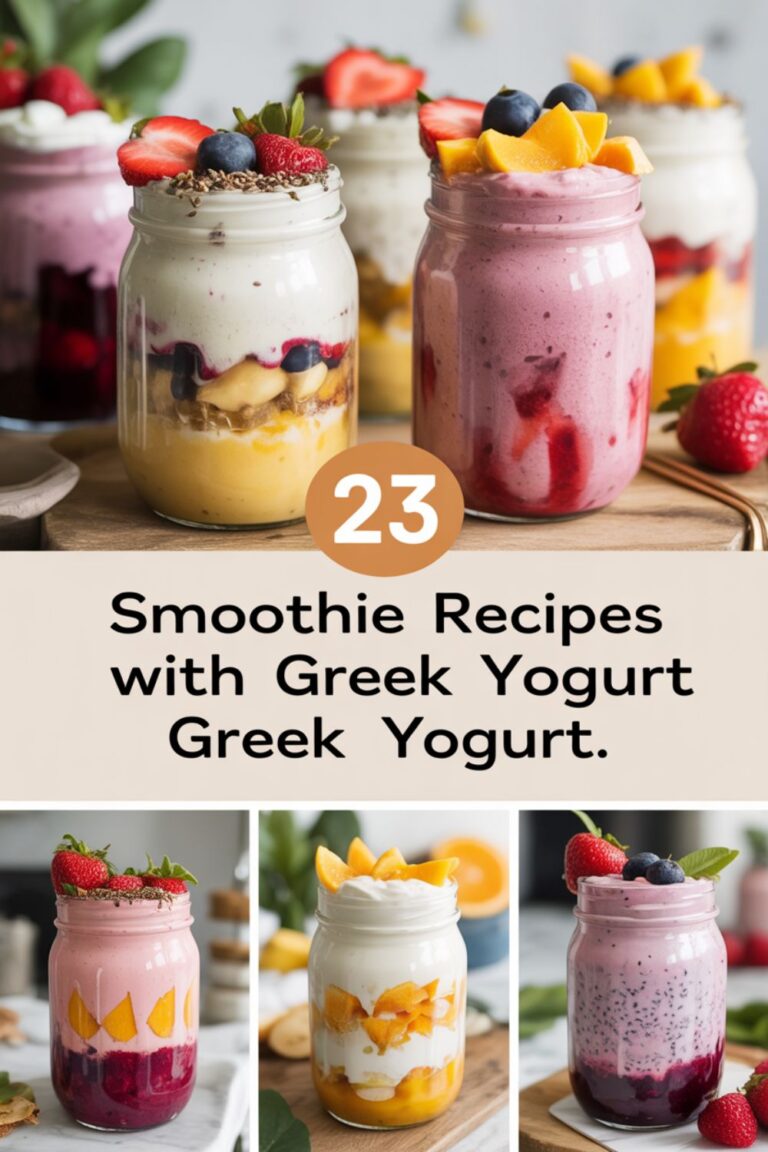
23 Breakfast Recipes Under 300 Calories That Actually Fill You Up
Look, I’m not about to preach to you about how breakfast is the most important meal of the day—you’ve heard that enough times from every well-meaning relative at Sunday brunch. But here’s what I will say: when you nail a low-calorie breakfast that actually keeps you satisfied until lunch, you’ve basically cracked the code to not eating an entire sleeve of crackers by 10 AM.
I’ve spent way too many mornings thinking a banana and coffee would cut it, only to find myself eyeing my coworker’s bagel like a starving wolf. That’s when I realized something important: calories aren’t the enemy. It’s about what those calories are made of. A 280-calorie breakfast loaded with protein and fiber will keep you fuller than a 500-calorie muffin that’s basically sugar and regret.
So if you’re trying to keep your morning meal under 300 calories without feeling like you’re on some medieval fasting diet, you’re in the right place. These aren’t sad, wimpy breakfasts that leave you fantasizing about lunch at 9:15 AM. They’re real, satisfying meals that happen to be calorie-conscious.

Why 300 Calories Actually Works for Breakfast
Before we dive into recipes, let’s talk about why 300 calories isn’t just some random number I pulled out of thin air. Research shows that a breakfast with adequate protein can significantly reduce hunger hormones and increase satiety throughout the morning. When you’re working with a daily calorie goal, dedicating roughly 15-20% of those calories to breakfast makes sense for most people.
But here’s the kicker: a recent study found that protein-rich breakfasts don’t just keep you fuller—they actually improve concentration and cognitive function before lunch. So you’re not just avoiding mid-morning snack attacks; you’re also sharper during those morning meetings where you’re supposed to look like you care about quarterly projections.
The magic formula? Aim for at least 15-20 grams of protein, some fiber-rich carbs, and a touch of healthy fat. That combination slows digestion, stabilizes blood sugar, and keeps those “feed me now” signals at bay.
The Protein Breakfast Game-Changer
I used to be firmly in the “toast and jam” breakfast camp until I discovered what protein actually does for your morning. Turns out, dairy-based high-protein breakfasts have been shown to enhance satiety signals for hours after consumption. Translation: you stop thinking about food every five minutes.
When you prioritize protein at breakfast, you’re essentially telling your body, “Hey, we’re good here. No need to panic about food.” Your hunger hormones chill out, your blood sugar stays stable, and you can actually focus on your day instead of your stomach. For more ways to boost your protein intake throughout the week, check out this 7-day high-protein meal plan that’s specifically designed for muscle building and fat loss.
Eggs: The Obvious Champion
Let’s start with the breakfast MVP. Two large eggs clock in around 140 calories and pack 12 grams of protein. Scramble them with spinach and tomatoes, and you’ve got a 200-calorie powerhouse that’ll keep you satisfied for hours. I like mine cooked in a tiny bit of olive oil—just enough to keep them from sticking to my nonstick ceramic pan that’s basically saved my mornings from becoming a scraped-egg disaster.
The beauty of eggs is their versatility. Soft-boiled on whole grain toast, scrambled with veggies, or turned into mini frittatas you can grab from the fridge—they work for any breakfast style. And despite what your grandmother might have told you, the yolk is where most of the nutrients live, so don’t go tossing those golden centers.
Greek Yogurt: Creamy Protein Bomb
One cup of plain Greek yogurt delivers about 20 grams of protein for roughly 130 calories. Mix it with berries and a tablespoon of chia seeds, and you’ve got yourself a breakfast that tastes like dessert but acts like a nutritional bodyguard.
I keep individual portions in small glass containers with toppings stored separately. That way, I’m not eating soggy berries, and the crunch factor stays intact. It’s these little things that make the difference between a breakfast you actually want to eat and one you force down out of obligation.
“I switched to Greek yogurt breakfasts three months ago, and honestly, it’s the first time I’ve made it to lunch without raiding the office kitchen. Down 12 pounds and my energy levels are way more consistent.” —Rachel from our community
23 Breakfast Recipes That’ll Actually Keep You Full
Alright, enough theory. Let’s get to the good stuff—actual recipes you can make without needing a culinary degree or a grocery budget that requires a second mortgage.
Egg-Based Breakfasts
1. Veggie-Loaded Egg White Scramble (180 calories): Four egg whites scrambled with mushrooms, bell peppers, and spinach. Season with garlic powder and a pinch of red pepper flakes. Serve with one slice of whole grain toast for an extra 80 calories if you’ve got room in your budget.
2. Tomato and Feta Egg Muffins (210 calories for 2 muffins): Whisk eggs with cherry tomatoes, crumbled feta, and fresh basil. Pour into a silicone muffin pan and bake at 350°F for 20 minutes. Make a dozen on Sunday and you’re set for the week.
3. Soft-Boiled Eggs with Avocado Toast (285 calories): Two soft-boiled eggs over half an avocado mashed on one slice of whole grain bread. Sprinkle with everything bagel seasoning because life’s too short for bland toast.
4. Spanish Scramble (195 calories): Two eggs scrambled with diced tomatoes, onions, and a tablespoon of salsa. The salsa adds flavor without adding significant calories, which is basically a cheat code for breakfast. Get Full Recipe
If you’re looking for more creative ways to incorporate eggs into your morning routine, this collection of one-bowl healthy breakfast recipes includes several egg-based options that minimize cleanup time.
Meal Prep Essentials Used in These Recipes
These are the tools and ingredients that make breakfast prep actually doable on a Monday morning:
- Glass Meal Prep Containers (Set of 10): Keep your overnight oats, yogurt parfaits, and egg muffins organized and ready to grab. The glass doesn’t retain smells or stains like plastic does.
- Digital Kitchen Scale: Takes the guesswork out of portion sizes. One hundred calories of oats looks different than you’d think.
- Silicone Baking Muffin Pan: For egg muffins and mini frittatas. Nothing sticks, cleanup is a breeze, and they’re basically indestructible.
- 7-Day Breakfast Meal Prep Guide (Digital PDF): Complete shopping lists and prep schedules for all these recipes. Takes the thinking out of the equation.
- Macro-Friendly Breakfast Recipe eBook: 50+ additional breakfast ideas with full nutritional breakdowns and meal prep instructions.
- Kitchen Conversion Chart Printable: Laminated reference card for quick measurements when you’re half-awake at 6 AM.
Want personalized meal prep support? Join our WhatsApp community for weekly tips, recipe swaps, and accountability check-ins.
Oat-Based Breakfasts
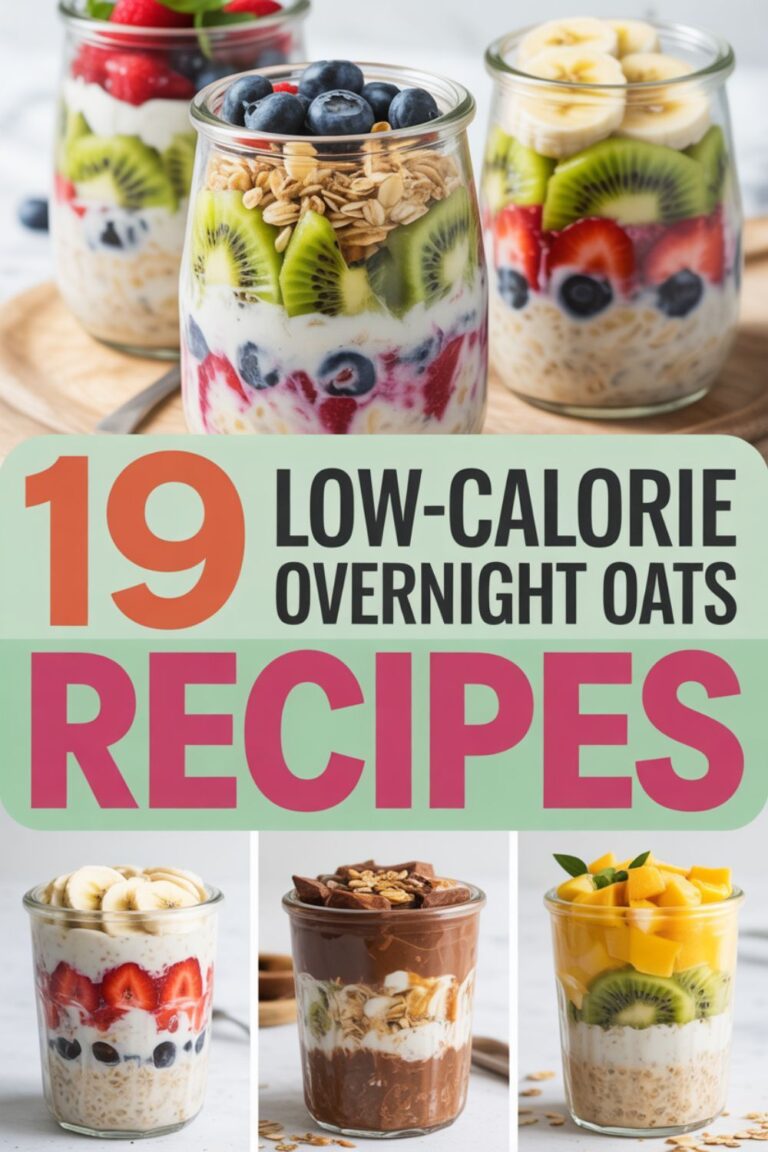
5. Classic Overnight Oats (245 calories): Mix half a cup of rolled oats with half a cup of unsweetened almond milk, two teaspoons of chia seeds, and a teaspoon of maple syrup. Top with half a diced apple in the morning. I make these in mason jars with lids that seal properly—learned that lesson after oat-milk explosions in my bag.
6. Peanut Butter Banana Oats (290 calories): Half a cup of cooked oatmeal with one tablespoon of natural peanut butter and half a sliced banana. This is my go-to when I need something that feels like comfort food but won’t derail my day.
7. Berry Protein Oats (265 calories): Oatmeal cooked with a scoop of vanilla protein powder, topped with mixed berries. Game-changer for hitting your protein goals without choking down another egg.
8. Apple Cinnamon Baked Oats (280 calories): Blend oats with egg, cinnamon, diced apple, and a splash of milk. Bake in a ramekin for 25 minutes. It’s basically apple pie for breakfast, except socially acceptable. Get Full Recipe
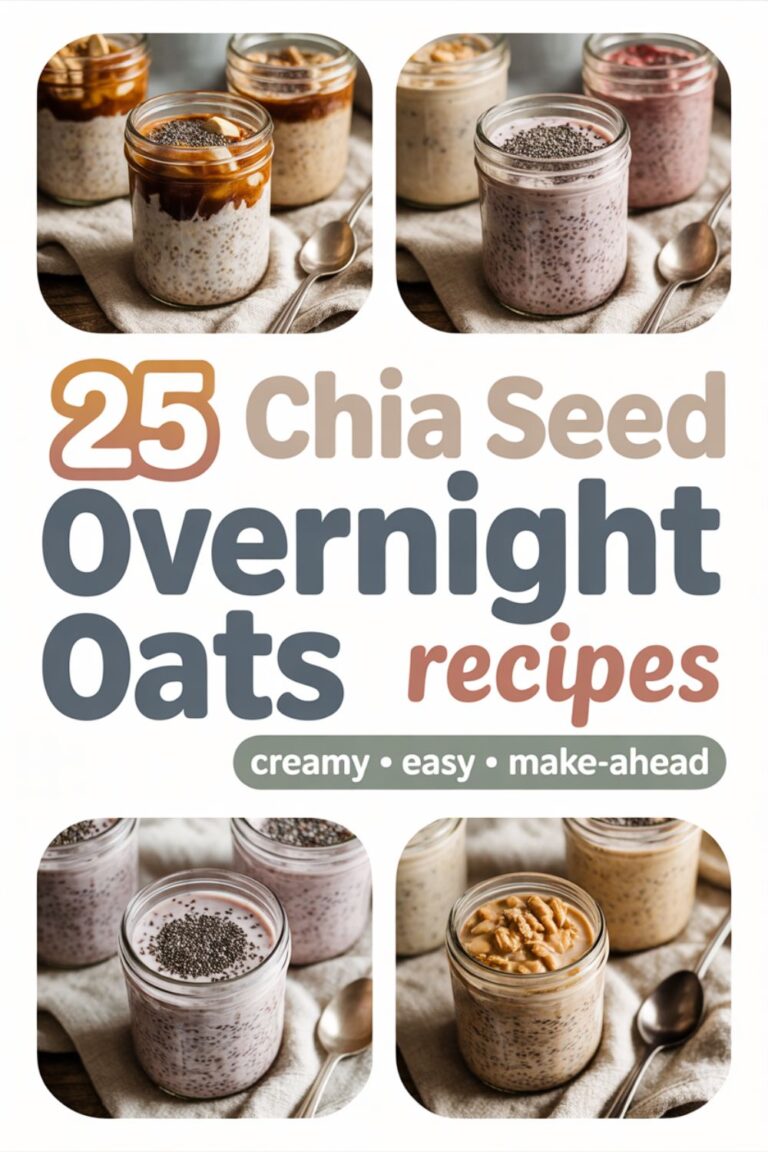
Speaking of oats, if you love these options, you’ll definitely want to explore this guide to chia seed overnight oats recipes that take meal prep to another level.
Smoothie and Smoothie Bowl Options
9. Green Machine Smoothie (195 calories): Spinach, frozen banana, unsweetened almond milk, and a tablespoon of almond butter. Blend until smooth. The spinach disappears completely, taste-wise, which makes sneaking in vegetables feel like you’re getting away with something.
10. Berry Blast Protein Smoothie (235 calories): Mixed frozen berries, Greek yogurt, a splash of orange juice, and ice. Thick enough to eat with a spoon if you want that smoothie bowl experience.
11. Tropical Paradise Smoothie Bowl (270 calories): Blend frozen mango, pineapple, and banana with coconut water until thick. Top with a sprinkle of coconut flakes and sliced kiwi. Makes you feel like you’re on vacation even when you’re staring at your kitchen counter on a Tuesday.
12. Chocolate Peanut Butter Smoothie (285 calories): Frozen banana, tablespoon of cocoa powder, tablespoon of peanut butter, and unsweetened almond milk. This one’s for when you need breakfast to feel like a treat. Get Full Recipe
For those mornings when you need something that travels well, check out this collection of grab-and-go breakfast jars that work perfectly for commuters.
If you’re curious about getting more creative with smoothies, this complete guide to blending better health covers everything from texture tricks to hidden veggie strategies.
Toast and Bread-Based Options
13. Avocado Toast with Everything Seasoning (240 calories): One slice of whole grain bread, quarter of an avocado, sliced tomato, and everything bagel seasoning. Simple, classic, and actually filling despite what the internet says about millennials and their toast obsession.
14. Ricotta and Strawberry Toast (255 calories): Whole grain bread spread with part-skim ricotta, topped with sliced strawberries and a drizzle of honey. Tastes fancy, takes three minutes.
15. Smoked Salmon and Cream Cheese Toast (275 calories): One slice of bread with light cream cheese, smoked salmon, capers, and red onion. This is my “treat yourself” breakfast that still fits the calorie budget.
16. Almond Butter and Banana Toast (270 calories): Whole grain bread with one tablespoon of almond butter and half a sliced banana. Sprinkle with cinnamon. The cinnamon actually helps with blood sugar stability, so it’s not just there to make you feel gourmet. Get Full Recipe
Cottage Cheese and Dairy-Based Breakfasts
17. Berry Cottage Cheese Bowl (180 calories): Half a cup of low-fat cottage cheese with mixed berries and a teaspoon of honey. Cottage cheese has made a comeback, and honestly, it deserves the hype. The protein-to-calorie ratio is insane.
18. Savory Cottage Cheese Toast (235 calories): Toast topped with cottage cheese, sliced cucumber, cherry tomatoes, and black pepper. Sounds weird, tastes incredible.
19. Cottage Cheese Pancakes (260 calories for 3 small pancakes): Blend cottage cheese with eggs and a bit of flour. Cook like regular pancakes. They’re fluffier than you’d expect and pack way more protein than traditional pancakes.
20. Greek Yogurt Parfait (220 calories): Layers of Greek yogurt, granola, and fresh fruit. Make it in a portable parfait cup and you’ve got breakfast that looks Instagram-worthy without trying. Get Full Recipe
For more inspiration on keeping breakfast interesting throughout the week, explore these make-ahead breakfast ideas that save time and maintain variety.
Tools & Resources That Make Cooking Easier
Here’s what actually makes a difference in my kitchen (not just stuff that looks good on a shelf):
- Personal Blender with Travel Lid: Blend your smoothie directly in the cup you’ll drink it from. One less dish to wash, which might not sound like a big deal until you’re doing dishes for the third time that day.
- Avocado Tool Set: Includes a slicer, pit remover, and scooper. Makes dealing with avocados less of a potential hand-stabbing situation.
- Egg Poaching Cups: For perfect poached eggs without the whirlpool stress. Just drop them in boiling water and walk away.
- 30-Day Breakfast Challenge Guide (Digital): Daily recipes with shopping lists and a built-in tracker. Keeps things interesting when you hit that “not oatmeal again” phase.
- Breakfast Meal Planning Template (Downloadable): Drag-and-drop weekly planner with automatic calorie calculations. Makes planning feel less like homework.
- Video Tutorial Library (Digital Access): Step-by-step cooking videos for every recipe technique mentioned here. Because sometimes reading “whisk until smooth” doesn’t quite cut it.
Looking for real-time cooking help? Our WhatsApp community does live cooking sessions every Sunday morning—bring your questions and cook along.
Quick and Unusual Options
21. Chia Seed Pudding (210 calories): Mix three tablespoons of chia seeds with one cup of unsweetened almond milk and a touch of vanilla extract. Let it sit overnight. Top with berries in the morning. The texture takes some getting used to, but the convenience factor is unbeatable. Get Full Recipe
22. Sweet Potato Hash with Egg (295 calories): Dice half a small sweet potato, sauté with onions until crispy, top with one fried egg. Sweet potatoes for breakfast might seem odd, but they’re loaded with fiber and keep you satisfied way longer than regular potatoes.
23. Breakfast Quesadilla (280 calories): One small whole wheat tortilla filled with scrambled egg, black beans, and a sprinkle of cheese. Fold and cook until crispy. It’s like a breakfast taco had a baby with a grilled cheese, and honestly, I’m here for it. Get Full Recipe
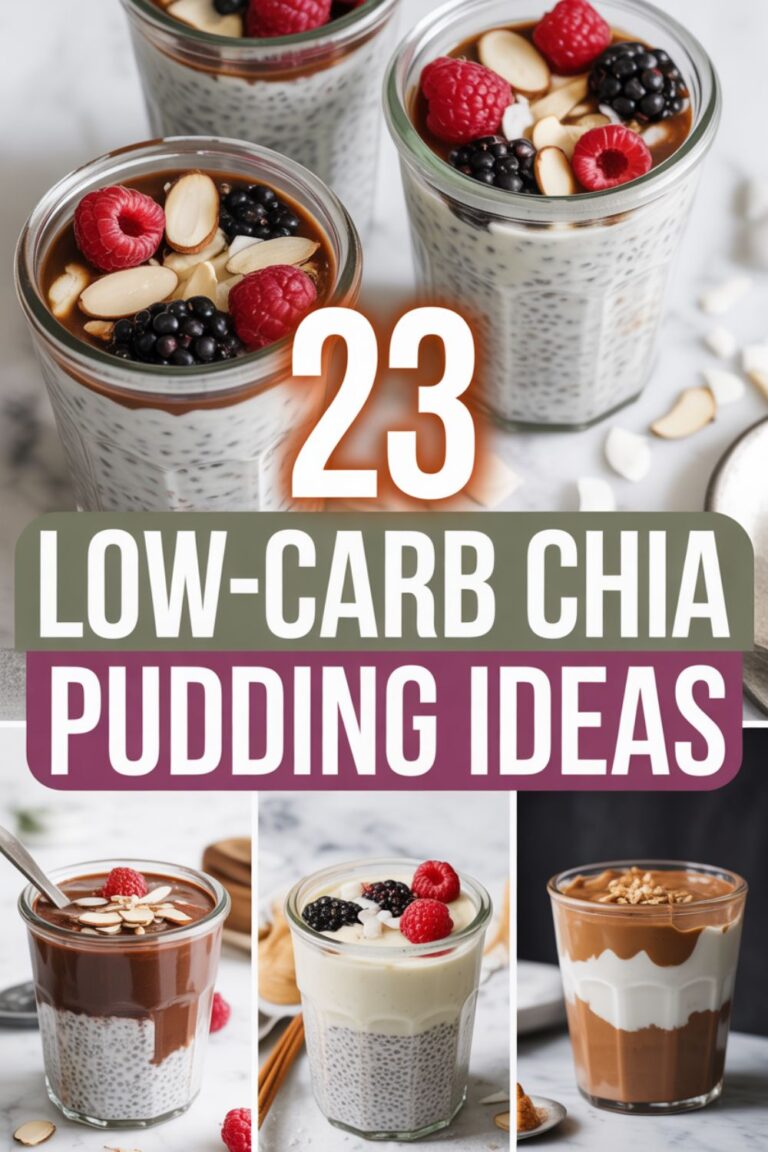
If you’re intrigued by the chia seed pudding option, definitely check out these seasonal chia pudding variations that make breakfast feel fresh and exciting.
The Real Talk About Sustainable Low-Calorie Eating
Here’s something nobody tells you about eating light breakfasts: they only work if you actually enjoy them. I’ve tried the whole “suffer through plain egg whites because they’re healthy” approach, and let me tell you, that lasts about three days before you’re face-first in a box of donuts.
The breakfasts that stick are the ones that hit the sweet spot between nutritious and delicious. That’s why I season my eggs, add cinnamon to my oats, and use real maple syrup instead of artificial sweeteners that taste like regret. A little bit of the good stuff goes a long way when it comes to making healthy food actually palatable.
Another reality check: meal prep is your best friend, but it doesn’t have to be this elaborate Sunday cooking marathon. Sometimes meal prep is just chopping vegetables Saturday night or portioning out yogurt into individual containers. Set yourself up for success in whatever way actually works for your life, not some Pinterest-perfect version of meal prep that requires color-coded spreadsheets.
Making It Work When Life Gets Messy
Look, some weeks you’re going to nail the whole breakfast thing. You’ll have overnight oats lined up in the fridge like soldiers, and you’ll feel like a meal prep goddess. Other weeks, you’re going to realize at 8:47 AM that you forgot to go grocery shopping, and breakfast is whatever you can assemble from the random items in your pantry.
Both scenarios are fine. The goal isn’t perfection; it’s having enough tools in your breakfast arsenal that you can make decent choices even when you’re running on four hours of sleep and can’t remember where you put your keys.
When I’m having one of those mornings, I fall back on my emergency breakfast formula: protein + fruit + something crunchy. Greek yogurt with berries and almonds. Cottage cheese with sliced peaches and granola. Hard-boiled eggs with an apple and a handful of nuts. Simple, requires minimal brain function, and gets the job done.
For those inevitable chaotic mornings, having a list of 5-minute breakfasts you can make half-asleep is literally a game-changer.
The Fiber Factor Nobody Talks About
While everyone’s obsessed with protein (and rightfully so), fiber deserves way more credit for keeping you full. When you combine protein with fiber-rich foods, you’re basically building a fortress against mid-morning hunger. That’s why oats, berries, and whole grain bread show up so often in these recipes.
Fiber slows down digestion, which means your blood sugar doesn’t spike and crash like it’s on a roller coaster. It also adds bulk to your meals without adding many calories, which is exactly what you want when you’re trying to stay under 300 calories but don’t want to feel like you’re eating air.
The sweet spot is around 5-8 grams of fiber at breakfast. You can hit that pretty easily by choosing whole grain bread, adding berries to your yogurt, or mixing chia seeds into your oatmeal. Those little additions make a massive difference in how long your breakfast holds you over.
If you’re specifically looking to boost your fiber intake, this comprehensive guide to high-fiber breakfasts breaks down exactly how to hit your daily goals starting with your first meal.
“I used to think I was just someone who got hungry quickly, but it turns out I was just eating the wrong breakfast. Once I started adding fiber-rich foods, everything changed. Three months in and I’m not even tempted by the bagels in the break room anymore.” —Mike from our community
Blood Sugar Balance: The Unsung Hero
Ever notice how some breakfasts leave you feeling great for about an hour, and then you crash harder than your laptop during a software update? That’s your blood sugar doing its own rollercoaster impression, and it’s probably because your breakfast was too carb-heavy without enough protein or fat to slow things down.
When you eat a balanced breakfast with protein, healthy fats, and complex carbs, your blood sugar rises gradually and stays stable longer. This means consistent energy instead of that 10 AM slump where you can barely keep your eyes open during a meeting about TPS reports or whatever.
The breakfasts in this list are designed to keep your blood sugar steady. That’s why you’ll see combinations like eggs with whole grain toast, oatmeal with nut butter, or Greek yogurt with berries. Each meal has something to slow down the digestion of carbohydrates, which keeps your energy and mood stable throughout the morning.
For anyone dealing with blood sugar issues or just wanting more stable energy, this blood sugar balancing meal plan extends these principles throughout your entire day.
Customizing for Your Actual Life
Not every breakfast recipe is going to work for everyone, and that’s completely fine. Maybe you hate eggs, or you’re lactose intolerant, or the texture of chia seeds makes you want to cry. The beauty of having 23 options is that you can pick and choose what actually works for your taste buds and dietary needs.
Vegan? Swap Greek yogurt for coconut yogurt or plant-based alternatives. Hate bananas in smoothies? Use mango or berries instead. Can’t stand the texture of oatmeal? Try the egg-based options or toast variations. The specific recipe matters less than the formula: protein + fiber + healthy fat = breakfast that actually works.
I’ve also learned that what works during the week might be different from what works on weekends. Weekday breakfasts need to be fast and portable. Weekend breakfasts can be more involved. Some of these recipes are perfect for Sunday meal prep, while others are more suited for lazy Saturday mornings when you actually have time to cook.
For those following specific dietary approaches, check out this anti-inflammatory meal plan that focuses on reducing inflammation while keeping meals satisfying and delicious.
The Meal Prep Mindset Shift
I used to think meal prep meant spending three hours on Sunday making food for the entire week. That’s one approach, but it’s not the only one, and frankly, it’s not sustainable for most people with actual lives.
My version of meal prep is more like strategic preparation. Maybe that’s making a batch of egg muffins to grab throughout the week. Or washing and portioning fruit on Sunday so you can just grab a container in the morning. Or keeping a running list of what you’re running low on so you don’t end up with seven jars of chia seeds but no almond milk.
The real game-changer was buying ingredients that do double duty. Cottage cheese works for both savory and sweet breakfasts. Eggs can be scrambled, boiled, or baked into muffins. Greek yogurt pairs with fruit or can be used as a base for savory bowls. When your ingredients are versatile, you don’t need seventeen different specialized items taking up space in your fridge.
Speaking of efficiency, these no-cook breakfast ideas are perfect for summer or any time you want breakfast without turning on the stove.
Frequently Asked Questions
Will 300 calories for breakfast be enough to keep me full until lunch?
It depends on what those 300 calories are made of and your individual metabolism. A 300-calorie breakfast high in protein and fiber will keep most people satisfied for 3-4 hours. If you’re very active in the morning or have a faster metabolism, you might need to add a small snack mid-morning or bump your breakfast up to 350-400 calories. Listen to your body—consistent hunger signals mean you need to adjust either the calorie amount or the macronutrient balance.
Can I meal prep all of these breakfast recipes in advance?
Some yes, some no. Egg muffins, overnight oats, chia pudding, and baked oats all meal prep beautifully and can last 4-5 days in the fridge. Smoothies are best made fresh, but you can pre-portion ingredients into freezer bags for quick blending. Toast-based meals need to be made fresh, but you can prep toppings in advance. The key is matching your meal prep to your schedule—prep what saves you the most time on your busiest mornings.
What if I’m not hungry first thing in the morning?
You don’t have to eat the second you wake up. Many people find they’re hungrier an hour or two after waking, which is totally normal. The important thing is eating something nutritious within a few hours of waking to stabilize blood sugar and prevent overeating later. If traditional breakfast foods don’t appeal to you early morning, try something lighter like a smoothie or Greek yogurt that you can drink or eat quickly.
Are these breakfasts suitable for people with diabetes?
Most of these recipes are diabetes-friendly because they combine protein with complex carbohydrates and healthy fats, which helps prevent blood sugar spikes. However, everyone’s body responds differently to foods, so it’s important to monitor your blood sugar and work with your healthcare provider. The oat and fruit-based recipes might need portion adjustments depending on your carbohydrate targets.
How can I add more calories if I need a bigger breakfast?
The easiest ways to boost calories without sacrificing the healthy balance are: add an extra tablespoon of nut butter, include a whole avocado instead of half, double the portion of oats, add a handful of nuts or seeds, or include an extra egg. You can also pair these breakfasts with a small side of fruit or a slice of whole grain toast with a bit of butter to add 80-100 calories in a nutritious way.
The Bottom Line on Low-Calorie Breakfasts
After cycling through these 23 breakfast options for the past few months, here’s what I’ve learned: breakfast under 300 calories doesn’t have to mean suffering through sad, unsatisfying meals. When you prioritize protein, include fiber-rich foods, and add enough healthy fat to make things interesting, you can create morning meals that are both calorie-conscious and genuinely filling.
The real trick isn’t finding one perfect breakfast and eating it every single day until you can’t stand the sight of it anymore. It’s having a rotation of options that work for different moods, schedules, and situations. Some mornings call for a quick smoothie you can drink in the car. Other days, you have time to make those egg muffins or enjoy a leisurely bowl of oatmeal.
Remember that these recipes are starting points, not rigid rules. If you hate mushrooms, leave them out. If you’re allergic to nuts, use seed butter instead. If cottage cheese makes you want to gag, there’s no breakfast police forcing you to eat it. The goal is finding breakfast options that fit your calorie goals while actually being sustainable for your real, actual life—not some idealized version of yourself who wakes up at 5 AM excited about meal prep.
Start with a few recipes that sound genuinely appealing to you. Try them for a week or two. See what works and what doesn’t. Maybe you’ll discover you’re an egg person, or maybe overnight oats become your new best friend. The only way to know is to experiment without putting pressure on yourself to be perfect.
And on those mornings when nothing goes according to plan and you end up grabbing something less nutritious? That’s fine too. One breakfast doesn’t define your entire eating pattern. The difference between success and frustration is having enough go-to options that making a decent choice becomes easier than not making one.
Start Your Healthy Morning Routine in Just 21 Days
Stop skipping breakfast or eating random meals. Follow a simple plan with ready-to-prep recipes, grocery lists, and weekly planners designed for busy mornings.
- ✔ 21-Day Done-For-You Breakfast Plan
- ✔ Overnight Oats, Smoothies & Chia Recipes
- ✔ High Protein & Low Calorie Options
- ✔ Grocery Lists + Meal Prep System
- ✔ Printable Planners & Bonus Guides
Instant download • No physical product • Start today