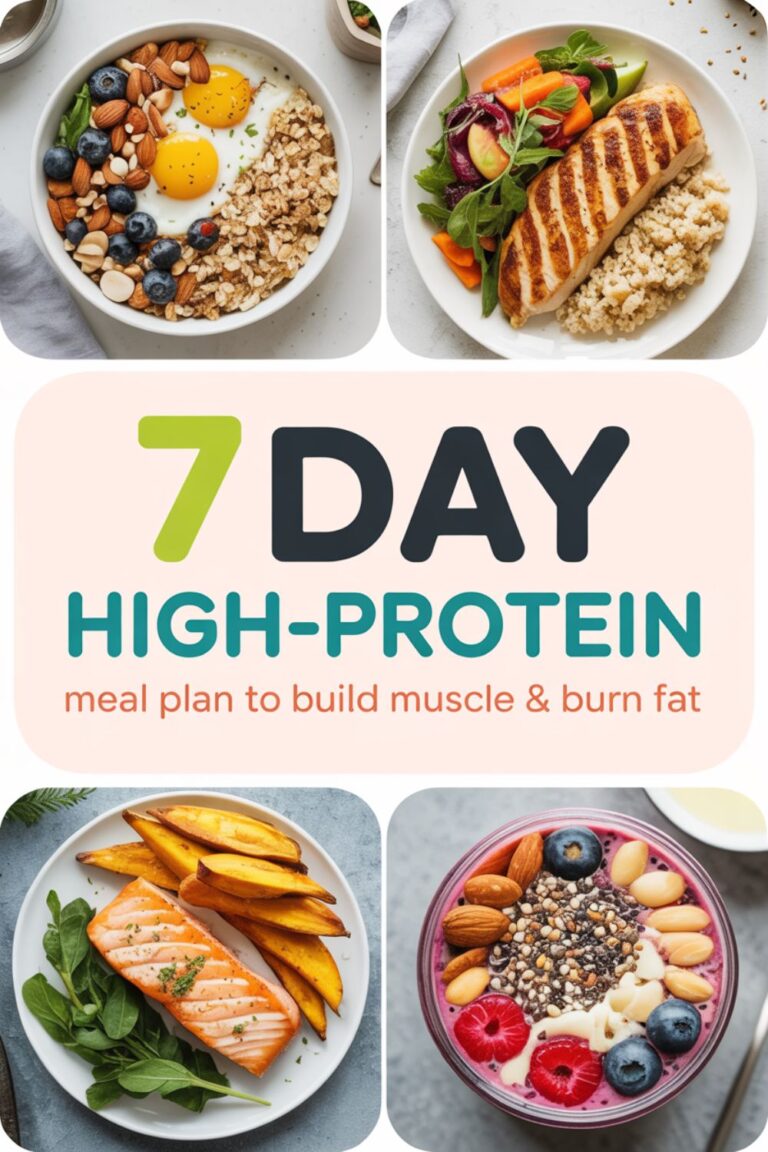
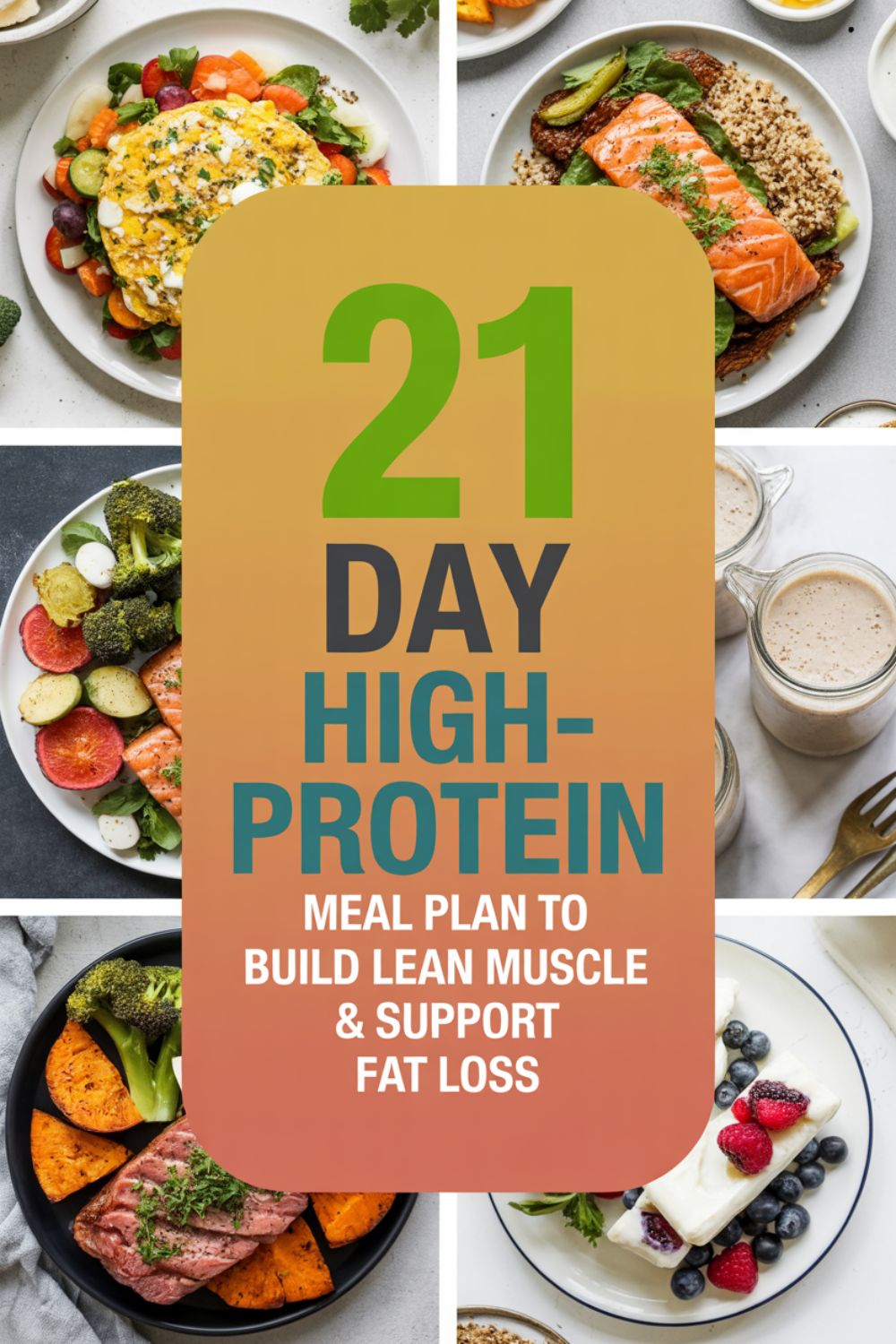
21-Day High-Protein Meal Plan to Build Lean Muscle and Support Fat Loss
Look, I’m not going to sugarcoat this: building muscle while losing fat is one of those things that sounds simple on paper but feels impossible when you’re staring at your meal prep containers on a Sunday night. You’ve probably heard the basic advice a million times—eat more protein, lift heavy things, sleep eight hours. But turning that into an actual eating plan you can stick to for three weeks? That’s where most people fall off the wagon.
Here’s the thing nobody tells you: you don’t need to eat chicken breast and broccoli for every meal to see results. You also don’t need to spend your entire paycheck on supplements or become a professional meal-prep influencer. What you need is a solid framework that makes sense, tastes good, and doesn’t turn eating into a part-time job.
This 21-day plan is exactly that. It’s built around scientific research showing that higher protein intake supports muscle growth and helps preserve lean mass during fat loss. But more importantly, it’s designed for real life—not some fantasy world where you have unlimited time and energy.
Why Protein Matters More Than You Think
Before we jump into meal plans, let’s talk about why protein deserves the spotlight. When you’re trying to build muscle and lose fat simultaneously, protein becomes your best friend for a few crucial reasons.
First, protein is the only macronutrient your body can’t store for later use. Unlike carbs (stored as glycogen) or fats (stored as, well, body fat), amino acids from protein need to be replenished constantly to support muscle repair and growth. Think of it like having a construction crew that shows up to build your house but then leaves at the end of the day. If you don’t have materials ready for them tomorrow, they can’t do their job.
Second, protein has a higher thermic effect than carbs or fats. Your body actually burns more calories digesting and processing protein—around 20-30% of the calories you consume from protein get used just breaking it down. For every 100 calories of protein you eat, your body uses about 25-30 calories just processing it. That’s built-in calorie burn.
Spread your protein intake evenly across 4-6 meals throughout the day. Studies show this approach keeps amino acid levels elevated and maximizes muscle protein synthesis better than eating most of your protein in one or two big meals.
Third, protein keeps you full longer than other macronutrients. If you’ve ever wondered why you can demolish a sleeve of crackers but feel stuffed after a chicken breast, that’s protein’s satiety effect at work. When you’re in a calorie deficit trying to lose fat, this hunger management becomes critical.
According to research published in the Journal of the International Society of Sports Nutrition, consuming around 0.7 to 1 gram of protein per pound of body weight daily optimizes muscle growth when combined with resistance training. For someone weighing 180 pounds, that’s roughly 126-180 grams of protein per day—which sounds like a lot until you break it down across multiple meals.
The Foundation: How This Plan Works
This isn’t some cookie-cutter meal plan where everyone eats exactly 2,000 calories regardless of whether you’re a 120-pound beginner or a 200-pound athlete. Instead, I’m giving you the framework and principles, then you’ll adjust based on your actual needs.
Calculate Your Baseline Numbers
Start with your body weight in pounds. Multiply by 14-16 to estimate your maintenance calories if you’re moderately active (training 3-5 times per week). For a 150-pound person, that’s 2,100-2,400 calories to maintain current weight.
For muscle building with minimal fat gain: Add 200-300 calories to your maintenance number. For fat loss while preserving muscle: Subtract 300-500 calories from maintenance.
Protein target: 0.8-1 gram per pound of body weight (120-150g for our 150-pound example). Fat target: 0.3-0.4 grams per pound of body weight (45-60g). Carbohydrates fill the remaining calories—these fuel your training and recovery.
Speaking of training nutrition, if you’re looking for meals that work perfectly around your workout schedule, Get Full Recipe for high-protein post-workout meals that accelerate recovery without weighing you down.
Prep your protein sources on Sunday night and thank yourself all week. Batch-cook 3-4 pounds of chicken breast, grill some salmon, and hard-boil a dozen eggs. You’ve just eliminated your biggest meal prep bottleneck.
The Three-Week Structure
Week 1 is your adjustment period. You’re getting used to eating more protein and figuring out meal timing that works with your schedule. Don’t stress about perfection here—focus on hitting your protein target most days.
Week 2 is where habits start forming. You’ve figured out which meals you actually enjoy and which ones you’re forcing down. Make swaps as needed. The best meal plan is the one you’ll actually follow, not the one that looks perfect on paper.
Week 3 is refinement. By now, you know what works. You’ve identified your go-to breakfast, lunch, and dinner options. You’re not thinking about every meal—you’re just executing.
Daily Meal Framework
Instead of giving you rigid meal plans that fall apart the moment real life happens, I’m providing a flexible framework you can customize. Each day follows this structure with room for personal preferences.
Breakfast: Start Strong (30-40g protein)
Your first meal sets the metabolic tone for the day. A protein-rich breakfast reduces cravings later and provides amino acids for muscle recovery from yesterday’s workout.
Option 1: High-Protein Omelet – Three whole eggs plus three egg whites scrambled with vegetables and topped with 2 oz of lean turkey or chicken breast. Side of half a cup of oatmeal with berries.
Option 2: Greek Yogurt Power Bowl – Two cups of plain Greek yogurt (look for brands with 15-20g protein per cup) topped with a scoop of protein powder, handful of almonds, and mixed berries. The protein powder I keep in my pantry blends invisibly into the yogurt and bumps up the protein without changing the texture—game changer for texture-sensitive folks.
Option 3: Protein Pancakes – Made with a scoop of vanilla protein powder, mashed banana, eggs, and oats. Top with natural peanut butter. I use this nonstick griddle that makes flipping these things foolproof, even when you’re half-awake at 6 AM.
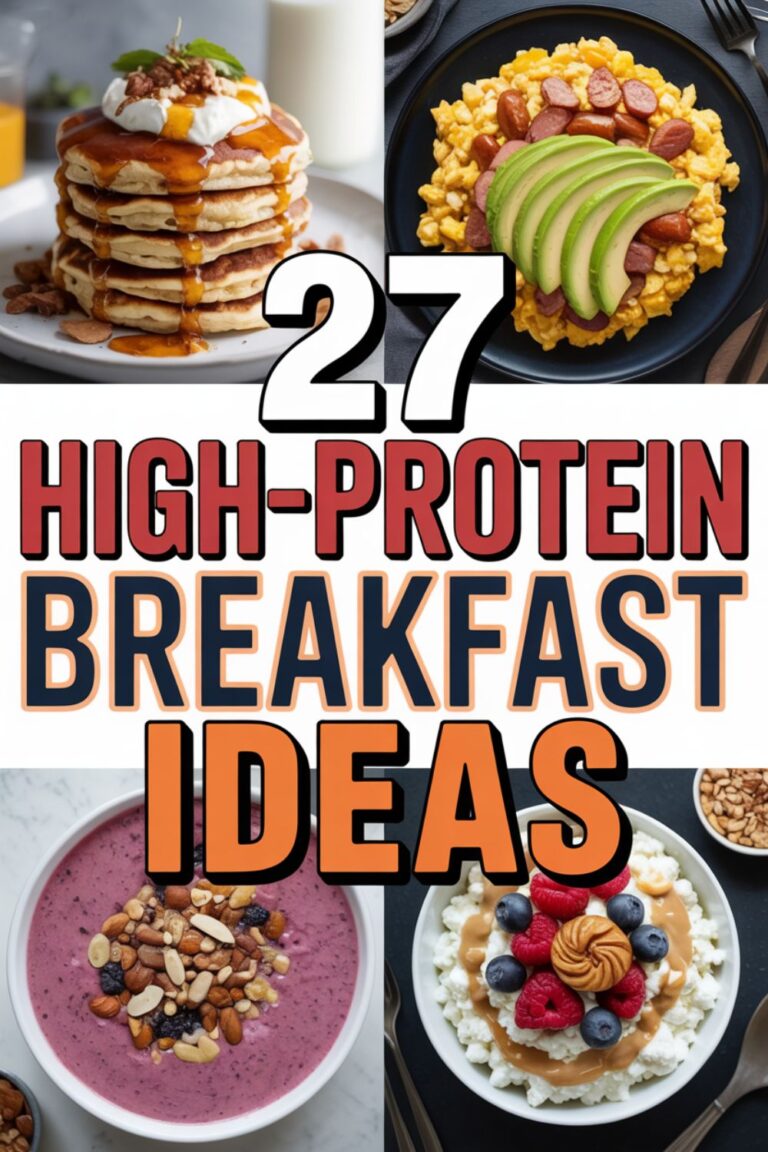
For more morning inspiration that won’t bore you to tears after day three, check out these high-protein breakfast ideas that take less than 10 minutes or these make-ahead breakfast burritos you can freeze and microwave all week.
Mid-Morning Snack (20-25g protein)
This isn’t mandatory, but if you train in the morning or have a long gap between breakfast and lunch, a small protein hit prevents muscle breakdown and manages hunger.
Best options: Protein shake with a banana, cottage cheese with cherry tomatoes and everything bagel seasoning, turkey roll-ups with cheese and avocado, or hardboiled eggs with a piece of fruit.
I keep these portable shaker bottles everywhere—car, gym bag, office desk. They’re the difference between grabbing a protein shake and defaulting to the vending machine.
Lunch: The Anchor Meal (35-45g protein)
This is your biggest meal of the day in terms of volume and variety. You want lean protein, complex carbs, healthy fats, and vegetables. Think complete meals, not snacks.
Option 1: Grilled Chicken Bowl – 6 oz grilled chicken breast over mixed greens with quinoa, roasted sweet potato, avocado, and tahini dressing.
Option 2: Salmon and Rice – 5-6 oz of omega-3 rich salmon (which research shows supports muscle protein synthesis) with brown rice, steamed broccoli, and a drizzle of olive oil.
Option 3: Turkey Chili – Made with lean ground turkey, black beans, tomatoes, and peppers. Serve over a baked sweet potato with a dollop of Greek yogurt. The slow cooker I use for this chili basically cooks while I sleep, and the leftovers get better every day.
“I started this meal framework three months ago at 185 pounds and 22% body fat. Today I’m 180 pounds at 17% body fat. The difference? I’m actually eating more food than before, but it’s structured protein at every meal instead of random snacking all day.”
— Marcus T., from our online communityIf you’re tired of the same rotation, these Mediterranean-inspired lean protein bowls or this Asian-style stir-fry collection will shake things up without derailing your macros.
Afternoon Snack (15-20g protein)
The danger zone. This is when most people reach for chips or cookies because they’re legitimately hungry but don’t want to “waste” calories on a snack. Wrong approach. A strategic snack here prevents overeating at dinner.
Smart choices: String cheese with apple slices, protein bar (look for at least 15g protein and under 200 calories), tuna packet with whole grain crackers, or a small smoothie made with protein powder and frozen fruit.
The protein bars I actually enjoy taste like dessert but have 20g protein and don’t leave you with that weird chemical aftertaste some brands give you. Keep a box in your desk drawer.
Dinner: Complete and Satisfying (35-45g protein)
Dinner should be substantial enough that you’re not prowling the kitchen an hour later. This typically means a palm-sized portion of lean protein, two fists of vegetables, and a moderate amount of carbs depending on your calorie target.
Option 1: Steak and Potatoes – 6 oz lean sirloin or flank steak, roasted fingerling potatoes, and sautéed green beans with garlic.
Option 2: Baked Cod – 7-8 oz of cod (mild white fish is underrated for protein content) with roasted Brussels sprouts and wild rice pilaf.
Option 3: Turkey Meatballs – Made with lean ground turkey, served over zucchini noodles with marinara sauce and a side salad. The spiralizer that lives in my drawer makes zucchini noodles in under two minutes and they actually stay crispy instead of getting soggy like some methods.
Get Full Recipe for garlic herb baked cod that even people who claim to hate fish will demolish.
Evening Snack (Optional, 15-20g protein)
If you’re genuinely hungry before bed or you train late, a slow-digesting protein source can support overnight muscle recovery. Casein protein powder or cottage cheese works well here because they release amino acids gradually while you sleep.
My go-to: Half cup of cottage cheese mixed with a spoonful of natural peanut butter and a sprinkle of cinnamon. Sounds weird, tastes like dessert.
Meal Prep Essentials Used in This Plan
These are the tools and ingredients that make high-protein meal prep actually doable instead of just aspirational Instagram content.
Glass Meal Prep Containers (Set of 10)
Seriously, invest in quality glass containers. They don’t stain, don’t hold smells, and you can go from fridge to microwave without transferring. The snap-lock lids don’t pop open in your bag like cheap plastic ones do.
Kitchen Scale (Digital, 0.1oz precision)
You think you’re good at eyeballing portions. You’re not. Neither am I. A scale removes guesswork and takes five seconds to use. This one has a tare function so you can weigh directly into your prep container.
Instant-Read Meat Thermometer
Stop cutting into your chicken to check doneness and drying it out. This thermometer gives you a reading in three seconds—165°F for chicken, 145°F for fish. Perfect protein every time.
Weekly Meal Planning Template (Digital Download)
Printable PDF with macro tracking, grocery lists, and meal rotation schedules. Takes the mental load out of planning each week.
High-Protein Recipe E-book Collection
Over 100 recipes organized by meal type with full macros calculated. Includes vegetarian, pescatarian, and dairy-free options so you’re not stuck with only chicken recipes.
Macro Calculator Spreadsheet
Plug in your weight, activity level, and goals. It calculates your exact protein, carb, and fat targets. No more guessing or using sketchy online calculators that give different answers every time.
Join Our Meal Prep Community
Connect with others following high-protein plans. Share recipes, swap meal ideas, troubleshoot prep problems, and stay motivated. WhatsApp group link provided in weekly newsletters.
Sample Week Breakdown
Here’s what a typical week might look like when you string these meals together. Remember, this is a template—swap meals based on your preferences, but keep the protein targets consistent.
Monday Through Wednesday: Building Momentum
Start the week with your most familiar meals. This isn’t the time to experiment with new recipes you might hate. Stick with proven winners so you build confidence and momentum.
Breakfast: Greek yogurt bowl all three days—consistency makes mornings easier. Lunch: Grilled chicken bowls with rotating vegetables (Monday: broccoli and peppers; Tuesday: spinach and tomatoes; Wednesday: zucchini and carrots). Dinner: Monday steak and potatoes, Tuesday baked salmon with quinoa, Wednesday turkey meatballs with zucchini noodles.
Mid-week, check out these 15-minute high-protein lunch ideas if you’re already bored of your chicken bowl, or try these sheet pan dinners that cook everything at once with minimal cleanup.
Thursday and Friday: Mix It Up
By Thursday, you might be craving variety. This is when most people abandon ship and order takeout. Don’t. Instead, introduce different flavors while maintaining your protein structure.
Breakfast: Switch to protein pancakes or an omelet. Lunch: Turkey chili or salmon bowls. Dinner: Thursday could be grilled shrimp tacos with cauliflower rice and black beans. Friday might be cod with roasted vegetables and sweet potato.
Cook your proteins plain and season portions individually. One batch of grilled chicken can become Italian-seasoned for Monday, taco-spiced for Wednesday, and teriyaki-glazed for Friday. Less cooking, more variety.
Weekend: Flexibility Within Structure
Weekends are where rigid meal plans die. You have social events, different schedules, maybe you want to sleep past 6 AM for once. The key is maintaining your protein targets while being flexible with timing and specific foods.
Saturday breakfast: Maybe it’s a later brunch-style meal—omelet with toast and fruit salad. Lunch: Could be leftovers or something simple like a protein-rich smoothie if you’re out running errands. Dinner: This might be your “eating out” meal. Choose restaurants where you can order grilled protein and vegetables. Skip the breadbasket, not the social life.
Sunday: Meal prep day. Keep breakfast and lunch simple while you cook for the week ahead. Dinner can be whatever you prepped—it’s your quality control test meal.
Navigating Common Challenges
Let’s be real about what trips people up, because it’s rarely the meal plan itself—it’s life happening while you’re trying to follow it.
The Social Eating Dilemma
Your friends want to meet for dinner. Your coworkers bring donuts on Friday. Your family makes pasta for Sunday dinner. Here’s the thing: you don’t need to become a hermit to hit your protein goals.
Before you go out, check the menu online and identify your best option. Order first so you’re not influenced by what everyone else gets. Ask for modifications without apology—extra vegetables instead of fries, dressing on the side, double protein portion. Most restaurants will accommodate this without batting an eye.
The research on protein distribution shows that as long as you’re hitting your daily total, meal timing is flexible. If you know you’re eating out tonight, shift your protein intake—lighter lunch, bigger dinner. Don’t try to “save calories” by skipping meals, though. That just makes you ravenous and more likely to overeat.
When You’re Too Tired to Cook
This happens. You worked late, the gym session ran long, or you just don’t have it in you to stand at the stove. This is when having a few emergency options prevents complete derailment.
Keep on hand: Canned tuna or salmon (the pouches are even easier), rotisserie chicken from the grocery store, pre-cooked frozen grilled chicken strips, Greek yogurt, cottage cheese, hard-boiled eggs, and protein powder.
A “lazy dinner” might be: rotisserie chicken torn over a bagged salad mix with pre-cooked quinoa (microwave packets exist for this) and some olive oil. Total prep time: four minutes. Protein content: 40+ grams. Good enough is better than giving up entirely.
The pre-cooked chicken strips I keep in my freezer have saved me more times than I can count. They’re fully cooked, just need reheating, and don’t taste like cardboard like some brands do.
Vegetarian and Dairy-Free Modifications
This plan is built around animal proteins because they’re protein-dense and complete, but you can absolutely adapt it. It just requires more planning.
For vegetarians: Greek yogurt, eggs, cottage cheese, and protein powder are your foundation. Add beans, lentils, tofu, tempeh, and high-protein grains like quinoa. You might need slightly higher total protein intake since plant proteins are less efficiently absorbed.
For dairy-free: Focus on eggs, lean meats, fish, and poultry. Use dairy-free protein powders made from pea, rice, or hemp. Nutritional yeast adds a cheesy flavor to dishes and has some protein. Coconut yogurt won’t match Greek yogurt’s protein content, so you’ll need to compensate elsewhere.
The key principle remains: 20-40 grams of protein per meal, 3-6 times per day. The sources might change, but the structure stays consistent.
Tools & Resources That Make Cooking Easier
The difference between meal prep success and failure often comes down to having the right tools. These aren’t just nice-to-haves—they’re the stuff that makes cooking feel less like a chore.
Programmable Slow Cooker (6-quart)
Set it before work, come home to fully cooked protein. The 6-quart size handles batch cooking without crowding. Mine has a timer so food doesn’t overcook and turn to mush.
Cast Iron Skillet (12-inch)
Sears meat better than nonstick, goes from stovetop to oven, lasts forever if you don’t put it in the dishwasher. The even heat distribution means no more chicken that’s burnt on the outside and raw in the middle.
Silicone Baking Mats (Set of 2)
Replace parchment paper and aluminum foil for roasting vegetables and baking protein. Nothing sticks, cleanup is one wipe with a sponge, and they don’t slide around on your pan like parchment does.
Macro Tracking App Guide (PDF)
Comparison of the top tracking apps with setup walkthroughs. Includes tips for accurate logging and how to build custom recipes so you’re not entering every ingredient separately.
Grocery Shopping Master List
Categorized by store section with space to add your preferred brands. Makes shopping faster and prevents those “I know I’m forgetting something” panic moments.
Substitute Cheat Sheet
Out of chicken? Use turkey or cod. No Greek yogurt? Here’s your cottage cheese conversion. All the common swaps with macro adjustments calculated so you can adapt recipes on the fly.
Smart Supplementation Strategy
Before anyone starts: you don’t need supplements to succeed with this plan. Food should always be your primary protein source. But supplements can fill gaps and add convenience when used strategically.
Protein Powder: Worth It or Overhyped?
Protein powder is just food in powder form. It’s not magic, it’s not necessary, but it is convenient. If you’re struggling to hit your daily protein target with whole foods alone, a scoop or two of quality powder helps.
Whey protein digests quickly, making it ideal post-workout. Casein digests slowly, making it better for before bed. Plant-based proteins (pea, rice, hemp blends) work fine—just check the amino acid profile to ensure it’s complete.
Look for powders with minimal ingredients: protein source, maybe some natural flavoring, that’s it. If the ingredient list reads like a chemistry experiment, keep shopping. And taste matters—if you hate the flavor, you won’t use it. Most companies offer sample sizes; test before committing to a 5-pound tub.
Creatine: The Actually Proven Supplement
Creatine monohydrate is one of the most researched supplements in sports nutrition, and the verdict is clear: it works for increasing strength and muscle mass when combined with resistance training. It helps regenerate ATP (your muscles’ energy currency) during high-intensity exercise.
Standard dose is 5 grams daily. You don’t need a loading phase despite what the label might say. Mix it with whatever you’re already drinking—it’s tasteless and dissolves reasonably well. The creatine monohydrate I use is unflavored, micronized so it actually dissolves instead of settling at the bottom, and costs about the same as fancy coffee for a three-month supply.
Side note: creatine makes you retain a bit of water weight. That’s normal and not fat gain. Some people notice a 2-3 pound increase on the scale. Don’t freak out.
What You Don’t Need
Skip the fat burners, testosterone boosters, and exotic “muscle building” supplements with names that sound like pharmaceutical drugs. Most are expensive placebo at best, potentially harmful at worst.
BCAAs (branched-chain amino acids) are unnecessary if you’re eating adequate protein from whole foods. You’re already getting BCAAs from the chicken, fish, eggs, and dairy in your meals. Save your money.
Pre-workout supplements can be useful for energy and focus, but you can get the same effect from black coffee and save the money. If you do use pre-workout, check the caffeine content—some have absurd amounts that’ll have you vibrating through your workout.
Training Considerations: The Other Half of the Equation
This is primarily a nutrition guide, but we can’t ignore training entirely because they’re linked. Eating high protein without resistance training won’t build muscle—you’ll just have expensive urine as your body excretes the unused amino acids.
Minimum Effective Dose for Muscle Growth
You need progressive resistance training at least 3-4 times per week. “Progressive” means gradually increasing the challenge—more weight, more reps, more sets, shorter rest periods, whatever provides a stimulus your muscles must adapt to.
Focus on compound movements: squats, deadlifts, presses, rows, pull-ups. These recruit multiple muscle groups simultaneously and give you the most bang for your training buck. Isolation exercises (bicep curls, leg extensions) have their place but shouldn’t dominate your program.
Each major muscle group should be trained at least twice per week with 10-20 sets total per muscle per week. This doesn’t mean you need to live in the gym—a well-designed full-body routine 3-4 days per week hits this target easily.
Cardio: Friend or Foe?
Cardio doesn’t kill gains if done intelligently. The myth that cardio destroys muscle comes from people doing excessive steady-state cardio while under-eating and under-recovering.
Low-to-moderate intensity cardio (walking, cycling, swimming) supports recovery by increasing blood flow and can aid fat loss through additional calorie expenditure. It won’t interfere with muscle growth when you’re eating adequate protein and calories.
High-intensity cardio (sprints, intervals, CrossFit-style workouts) is more demanding on recovery resources. If you’re doing intense cardio multiple times per week on top of heavy lifting, you might need to increase your calorie and protein intake to compensate.
General guideline: 2-3 resistance training sessions per week minimum, with optional cardio based on your goals and recovery capacity. More isn’t always better—rest and nutrition are where adaptation actually happens.
“The biggest mistake I made my first year training was thinking more was better. I was in the gym six days a week, doing cardio every morning, eating 1,800 calories, and wondering why I looked the same. Once I cut back to four training days, ate more protein, and actually recovered, everything changed.”
— Jessica R., member of our communityTracking Progress: What Actually Matters
The scale is a data point, not the whole story. Your weight fluctuates 2-5 pounds daily based on water retention, food volume in your digestive system, sodium intake, hormones, and about seventeen other factors that have nothing to do with fat or muscle.
Better Metrics to Watch
Body measurements: Measure your waist, hips, chest, arms, and thighs every two weeks. Take measurements first thing in the morning before eating or drinking. If your waist is shrinking while arms and chest are growing, you’re succeeding regardless of scale weight.
Progress photos: Same location, same lighting, same time of day, every two weeks. Wear the same fitted clothing (or no clothing if you’re comfortable). You see yourself daily and won’t notice gradual changes—photos capture what you’re missing.
Performance markers: Are your lifts going up? Can you do more reps at the same weight? Is your 5K time improving? These indicate your body is adapting and getting stronger.
How clothes fit: The least scientific but often most satisfying metric. When your jeans get loose around the waist but tighter in the thighs, that’s muscle replacing fat.
Realistic Timeline Expectations
Building muscle is slow. You’re not going to look like a different person in three weeks. But you can absolutely see measurable progress in 21 days if you’re consistent.
Realistic expectations for three weeks of proper training and nutrition: 1-3 pounds of scale weight change (could be up or down depending on goals), measurable strength increases in your main lifts, better energy throughout the day, improved sleep quality, reduced cravings, and better overall body composition (even if scale weight stays similar).
The magic happens in months 2-6, not week 2-3. This first three weeks is about establishing habits and proving to yourself that you can sustain this approach. The physical transformations come from consistent repetition of these habits over time.
Frequently Asked Questions
Can I build muscle and lose fat at the same time?
Yes, especially if you’re new to training or returning after time off. It’s called body recomposition and works best with adequate protein intake (0.8-1g per pound), resistance training 3-4 times weekly, and a slight calorie deficit (200-300 below maintenance). Progress is slower than focusing on one goal, but it’s absolutely possible. More experienced lifters might need to prioritize one goal at a time.
What if I miss a day or mess up a meal?
One meal or even one day won’t ruin your progress. Your body responds to patterns over time, not individual events. Had pizza for dinner? Get back on track with your next meal. Skip the guilt spiral—it wastes energy better spent on your next workout or meal prep session. Consistency over perfection always wins.
Do I need to eat protein immediately after working out?
The “anabolic window” isn’t as critical as once thought. Research shows that total daily protein intake matters more than precise timing. That said, having protein within a few hours post-workout supports recovery. If you train fasted in the morning, prioritize protein in your first meal. If you train after eating, don’t stress about rushing home for a shake.
Is this plan suitable for women?
Absolutely. Women build muscle using the same mechanisms as men—progressive resistance training plus adequate protein and calories. The specific numbers will differ based on body weight (women typically weigh less than men), but the framework is identical. Don’t fall for “toning” programs with pink dumbbells and endless cardio. Lift progressively heavy weights and eat enough protein.
Can I drink alcohol while following this plan?
Alcohol isn’t ideal for muscle building or fat loss, but complete elimination isn’t necessary for most people. Alcohol provides empty calories, can impair recovery, and might lower inhibitions around food choices. If you drink, do so moderately (1-2 drinks occasionally), account for the calories in your daily total, and ensure you’re still hitting protein targets. A glass of wine on Saturday won’t destroy a week of solid training and eating.
Your Next Three Weeks
Here’s what I want you to take away from this: building muscle and losing fat isn’t about perfection. It’s not about eating bland food you hate or following some guru’s exact meal plan down to the gram. It’s about understanding the principles—adequate protein, progressive training, consistency over time—and applying them in a way that fits your actual life.
This 21-day framework gives you the structure. You provide the execution. Week one will feel awkward as you figure out timing and portions. Week two gets easier as habits form. Week three is where you start seeing tangible results—not necessarily dramatic transformations, but real, measurable improvements in how you look, feel, and perform.
The people who succeed long-term aren’t the ones who follow the plan perfectly for three weeks then abandon it. They’re the ones who hit 80% most days, adjust when life happens, and keep showing up even when progress feels slow. That’s the difference between temporary results and lasting change.
Start tomorrow morning with a high-protein breakfast. Prep your proteins for the week on Sunday. Track your intake for at least the first week so you know you’re hitting targets. Take progress photos even if you don’t want to—you’ll thank yourself later. And remember: three weeks from now, you’ll wish you started today.
Start Your Healthy Morning Routine in Just 21 Days
Stop skipping breakfast or eating random meals. Follow a simple plan with ready-to-prep recipes, grocery lists, and weekly planners designed for busy mornings.
- ✔ 21-Day Done-For-You Breakfast Plan
- ✔ Overnight Oats, Smoothies & Chia Recipes
- ✔ High Protein & Low Calorie Options
- ✔ Grocery Lists + Meal Prep System
- ✔ Printable Planners & Bonus Guides
Instant download • No physical product • Start today