17 High-Protein Chia Pudding Recipes That Actually Keep You Full
Let’s be honest—chia pudding has gotten a reputation for being that trendy health food that tastes like gritty milk and leaves you hungry an hour later. But here’s the thing: when you load it up with protein, it becomes a completely different beast. I’m talking about puddings that actually stick to your ribs and taste good enough to crave.
I used to meal prep overnight oats religiously until I realized chia pudding required even less effort and packed more protein per serving. The secret? Layering in protein from multiple sources—Greek yogurt, protein powder, nut butters, and the chia seeds themselves. Research shows that chia seeds contain all nine essential amino acids, making them a complete plant-based protein source.
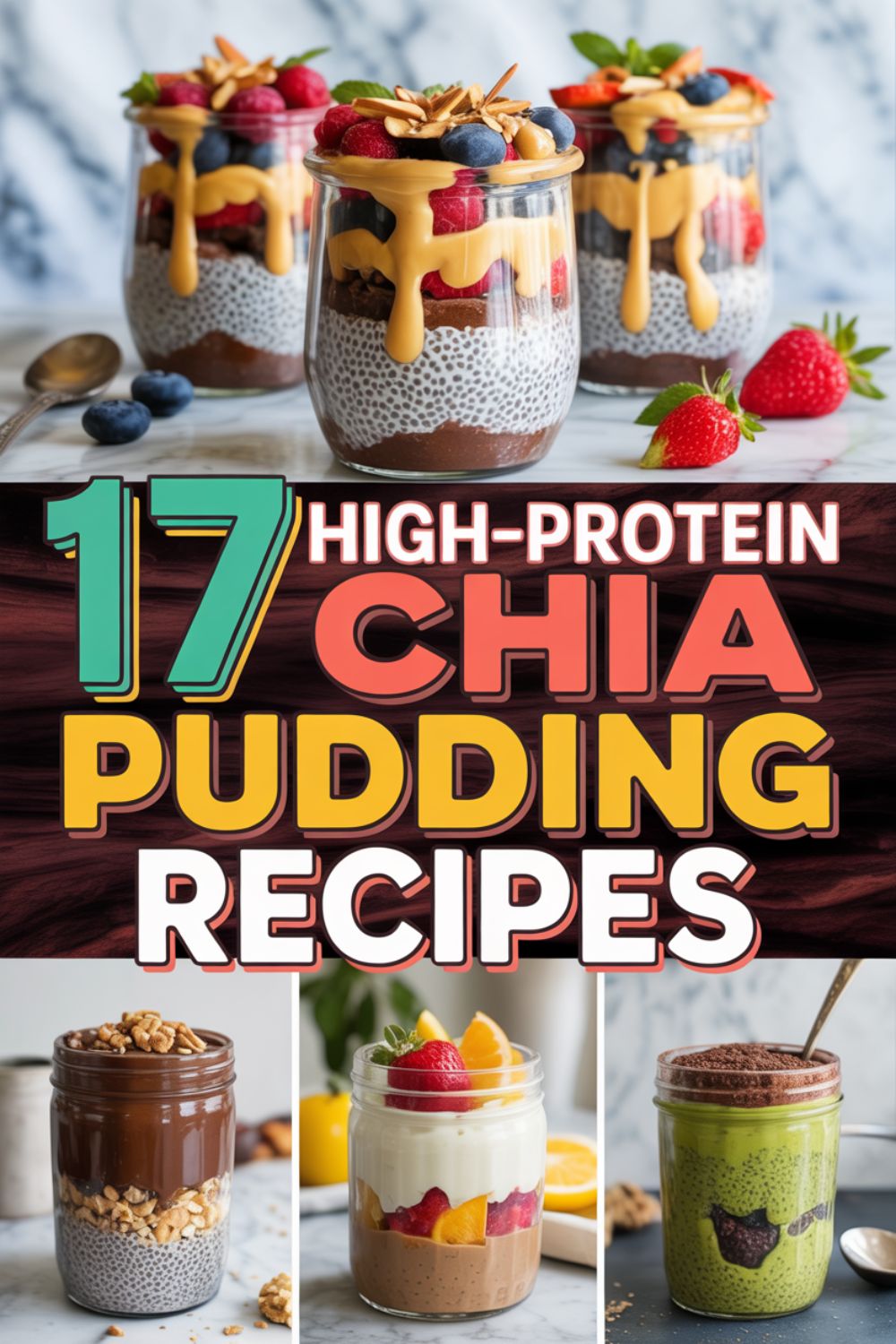
Why High-Protein Chia Pudding Beats Regular Versions
Standard chia pudding recipes typically clock in around 4-6 grams of protein per serving. That’s barely enough to call it a snack, let alone a meal. But bump that number up to 15-25 grams, and suddenly you’ve got something that can replace your breakfast, fuel your post-workout recovery, or serve as a legitimate meal replacement when you’re slammed.
The protein boost does more than just keep you satisfied. According to nutrition research, high-protein intake is associated with increased fullness after meals and reduced food consumption throughout the day. That gel-like texture chia seeds develop when soaked? It slows digestion even further, creating a slow-release energy system that keeps blood sugar stable.
I’ve tested dozens of combinations over the past year, and some worked brilliantly while others ended up tasting like protein powder mixed with wallpaper paste. These 17 recipes are the survivors—the ones I actually want to eat on repeat.
The Base Formula That Never Fails
Before we dive into specific recipes, you need to understand the formula. Every high-protein chia pudding follows this basic structure, and once you’ve got it down, you can freestyle your own creations.
The ratio is simple: 3 tablespoons chia seeds to 1 cup liquid, plus your protein source of choice. The liquid can be any milk (dairy, almond, oat, coconut), protein shake, or even flavored kefir. Mix everything in a jar, shake it like you’re angry at it, let it sit for 10 minutes, shake again to prevent clumping, then refrigerate overnight.
Here’s where people mess up—they add the protein powder after the chia has already gelled. Wrong move. Mix your protein powder with the liquid first until it’s completely smooth, then add the chia seeds. This prevents those nasty protein clumps that ruin the whole texture. I learned this the hard way after wasting three expensive scoops of vanilla whey protein on grainy disasters.
17 High-Protein Chia Pudding Recipes You’ll Actually Make
1. Peanut Butter Cup Chia Pudding
This one tastes like dessert but delivers 22 grams of protein. Mix chocolate protein powder with unsweetened almond milk, add chia seeds, and swirl in 2 tablespoons of natural peanut butter. Top with cacao nibs and a pinch of sea salt. The peanut butter adds healthy fats and extra protein while the salt cuts through the sweetness.
I make this every Sunday night and portion it into four jars for the week. The mini whisk I use for mixing the protein powder makes all the difference—no clumps, just smooth chocolate heaven.
2. Vanilla Cake Batter Protein Pudding
Vanilla protein powder, vanilla extract, a splash of maple syrup, and Greek yogurt blended with almond milk create something that legitimately tastes like cake batter. Add chia seeds and let it work its magic overnight. Top with rainbow sprinkles if you’re feeling whimsical. This clocks in at 18 grams of protein and satisfies every sweet craving without the sugar crash.
3. Coffee Shop Mocha Pudding
For the caffeine addicts out there, this one’s your morning savior. Brew strong coffee, let it cool, then mix with chocolate protein powder and chia seeds. Add a tablespoon of unsweetened cocoa powder for extra richness. The coffee flavor intensifies overnight, giving you that mocha kick without the coffee shop price tag. Around 20 grams of protein, plus enough caffeine to make you functional.
Speaking of breakfast ideas that actually energize you, check out these no-cook breakfast options that work perfectly alongside chia pudding in your meal prep rotation.
4. Strawberries and Cream High-Protein Version
Blend fresh or frozen strawberries with vanilla protein powder and milk until smooth, then add chia seeds. Layer with vanilla Greek yogurt for extra creaminess and protein. This delivers about 24 grams of protein and tastes like you’re eating strawberry ice cream for breakfast. The Greek yogurt layer adds a tangy contrast that balances the sweet berries perfectly.
5. Almond Joy Chia Pudding
Chocolate protein powder mixed with coconut milk, chia seeds, a tablespoon of almond butter, and unsweetened shredded coconut. Top with dark chocolate chips and sliced almonds. It’s basically a candy bar in pudding form, except it has 21 grams of protein and won’t make you crash. The coconut milk makes it incredibly creamy—don’t skip it for regular almond milk or you’ll lose that signature richness.
I store mine in glass meal prep containers that stack perfectly in the fridge, making grab-and-go mornings actually possible instead of theoretical.
6. Blueberry Muffin Protein Pudding
Vanilla protein powder, fresh or frozen blueberries, a dash of cinnamon, and a tiny bit of lemon zest mixed with milk and chia seeds. This tastes exactly like a blueberry muffin top—you know, the best part. Add a crumble of granola on top for texture. Around 19 grams of protein, and the lemon zest really makes the blueberry flavor pop.
7. Chai Spice Protein Pudding
Brew strong chai tea, let it cool, then mix with vanilla protein powder, chia seeds, and a splash of vanilla extract. Add warming spices like cinnamon, cardamom, and a pinch of black pepper. This gives you about 17 grams of protein and tastes like a cozy chai latte you can eat with a spoon. Top with crushed pistachios for a nice textural contrast.
8. Salted Caramel Protein Pudding
Mix vanilla or caramel-flavored protein powder with milk, chia seeds, and a tablespoon of sugar-free caramel sauce. Add a generous pinch of sea salt and top with chopped pecans. The salt elevates this from good to legitimately impressive. About 20 grams of protein and tastes way more indulgent than it actually is.
9. Tropical Mango Coconut Pudding
Blend frozen mango chunks with coconut milk and vanilla protein powder until smooth, then stir in chia seeds. Top with fresh mango, toasted coconut flakes, and a squeeze of lime. This bright, refreshing version has 18 grams of protein and feels like vacation in a jar. The lime juice is non-negotiable—it cuts through the sweetness and makes everything taste brighter.
If you’re looking for more protein-packed breakfast ideas, this 7-day high-protein meal plan pairs perfectly with these chia pudding recipes for maximum muscle building and fat loss.
10. Chocolate Hazelnut Dream
Chocolate protein powder, a tablespoon of hazelnut butter (or that chocolate hazelnut spread if you’re feeling dangerous), milk, and chia seeds. This is basically adult Nutella pudding with 22 grams of protein. I use natural hazelnut butter to keep it clean, but honestly, a small spoonful of the chocolate version won’t derail your goals and tastes incredible.
11. Pumpkin Spice Protein Pudding
Mix pure pumpkin puree with vanilla protein powder, milk, chia seeds, and pumpkin pie spice. This seasonal favorite delivers 19 grams of protein and tastes like fall in a jar. Top with crushed gingersnaps or pecans for crunch. Don’t use pumpkin pie filling by mistake—you want pure pumpkin puree. I learned this lesson the hard way when I accidentally made pumpkin pie-flavored sweet soup.
12. Chocolate Cherry Protein Pudding
Blend frozen dark cherries with chocolate protein powder and milk, then add chia seeds. This combo is a powerhouse—cherries provide antioxidants while the chocolate protein adds 21 grams of muscle-building fuel. Top with fresh cherries and dark chocolate shavings. It tastes like a chocolate-covered cherry but won’t spike your blood sugar.
13. Cinnamon Roll Protein Pudding
Vanilla protein powder, cinnamon, a tiny drizzle of maple syrup, and a swirl of cream cheese mixed with a touch of sweetener creates something that tastes remarkably like cinnamon roll frosting. Add chia seeds and top with more cinnamon. Around 20 grams of protein and satisfies every carb craving without the actual carbs. The cream cheese trick is genius—it adds protein and that tangy richness you expect from cream cheese frosting.
For those days when you need something more substantial, these high-fiber breakfasts work perfectly alongside your chia pudding rotation to keep you satisfied until lunch.
14. Matcha Green Tea Protein Pudding
Whisk matcha powder with vanilla protein powder, milk, a touch of honey, and chia seeds. This earthy, slightly sweet version delivers 18 grams of protein plus a gentle caffeine boost. Top with sliced kiwi or white chocolate chips for contrast. I use a small electric frother to dissolve the matcha completely—it prevents those bitter clumps that can ruin the whole thing.
15. Banana Bread Protein Pudding
Mash half a ripe banana, mix with vanilla protein powder, a pinch of cinnamon and nutmeg, milk, and chia seeds. Top with walnut pieces and banana slices. This nostalgic flavor has about 19 grams of protein and tastes exactly like your grandma’s banana bread, but you can eat it cold from the fridge at 6 AM without judgment.
16. Mixed Berry Protein Pudding
Blend a mix of strawberries, blueberries, and raspberries with vanilla protein powder and milk, then add chia seeds. This antioxidant bomb has 20 grams of protein and looks gorgeous in a jar. Top with fresh berries and a dollop of Greek yogurt. The variety of berries creates complexity you don’t get from single-berry versions.
17. Cookies and Cream Protein Pudding
Vanilla protein powder, crushed sugar-free cookies or protein cookies, milk, and chia seeds. This tastes like Oreo pudding and delivers 23 grams of protein. It’s the one I make when I need to feel like I’m cheating but still hit my macros. You can also crumble the cookies on top for extra crunch instead of mixing them in—both ways work beautifully.
Meal Prep Strategy That Actually Works
Here’s the truth about meal prepping chia pudding—you can’t just make seven jars on Sunday and expect them all to taste fresh by Friday. After day four, the texture gets weird and the flavors start to meld together in unpleasant ways. The sweet spot is prepping 3-4 days’ worth at a time.
I prep on Sunday evening and Wednesday evening. That’s it. Two 15-minute sessions per week, and I never eat sad, watery chia pudding that’s been sitting too long. Use the time while they’re setting in the fridge to prep other components of your week. Efficiency, people.
Store them in the back of the fridge where the temperature is most consistent, not in the door. The constant temperature changes from opening and closing make the texture break down faster. Label your jars with the flavor and date—trust me, after a few weeks of making these, chocolate and vanilla start looking identical at 6 AM when you’re half-asleep.
Meal Prep Essentials Used in This Plan
Getting the right tools makes all the difference between chia pudding you’ll actually eat and science experiments you hide in the back of the fridge. Here’s what I use every single week:
- 16 oz Wide-Mouth Mason Jars (Set of 12) – Perfect size for individual servings, easy to layer and eat from
- Stainless Steel Blender Bottle with Ball Whisk – Makes mixing protein powder smooth and clump-free
- Digital Kitchen Scale – Portion chia seeds and protein powder accurately for consistent macros
- High-Protein Meal Planning Guide (Digital PDF) – Includes macro calculations, shopping lists, and 30+ chia pudding combinations
- Chia Pudding Flavor Combinations Database – Searchable spreadsheet with 100+ tested flavor pairings and nutrition info
- Weekly Meal Prep Template Bundle – Printable templates specifically designed for breakfast meal preppers
- Join Our Meal Prep Community on WhatsApp – Real people sharing their chia pudding creations, troubleshooting texture issues, and swapping recipes
Common Mistakes That Ruin Chia Pudding
Let’s talk about the disasters so you can avoid them. First mistake: not shaking or stirring after the initial 10-minute rest. Chia seeds sink to the bottom and form a gelatinous blob while the top stays completely liquid. You need to break up that initial gel formation, redistribute the seeds, then let it set overnight for even texture.
Second mistake: using too much liquid. More liquid doesn’t make it creamier—it makes it soupy. Stick to the 3 tablespoons chia to 1 cup liquid ratio. If you want it thicker, add more chia seeds. If you want it thinner, add liquid by the tablespoon, not the cup.
Third mistake: cheap protein powder. I know it’s tempting to buy the massive tub on sale, but if it tastes chalky on its own, it’ll taste chalky mixed with chia. Invest in protein powder you’d actually drink as a shake. Your chia pudding can only be as good as its ingredients. I rotate between vanilla whey isolate and plant-based vanilla protein depending on what I’m craving.
Fourth mistake: forgetting about the omega-3 fatty acids in chia seeds. These healthy fats need to be balanced with the other macros in your diet. Don’t go overboard just because it’s healthy—2-3 tablespoons of chia per serving is plenty.
How to Customize Macros for Your Goals
Not everyone needs the same amount of protein. If you’re trying to build muscle, aim for the higher end—22-25 grams per serving. Use whey protein isolate and add Greek yogurt layers. If you’re just trying to stay full longer and maintain energy, 15-18 grams is plenty. Use plant-based protein and lighter milk options.
For those focused on blood sugar management, keep the added sugars minimal and rely on whole fruit for sweetness. Berries have a lower glycemic impact than tropical fruits. If you’re following a specific nutrition plan, these blood sugar balancing meals complement chia pudding perfectly.
Want lower calories? Use unsweetened almond milk instead of coconut milk or dairy. Skip the nut butter toppings and stick with fresh fruit and a sprinkle of cinnamon. You can easily create versions under 250 calories that still pack 18+ grams of protein.
Need more calories for bulking? Double the nut butter, use full-fat coconut milk, add granola on top, and throw in some chia seeds for good measure. You can push a single serving past 500 calories while keeping the protein high.
Tools & Resources That Make Cooking Easier
Beyond the basics, these tools have genuinely changed how I approach breakfast meal prep. No fluff, just stuff I actually use:
- Immersion Blender with Whisk Attachment – Blend berries directly in your jar, blend protein powder smooth, way easier than dragging out the big blender
- Silicone Jar Labels (Reusable) – Write the flavor and date, stick on the jar, peel off and wash when empty
- Small Measuring Shot Glasses (Set of 4) – Perfect for portioning nut butters, syrups, and extracts without dirtying measuring spoons
- Macro Tracking Spreadsheet Template (Digital) – Pre-loaded with common chia pudding ingredients, automatically calculates totals
- 21-Day Chia Pudding Challenge Guide (PDF) – Daily recipes, shopping lists, and progress tracker
- Breakfast Meal Prep Video Course – Step-by-step tutorials for making chia pudding and other no-cook breakfasts
Making Chia Pudding Work in Real Life
Look, I’m not going to tell you that chia pudding will revolutionize your life or transform your body in 21 days. But it is one of the easiest high-protein breakfast options that requires almost zero morning effort. And when you’re trying to eat well consistently, removing friction from the process matters more than perfection.
I keep three flavors in my fridge at all times—usually one chocolate-based, one fruit-based, and one coffee-based. This prevents flavor fatigue and gives me options based on my mood. Some mornings I want the mocha version with my coffee. Other mornings I want something light and fruity. Having variety built into the system means I don’t get bored and revert to drive-through breakfast sandwiches.
The best part? You can eat it straight from the jar while answering emails, during your commute (if you’re not driving), or even as a post-workout snack at the gym. No reheating, no dishes beyond the jar and spoon, no fuss. In a world where everything food-related seems to require seventeen steps and specialty equipment, chia pudding is refreshingly simple.
Sarah from our meal prep community started making chia pudding six months ago and says she’s saved at least three hours per week on breakfast prep while actually increasing her protein intake. Her favorite trick? Making a double batch of the base mixture, then splitting it into different jars and flavoring each one differently. Smart move.
Frequently Asked Questions
How long does chia pudding last in the fridge?
Chia pudding stays fresh for 4-5 days when stored properly in an airtight container in the refrigerator. After that, the texture starts breaking down and the flavors begin to taste flat. I’ve found that 3-4 days is the sweet spot for optimal texture and taste. Always store it in the back of the fridge where temperature stays consistent, not in the door.
Can I use chia pudding as a meal replacement?
Absolutely, especially the high-protein versions in this article. With 18-25 grams of protein, healthy fats from chia seeds, and fiber, these recipes provide balanced nutrition that can replace a full breakfast or serve as a post-workout meal. Just make sure you’re getting enough calories throughout the day if you’re using it as a regular meal replacement. According to nutrition experts, chia pudding provides substantial fiber and essential minerals that support overall health.
Why is my chia pudding watery or too thick?
Watery pudding usually means too much liquid or not enough resting time. Stick to the 3 tablespoons chia per 1 cup liquid ratio and let it sit overnight. Too thick? You probably used too many chia seeds or a liquid that’s already thick like full-fat coconut milk. Fix watery pudding by adding more chia seeds and waiting 20 minutes. Fix thick pudding by stirring in milk one tablespoon at a time.
Can I make chia pudding without protein powder?
Yes, but you’ll need to add protein from other sources to hit those high protein numbers. Use Greek yogurt layers, mix in cottage cheese (sounds weird but works), add nut butter, or use high-protein milk alternatives. You can also add collagen powder which dissolves better than some protein powders and doesn’t affect the flavor.
Is chia pudding good for weight loss?
Chia pudding can support weight loss when used strategically. The high protein content increases satiety and helps preserve muscle mass during calorie deficits, while the fiber from chia seeds supports healthy digestion and stable blood sugar levels. The key is controlling portion sizes and avoiding excessive toppings that add hidden calories. Pair it with a balanced approach like these low-calorie, high-fiber meals for best results.
Final Thoughts
High-protein chia pudding isn’t going to solve all your nutrition problems, but it removes one major barrier—having a quick, healthy, protein-rich option ready when you need it. No cooking, no complicated techniques, no morning panic about what to eat.
Start with two or three recipes from this list that sound genuinely appealing to you. Don’t force yourself to make the matcha version if you hate matcha just because it sounds trendy. Make what you’ll actually eat. Test the recipes, adjust them to your taste preferences, and build your rotation from there.
The goal isn’t perfection. The goal is creating a system that works for your real life, with your actual schedule, using ingredients you can find at your regular grocery store. These 17 recipes give you enough variety to never get bored while keeping the process simple enough to actually sustain.
Now grab some chia seeds, pick your favorite protein powder, and make your first batch tonight. Tomorrow morning, you’ll thank yourself when breakfast is waiting in the fridge instead of being a frantic last-minute decision that ends with a granola bar eaten over the sink.
Start Your Healthy Morning Routine in Just 21 Days
Stop skipping breakfast or eating random meals. Follow a simple plan with ready-to-prep recipes, grocery lists, and weekly planners designed for busy mornings.
- ✔ 21-Day Done-For-You Breakfast Plan
- ✔ Overnight Oats, Smoothies & Chia Recipes
- ✔ High Protein & Low Calorie Options
- ✔ Grocery Lists + Meal Prep System
- ✔ Printable Planners & Bonus Guides
Instant download • No physical product • Start today