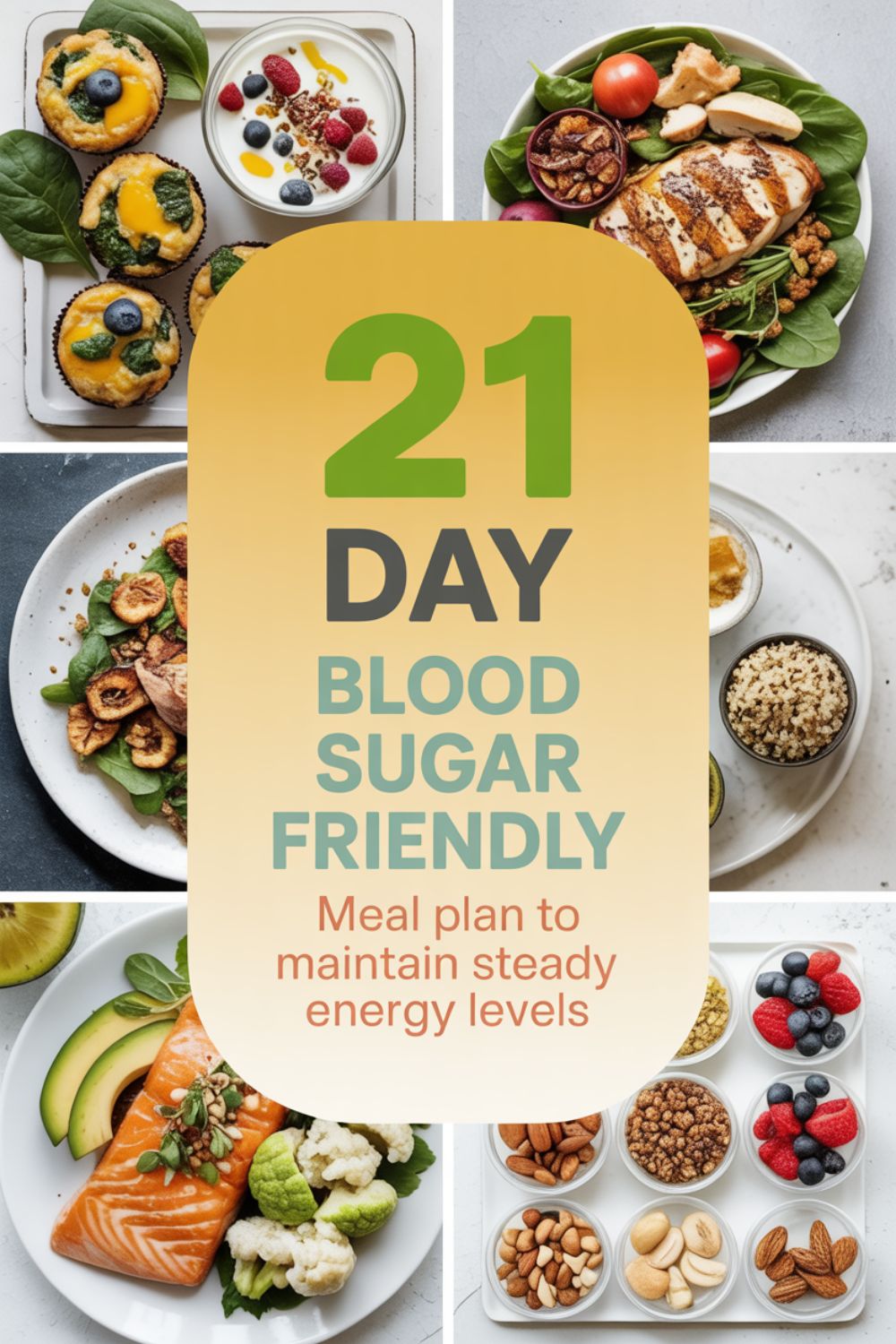
21-Day Blood Sugar Friendly Meal Plan to Maintain Steady Energy Levels
Look, I’m not here to tell you that managing blood sugar is some magical cure-all that’ll transform your life overnight. But here’s what I will say: once you figure out how to keep your glucose levels steady, you’ll wonder why nobody told you about this sooner. No more 3 PM crashes, no more hanger-fueled arguments with your spouse, and definitely no more needing a nap after lunch like you’re a toddler.
I’ve spent the better part of two years tweaking my eating habits, and let me tell you, the difference between randomly throwing food into your face versus eating strategically is night and day. This 21-day meal plan isn’t about restriction or some weird elimination diet—it’s about understanding how different foods affect your body and using that knowledge to your advantage.
We’re talking real food here. No sad salads or tasteless chicken breast that makes you question your life choices. Just balanced meals that actually keep you full and energized without the blood sugar rollercoaster. Ready to dive in?
Why Blood Sugar Balance Actually Matters
Before we get into the meal plan, let’s talk about why you should even care about blood sugar. I used to think this was only relevant for diabetics, but turns out, it affects literally everyone. Your blood sugar levels influence your energy, mood, hunger cues, and even how well you sleep at night.
Here’s the deal: when you eat something, especially carbs, your blood sugar naturally rises. Your pancreas then releases insulin to help move that glucose into your cells for energy. Sounds simple enough, right? The problem happens when you’re constantly spiking your blood sugar with processed foods, sugary snacks, or meals that are all carbs and no protein or fat. According to the CDC, eating balanced meals at regular times helps your body maintain steadier glucose levels throughout the day.
When you eat a balanced meal with protein, healthy fats, and fiber-rich carbs, the sugar enters your bloodstream gradually. It’s like the difference between chugging an energy drink versus sipping green tea all morning. One gives you a spike and crash, the other keeps you cruising along smoothly.
The Foundation of Blood Sugar Friendly Eating
Let’s get practical. A blood sugar friendly meal isn’t complicated—it just needs three key components working together. Think of it like a three-legged stool; remove one leg and the whole thing tips over.
Protein is Your Best Friend
I can’t stress this enough: protein at every meal. It slows down digestion, keeps you full longer, and prevents those dramatic blood sugar swings. We’re talking eggs, Greek yogurt, chicken, fish, tofu, legumes—whatever works for your dietary preferences.
I personally keep these vacuum-sealed chicken breast packages in my freezer because they thaw quickly and I’m lazy about meal planning. Just being honest. The American Diabetes Association recommends including protein sources at each meal to help manage blood glucose levels effectively.
Fiber Does the Heavy Lifting
Fiber is like the bouncer at a club—it controls how fast sugar gets into your bloodstream. Vegetables, whole grains, legumes, and fruits with skin all pack fiber. The more fiber in your meal, the gentler the blood sugar rise.
Here’s something most people don’t realize: not all carbs are created equal. A bowl of white rice will hit your bloodstream way faster than quinoa or brown rice. Same calories, completely different effect on your body.
Healthy Fats Keep Everything Steady
Fats get a bad rap, but they’re essential for blood sugar control. Avocados, nuts, olive oil, fatty fish—these slow down digestion even more and help you absorb vitamins. Plus, they make food taste way better, which is honestly the most important part.
I drizzle this cold-pressed olive oil on basically everything. It’s become borderline excessive, but my blood sugar thanks me for it.
What a Day of Blood Sugar Friendly Eating Actually Looks Like
Enough theory—let’s talk about real meals you’d actually want to eat. I’m giving you a sample day here, but the 21-day plan expands on this with tons of variety so you don’t get bored and end up face-first in a box of donuts by day four.
Breakfast: Start Strong
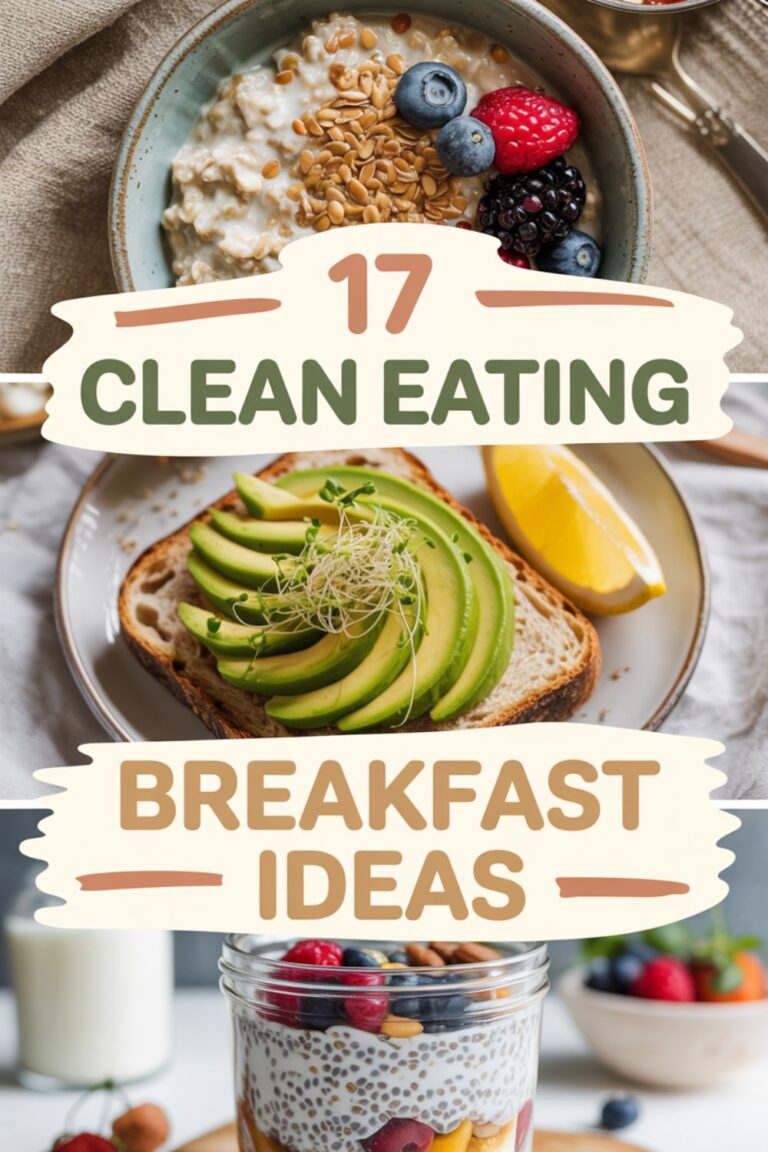
My go-to breakfast is usually scrambled eggs with spinach, avocado, and a slice of whole grain toast. Takes maybe 10 minutes to make, keeps me full until lunch, and doesn’t leave me crashing mid-morning. Sometimes I’ll do Greek yogurt with berries, nuts, and a drizzle of almond butter instead. Get Full Recipe.
The key is avoiding the breakfast trap of carb-only meals. Toast alone? You’ll be hungry in an hour. Toast with eggs and avocado? That’s a different story entirely. If you prep your ingredients Sunday night using these glass meal prep containers, weekday mornings become stupidly easy.
Mid-Morning Snack: If You Need It
Not everyone needs a mid-morning snack, but if you do, keep it simple. A handful of almonds, some veggies with hummus, or a hard-boiled egg. The goal is to prevent yourself from getting so hungry that you make questionable lunch decisions.
I keep these portion-controlled nut packs in my bag because I have the self-control of a toddler around an open jar of cashews.
Lunch: The Make-or-Break Meal
Lunch is where most people either nail it or completely derail their day. A solid blood sugar friendly lunch includes a palm-sized portion of protein, tons of non-starchy vegetables, and a moderate serving of complex carbs.
My typical lunch rotation: grilled chicken salad with quinoa, chickpea and vegetable stir-fry with brown rice, or a turkey and avocado wrap with a side of raw veggies. Nothing fancy, just consistently balanced. Get Full Recipe for that chickpea stir-fry—it’s become my weekly staple.
Afternoon Snack: Strategic Fuel
The 3 PM slump is real, but it doesn’t have to be. A protein-rich snack around this time can prevent the vending machine temptation. Think cheese with apple slices, cottage cheese with berries, or a protein smoothie.
I blend mine in this personal blender that’s so easy to clean I actually use it daily instead of letting it collect dust like my last three kitchen gadgets.
Dinner: End on a High Note
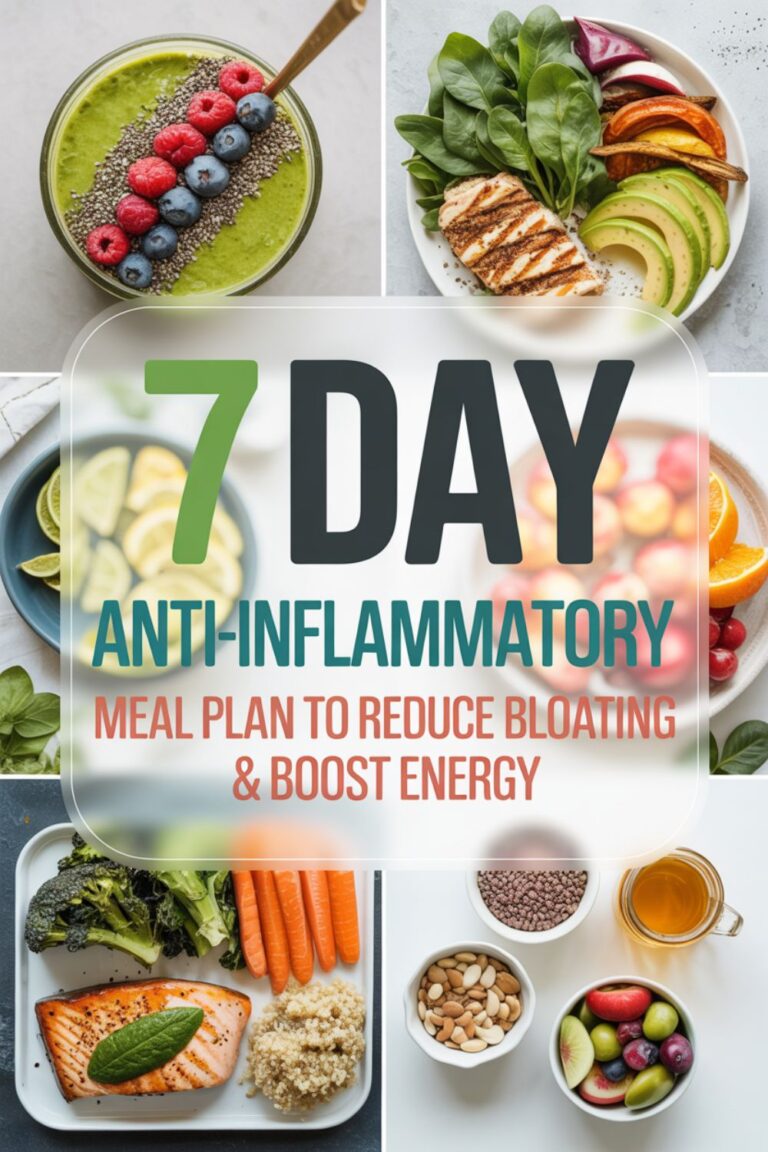
Dinner should be your most relaxed meal of the day, not a source of stress. Baked salmon with roasted vegetables and sweet potato, stir-fried tofu with broccoli and cauliflower rice, or slow-cooked chicken thighs with green beans and wild rice—these are all winning combinations.
The secret is not overthinking it. Season well, cook in batches if possible, and focus on that protein-veggie-complex carb trio. Get Full Recipe for the baked salmon dish—it’s criminally easy and always impressive.
Meal Prep Essentials Used in This Plan
Look, I’m not trying to sell you a bunch of stuff you don’t need, but these items legitimately make following this plan so much easier. Trust me, I’ve tried doing it without proper tools and ended up ordering takeout way too often.
- Physical Products:
- Glass meal prep containers (set of 10) – These changed my life. No weird plastic taste, microwave safe, and they stack perfectly in my tiny fridge.
- Digital kitchen scale – Portion control without the guesswork. I use mine daily for weighing proteins and tracking macros without obsessing.
- Instant-read meat thermometer – Because nobody wants dry chicken. This ensures perfect protein every single time.
- Digital Resources:
- 21-Day Meal Plan Printable PDF – The complete plan with shopping lists, prep instructions, and macro breakdowns.
- Blood Sugar Tracking Template – A simple spreadsheet to monitor how different foods affect your energy levels.
- Quick Swap Guide – Don’t like a suggested ingredient? This guide shows you blood sugar friendly alternatives.
- Community Support:
- Join our WhatsApp group – Daily meal ideas, motivation, and troubleshooting from people actually doing this plan.
The 21-Day Plan Breakdown
Here’s how the three weeks shake out. Each week builds on the last, introducing new recipes while reinforcing the fundamentals. By week three, this way of eating will feel totally natural.
Week 1: Foundation Building
Days 1-7 focus on simple, straightforward meals that teach you the basic formula. We’re not getting fancy yet—just building solid habits. Expect lots of grilled proteins, roasted vegetables, and simple grain bowls.
The first few days might feel different if you’re coming from a high-sugar, processed food diet. Some people report mild headaches or fatigue as their body adjusts. That’s normal and usually passes by day four. Stay hydrated and don’t bail on me here—it gets so much better.
Meal prep for this week is minimal. Sunday afternoon, grill a few chicken breasts, roast a big pan of vegetables, and cook a batch of quinoa. You’ve just set yourself up for success. Store everything in these airtight containers and you’re golden for at least three days.
Week 2: Expanding the Repertoire
Days 8-14 introduce more variety and flavor. We’re adding in one-pan meals, slow cooker recipes, and some international flavors to keep things interesting. This is where most people really start noticing the energy difference.
By week two, your body is adapting to more stable blood sugar levels. You’ll probably notice you’re not thinking about food constantly anymore. That weird afternoon hunger that used to drive you to the vending machine? Gone. It’s kind of wild how much our “hunger” is actually just blood sugar fluctuations.
I recommend trying this Mediterranean chickpea bowl during week two—it’s become a fan favorite in our community and it meal preps beautifully. The combination of chickpeas, cucumbers, tomatoes, and high-quality feta cheese hits every single one of our blood sugar friendly requirements.
Week 3: Solidifying Habits
Days 15-21 are about cementing these habits for the long haul. The recipes get a bit more creative, and you’ll have enough knowledge to start improvising your own meals. This is when the magic really happens.
By now, you’ve probably figured out which meals work best for your schedule, which flavors you love, and how your body responds to different food combinations. Some people find they do better with slightly more fat, others with more complex carbs. That’s totally fine—the beauty of this approach is its flexibility.
The blood sugar friendly frittata recipe for week three is absolutely clutch for busy mornings. Get Full Recipe and thank me later. You can eat it cold, hot, or at room temperature, and it covers all your nutritional bases.
Common Pitfalls and How to Avoid Them
Let’s be real—everyone screws this up at some point. Here are the mistakes I see most often and how to sidestep them.
Skipping Breakfast (The Classic Blunder)
I get it, you’re not hungry in the morning. But skipping breakfast often leads to overeating later and can actually worsen blood sugar control throughout the day. Research published in peer-reviewed studies shows that breakfast skippers tend to have higher glucose spikes at lunch and dinner.
If traditional breakfast foods don’t appeal to you, who cares? Have last night’s leftovers. Eat a turkey sandwich. The meal police aren’t coming for you. Just eat something balanced within an hour of waking up.
Going Too Low on Carbs
Some people hear “blood sugar friendly” and immediately think they need to go keto or cut carbs to nothing. That’s not what we’re doing here. Complex carbohydrates are your friend—they provide sustained energy and help you stick with this long-term.
The difference between good and bad carbs isn’t some moral judgment—it’s about how they affect your blood sugar. Choose whole grains, starchy vegetables, and fruits over refined grains and added sugars. That’s literally it.
Forgetting About Liquid Calories
Juice, soda, fancy coffee drinks—these are blood sugar wrecking balls disguised as beverages. Even “healthy” smoothies can spike your blood sugar if they’re mostly fruit with no protein or fat to slow absorption.
Stick to water, unsweetened tea, or black coffee most of the time. If you’re making smoothies, add Greek yogurt, protein powder, or nut butter to balance them out. I blend mine with this plant-based protein powder that doesn’t taste like chalk—finally, a protein powder that doesn’t ruin the whole drink.
Perfectionism Paralysis
This is huge. People abandon the whole plan because they had pizza one night or missed a meal prep session. Stop it. One meal doesn’t undo everything. This isn’t about perfection; it’s about consistency over time.
Had a rough day and ordered takeout? Cool, get back on track tomorrow. Ate birthday cake at your kid’s party? Excellent, you should enjoy life. The goal is making blood sugar friendly choices most of the time, not all of the time.
Tools & Resources That Make Cooking Easier
These aren’t must-haves, but they’re definitely nice-to-haves that remove friction from the cooking process. And removing friction is what keeps you consistent.
- Physical Products:
- Programmable slow cooker – Set it and forget it. Come home to perfectly cooked proteins and vegetables without any effort.
- Quality chef’s knife – Chopping vegetables is 10 times faster with a sharp knife. Trust me on this one.
- Silicone baking mats – No more scrubbing baking sheets. These things are magical for roasted vegetables.
- Digital Products:
- Macro Tracking App Guide – How to track macros without becoming obsessive. Find the balance that works for you.
- Restaurant Survival Guide – Blood sugar friendly options at popular chain restaurants so you’re not stuck googling in the parking lot.
- 5-Minute Meal Ideas eBook – For those nights when cooking feels impossible but you still want to eat well.
Eating Out and Social Situations
Let’s address the elephant in the room: what happens when you can’t control every ingredient? Spoiler alert—you don’t have to become a hermit who only eats at home.
Restaurant Strategies
Most restaurants are surprisingly accommodating if you know how to order. Ask for grilled proteins instead of fried, vegetables instead of fries, and dressing on the side. Boom, you’ve just made any menu blood sugar friendly.
Mexican restaurants? Fajitas without the tortillas, with extra vegetables. Italian? Grilled fish with vegetables instead of pasta, or get the pasta as a side portion. Asian cuisine? Stir-fries with brown rice, skipping the sugary sauces. It’s not that complicated once you understand the principles.
The Mayo Clinic offers additional guidance on making healthy food choices when dining out while managing blood sugar levels.
Parties and Gatherings
Here’s my strategy: eat before you go if you’re worried about options, but also, just eat at the party. Choose the proteins and vegetables, go light on the chips and bread, and have a small portion of dessert if you want it. Life is for living, not for obsessing over every bite.
If you’re hosting, make one or two blood sugar friendly options so you know you’ll have something good to eat. Your guests probably won’t even notice that the dip has Greek yogurt instead of sour cream, or that you used almond flour in the brownies.
Adjusting the Plan for Your Needs
This 21-day plan is a template, not a prison sentence. You might need more calories if you’re very active, or fewer if you’re sedentary. You might be vegetarian, vegan, or have food allergies. All of that is totally workable.
For Vegetarians and Vegans
Swap animal proteins for tofu, tempeh, legumes, quinoa, and nuts. The principles stay the same—you’re still combining protein, fiber, and healthy fats at every meal. You might need to be a bit more intentional about getting enough protein, but it’s completely doable.
The vegan Buddha bowl formula works perfectly here: base of greens, a protein source like chickpeas or lentils, roasted vegetables, a whole grain, and a tahini-based dressing. Get Full Recipe for my favorite variation.
For Higher Activity Levels
If you’re training for a marathon or hitting the gym hard, you’ll need more carbs than someone with a desk job. Add extra servings of sweet potato, oats, or rice around your workouts. Your body needs that fuel, so don’t skimp on it.
I personally add a post-workout smoothie with banana, protein powder, and almond butter after intense training sessions. This shaker bottle is indestructible and doesn’t leak in my gym bag, which is more than I can say for my last three attempts.
For Weight Loss Goals
If weight loss is your primary goal, the beauty of blood sugar friendly eating is that it naturally supports that without requiring you to count every calorie. Stable blood sugar means fewer cravings, better hunger regulation, and more consistent energy for physical activity.
Focus on portion control rather than elimination. Use smaller plates, eat slowly, and stop when you’re satisfied rather than stuffed. The weight will come off gradually and sustainably.
The Science Behind It (Without Boring You to Death)
I promised this wouldn’t be a textbook, but understanding a bit of the science makes everything click into place. Your body runs on glucose, which comes from breaking down the food you eat. When glucose enters your bloodstream, insulin helps shuttle it into cells for energy or storage.
Problems arise when you’re constantly flooding your system with rapid-acting sugars. Your pancreas has to pump out insulin repeatedly, your cells can become less responsive to insulin over time, and you end up on this exhausting cycle of energy spikes and crashes. Not fun.
By eating balanced meals with protein, fat, and fiber, you’re essentially turning on cruise control for your blood sugar. The glucose enters gradually, insulin does its job without going into overdrive, and you maintain steady energy. Recent research even shows that the order you eat foods on your plate can significantly impact glucose response—vegetables and protein first, carbs last.
The Insulin Resistance Connection
Here’s where things get interesting. Chronically high blood sugar and insulin levels can lead to insulin resistance, where your cells stop responding effectively to insulin. This is basically the precursor to type 2 diabetes, but it also affects weight management, energy levels, and hormone balance.
The good news? Insulin sensitivity can improve with consistent blood sugar friendly eating. Your body becomes more efficient at using glucose, you need less insulin to do the same job, and everything functions better. It’s like upgrading your body’s operating system.
Beyond Glucose: The Hormone Cascade
Blood sugar doesn’t exist in a vacuum. It affects cortisol (your stress hormone), leptin and ghrelin (hunger hormones), and even your sex hormones. When blood sugar is stable, all these other hormones work better too. Better sleep, more consistent mood, improved focus—it’s all connected.
This is why some women find that blood sugar management helps with PMS symptoms, and why some men report better energy and recovery from workouts. It’s not magic; it’s just your body working the way it’s supposed to when you give it consistent fuel.
Making It Stick: The Long Game
Twenty-one days is just the beginning. The real goal is turning these habits into your default way of eating without it feeling like a diet. Here’s how to make that happen.
Build Systems, Not Motivation
Motivation is great until it’s 6 PM on a Tuesday and you’re exhausted. Systems are what save you. That means meal prepping on Sundays, keeping your pantry stocked with staples, and having go-to recipes memorized.
I keep a running list on my fridge of my five favorite quick meals. When I’m too tired to think, I just pick one and make it on autopilot. Systems beat willpower every single time.
Track Your Energy, Not Just Your Food
Instead of obsessively logging every bite, pay attention to how you feel. Do you crash after certain meals? Feel amazing after others? This biofeedback is more valuable than any calorie counting app.
I use a simple notes app on my phone to jot down what I ate and my energy levels a few hours later. Patterns emerge fast, and you learn what works specifically for your body. Use this simple tracking template if you want something more structured.
Give Yourself Grace
Some days you’ll eat perfectly balanced meals. Some days you’ll eat cold pizza for breakfast because life happened. Both are okay. The goal is consistency over perfection, and consistency means showing up most days, not all days.
I’ve been doing this for two years now, and I still have weeks where I barely meal prep and eat out more than I’d like. Then I get back to my routine and everything stabilizes again. That’s real life, and real life is sustainable.
Shopping List Essentials
Let me save you some time and energy here. These are the staples I always keep on hand so I can throw together a blood sugar friendly meal even when I haven’t planned ahead.
Proteins to Stock
- Eggs – versatile, cheap, and packed with nutrients
- Canned tuna or salmon – emergency protein that doesn’t require cooking
- Greek yogurt – breakfast, snacks, or cooking ingredient
- Rotisserie chicken – the ultimate lazy person’s meal prep hack
- Frozen chicken breasts or thighs – thaw and cook quickly
- Tofu or tempeh – if you eat plant-based proteins
- Canned black beans and chickpeas – dump in salads or bowls
Vegetables and Fruits
- Frozen mixed vegetables – no chopping required, impossibly convenient
- Baby spinach or mixed greens – base for salads or wilt into eggs
- Bell peppers, cucumbers, cherry tomatoes – snack vegetables that require zero prep
- Broccoli and cauliflower – roast them and they’re delicious
- Avocados – healthy fats that make everything better
- Berries – lower sugar fruit option, great with yogurt
- Apples – portable, pairs well with nut butter
Pantry Staples
- Quinoa, brown rice, or farro – complex carbs that keep you full
- Oats – not just for oatmeal, also great in smoothies
- Nuts and nut butter – snacks or meal additions for healthy fats
- Olive oil and avocado oil – cooking essentials
- Canned tomatoes – base for quick sauces
- Various spices – because bland food is why diets fail
Store everything properly using these airtight storage containers and your ingredients will stay fresh way longer. I learned this the hard way after throwing out too many wilted vegetables.
Frequently Asked Questions
Can I drink coffee on this plan?
Absolutely. Black coffee is fine and might even have some benefits for blood sugar management. Just watch what you add to it—loading it up with sugar and cream can spike your blood sugar. Try adding a splash of full-fat milk or unsweetened almond milk instead. If you need sweetness, stevia or monk fruit sweeteners won’t affect blood sugar the way regular sugar does.
What if I’m still hungry after meals?
First, give it 20 minutes—sometimes it takes that long for fullness signals to reach your brain. If you’re genuinely still hungry, you might not be eating enough protein or fat, or your portions might be too small for your activity level. Add more vegetables to bulk up meals without significantly affecting blood sugar, and make sure you’re getting adequate protein at every meal.
Do I need to avoid all sugar completely?
No, and honestly, that’s not realistic or necessary. Small amounts of sugar in the context of a balanced meal won’t tank your progress. The problem is when sugar is your primary carb source or you’re eating it in isolation. A piece of dark chocolate after dinner? Fine. A candy bar as your afternoon snack? That’s where you’ll run into trouble. Context matters.
How quickly will I notice changes?
Most people notice improved energy and fewer cravings within the first week. Better sleep and more stable mood usually show up in week two. Physical changes like weight loss or body composition improvements take longer—typically 3-4 weeks. Everyone’s timeline is different, so focus on how you feel rather than getting fixated on specific timelines.
Is this plan safe if I have diabetes?
While blood sugar friendly eating aligns with general diabetes management principles, you should always consult with your healthcare provider before making significant dietary changes, especially if you’re on medication. They can help you adjust insulin or other medications as needed. This plan is designed for general blood sugar stability, not as medical treatment for diabetes.
The Bottom Line
Managing blood sugar isn’t about deprivation or following some restrictive diet that makes you miserable. It’s about understanding how food affects your body and making choices that support stable energy, better mood, and overall health.
This 21-day meal plan gives you the framework, but you’re the one who makes it work. Some meals will become favorites you make weekly. Others might not be your thing, and that’s fine—swap them out for something you actually enjoy eating. The key is sticking with the basic principles: protein, fiber, healthy fats, and complex carbs at every meal.
You don’t need perfection. You need consistency. You don’t need to cut out entire food groups. You need balance. And you definitely don’t need to make this more complicated than it is. Eat real food, mostly balanced meals, at regular times. That’s the whole game.
Give yourself these 21 days to see how different you can feel. Track your energy, pay attention to your cravings, and notice how your body responds. I’m betting you’ll be surprised at the difference stable blood sugar makes in basically every aspect of your life. And if nothing else, you’ll have learned how to throw together a solid meal in under 15 minutes, which is a life skill worth having regardless.
Now stop reading and go prep some vegetables. Future you will be grateful.
Start Your Healthy Morning Routine in Just 21 Days
Stop skipping breakfast or eating random meals. Follow a simple plan with ready-to-prep recipes, grocery lists, and weekly planners designed for busy mornings.
- ✔ 21-Day Done-For-You Breakfast Plan
- ✔ Overnight Oats, Smoothies & Chia Recipes
- ✔ High Protein & Low Calorie Options
- ✔ Grocery Lists + Meal Prep System
- ✔ Printable Planners & Bonus Guides
Instant download • No physical product • Start today