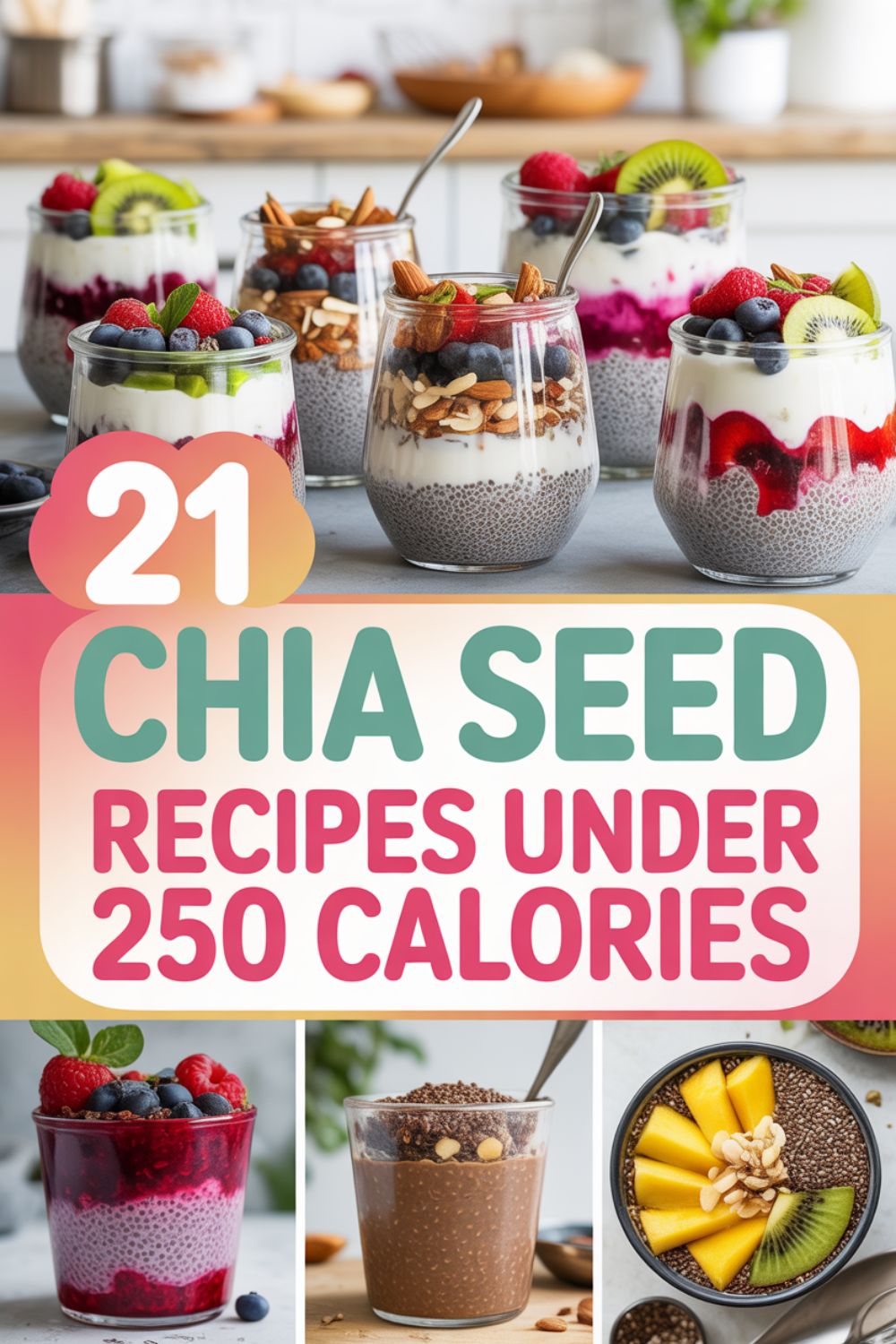
21 Chia Seed Recipes Under 250 Calories That Actually Taste Like Real Food
Light, nourishing, and shockingly satisfying — these low-calorie chia recipes will change how you think about healthy eating.
Let’s be real for a second. Most “healthy recipes under 250 calories” articles are secretly a collection of sad celery sticks and sadder expectations. So when I started pulling together chia seed recipes that actually taste good and still clock in under 250 calories, I was pleasantly surprised — and then kind of annoyed at myself for not doing this sooner.
Chia seeds are one of those rare ingredients that punch way above their weight class. Two tablespoons carry around 138 calories but deliver nearly 10 grams of fiber, 4–5 grams of protein, and more omega-3 fatty acids than most people get in a day. They absorb liquid, expand in your stomach, and keep you full in a way that most low-calorie foods absolutely do not. This is why chia-based recipes can sit comfortably under the 250-calorie mark without leaving you raiding the fridge an hour later.
Whether you’re working through a structured plan like a 7-day flat belly meal plan or just trying to eat a little lighter without suffering through it, these 21 recipes are your new best friends. Let’s get into it.
Why Chia Seeds Are a Low-Calorie Cook’s Secret Weapon
Here’s a fun thing about chia seeds that most people gloss over: they can absorb up to ten times their own weight in liquid. What this means practically is that a couple of tablespoons of chia seeds turns into something genuinely substantial once they’ve soaked. You’re essentially getting volume for free. Hunger doesn’t care about calorie counts — it responds to fullness signals, and chia seeds trigger those signals really well.
According to Healthline’s comprehensive review of chia seed nutrition, chia seeds are one of the most nutrient-dense foods by weight, delivering significant fiber, omega-3 fatty acids, calcium, and antioxidants in a small serving. That’s a lot of nutritional return on a modest calorie investment.
On top of the fullness factor, chia seeds have an almost miraculous versatility. They go into puddings, smoothie bowls, overnight oats, baked goods, dressings, and even savory recipes without complaining. They don’t have a strong flavor, which means they absorb the personality of whatever you mix them with. Think of them as the neutral base layer that lets every other ingredient shine.
FYI — if you’ve been comparing chia seeds to flax seeds and wondering which one to use, both have their strengths. Chia seeds tend to be better for texture-based recipes (puddings, overnight oats) because of that gel-forming quality, while flax seeds work better ground into baked goods. For the recipes in this list, chia is clearly the star.
Soak chia seeds for at least 20 minutes before eating them — this fully activates their gel-forming property and makes them much easier to digest, especially if you’re new to high-fiber ingredients.
The 21 Chia Seed Recipes — All Under 250 Calories
These recipes are grouped loosely by meal type so you can scan quickly and find what fits your day. Each one sits comfortably under 250 calories per serving, and most can be prepped ahead of time — which honestly is half the battle with eating well.
1. Classic Vanilla Chia Pudding
Three-quarters of a cup of unsweetened almond milk, two tablespoons of chia seeds, a teaspoon of vanilla extract, and a small drizzle of maple syrup. Stir, refrigerate overnight, and top with a handful of raspberries in the morning. Calorie range: 160–185. This one is the workhorse of the collection — simple, reliable, actually delicious. Get Full Recipe
2. Mango Coconut Chia Pudding
Swap the almond milk for light coconut milk and stir in a tablespoon of mango puree. The coconut adds creaminess while the mango brings tropical sweetness. You won’t believe it’s under 200 calories. Top with diced fresh mango for texture. Calorie range: 190–215. Get Full Recipe
3. Blueberry Lemon Chia Pudding
A squeeze of lemon zest in your chia pudding base, topped with a handful of fresh blueberries, transforms something simple into something that tastes like it came from a brunch spot. Calorie range: 165–190. Blueberries bring antioxidants that pair beautifully with chia’s omega-3 content.
4. Chia Seed Overnight Oats
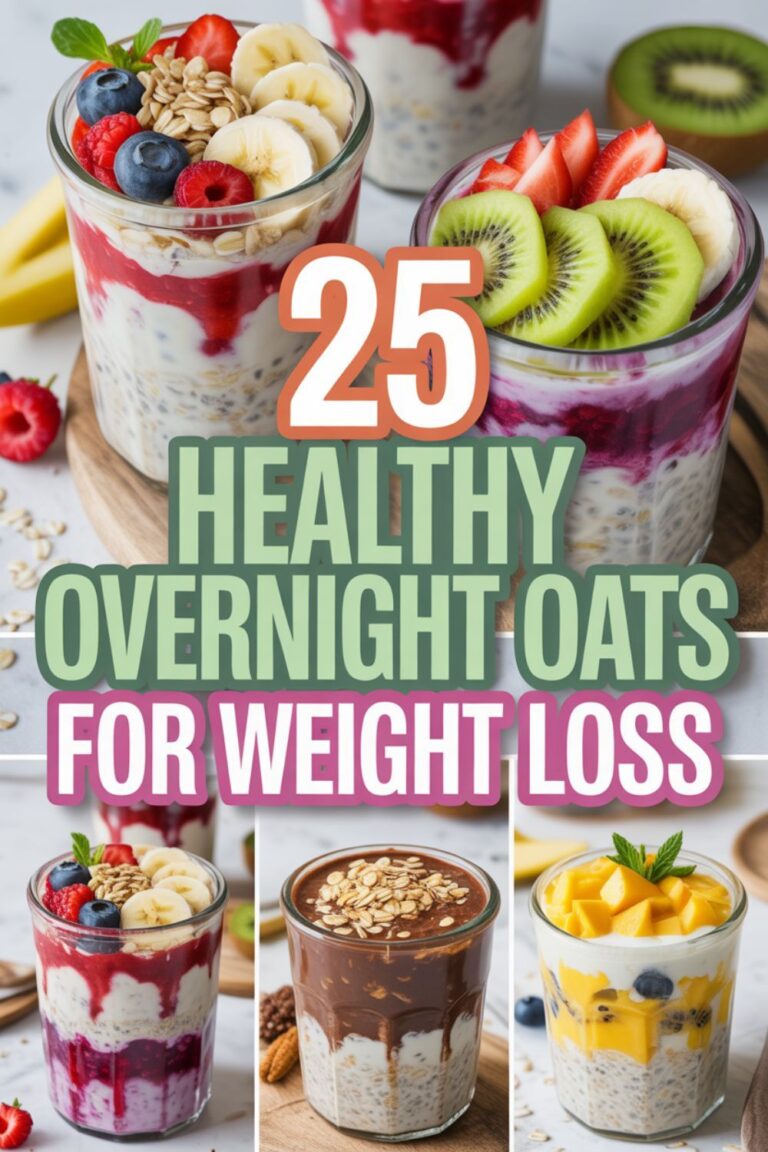
Half a cup of rolled oats, one tablespoon of chia seeds, three-quarters of a cup of oat milk, and a teaspoon of honey mixed in a jar the night before. This combination delivers both the slow-digesting carbs from oats and the fiber punch from chia. Calorie range: 210–240. It’s one of my go-to meal prep staples. 25 chia seed overnight oats recipes you’ll love — if this one wins you over, that whole list is worth bookmarking. Get Full Recipe
5. Strawberry Chia Smoothie Bowl
Blend frozen strawberries with half a banana, a scoop of chia seeds, and a splash of almond milk until thick. Pour into a bowl and top with sliced fruit and a teaspoon of granola. Calorie range: 200–230. The key is keeping it thick — use minimal liquid so it actually behaves like a bowl and not a drink.
6. Green Detox Chia Smoothie
Spinach, cucumber, half a green apple, one tablespoon chia seeds, lemon juice, and water blended smooth. It sounds aggressively healthy and, fine, it kind of is, but it also tastes genuinely refreshing. Calorie range: 145–170. Great alongside a 7-day anti-inflammatory meal plan if you’re working on reducing bloating.
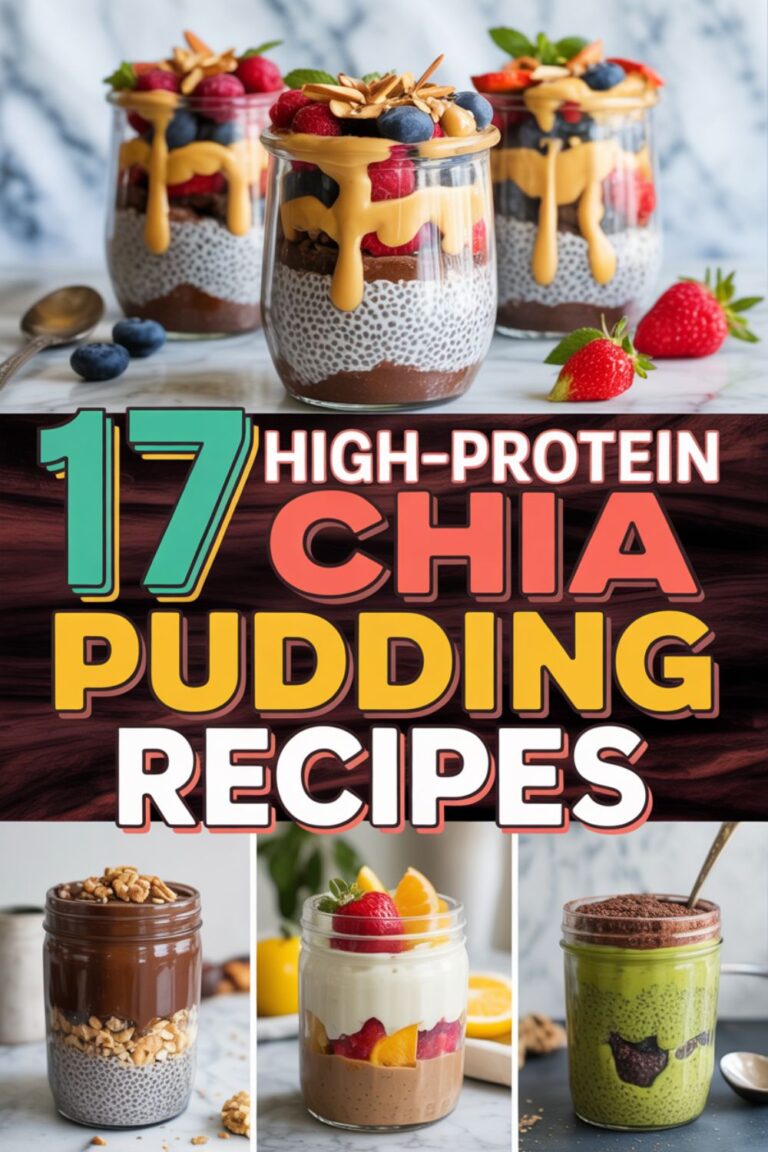
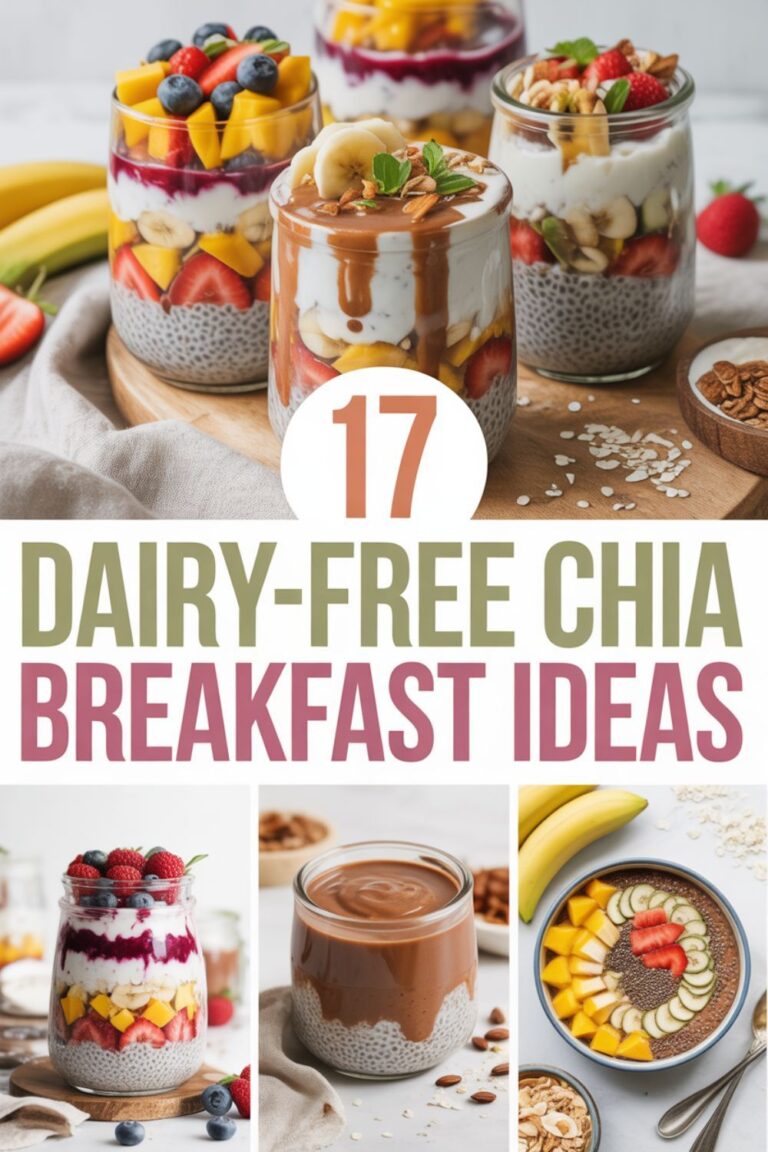
If you’re building a breakfast rotation around these recipes, check out 21 chia seed pudding recipes bursting with spring fruits, or browse 23 low-calorie chia seed bowls for healthy mornings. Both pair perfectly with what you’re reading right now.
7. Peanut Butter Chocolate Chia Pudding
One tablespoon of natural peanut butter, one teaspoon of cocoa powder, chia seeds, and oat milk. This one is the recipe people genuinely cannot believe is under 250 calories. Calorie range: 225–248. It tastes like dessert. It is not dessert. This is the kind of trick I will happily use every single day. Get Full Recipe
8. Apple Cinnamon Chia Bowl
Dice half an apple and toss it with a pinch of cinnamon, then spoon over a prepared chia pudding base. Cinnamon does genuinely interesting things to blood sugar levels, making this a smart choice if you’re working on steady energy. Pair well with a blood sugar balancing meal plan. Calorie range: 175–200.
9. Tropical Pineapple Chia Pudding
Pineapple juice used as the soaking liquid instead of milk gives this a completely different flavor profile — bright, zingy, tropical. Add a couple tablespoons of coconut flakes on top for texture. Calorie range: 180–205. Refreshing in summer, honestly great year-round.
10. Matcha Chia Latte Pudding
Whisk a teaspoon of ceremonial grade matcha into warm oat milk, then add your chia seeds and refrigerate. The earthiness of matcha plays off the mild nuttiness of chia in a way that is genuinely sophisticated. Calorie range: 155–185. This one photographs incredibly well too, for anyone who cares about that sort of thing.
11. Raspberry Rose Chia Pudding
A few drops of rose water stirred into your chia base, topped with fresh raspberries and a light dusting of freeze-dried raspberry powder. Calorie range: 160–185. It sounds fussy but takes about three minutes of effort. One of the prettiest options on this list, which is why it ends up all over rainbow chia seed puddings for Instagram-worthy breakfasts.
Batch-prep five chia pudding jars on Sunday evening. By Tuesday morning you’ll feel like the most organized person alive, and your future self will absolutely thank you for it.
12. Savory Chia Bowl with Avocado and Egg
Chia seeds soaked in vegetable broth instead of milk, topped with a quarter of an avocado and a poached egg. Before you judge — this works. The umami from the broth transforms the chia texture into something almost risotto-like. Calorie range: 215–245. It’s unexpectedly satisfying.
13. Banana Walnut Chia Pudding
Mash half a ripe banana directly into your chia pudding base for natural sweetness and a creamier texture. Top with three or four crushed walnut halves for crunch and healthy fats. Calorie range: 195–225. Bananas provide potassium that pairs nicely with chia’s magnesium content.
14. Turmeric Golden Milk Chia Pudding
Golden milk — turmeric, black pepper, ginger, and warm oat milk — as your chia soaking base. The result is an anti-inflammatory powerhouse with a warm, slightly spicy flavor that’s genuinely comforting. Calorie range: 170–195. Black pepper is non-negotiable here because it dramatically increases turmeric’s bioavailability. Science is useful sometimes.
15. Peach and Honey Chia Parfait
Layer chia pudding with diced fresh or frozen peach and a small spoonful of plain Greek yogurt. The yogurt adds a probiotic boost and rounds out the sweetness of the peach. Calorie range: 185–210. This one doubles as a dessert with zero guilt. IMO it’s one of the better treats in the collection. Browse the full 21 chia seed parfaits that feel like dessert if this one hooks you.
“I started making the peanut butter chocolate chia pudding every night as my after-dinner treat. I stopped reaching for actual desserts and dropped 12 pounds over three months without feeling deprived once.”
— Maya T., from our community16. Citrus Burst Chia Smoothie Bowl
Blend frozen orange segments, a small amount of carrot juice, chia seeds, and a touch of ginger. Pour thick into a bowl and top with thin-sliced blood orange and mint. Calorie range: 175–200. The color alone is enough to make mornings feel less hostile.
17. Berry Protein Chia Bowl
Stir a tablespoon of plain Greek yogurt and a handful of mixed berries into your chia base before refrigerating. This ups the protein content to around 8–10 grams per serving. Calorie range: 190–220. If keeping protein high is your goal, the 25 protein-packed chia bowls to keep you full until lunch collection will genuinely deliver.
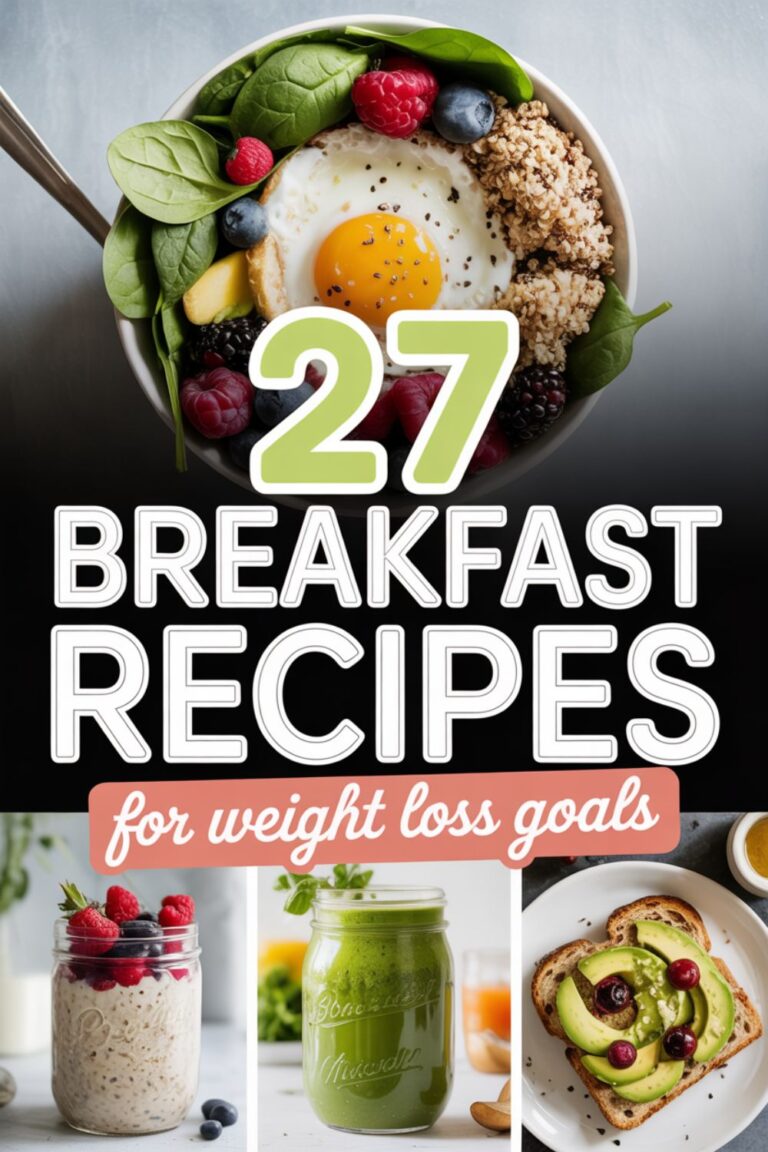
Looking for more morning ideas beyond chia? 21 high-fiber breakfasts to stay full until lunch is a great companion list. Or if you want something completely no-prep, 21 no-cook chia seed breakfasts you can prep in minutes covers everything from grab-and-go jars to five-minute bowls.
18. Espresso Chia Pudding
A shot of cold espresso mixed into your almond milk chia base, with a small square of dark chocolate grated on top before serving. Calorie range: 165–190. For anyone who lives on coffee and wants to combine their caffeine habit with breakfast — this is your recipe. You’re welcome.
19. Watermelon Mint Chia Fresca
Blend watermelon until smooth, strain lightly, stir in chia seeds and fresh mint, and refrigerate. This is more of a drinkable chia recipe than a pudding, and it sits around 120–140 calories. Calorie range: 120–145. Perfect for hot weather and doubling as hydration.
20. Pumpkin Spice Chia Pudding
A tablespoon of pumpkin puree, cinnamon, nutmeg, and a touch of ginger mixed into your chia base. Top with a small dollop of coconut cream. Calorie range: 175–200. Yes, pumpkin spice season is year-round in this house and I refuse to apologize for it.
21. Dark Chocolate Cherry Chia Pudding
Unsweetened cocoa powder in your chia base, topped with frozen dark cherries that you’ve let thaw slightly so they release their juices. Calorie range: 195–220. The cherry juice seeps into the chocolate pudding and creates something that tastes genuinely indulgent. This is the recipe you make when you need to convert a skeptic. Get Full Recipe
Meal Prep Essentials Used in These Recipes
These are the things that actually make this kind of cooking sustainable. Not sponsored gospel, just genuinely useful gear and resources I keep coming back to.
Physical Products- Wide-mouth glass mason jars (16 oz, 6-pack) — The unsung hero of chia pudding life. These stack neatly in the fridge, seal properly so nothing absorbs weird smells, and they’re reusable indefinitely. The wide mouth makes layering and eating from the jar actually pleasant, not a frustrating arm workout.
- Bamboo spoon and spatula set — Gentle enough not to scratch your bowls, sturdy enough to actually mix thick chia pudding. Also just looks nice, which matters more than it should.
- Immersion blender with wide blending cup — For the smoothie bowl recipes on this list, an immersion blender with a tall cup is faster and easier to clean than a full countertop blender. You put everything in one cup, blend, pour, done. Minimal fuss.
- 14-Day Flat Belly Meal Plan (Digital Download) — Pairs perfectly with this recipe collection. It slots chia-based breakfasts into a full day of balanced eating, so you’re not just building a great breakfast and winging the rest.
- 21-Day Gut Healing Meal Plan (Digital Guide) — High-fiber chia recipes fit neatly into a gut-health protocol. If that’s a goal for you, this plan lays it all out with zero guesswork.
- 30-Day Anti-Inflammatory Meal Plan (Full Program) — The omega-3s in chia seeds are genuinely anti-inflammatory, and this plan is built around maximizing that benefit across every meal of the day.
How to Make Every Chia Recipe Come Out Right
The most common chia pudding failure is using too much liquid or not waiting long enough. The ratio that works consistently is roughly one part chia seeds to five parts liquid. So if you’re using two tablespoons of chia seeds (about 20 grams), you want around 100ml of liquid. Too much liquid and you get a watery, sad result. Too little and it becomes almost paste-like.
Temperature matters too. Cold liquid thickens much more slowly than warm liquid, which is why overnight refrigeration is the standard. If you need something faster, use slightly warm (not hot) milk and it’ll thicken within 15–20 minutes. Never use boiling liquid — it damages the gel structure and you end up with weird clumping.
For smoothie bowls, the trick is frozen fruit. Using fresh fruit results in a thin, almost liquid texture that spills off the spoon. Frozen mango, frozen berries, frozen banana — these blend into thick, scoopable texture that actually stays in the bowl like it’s supposed to. The chia seeds get blended straight in and add protein and fiber without noticeably changing the texture.
Give your chia mixture a stir five minutes after first mixing and again at the ten-minute mark. This breaks up any clumps that form early and ensures even distribution, which means a perfectly smooth pudding every time.
Sweetener choices matter for calorie counts. Maple syrup and honey are both natural and fine in small amounts, but they add up quickly. A teaspoon of maple syrup is around 17 calories. A tablespoon is 52. For recipes where you’re trying to stay firmly under 200 calories, consider using a small amount of mashed ripe banana or a couple of pitted Medjool dates blended with your liquid instead — the fiber helps too. You can find structured low-sugar approaches in a 14-day low-sugar meal plan if you want to take it further.
Tools and Resources That Make This Cooking Easier
You don’t need much to make these recipes work, but a few specific things genuinely improve the experience.
Physical Tools Worth Having- Stackable meal prep containers with snap-lock lids — If you’re prepping five or six chia puddings at once, uniform containers that stack without toppling are not a luxury, they’re a sanity requirement. These are the ones I actually reach for every Sunday.
- Digital kitchen scale (compact) — Chia seed recipes are far more consistent when you weigh your seeds rather than using volume measurements. Two tablespoons can vary by several grams depending on how tightly packed the spoon is. A small kitchen scale fixes that permanently.
- Fine mesh strainer set (3-piece) — Useful for straining fruit purees into smoother pudding toppings, rinsing seeds before use, and generally keeping your recipes clean and professional-looking.
- 25 Make-Ahead Breakfasts You Can Prep Once and Eat All Week — A guide to structuring your whole breakfast week around batch prep. Chia puddings are the backbone of this approach and this resource maps it out practically.
- 21-Day Hormone Balancing Meal Plan for Women — Chia seeds contain lignans (plant compounds) that support hormonal balance. This plan builds that in systematically alongside the rest of your diet.
- 27 Easy Chia Seed Breakfast Recipes for Busy Mornings — A broader collection of chia recipes for when you’ve worked through this list and want more ideas without the calorie constraints.
Keeping Chia Recipes Under 250 Calories: What Actually Matters
The math is pretty straightforward once you understand which ingredients add the most calories. Chia seeds themselves are around 138 calories per ounce — that’s for a two-tablespoon serving. Most of these recipes use one to two tablespoons, so you’re starting with 70–140 calories from the seeds alone.
The things that push recipes over the 250-calorie mark fastest:
- Full-fat coconut milk — swap for light coconut milk and save 100+ calories per half cup
- Nut butters — one tablespoon is fine (around 90 calories), two tablespoons starts pushing budgets
- Granola toppings — calorie-dense fast; a quarter cup of store-bought granola is often 130+ calories alone
- Sweeteners — keep to a teaspoon or use fruit-based sweetness instead
- Full-fat yogurt — use plain low-fat Greek yogurt for protein with fewer calories
The lowest-calorie liquid base is unsweetened almond milk at around 30–40 calories per cup. Oat milk runs about 90–120 calories per cup. Light coconut milk sits at around 150 calories per cup. Knowing these numbers means you can make smart swaps depending on where your calorie budget sits for that particular recipe.
“I had no idea chia seed recipes could be this satisfying. I’ve been doing the overnight peanut butter chocolate pudding for breakfast four days a week and I genuinely look forward to waking up. My entire relationship with breakfast has changed.”
— Jordan R., community memberIf you’re using these recipes as part of a broader approach to eating lighter, the 21-day flat belly reset plan and the 21-day blood sugar friendly meal plan both slot chia-based breakfasts into a full daily structure that actually works together.
Frequently Asked Questions
How long do chia puddings last in the fridge?
Chia puddings keep well in a sealed container in the refrigerator for up to five days. The texture actually improves slightly over the first 24 hours as the seeds fully hydrate. The only thing that degrades is fresh fruit toppings, so add those right before eating rather than during prep.
Can I use water instead of milk for chia pudding?
You can, and it works fine texturally, but the flavor will be noticeably thinner and less satisfying. A better option if you want to save calories is unsweetened almond milk, which is only about 30–40 calories per cup and adds a mild creaminess that water can’t replicate. It makes a real difference to the final result.
Are chia seeds good for weight loss?
Chia seeds support weight loss primarily through their high fiber and protein content, both of which increase satiety and reduce how much you eat later in the day. They’re not magic, but as a consistent part of a calorie-conscious diet they’re genuinely useful. The research on chia seeds’ role in blood sugar control and appetite regulation is particularly compelling for anyone managing their weight long-term.
Do chia seeds need to be soaked before eating?
Technically no, but practically yes — especially if you’re newer to high-fiber foods. Dry chia seeds can absorb liquid in your digestive tract and cause discomfort if eaten in large quantities without soaking first. Soaking for at least 20–30 minutes before eating makes them fully gel-formed, much easier to digest, and significantly more pleasant to eat.
Can I make chia pudding without refrigerating overnight?
Yes. If you use slightly warm liquid (around 40–50 degrees Celsius — warm to the touch but not hot), chia seeds will gel within 15–20 minutes. Give it a good stir every five minutes. This works well for weekday mornings when you forgot to prep the night before, which absolutely never happens to any of us.
The Takeaway
Twenty-one recipes, all under 250 calories, none of them remotely sad. That’s really the whole point of this collection — proving that low-calorie eating doesn’t require sacrifice at the flavor level, and chia seeds are one of the main reasons that’s possible.
Start with whichever recipe jumped out at you while you were reading. Make it twice. Let it become part of your morning routine before you add another one. The recipes work best when they’re habitual rather than occasional, and the fullness and energy you get from consistent chia intake is something you genuinely feel over days and weeks, not just hours.
Pick one recipe, prep it tonight, and see how your morning feels different. That’s the whole experiment. The results tend to speak for themselves.
Start Your Healthy Morning Routine in Just 21 Days
Stop skipping breakfast or eating random meals. Follow a simple plan with ready-to-prep recipes, grocery lists, and weekly planners designed for busy mornings.
- ✔ 21-Day Done-For-You Breakfast Plan
- ✔ Overnight Oats, Smoothies & Chia Recipes
- ✔ High Protein & Low Calorie Options
- ✔ Grocery Lists + Meal Prep System
- ✔ Printable Planners & Bonus Guides
Instant download • No physical product • Start today