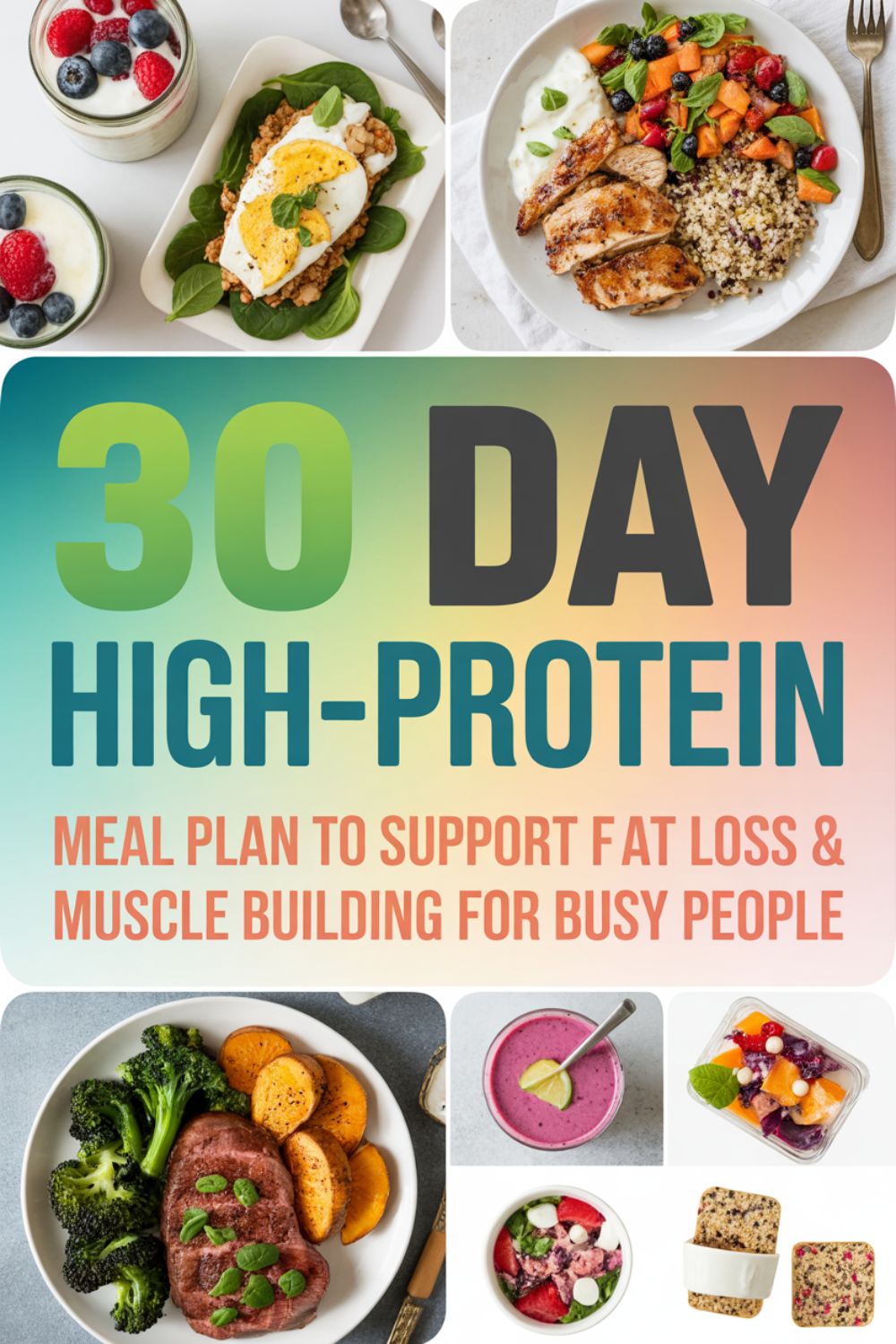
30-Day High-Protein Meal Plan to Support Fat Loss and Muscle Building for Busy People
Look, I get it. You want to lose fat, build muscle, and feel amazing, but you also have a job, a social life, and approximately zero desire to spend every waking hour chopping vegetables. The good news? You don’t have to. High-protein eating doesn’t require you to meal prep like a robot or eat the same bland chicken breast seven days in a row.
What it does require is a bit of planning, some smart choices, and a realistic approach that fits into your actual life. This 30-day meal plan isn’t about perfection—it’s about progress. It’s about having a framework that helps you hit your protein targets, supports your body composition goals, and still lets you enjoy food without losing your mind.
Whether you’re trying to shed some stubborn fat while maintaining muscle or you’re focused on building lean mass without the extra fluff, protein is your best friend. And honestly, once you figure out how to work it into your routine, everything else gets a lot easier.
Why Protein Actually Matters (Beyond the Gym Bro Hype)
Before we dive into meal plans and recipes, let’s talk about why protein deserves a starring role on your plate. It’s not just gym culture propaganda—there’s some solid science backing this up.
Protein is basically the building block your body uses to repair and build tissue, including muscle. When you’re trying to lose fat, adequate protein intake becomes even more critical because it helps preserve your hard-earned muscle mass while you’re in a calorie deficit. Nobody wants to lose weight only to end up looking soft and undefined, right?
According to research published in the Journal of Cachexia, Sarcopenia and Muscle, higher protein intakes support muscle mass and function in healthy adults. The sweet spot seems to be around 1.6 to 2.2 grams of protein per kilogram of body weight daily for maximizing muscle growth while supporting fat loss.
But here’s where it gets interesting. Protein also has this incredible thermic effect—meaning your body actually burns more calories digesting protein compared to carbs or fats. Plus, it keeps you fuller longer, which means fewer midnight fridge raids and less mindless snacking throughout the day.
Pro Tip
Calculate your protein needs before you start. If you weigh 150 pounds (about 68 kg), you’d need roughly 109-150 grams of protein daily. That breaks down to about 25-40 grams per meal if you eat three times a day.
The 30-Day Structure That Works for Real Life
Here’s the thing about most meal plans: they assume you have infinite time and a professional chef’s skill set. This one doesn’t. Instead, we’re building flexibility and simplicity into every week.
The plan revolves around a rotating set of breakfast, lunch, dinner, and snack options that you can mix and match based on your schedule and preferences. Think of it less like a rigid diet and more like a toolkit you can use to build your days.
Week 1-2: Building Your Foundation
The first two weeks focus on establishing habits and getting comfortable with higher protein intake. You’ll prep core proteins on Sunday—things like grilled chicken thighs, hard-boiled eggs, and maybe a batch of turkey meatballs. From there, you’re assembling rather than cooking from scratch every single day.
Breakfast might be overnight oats with protein powder and Greek yogurt. Get Full Recipe for these game-changing overnight oats that you can prep in five minutes the night before. Lunch could be a simple chicken salad with mixed greens, and dinner? Sheet pan salmon with roasted vegetables takes literally 20 minutes.
Speaking of easy breakfast options, if you’re looking for more morning inspiration, high-protein breakfast bowls and protein pancakes are both solid choices that won’t bore you to tears by day three.
Week 3-4: Expanding Your Options
By week three, you’ve got the basics down. Now we’re adding variety to keep things interesting. This is when you start incorporating different protein sources—maybe some lean ground beef, tofu if you’re into it, or cottage cheese in unexpected ways.
The key here is batch cooking components rather than complete meals. Cook a pound of ground turkey with taco seasoning, and suddenly you’ve got protein for burrito bowls, stuffed peppers, or a quick scramble. Versatility is your friend when you’re trying to avoid diet fatigue.
For those days when you need quick lunch ideas, try these mason jar salads or whip up a batch of Mediterranean chicken bowls. Both travel well and taste better than anything you’d grab from a drive-through.
Quick Win
Prep your vegetables Sunday night. Wash, chop, and store them in containers. Thank yourself all week when dinner comes together in 15 minutes instead of 45.
The Meal Prep Strategy That Doesn’t Suck
Let’s be honest—traditional meal prep can feel like you’re preparing for some apocalyptic event where the only food available will be your perfectly portioned containers. We’re taking a different approach.
Instead of making seven identical meals, you’re prepping ingredients and components. This way, you’ve got flexibility throughout the week without starting from scratch every night. It’s the difference between having grilled chicken ready to go versus having “grilled chicken with the exact same sides for five days straight.”
Sunday Power Hour (Actually More Like Two Hours)
Here’s your basic Sunday routine that sets you up for success:
- Protein batch: Grill or bake 2-3 pounds of chicken thighs, hard boil a dozen eggs, maybe cook some ground turkey with basic seasonings
- Carb prep: Cook a big batch of rice, quinoa, or sweet potatoes—whatever your carb of choice is
- Veggie wash: Clean and chop vegetables for the week. Store them properly and they’ll last just fine
- Snack prep: Portion out Greek yogurt, cut up some cheese, divide nuts into small containers
Total active time? About 90 minutes. The rest is just letting things cook while you watch TV or do literally anything else. I usually throw everything in this set of glass meal prep containers because they’re microwave-safe and don’t make everything taste like plastic.
Meal Prep Essentials Used in This Plan
These are the tools and products that make this whole thing actually doable. No fluff, just the stuff I actually use every week:
- Glass meal prep containers (set of 10) – Worth every penny, won’t stain, and you can see what’s inside
- Digital food scale – Takes the guesswork out of portions. Also useful for baking
- Quality protein powder (vanilla or unflavored) – For smoothies, oats, and baking
- 30-Day Meal Plan Template (Digital) – Printable weekly tracker with shopping lists
- High-Protein Recipe eBook – 50+ recipes with full macro breakdowns
- Meal Prep Video Course – Step-by-step guide to efficient weekend prep
- WhatsApp Community: Meal Prep Support Group – Share recipes, ask questions, get motivation from people doing the same thing
Daily Eating Structure That Keeps You Sane
Forget eating six small meals a day or doing some complicated fasting protocol unless that’s genuinely your thing. Most people do best with three solid meals and maybe one or two snacks. Keep it simple.
Breakfast: Get Your Day Started Right
Aim for 25-35 grams of protein at breakfast. This isn’t as hard as it sounds. Greek yogurt has about 20 grams per cup, eggs give you 6 grams each, and if you add some protein powder to your oats or smoothie, you’re golden.
My personal favorite is a simple egg scramble with vegetables and a side of turkey sausage. Takes maybe 10 minutes, fills you up until lunch, and you can change up the vegetables to keep it interesting. Sometimes I’ll throw in some cheese because life’s too short to eat sad, flavorless food.
If scrambles aren’t your thing, Get Full Recipe for protein-packed breakfast muffins that you can grab on your way out the door. They freeze beautifully too.
Lunch: The Make-or-Break Meal
Lunch is where most people fall off the wagon. You’re busy, you’re hungry, and that sandwich shop is calling your name. Having lunch prep done makes all the difference.
Build your lunch around a palm-sized portion of protein (about 4-6 ounces), add vegetables for volume and nutrients, and include a moderate serving of complex carbs if you’re training that day. A basic template: grilled protein + mixed greens + quinoa or brown rice + olive oil-based dressing.
For more lunch variety, these high-protein grain bowls and Asian-style chicken lettuce wraps keep things interesting without requiring a culinary degree.
Pro Tip
Keep a backup protein option at work. A jar of almond butter, some protein bars, or even canned tuna can save you from making poor decisions when your meal prep fails.
Dinner: Keep It Simple
Dinner doesn’t need to be complicated. In fact, the simpler, the better. A piece of fish or chicken, some roasted vegetables, maybe a baked sweet potato. Done.
Sheet pan dinners are clutch here. Everything cooks together, minimal cleanup, and you can throw the leftovers in a container for tomorrow’s lunch. Season your protein well—this is where a good spice grinder and quality sea salt make a huge difference in flavor.
When you need inspiration, try Get Full Recipe for one-pan lemon herb chicken that requires literally five ingredients and tastes like you tried way harder than you actually did.
Snacks That Support Your Goals
Snacking isn’t the enemy, but mindless snacking definitely is. Having high-protein snacks ready to go prevents you from demolishing a bag of chips when that 3pm energy crash hits.
Greek yogurt with berries, hard-boiled eggs, a protein shake, beef jerky, cottage cheese with everything bagel seasoning—these all work. The key is having them accessible. If the healthy option requires effort and the junk food doesn’t, you know which one you’re grabbing.
I keep these portable protein shaker bottles at my desk and in my car. Mix your protein powder, add water when you need it, shake it up. No excuses.
The Protein Sources Worth Your Money
Not all protein is created equal, and honestly, some options are way better than others for your specific goals.
Animal-Based Proteins
Chicken breast and thighs, turkey, lean beef, pork tenderloin, salmon, tuna, eggs, and Greek yogurt should be your staples. They’re complete proteins, meaning they contain all essential amino acids your body needs for muscle building and repair.
Research from Clinical Nutrition indicates that enhanced protein intake significantly prevents muscle mass decline in adults aiming for weight loss, particularly when protein intake exceeds 1.3 grams per kilogram daily.
Chicken thighs over breasts, IMO. They’re cheaper, harder to overcook, and actually have flavor. Yeah, they have a bit more fat, but the difference is negligible and the taste improvement is massive.
Plant-Based Options
Lentils, chickpeas, black beans, tofu, tempeh, edamame, and quinoa are all solid choices. Just know that you’ll typically need to eat more volume to hit your protein targets compared to animal sources.
Combining different plant proteins throughout the day ensures you get all essential amino acids. Think rice and beans, hummus and whole grain pita, or peanut butter on whole wheat toast. Your body doesn’t care if the proteins come from different meals—it’ll sort it out.
Tools & Resources That Make Cooking Easier
The right equipment turns meal prep from a chore into something almost enjoyable. Here’s what actually makes a difference:
- Cast iron skillet (12-inch) – The most versatile pan you’ll ever own. Worth the weight
- Instant-read meat thermometer – No more guessing if chicken is done. Game changer
- Quality chef’s knife – A good knife makes prep work faster and safer. Don’t cheap out here
- Macro Tracking App Guide (Digital) – Tutorial on using MyFitnessPal or Cronometer effectively
- Kitchen Efficiency Checklist (Digital) – Streamline your prep process
- Budget Shopping Guide (PDF) – How to eat high-protein without going broke
- WhatsApp Community: Budget Meal Prep Circle – Money-saving tips and cheap recipe swaps
Making It Work When Life Gets Messy
Let’s talk about reality. You’re going to have bad weeks. You’ll have days where meal prep doesn’t happen, where you eat out more than planned, where everything goes sideways. That’s normal. The goal isn’t perfection—it’s consistency over time.
The 80/20 Rule Applied
If you nail your nutrition 80% of the time, the other 20% doesn’t matter much. That’s four out of five meals on point. You can absolutely go out to dinner with friends, enjoy a slice of birthday cake, or grab fast food when you’re in a pinch.
The difference between this approach and just winging it is that you have a default setting. When you don’t have other plans, you default back to the meal plan. When you’re grocery shopping without a list, you default to your usual high-protein staples. Defaults matter more than perfection.
Eating Out Without Derailing
Restaurant meals don’t have to wreck your progress. Most places are happy to modify dishes. Ask for grilled instead of fried, sauce on the side, extra vegetables instead of fries. It’s not complicated.
Prioritize protein at restaurants too. Start with a protein-rich appetizer or entrée, then fill in with vegetables. Skip the bread basket if you can—or at least limit yourself to one piece. These small choices add up without making you feel like you’re on a restrictive diet.
Tracking Progress Without Losing Your Mind
You need some way to measure progress, but the scale doesn’t tell the whole story. Weight fluctuates based on water retention, stress, sleep, and a dozen other factors. Looking at the number every single day will drive you crazy.
Weigh yourself once a week, same day, same time, preferably first thing in the morning after using the bathroom. Track the trend over time, not day-to-day changes. Take progress photos every two weeks—they’ll show changes the scale can’t.
Also pay attention to performance. Are you lifting heavier weights? Running faster? Recovering better? These non-scale victories matter just as much as the number on the scale.
For more complete meal planning strategies, check out our complete 12-week transformation program or explore advanced meal timing strategies for those who want to optimize even further.
Sample Week of Meals
Here’s what an actual week might look like. Mix and match these ideas based on what you have prepped and what sounds good that day.
Monday
- Breakfast: Greek yogurt parfait with protein granola and berries (30g protein)
- Lunch: Grilled chicken salad with mixed greens, chickpeas, and balsamic vinaigrette (35g protein)
- Dinner: Baked salmon with roasted Brussels sprouts and quinoa (40g protein)
- Snacks: Hard-boiled eggs, almonds (15g protein)
Tuesday
- Breakfast: Scrambled eggs with spinach and turkey sausage (28g protein)
- Lunch: Turkey and avocado lettuce wraps with cucumber slices (32g protein)
- Dinner: Beef stir-fry with mixed vegetables over cauliflower rice (38g protein)
- Snacks: Cottage cheese with berries, protein shake (22g protein)
The pattern repeats with variations throughout the week. You’re aiming for 25-40 grams of protein per meal, with snacks adding another 15-20 grams. This gets most people into that sweet spot of 120-180 grams daily, depending on body weight.
Need more variety? These 10-minute high-protein lunches and slow cooker protein meals keep things interesting without adding complexity.
Common Mistakes to Avoid
After helping dozens of people through this plan, I’ve seen the same mistakes pop up repeatedly. Let’s save you some trouble.
Going Too Hard Too Fast
Don’t try to flip your entire life upside down on day one. If you’re currently eating 50 grams of protein daily, jumping to 150 grams overnight will leave you feeling terrible. Increase gradually over a week or two. Your digestive system will thank you.
Neglecting Vegetables
High-protein doesn’t mean vegetables are optional. They provide fiber, vitamins, minerals, and volume without many calories. You need them for digestion, energy, and overall health. Aim for at least 2-3 servings per meal.
Forgetting to Drink Water
Higher protein intake requires more water. Your kidneys need it to process the protein efficiently. Aim for at least half your body weight in ounces daily. If you weigh 150 pounds, that’s 75 ounces minimum.
I keep this insulated water bottle with me everywhere. The time markers help me stay on track without thinking about it too much.
Making Everything Bland
Healthy food doesn’t have to taste like cardboard. Learn to use herbs, spices, citrus, and small amounts of healthy fats to make your meals actually enjoyable. A well-seasoned chicken breast beats a sad, plain one every single time.
Invest in a basic spice rack and fresh herbs when possible. The flavor difference is night and day, and it’s the difference between sticking with this long-term or giving up after two weeks.
Frequently Asked Questions
How much protein do I really need per day?
For fat loss and muscle building, aim for 1.6-2.2 grams per kilogram of body weight (or about 0.7-1 gram per pound). So if you weigh 150 pounds, that’s roughly 105-150 grams daily. The exact amount depends on your activity level, goals, and current body composition.
Can I build muscle and lose fat at the same time?
Yes, especially if you’re new to strength training or returning after a break. It’s called body recomposition, and adequate protein intake is crucial for making it happen. You need to maintain a slight calorie deficit while hitting your protein targets and training consistently.
Is it okay to eat the same meals every day?
Totally fine if you enjoy them and they help you stay consistent. Many people find success with a rotating set of 5-7 meals they like and just cycle through them. Variety is nice but not necessary for results.
What if I don’t have time for meal prep?
Start smaller. Prep just your protein for the week, or even just hard-boil some eggs and buy pre-cooked chicken. Something is better than nothing, and you can always add more prep as you get comfortable with the routine.
Will eating this much protein damage my kidneys?
No, not if your kidneys are healthy to begin with. This is one of those myths that won’t die. Research consistently shows that higher protein intake is safe for healthy individuals. If you have existing kidney disease, talk to your doctor before making major dietary changes.
Making This Your New Normal
The truth about sustainable fat loss and muscle building? It’s not sexy. It’s not a quick fix. It’s showing up consistently, making decent choices most of the time, and being patient with the process.
This 30-day meal plan gives you a framework, but you’re the one who has to execute it. Some days will be easier than others. Some weeks you’ll nail everything, and some weeks you’ll struggle just to hit the minimum. Both are fine. Progress isn’t linear, and expecting it to be will only frustrate you.
Focus on building habits that stick. Make your protein non-negotiable at each meal. Prep when you can. Stay flexible when you can’t. Track your progress honestly but don’t obsess over every detail. Remember that the goal is to develop a way of eating that you can maintain long-term, not to white-knuckle through 30 days and then go back to old habits.
You’ve got the knowledge, you’ve got the plan, and now you’ve got to do the work. Start with Sunday meal prep this week. Just that one thing. Get that momentum going, and everything else will start falling into place. Your future self will thank you for starting today instead of waiting for some mythical “perfect time” that never comes.
Now get in the kitchen and make it happen.
Start Your Healthy Morning Routine in Just 21 Days
Stop skipping breakfast or eating random meals. Follow a simple plan with ready-to-prep recipes, grocery lists, and weekly planners designed for busy mornings.
- ✔ 21-Day Done-For-You Breakfast Plan
- ✔ Overnight Oats, Smoothies & Chia Recipes
- ✔ High Protein & Low Calorie Options
- ✔ Grocery Lists + Meal Prep System
- ✔ Printable Planners & Bonus Guides
Instant download • No physical product • Start today
Similar Posts
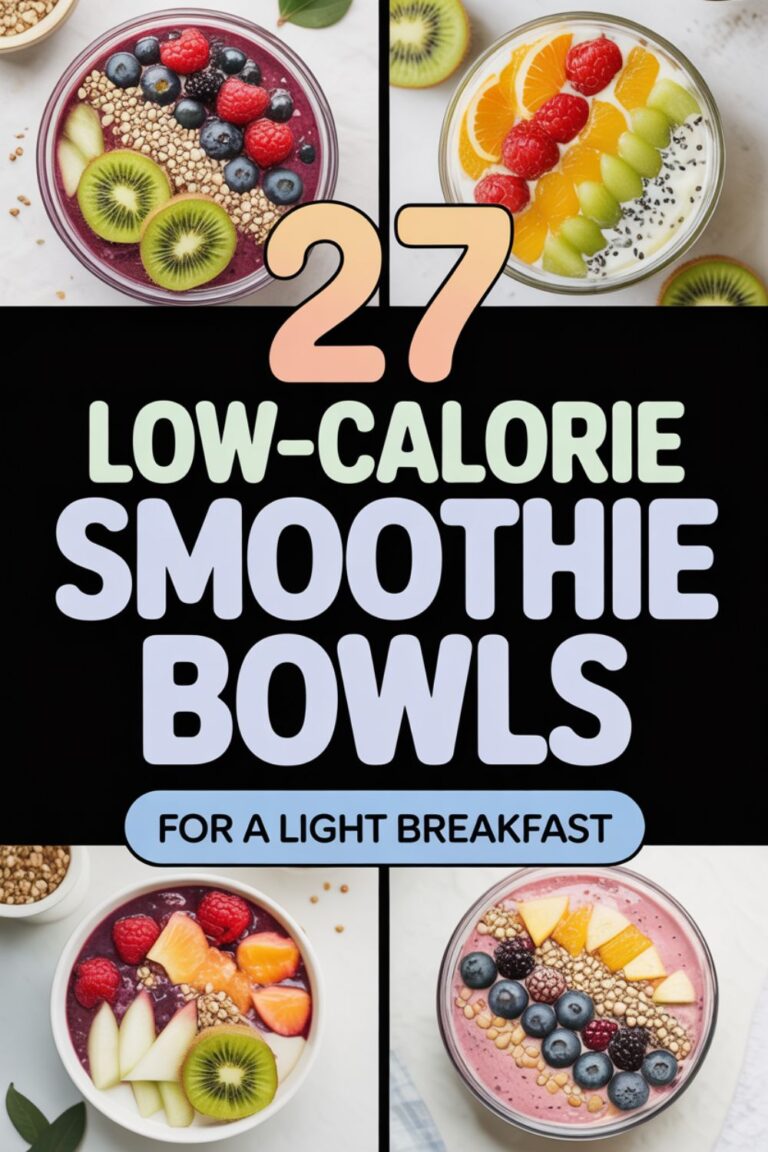
27 Low-Calorie Smoothie Bowls for a Light Breakfast
27 Low-Calorie Smoothie Bowls for a Light Breakfast 27 Low-Calorie Smoothie Bowls for a Light Breakfast Look, I get it. You want breakfast that doesn’t feel like you’re eating air, but you also don’t want to blow half your daily calories before 9 AM. Smoothie bowls seem like the perfect middle ground—except when they’re secretly…
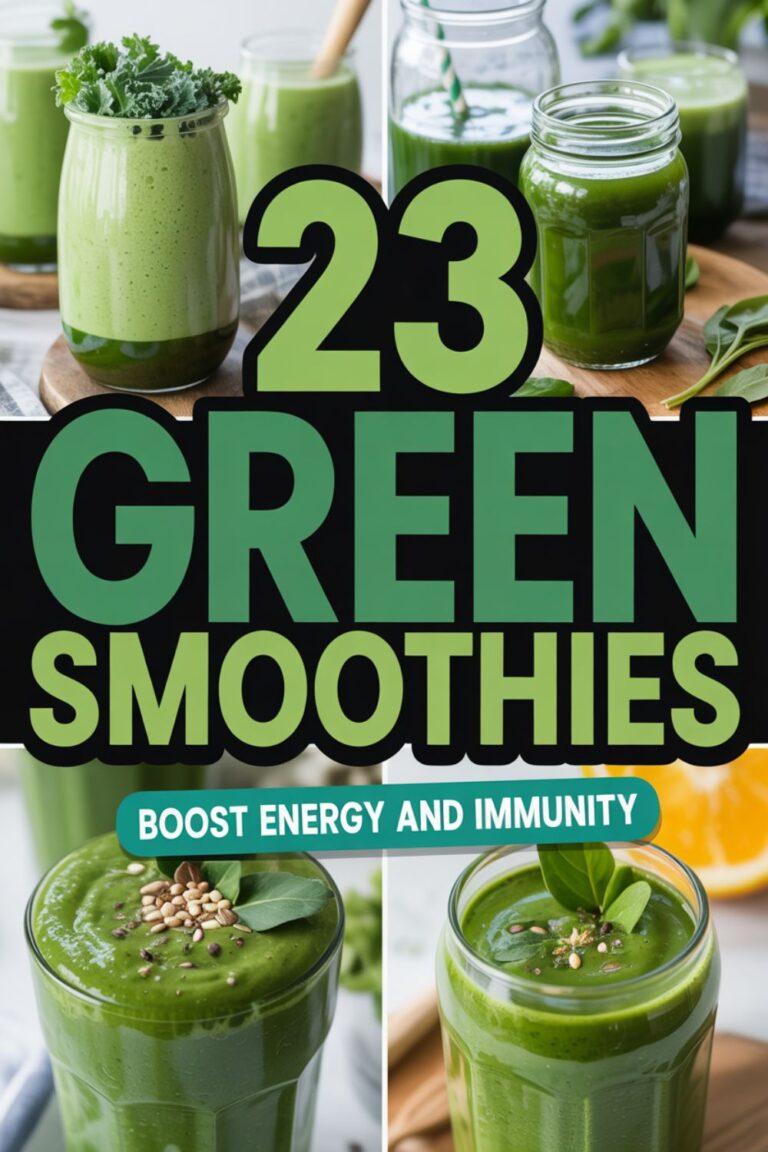
23 Green Smoothies That Boost Energy and Immunity
23 Green Smoothies That Boost Energy and Immunity 23 Green Smoothies That Boost Energy and Immunity Let’s be real—green smoothies have gotten a bad rap. Maybe you’ve tried one that tasted like lawn clippings, or you’re skeptical about anything that looks like pond water. I get it. But hear me out: when you nail the…
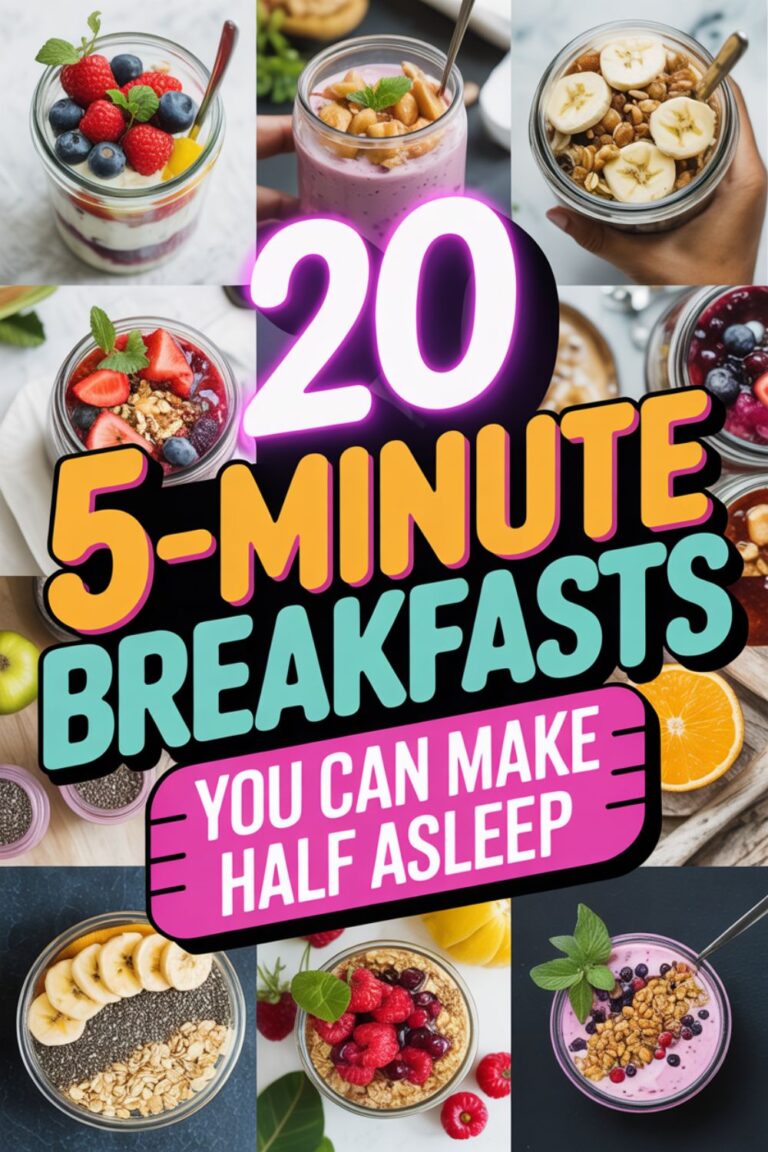
20 5-Minute Breakfasts You Can Make Half Asleep
20 5-Minute Breakfasts You Can Make Half Asleep 20 5-Minute Breakfasts You Can Make Half Asleep Let’s be honest—mornings are brutal. Your alarm goes off, you hit snooze three times, and suddenly you’re scrambling to get out the door with barely enough time to brush your teeth, let alone make breakfast. But here’s the thing:…
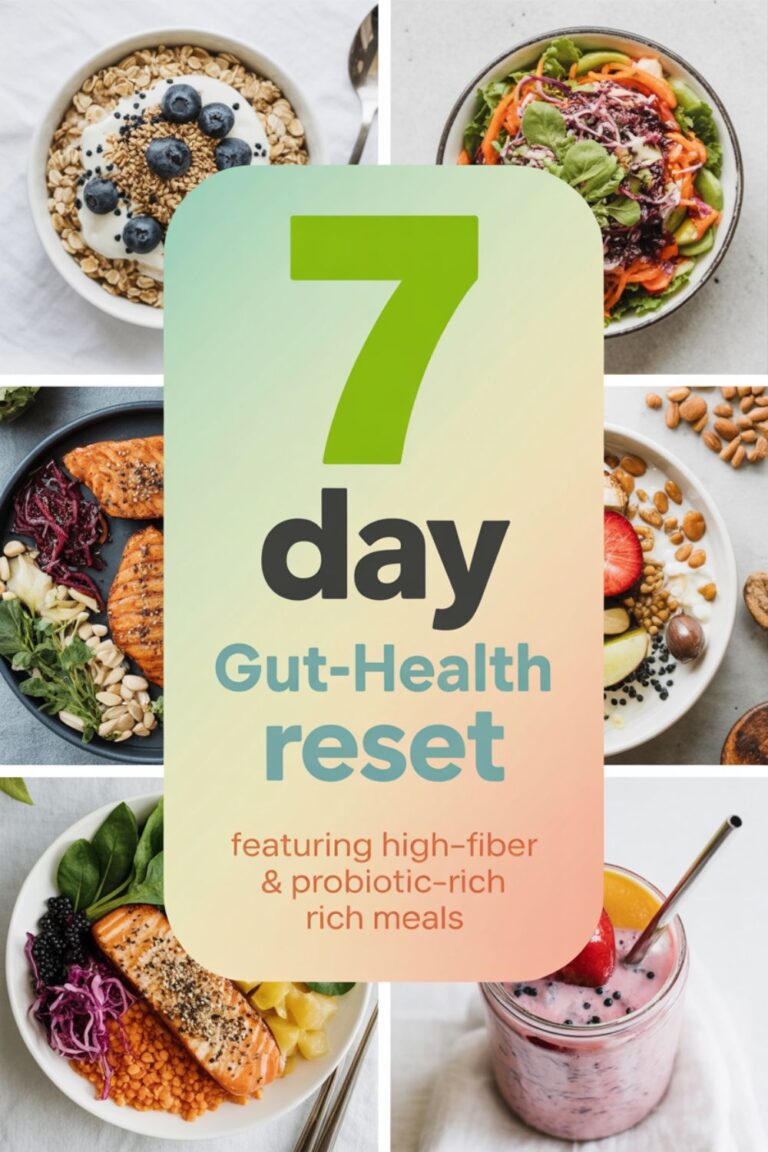
7-Day Gut-Health Reset Plan Featuring High-Fiber and Probiotic-Rich Meals
7-Day Gut-Health Reset Plan Featuring High-Fiber and Probiotic-Rich Meals 7-Day Gut-Health Reset Plan Featuring High-Fiber and Probiotic-Rich Meals Your gut’s been through a lot lately—holidays, stress eating, maybe one too many takeout nights. I get it. We’ve all been there, staring at our bloated reflection wondering when our digestive system turned into a grumpy toddler…
18 Summer Breakfasts That Don’t Use the Oven
18 Summer Breakfasts That Don’t Use the Oven 18 Summer Breakfasts That Don’t Use the Oven Look, I get it. The last thing you want when it’s already 80 degrees at 7 AM is to crank up your oven and turn your kitchen into a sauna. Been there, sweated through that. Summer mornings call for…
21 Fruit-Filled Overnight Oats for Spring That Actually Make You Want to Wake Up
21 Fruit-Filled Overnight Oats for Spring | LovelyEase 21 Fruit-Filled Overnight Oats for Spring That Actually Make You Want to Wake Up By LovelyEase Kitchen Spring 2025 Breakfast & Meal Prep Let me be real with you for a second. Most mornings, breakfast is the last thing I want to think about. My alarm goes…