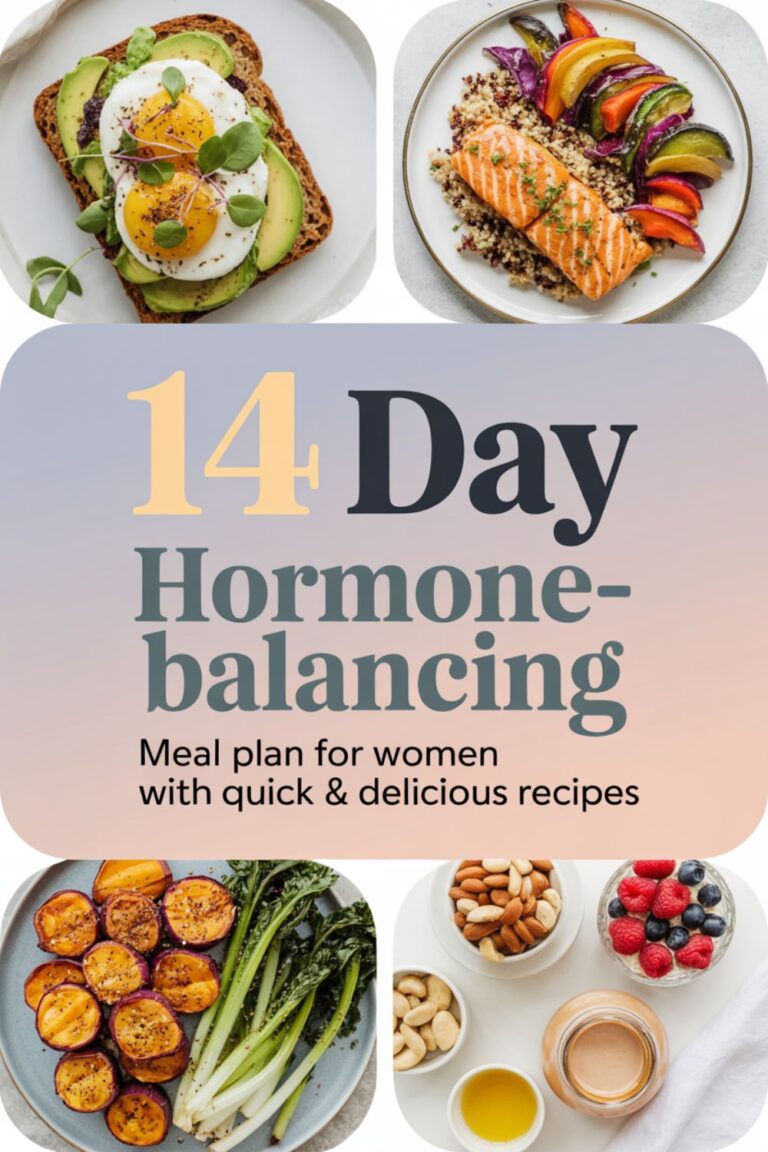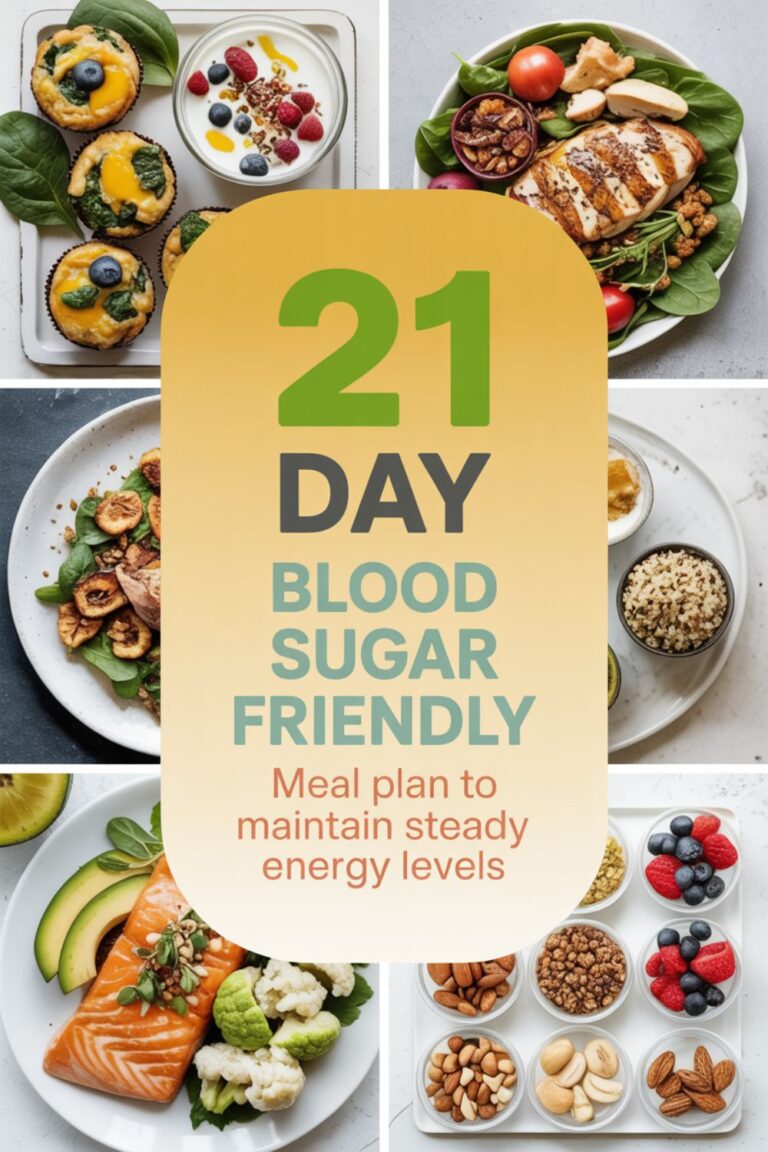
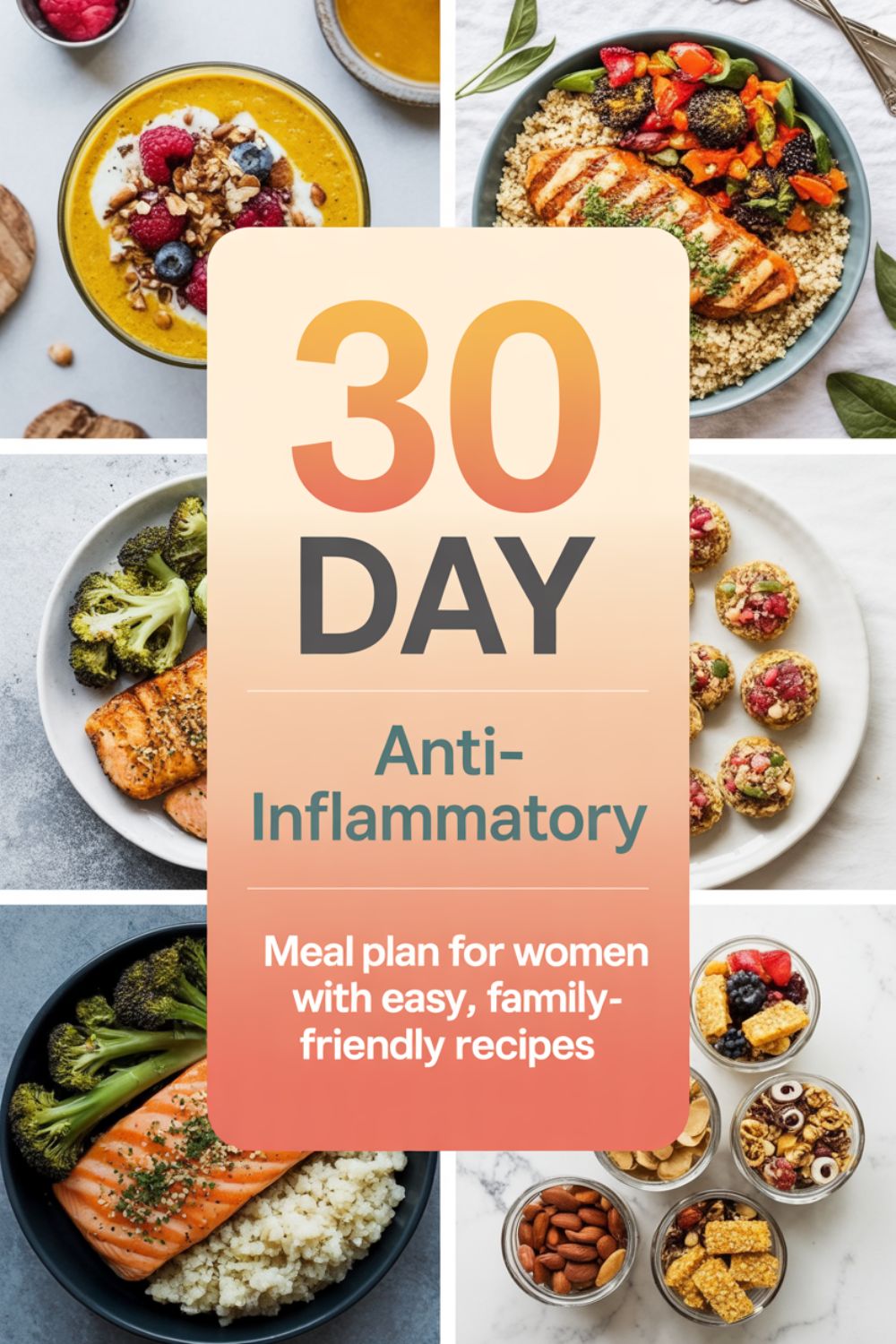
30-Day Anti-Inflammatory Meal Plan for Women with Easy, Family-Friendly Recipes
Look, I’m not going to sugarcoat this: chronic inflammation is a sneaky little troublemaker that affects way too many women. Maybe you’re dealing with joint pain that makes mornings feel like you’re 90 years old. Or perhaps it’s the constant fatigue, brain fog, or digestive issues that have become your unwelcome sidekicks.
The good news? You don’t need to live on bland chicken breast and steamed broccoli to feel better. I’ve spent the last few years figuring out how to eat delicious, family-friendly meals that actually help reduce inflammation—without spending my entire paycheck at Whole Foods or my entire Sunday meal prepping.
This 30-day anti-inflammatory meal plan is designed specifically for women who are juggling work, family, and everything in between. We’re talking recipes your kids won’t reject, ingredients you can actually find at regular grocery stores, and meals that won’t leave you hungry an hour later.
Why Women Need to Pay Special Attention to Inflammation
Here’s something that doesn’t get talked about enough: women’s bodies respond differently to inflammation than men’s. Hormonal fluctuations throughout our menstrual cycles, pregnancy, and menopause all affect how our immune systems handle inflammatory responses.
Research shows that inflammatory markers in women tend to spike during certain phases of the menstrual cycle. Add in the fact that many of us are dealing with autoimmune conditions—which disproportionately affect women—and you’ve got a recipe for chronic inflammation that goes beyond just what we’re eating.
But here’s where it gets interesting: dietary changes can significantly impact inflammation levels, often more effectively than you’d think. I’m talking about real, measurable differences in how you feel within just a few weeks.
Understanding the Anti-Inflammatory Diet (Without the Science Lecture)
The anti-inflammatory diet isn’t some trendy fad that’ll disappear next year. It’s based on solid research showing that certain foods trigger inflammatory responses in our bodies, while others actively work to calm things down.
Think of inflammation like a fire alarm in your body. Sometimes it needs to go off—when you cut your finger or fight off a virus. But chronic inflammation is like that alarm being stuck in the “on” position, constantly blaring when there’s no actual emergency.
Foods That Fan the Flames
These are the troublemakers you’ll want to minimize:
- Refined carbohydrates: White bread, pastries, most cereals—basically anything that’s had all the good stuff processed out of it
- Sugar and high-fructose corn syrup: This includes obvious culprits like soda, but also sneaky sources in salad dressings and “healthy” granola bars
- Trans fats: Still lurking in some processed foods, even though they’re mostly banned
- Excessive red and processed meats: I’m not saying go vegetarian, but maybe skip the bacon every single morning
- Omega-6 heavy vegetable oils: Corn, soybean, and safflower oils—they’re everywhere and throw off our omega-3 to omega-6 balance
Foods That Put Out the Fire
Now for the good stuff—foods that actually help reduce inflammation:
- Fatty fish: Salmon, sardines, mackerel—loaded with omega-3 fatty acids that work like natural anti-inflammatory medicine
- Berries: Blueberries, strawberries, raspberries—packed with antioxidants called anthocyanins
- Leafy greens: Kale, spinach, collards—basically if it’s green and leafy, it’s your friend
- Nuts and seeds: Walnuts, almonds, flaxseeds, chia seeds—great for snacking and adding crunch
- Olive oil: The real MVP of anti-inflammatory fats
- Colorful vegetables: Bell peppers, tomatoes, beets—the more colors on your plate, the better
- Spices: Turmeric and ginger aren’t just trendy—they’ve got serious anti-inflammatory credentials
Speaking of turmeric, I practically throw it in everything now. I use this organic turmeric powder because it’s got a higher curcumin content than most brands, and honestly, it tastes better than the dusty stuff from the grocery store spice aisle.
The 30-Day Game Plan
I’m not going to give you a rigid day-by-day meal plan because, let’s be honest, life happens. Kids get sick, meetings run late, and sometimes you just need leftover night. Instead, I’m giving you a flexible framework with recipe categories you can mix and match.
Week 1: Getting Your Feet Wet
The first week is all about gentle transitions. You’re not eliminating everything inflammatory at once—that’s a recipe for failure and a late-night drive-thru run.
Focus areas:
- Swap refined grains for whole grains
- Add one serving of fatty fish
- Include berries at breakfast three times this week
- Replace one inflammatory cooking oil with olive oil
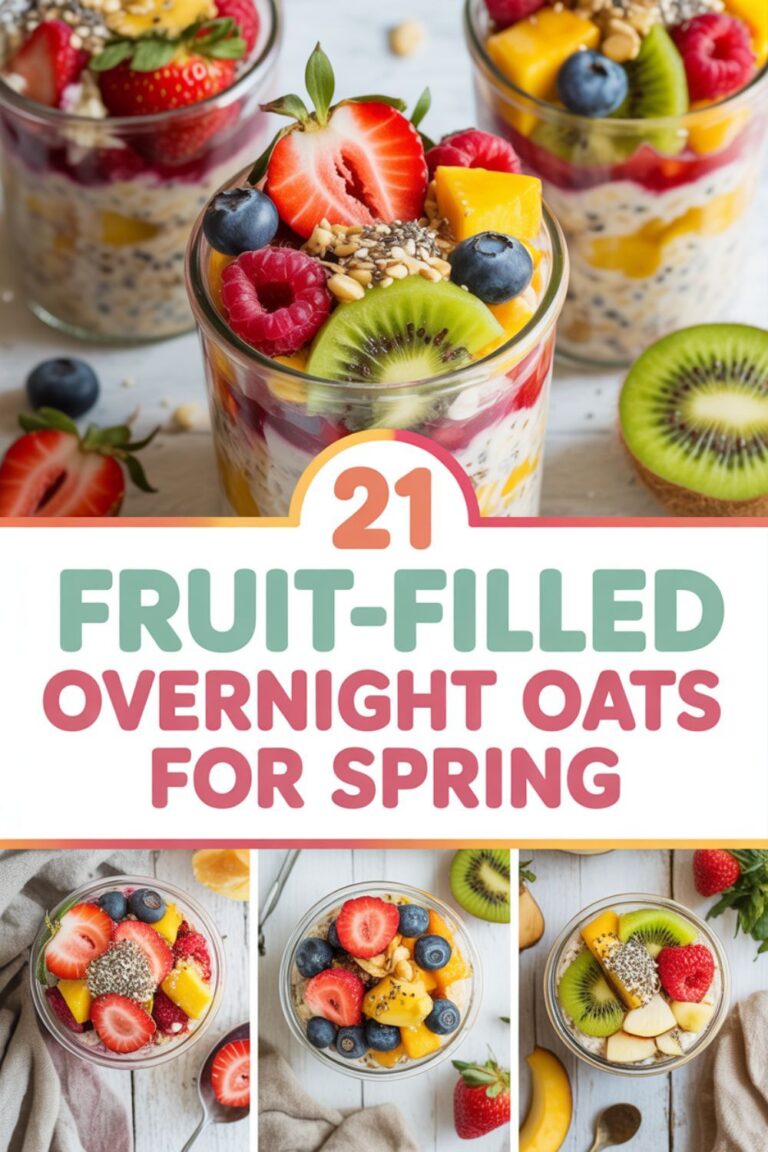
For breakfast, try switching up your routine with overnight oats packed with anti-inflammatory powerhouses. Get Full Recipe for my favorite cherry-vanilla version that tastes like dessert but fights inflammation like a champ.
The beauty of overnight oats? You make them Sunday night, and breakfast is handled for half the week. I prep mine in these glass mason jars that stack perfectly in the fridge and make grab-and-go mornings actually possible.
Week 2: Building Momentum
By week two, you should be feeling a bit more energy. Now we’re going to layer in more anti-inflammatory ingredients without making things complicated.
This week’s additions:
- Add turmeric or ginger to at least one meal daily
- Increase leafy greens to two servings per day
- Replace afternoon snack with nuts and fruit
- Try one meatless dinner featuring legumes
Lunch is where I struggled the most initially. Who has time to make something healthy when you’re working from home or packing for the office? The solution: sheet pan meals. Get Full Recipe for Mediterranean chickpea bowls that you can throw together in 20 minutes.
For more lunch inspiration that won’t bore you to tears, check out these protein-packed salad bowls or this ginger-turmeric chicken wrap. Both keep well in the fridge for a few days, which means less daily cooking stress.
Week 3: The Sweet Spot
This is when most people start noticing real changes. Joint pain might ease up a bit, energy levels stabilize, maybe you’re sleeping better. It’s subtle but noticeable.
Week three focus:
- Experiment with new anti-inflammatory spices beyond turmeric
- Try two new vegetable recipes
- Add fermented foods like sauerkraut or kimchi
- Reduce sugar intake by another notch
Dinner needs to be satisfying enough that your family doesn’t mutiny, right? The honey-garlic salmon with roasted Brussels sprouts has become my go-to because it’s fancy enough for guests but simple enough for Tuesday night. Get Full Recipe.
I cook my salmon on this cedar grilling plank—it adds this subtle smoky flavor that makes people think you spent way more effort than you actually did. Plus, cleanup is basically nonexistent.
Meal Prep Essentials Used in This Plan
These are the tools and products that have made this anti-inflammatory journey actually sustainable for me:
- Glass meal prep containers (set of 10) – I’ve tried every container out there, and these are the only ones that don’t stain, leak, or warp in the dishwasher
- High-speed blender – For smoothies, soups, and nut butters. Mine’s lasted five years and counting
- Cast iron skillet set – Better heat distribution means better caramelization on veggies without inflammatory cooking oils
- 30-Day Anti-Inflammatory Recipe eBook – My complete collection of family-tested recipes with full macro breakdowns
- Weekly Meal Planning Template – Digital printable that keeps you organized without overthinking
- Anti-Inflammatory Grocery Shopping Checklist – Categorized by store section so you’re not wandering aisles like a lost soul
- Join our WhatsApp Community – Connect with other women on the same journey, share wins, get recipe ideas, and actually stay accountable
Week 4: Making It Stick
The final week is about solidifying habits and learning what works for your specific body. Not everyone reacts to foods the same way, and that’s totally normal.
Final week priorities:
- Identify which meals you actually enjoyed and want to keep
- Notice which foods make you feel best
- Plan how to maintain this beyond the 30 days
- Allow yourself some flexibility—perfection isn’t the goal
By now, you should have a solid rotation of go-to meals. My personal favorites include crispy turmeric cauliflower steaks, one-pot lentil curry, and sheet pan chicken fajitas. They’re all simple, flavorful, and don’t require weird ingredients you’ll use once and never again.
Breakfast Ideas That Don’t Suck
Let’s be real—breakfast is often the meal where good intentions go to die. You’re rushing, you’re tired, and that sugary cereal is calling your name. But starting your day with an anti-inflammatory breakfast actually sets the tone for better choices all day.
Quick Morning Options
- Golden milk overnight oats: Combine oats, almond milk, turmeric, cinnamon, and a touch of maple syrup the night before. Top with berries and walnuts in the morning.
- Green smoothie bowl: Blend spinach, frozen banana, berries, and almond butter. Top with hemp seeds and coconut flakes.
- Avocado toast elevated: Mash avocado on whole grain bread, top with cherry tomatoes, everything bagel seasoning, and a drizzle of olive oil.
- Chia pudding parfait: Layer chia pudding with Greek yogurt and antioxidant-rich berries.
That green smoothie bowl has become my daughter’s favorite, which honestly shocked me. She calls it “princess breakfast” because of the pretty toppings. Whatever works, right? Get Full Recipe with all my topping variations that keep it interesting.
Lunch Ideas for Real Life
Lunch is tricky because you need something that travels well, reheats decently, and actually fills you up until dinner. Here’s what works:
Make-Ahead Lunch Winners
- Rainbow Buddha bowls: Base of quinoa or brown rice, roasted sweet potatoes, sautéed greens, chickpeas, avocado, and tahini dressing.
- Mediterranean tuna salad: Skip the mayo-heavy version. Mix tuna with olive oil, lemon juice, white beans, cherry tomatoes, and fresh herbs.
- Lentil soup that doesn’t bore you: Red lentils with coconut milk, curry spices, and loads of vegetables. Freezes beautifully.
- Chicken and veggie stir-fry bowls: Prep the chicken and veggies Sunday, then quick-cook in avocado oil when you’re ready to eat.
For days when cooking feels impossible, I keep emergency lunch options on hand—think canned wild salmon, pre-washed greens, and quality olive oil. You can throw together a decent anti-inflammatory meal in five minutes flat.
If you’re looking for more variety, this Asian-inspired quinoa salad and roasted vegetable grain bowls have become staples in my rotation. They both taste better the next day, which is rare and wonderful.
Dinner Solutions That Please Everyone
Dinner needs to satisfy your anti-inflammatory goals while also not causing a family revolt. It’s a delicate balance, but totally doable.
Family-Friendly Anti-Inflammatory Dinners
- Baked salmon with roasted vegetables: Season salmon with lemon and dill, surround with broccoli, bell peppers, and sweet potatoes. One pan, minimal cleanup.
- Turkey and vegetable chili: Loaded with beans, tomatoes, and warming spices. Make a huge batch and freeze portions for busy weeks.
- Zucchini noodles with turkey meatballs: Spiralize zucchini or use this handy spiralizer, top with homemade turkey meatballs and marinara.
- Coconut curry with chickpeas: Creamy, satisfying, and vegetarian. Serve over cauliflower rice for extra veggie points.
- Grilled chicken with quinoa tabbouleh: Marinate chicken in lemon and olive oil, serve alongside a fresh herb-heavy grain salad.
The turkey meatballs have been a revelation in my house. Even my pickiest eater gobbles them up. Get Full Recipe for the version with hidden vegetables that kids somehow don’t notice.
For more complete dinner solutions, check out these sheet pan chicken thighs with Mediterranean vegetables, slow cooker beef and vegetable stew, or baked cod with herb crust. All are weeknight-friendly and inflammation-fighting.
Snacks That Actually Satisfy
This is where a lot of people struggle. You’re hungry between meals, and the vending machine is right there, mocking your good intentions.
Smart Snacking Options
- Apple slices with almond butter: The classic for a reason. Natural sweetness plus protein and healthy fats.
- Turmeric-roasted chickpeas: Crunchy, savory, and way better than chips. Make a batch and keep them in your desk drawer.
- Berry and nut trail mix: Mix raw almonds, walnuts, dried blueberries, and dark chocolate chips (the good kind with high cacao percentage).
- Veggie sticks with hummus: Yes, it’s basic. It’s also effective and genuinely tasty with the right hummus.
- Energy balls: Blend dates, nuts, coconut, and cocoa. Roll into balls. Store in fridge. Grab when desperate.
I make those energy balls in this mini food processor—it’s small enough that I don’t dread cleaning it, which means I actually use it regularly instead of letting it collect dust in the cabinet.
The Role of Omega-3s (And Why Most Women Don’t Get Enough)
Here’s where things get interesting. Omega-3 fatty acids are powerful anti-inflammatory compounds, but the typical Western diet is loaded with omega-6 fatty acids instead, which can actually promote inflammation when consumed in excess.
The ideal omega-6 to omega-3 ratio should be around 2:1 or 3:1. Most Americans are sitting at something like 15:1 or worse. That’s a problem.
Getting More Omega-3s Without Choking Down Fish Oil
Don’t get me wrong—fish oil supplements work. But there are tastier ways to boost your omega-3 intake:
- Fatty fish twice a week: Salmon, mackerel, sardines, anchovies. Fresh or canned, both work.
- Flaxseeds: Grind them fresh (whole ones pass through undigested) and sprinkle on everything.
- Chia seeds: Add to smoothies, yogurt, or make that chia pudding I mentioned earlier.
- Walnuts: The only nut with significant omega-3s. Snack on them or add to salads.
- Algae-based supplements: If you’re vegetarian or vegan, these provide the same omega-3s as fish.
I grind flaxseeds in this little spice grinder every few days. It takes 30 seconds and makes them way more bioavailable than buying pre-ground ones that have been oxidizing on store shelves for who knows how long.
Navigating Social Situations and Dining Out
Okay, let’s address the elephant in the room: maintaining an anti-inflammatory diet when you’re not in control of the kitchen. It’s challenging, but not impossible.
Restaurant Strategies
Most restaurants will work with you if you’re polite about it. Here’s what I do:
- Scan the menu for grilled fish or chicken: Usually a safe bet, especially if you ask for olive oil instead of butter.
- Request vegetable sides: Swap the fries for steamed or roasted vegetables. Most places don’t charge extra.
- Ask about cooking oils: Many restaurants default to inflammatory vegetable oils, but better ones use olive or avocado oil.
- Build your own salad: Start with greens, add grilled protein, request olive oil and vinegar on the side.
- Skip the bread basket: I know, it’s tough. But that’s just inflammatory refined carbs doing nothing for you.
The hardest part? Social pressure. People will have opinions about your food choices. My strategy is simple: I don’t make a big deal about it, and I don’t preach unless someone genuinely asks. Most people barely notice what you’re eating anyway—they’re too busy worrying about their own stuff.
What About Dairy and Gluten?
This is where things get personal because everyone’s inflammation triggers are different. Some women find that dairy causes issues, others have zero problems with it. Same with gluten.
The anti-inflammatory diet doesn’t automatically eliminate either one. However, if you’ve got autoimmune issues or digestive problems, it might be worth experimenting.
Testing Your Personal Triggers
Here’s a simple elimination approach:
- Remove the suspect food completely for three weeks
- Notice if symptoms improve (joint pain, digestive issues, skin problems, energy levels)
- Reintroduce the food and observe how you feel over the next few days
- Make an informed decision based on your body’s response
I discovered I’m totally fine with fermented dairy like Greek yogurt and kefir, but regular milk makes me feel like garbage. Your mileage will vary, and that’s okay.
For those avoiding dairy, coconut yogurt alternatives and cashew-based cheese recipes have been lifesavers. They’re not identical to the real thing, but they’re close enough that you won’t feel deprived.
Tools & Resources That Make Cooking Easier
These are the things I genuinely use multiple times per week and wouldn’t want to give up:
- Instant Pot multi-cooker – For those nights when you forgot to plan ahead and need dinner in 30 minutes
- Quality chef’s knife – Chopping vegetables is way less annoying with a sharp knife. Trust me on this
- Vegetable spiralizer – Makes zucchini noodles and adds fun texture to salads
- Anti-Inflammatory Meal Prep Guide (Digital Download) – Step-by-step guide for batch cooking everything on Sundays
- Spice Blends Collection eBook – Pre-mixed anti-inflammatory seasoning combos that make cooking faster
- Family-Friendly Recipe Modifications Guide – How to adapt any recipe to be more anti-inflammatory without making separate meals for everyone
- WhatsApp Support Group for Moms – Because cooking for picky eaters while managing inflammation is easier with community support
Managing Cravings and Mental Challenges
Let’s talk about the psychological aspect nobody warns you about. Changing your diet isn’t just about willpower—it’s about rewiring habits you’ve had for decades.
Around day 10, you’ll probably hit a wall. You’ll want pizza. Or cookies. Or whatever your comfort food happens to be. This is normal. Your brain is throwing a tantrum because you’ve disrupted its routine.
Strategies That Actually Work
- Keep anti-inflammatory treats on hand: Dark chocolate, frozen banana “nice cream,” dates stuffed with almond butter
- Don’t keep trigger foods in the house: If it’s not there, you can’t eat it in a weak moment
- Find healthy swaps you genuinely like: Not tolerate—actually enjoy
- Allow one indulgence per week: Total restriction backfires. Plan for it, enjoy it, move on
- Remember why you started: Less pain, more energy, better sleep—these aren’t small things
I keep 85% dark chocolate in my pantry for emergencies. Three squares satisfy my sweet tooth without derailing progress. The key is finding that balance between discipline and deprivation.
Tracking Progress Beyond the Scale
Weight loss might happen on an anti-inflammatory diet, but it’s not the primary goal. The real wins are subtler but more meaningful.
Signs You’re on the Right Track
- Improved energy levels: You’re not reaching for coffee at 3 PM anymore
- Better sleep quality: Falling asleep faster, staying asleep longer
- Reduced joint pain or stiffness: Mornings feel less like you need an oil can
- Clearer skin: Inflammation often shows up in complexion issues
- Better digestion: Less bloating, more regularity
- Improved mood: Less brain fog, more mental clarity
- Reduced PMS symptoms: For many women, inflammatory foods worsen menstrual issues
Keep a simple journal—nothing fancy, just daily notes about how you feel. When you’re having a rough day and questioning whether this is worth it, look back at week one. The progress will surprise you.
Sarah from our community tried this plan and lost 15 pounds in three months, but what she talks about most is finally being able to play with her kids without her knees screaming at her. That’s the stuff that matters.
What Happens After 30 Days?
The end of 30 days isn’t really an end—it’s just the beginning of understanding what works for your body. Some people feel so much better that they stick with it 100%. Others find a sustainable 80/20 balance.
IMO, perfection is overrated. If you’re eating anti-inflammatory meals 80% of the time, you’re going to feel significantly better than if you were doing nothing. The other 20%? Live your life. Have the birthday cake. Enjoy the holiday cookies. Then get back to your baseline.
Creating Your Long-Term Strategy
After your 30 days, assess honestly:
- Which meals became favorites that you’ll definitely keep?
- What felt too restrictive or unsustainable?
- Which symptoms improved most noticeably?
- What challenges do you still need to solve?
- How can you build in flexibility without losing progress?
The goal isn’t to eat perfectly forever. It’s to establish a new normal where anti-inflammatory eating is your default, with room for life to happen.
Budget-Friendly Anti-Inflammatory Eating
One complaint I hear constantly: “Eating healthy is expensive.” And yeah, if you’re buying all organic everything from fancy health food stores, it adds up fast. But it doesn’t have to be that way.
Money-Saving Strategies
- Frozen vegetables are your friend: Just as nutritious as fresh, often cheaper, zero waste from spoilage
- Buy dried beans and lentils: Canned is convenient, but dried is way cheaper and easy to batch-cook
- Skip fancy “superfoods”: Blueberries fight inflammation just as well as açaí berries at a fraction of the cost
- Buy whole chickens instead of parts: Roast the chicken, use bones for anti-inflammatory bone broth
- Grow fresh herbs: Even in a tiny apartment, a windowsill herb garden saves money and tastes better
- Shop sales and seasonal produce: Strawberries in June cost half what they do in December
Honestly, once you cut out processed snacks and takeout, you’re probably spending less on groceries than before. Those $5 lattes and $12 lunch salads add up way faster than a pound of frozen wild-caught salmon.
Common Mistakes to Avoid
I’ve made every mistake possible during my anti-inflammatory journey. Learn from my failures:
Don’t Do These Things
- Going all-or-nothing overnight: Slow transitions stick better than dramatic overhauls
- Eliminating entire food groups without reason: Unless you have a diagnosed issue, you don’t need to cut out everything
- Following someone else’s plan exactly: What works for your coworker might not work for you
- Forgetting about protein: Anti-inflammatory doesn’t mean low-protein. You need adequate protein to maintain muscle and feel satisfied
- Ignoring meal prep: Winging it leads to poor choices when you’re hungry and tired
- Being too rigid at social events: One night out won’t undo weeks of progress
The biggest mistake? Giving up after one bad day. You ate pizza at your kid’s birthday party? Cool. The next meal is a chance to get back on track. It’s not a moral failure—it’s just life.
Frequently Asked Questions
How quickly will I see results from an anti-inflammatory diet?
Most people notice subtle improvements within two to three weeks—better energy, less joint stiffness, improved digestion. More significant changes like reduced chronic pain or clearer skin typically take four to eight weeks. Everyone’s timeline is different based on their starting inflammation levels and how strictly they follow the plan.
Can I still eat out at restaurants while following this plan?
Absolutely. Focus on grilled fish or chicken, ask for vegetables instead of fries, and request olive oil-based preparations when possible. Most restaurants are accommodating if you politely ask about ingredients and cooking methods. The key is making the best choices available without stressing about perfection.
Is this diet suitable during pregnancy or breastfeeding?
An anti-inflammatory diet emphasizes whole, nutrient-dense foods that are generally beneficial during pregnancy and breastfeeding. However, you should always consult your healthcare provider before making significant dietary changes while pregnant or nursing, especially regarding fish intake and any supplements.
Do I need to take supplements on an anti-inflammatory diet?
Most people can get sufficient anti-inflammatory nutrients from food alone. That said, many women benefit from omega-3 supplements (especially if they don’t eat fish regularly), vitamin D, and sometimes turmeric/curcumin supplements. Check with your doctor before starting any supplements, particularly if you’re on medications.
Will I lose weight on this plan?
Weight loss isn’t the primary goal, but many people do lose weight because they’re eating whole foods, reducing processed items, and naturally consuming fewer calories. The focus should be on reducing inflammation and feeling better—weight loss is just a potential bonus, not the main objective.
Final Thoughts
Here’s what I want you to remember: reducing inflammation through diet isn’t about punishment or restriction. It’s about adding more of the good stuff that makes you feel incredible and gradually crowding out the things that make you feel like garbage.
You’re not going to nail this perfectly from day one. You’ll have pizza cravings. You’ll grab fast food on a chaotic Wednesday. You’ll forget to meal prep and end up eating popcorn for dinner. All of that is fine and normal and doesn’t mean you’ve failed.
What matters is the overall trajectory. Are you eating more anti-inflammatory foods this month than last month? Are you feeling better than you were six weeks ago? Can you walk up stairs without your knees protesting? That’s success.
The 30-day framework gives you structure to get started, but the real magic happens when anti-inflammatory eating becomes your default mode rather than something you’re “trying.” You stop thinking about it so hard because it’s just what you do now.
FYI, this isn’t a quick fix for every health issue. If you’re dealing with serious autoimmune conditions or chronic health problems, you absolutely need to work with healthcare professionals. But for many women, dietary changes make a massive difference in daily quality of life.
Start small. Pick three recipes from this plan that sound genuinely appealing. Make them this week. Notice how you feel. Build from there. You’ve got this.
Start Your Healthy Morning Routine in Just 21 Days
Stop skipping breakfast or eating random meals. Follow a simple plan with ready-to-prep recipes, grocery lists, and weekly planners designed for busy mornings.
- ✔ 21-Day Done-For-You Breakfast Plan
- ✔ Overnight Oats, Smoothies & Chia Recipes
- ✔ High Protein & Low Calorie Options
- ✔ Grocery Lists + Meal Prep System
- ✔ Printable Planners & Bonus Guides
Instant download • No physical product • Start today